
Vegetarian and Vegan Food in Serbia
How to eat vegetarian in Serbia: the word posno, which dishes are already meat-free, where lard hides, and where to go in Belgrade and Novi Sad.
You can eat vegetarian in Serbia without living on salad, and you can eat vegan if you learn one word: posno. It means Orthodox fasting food - no meat, milk, eggs or lard - and a baker or a kafana cook will understand it faster than “vegan”. The rest is knowing which traditional dishes are already plant-based, which ones hide smoked pork or pastry fat, and which rooms in Belgrade and Novi Sad skipped the grill on purpose.
If you travel during a long fast, the calendar is on your side. The Dormition Fast, Gospojinski post, runs 14 to 27 August 2026, one of the four long fasts on the Serbian Orthodox calendar, so pekara counters tag pies as posno in that window. That seasonal bump is useful. It isn’t the whole country: most menus still orbit grilled meat, which our guide to what to eat in Serbia maps. This page is the other half of the table.
Ask for posno, not a salad
Serbia is an Orthodox country, and the fasting rules are older than any vegan cafe. Strict days drop meat, dairy, eggs and animal fat. Fish is allowed on some feast days, so posno is not a perfect synonym for vegan, but in a restaurant it is the closest everyday word you’ve got. Say posna hrana and you’ll get a nod. Say “vegetarian” and you may still be offered fish, or a cheese pie, or beans that spent three hours with a smoked hock.
The long fasts are the practical ones for a visitor. Great Lent in 2026 ran from 23 February to 11 April, with Orthodox Easter on 12 April. The Nativity Fast will run 28 November 2026 to 6 January 2027. Wednesdays and Fridays are fasting days most of the year. You don’t need to keep the fast. You do need to know that kitchens already cook for people who do, which is why a meat-free plate is not an eccentric request here the way it can be in a steak town.
Two phrases earn their keep. Ima li mesa? - is there meat in this? Na ulju? - is the pastry brushed with oil, not lard? Ask both. A smile and those two questions will take you further than a translated ingredients list.
Already meat-free, and the three places meat hides
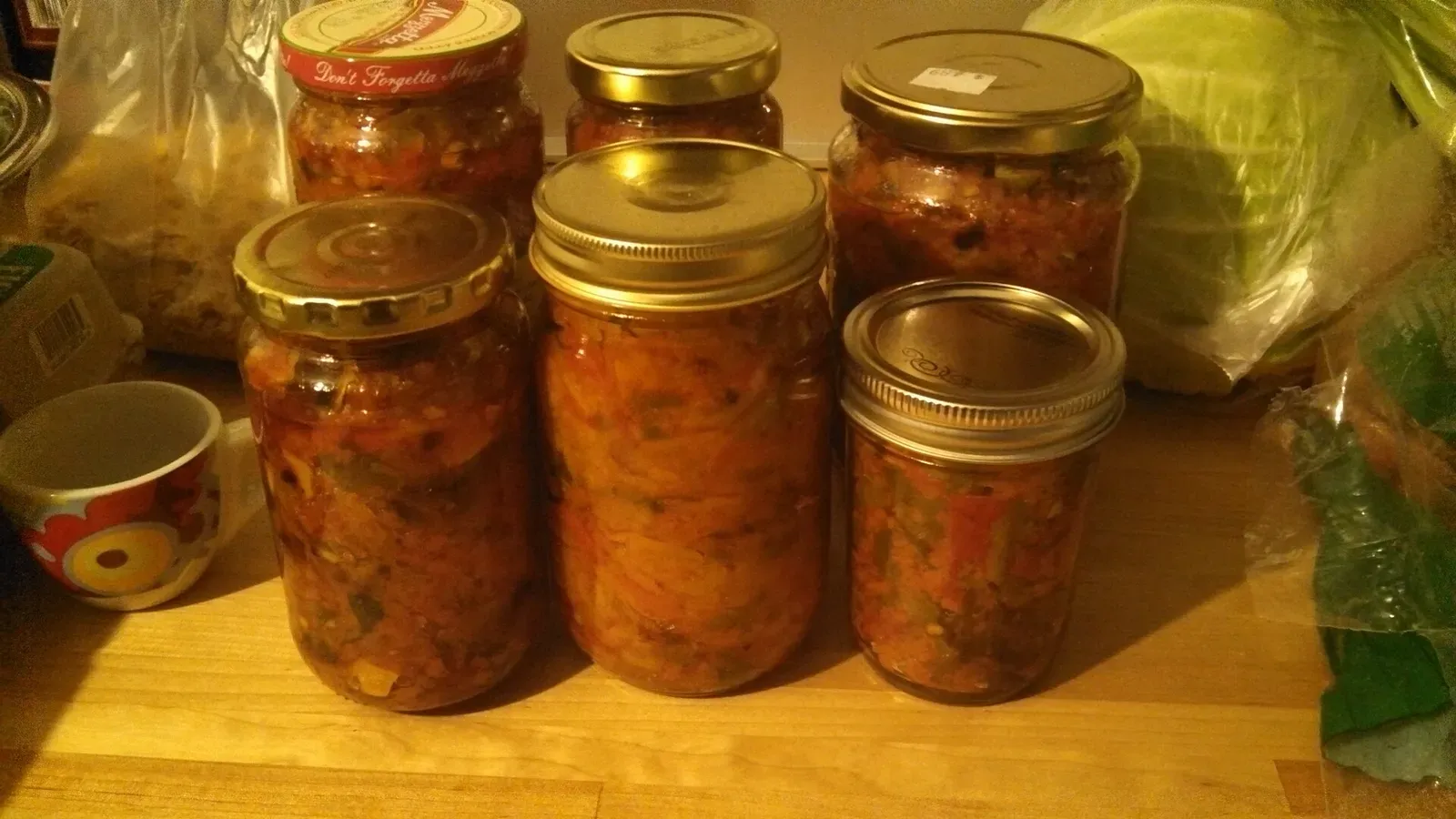
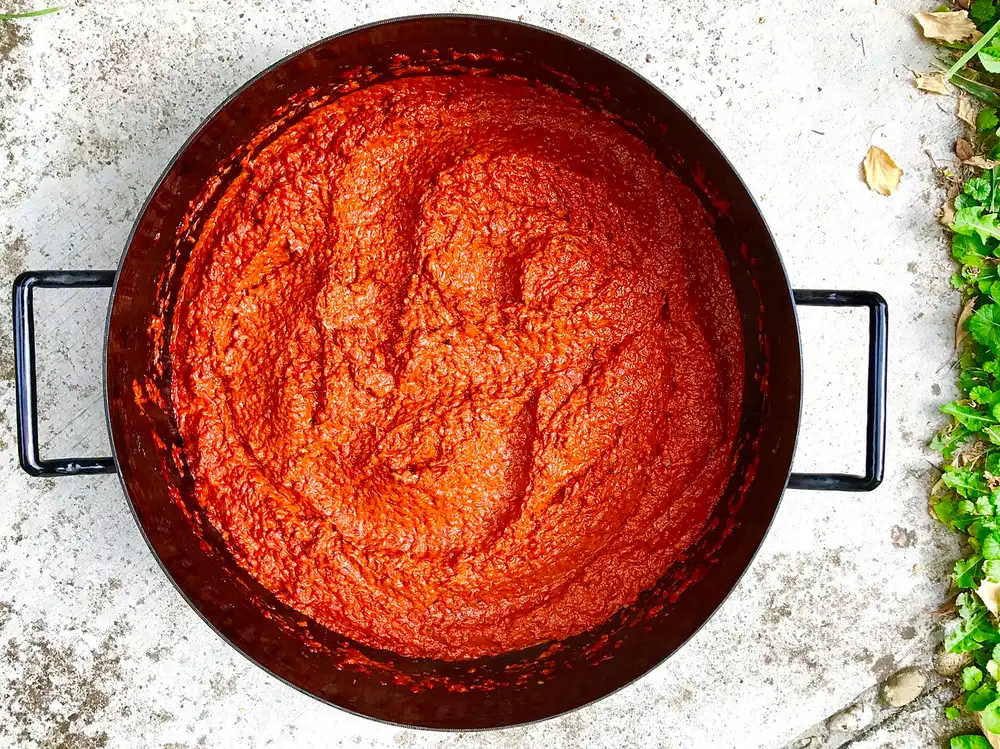
You’ll get further if you start with what you can order without a special kitchen. Ajvar is roasted red peppers cooked down with oil, salt and usually a little vinegar. Some cooks add aubergine or garlic. It is vegan by construction, which is why it turns up on fasting tables and in jars at the market. Spread it on bread and you have a meal. The trap is not the ajvar. The trap is what the kitchen parks next to it.
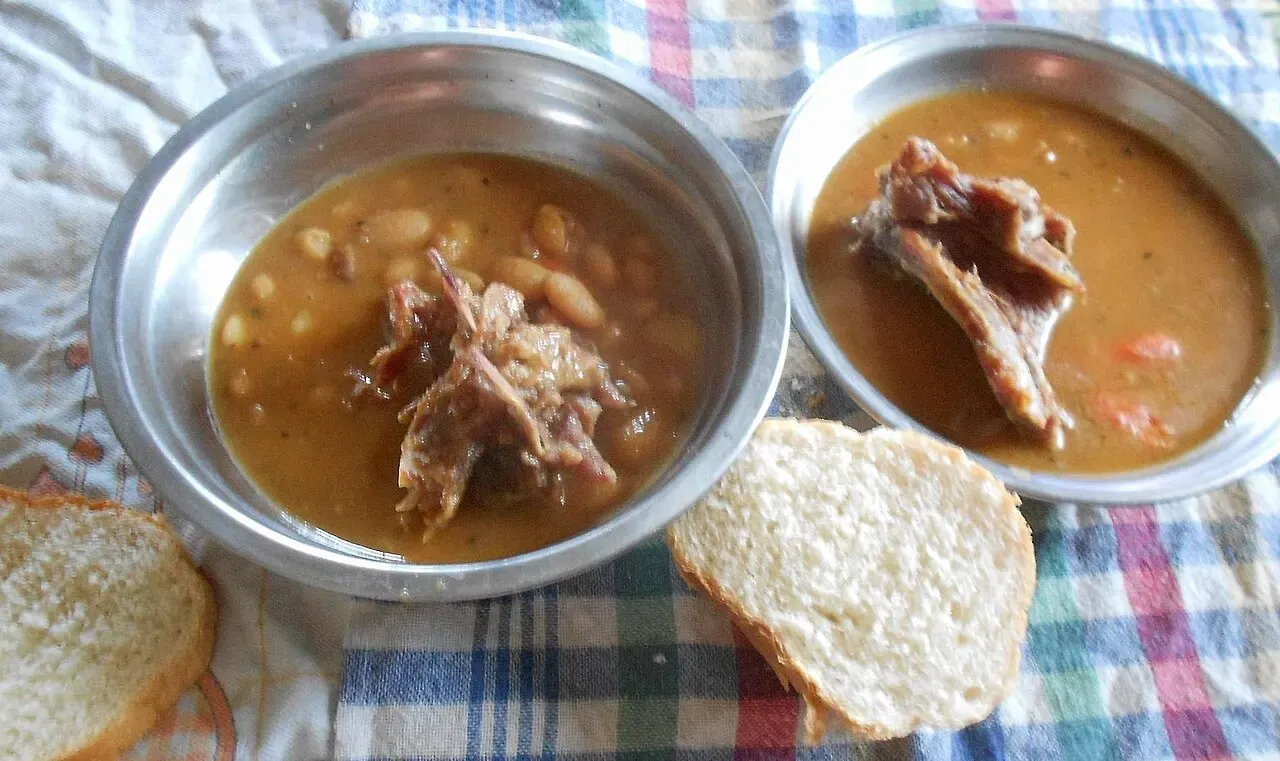
Prebranac is the baked bean pot: white beans, a lot of sweet onion, paprika, oil, often a bay leaf. Traditional recipes have no meat and no dairy, which is why it is a slava and Lent staple. Some cooks still slip in smoked meat. Ask. Its cousin čorbast pasulj is the one that fools people. It looks like a humble bean soup. Wikipedia and every family recipe agree it is normally built on smoked bacon, sausage or a ham hock. If you order “beans” without naming prebranac, that’s probably what arrives.
Meat hides in three places, and the grill is only the obvious one.
In the pot: čorbast pasulj, most sarma (cabbage leaves around minced meat), punjene paprike (peppers stuffed with the same mince), and any čorba whose stock nobody mentioned. Posna sarma exists - rice and vegetables in the leaf - but it is the marked version, not the default.
In the pastry: gibanica is white cheese and eggs between filo, often with lard in the layers. Fine if you eat dairy. A dead end if you don’t, unless the baker wrote posna on the tray. Burek sa mesom is the default coil at a pekara. Burek sa sirom is cheese. Potato, mushroom or leek fillings are the fasting ones, and even then the fat in the dough can be lard. That is the na ulju question.
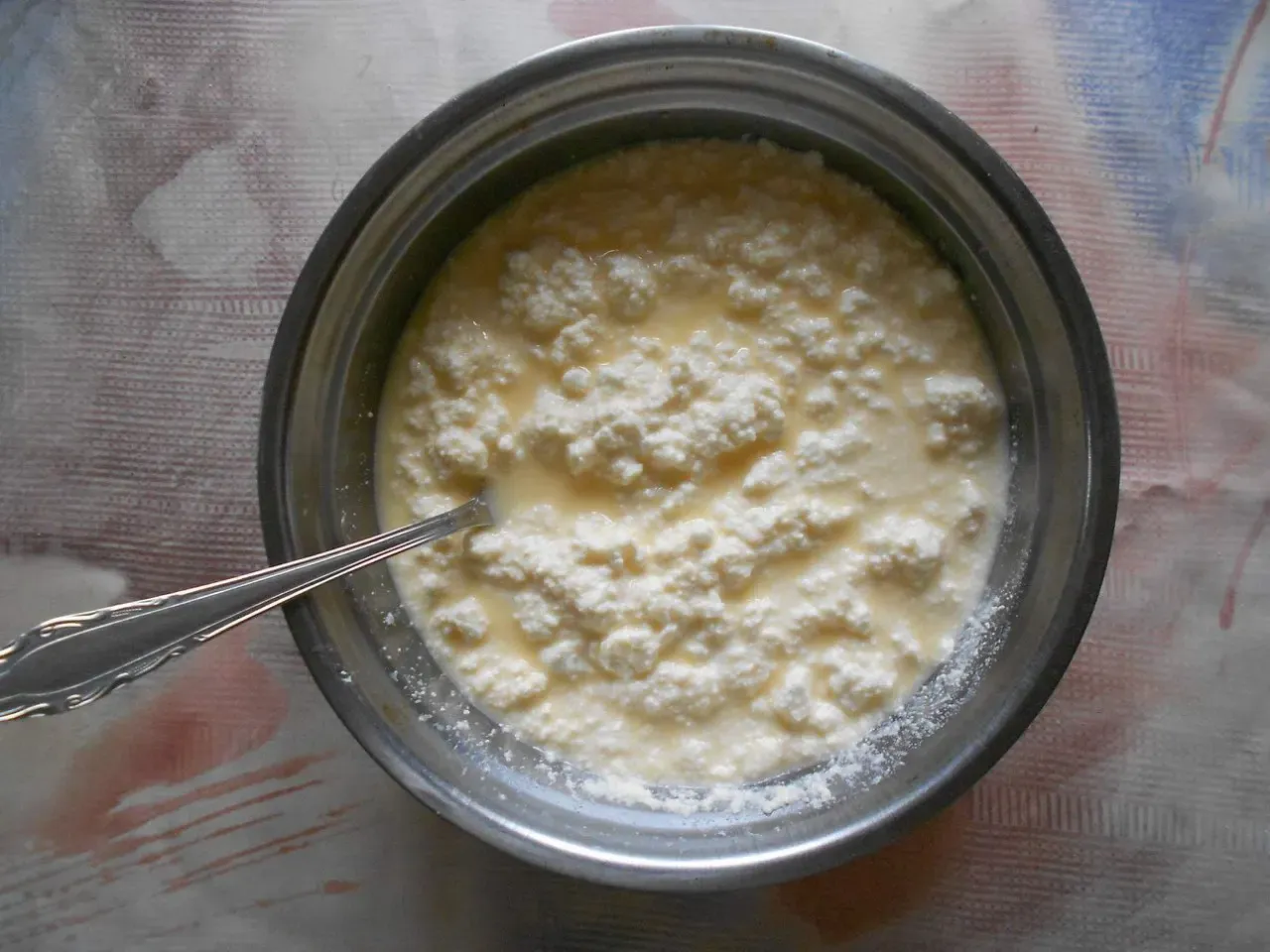
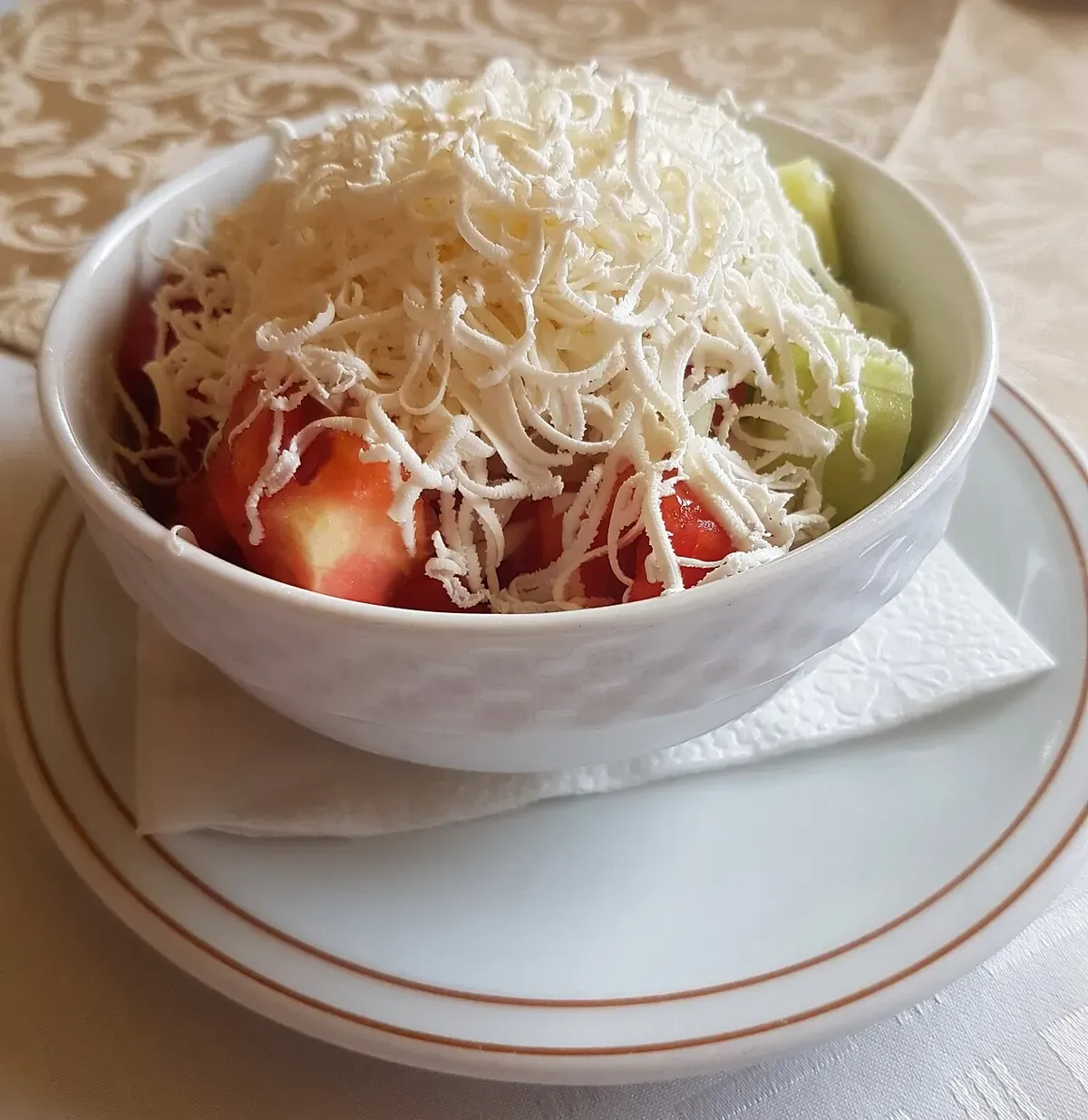
On the side: kajmak is dairy cream. Urnebes is crumbled white cheese, garlic and hot pepper. Šopska salad is cucumber, tomato and pepper under a drift of sir. All three are vegetarian. None of them are vegan unless you ask them to hold the cheese. Proja, the cornbread, often has egg or cheese folded through. Lepinja, the grill bread, is usually just flour, water and yeast - usually.
Our dish-by-dish list of Serbian food is written for people who came for the grill. Use it to recognise the names. Use this page to know which of those names you can actually eat.
Belgrade rooms that skipped the grill
You don’t have to decode every kafana. Belgrade has had dedicated vegetarian kitchens for more than a decade, and the three below sit on more than one list with ratings above four stars. Radost is the quiet sit-down. Mayka is the mixed plate. VegANGELov is the fully vegan room in Dorćol.
Radost Fina Kuhinjica, also called Radost House, has been at Pariska 3 since early 2013, in a grey building across from the fortress with almost no street sign. Their own site still prints 2014 as a founding year; contemporary reports from February 2013 already describe the room as open. The menu is the health-food end of the spectrum - buckwheat and beet burgers, tacos, mushrooms, gluten-free and raw options, a short local wine list - not a fasting-bean museum. Their own contact page in August 2026 listed Tuesday to Saturday 14:00-22:00, Sunday 14:00-21:00, Monday closed. Aggregators disagree with each other, so check before you walk over.
Mayka is at Nikole Spasića 5, a short walk from the pedestrian core, and has been vegetarian with a wide vegan list since 2016 (in the Kosančićev venac quarter). Think mixed plates rather than a single cuisine: a meatless goulash, a falafel burger, samosas, a vegan pizza. Hours on third-party sites are a mess. Phone them. Don’t trust a blog timetable.
VegANGELov is the fully vegan room, at Gospodar Jovanova 42a in Dorćol. Fusion rather than Serbian home cooking: ramen, gnocchi, wraps, a long gluten-free column. HappyCow last touched the listing in June 2025 and vegan visitors still point people here. I didn’t get a clean hours page from their site on the day I checked, so I am not inventing one. Dorćol is the neighbourhood our Belgrade walking guide already sends you into after Skadarlija; this is the dinner that isn’t a mixed grill.
Three rooms do not make a city vegetarian. They do mean you can have a proper evening without negotiating lard. For lunch on the move, the pekara is still the faster tool, as long as you read the filling.
Novi Sad: the market and the lunch window
Novi Sad is smaller and, for plant-based eating, oddly easier. The city’s tourism office calls Ananda “a synonym for vegan cuisine in the city”, which is the sort of line a tourist board only writes when the place has been around long enough to become a landmark. Ananda’s own site still says it was the first vegan restaurant in Serbia. It sits at Petra Drapšina 51, bakes its own pastry, writes a changing daily menu from market produce and from the owners’ plot in Bukovac, and keeps portions large on purpose. Official hours are 08:00-17:00 every day except Sunday. An older HappyCow note says they have closed in August in some years. I can’t confirm that for 2026 from the site, so message them before you cross town in late summer. It is a lunch window, not a late dinner.
When Ananda is shut, Rekalibracija is the practical answer. The Jakovljev family opened a vegan fast-food counter in 2016 at Jevrejska 42, inside the Futoška market, and later added a second site at 1300 kaplara on Liman. Burgers, wraps, soups, cakes, all plant-based, built for people who don’t want a reservation. Their site was live in August 2026 and delivery apps were still taking orders. their own contact page prints Monday to Sunday 08:00-21:30, and that is the number to trust over a delivery app. Go to the market address first; if you are already on Liman, use the second.
A Novi Sad day already includes the fortress, the square and the river. Put the market on the same walk and you have breakfast and lunch without a strategy meeting.
Read the bakery tray
The pekara is where most visitors actually eat in the morning, meat-eaters included. The coil in the window is burek. If nobody said otherwise, it is minced meat. Cheese is sa sirom. Potato is krompir. Spinach often comes with cheese. During a fast the posno trays get a little paper sign. Outside a fast you have to ask.
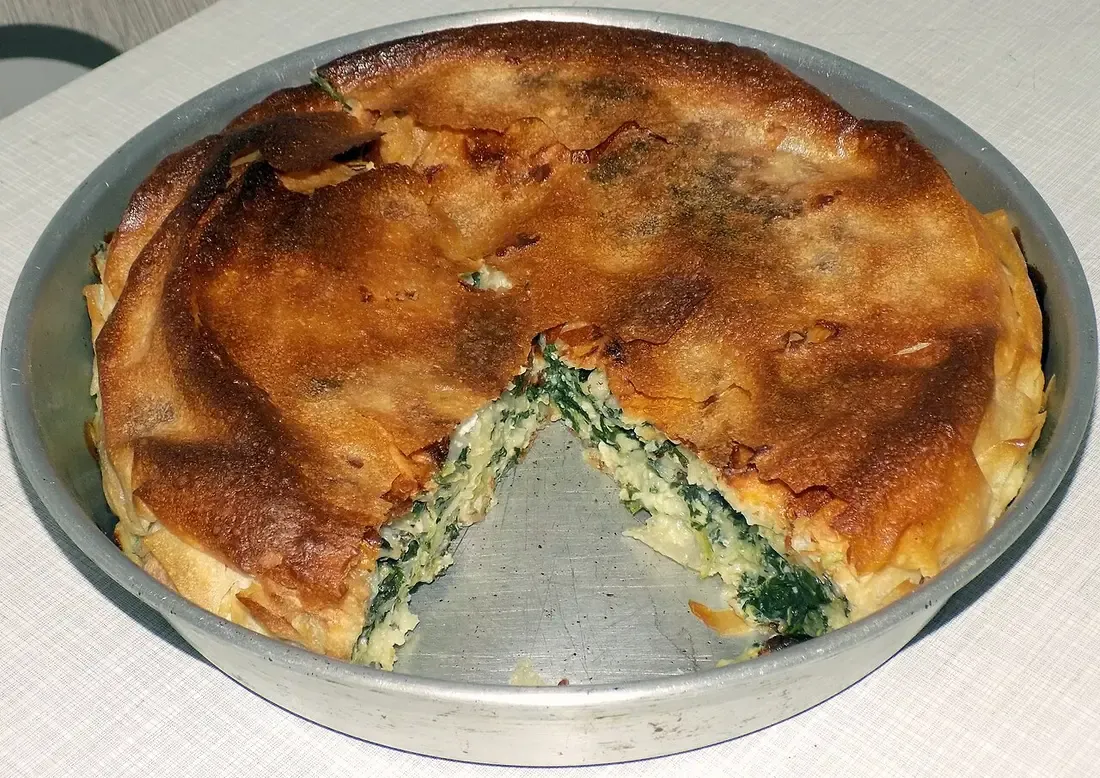
Take the yogurt they hand you with a cheese burek if dairy is allowed - it’s the traditional pairing and it makes the pastry sit better. If dairy isn’t allowed, skip the yogurt, take the potato coil, and eat it in the doorway like everyone else. Palačinke from a night window are usually egg batter; don’t treat them as vegan unless the stall says posno.
Supermarkets help more than they used to. Ajvar is on every shelf. Larger supermarkets often stock plant milks; smaller shops vary - check. Markets - Kalenić in Belgrade, Futoška in Novi Sad - will sell you peppers, tomatoes, bread and white cheese by the hundred grams, which is how a vegetarian picnic actually happens in this climate.
Sitting down with people who came for the grill
You’ll eat some meals with friends who ordered ćevapi. That’s fine. A kafana is built for a table of mixed plates. Order ajvar, a šopska without cheese if you need it, prebranac if they have it, a cheese pie if you eat dairy, and bread. Drink what they’re drinking. You are not required to make a speech about the menu.
What you should not do is assume the “vegetable side” is safe. Grilled vegetables often share the grate with pork. Bean pots share the stock. Pastry shares the fat. The dedicated rooms above exist so you don’t have to play that game every night. Use them for one meal a day and treat the rest of Serbia as a country that will feed you if you ask the right question, in the right word, before the plate lands.
Photos
Read also

Food · 10 min read
Belgrade Food Tours: What You Eat and Pay
Verified · September 4, 2026Belgrade food tours run 2-4 hours: from €34 per person on a street walk to €165 solo on the operator flagship, €810 for a group of six.

Food · 10 min read
Craft Beer in Belgrade: Bars and Breweries
Verified · August 27, 2026Where to drink craft beer in Belgrade: Dogma and Salto taprooms, Samo Pivo and Liga Pub, what a pint costs in RSD, and how it fits the Jelen lager default.

Food · 11 min read
Fruska Gora Wine Tour: Prices and Booking
Verified · August 18, 2026Karlovci lists 20 cellars, 15 with tasting. Mrdjanin posts 1,000-4,500 RSD. Book ahead, and do not drive after.

Food · 11 min read
Serbian Wine: Regions, Grapes and Where to Taste
Verified · August 16, 2026Serbia's wine map: Prokupac, Tamjanika and Bermet, which regions to visit, and how to taste without driving.