
Serbian Wine: Regions, Grapes and Where to Taste
Serbia's wine map: Prokupac, Tamjanika and Bermet, which regions to visit, and how to taste without driving.
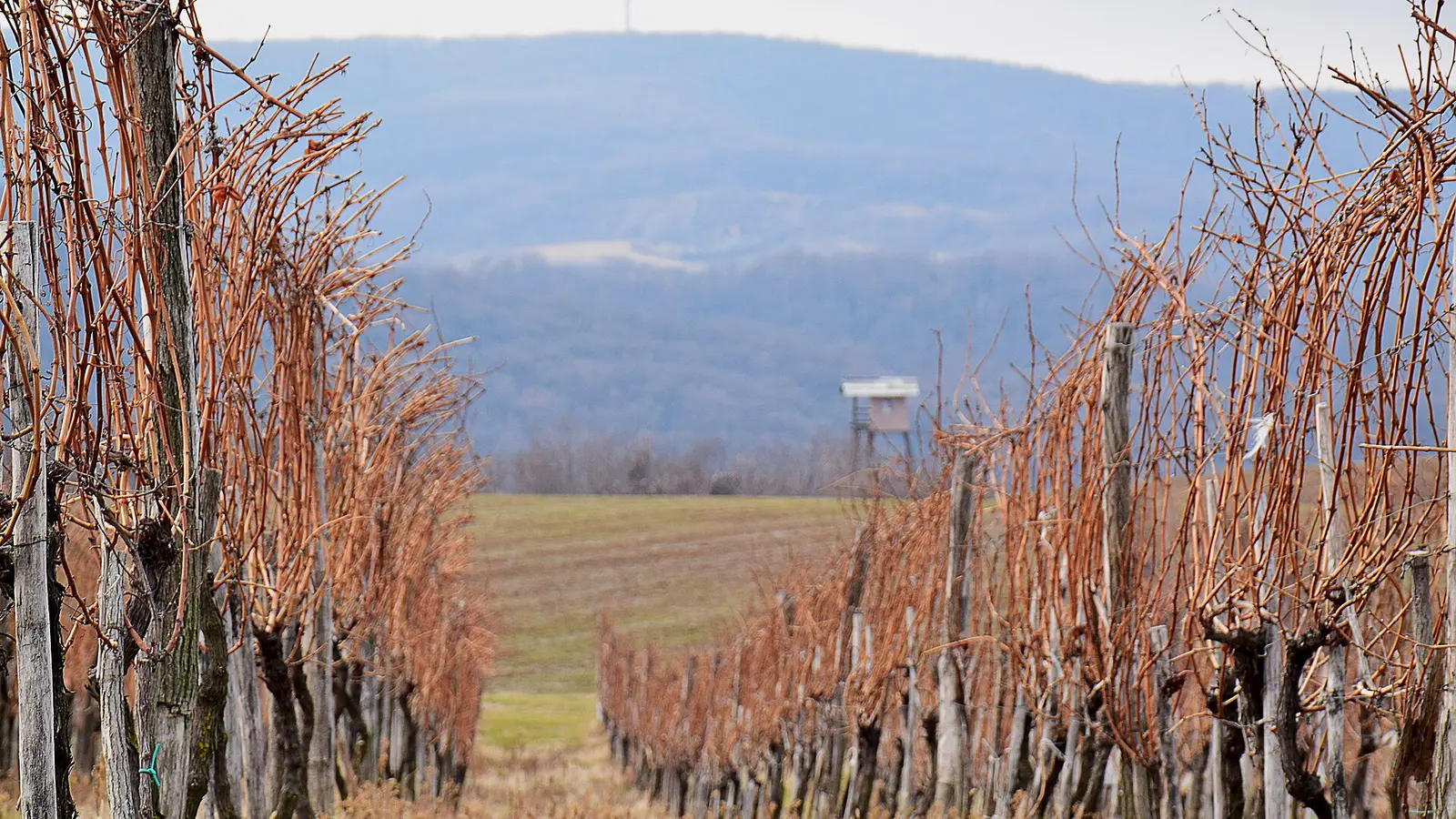
Serbian wine is a small, recovering industry of about 20,000 hectares, and the bottle that tastes most like the country is Prokupac, a dark native red that once covered most of the vineyard and now covers about 5 percent of it. The whites to look for are Tamjanika, a muscat Serbia often bottles dry, and Grašac, the everyday grape of Fruška Gora. Bermet, the spiced dessert wine of Sremski Karlovci, is the souvenir people actually take home. You’ll taste all of this on day trips from Belgrade or Novi Sad, but the drink-drive limit is 0.20 mg/ml of blood alcohol, so one glass ends your driving day - don’t plan to drive after. You’ll find what a tasting actually costs and how to book one in our Fruska Gora wine tour guide.
It’s the collapse of Prokupac that’s the useful part. In the 1970s it occupied about 60 percent of Serbian vineyard. The socialist combines wanted volume, then international varieties, and the native red nearly vanished. What you’ll meet now is a revival grape, not a supermarket default, which is why a tasting still feels like a conversation with a family rather than a conveyor belt.
Grapes that actually taste like Serbia
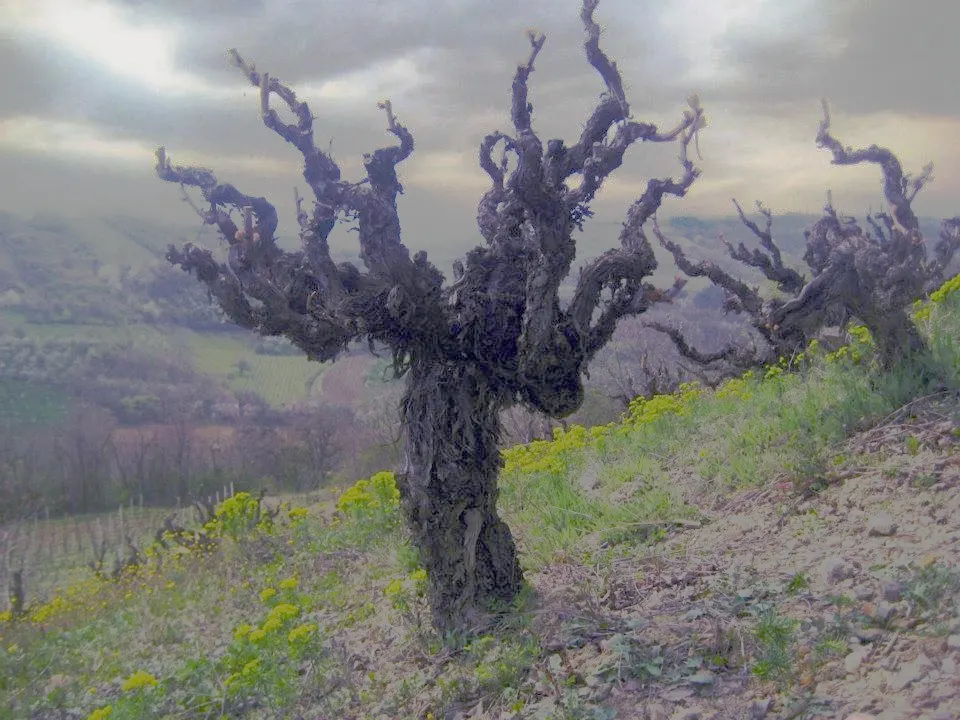
Start with Prokupac. Serbia’s Centre for Viticulture and Oenology ranks it ninth by commercial planted area, with the biggest blocks in the Three Moravas, Toplica and Leskovac districts, not in the pretty hills next to Belgrade. The berries are thick-skinned and blue-black. A short maceration gives the pale, easy red known as ružica; a longer one gives a ruby wine with blackberry, cherry, cranberry, pepper and a tannin grip that wants grilled meat. If you only try one Serbian red, make it this, and don’t bother with the Cabernet on the same list unless you specifically miss home.
Tamjanika is the white people remember. The name comes from tamjan, frankincense, because ripe bunches smell from several metres away. It belongs to the muscat family - the research centre lists Muscat à Petits Grains among the synonyms and refuses to pretend the origin is settled - and it has been grown here for centuries. Typical bottles sit around 12 to 14 percent alcohol. The local habit that surprises visitors is to ferment it dry, so you get the perfume without the pudding. A dessert version from dried grapes exists and can climb toward 17 percent; ask which one is in the glass before you commit the afternoon to it.
Grašac is Welschriesling under a Serbian passport, and on Fruška Gora it’s the workhorse: juicy, a bit of pollen and herbs, the white you drink with lunch rather than photograph. Smederevka, named for the Danube fortress town, is the other historic white, a high-acid grape that shows up more often in the Banat and along the Morava than on tourist lists. Kadarka (Skadarka) is the pale, cherry-plum red tradition says arrived from around Shkodër; you’ll see it in Vojvodina more than in the south.
Then there’s Bermet, which isn’t a grape at all. It’s an aromatized dessert wine from the Fruška Gora cellars of Sremski Karlovci, 16 to 18 percent alcohol, made by macerating around 20 herbs and spices into a white or red base. Family recipes stay secret. Zaharije Orfelin wrote a version down in Iskusni podrumar, the first Serbian book on wine, in the 18th century. Karlovci cellars pour it cold, in small glasses, as a dessert or a slow aperitif. The Titanic story is a town legend, not a passenger list; treat it as colour, not a fact.
Twenty-two regions, five that matter
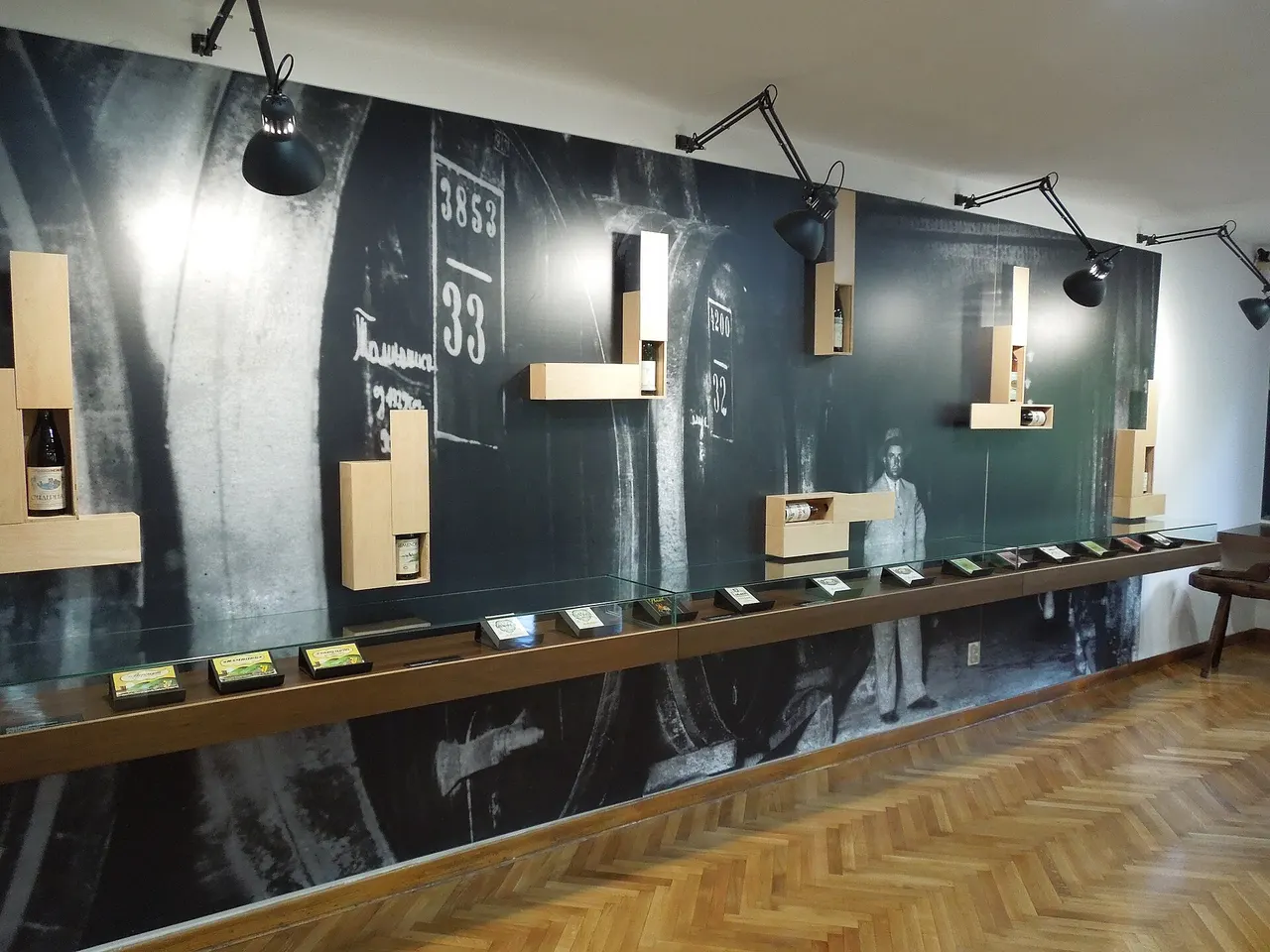
The agriculture ministry’s zoning rulebook carves Serbia into three wine-growing units - Central Serbia, Vojvodina, and Kosovo and Metohija - then into 22 regions and 77 districts. You don’t need all 22. For a first trip, five places do the work, and two of them already have their own day-by-day pages on this site.
Šumadija, south of Belgrade, is the royal hillside around Topola and Oplenac. International varieties sit next to Tamjanika, and the Aleksandrović estate still publishes a tasting tariff: a cellar tour with a glass of Selection wine at EUR 4.5, Premium at EUR 5.5, or a food-and-wine pairing from EUR 77, booked ahead, especially at weekends. The rest of that day - the 1804 uprising site, the spa park, the mosaic mausoleum - lives on our Šumadija royal wine route, and this page won’t retell it.
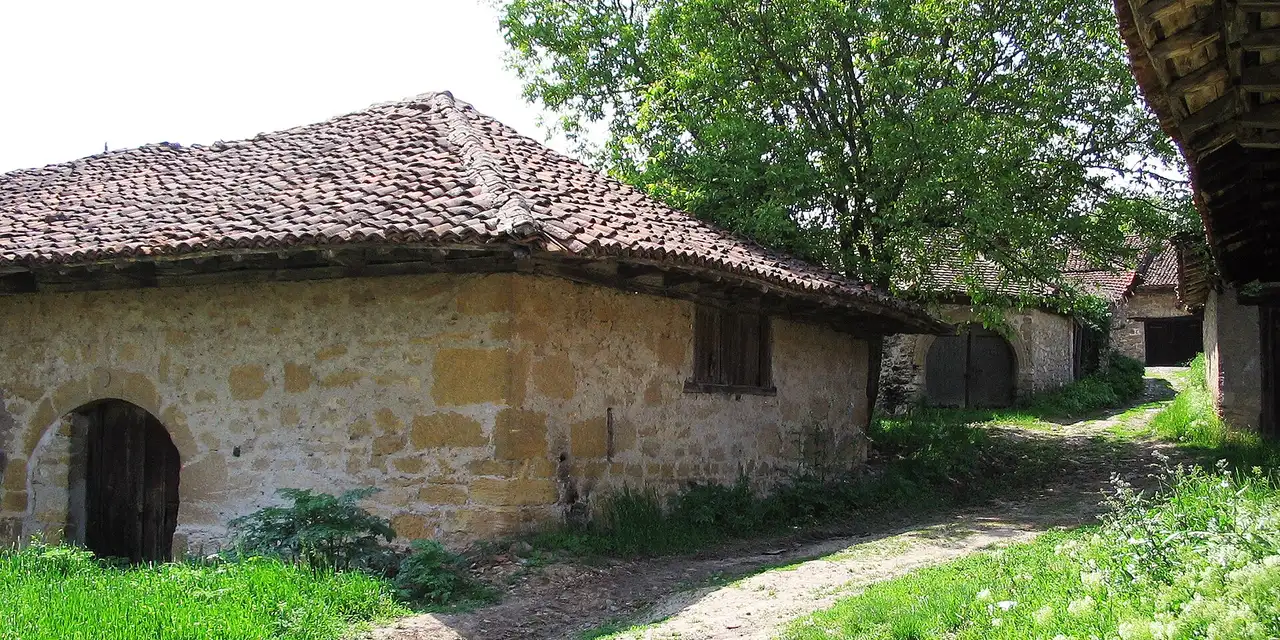
The Timok and Negotin corner, out east toward Romania and Bulgaria, is the other published loop: Roman palace, then the stone cellar village at Rajac, then the wine town in the tri-border pocket. The cellars themselves - around 60 honey-coloured houses sunk into a hill, on Serbia’s UNESCO Tentative List as Negotinske Pivnice - are the reason to go. How to drive it, where to sleep and what the palace ticket costs are on the Timok valley wine and Rome loop.
That leaves three regions the routes don’t cover, and they’re the ones this hub is for.
The harvest town the day trips skip
Župa, around Aleksandrovac, is where Prokupac and Tamjanika still feel like the point rather than a side pour. The valley sits between Goč, Željin and Kopaonik, far enough south that a Belgrade day trip becomes a long day. Family cellars here talk about Stefan Nemanja’s 12th-century charter giving Župa vineyards to Studenica monastery; take that as the local origin story, not as a lab result.
Budimir, just outside town at Borjanska 23, farms 4.7 hectares of Tamjanika and bottles it at 13 percent. Ivanović, in Aleksandrovac itself, is a 2002 restart with French and Italian partners and a habit of putting Prokupac and Tamjanika on the same table; their 2023 Tamjanika and 2022 Prokupac took gold at the 2025 Balkan International Wine Competition. Neither winery publishes a walk-in tasting price. Email or phone ahead, and expect to pay whatever they name that week.
The public date worth planning around is Župska berba, the harvest festival. The 61st edition runs 17 to 20 September 2026, moved later at the winemakers’ request so it doesn’t land on the busiest picking days. The town’s tourist office says the famous wine fountain will still run, even though the old industrial producer that used to fill it, Vino Župa, went into bankruptcy in March 2026. Confirm closer to the week: a fountain is a festival stunt, not a timetable.
The hill above Novi Sad
Fruška Gora is the easy wine country, and that’s the trap. The ridge starts on the southern edge of Novi Sad, about 10 km and 20 to 30 minutes by car, or 80 km and an hour to an hour and a half from Belgrade. It’s also a national park of monasteries and linden forest, which we cover separately in the Fruška Gora park guide. Come for wine and you’ll drink Grašac, Tamjanika, the odd Probus red, and Bermet. Come for the ridge and you’ll get the same bottles as a side effect.
The tasting town is Sremski Karlovci, 8 km from Novi Sad on the Danube. The local tourist office lists 20 registered cellars, 15 of them with a tasting (checked 16 August 2026). You can do the square, a cellar and lunch in half a day without touching a monastery. That’s the version to book if wine is the point and the park can wait.
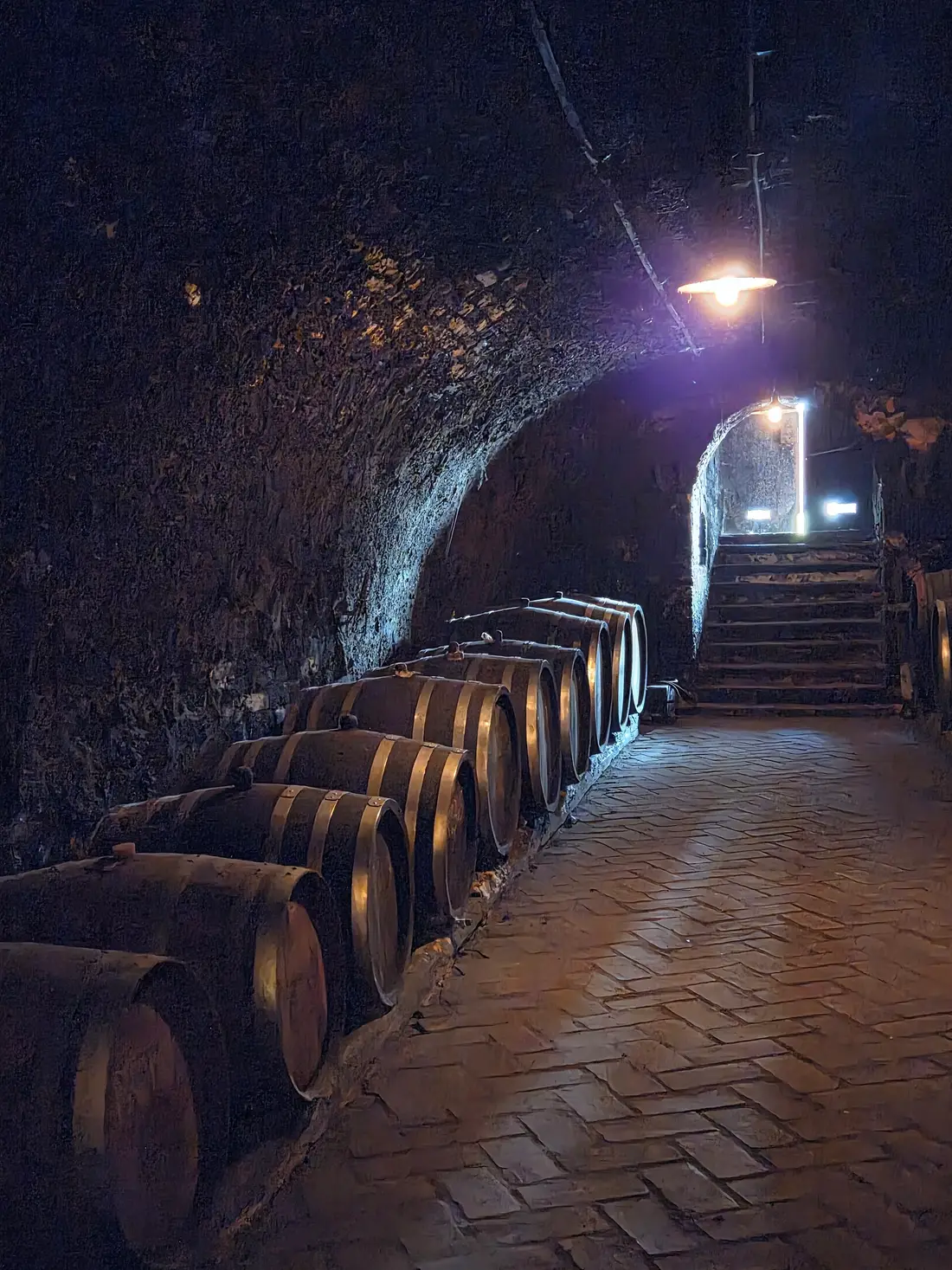
Vršac, about 100 km north-east of Belgrade in the Banat, is the other Vojvodina hill: vineyards on the Vršac Mountains, Kreaca (Banatski Rizling) as the local white, and almost no foreign visitors. It’s a detour if you’re already heading toward the Romanian border, not a first-day outing. Subotica-Horgoš, up on the sand toward Hungary, is the same kind of extra: interesting if you’re crossing that frontier, skippable if you’re not.
Taste without driving
Serbia’s Law on Road Traffic Safety treats a driver as under the influence above 0.20 mg/ml of alcohol in the blood. New drivers, professionals and motorcyclists sit at zero. Our driving guide puts it in the only useful English: do not drink and drive at all. A single glass with lunch can put you over. That one rule decides the shape of a wine day.
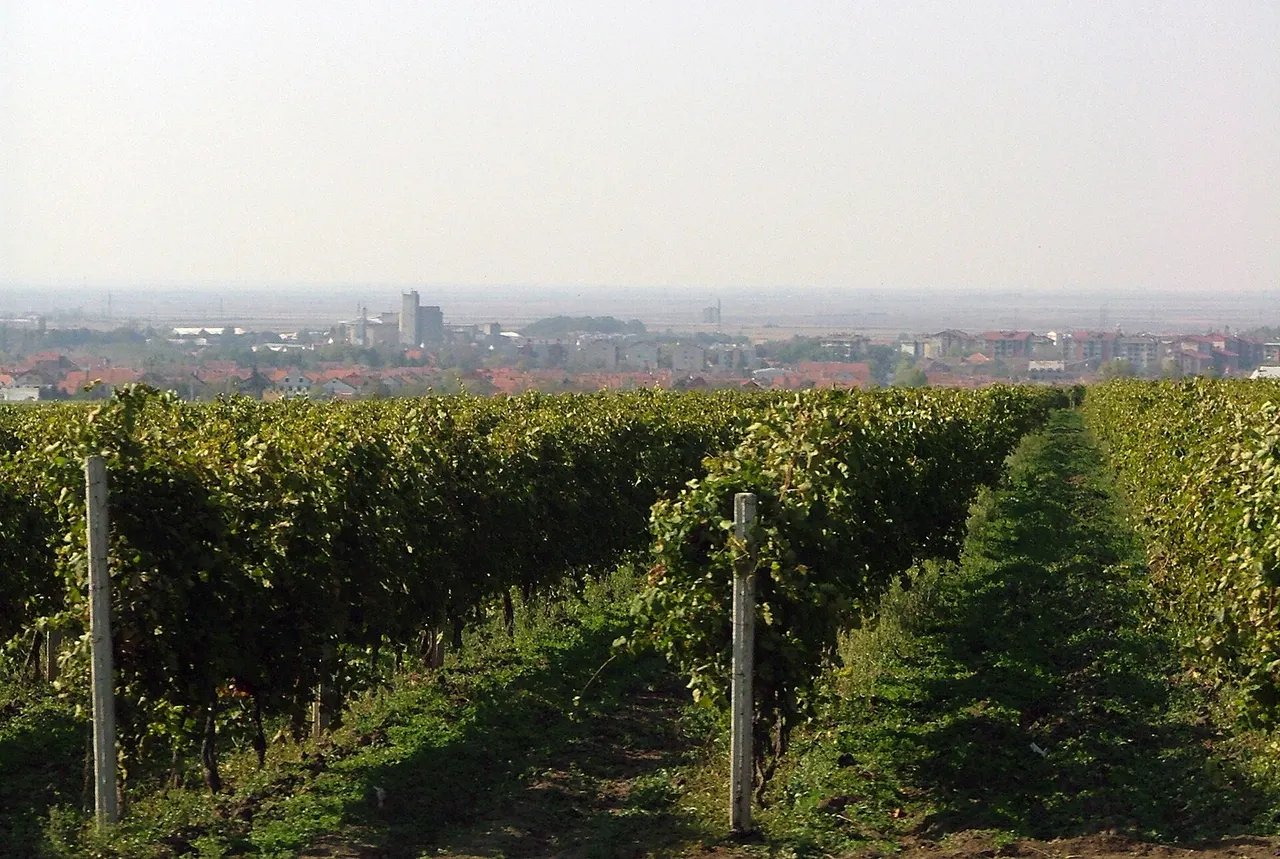
The honest options are three. Book a day tour with a driver from Belgrade or Novi Sad, usually a Karlovci-and-Novi-Sad loop with a Bermet tasting built in. Designate a driver and let everyone else drink. Or taste in the city and never start the car: Belgrade has underground cellars and wine bars that pour Serbian bottles, and the Beo Wine Fair at Belgrade Fair (running since 2010) plus the older In Vino festival (since 2004) are the two dates locals use to taste a lot of producers in one hall. 2026 fair dates were not posted when this page was checked in August, so don’t diary a weekend on a guess.
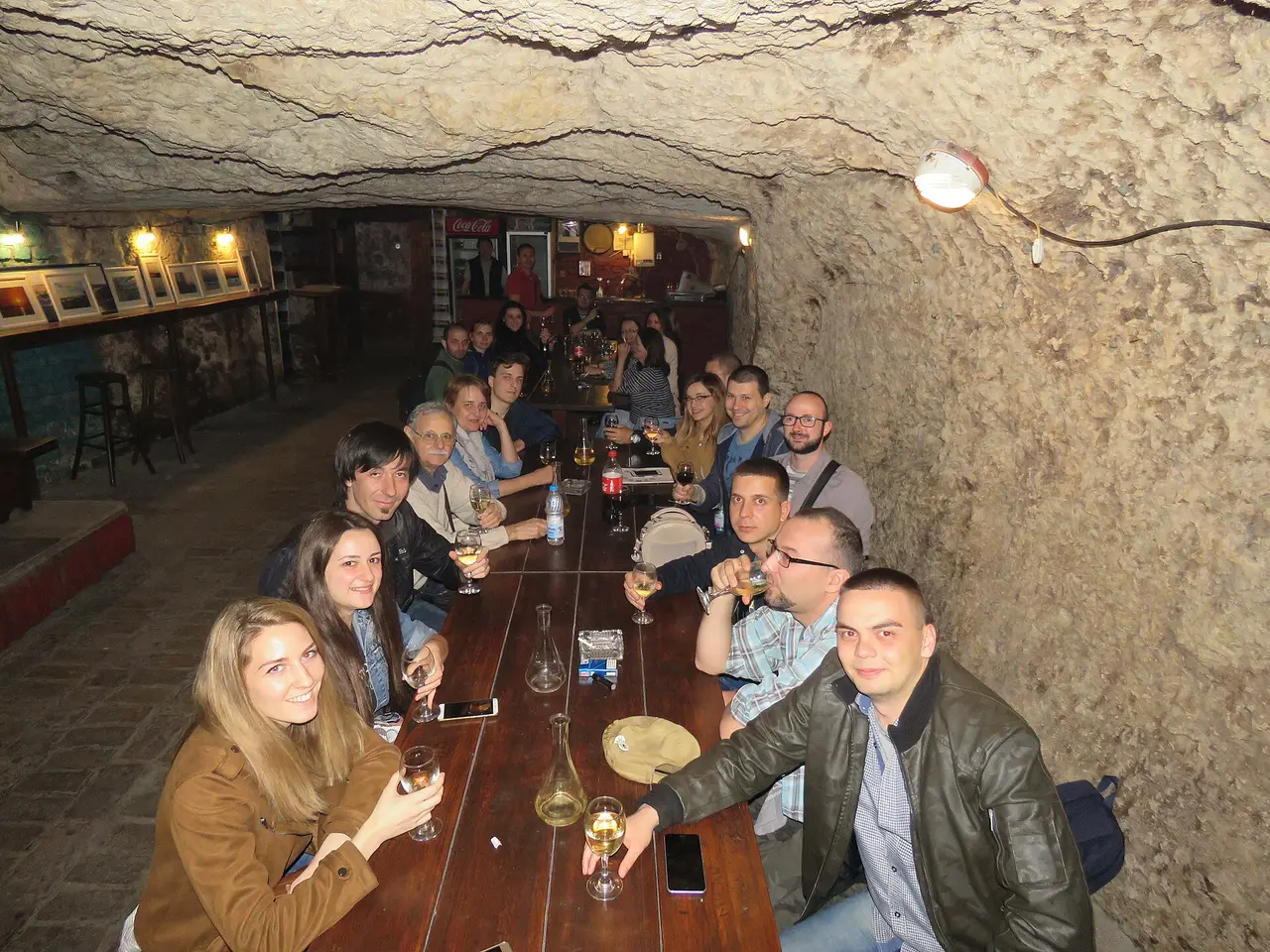
Self-drive still makes sense for Župa or the Timok, where buses thin out, as long as the person holding the keys treats the tasting as a look-and-buy, not a pour. Carry cash in the east. Book the cellar the day before. Harvest runs from late summer into October; September is when the villages are actually busy with fruit, which is charming until you arrive unannounced during a crush.
What belongs next to the glass
Prokupac wants the grill. Put it next to ćevapi, a pljeskavica or anything off the roštilj and the tannin finally has a job; our dishes guide is the menu, and it covers how the kafana table works too. Tamjanika and Grašac sit more comfortably with white cheese, kajmak, roasted peppers and the lighter end of a kafana spread. Bermet is for after, or for the first glass in Karlovci when the cellar is cold and you need something sweet to start.
Wine is not the national drink. That job belongs to rakija - and UNESCO listed the plum version, šljivovica, in 2022 - and confusing the two is how visitors end up drunk before the food arrives. A Serbian welcome often starts with a small glass of šljivovica. You can sip it, then switch to wine with the meal. You cannot treat both as session drinks and still drive, or still remember the Bermet.
The scale behind all of this is modest. The vineyard register counted 19,973 hectares of fruitful vines in 2022, down from 135,000 in 1955. Wineries declared around 25 million litres that year, some of it from imported must; the agriculture minister’s figure for 2021/2022 was closer to 29.5 million. The interesting bottles are the native ones made in small lots. Ask for Prokupac, Tamjanika or Bermet by name. If the list only has Cabernet and Chardonnay, you’re in the wrong cellar.
Photos
Read also

Food · 10 min read
Belgrade Food Tours: What You Eat and Pay
Verified · September 4, 2026Belgrade food tours run 2-4 hours: from €34 per person on a street walk to €165 solo on the operator flagship, €810 for a group of six.

Food · 10 min read
Craft Beer in Belgrade: Bars and Breweries
Verified · August 27, 2026Where to drink craft beer in Belgrade: Dogma and Salto taprooms, Samo Pivo and Liga Pub, what a pint costs in RSD, and how it fits the Jelen lager default.

Food · 11 min read
Fruska Gora Wine Tour: Prices and Booking
Verified · August 18, 2026Karlovci lists 20 cellars, 15 with tasting. Mrdjanin posts 1,000-4,500 RSD. Book ahead, and do not drive after.

Food · 10 min read
Vegetarian and Vegan Food in Serbia
Verified · August 17, 2026How to eat vegetarian in Serbia: the word posno, which dishes are already meat-free, where lard hides, and where to go in Belgrade and Novi Sad.