
Rakija: What It Is and How to Drink Serbia's Brandy
What rakija is and where to try it: Serbia's plum brandy šljivovica, homemade vs shop-bought, the slava toast and how to sip it like a local.
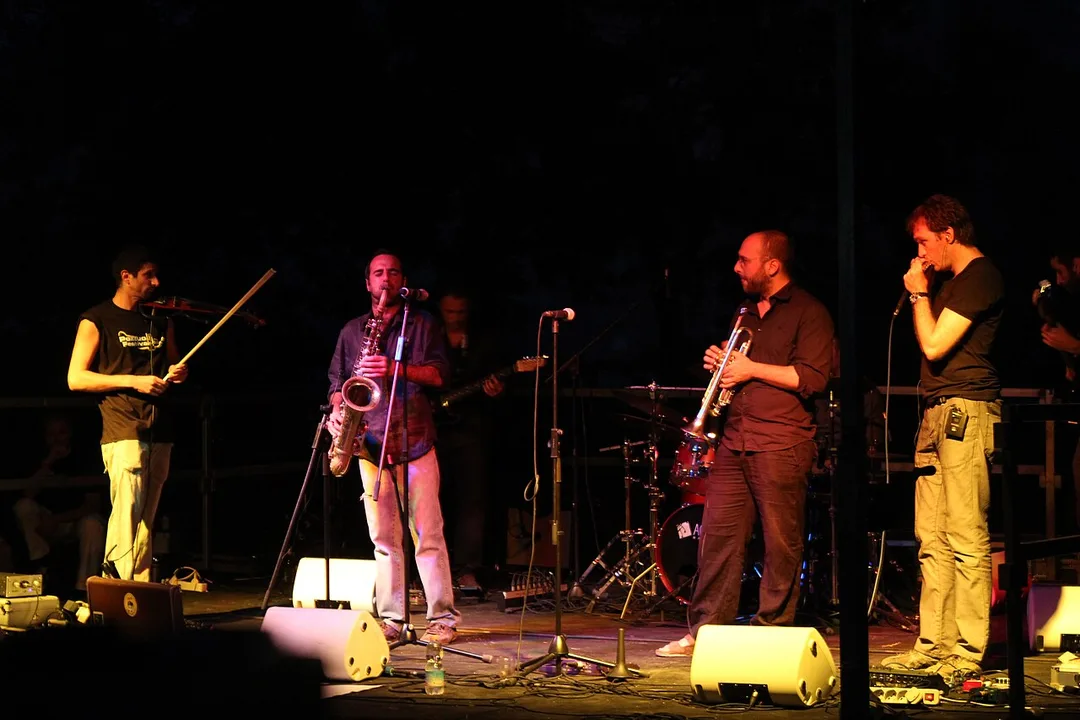
Rakija is Serbia’s fruit brandy and its unofficial national drink, a clear, strong spirit distilled from fruit that turns up at every welcome, toast and celebration in the country. The classic and most revered version is šljivovica, made from plums, which UNESCO added to its list of intangible cultural heritage in 2022 in recognition of just how deeply it’s woven into Serbian life. Most of it is strong, somewhere around 40 to 55 percent alcohol, a great deal of it’s made at home rather than bought, and it’s meant to be sipped slowly from a small glass rather than knocked back like a party shot. If you spend any time in Serbia, someone will pour you one, and knowing what it’s and how to handle it goes a long way.
This is the deeper look at the drink itself: what rakija actually is, how plums become spirit, the difference between the family bottle and the shop shelf, and the rituals of hospitality that surround the first glass. For where rakija sits in a wider meal, alongside the grill and the cheese and the rest of the table, our guide to Serbian food and dishes sets the scene.
What is rakija, exactly?
Rakija is a catch-all name for fruit brandy, a spirit made by fermenting fruit and then distilling it. That distinction matters: it’s not flavoured vodka or a liqueur, but a true fruit spirit, closer in spirit to a French eau-de-vie or an Italian grappa than to anything sweet. Good rakija carries the aroma and character of the fruit it came from while being properly, warmingly strong.
The undisputed king is šljivovica (plum rakija), distilled from plums, which are Serbia’s national fruit and grow across the country in vast quantity. But rakija is a whole family, named for whatever fruit went into the still. You will commonly meet kajsija (apricot), which is soft and fragrant and a favourite with people who find plum too austere; dunja (quince), aromatic and autumnal; viljamovka (Williams pear), often the smoothest and most perfumed of the lot; and lozovača or loza (grape), the lighter, grappa-like cousin. Beyond those you’ll find versions made from apple, peach, juniper, walnut, honey and even more unusual fruits, some of them regional specialities you’ll only come across in one part of the country.
From plum to glass: how šljivovica is made
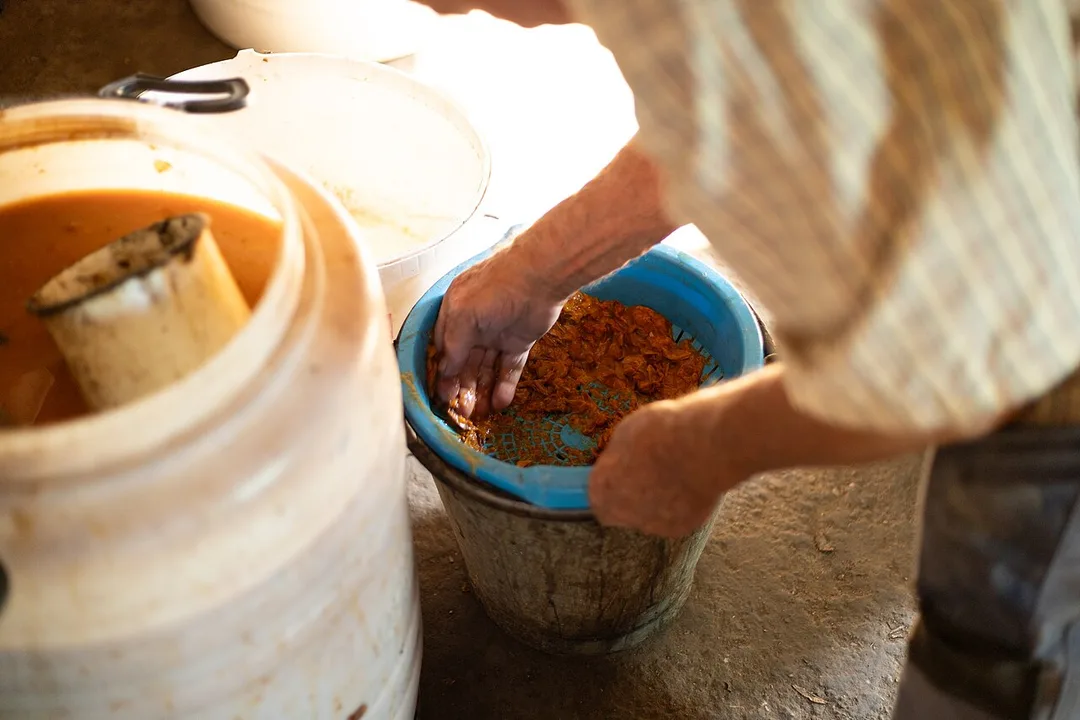
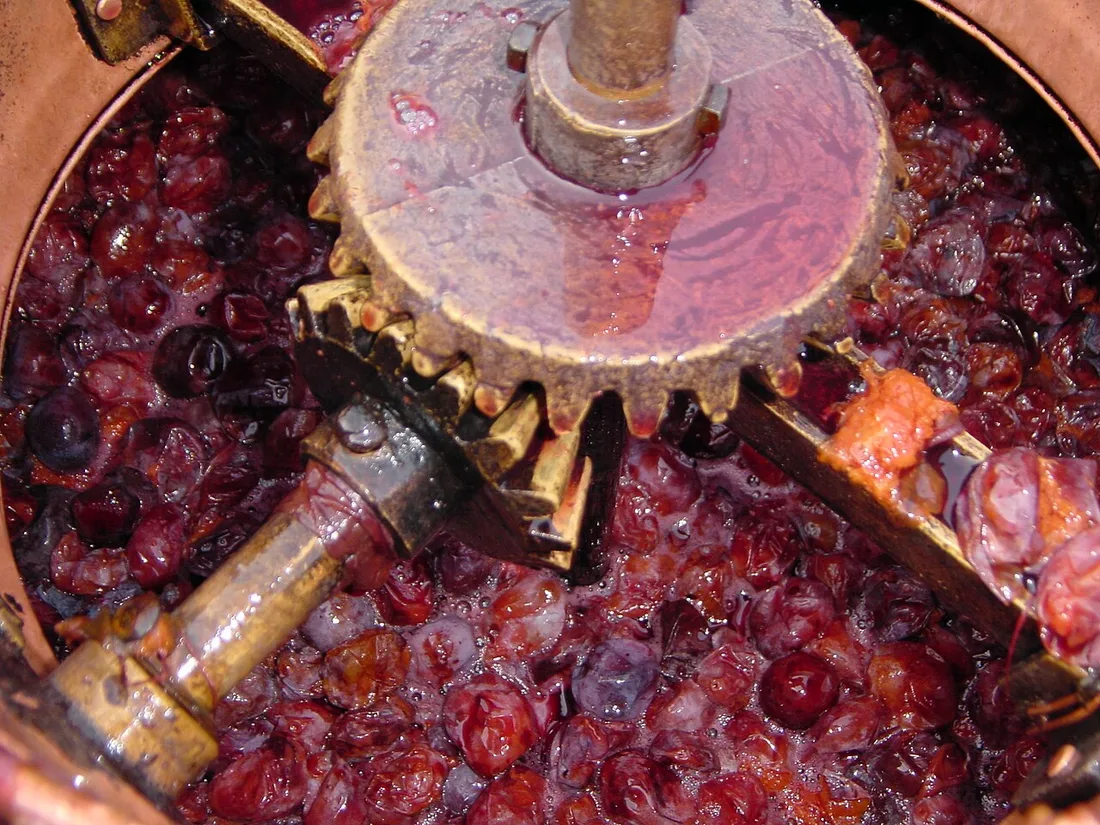
The process behind good plum rakija is simple to describe and slow to do well. Plums are grown, often on family land, and picked when very ripe in the autumn. They’re then mashed and left to ferment for roughly 20 to 30 days, the natural sugars turning to alcohol in the barrel or vat. What comes next is the part that makes the whole enterprise smell like autumn across rural Serbia: distillation in a kazan, the traditional copper pot still, heated over a fire until the alcohol vapour rises, condenses and runs off as clear spirit.
A single pass through the still gives a milder brandy known as meka rakija, or soft rakija. Many makers run it through a second distillation to concentrate it into something stronger and cleaner, called prepečenica, which is what most people mean when they talk about serious homemade plum brandy. The freshly distilled spirit is clear; the amber, whisky-coloured versions you sometimes see have been aged in oak barrels, typically for a year or more, which softens the bite and adds colour and depth. Some distillers deliberately leave the plum stones out of the mash to avoid a bitter, almond edge, while others keep a few in on purpose for exactly that character.
How strong is it? Homemade versus shop-bought
Rakija isn’t a gentle drink, and it pays to respect it. Commercial bottles generally sit in the 40 to 45 percent range, much like other spirits, though premium and traditional styles can climb higher, and slivovitz worldwide runs anywhere up to around 70 percent. Homemade rakija is the wild card: family batches often land at 50 percent or more, and because there’s no label and no lab, ask how strong a given bottle is and nobody can tell you exactly, usually just a shrug and a grin. Treat an unlabelled glass as stronger than it tastes, because the smoothest homemade brandies are frequently the most potent.
That homemade tradition is the heart of the matter, and it is worth understanding before you judge rakija by a bottle in a bar. A huge share of Serbia’s rakija is made privately, by families with a few plum trees and access to a still, and the unlabelled bottle brought out from a cupboard isn’t a lesser product but often the prized one, made by someone’s father or grandfather and traded, gifted and hoarded with real pride. Commercial brands do exist, some of them excellent and aged with care, and they are the safe bet in a shop or for taking a bottle home. But if a Serbian host offers you a pour from an anonymous bottle, understand that you are being shown hospitality, not sold a drink.
The first glass: rakija, hospitality and slava
Rakija’s real role in Serbia is social, and this is where it stops being merely a spirit and becomes a custom. It is the drink of hospitality: the first thing offered to a guest, often before you’ve taken your coat off, and turning down that opening glass outright can read as standoffish, so at least accept and sip. It accompanies the country’s rites of passage from birth and baptism through marriage and, yes, funerals, and it appears whenever there’s something to mark. The toast that goes with it’s “Živeli!”, roughly “cheers” or “long life,” said with eye contact and a clink.
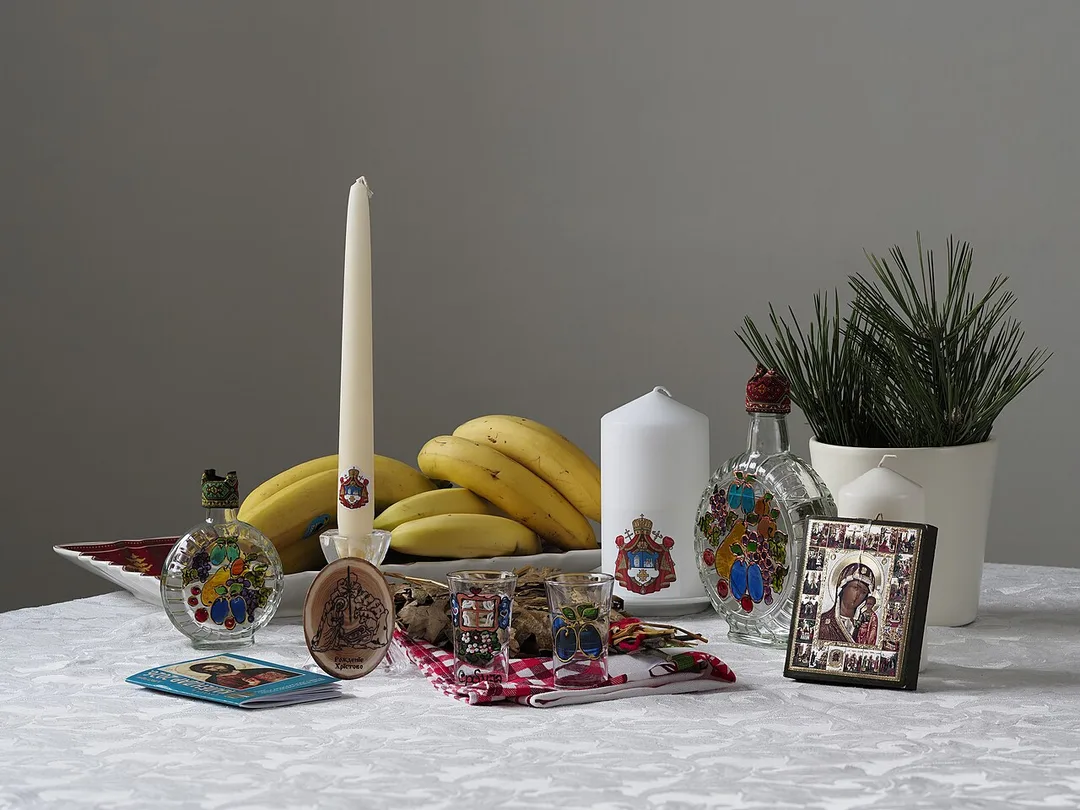
Nowhere is this clearer than at a slava, the Orthodox Christian feast day on which a Serbian family honours its patron saint, one of the most distinctive traditions in the country. Rakija is poured at the start, glasses are raised to health and to the saint, and the drink threads through a long day of food and company. It also has a quiet place in folk medicine: warmed and spiced into a mulled brandy against a winter cold, or infused with herbs and used as a household remedy and antiseptic, the kind of grandmother’s cure that persists long after the pharmacy opens down the road. None of this is performance for tourists; it’s simply how the drink lives in Serbian homes.
How to drink rakija without wincing
The single biggest mistake visitors make is treating rakija like a tequila slammer. It’s not a shot to be downed; it’s a sipping spirit, served in a small glass (the little tulip-shaped čokanj is the classic vessel) and worked through slowly over conversation. Take small sips, let it sit on the tongue, and you will taste the fruit rather than just the burn. Downed in one, a 50 percent homemade plum brandy will simply ambush you.
Timing and temperature are worth a word, though Serbs themselves do not fully agree on the latter. Rakija is above all an aperitif, drunk before a meal to open the appetite, rather than a digestif at the end, although it can play both parts. Plum and other dark rakijas are usually served at room temperature so the aroma comes through; lighter fruit ones, apricot and quince especially, are sometimes served lightly chilled, which many people prefer, so don’t be surprised to see a bottle come out of the fridge. It is generally drunk neat, not mixed, and it goes naturally with the meze that opens a Serbian meal: cheese, cured meats, ajvar and bread. Pace yourself, eat alongside it, and match your hosts glass for glass only if you’re confident, because they’ll almost certainly outlast you.
Where to try it
You don’t need an invitation to a slava to get properly acquainted with rakija. The natural home for it’s the kafana, the traditional Serbian tavern, where a range of rakijas sits behind the bar and the staff will happily steer you from a gentle apricot toward a fierce homemade plum as your evening progresses. Belgrade’s kafanas and bars are the easy place to start, and our guides to things to do in Belgrade and the city’s nightlife point you toward the districts where they cluster. Dedicated tasting tours and rakija bars have also sprung up in the capital for anyone who wants to work through the fruits methodically with someone explaining each one - many sit on the same Belgrade food tours circuit as the market walks. A group tasting is a favourite daytime fixture on a Belgrade bachelor party or stag weekend, too - a civilised counterweight to the splav clubs - and if the night then turns into bottle service on a floating club, our Belgrade stag bars guide is where the real table and bar-bill numbers live.
Take home a bottle if you enjoy it, since a good commercial šljivovica or a fragrant viljamovka travels well and makes a genuinely Serbian gift. However you meet it, the trick is the same one the whole country lives by: sip it slowly, raise it to someone’s health, and never, ever treat the unlabelled bottle as anything less than an honour.
Rakija isn’t the only serious drink Serbia makes: our Serbian wine guide maps the grapes and regions, and the Šumadija royal wine route is a day out from Belgrade built around a working vineyard on the Oplenac hillside, for anyone who wants to swap the brandy glass for a wine one, at least for an afternoon.
Photos
Read also

Food · 10 min read
Belgrade Food Tours: What You Eat and Pay
Verified · September 4, 2026Belgrade food tours run 2-4 hours: from €34 per person on a street walk to €165 solo on the operator flagship, €810 for a group of six.

Food · 10 min read
Craft Beer in Belgrade: Bars and Breweries
Verified · August 27, 2026Where to drink craft beer in Belgrade: Dogma and Salto taprooms, Samo Pivo and Liga Pub, what a pint costs in RSD, and how it fits the Jelen lager default.

Food · 11 min read
Fruska Gora Wine Tour: Prices and Booking
Verified · August 18, 2026Karlovci lists 20 cellars, 15 with tasting. Mrdjanin posts 1,000-4,500 RSD. Book ahead, and do not drive after.

Food · 10 min read
Vegetarian and Vegan Food in Serbia
Verified · August 17, 2026How to eat vegetarian in Serbia: the word posno, which dishes are already meat-free, where lard hides, and where to go in Belgrade and Novi Sad.