
Belgrade Nightlife: Splavovi, Clubs & Bars
How to go out in Belgrade: the splav river clubs, the Cetinjska bar yard, Savamala, Skadarlija, techno vs turbo-folk - plus the scams to dodge.
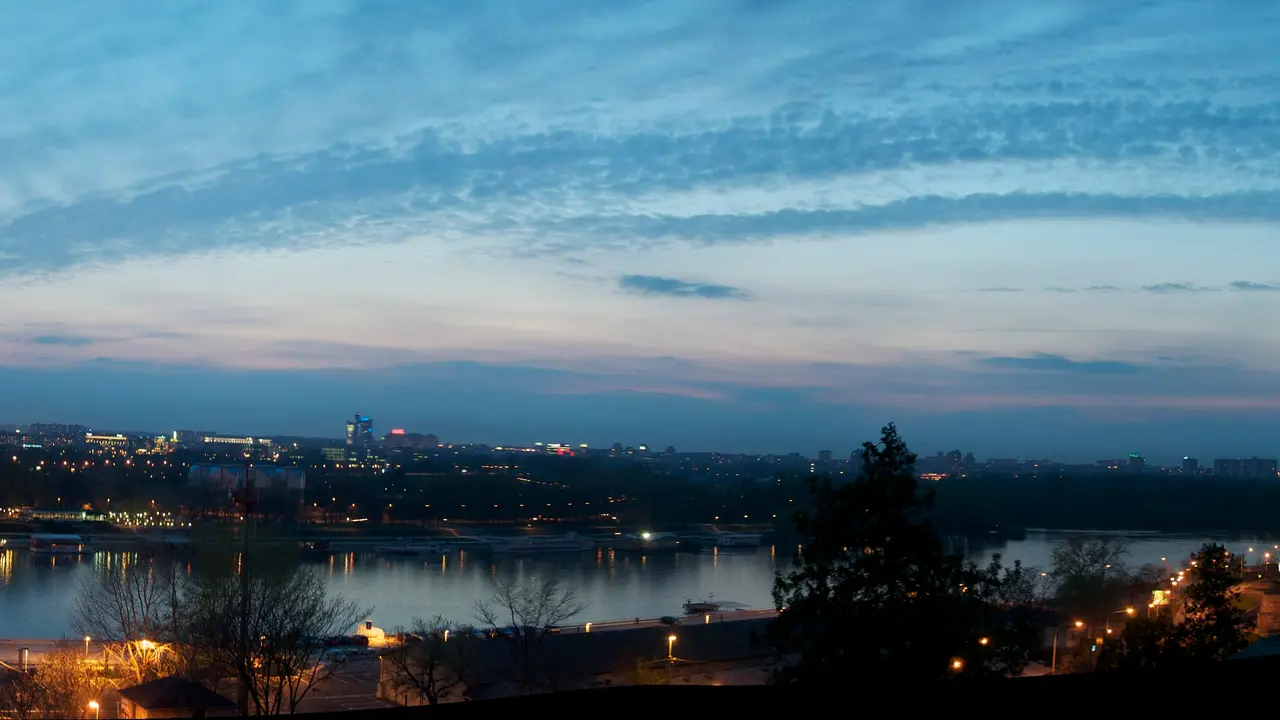
Belgrade throws one of the best-value nights out in Europe, and it runs on a simple seasonal rule: in summer the party is on the water, on the splavovi - floating clubs moored along the Sava and Danube - and in winter it moves indoors to warehouse techno clubs and courtyard bars. If you learn one word before you land, make it splav (plural splavovi): a river barge turned open-air club, and the most Belgrade thing you can do after dark. Around that sit a handful of walkable bar districts - Cetinjska, Savamala, Skadarlija, Strahinjića Bana - each with its own crowd and its own volume.
Below, we map the scene neighbourhood by neighbourhood, matching each district to a mood, and set out the small print no one warns you about: the turbo-folk you might not be expecting, the tongue-in-cheek “Silicon Valley,” and the padded bar bills that catch stag groups every weekend.
Beer-focused nights without the splav scene live in our Belgrade craft beer guide - taprooms, kafanas and brewery day trips.
The splavovi: Belgrade’s floating clubs
The splavovi are the headline act. These are pontoons and barges moored along the riverbanks - the Sava through the centre, the shores of Ada Ciganlija, and the right bank of the Danube out toward Zemun - each fitted out as a bar, a restaurant, or a full-blown nightclub with a sound system and a DJ booth hanging over the water. On a warm night you walk the bankside strip, pick a deck by its music, and dance until sunrise with the city lights rippling on the river. Nowhere else in Europe does nightlife quite like this.
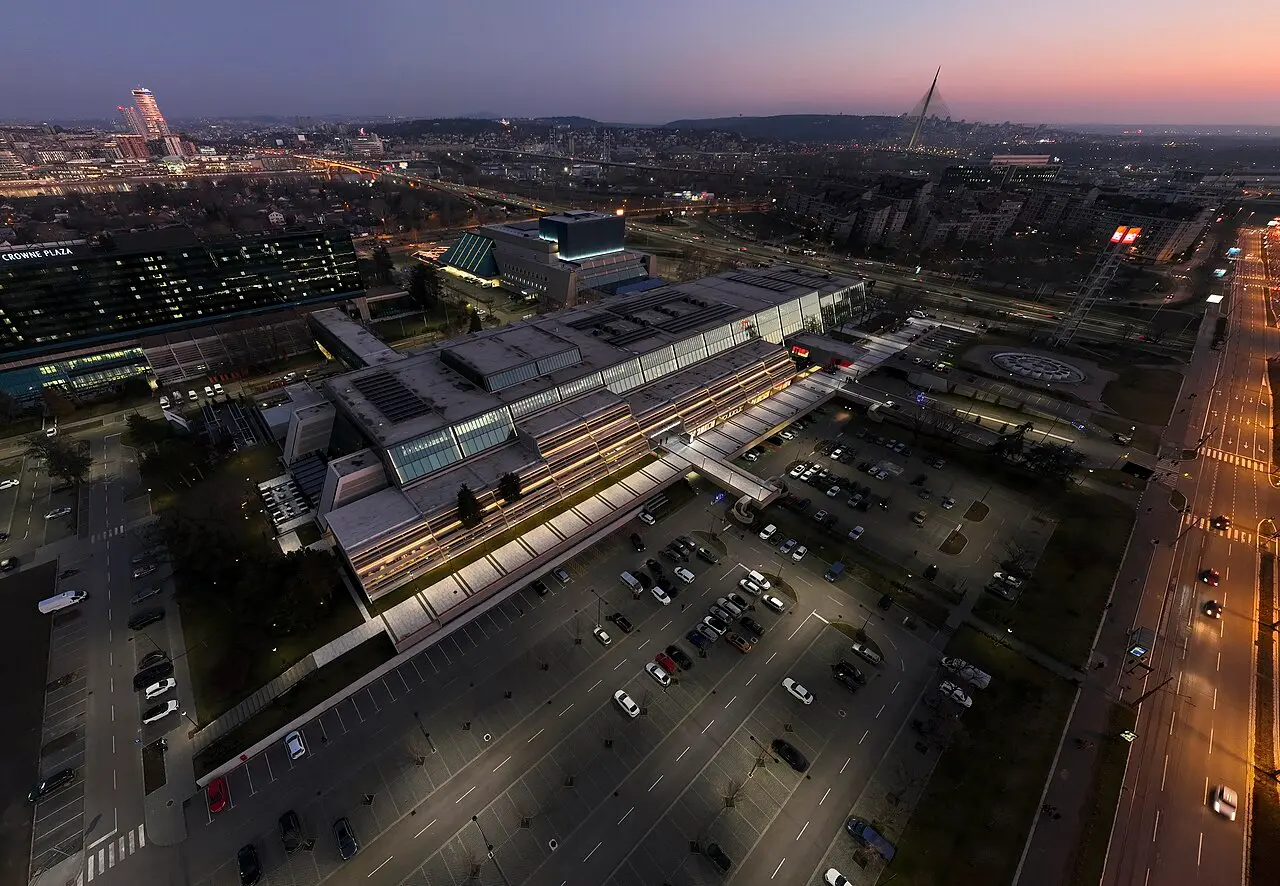
The catch worth knowing up front: this is a summer thing. The splavovi are essentially open to the weather, so the season runs through the warm months only - broadly May into late September, though it flexes with the year and each raft opens and closes on its own schedule. Turn up in January and the rivers are dark and shuttered; that’s when the scene retreats indoors.
Two other things surprise first-timers. First, the music is not one genre - each splav has its own identity, and they run the gamut from house and electronic to R&B, commercial pop and turbo-folk, so the raft your hostel loves and the one next door can be completely different nights out. Ask what a place plays before you commit. Second, the names turn over constantly: this year’s hyped splav may be gone or renamed by next summer, so a magazine listicle ages fast. Rather than chase a specific name, I’d trust a local - hostel staff, your host, the person next to you at the bar - for which decks are good this week. It’s a scene that rewards asking around over planning ahead.
Winter clubs and the techno scene
When the rivers close, the serious dancing moves into fixed indoor venues that run year-round, and this is where Belgrade’s underground reputation actually lives. The city has real rave roots - an electronic scene that took hold in the 1990s, in the strangest and hardest of times - and that legacy still shows up in a genuinely good techno circuit.
The name everyone points you to is Drugstore, set inside a former slaughterhouse on the industrial edge of the Palilula district. Raw concrete, two stages, and a booking policy that pulls underground electronic acts from Serbia and abroad - it’s the venue most people mean when they call somewhere the temple of Belgrade techno. It’s been running as a DIY project since 2012, and guide write-ups put it at roughly 600 square metres with room for something like a thousand people, though as with any club the programme and hours shift constantly, so check what’s actually on before you make the trek out. If techno is your reason to come, this is the anchor to build a night around; the smaller DJ bars in the centre fill in the rest.
Cetinjska: the bar yard everyone loves
If the splavovi are the summer set-piece, Cetinjska is the year-round crowd-pleaser, and the easiest recommendation in this whole guide. Tucked behind the Skadarlija quarter, it’s the courtyard of a former brewery that’s been colonised by a cluster of independent bars, live-music rooms and art spaces - all inside one gated yard. The beauty of it is that you don’t club-hop across the city; you just drift between six or eight venues in a single complex, each with its own sound, from craft beer and cocktails to grungy gig rooms, until you find your people.
It’s scruffy, creative and unpretentious - the antithesis of a velvet-rope club - and it draws a mixed, mostly local crowd rather than a tourist one, which is exactly why it’s worth your evening. The individual bar names come and go, since the yard reinvents itself faster than any guidebook can keep up, so don’t over-plan: turn up, walk in, and follow the noise. For a first night in Belgrade when you don’t yet know the city, Cetinjska is the safest bet for a good time.
Savamala, Skadarlija and “Silicon Valley”
Beyond the splavovi and Cetinjska, three more districts each offer a distinct flavour, and they’re close enough together to mix in one trip. For how each of these quarters feels by day as well as after dark, see our guide to Belgrade’s neighbourhoods.
Savamala runs along the Sava just south of the centre - a formerly derelict, semi-industrial strip that turned into Belgrade’s grittiest creative quarter, with warehouse bars, murals, galleries and a “New Berlin” nickname it half-earned before big riverside development started closing in. It’s also the natural gateway to the splavovi, and the Beton Hala waterfront - a row of converted dock buildings - packs restaurants and bars right on the river. Come here for the rough-edged, arty end of the spectrum.
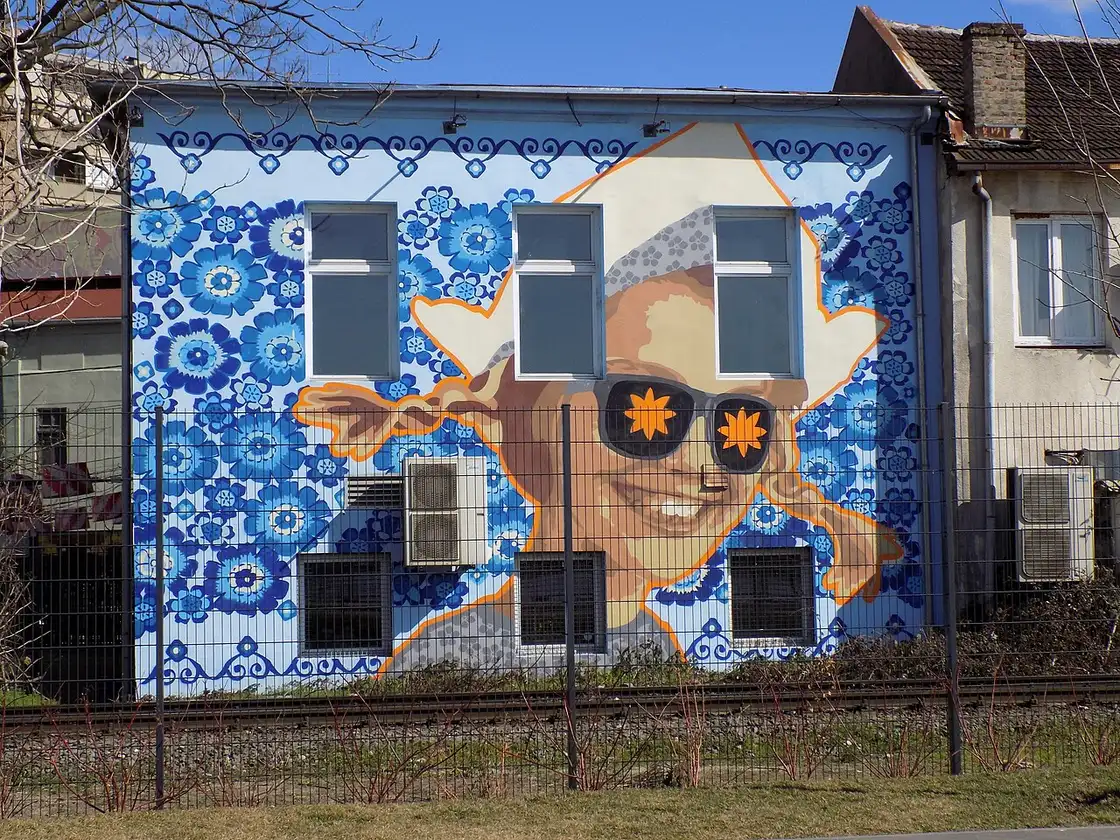
Skadarlija is the opposite mood entirely: a short, cobbled, gently climbing lane of traditional kafanas - old-school taverns with long tables, grilled meat, rakija and live starogradska (old-town) music played by roaming musicians. It’s touristy, unashamedly so, and it’s Belgrade’s second-most-visited spot after the fortress, but a long dinner here with a band working the room is a lovely, distinctly Serbian evening - just a slow, boozy one rather than a dancing one. Treat it as the warm-up, not the main event. If you want to know what to order once you sit down, our guide to Serbian food and the dishes worth trying covers the grill and the spreads, and our rakija guide explains the fruit brandy that fuels the whole evening.
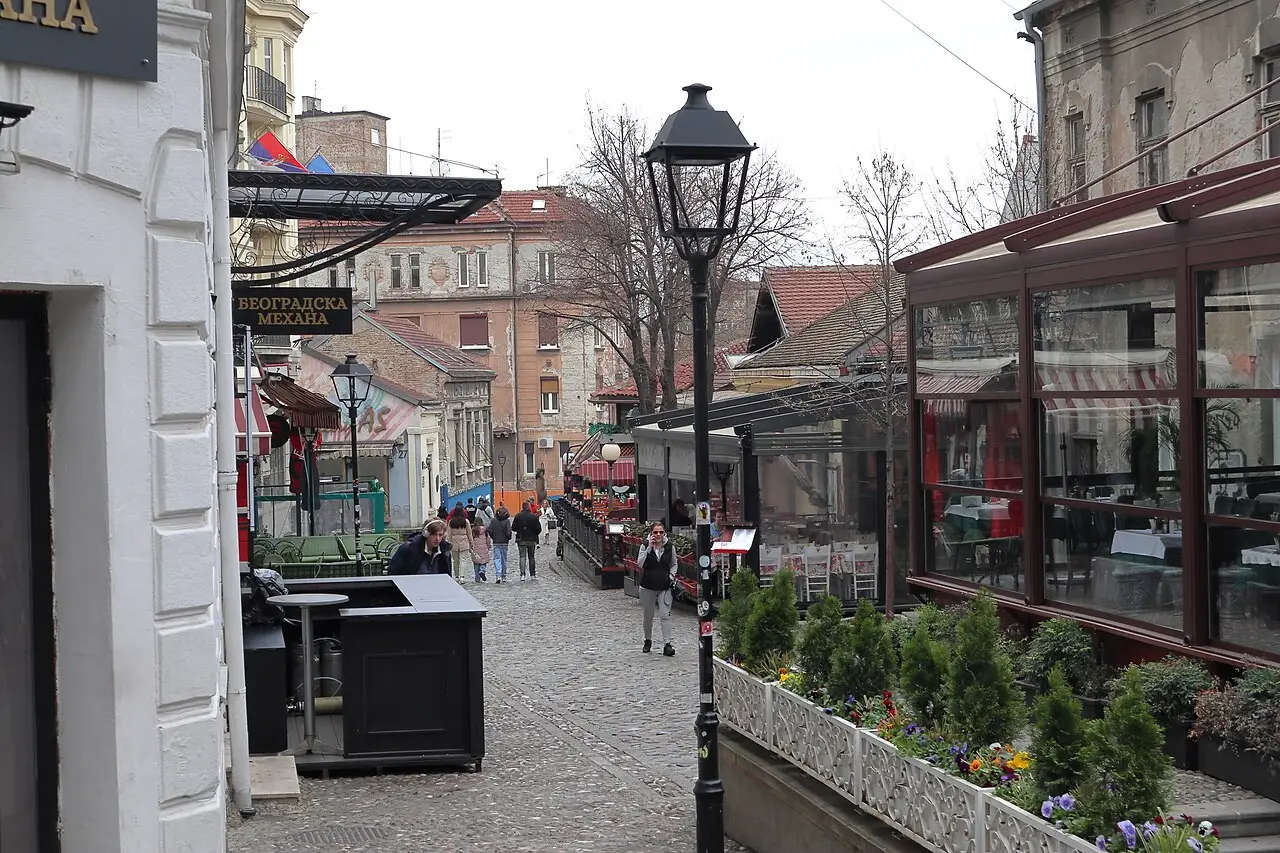
Then there’s Strahinjića Bana, universally known as “Silicon Valley” - a nickname that has nothing to do with tech, which is the whole joke. The “silicone” refers to the cosmetically enhanced glamour of the crowd that parades its cafés: since the early 2000s the strip has been the see-and-be-seen turf of local celebrities, flashy cars, “businessmen” of the murkier sort, and the well-dressed set orbiting them. Locals say the nickname with a knowing smirk. It’s worth a walk once for the spectacle and the people-watching, the drinks cost more than they should, and whether you stay depends entirely on your tolerance for that kind of scene. Consider yourself warned, and enjoy the show.
Turbo-folk: know what you’re walking into
One genre deserves its own heads-up, because Western visitors rarely see it coming: turbo-folk. It’s a home-grown hybrid of Balkan folk melody and glossy pop-dance production, and in a big share of mainstream clubs and splavovi it is the soundtrack - belted out, emotional, unmistakably local. Its rise dates to the 1990s and it carries heavy cultural baggage from that era, tangled up with the Milošević years, so opinions on it run strong among Serbs themselves.
None of that is a reason to avoid it - plenty of visitors have a wild, brilliant night embracing turbo-folk as pure Balkan spectacle, and there’s a fair argument it’s the most authentically Belgrade sound you’ll hear. But if you arrived picturing house and techno everywhere, it’s a genuine surprise, and it helps to know the difference so you can steer toward the electronic venues - Drugstore, the DJ bars, the house-leaning splavovi - if that’s more your thing. Just don’t assume every packed dancefloor is playing what you’d hear in Berlin or London.
The honest small print: bills, taxis, pickpockets
Belgrade is a broadly safe capital for a night out - violence against tourists is rare, and the real risks here are financial, not physical. Keep these in mind and you’ll be fine.
- Padded bar and splav bills. This is the big one. Some floating clubs and bars run unlisted or inflated drink prices, add rounds you didn’t order, or push expensive bottles and “service” onto the tab - and stag groups and obvious foreigners are the prime targets, with reports of bills running to €100-300 a head for what should have been an ordinary night. Check prices before you order, agree bottle-service costs up front, look at the bill before you pay, and be wary of any “hostess” bar where women wave you in from the street.
- Taxis. Overcharging, especially from the airport, is the classic Belgrade scam. Skip the drivers touting for fares and use a ride-hailing app - CarGo or Yandex Go - which locks the price in advance and tracks the route.
- Pickpockets. They work in pairs in the busy pedestrian zones - Knez Mihailova, around Republic Square, and in the Skadarlija crowds - usually with a bump-and-distract move. Keep your phone and wallet in front pockets, especially a few drinks in.
- Cash and exchange. Carry dinars for the splavovi (cash is king on the water), and change money only at proper exchange offices or banks, never from someone on the street.
None of this should put you off - it’s the same short list of common-sense rules you’d run in any party city. Belgrade earns its reputation as one of Europe’s great nights out precisely because it’s so unfiltered. Come in summer for the rivers, come in winter for the concrete-floored clubs, and give yourself at least two nights to do it justice.
Planning the daytime around all this? Our guide to things to do in Belgrade covers the sights, the food and how to get around, and it’s worth walking up to Kalemegdan Fortress at dusk - the view over the Sava-Danube confluence is where the whole floating-city geography suddenly clicks into place. Sleeping on a budget and want to be close to the action, not just reading about it? Our best hostels in Belgrade roundup names three specifically for the nightlife crowd. Coming with a group? Our Belgrade stag and bachelor party guide adds the day activities, the airport-transfer logistics and the group-booking tricks on top of this nightlife rundown, and our Belgrade stag bars and VIP tables guide breaks down exactly what a table costs and how to book one. Still deciding whether the city is for you? Our honest take on whether Belgrade is worth visiting weighs up who will love it and who won’t. Curious whether Belgrade Beer Fest lines up with your trip? Our Belgrade Beer Fest guide explains why the organiser hadn’t confirmed 2026 dates as of late August, what the last published tickets cost, and how to get home from Ušće before the splavovi take over for the rest of the night.
Photos
On the map
The map loads on click - to keep the page lightweight.
The map didn’t load. Check your connection and refresh the page.
Read also

Entertainment · 11 min read
Danube River Cruises in Serbia: Options and Prices
Verified · September 17, 2026Belgrade river boats €22-29, Tekija speedboats 1,700 RSD, Iron Gate day tours from Belgrade €95-290 at the operators we checked in September 2026.

Entertainment · 11 min read
White Water Rafting in Serbia: Drina, Ibar, Lim
Verified · August 24, 2026Drina, Ibar and Lim rafting compared: real class ratings, 2026 season windows and RSD/EUR prices - plus where the Class III-IV water actually is.

Entertainment · 11 min read
Belgrade Beer Fest 2026: What's Confirmed and What Isn't
Verified · September 5, 2026Belgrade Beer Fest at Ušće: no 2026 dates from the organiser yet, why two recent editions ran in June, last published ticket prices and getting home.

Entertainment · 11 min read
Belgrade Stag Activities: Shooting, Boats, Prices
Verified · August 11, 2026Belgrade stag prices you can buy: shooting from €49, boat party from €39, weekend karting from 1,700 RSD. Book Saturday before the splav night.