
Is Belgrade Worth Visiting? An Honest Take
Is Belgrade worth visiting? An honest yes, with caveats: great nightlife, food and value, but not a postcard city. Who will love it and who should skip it.
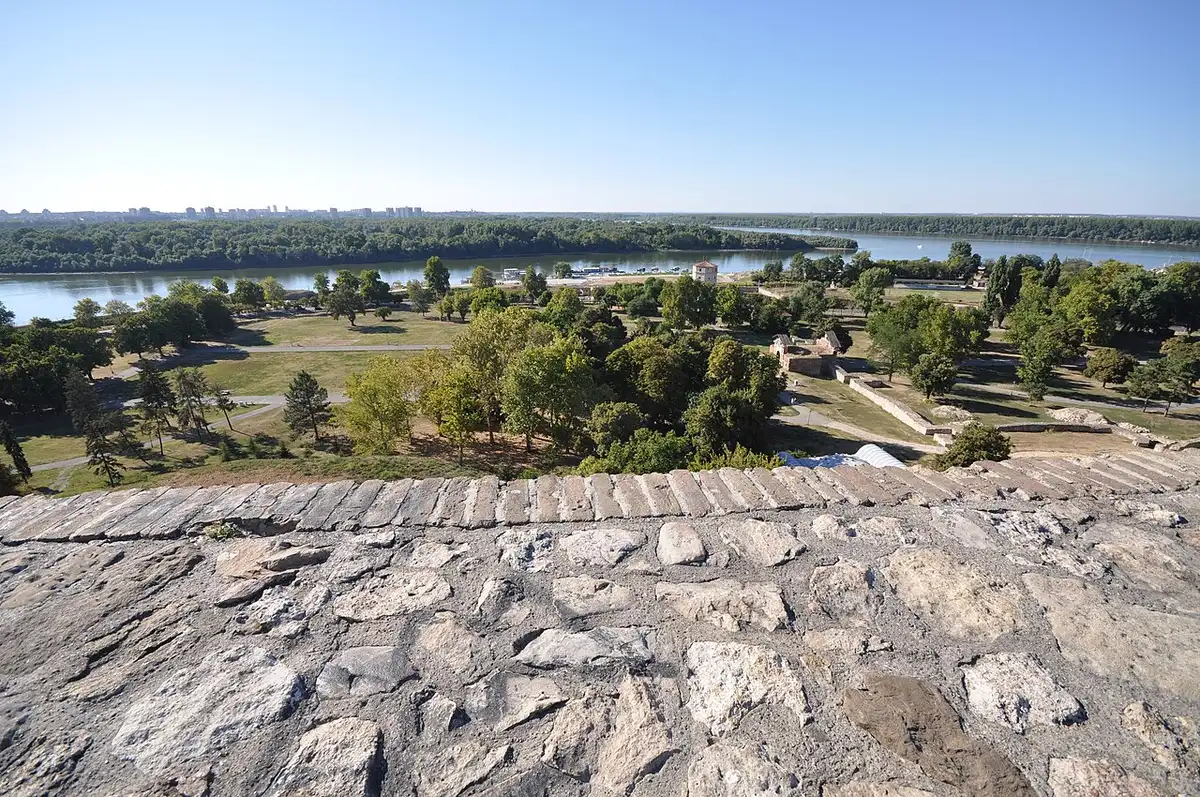
Yes, Belgrade is worth visiting - but I want to be honest about what kind of “yes” that is, because it’s not the answer people expect. This isn’t a fairytale old town of the Prague or Vienna sort, and if that is what you’re picturing you may come away puzzled. What Belgrade offers instead is atmosphere: one of Europe’s best and cheapest nightlife scenes, a heavy and fascinating history, genuinely good food for very little money, and a raw, lived-in energy that a lot of travellers end up loving precisely because it feels real. It rewards the right sort of visitor enormously and leaves the wrong sort cold. The whole trick is working out which one you’re before you book.
I will lay out both sides plainly here - what makes the city special, what it honestly isn’t, and the kind of traveller each verdict suits - so you can decide with your eyes open rather than on a marketing line.
The honest verdict up front
For nightlife, food, history and value, Belgrade punches well above its weight and above its price. For conventional prettiness and polished, museum-piece sightseeing, it doesn’t, and pretending otherwise does no one any favours. So the short version:
- Come if you want a lively, affordable city break with a real nightlife scene, you are curious about a complicated history, you like a city with grit and character, or you’re a returning Balkan traveller or a remote worker after somewhere cheap and alive.
- Think twice if your idea of a great city break is a chocolate-box old town, spotless streets and a checklist of world-famous monuments, or if you want beaches, alpine scenery or a polished family bucket-list trip.
Get on the right side of that line and Belgrade is a joy. Land on the wrong side and you’ll spend the weekend wondering what the fuss is about.
What makes Belgrade special
The nightlife is the headline, and the reputation is earned. Belgrade genuinely has one of the best going-out scenes in Europe, and it’s a fraction of Western prices. The signature is the splavovi, the floating clubs and bars moored along the Sava and Danube that in summer turn the riverbanks into the city’s main dance floor, but it runs far deeper than that: cellar bars in the old town, a whole creative bar district in Savamala, and a going-out culture where a night can start at eleven and end at sunrise without anyone blinking. Our Belgrade nightlife guide gets into the how and where.
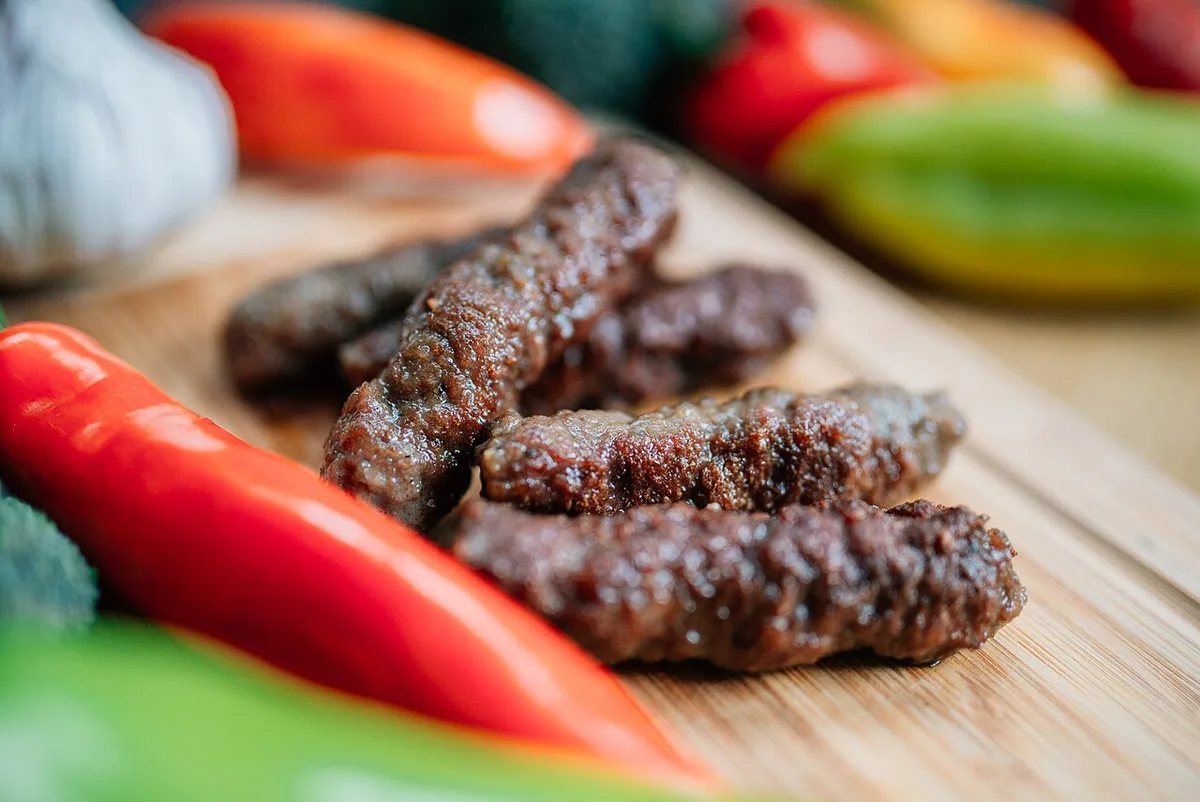
Then there is the value, and it’s a bigger part of the appeal than people admit. Belgrade is cheap in the good way: not cheap-and-grim, but cheap enough that you can live well. A draught beer runs roughly three euros, a coffee less, and a plate of grilled meat that defeats most appetites costs single figures; even a full sit-down feast with drinks in the old taverns of Skadarlija lands around the twenty-euro mark. (Prices drift, so treat those as a rough steer rather than gospel.) Since the start of 2025 the city’s trams, buses and trolleybuses have been free on top of that, so getting around adds nothing. For the price of a mediocre weekend in Western Europe you can have a very good one here.
The food deserves its own mention because it is genuinely good and criminally underrated. This is grill country - ćevapi, the giant burger-like pljeskavica, whole platters of roštilj - backed by hearty Balkan cooking, good bread, strong coffee and stronger rakija. Eat in a kafana, the traditional tavern, and a lunch turns into an afternoon. It’s not refined dining and it’s not trying to be; it is satisfying, sociable and absurdly good value. Where we send people for it is on where to eat in Belgrade.
And underneath all of it’s the history, which is heavy and everywhere. Belgrade has been fought over, flattened and rebuilt more times than almost any city in Europe, sitting on the fault line between empires, and you feel it. The Kalemegdan fortress at the meeting of the two rivers layers Roman, Ottoman and Habsburg stonework over a single hill; elsewhere you find Yugoslav-era monuments, bombed-out buildings left standing as memory, and a city that wears its complicated past openly rather than tidying it away. If you like a place with a story, this one has too many to count.
What Belgrade honestly is not
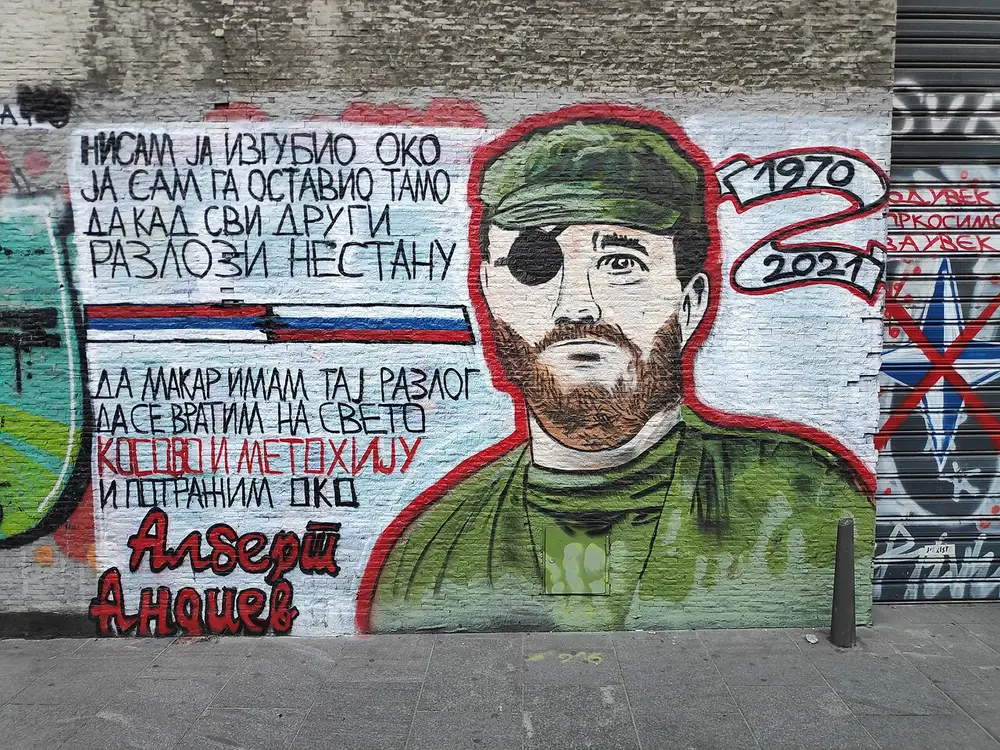
This is what the glossier guides skate over. Belgrade is not a conventionally beautiful city, and going in expecting one is the surest way to be disappointed. There are handsome corners - the bohemian cobbles of Skadarlija, the grand old buildings around the centre, the riverside at Zemun - but they sit cheek by jowl with heavy socialist concrete, tired facades and stretches that are frankly rough around the edges. The mix is jarring rather than harmonious. That’s the city being truthful about its history, not a flaw to apologise for, but you should know it before you arrive.
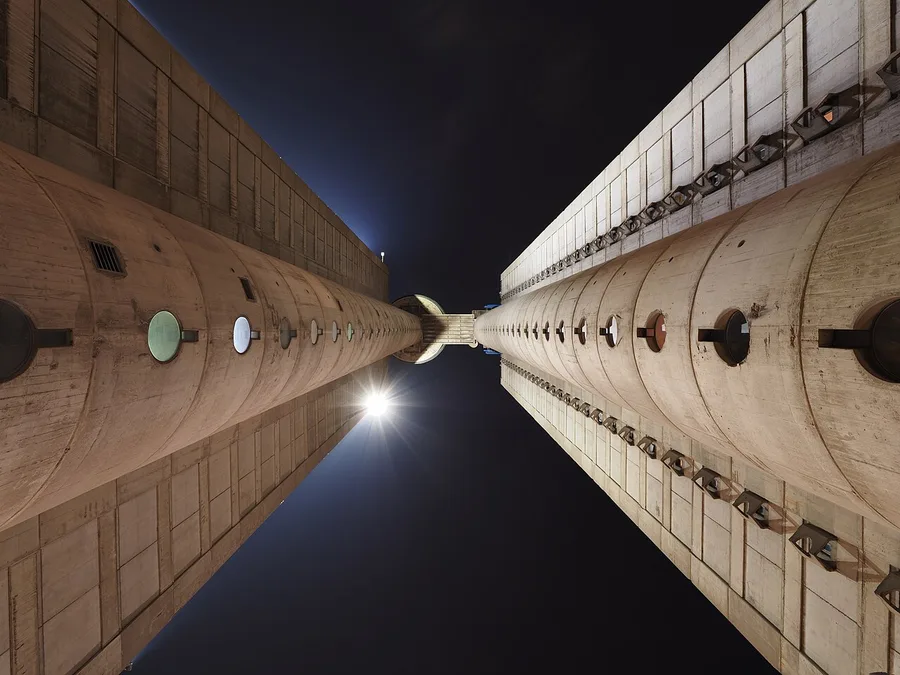
That concrete, in fact, splits people right down the middle. Across the river in New Belgrade stand rank after rank of socialist-modernist tower blocks and set-pieces like the Genex Tower, the twin-towered “Western City Gate.” To one visitor it’s grey, brutal and grim; to another it’s some of the most striking brutalist architecture in Europe and half the reason to come. I lean toward the second camp, but I understand the first, and which way you fall tells you a lot about whether this is your kind of city.
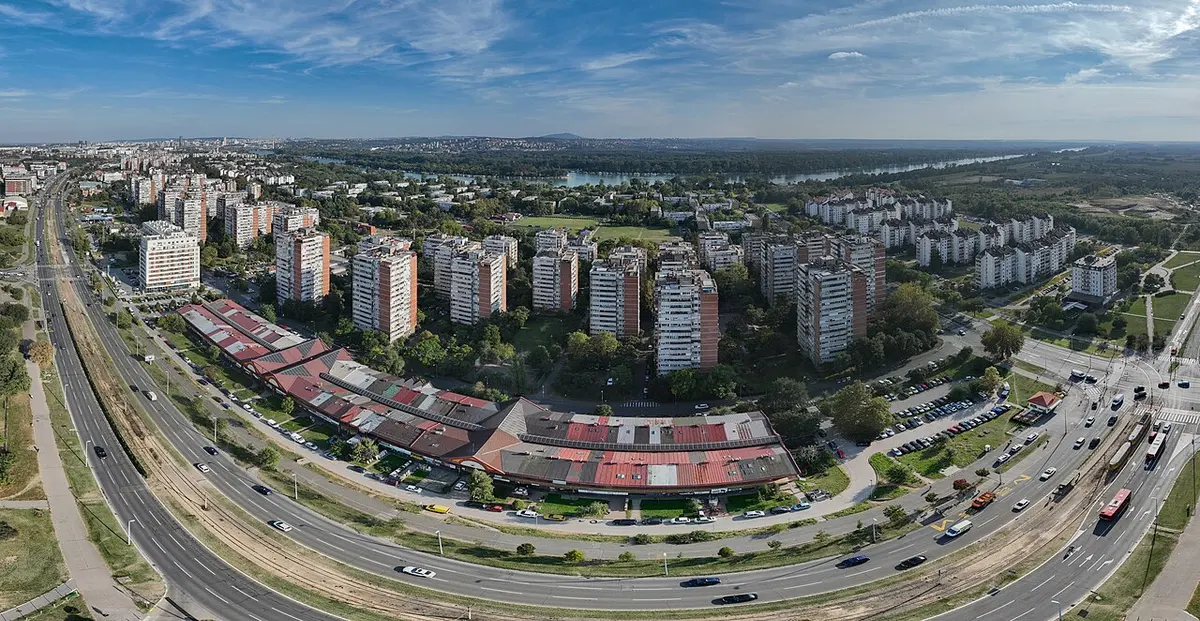
The second thing worth being straight about is sightseeing. The tick-list of headline “sights” is modest for a European capital: the fortress, the enormous St Sava church, the Nikola Tesla Museum with the man’s ashes, a scatter of good galleries. You can see the essentials in a comfortable couple of days, and if you measure a city trip purely by monuments visited, Belgrade will feel thin. But that’s measuring the wrong thing. The city’s real draw isn’t its buildings but its life - the cafes, the rivers, the nights out, the sense of a place fully lived in - and once you stop treating it as a checklist it opens up. Our guide to things to do in Belgrade is built around that, weighting the atmosphere as much as the monuments.
So who will actually love Belgrade?
It comes down to temperament. You will most likely love Belgrade if you want a cheap, high-energy city break with a serious nightlife scene; if you’re drawn to history, memory and a complicated past worn openly; if you have a taste for grit and character over polish and postcards; if you’re a returning Balkan traveller wanting the region’s most alive capital; or if you’re a remote worker or long-stay traveller after somewhere affordable, safe and sociable to settle for a while.
You’ll probably not love it if you’re chasing a pristine, picture-perfect old town, if you want spotless streets and a full roster of famous monuments, or if your ideal trip involves beaches, mountains or a polished family holiday. None of that’s a knock on you or on Belgrade; it’s just a mismatch, and it is better to know before you spend the airfare. If you’re torn on how long to give it, our guide to how many days you need in Serbia sets the city against the rest of the country, and our comparison of Belgrade, Novi Sad and Niš weighs it against Serbia’s other cities, and Belgrade or Novi Sad helps you choose a base between the top two. If you’re weighing Belgrade against a neighbouring capital instead, we also compare Belgrade or Sofia and Belgrade or Bucharest.
The bottom line
Belgrade isn’t a beautiful city, and it’s a genuinely great one, and both of those things are true at the same time. It trades polish for character, monuments for life, and prettiness for a cheap, warm, all-night energy that few places in Europe can match. Come for the nights, the food, the history and the value, leave the postcard expectations at home, and it will win you over. Arrive hunting for another chocolate-box capital and you’ll go away disappointed. On its own terms, and they’re the right terms, it’s well worth the trip.
If you’re sold, the next steps are the practical ones: our guide to where to stay in Belgrade breaks down the districts and who each suits, and once your dates are set you can line up the flights below.
Photos
Read also

Cities · 9 min read
Sombor: Vojvodina's Greenest Town
Verified · August 31, 2026Sombor travel guide: 121 km of tree alleys, the fijaker stand, County Hall with Eisenhut painting, and Gornje Podunavlje wetlands.

Cities · 12 min read
Valjevo: Old Town, Museums and Two Rivers
Verified · August 19, 2026Valjevo travel guide: Tesnjar, the Muselim Residence, Nenadovic Tower, the cathedral, and how to reach the town by train or car.

Cities · 9 min read
Sokobanja: Spa Under Rtanj Mountain
Verified · August 13, 2026Sokobanja spa guide: Ottoman hammam, respiratory air, Rtanj hikes, Bovan Lake and how to reach the town from Niš or Belgrade.

Cities · 10 min read
Vrnjacka Banja: Serbia's Top Spa Town
Verified · July 25, 2026Vrnjacka Banja is Serbia's most visited spa town: seven mineral springs, the Bridge of Love padlocks, a green park and Lovefest each August.