
Belgrade or Sofia: Which City Break?
Belgrade or Sofia for a city break? Belgrade for nightlife and river energy, Sofia for a mountain on the doorstep, a metro and euro prices since 2026.
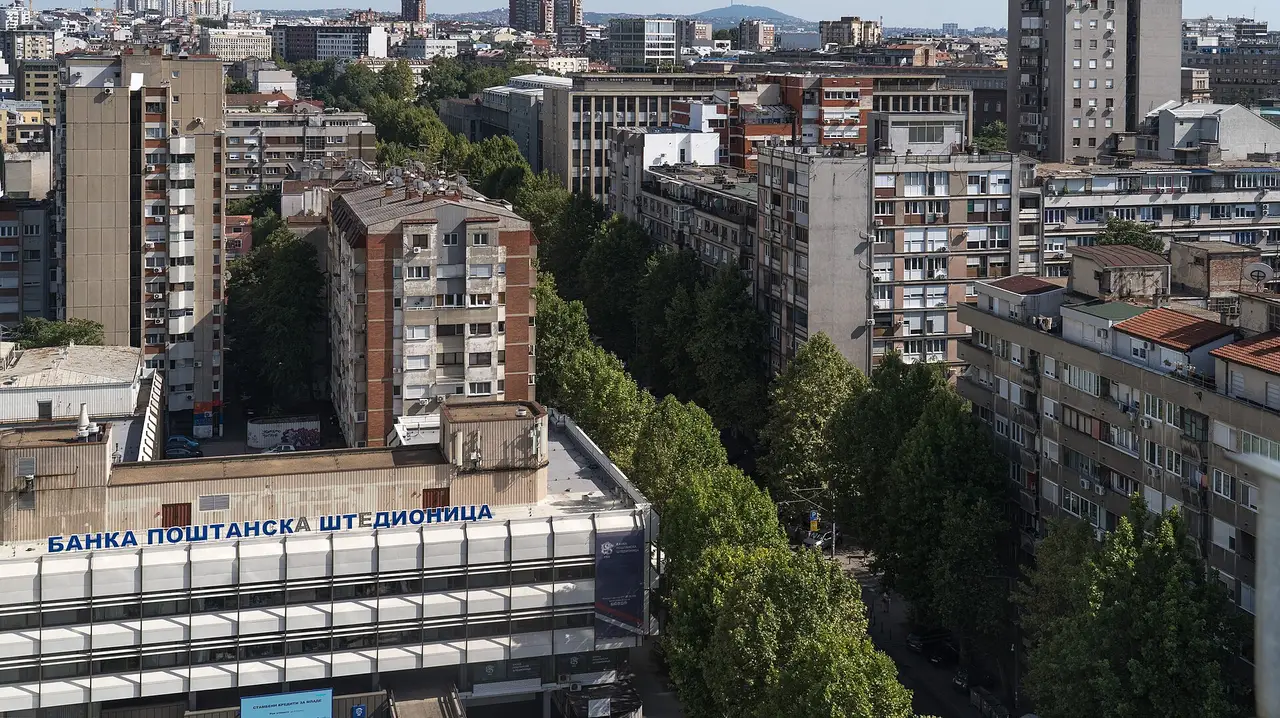
Short answer: choose Belgrade for nightlife, river energy and a capital that wears its rough edges proudly, and Sofia for a calmer city with a real mountain on its doorstep, a proper metro and, since 2026, euro prices. They sit only about seven hours apart by bus, both are Slavic, Orthodox and written in Cyrillic, and both are absurdly cheap for what you get - so this is less about better or worse and more about the kind of few days you want.
The quick verdict
- Nightlife and buzz: Belgrade, comfortably.
- A mountain you can hike the same afternoon: Sofia and Vitosha.
- Easiest to get around: Sofia, thanks to its metro.
- River-city atmosphere: Belgrade, at the Sava-Danube meeting point.
- Paying in euros without thinking about it: Sofia (Belgrade is still dinar).
- Can’t decide: they pair perfectly - do both.
The basics, side by side
The single most useful fact for planning is money, and it changed recently. Bulgaria adopted the euro on 1 January 2026, and since 1 February 2026 the euro has been the country’s only legal currency, so Sofia now prices everything in euros - a real convenience if you are coming from the eurozone. Belgrade, by contrast, still runs on the Serbian dinar (RSD), a currency you’ll need to get your head around and, ideally, a fee-free card for. If part of the appeal of a city break is not doing currency maths, Sofia just made itself easier.
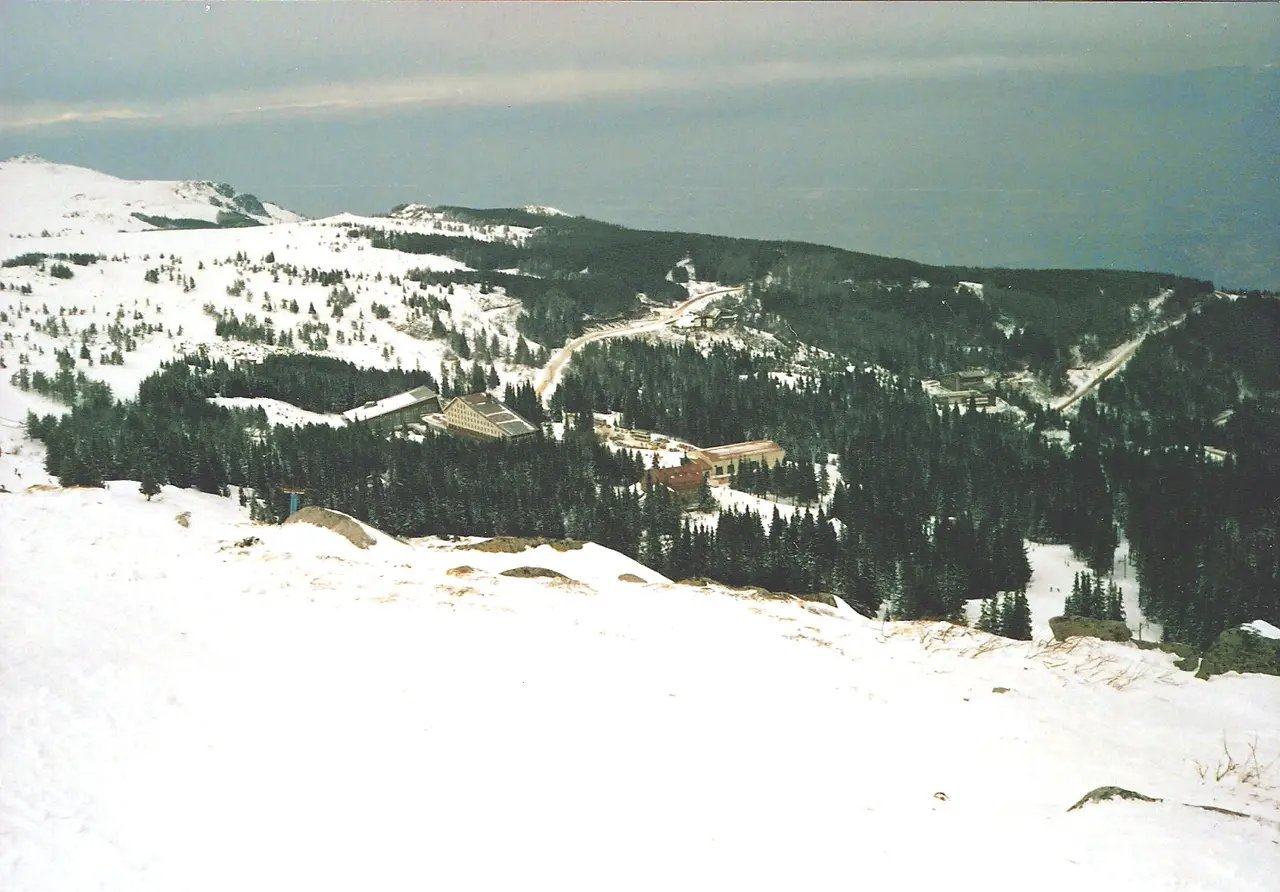
Geography sets the other big difference. Sofia sits high, around 550 metres up, right at the foot of Vitosha, a 2,290-metre mountain barely half an hour from the centre - you can be on a forest trail or a chairlift while still technically in the city’s backyard. Belgrade is a lowland river city, built where the Sava flows into the Danube, so its defining view is water and its defining hill is the fortress park, not a peak.
Getting around, Sofia has the edge for sheer convenience: it runs a clean, cheap metro that even reaches the airport. Belgrade has no metro yet (one is finally under construction), so you rely on buses, trams and trolleybuses, which work but take more patience.
Getting between them
If you are tempted to do both, it’s easy. Belgrade and Sofia are about 390 kilometres apart, and the workhorse link is the bus: several a day plus a night coach, roughly seven hours, from around 37 euros, running down through Nis. There’s no through train at the moment while the railway is being rebuilt, and short flights exist but rarely beat the bus once you count airport time on such a close pair. The full breakdown of times, operators and where to book is on our Belgrade to Sofia page. Because they’re so close and so cheap, a lot of travellers simply take both in one trip rather than choosing. If you are instead lining Belgrade up against another nearby capital, our Belgrade or Bucharest and Belgrade or Budapest comparisons weigh those pairings the same way.
What Belgrade does best
Belgrade is the louder, more restless of the two, and its calling card is nightlife. In summer the party spills onto the rivers, to the splavovi - floating clubs and bars along the Sava and Danube that run from about May to September and keep going until sunrise. Off-season it moves to warehouse clubs and basement bars, and the electronic scene is genuine rather than staged. Even a low-key evening drifting between riverside terraces has an energy Sofia doesn’t try to match.
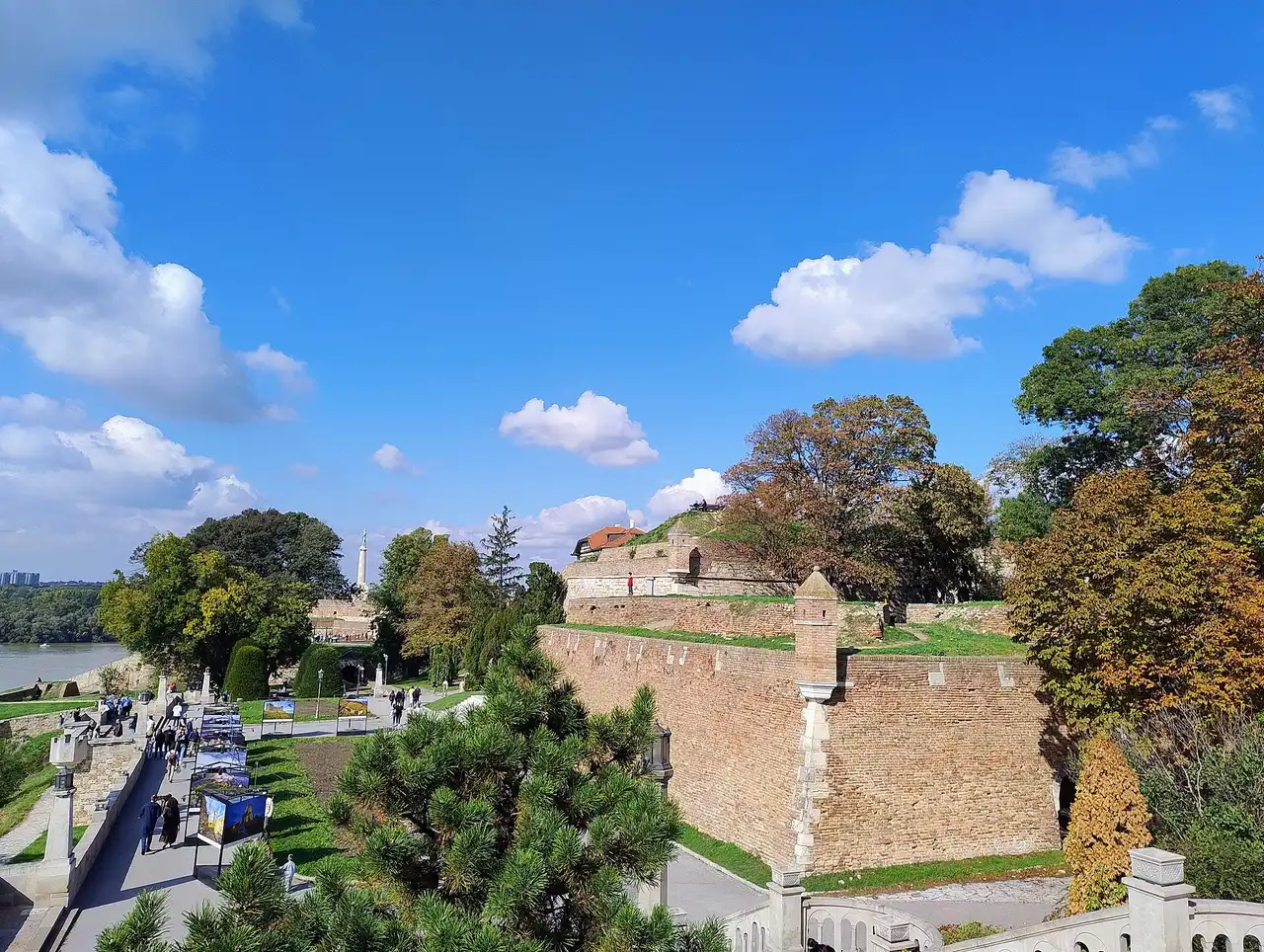
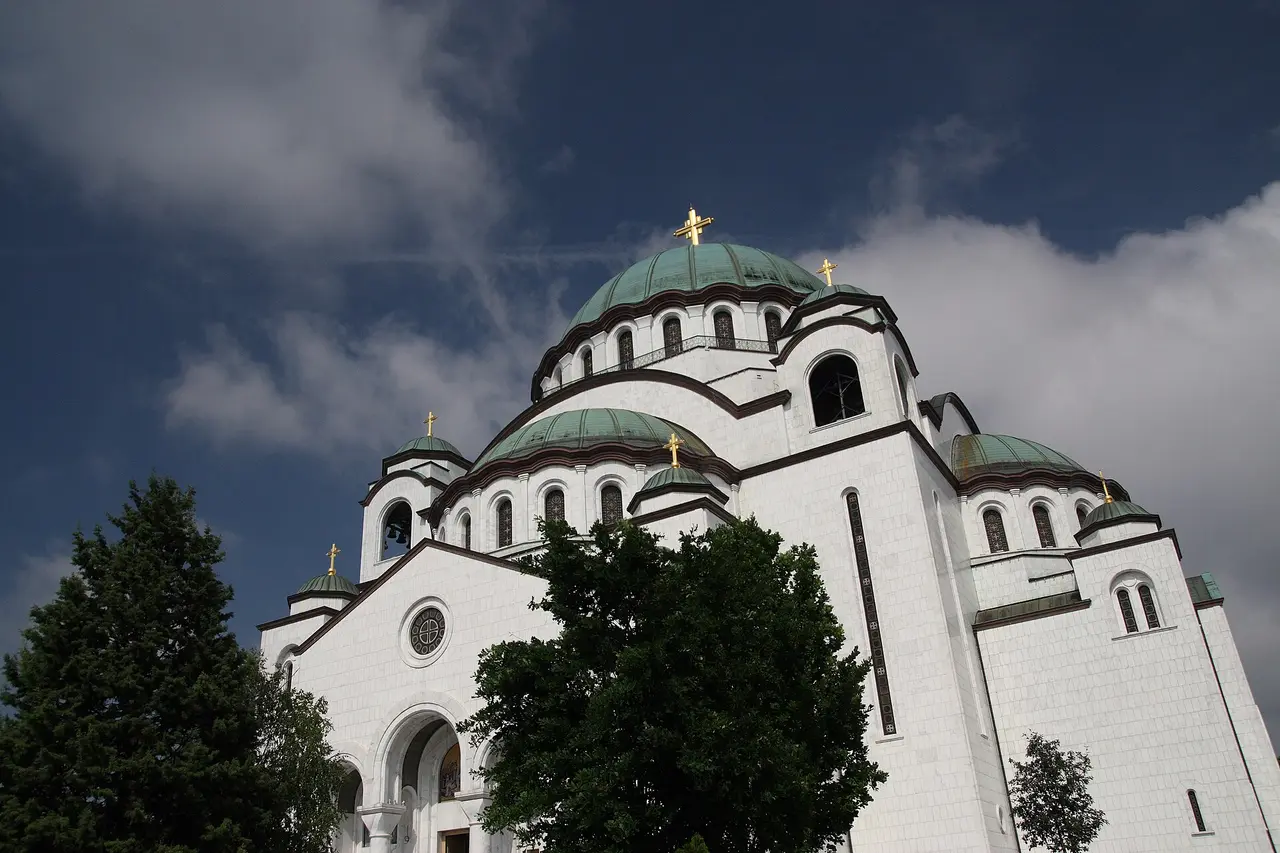
There’s more to it than staying up late. The fortress park of Kalemegdan hangs over the river junction, the vast marble Temple of Saint Sava is one of the biggest Orthodox churches in the world, and the whole city runs on cheap, sociable, all-hours cafe culture. It is scruffier than Sofia in places, and that is the point - people fall for its unpolished confidence. For a fuller reckoning of who loves it, read is Belgrade worth visiting, and for a hit list see things to do in Belgrade.
What Sofia does best
Sofia rewards a slower kind of visit, and it has one trump card Belgrade can’t play: the mountain. Vitosha means you can spend the morning in Roman ruins and the afternoon on a summit trail without leaving the metropolitan area, and in winter there’s even modest skiing up top. That mix of city and wilderness in one day is rare in a European capital.
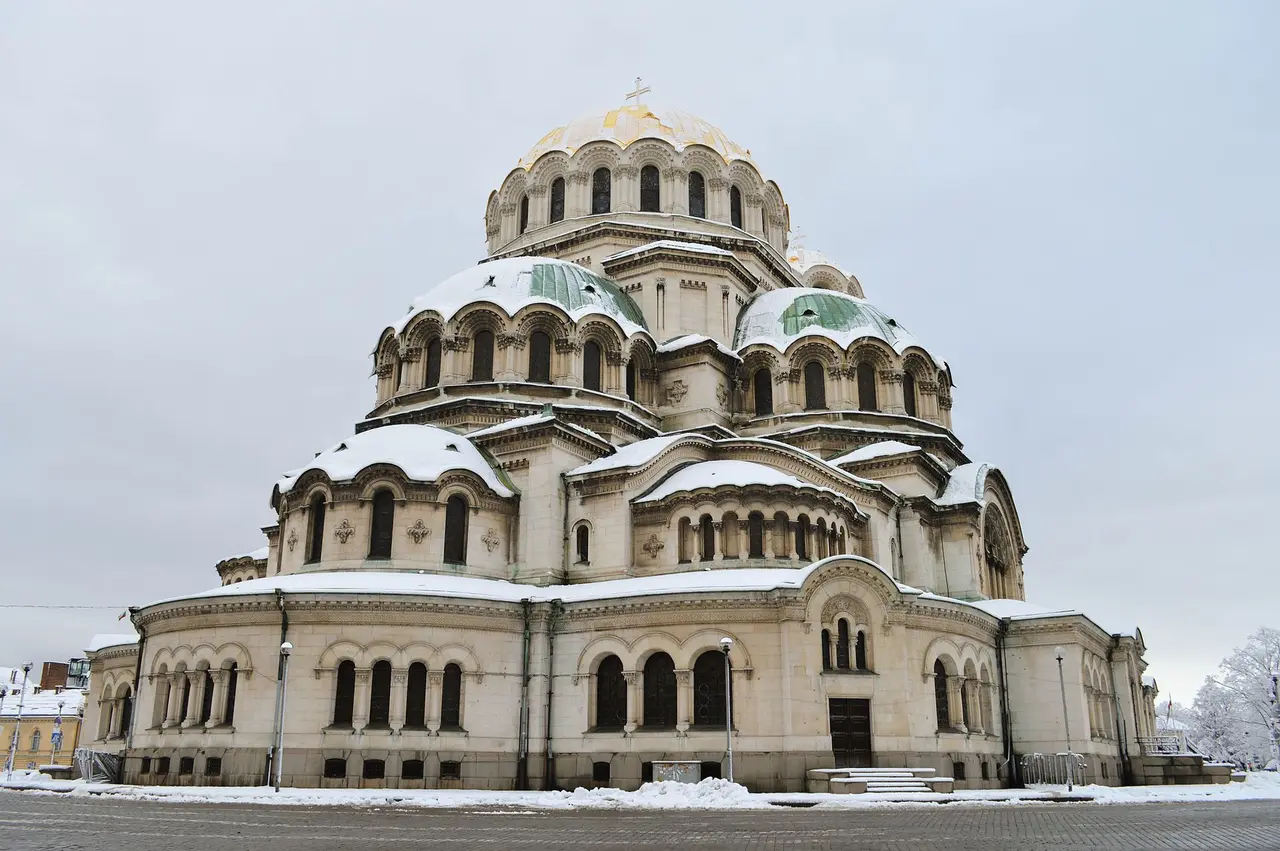
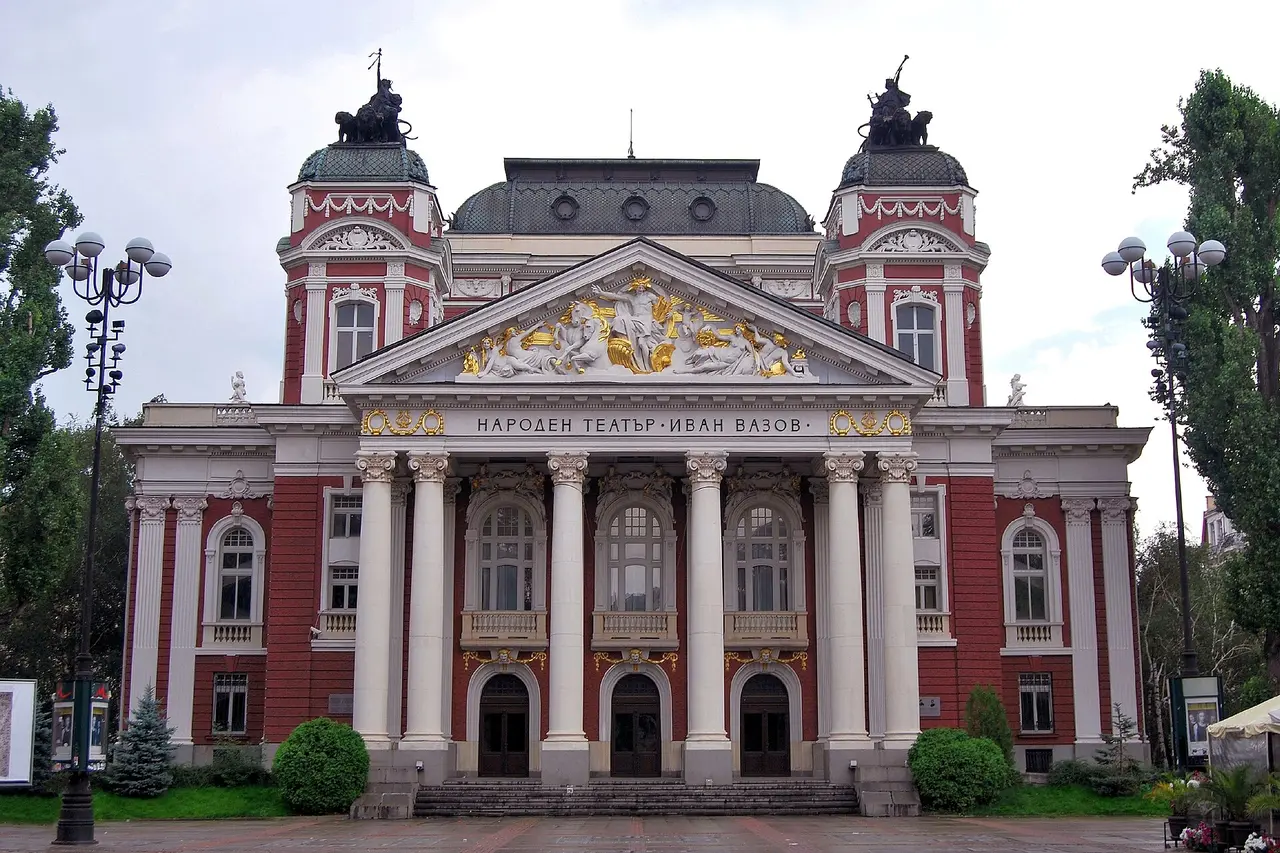
The centre layers up its history in a way that quietly outclasses Belgrade for antiquity. The gold-domed Alexander Nevsky Cathedral anchors the skyline; a few streets away the excavated Roman streets of Serdica sit open at metro level, so you walk over nearly 2,000-year-old paving on your way to the shops. Add the elegant Ivan Vazov National Theatre, leafy boulevards and the yellow-cobbled government quarter, and Sofia feels greener, calmer and more orderly. It’s also the better base for a big day trip, with the UNESCO-listed Rila Monastery within reach. If it’s edging ahead for you, our sister site’s guide to things to do in Sofia lays out the priorities.
Food and eating out
The table is closer than you might expect, because both lean on cheap, generous, meat-heavy Balkan cooking. Belgrade is grill country: cevapi, pljeskavica, smoky mixed meats and rakija to finish, eaten in loud, cheerful taverns. Sofia shares the grill habit but adds its own staples - the ubiquitous shopska salad of tomato, cucumber and white cheese, flaky banitsa pastry, slow-cooked kavarma, cold tarator soup in summer - and pours some genuinely good, very cheap Bulgarian wine. Belgrade probably has the livelier late-night eating scene; Sofia has the more varied and vegetable-friendly everyday menu. Either way you’ll eat well for a fraction of Western-European prices, and neither city will disappoint a hungry traveller.
One footnote for summer visitors: Belgrade bakes on the lowland plain and can get genuinely hot in July and August, while Sofia, higher and under its mountain, tends to stay a few degrees cooler and fresher - a small but real point if you are heat-sensitive.
Money and prices
Both cities are among the cheapest capitals in Europe, and day to day there’s little between them. Sofia’s hotels tend to run a touch cheaper and its metro tickets cost almost nothing; Belgrade’s coffee-and-nightlife scene is livelier and can quietly add up over a long weekend. The headline change is convenience rather than cost: with Sofia on the euro since 2026 and Belgrade still on the dinar, eurozone visitors will find Sofia the more frictionless place to spend. If you want to understand the dinar before you go - notes, cards, where to change and where not to - our Serbia money and currency guide covers it.
So, which one?
Line it up honestly:
- You want nightlife, rivers and a capital with edge: Belgrade.
- You want a mountain, a metro and a calmer, greener city: Sofia.
- You would rather not juggle an unfamiliar currency: Sofia, now on the euro.
- You care most about atmosphere and going out: Belgrade.
- You care most about scenery, walkability and antiquity: Sofia.
- You have four or five days: take both - seven cheap hours apart, they make an ideal pairing.
My rule of thumb after weighing them: if your perfect trip ends at 3am by a river, go to Belgrade; if it ends on a mountain trail with the city spread out below, go to Sofia. First-timers chasing buzz and value lean Belgrade; anyone who wants nature, order and easy euro prices leans Sofia. On such a short, cheap hop, though, the smartest answer is usually to stop choosing and see them back to back.
Photos
Read also

Before you go · 9 min read
Tipping in Serbia: How Much, Cash or Card
Verified · August 9, 2026Tipping in Serbia: about 10% in restaurants, round up cafes and taxis. Cash is standard - card terminals rarely add a tip. What to leave, by situation.

Before you go · 9 min read
Belgrade or Budapest: Which City Break?
Verified · August 8, 2026Belgrade or Budapest: Budapest wins on flights, baths and sights, Belgrade on free transit and price. Populations, tickets and connections compared.

Before you go · 10 min read
Best Hostels in Belgrade: Party and Budget Picks
Verified · August 8, 2026Belgrade hostels from EUR 6.66 a bed: 3 party picks near the bars and 3 quiet, cheaper ones, with real prices, ratings and exact addresses.

Before you go · 9 min read
What to Pack for Serbia (+ Power Plugs)
Verified · August 7, 2026Pack for Serbia: Type F/C 230V plugs, Belgrade vs mountain layers, and the shoes, eSIM and documents that actually matter on the trip.