
Things to Do in Belgrade: Complete Guide 2026
What to do in Belgrade: Kalemegdan, St Sava, Skadarlija and the Tesla Museum, the splav river clubs, where to stay, day trips and free transport.
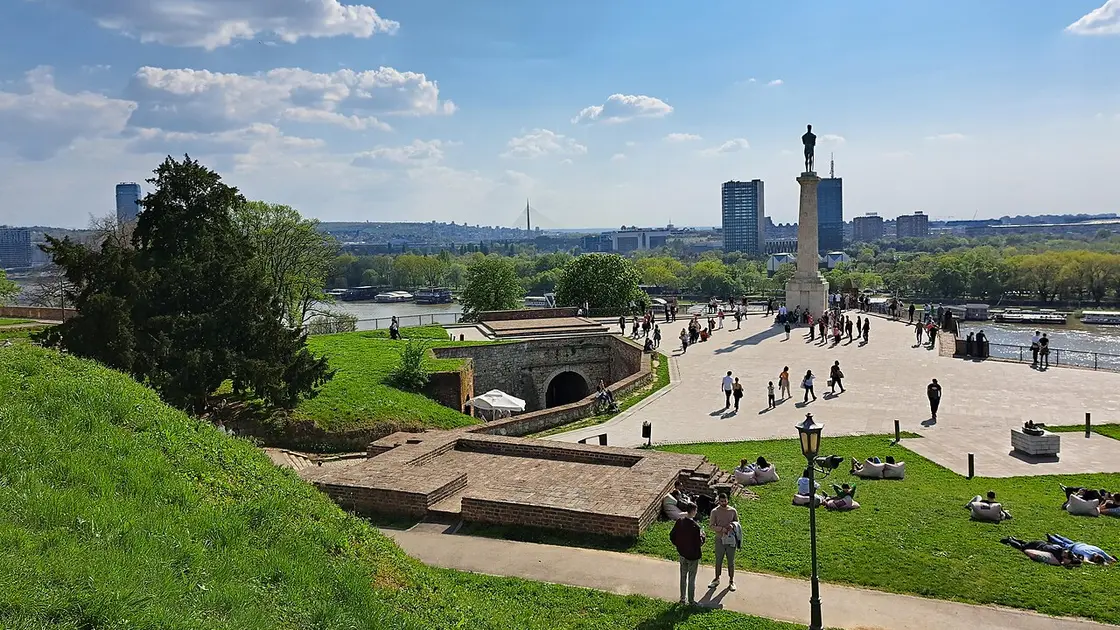
Belgrade rewards the traveller who stops treating it as a checklist. The headline sights - the fortress at the meeting of two rivers, the vast white dome of St Sava, a cobbled street of century-old taverns, the museum that keeps Tesla’s ashes - take a comfortable two days on foot. But the city’s real character is in its rhythm: coffee that lasts an hour, a lunch of grilled meat that turns into an afternoon, and a nightlife that floats, literally, on the water. And since January 2025 you’ll get around all of it for free - Belgrade scrapped fares across its entire city network, so buses, trams and trolleybuses now cost nothing at all. If Belgrade is the start rather than the whole trip, the 5-day Serbia itinerary shows what fits around it.
How many days do you need in Belgrade?
Short version: two full days covers the old town, St Sava, one museum and a proper night out, which our hour-by-hour two-day itinerary maps out in full; three days lets you add Zemun, the river beach at Ada Ciganlija, and a day trip down the Danube. To decide which parts of the city to spend that time in, our guide to Belgrade’s neighbourhoods sorts the districts by character.
Day one belongs to the centre - Kalemegdan, Knez Mihailova, Republic Square and Skadarlija are all within a twenty-minute walk of each other. Day two spreads out: St Sava and the Tesla Museum in Vračar, then across the river to Zemun for sunset. A third day is for the Iron Gate, or for doing very little at Ada. If you’re weighing up the whole trip rather than just the city, our guide to how many days you need in Serbia sets Belgrade against the rest of the country; for a month-by-month view of when to come, see our guide to the best time to visit Serbia.
Kalemegdan and Belgrade Fortress
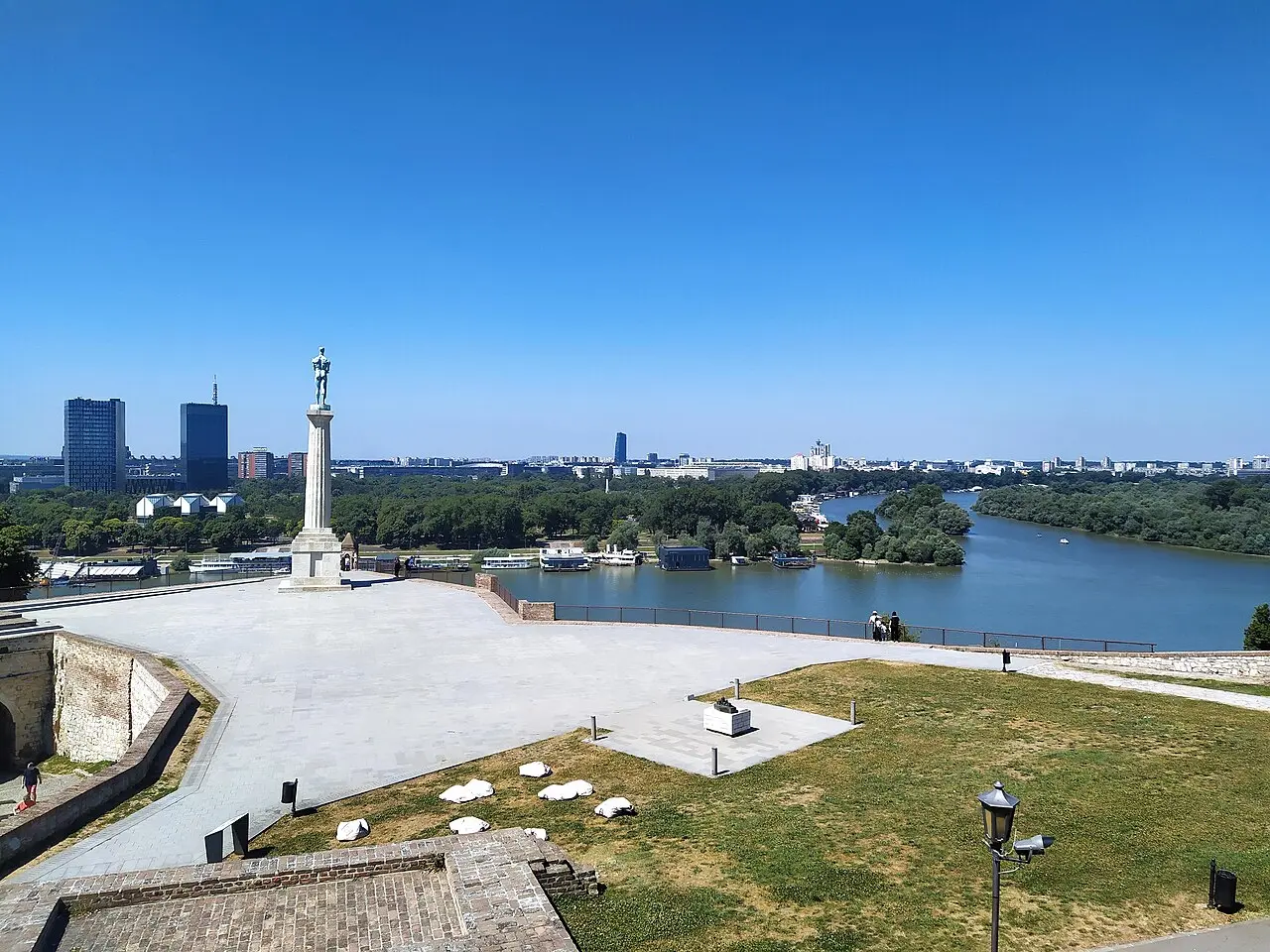
Start where the city started. Belgrade Fortress sits on the bluff where the Sava flows into the Danube, and the surrounding park - Kalemegdan - is the green heart of the old town. Entry to the grounds is free (specific Upper Town gates lock roughly 00:30-04:30 since June 2026; the grounds themselves stay open), which is why it’s comfortably the most visited spot in the city; wander up as the afternoon fades and you’ll catch the sunset over the confluence, the view everyone means when they talk about Belgrade.
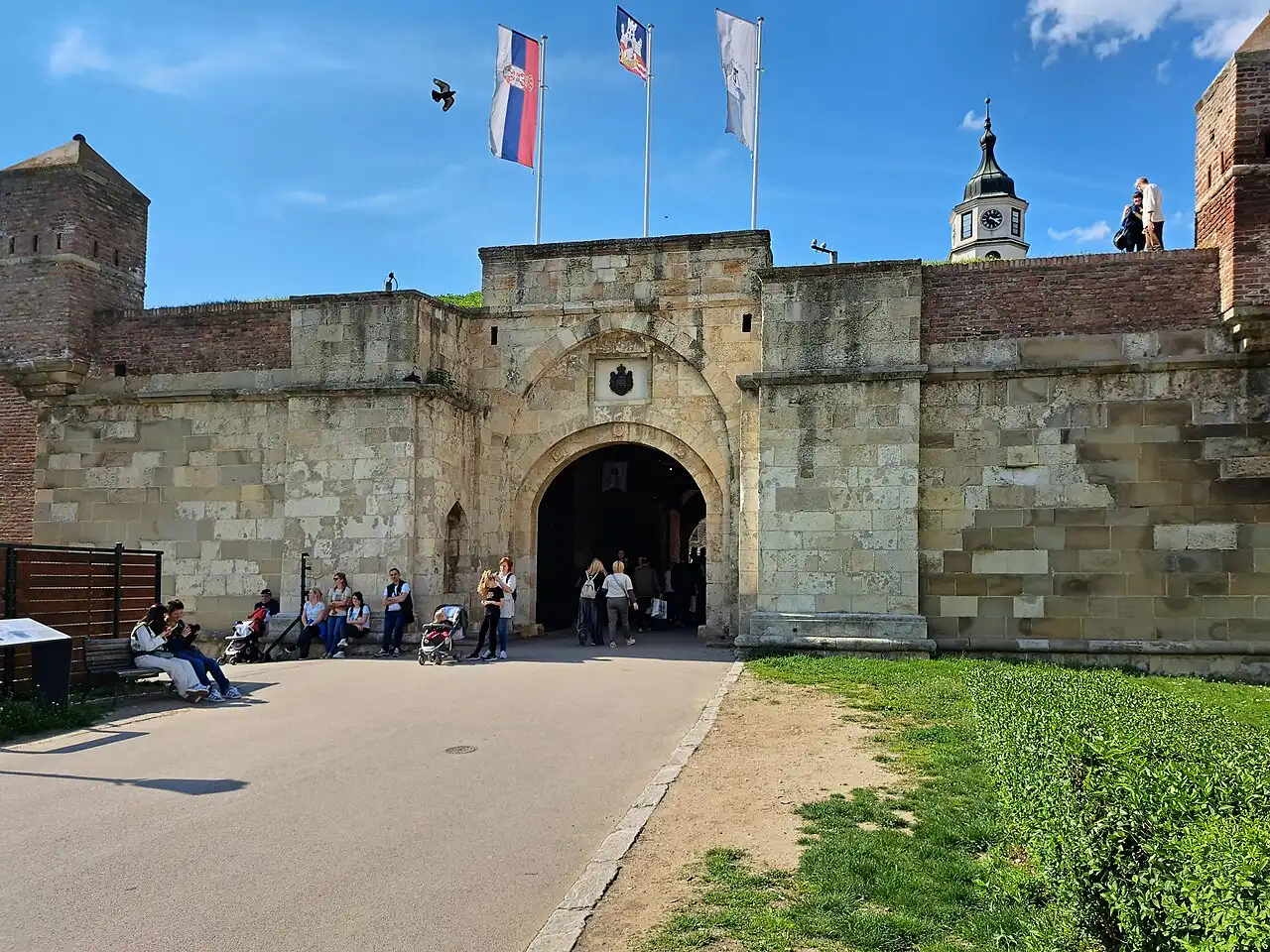
The grounds are free, but a few things inside aren’t. Three of the five interiors take a casual walk-up - the Roman Well, the Nebojša Tower and the Casemates, 170-400 RSD on the Aug 2026 operator board, cash easiest - though only the Nebojša Tower keeps that walk-up status year-round; the Roman Well and the Casemates need advance booking from November through March. All five are closed on Monday, and the Nebojša Tower is also shut on Tuesday. The powder magazine and the bunker only take pre-booked groups year-round, so don’t plan a spontaneous visit around either one. The landmark that anchors every photo is the Victor (Pobednik), a bronze figure on a tall column, sword and falcon in hand - it went up in 1928, and locals will happily tell you why he faces away from the city, out over the rivers. Give yourself an hour for the ramparts and the Roman Well (Tuesday-Sunday in season); two if the light is good. For a full walk-through of the gates, the open-air Military Museum and the churches inside, see our Kalemegdan Fortress visiting guide.
Knez Mihailova and Republic Square
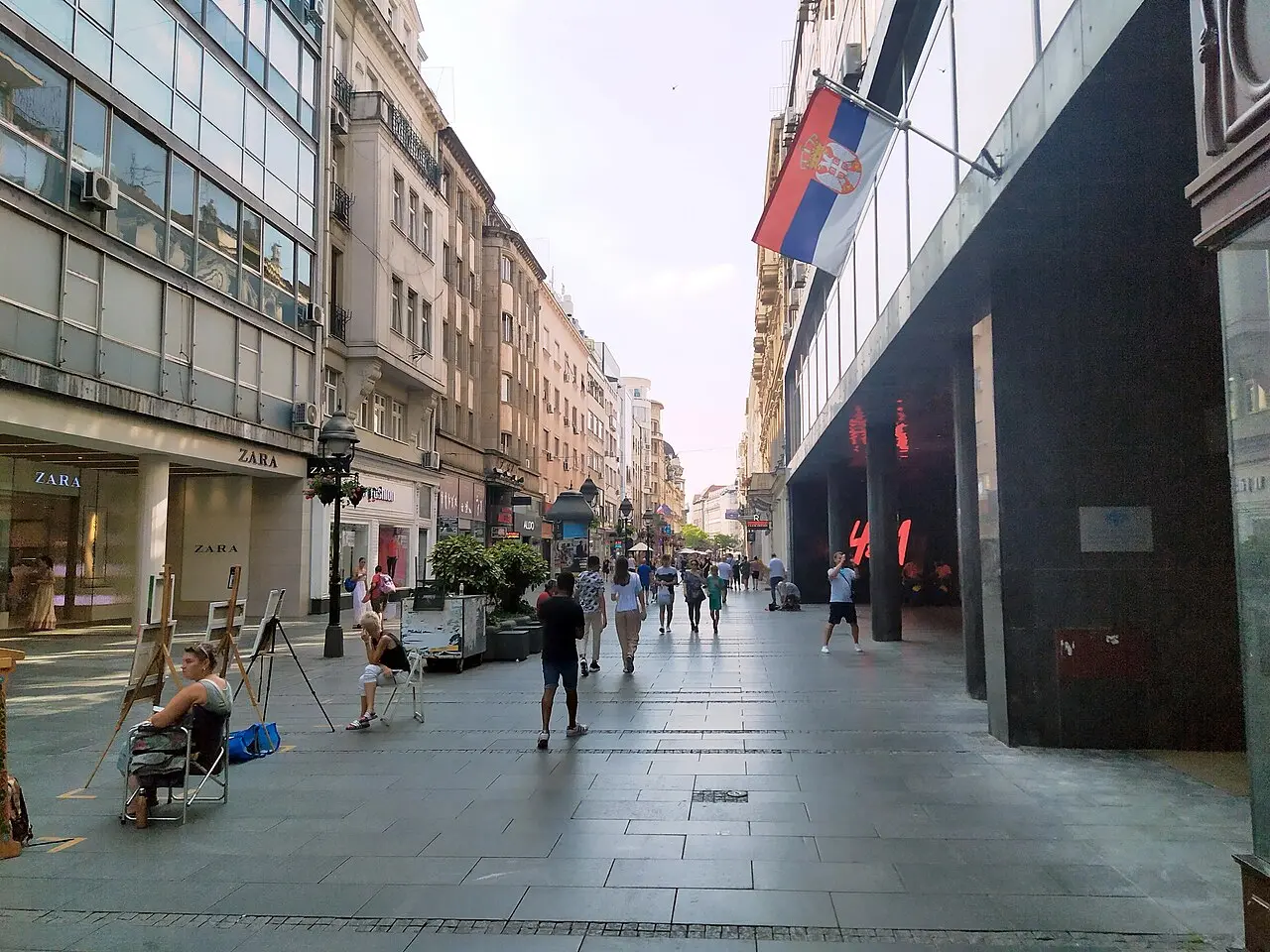
From the fortress gates, Knez Mihailova runs straight into the city - a broad pedestrian street of nineteenth-century façades, bookshops and pavement cafés, and the axis the whole old town hangs off. Protected as a monument of culture, it’s where Belgraders come simply to walk, an evening ritual the Balkans call the korzo.
The street empties into Republic Square (Trg Republike), the city’s main meeting point, framed by the National Theatre and the National Museum and centred on a bronze prince on horseback. “Kod konja” - “by the horse” - is how half of Belgrade arranges to meet, so if a local tells you to wait there, now you know where to stand.
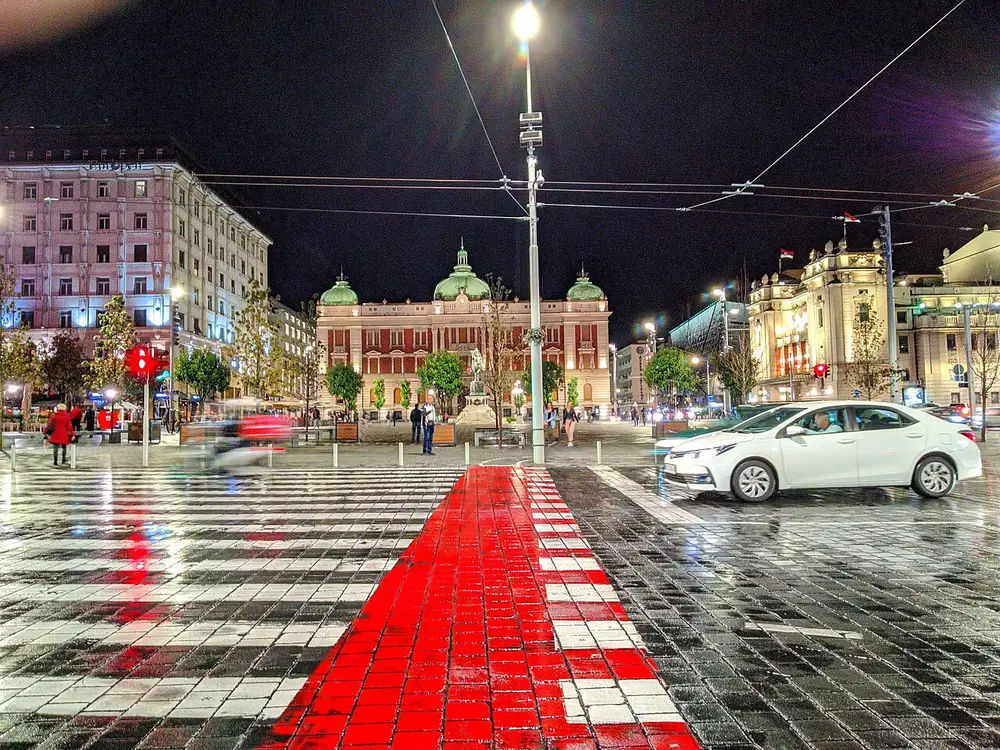
Skadarlija, the bohemian quarter
A few minutes downhill from the square, Skadarlija is Belgrade’s oldest bohemian street - a short, steep run of kaldrma cobbles lined with kafanas, the traditional taverns that are as much about the mood as the food. It became the haunt of the city’s writers and actors at the turn of the twentieth century, and two of the taverns have been serving continuously ever since: Tri Šešira (Three Hats), open since 1864, and Dva Jelena (Two Deer), dating to the 1830s.
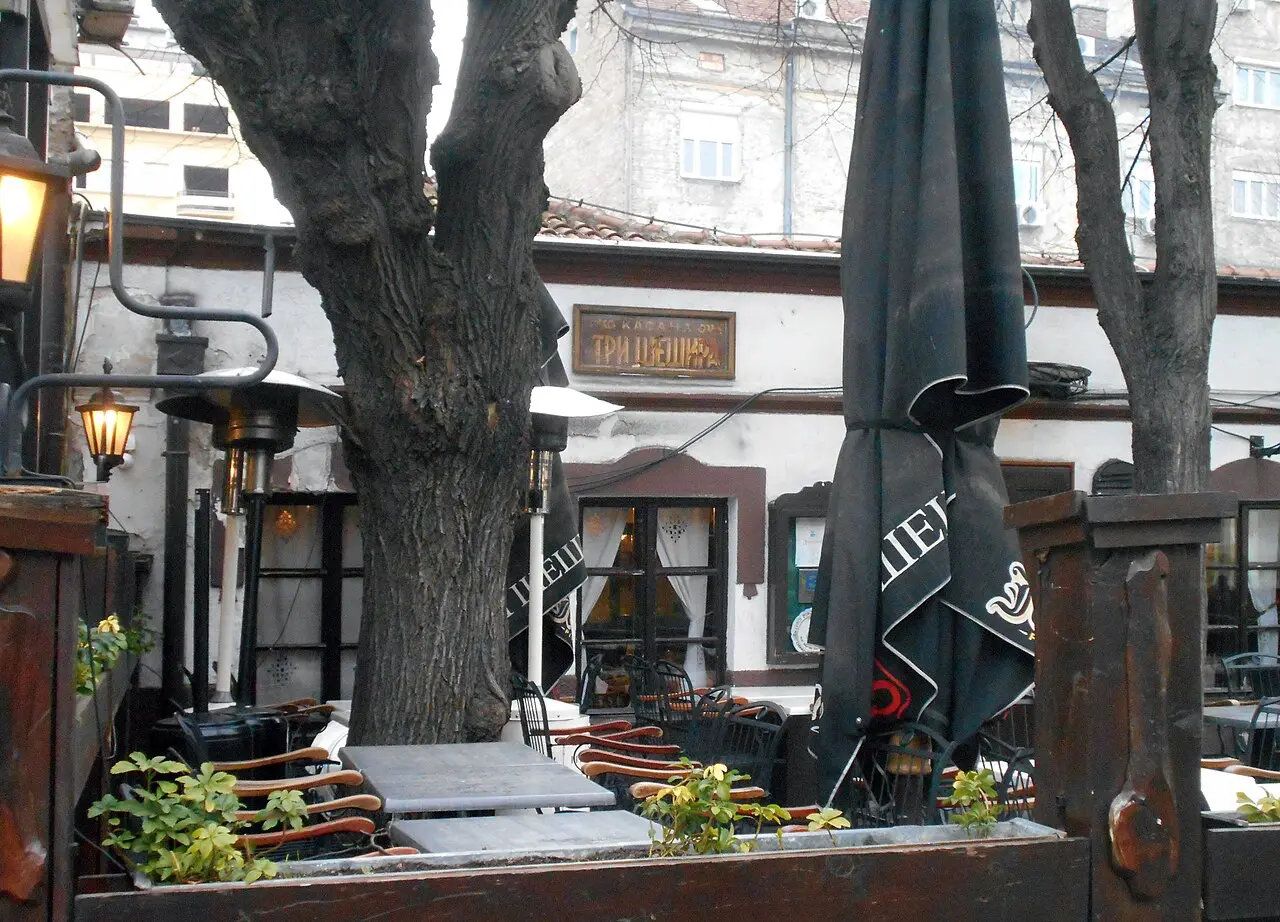
Come in the evening, when tamburaši move between the tables playing old Serbian songs on mandolin-like instruments, and order what the kafana does best: grilled meat with a cold beer, or a shot of rakija, the fruit brandy Serbs treat as a national institution. Is it touristy? Yes - but it’s touristy the way a place is when it’s genuinely old and still loved, and the food is honest. Skadarlija is also the last stop on our Kalemegdan-to-Skadarlija walking route. For a quieter, more local dinner, walk down into Dorćol just below, where the newer wave of bars and restaurants has settled. If the whole ritual is new to you, our run-through of the Serbian dishes worth trying explains how the kafana and the grill fit together and digs into what to order. If you’re skipping the grill, vegetarian and vegan food in Serbia is the decoder, and Dorćol is one of the neighbourhoods it sends you to.
The Church of Saint Sava
South of the centre, in the Vračar district, the Church of Saint Sava dominates the skyline - a colossal white-and-green Orthodox church, one of the largest in the world, built on the spot where the Ottomans are said to have burned the relics of Saint Sava in 1594. Construction began in 1935 and dragged, through wars and a communist state, across most of a century: the exterior was finished in 2004, and the astonishing interior only in 2020, which is why so many older guidebooks describe it as an empty shell. It isn’t any more.
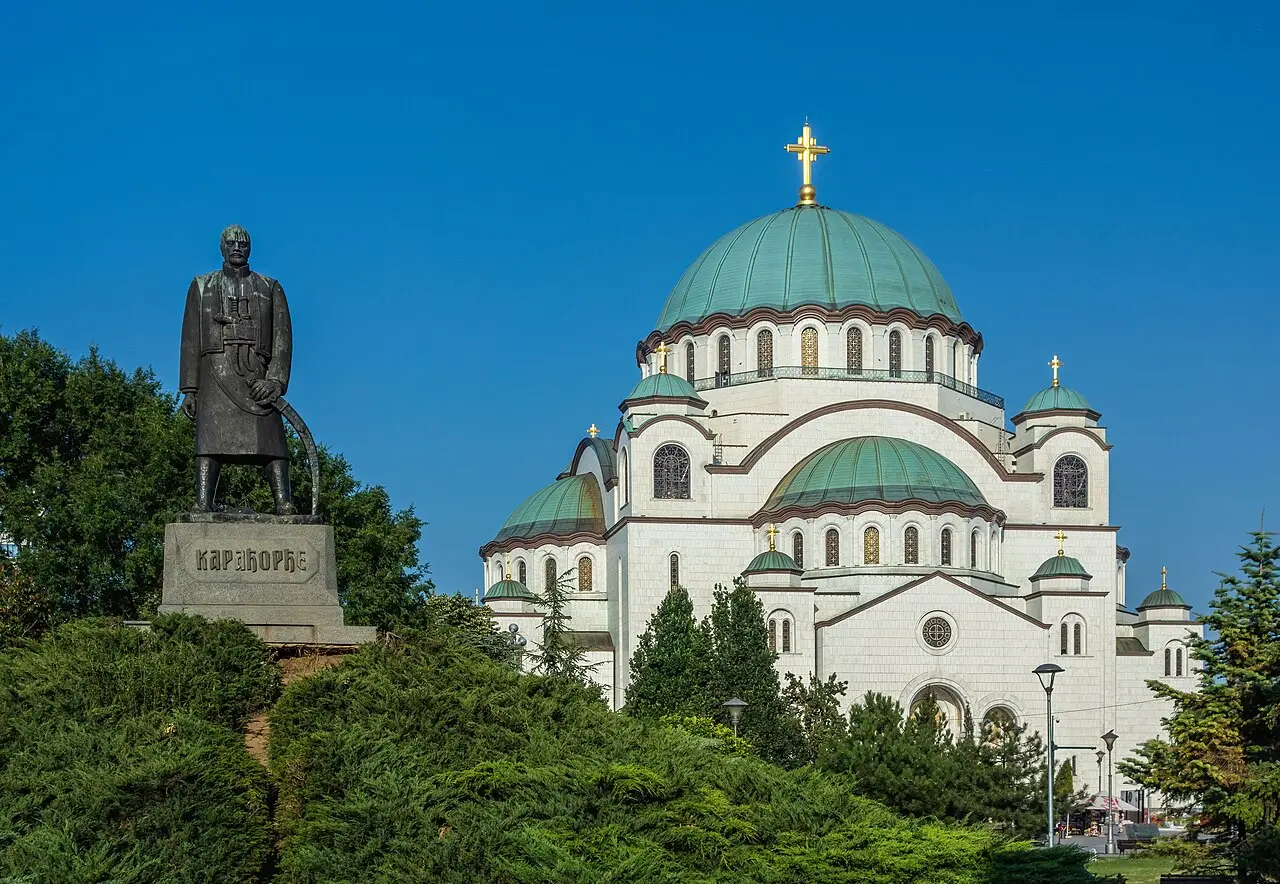
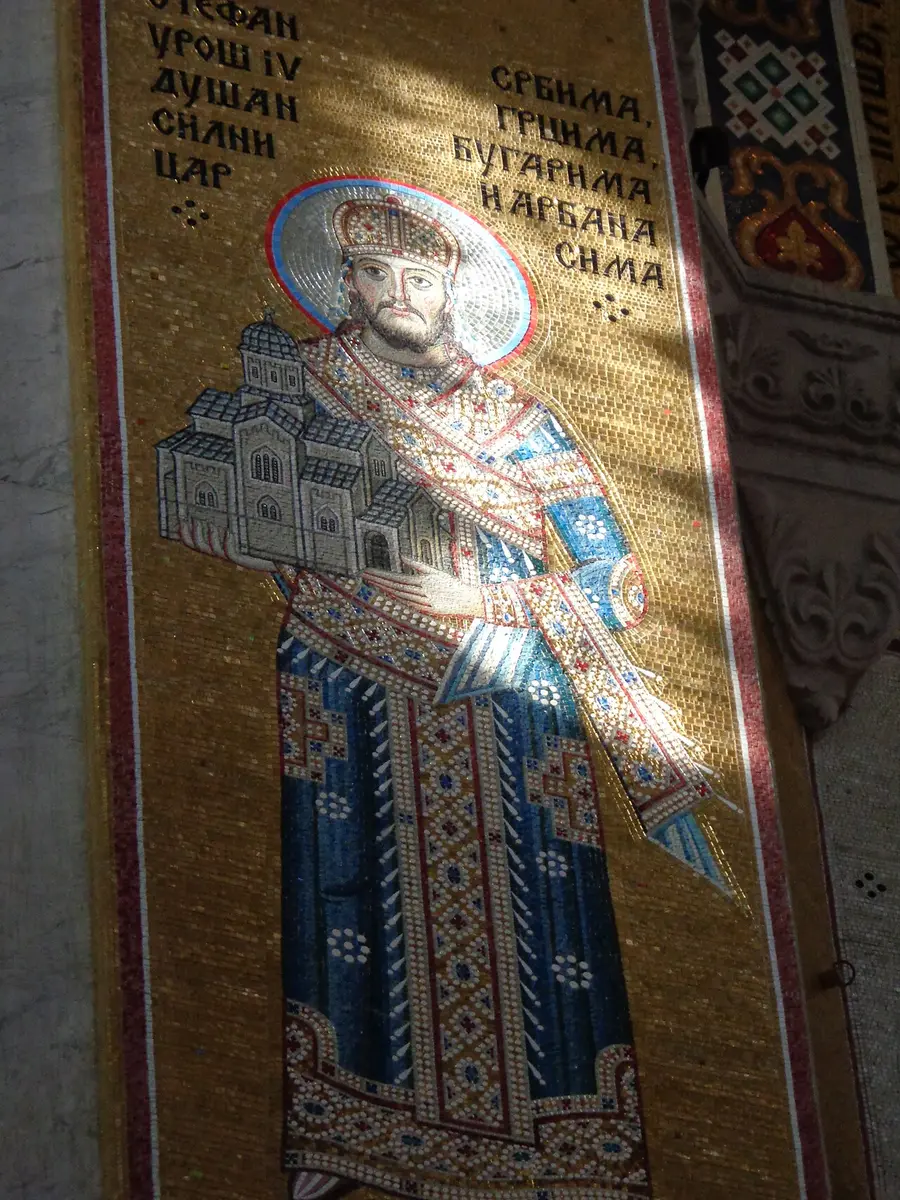
Go inside - entry is free - and look up. The dome and walls are sheathed in around 15,000 square metres of gold-ground mosaic, said to be the largest mosaic surface in any Orthodox church, and standing beneath it’s genuinely disorienting in the way great interiors are meant to be. Don’t skip the crypt downstairs, a separate lower church clad in Murano-glass mosaic and heavy chandeliers - quieter, and to many visitors even more beautiful than the hall above. Dress modestly, as at any working church; our full Temple of Saint Sava visiting guide has the hours, the crypt and the rest of the practicalities.
The Nikola Tesla Museum
A short walk away on Krunska street, the Nikola Tesla Museum is the one museum in Belgrade to book time for, and not only because it holds the inventor’s ashes in a golden orb. What makes it worth the ticket is the guided tour: a staff member runs a live demonstration with working replicas of Tesla’s machines - a fluorescent tube lighting up in a bare hand, an “egg of Columbus” spinning upright inside a rotating magnetic field. Tours start on the hour and last around 45 minutes - bring cash in dinars, as the museum takes no cards. Our full Nikola Tesla Museum guide covers tour times, prices and how to time your arrival.
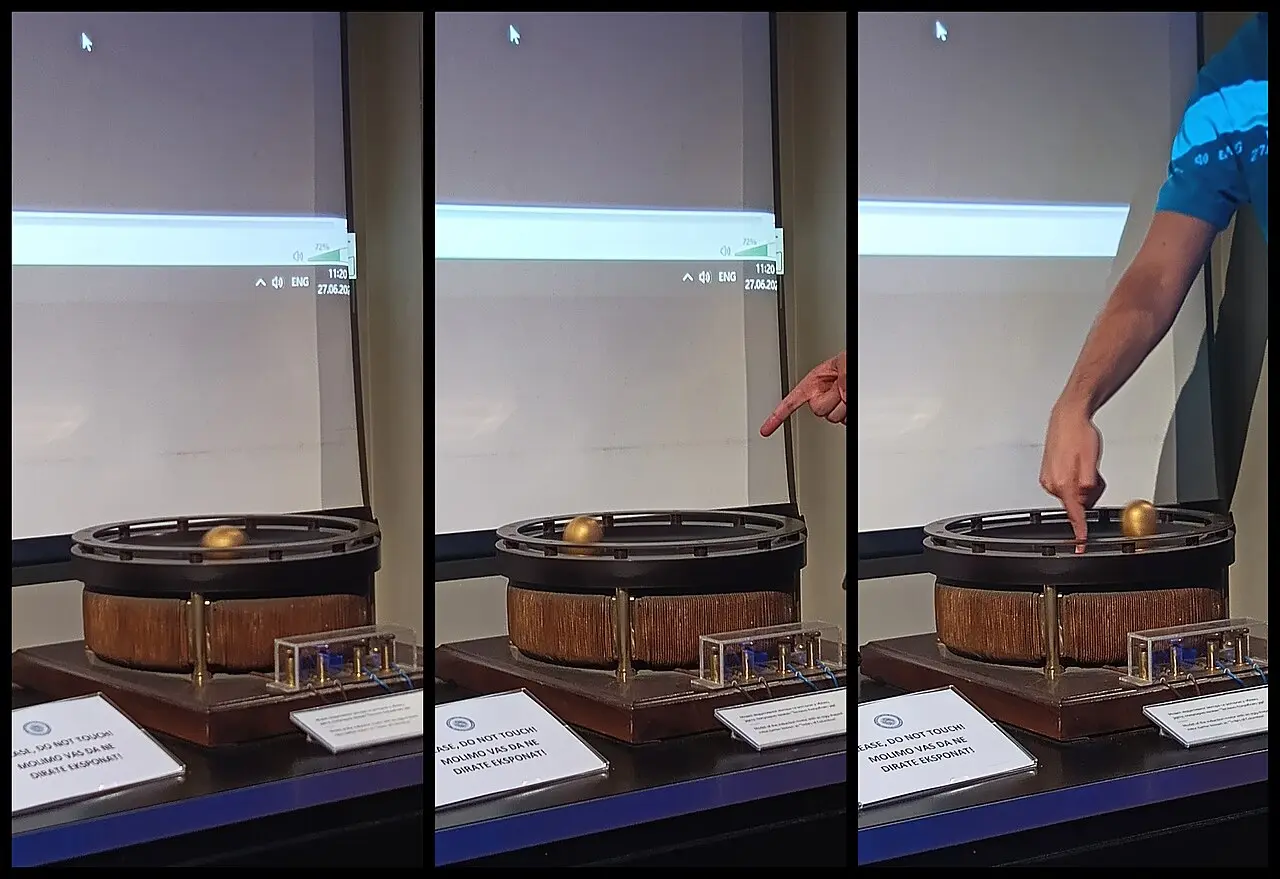
Two practical warnings that catch people out. The museum is small and popular, so tours fill up - the English one in particular; arrive early, and check current hours, as it closes periodically for exhibition work. And it’s cash only - no cards - with the English guided tour about 800 RSD when we checked. Bring dinars.
If twentieth-century Yugoslavia is the story you came for, leave a half-morning for the Museum of Yugoslavia in Dedinje - House of Flowers (Tito’s resting place), the May 25 pavilion and a park complex on one ticket. It isn’t walkable from Vračar the way Tesla and Saint Sava are; treat it as its own outing.
Belgrade nightlife: the splavovi
Craft beer has its own map: craft beer in Belgrade covers Dogma, Salto and the bar yards away from the splavs.
Belgrade’s reputation as a party city is real, and its signature is unlike anywhere else in Europe: the splavovi, floating clubs and bars moored to the banks of the Sava and Danube. In summer - roughly May to September - dozens of them run open-air dance floors right on the water, each with its own crowd and sound, from commercial pop and R&B to house and techno until sunrise. In winter the scene moves indoors, to Savamala and Beton Hala near the river and to the city-centre clubs; a few splavovi stay open in heated, enclosed form, but the summer version is the one people travel for. Visiting over December instead, see our Belgrade Christmas Market guide for what replaces the riverside nightlife that month.
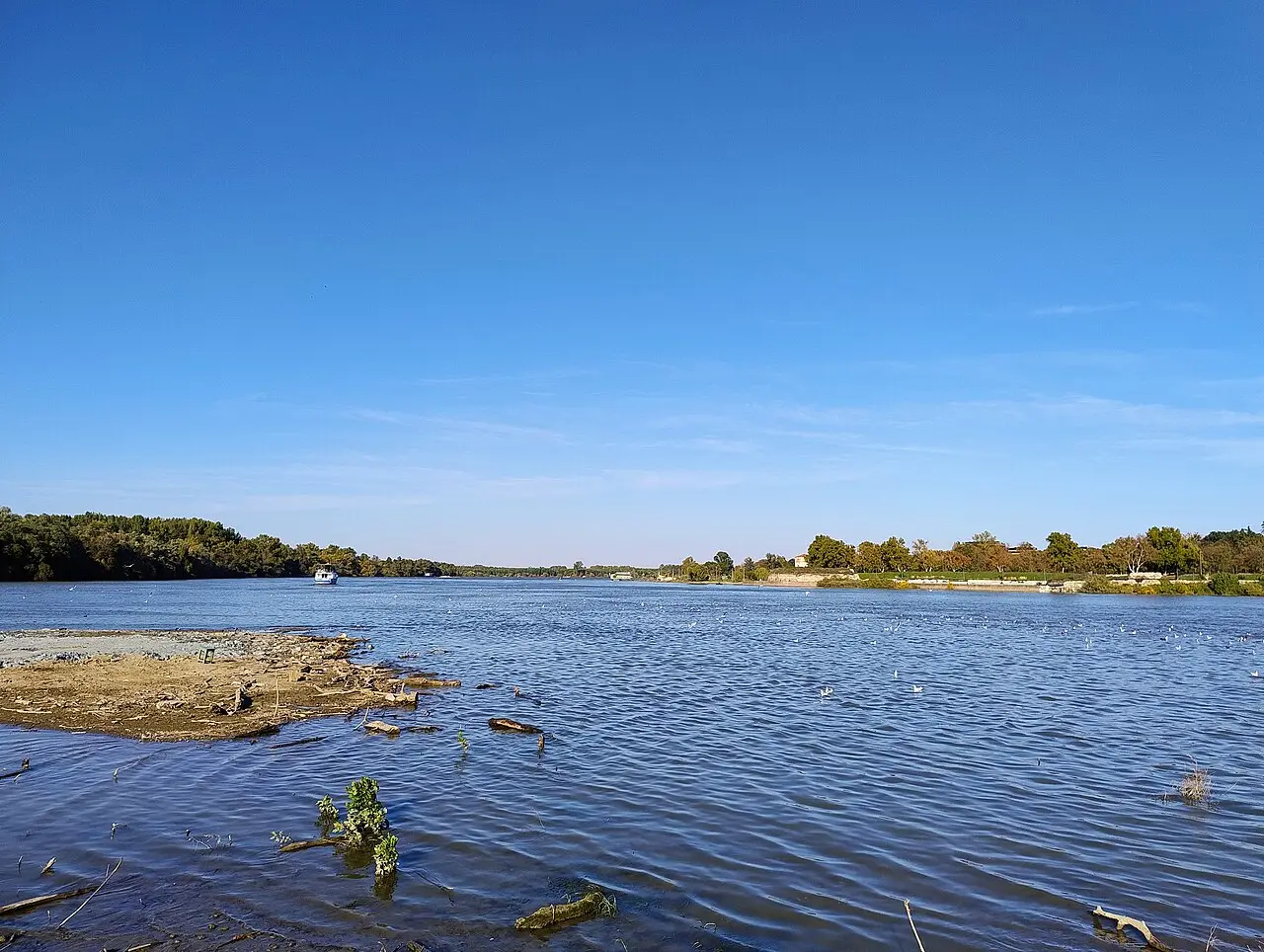
A few things worth knowing. The clubs cluster and occasionally move - a whole run of them relocated to the Sajamski Kej stretch a couple of years back - so ask where you’re staying which splav is good this week rather than trust a two-year-old blog list. Entry to most is free or cheap; the money is in bottle service, and a VIP table at a premium splav starts around €300 minimum spend. You don’t need a table to have a great night, though - turn up, walk the quay, and follow the music. For the full picture - splav etiquette, the turbo-folk heads-up and how to avoid a padded bill - see our Belgrade nightlife guide; if you’re booking a table for eight to fifteen people, our Belgrade stag bars guide breaks down real minimum spends, bottle prices and the 01:00 release rule before you commit. The wider entertainment section covers the rest of the city’s nights out. Coming as a group? Our Belgrade stag and bachelor party guide adds the group tables, day activities and airport transfers on top.
Zemun and the Gardoš Tower
For an afternoon that feels like leaving Belgrade without actually doing so, head to Zemun. Until a century ago it was a separate town on the Austro-Hungarian side of the border, and it still looks different - lower, older, more central-European, wrapped around a hill of red-roofed houses on the Danube. Climb the lanes to the Gardoš Tower (the Millennium Tower), built by the Hungarians in 1896 and standing 36 metres over the river; the view from the top takes in the Danube, the rooftops and the whole spread of the city.
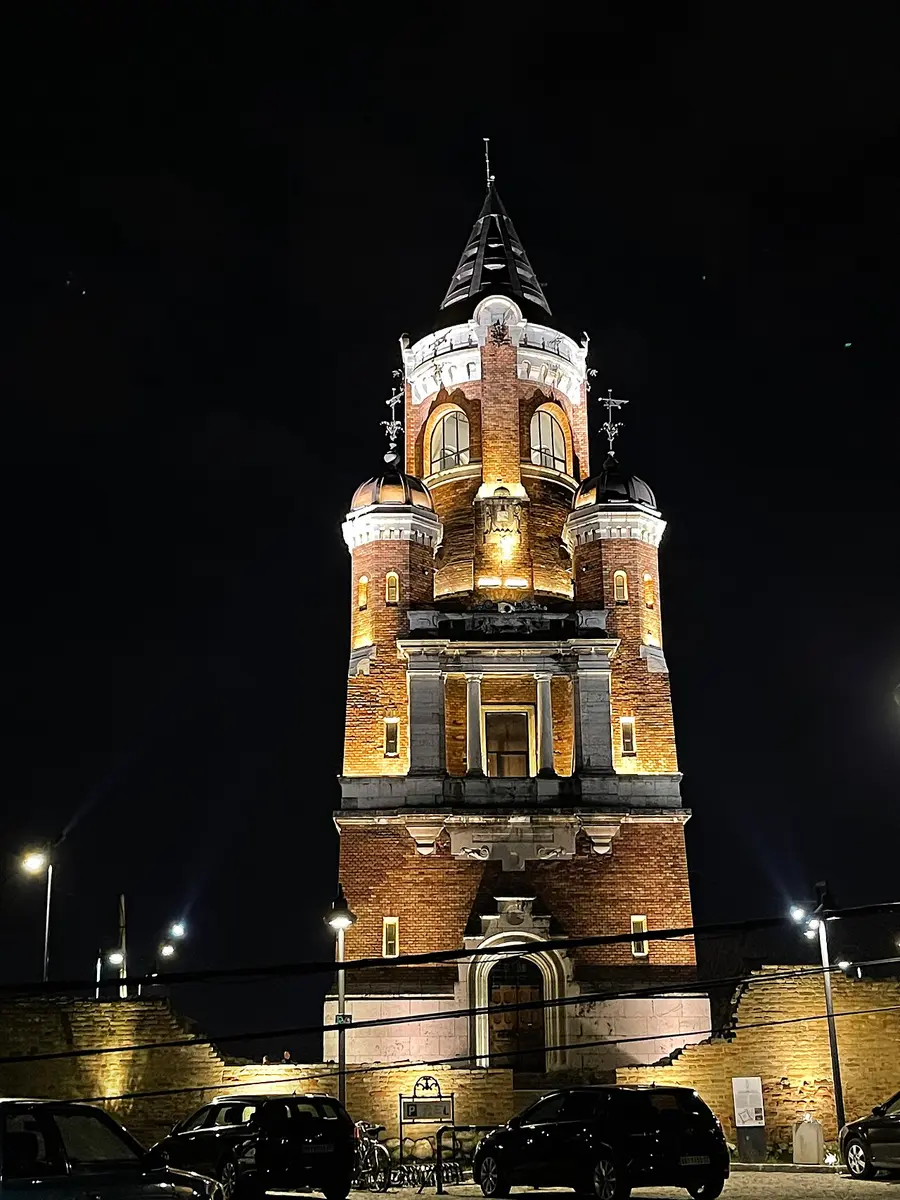
Then come down to the Zemun Quay, a long riverside promenade of fish restaurants and barge-cafés, and time it for sunset - grilled river fish, a glass of white and the Danube turning gold is one of Belgrade’s simple pleasures. Zemun is reachable on the city bus (free, like everything now), or a cheap taxi if your feet have given out.
Ada Ciganlija, Belgrade’s river beach
Belgraders call it “the sea.” Ada Ciganlija is a wooded peninsula on the Sava, dammed at both ends to make a clean lake - Savsko jezero - ringed by six kilometres of beach that, on a hot summer weekend, draws crowds you have to see to believe. It’s free, it’s a fifteen-minute ride from the centre, and it’s where the city goes to swim, cycle, row and drink coffee from June to August.
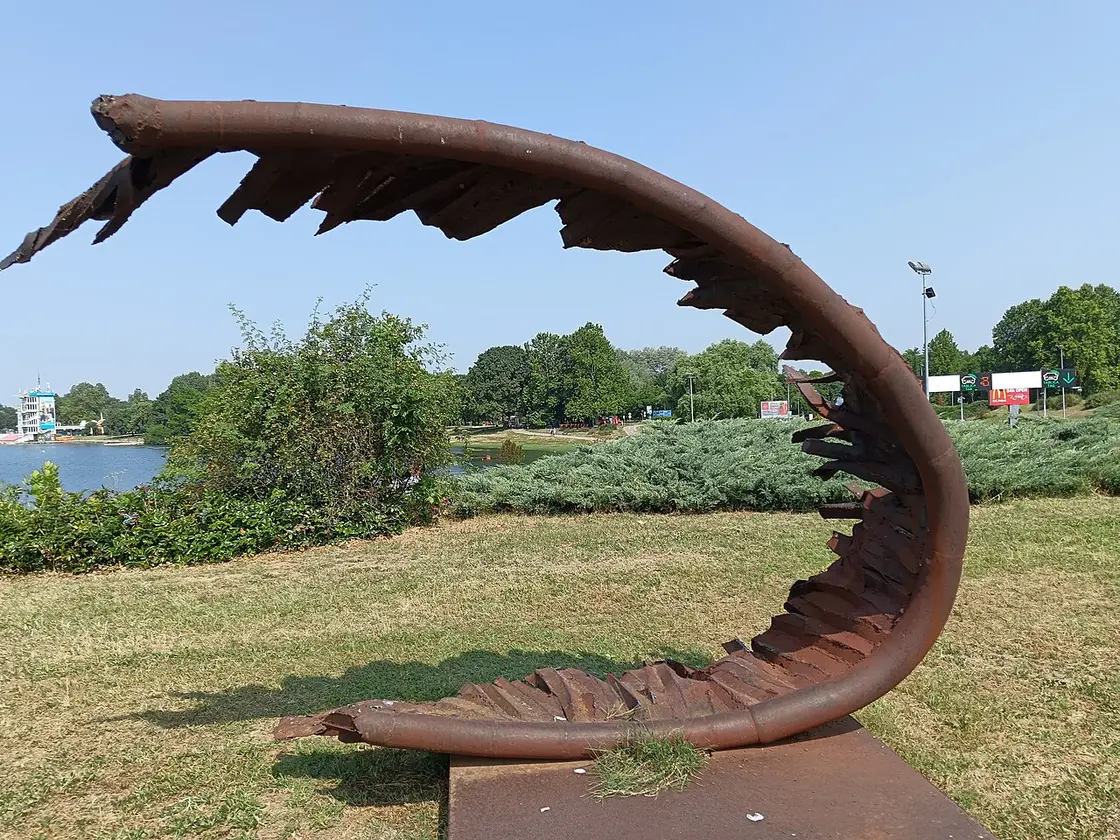
The swimming zones are lifeguarded in season and the water has flown a Blue Flag for years; you can rent anything from a bike to a kayak on the spot, and there’s bungee jumping and a climbing wall for the restless. On a July Saturday it’s packed - but that is the experience: Belgrade at its most relaxed and least self-conscious, and it costs nothing to join in. Travelling with children, Ada is usually the afternoon that saves the day - playgrounds, free beach access and room to run - and our Belgrade with kids guide maps how to pair it with the zoo and Kalemegdan without burning everyone out.
Best day trip: the Iron Gate and Golubac
If you have a spare day and a taste for landscape, spend it on the Danube. East of the city the river narrows into the Iron Gate (Đerdap), the deepest and one of the most dramatic river gorges in Europe, where the Danube squeezes between Serbia and Romania beneath the cliffs. The set-piece is Golubac Fortress, a superbly restored medieval castle of ten towers guarding the mouth of the gorge, about 130 km east of Belgrade - a drive of roughly one and a half to two hours.
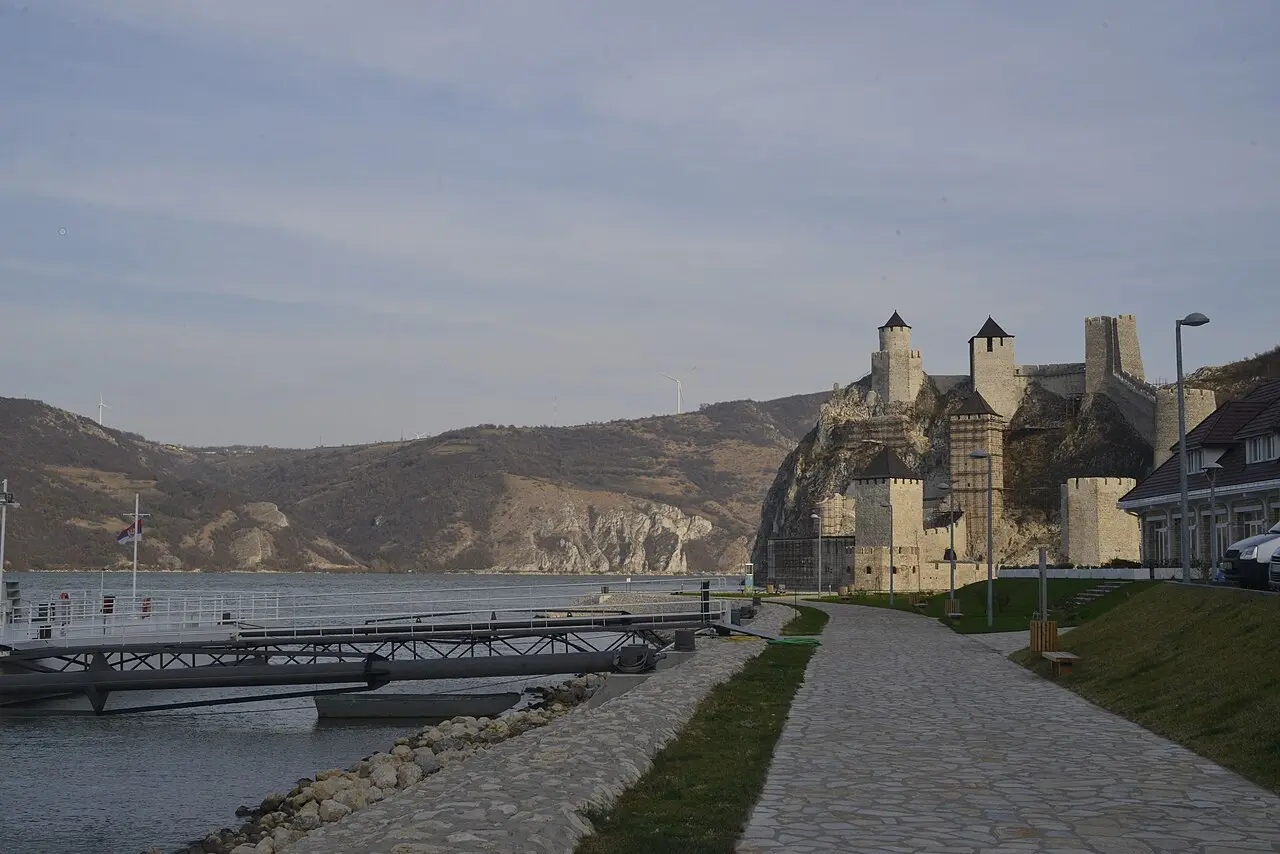
Most people do it as a full-day organised trip bundling Golubac, the Đerdap national park, a boat ride into the gorge and often the prehistoric site of Lepenski Vir - budget 12 to 13 hours door to door. It works well as a tour because the driving is long and the stops are spread out; if you’d rather set your own pace, a hire car does the same loop, and our transport guides cover getting around Serbia. For the fortress, the gorge, Lepenski Vir and the boat cruise in detail, see our full Iron Gate & Golubac day-trip guide.
If a full day out east doesn’t fit your schedule, there’s a much closer dose of prehistory: the Vinca archaeological site, just 14 km downstream (16 km by road) downstream from the centre (16 km by road), is the type-site of its own Neolithic culture and works as a half-day loop by bus or taxi. See our Vinca archaeological site guide for hours and how to get there.
If you’d rather a gentler day out, the other classic trip is Novi Sad, Serbia’s second city, an easy 35-minute ride up the fast train - its huge Petrovaradin Fortress, café-lined old town and the Danube beach make a relaxed contrast to the drive east. See our Novi Sad travel guide for the full run-down.
And if you’re tempted further afield, the greatest landscapes are out west: the Drina canyon and its clifftop viewpoints are the highlight of Tara National Park - too far for a day trip, but the perfect anchor for an overnight road trip out of the capital - one that pairs naturally with Zlatibor and the narrow-gauge Šargan Eight railway. South of the capital, Niš, Serbia’s third city, is the other big trip - an Ottoman fortress, the sobering Skull Tower and a Roman villa where Constantine was born, best given a night rather than squeezed into a day.
Where to stay in Belgrade
For a first visit, base yourself in or just off Stari Grad, the old town - it puts Kalemegdan, Knez Mihailova and Skadarlija on your doorstep and keeps you walking distance from most of the day-one sights. Dorćol, the grid of streets just east, is central but calmer and full of good bars and cafés, a favourite of returning visitors. For green and quiet near St Sava and the Tesla Museum, Vračar is the residential pick. And if the nightlife is why you came, Savamala and the New Belgrade riverfront near Ušće put you closest to the splavovi - at the cost of some noise. Rates climb over summer weekends and around festivals, so book ahead if you’re coming for a big night out; our Belgrade Beer Fest guide covers why the festival’s own dates are still unconfirmed and what past editions charged at the gate. For a full breakdown of each district and who it suits, see our guide to where to stay in Belgrade; travelling on a hostel budget, our roundup of the best hostels in Belgrade names specific places and prices rather than just areas.
Getting in from the airport
Belgrade’s airport, Nikola Tesla (BEG), is about 18 km west of the centre, and it’s the one place the free-transport rule doesn’t fully apply. The A1 minibus runs to Slavija Square (via the main station and New Belgrade) roughly every 15-20 minutes by day, thinning to every hour and a half in the evening, for around 400 RSD, cash only - confirm the current fare, as it has changed. The city bus line 72 goes to the Zeleni Venac market and, being a normal city bus, now costs nothing. A taxi should be a fixed 3,500 RSD (about €30) to the centre, or 2,700 RSD to New Belgrade - get the voucher from the airport’s own kiosks, or book a transfer in advance, and you sidestep the meter games that catch tired arrivals. Once you’re in town, though, the trams and buses won’t cost you a dinar. For all four options - the free bus, the A1 minibus, taxis and transfers - see our guide to getting from Belgrade Airport to the city centre.
Belgrade also makes the natural starting point for the rest of the country: if you’ve got a week, our 7-day Serbia itinerary builds a loop out of the capital through Novi Sad, the western mountains and the Danube.
Belgrade isn’t a pretty city in the postcard sense, and it doesn’t try to be. What it offers instead is life at full volume - grand and gritty, generous and unpretentious - and a few days on its terms win most people over completely. For a fuller weighing of the good and the bad, see our honest take on whether Belgrade is worth visiting, and if you’re still choosing between capitals, our Belgrade or Budapest comparison lines up the flights, the sights and the cost side by side.
Photos
On the map
The map loads on click - to keep the page lightweight.
The map didn’t load. Check your connection and refresh the page.
Read also

Cities · 9 min read
Sombor: Vojvodina's Greenest Town
Verified · August 31, 2026Sombor travel guide: 121 km of tree alleys, the fijaker stand, County Hall with Eisenhut painting, and Gornje Podunavlje wetlands.

Cities · 12 min read
Valjevo: Old Town, Museums and Two Rivers
Verified · August 19, 2026Valjevo travel guide: Tesnjar, the Muselim Residence, Nenadovic Tower, the cathedral, and how to reach the town by train or car.

Cities · 9 min read
Sokobanja: Spa Under Rtanj Mountain
Verified · August 13, 2026Sokobanja spa guide: Ottoman hammam, respiratory air, Rtanj hikes, Bovan Lake and how to reach the town from Niš or Belgrade.

Cities · 10 min read
Vrnjacka Banja: Serbia's Top Spa Town
Verified · July 25, 2026Vrnjacka Banja is Serbia's most visited spa town: seven mineral springs, the Bridge of Love padlocks, a green park and Lovefest each August.