
Sokobanja: Spa Under Rtanj Mountain
Sokobanja spa guide: Ottoman hammam, respiratory air, Rtanj hikes, Bovan Lake and how to reach the town from Niš or Belgrade.
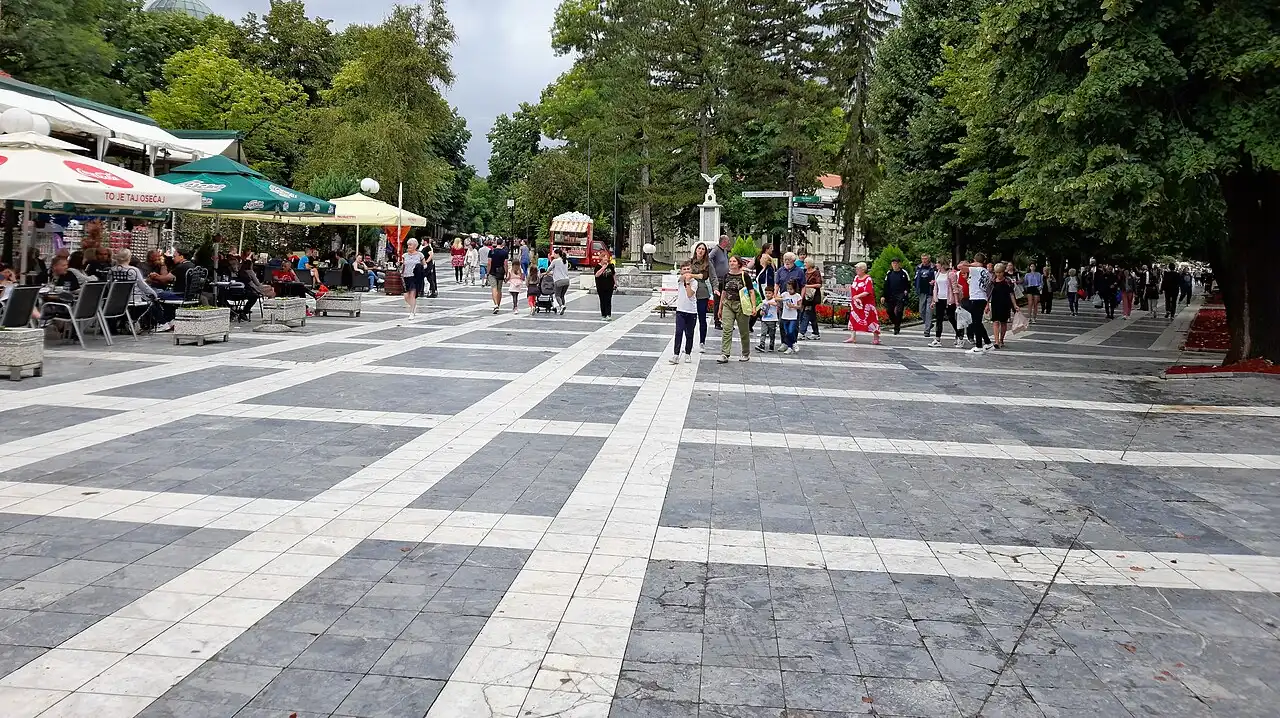
Sokobanja is eastern Serbia’s old spa town: thermal baths under the pyramid-shaped bulk of Rtanj, a 15th-century hammam that still runs, and air that Serbs have trusted for lungs for almost two centuries. It sits in the Moravica valley about 60 km from Niš and roughly 230 km from Belgrade - close enough for a long weekend if you’re already in the south, far enough that it still feels like a purpose trip rather than a detour.
Foreign visitors usually arrive for the same mix that built the place: warm mineral water, quiet walks, and a mountain day on Rtanj or out to Bovan Lake. It is not Vrnjacka Banja - that spa is bigger, busier and better connected to Kopaonik and the monastery belt. Sokobanja is smaller, more eastern, and its selling point is the hammam-plus-hills combo rather than a polished resort strip. If you want a spa bed with a hike attached, this is the one that usually fits.
Getting there
The practical route from Belgrade is the A1/E75 south toward Niš. Leave the motorway near Aleksinac, then follow the regional road east for about 30 km into the valley. The official tourism site puts the town at around 230 km from the capital and Belgrade Airport (BEG), and about 60 km from Niš; Constantine the Great Airport (INI) is listed at roughly 58 km. Allow about three hours by car from Belgrade in normal traffic, closer to an hour from Niš.
You don’t need a car once you’re in the centre - the park, hammam and cafe strip are walkable - but you will want one for Rtanj, Bovan Lake, Lepterija and any loop toward Stara Planina. Buses do run from Niš and via Aleksinac from further north; frequencies and fares change, so treat the station board (or a local ticket desk) as the source of truth rather than an old blog timetable. If you’re stitching eastern Serbia into a wider trip, our notes on getting around Serbia cover the longer legs.
The water: hammam, springs and what they’re for
Sokobanja’s identity is the water. The town tourism organisation lists six thermo-mineral springs in the spa itself. The centrepiece is the Amam - the old Turkish bath on Roman foundations - with two hyperthermal springs: St. Archangel at 43 C and Transfiguration between about 43.8 and 53 C. Next door sits a natural inhalatorium whose vapours contain radon; the spa markets it for respiratory complaints (asthma, bronchitis, sinusitis and related conditions). Separate pools at Banjica run cooler (about 27.8 C and 28.9 C). Other named outlets include Market at 36-38 C and the cold Zdravljak spring at 14.5 C. Nearby Jošanica has its own cooler springs and healing mud.
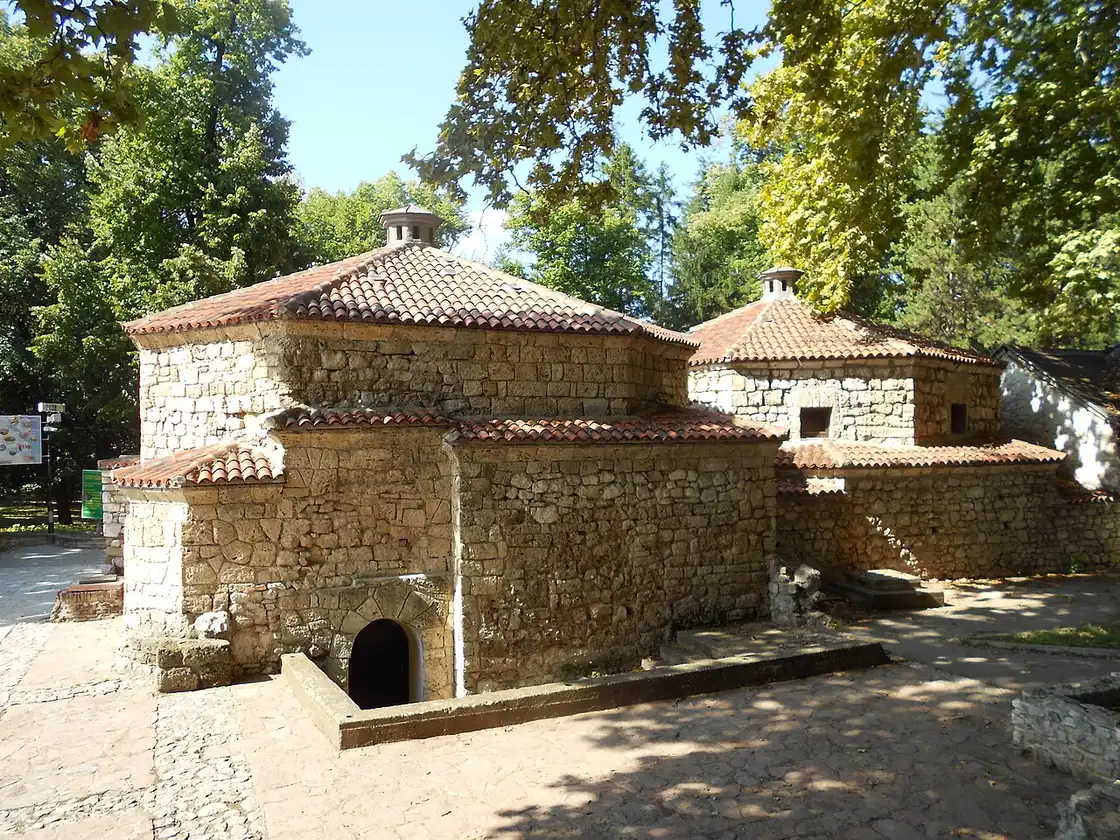
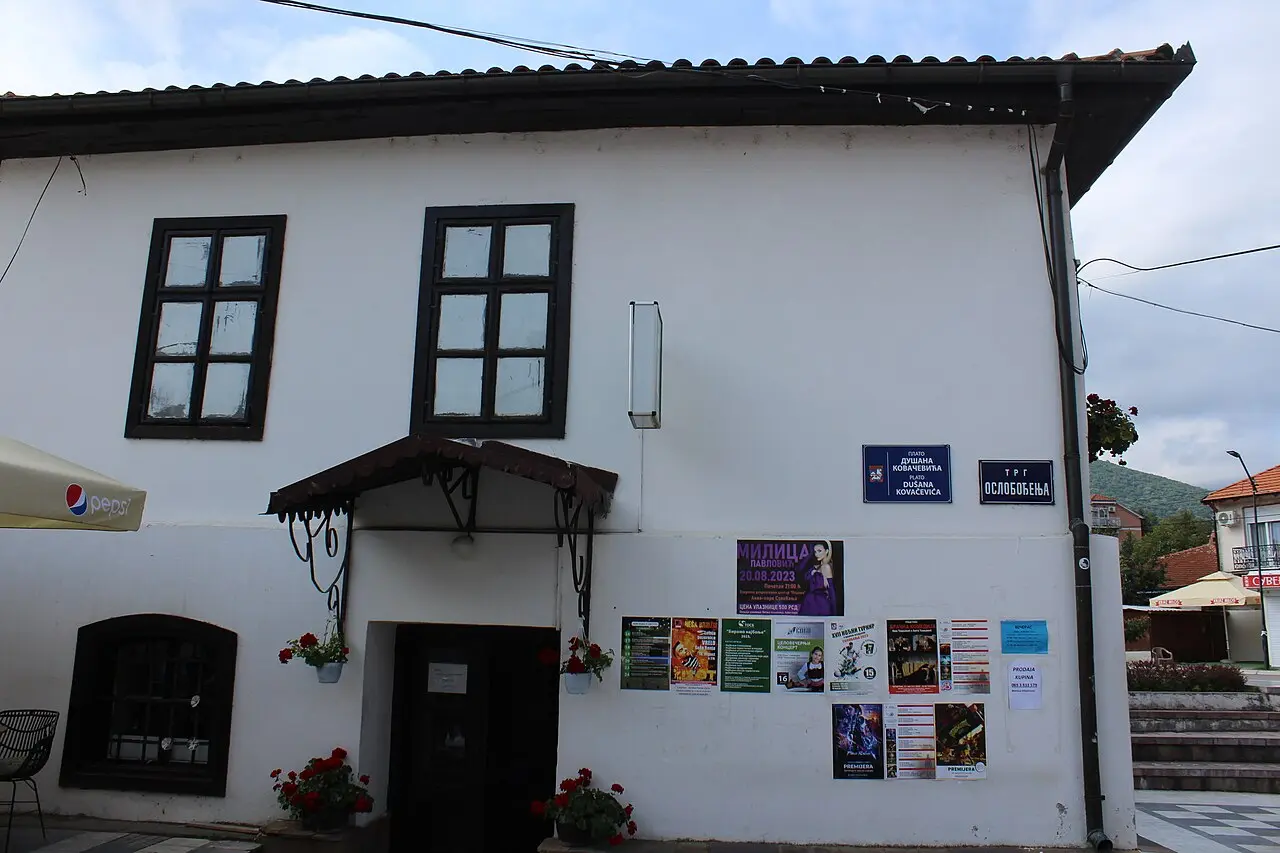
Take the medical claims the way a careful traveller should. Local hospitals and the tourism office publish traditional indications (rheumatism, post-injury recovery, respiratory care). That is spa culture, not a guarantee you’ll walk out cured. If you’re considering radon inhalation or a clinical programme through the Special Hospital “Sokobanja”, talk to a doctor first and book through the hospital rather than turning up for a tourist dip and expecting a treatment plan. Casual visitors still get the atmosphere: the Amam is the only functioning Turkish bath in eastern Serbia, renovated in 2005, and it keeps the male and female pools plus Prince Miloš’s old deep bathtub as living history rather than a museum set. The film Zona Zamfirova shot scenes here, which is why you’ll hear locals mention it without prompting.
Serbia dates the start of organised spa tourism to 21 June 1837, when Prince Miloš Obrenović ordered a soldier sent here for treatment. Miloš had the hammam expanded, put a physician in place, and kept coming himself. The slogan everyone still quotes - “Sokobanja, Soko-grad, you arrive old and leave young” - is Branislav Nušić’s, printed on a postcard and then in Politika in 1934. It’s advertising that stuck because the air and water really did become a national habit.
Park, promenade and the slow evening
The centre is built for walking. A central park, a pedestrian street of cafes, and the evening korzo are the social programme; you don’t need a ticketed itinerary to fill an afternoon. Bring cash for smaller kafanas, expect grilled meat and local cheese to dominate menus, and plan dinner earlier than in Belgrade - spa towns wind down sooner.
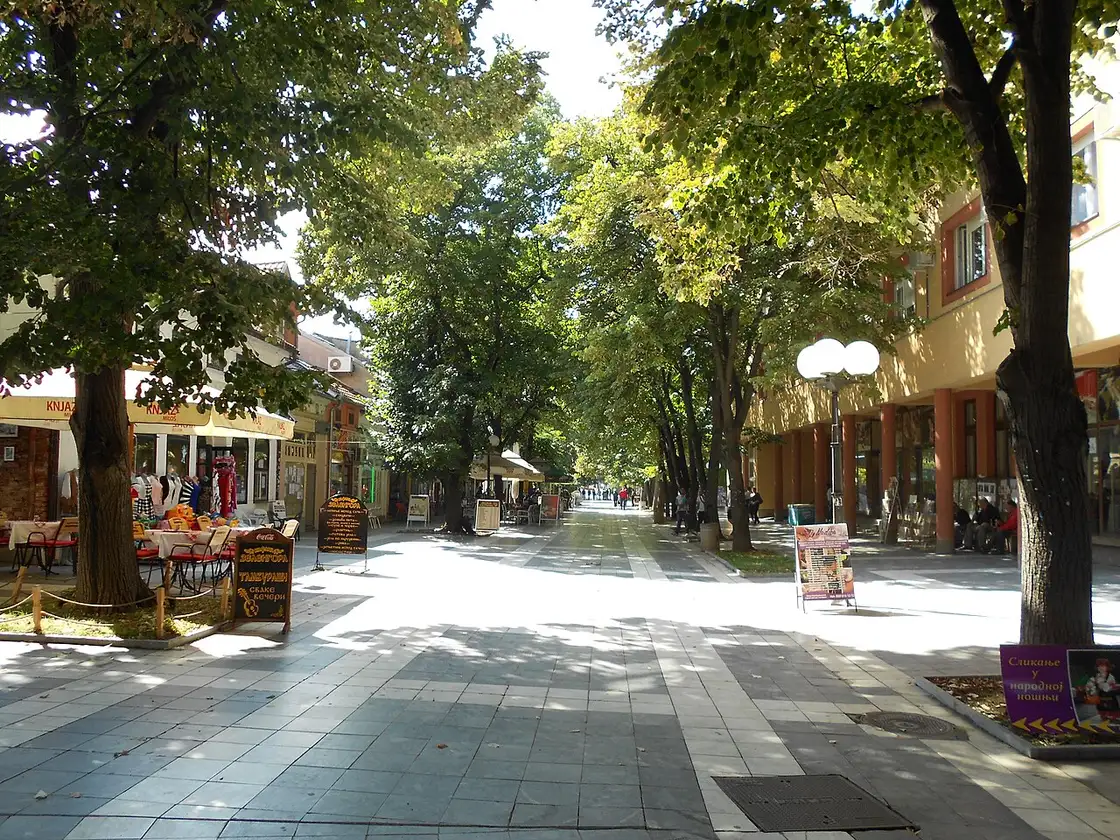
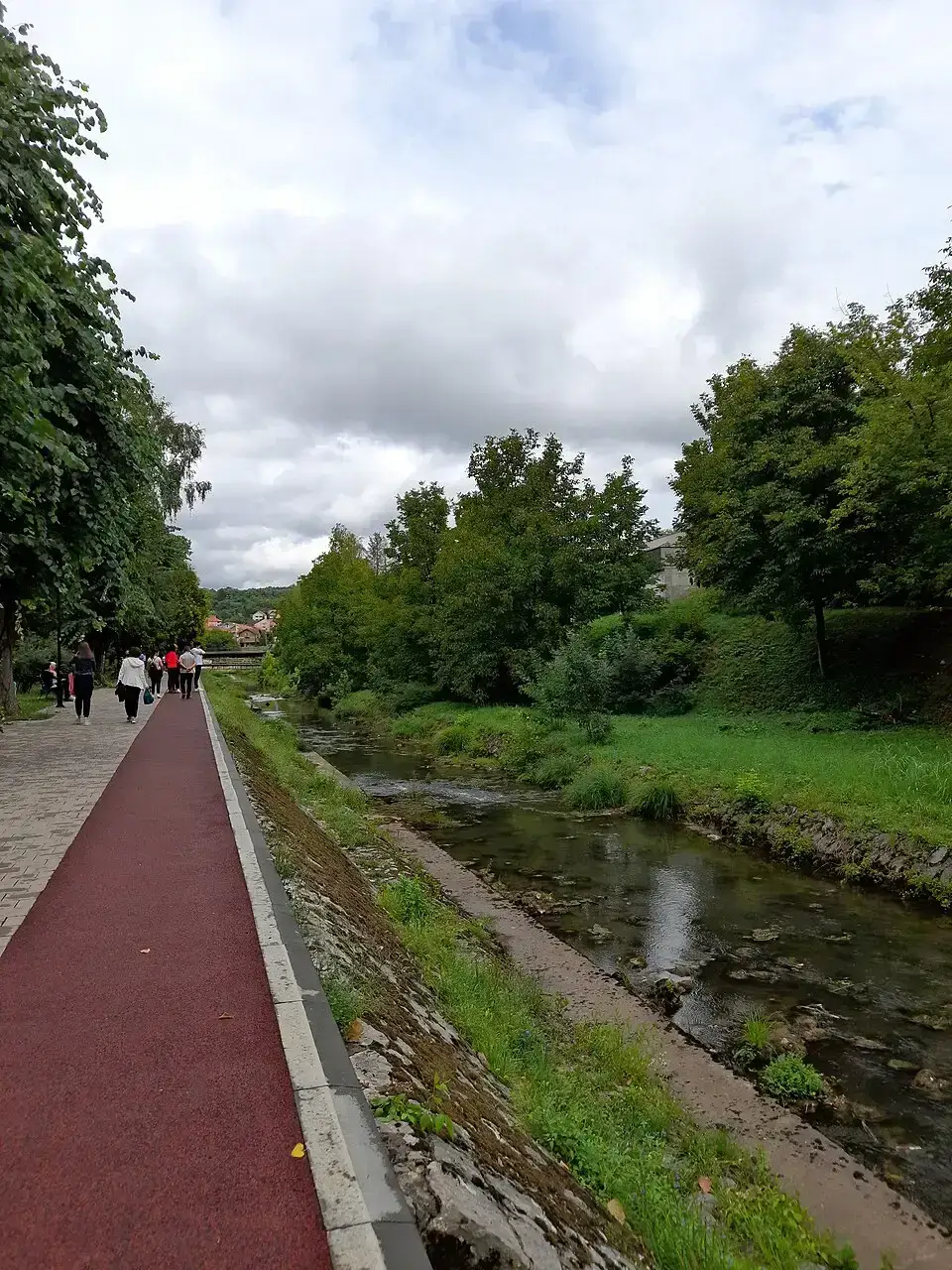
In summer the Moravica has regulated bathing spots, Bovan Lake is about a ten-minute drive west for swimming and fishing, and families head to the Podina aquapark a short hop from the centre. Shoulder seasons (May-June, September) are kinder if you came for quiet water and walks rather than slides.
Sokograd, Lepterija and the fortress afternoon
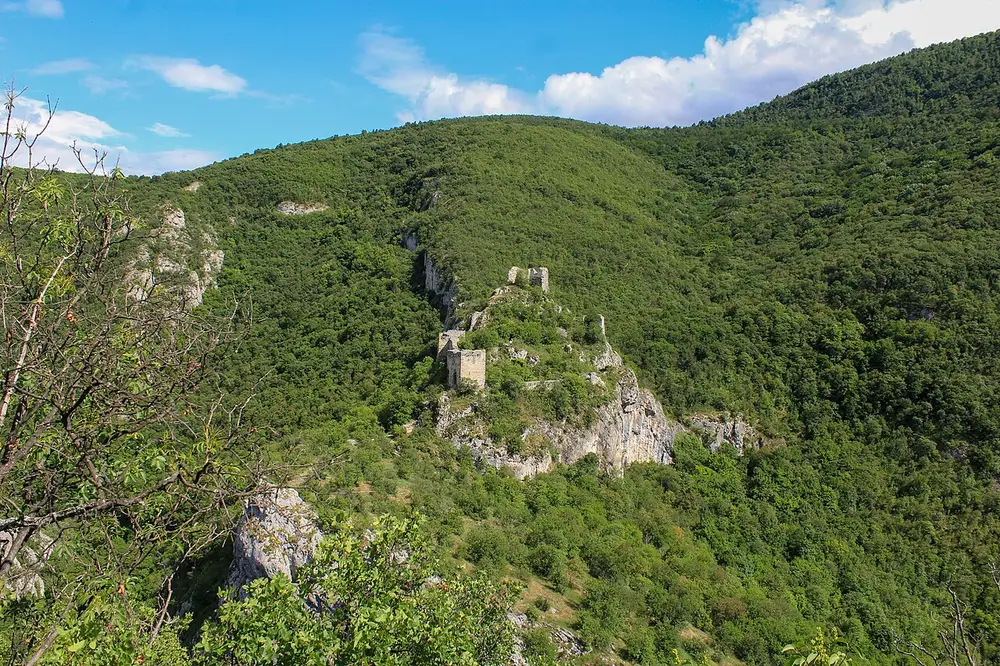
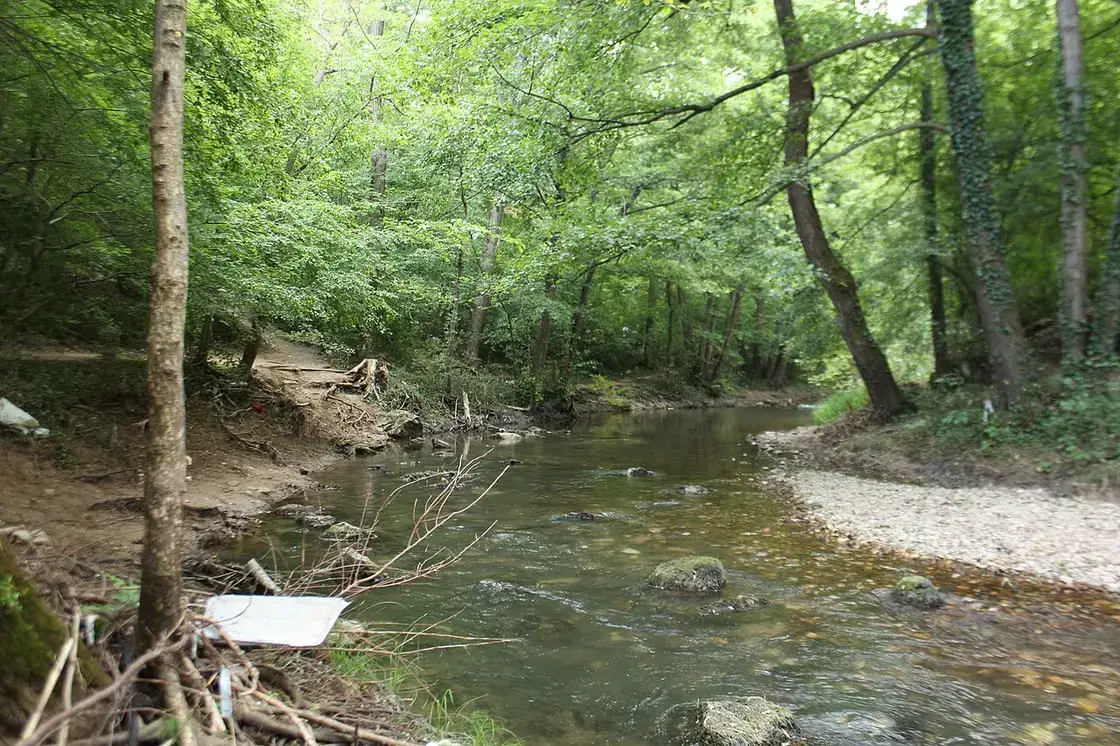
About two kilometres from town, above the Moravica canyon, stand the ruins of Sokograd (Soko Grad). The fortress goes back to the Justinian era in the 6th century, was held by Stefan Nemanja from 1172, and was destroyed by the Ottomans in 1413. What you walk today is a Cultural Monument of Great Importance: gate, walls and three towers, more atmosphere than interpretation boards. Pair it with Lepterija, the woodland picnic area locals use for weekend grill smoke and short walks - easy, shaded, and a good reset after the heat of the hammam.
Rtanj and the mountain day
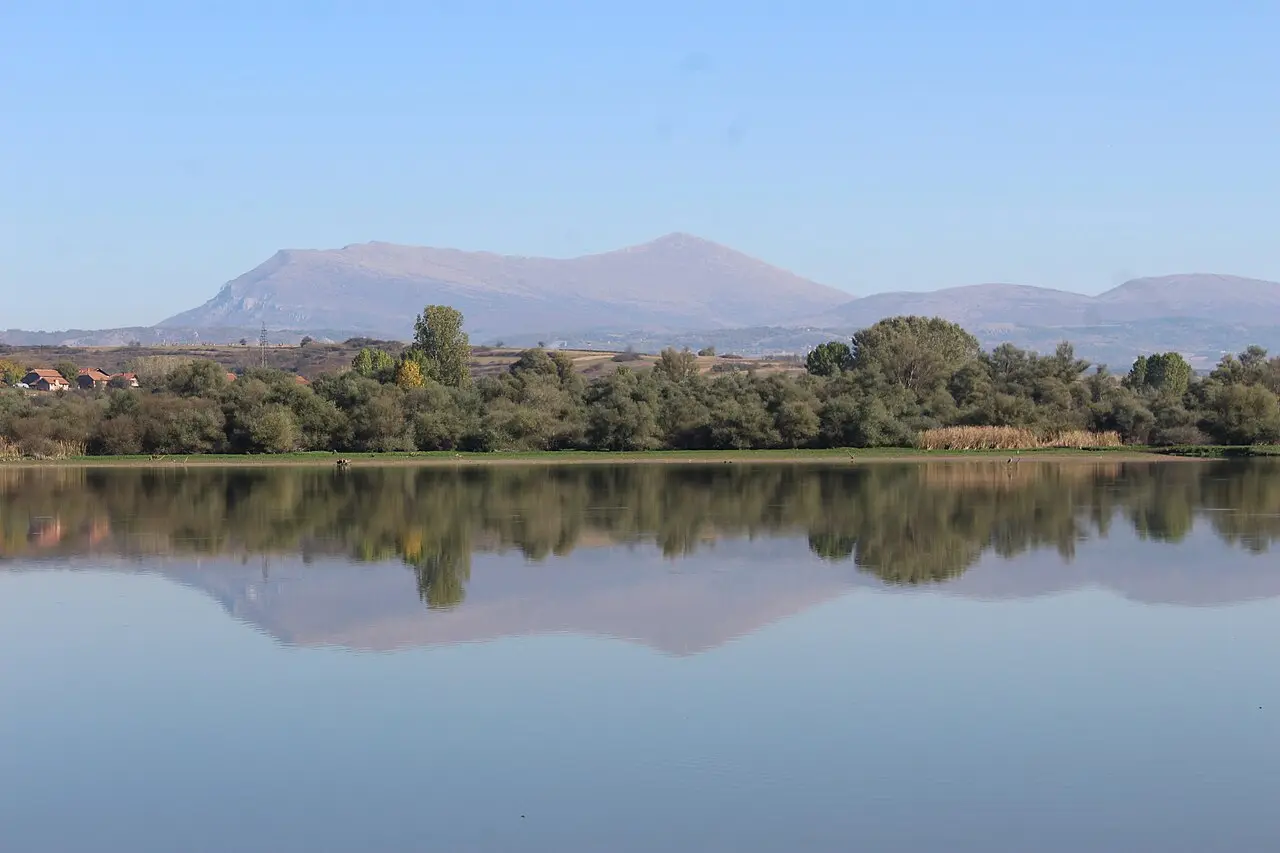
Rtanj is the mountain you see on every postcard from here: a steep, almost triangular mass rising north of the valley, with Šiljak on top at about 1,560 m. Serbian folklore dresses it as a “pyramid” and sells Rtanj tea from the herbs on its slopes. Treat the pyramid talk as folklore - the hike is real enough. Trails start from villages on the flanks (including the revitalised Vrmdža area); it’s a proper ascent, so start early, carry water, and don’t confuse a spa-town stroll with a mountain day. Paragliding launches operate from Ozren and Rtanj in season if that’s your sport.
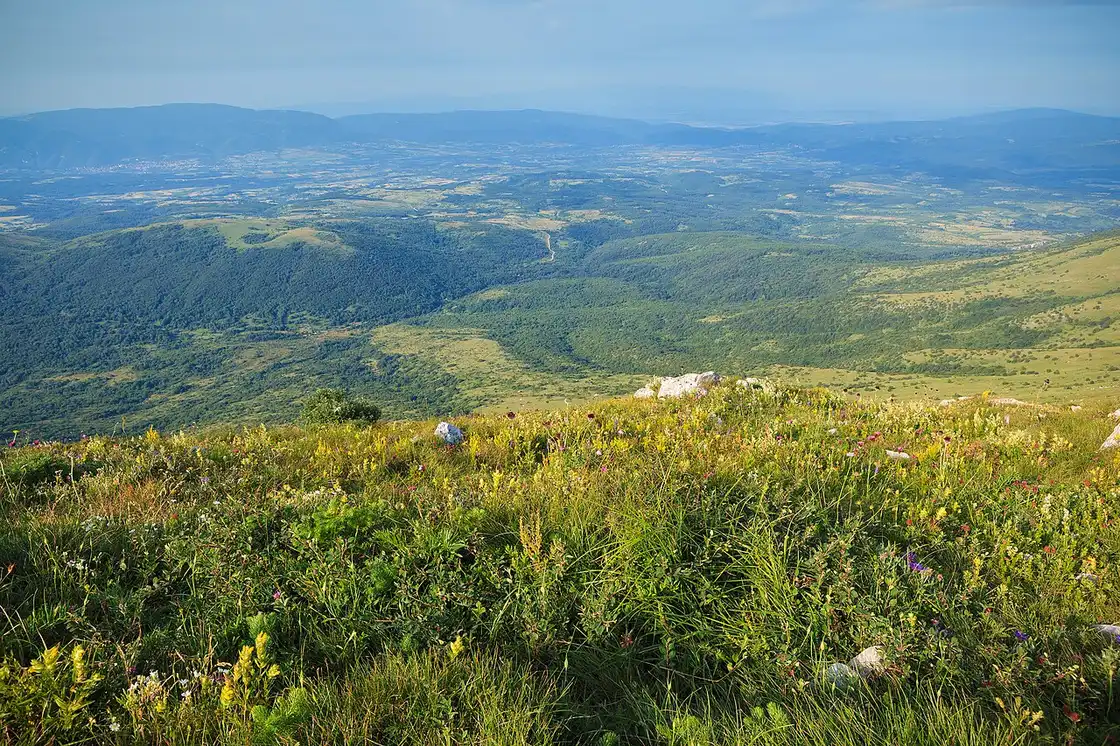
If you have a second free day and a car, push further east toward Stara Planina for waterfalls and emptier ridges, or use Niš as a city night before or after. Sokobanja works best as a two- or three-night base: one day for water and town, one for Rtanj or Bovan, optional third for a longer eastern loop.
Where to stay
Book for the spa access you actually want. Hotel names that recur on the official accommodation lists include Sunce, Moravica, Nataly and the newer Soko Terme wellness complex on the Moravica (opened 2013, indoor and outdoor pools at the Limun banja spring). Private apartments fill the gaps and often undercut hotels - useful if you’re here mainly to hike and only want one spa afternoon. Summer weekends and Serbian holiday periods sell out first; midweek in shoulder season is quieter and usually cheaper. Compare current rates rather than trusting a remembered figure, and check whether thermal-pool entry is included or sold as a day ticket.
Who Sokobanja is for (and who should pick another spa)
Choose Sokobanja if you want thermal water plus a real mountain, you’re already moving through southern or eastern Serbia, or you prefer a working small-town spa over a festival-weekend resort. Choose Vrnjacka Banja instead if you need denser hotel stock, easier Belgrade buses, or a base aimed at Kopaonik and the Studenica loop. Skip both if you only have one free day in Niš - spend it on the fortress and Skull Tower, and save the spa for a trip with nights to spare.
Practical checklist: May, June and September for weather without aquapark crowds; July-August if swimming and slides are the point; winter only if you’re specifically booked into a cure or want empty trails. The tourism office sits at Trg oslobođenja 2 (phone +381 18 833 988) if you need maps or current event dates on arrival. For wider timing across the country, see best time to visit Serbia.
Sokobanja won’t invent a new Serbia for you. It will give you warm stone pools, a fortress above a canyon, and a mountain that looks unreal from the valley floor - which is usually exactly what people come this far east to find.
Photos
On the map
The map loads on click - to keep the page lightweight.
The map didn’t load. Check your connection and refresh the page.
Distance
- Belgrade ≈230 km · About 3 h by car via the A1/E75 and Aleksinac Official tourism site: about 230 km from Belgrade and BEG; exit the motorway near Aleksinac, then roughly 30 km east. Bus options exist via Aleksinac - check the station, fares change.
- Niš ≈60 km · About 1 h by car; Constantine the Great Airport (INI) about 58 km Nearest city hub. Local buses run, but schedules shift - confirm on the day. A hire car is the easiest way if you plan Rtanj or Bovan Lake.
Read also

Cities · 9 min read
Sombor: Vojvodina's Greenest Town
Verified · August 31, 2026Sombor travel guide: 121 km of tree alleys, the fijaker stand, County Hall with Eisenhut painting, and Gornje Podunavlje wetlands.

Cities · 12 min read
Valjevo: Old Town, Museums and Two Rivers
Verified · August 19, 2026Valjevo travel guide: Tesnjar, the Muselim Residence, Nenadovic Tower, the cathedral, and how to reach the town by train or car.

Cities · 10 min read
Vrnjacka Banja: Serbia's Top Spa Town
Verified · July 25, 2026Vrnjacka Banja is Serbia's most visited spa town: seven mineral springs, the Bridge of Love padlocks, a green park and Lovefest each August.

Cities · 13 min read
Sremski Karlovci: Wine Town on the Danube
Verified · August 16, 2026Sremski Karlovci guide: the 1699 peace treaty and its four doors, 20 wine cellars, what bermet really is, and the bus from Novi Sad.