
Best Time to Visit Serbia (Month by Month)
When to visit Serbia: spring and autumn are the sweet spot, summer is hot festival season, winter is for skiing, and Belgrade works all year round.
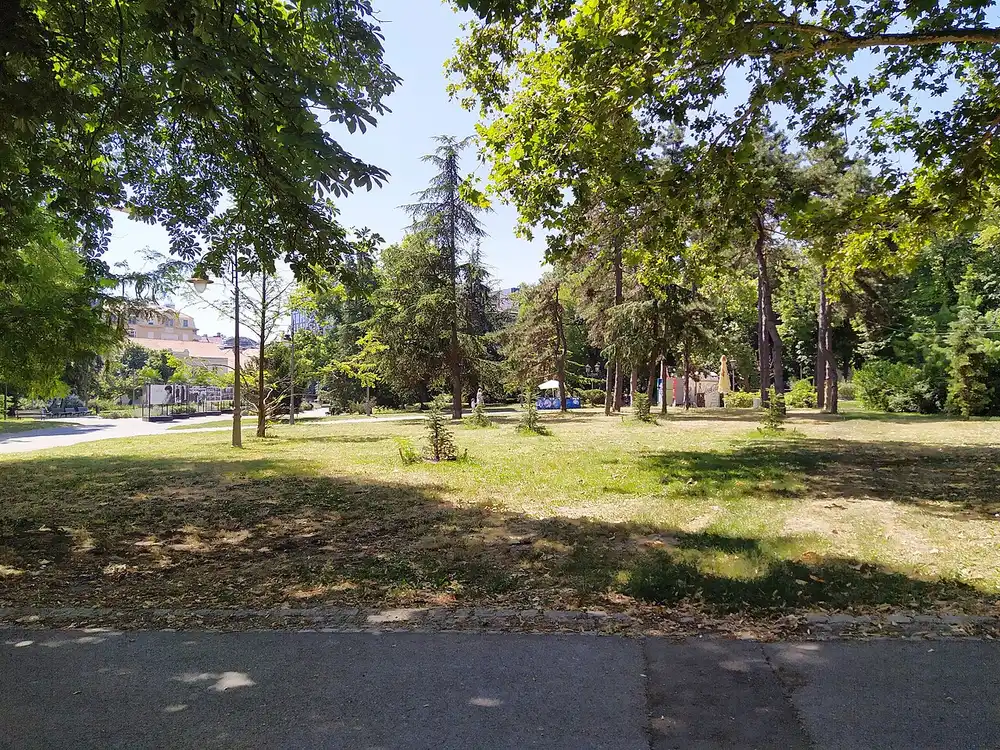
For most travellers the best time to visit Serbia is May, June, September or early October - the shoulder months, when the days are warm, the countryside is green, the crowds are thin and hotel prices are gentler. High summer (July-August) is hot and can be humid, but it is also the country’s festival season, so it suits a certain kind of trip. Winter is worth it only if you’re heading for the ski slopes; elsewhere the days are short and cold. And Belgrade is the outlier that breaks all of this: as a city break of nightlife, history and food, it works more or less any month of the year.
The thing to understand about Serbia’s weather is that it’s squarely continental: proper cold winters, hot summers, and short, changeable shoulder seasons in between. That gives it four genuinely different personalities across the year, so the real question isn’t just “when is the weather nicest” but “what do you actually want to do.” Below is the honest month-by-month picture, and what each season is best for; for the raw numbers behind it, the average temperatures, rainfall and what to pack, see our Serbia weather by month breakdown.
The short answer, by season
- Spring (April-May): arguably the finest time to come. Mild, green, blossoming, and quiet before the summer rush. May in particular is close to ideal.
- Summer (June-August): hot, lively and busy. Best for river beaches, terraces, road trips and the big open-air festivals - if you do not mind the heat.
- Autumn (September-October): the other sweet spot. Warm “velvet” days, golden vineyards and harvest, thinning crowds. September rivals May for the top slot.
- Winter (November-March): the touring low season, but the reason to come is snow. Kopaonik and the western mountains run a full ski season from around early December.
If you want a single recommendation and no fuss, aim for the second half of May or the first half of September. Those two windows give you the best balance of weather, scenery and value that Serbia offers.
Spring (April to May): the quiet sweet spot
Spring is when Serbia is at its most likeable and least crowded. After a grey winter the country turns green in a hurry, the parks and riverbanks fill with blossom, and daytime temperatures climb from a fresh 13C or so in March to a comfortable 23C by May. Nights are still cool, so pack a layer (see what to pack for Serbia for the full seasonal checklist), and April can throw the odd wet day, but by May you’re into reliably pleasant weather without the summer heat or the summer prices.
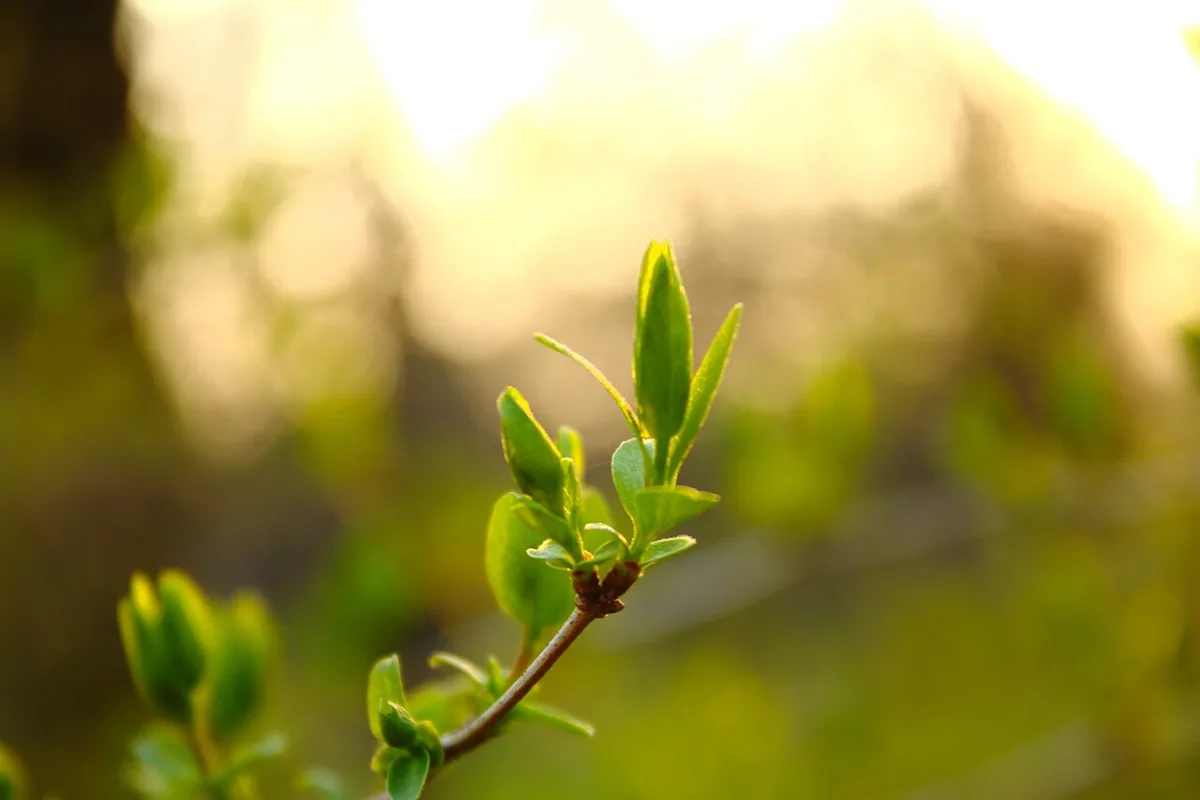
This is the season I would steer most first-timers toward, especially if the plan involves the countryside. The wine roads of Fruška Gora are lovely in leaf, the western canyons run full and green, and the walking is a pleasure before it gets hot. Belgrade’s cafe terraces and riverside are just coming to life, too. The one caveat is the mountains: at altitude, spring arrives later, so a May trip to high Kopaonik can still feel wintry underfoot.
Summer (June to August): hot, busy and full of festivals
Summer is the loud, sociable season, and whether it suits you depends mostly on your tolerance for heat. Highs sit around 27-30C in Belgrade through July and August, and in a genuine heatwave the city has topped 40C, with sticky, humid spells not unusual. It’s also the busiest tourist window and the priciest, especially in August. But if you like long light evenings, river swimming and a festival atmosphere, this is your time - our Serbia events calendar lays out exactly which weeks carry which festival, month by month.
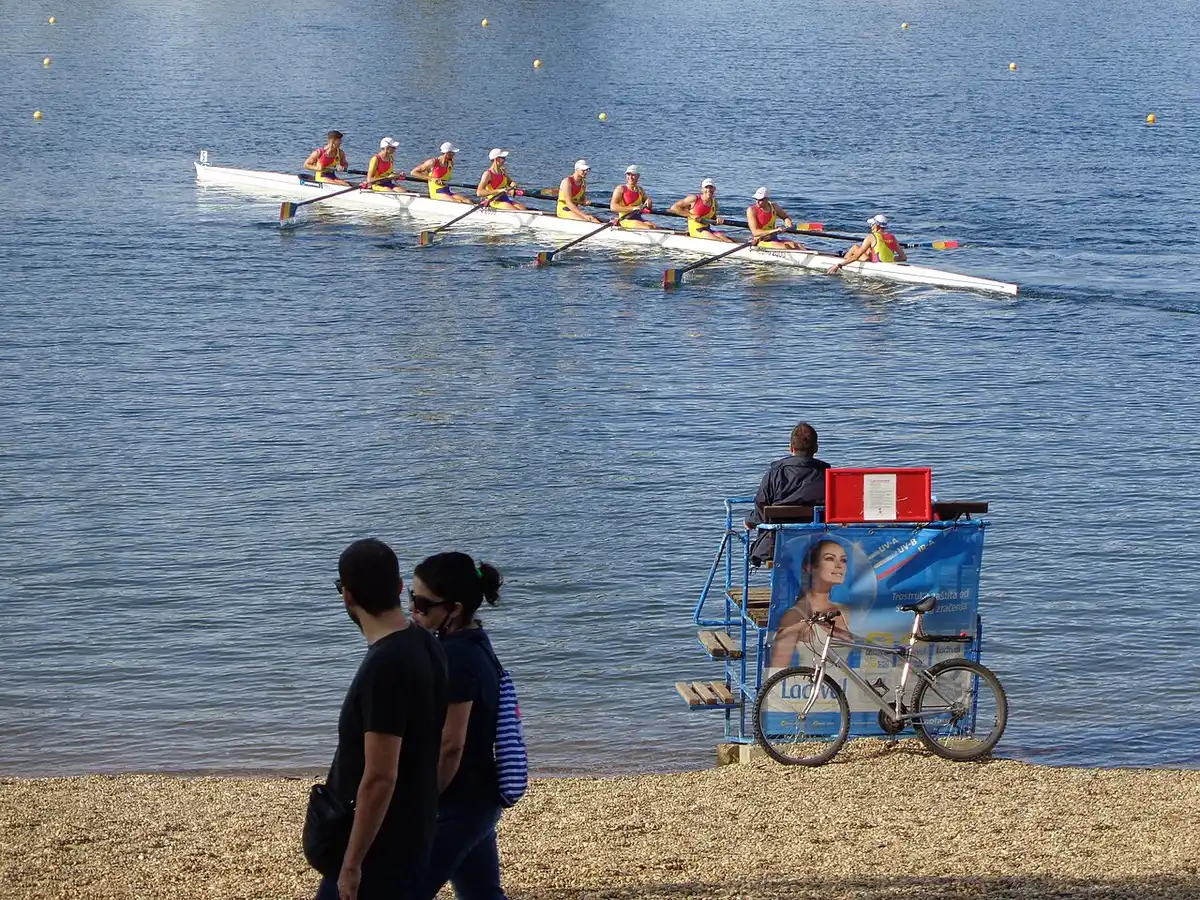
The heat has an upside: Serbs treat their rivers as beaches. Belgrade largely relocates to Ada Ciganlija, the lake-and-woods peninsula on the Sava, and the floating clubs on the water run all night. The mountains, meanwhile, offer a cool escape when the lowlands bake, which is one good reason to pair a summer city trip with a few days up at Zlatibor.
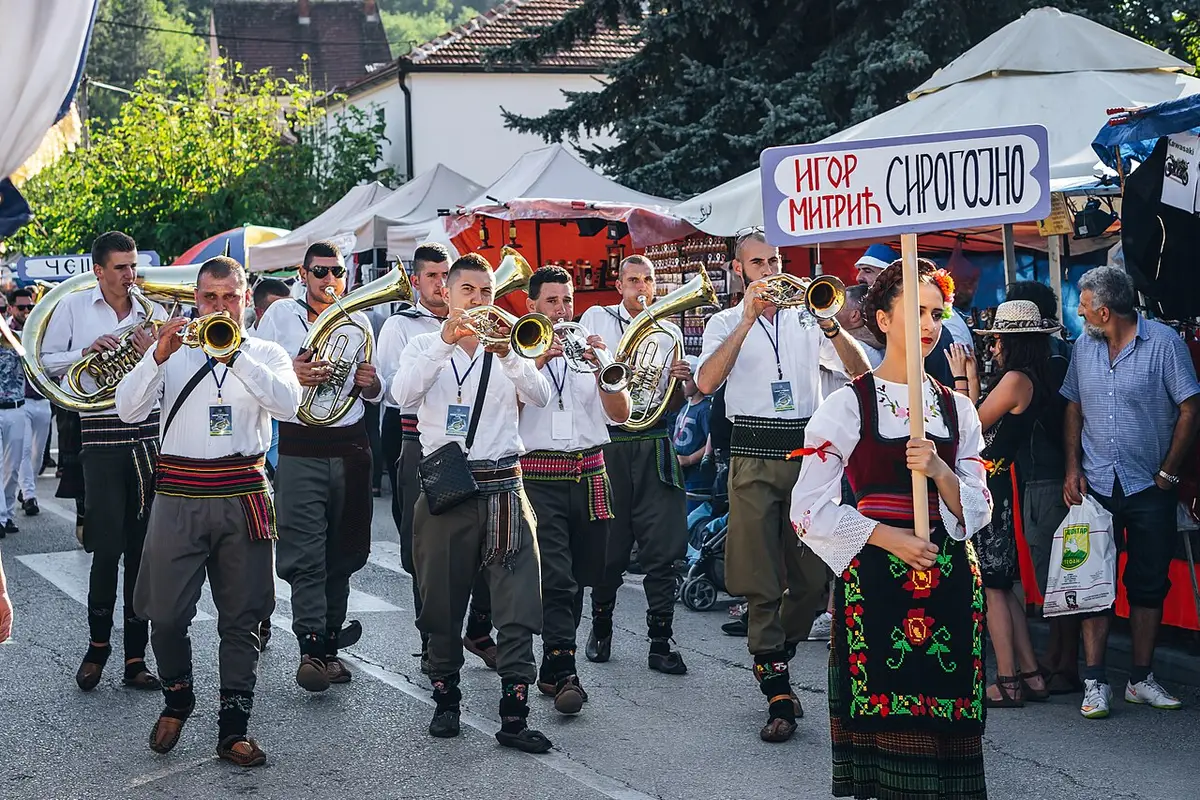
Summer is also festival season, and this is where I want to be straight with you rather than repeat what half the old guides still say. The one thing to know is that EXIT, for years Serbia’s flagship festival at the Petrovaradin Fortress in Novi Sad, held its final Serbian edition in July 2025 and has since left the country. So don’t plan a Novi Sad trip around it; if you see it billed as a current Serbian event, that listing is out of date. What does still run, and is wonderful, is the Guča trumpet festival in the central-Serbian village of Guča, a raucous celebration of Balkan brass usually held in early August - one of the most authentic parties in the region. Belgrade’s own Beer Fest, a big music-and-beer event at Ušće park by the rivers (paid entry since 2023, though every ticket now includes the beer), often lands in late August but not reliably - two of its last three editions actually ran in June instead. Festival dates shift year to year, so confirm them on the official sites before you book flights around one.
Autumn (September to October): the other best time
If spring is the quiet sweet spot, autumn is its warm, golden twin, and plenty of locals will tell you September is the single best month of the year. The fierce heat breaks but the warmth lingers - Serbs call the run of mild, clear September days the “velvet” season - with comfortable highs around 24C easing back through October. Crowds thin out after the August peak, and prices soften with them - one reason the shoulder months stretch a budget furthest, as our guide to how much a Serbia trip costs explains.
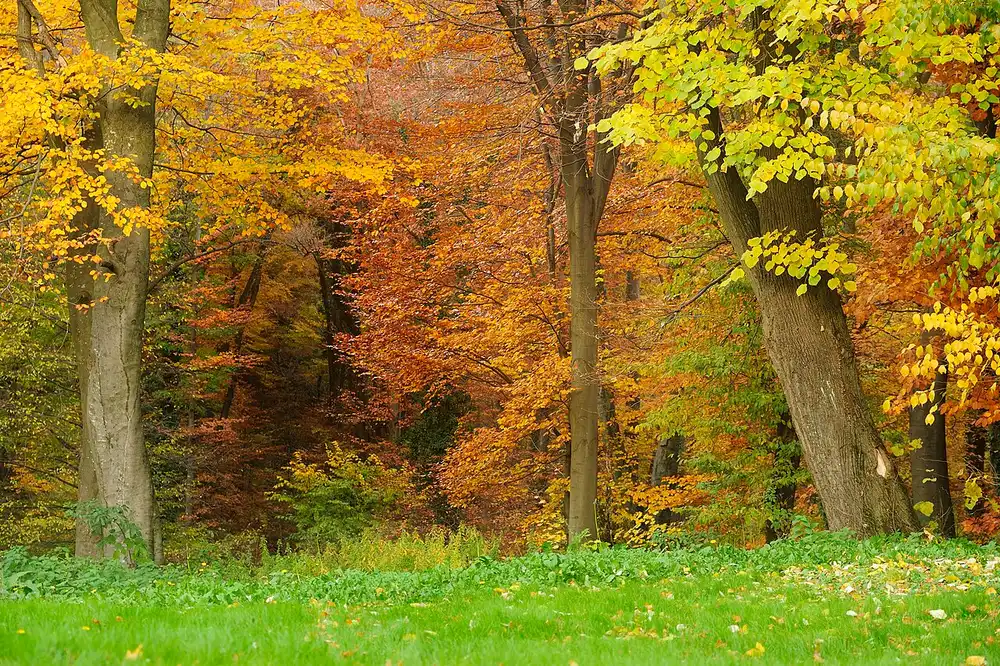
Autumn also has a card spring can’t play: the harvest. This is grape season across Fruška Gora and the country’s other wine regions, so a visit in late September or October catches the vineyards at their most atmospheric and the new-wine mood in full swing. The forests of the west and the Danube gorges turn gold, which makes it a superb time for the scenic drives. By late October the weather grows unsettled and the first chill arrives, so aim for the earlier half of the window if you can.
Winter (November to March): for the slopes, not the sights
Winter is the season to be honest about. Away from the mountains it’s the low season for a reason: Belgrade hovers around freezing through January, days are short, and fog and grey skies are common, which does the sightseeing few favours. If your heart is set on the fortresses and the countryside, this is not the moment.
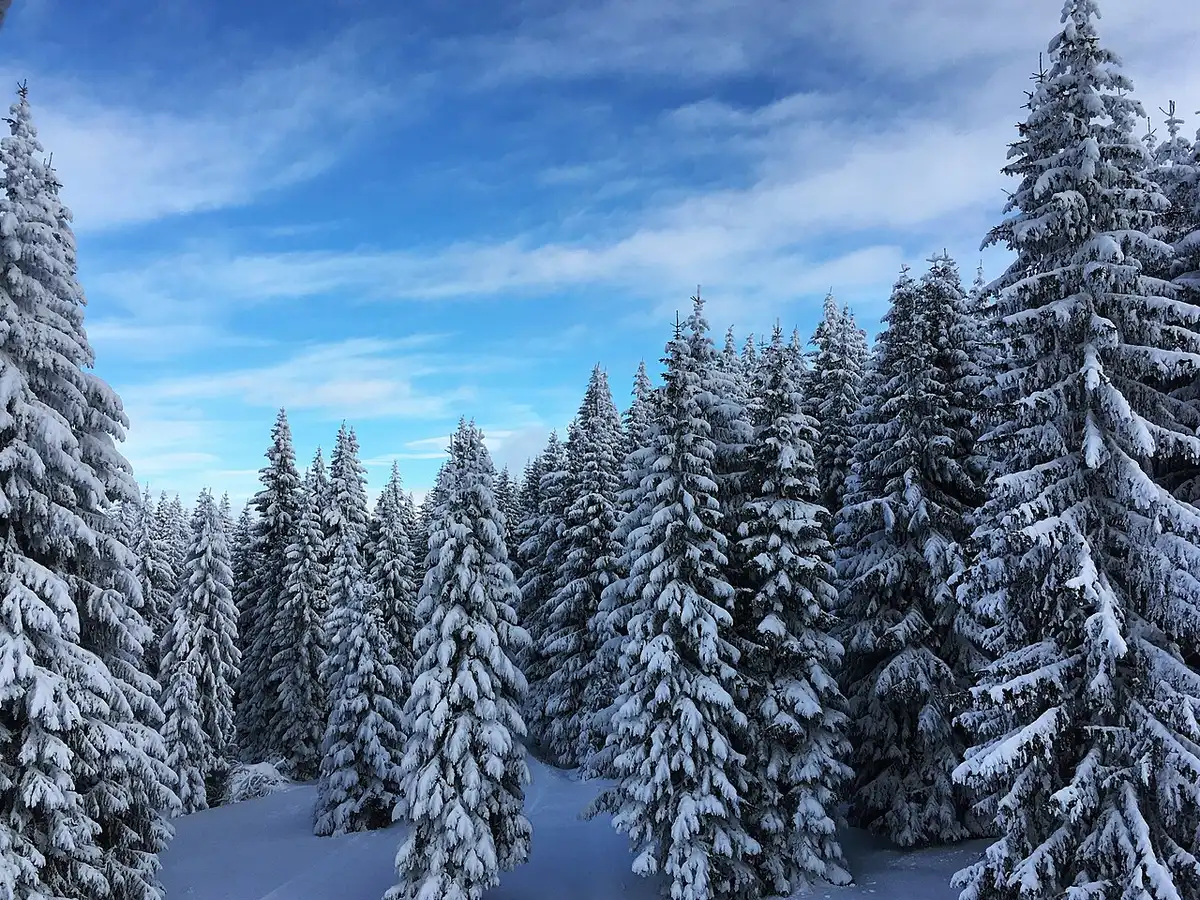
The exception, and it is a good one, is skiing. Kopaonik, Serbia’s largest ski resort, typically runs its season from around early December to early April, with the most reliable snow in January and February and quieter, cheaper skiing at the shoulders in early December and March. Serbia is markedly better value on the slopes than the Alps, which is a large part of the appeal; our Serbia in winter guide has the lift-pass prices by season band and which week to book. Zlatibor offers gentler winter days, gondola rides and spa hotels if you want the mountain air without committing to hard skiing. Snow cover varies year to year, of course, so check conditions before you commit. And there is always December in Belgrade, when the cold matters less: the Christmas markets, the warm kafanas and the nightlife carry a winter city break perfectly well.
And Belgrade all year round
One last point that reshapes the whole calendar. Belgrade is a year-round destination in a way the rest of the country isn’t. Its pull is a city one - the nightlife, the museums, the fortress, the food and the sheer energy of the place - and most of that’s indoors or happens whatever the sky is doing. A grey January weekend that would waste a countryside trip barely dents a Belgrade one. So if the capital is your main target, worry less about the season and more about flight prices and long weekends; our guides to things to do in Belgrade and the city’s nightlife hold up in any month.
So, when should you go?
Line it up with what you want. For the best all-round trip, especially one that ranges beyond the capital, come in May or September and you’ll catch Serbia at its finest. For festivals, river swimming and long evenings, take July or August and accept the heat and the crowds. For skiing, come in January or February. And for a Belgrade city break, come whenever suits you. Whatever the month, matching the season to the plan is what separates a good Serbia trip from a merely adequate one.
Once you’ve picked your window, the next question is how long to stay: our guide to how many days you need in Serbia helps you size the trip, and if the mountains are calling in any season, the Zlatibor guide is a good place to start planning the western leg.
Photos
Read also

Before you go · 9 min read
Tipping in Serbia: How Much, Cash or Card
Verified · August 9, 2026Tipping in Serbia: about 10% in restaurants, round up cafes and taxis. Cash is standard - card terminals rarely add a tip. What to leave, by situation.

Before you go · 9 min read
Belgrade or Budapest: Which City Break?
Verified · August 8, 2026Belgrade or Budapest: Budapest wins on flights, baths and sights, Belgrade on free transit and price. Populations, tickets and connections compared.

Before you go · 10 min read
Best Hostels in Belgrade: Party and Budget Picks
Verified · August 8, 2026Belgrade hostels from EUR 6.66 a bed: 3 party picks near the bars and 3 quiet, cheaper ones, with real prices, ratings and exact addresses.

Before you go · 9 min read
What to Pack for Serbia (+ Power Plugs)
Verified · August 7, 2026Pack for Serbia: Type F/C 230V plugs, Belgrade vs mountain layers, and the shoes, eSIM and documents that actually matter on the trip.