
Tipping in Serbia: How Much, Cash or Card
Tipping in Serbia: about 10% in restaurants, round up cafes and taxis. Cash is standard - card terminals rarely add a tip. What to leave, by situation.
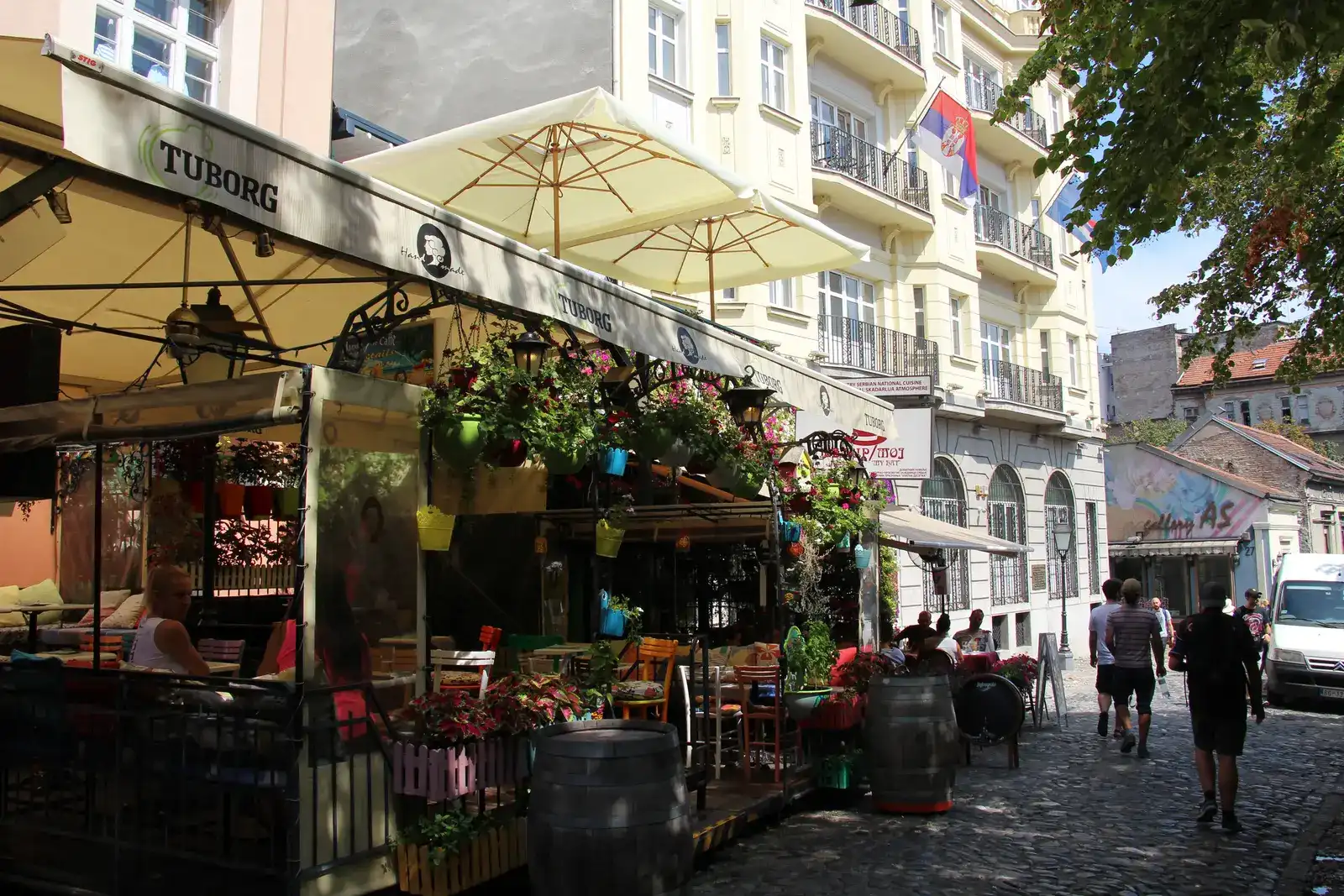
Tip about 10 percent in a Belgrade restaurant when the service earns it, round up in cafes and taxis, and carry some cash to do either: Serbia taxes tips paid by card, so most venues simply don’t give you a way to add one at the terminal. That’s the whole system in one sentence. It’s not compulsory, and the amounts are modest by Western European standards, let alone American ones.
Serbians call it napojnica, and it’s newer than you’d guess for a country this proud of its hospitality. A generation ago nobody expected it outside the smartest restaurants; now it’s routine in Belgrade and spreading into the smaller towns, pushed along by tourism and a younger service industry that picked up Western habits without picking up Western percentages. What you get is a system that rewards good service without ever feeling like a hidden tax, as long as you know roughly what “good” is worth in each situation.
Restaurants and kafanas
For a proper sit-down meal with a waiter, 10 percent is the number to work with when you’re happy with the food and the service. That holds whether you’re in a white-tablecloth place in Vračar or a smoky, checked-tablecloth kafana serving ćevapi and rakija: the percentage barely moves, only the bill does. Push it to 15 percent for something exceptional, and nobody expects 20.
Check the bill before you add anything. A service charge isn’t the default here the way it can be in the UK or parts of the US, but a handful of upscale places do add one, and stacking a full tip on top of that is generous rather than expected. If a kafana has live musicians working the tables, that’s a separate transaction: a few hundred dinars for a song, handed to the musician directly, has nothing to do with what you leave the waiter.
Cafes, bars and coffee
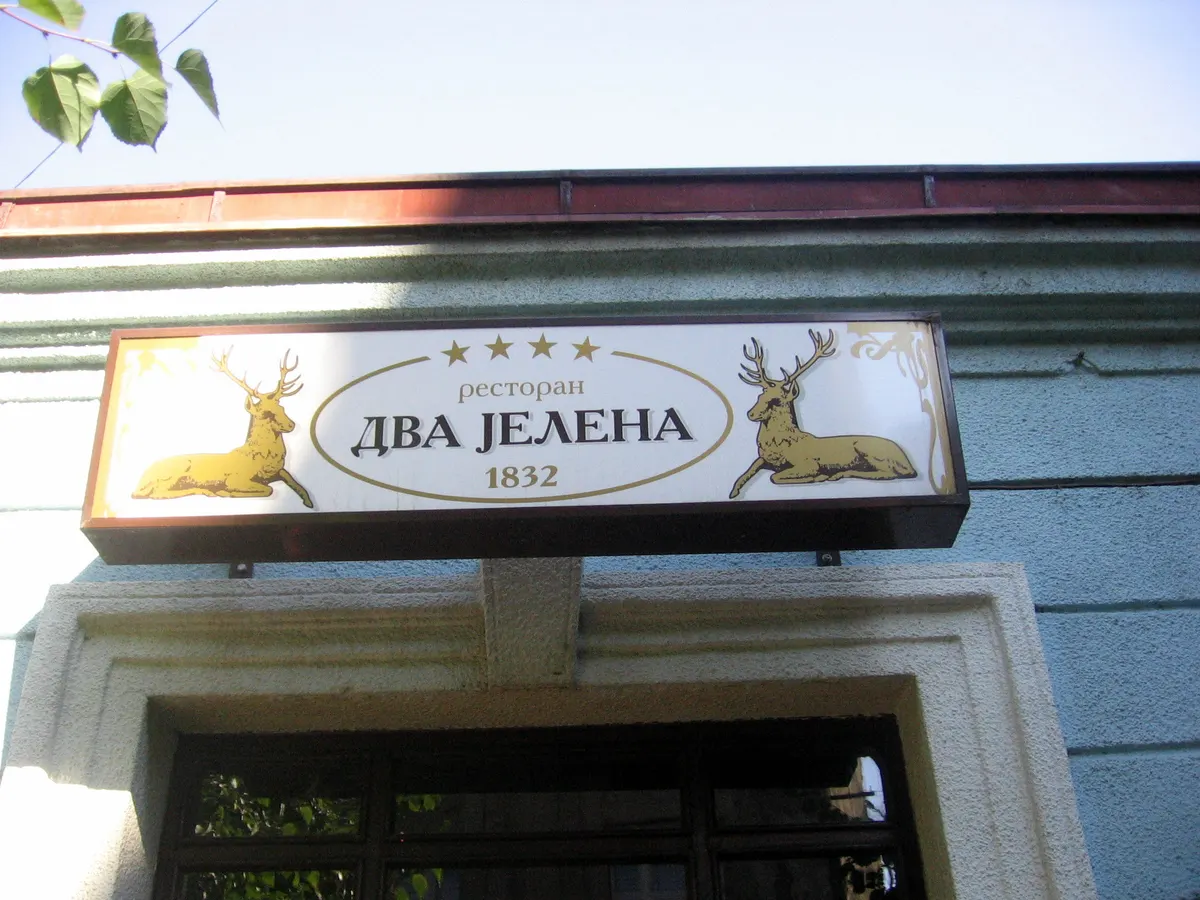
Belgrade runs on coffee, and the rule for it is the simplest one in this whole guide: round up. A 180-dinar espresso becomes 200, a 340-dinar cocktail becomes 350 or 400 if the barman earned it, and nobody sits there working out a percentage on a drink. Sitting for a long afternoon with table service and a few refills is worth a little more than a five-minute stand at the counter.
Taxis
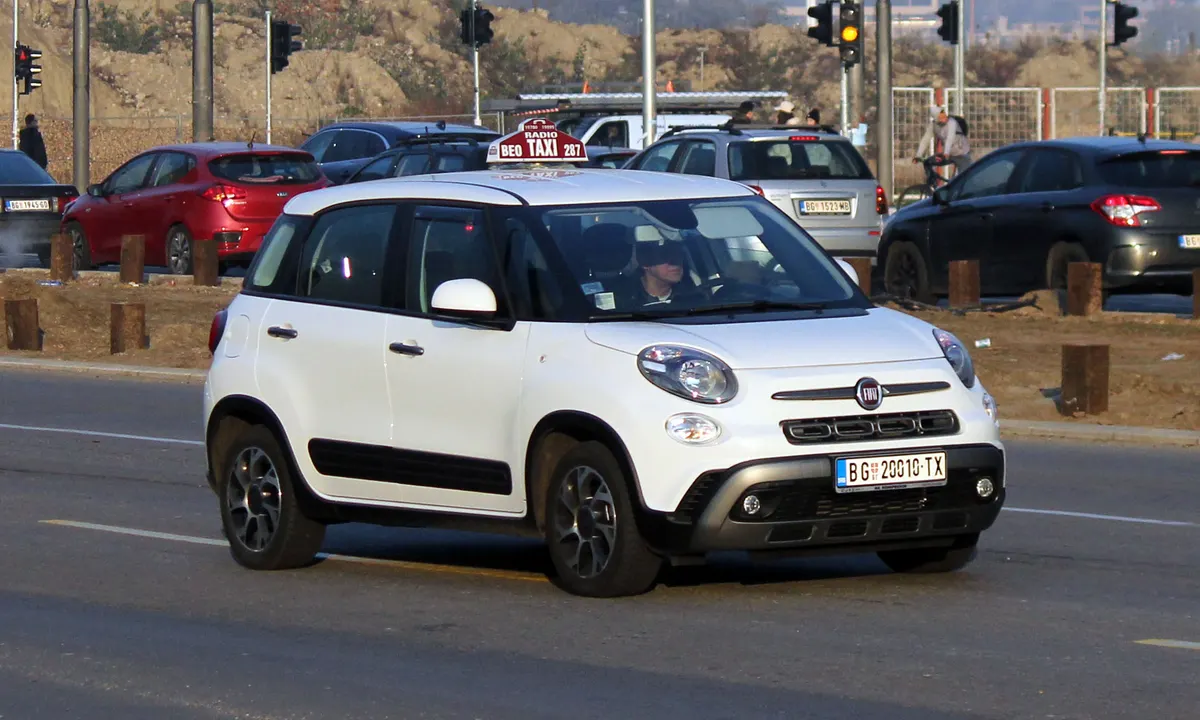
Round up the fare, same as a cafe bill. If the meter reads 640 dinars, handing over 700 and walking off is completely normal, and drivers don’t expect more than that for an ordinary ride. You’ll sometimes hear “zadrži kusur”, “keep the change”, which is what locals say when they hand over cash and wave off the coins coming back. It works just as well coming from a visitor, and it saves you both the fumbling at the curb.
Booking through an app changes the picture. Yandex Go and CarGo, the two most riders use in Belgrade, show the full fare before you confirm it, so the price is settled upfront rather than negotiated or rounded off at the curb - tipping simply isn’t built into that flow the way it is with a street hail. Our guide to taxi apps in Belgrade covers the fares and the scams worth dodging; tipping was never the hard part of that picture.
Cash or card: why the machine usually won’t let you
Card-first travellers find this part strange: paying by card often gives you no way to add a tip, and the reason is legal, not technical. Serbia taxes tips. They count as “other income” under the Law on Personal Income Tax, at 20 percent on a reduced base - roughly a sixth of the tip is gone before the server ever sees it. A Ministry of Finance opinion from February 2024 confirmed that napojnica specifically falls under this rule. Cash handed over directly skips that step entirely, which is exactly why staff would rather you paid that way.
There is a real workaround now, worth knowing even if you never use it. Since 2024, a handful of specialised payment platforms, most visibly a startup called Hvala.tips, let you tip by card or QR code through a separate app rather than the venue’s own till, so the money never touches the fiscal register the same way a card bill does. The platform takes a commission, typically around 15 percent, usually added on top rather than taken out of the tip itself, and staff at several Belgrade venues report that foreign visitors without cash on them are the platform’s heaviest users. It isn’t everywhere yet, so don’t expect to find a QR code at every table, but if you spot one, it works.
HORES, the hospitality industry association, has been pushing for a proper legal category that would leave a tip up to 10 percent of the bill untaxed since at least 2019 - the same proposal keeps resurfacing every few years without becoming law. Until it does, the practical answer is the one Serbians already use: keep a few hundred dinars in small notes and coins for this, and don’t assume the card machine can help you. If you’re paying by card and still want to leave something, ask the waiter before you tap. Some places can ring a tip through or point you to a QR code, most still can’t, and asking first beats an awkward moment at the terminal.
Tax rules can change; this reflects the position as of August 2026. For anything beyond pocket change, Serbia’s Poreska uprava (tax administration) is the authority to check, not a travel guide.
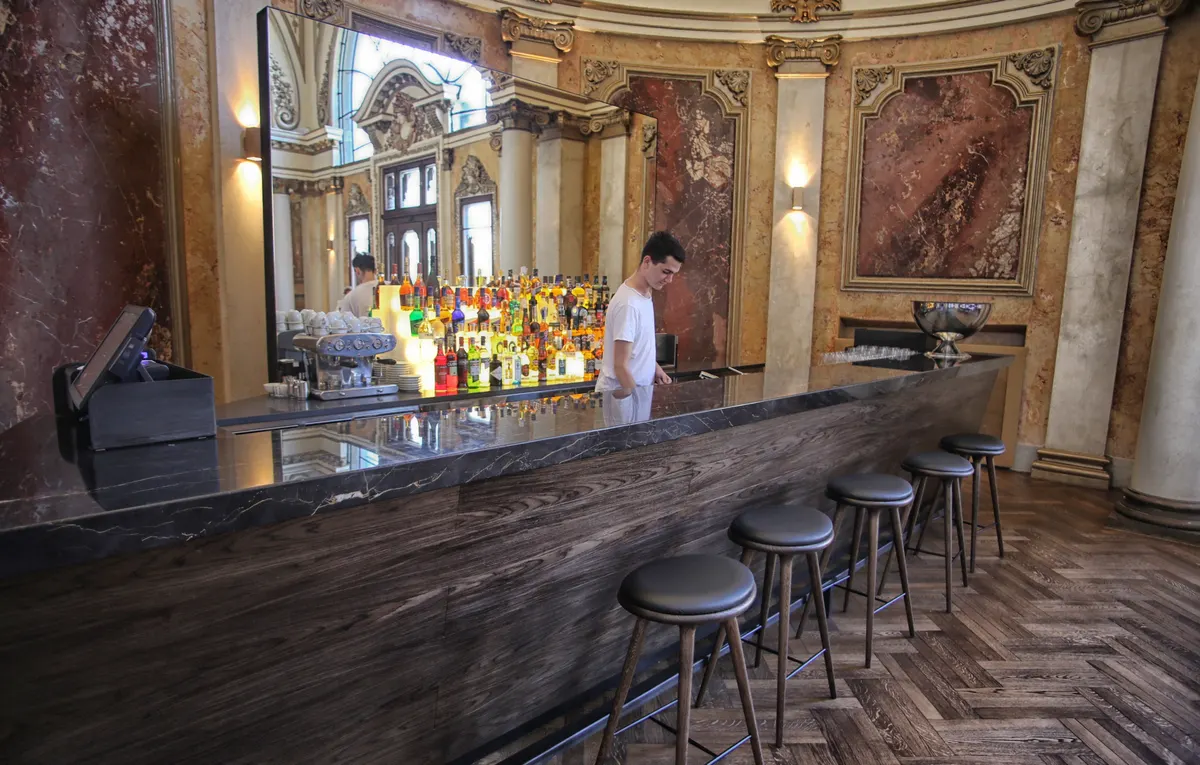
Hotels: porters and housekeeping
Hotel tipping is the most optional item on this whole list, genuinely so outside the five-star properties. If a porter carries your bags or the front desk goes out of its way for you, a couple of hundred dinars, a euro or two, is a generous thank-you, and the same goes for housekeeping if you’re staying several nights and want to leave something in the room. Most people passing through a mid-range Belgrade hotel tip nobody at all, and nothing about that reads as rude.
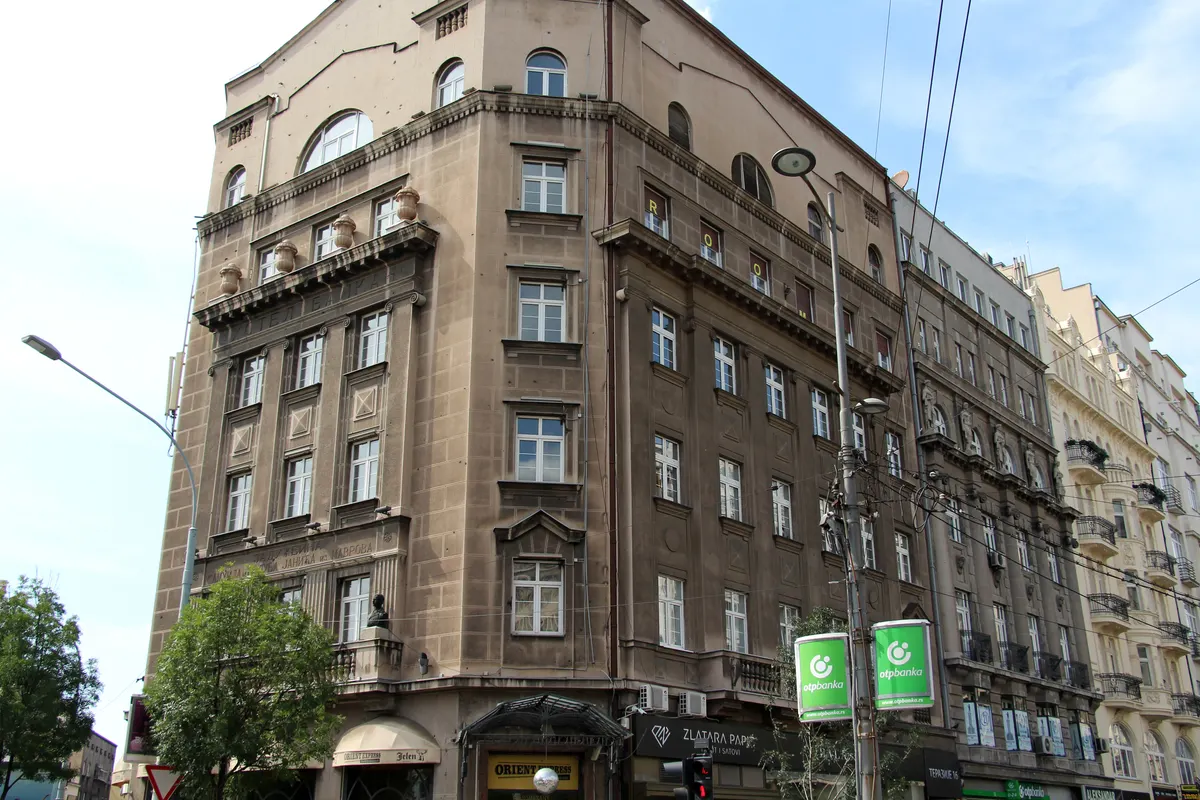
Tour guides and private drivers
For a paid, organised tour, a tip isn’t the norm the way it is at a restaurant table, though 5 to 10 percent of what you paid is a reasonable amount for a guide who earned it. The one place this flips is a free walking tour: the guide’s actual income is whatever the group hands over at the end, so treat the “suggested donation” as the real price rather than an optional extra, and pay accordingly. Private drivers on an organised day trip out of the city fall under the same logic as taxis: round up, or add a bit more if they went out of their way for you.
Hairdressers and delivery
Hairdressers do have a real tipping culture, even though most guides skip it. A Belgrade stylist quoted by RTS put the going range at 500 to 2,000 dinars, scaling with the service: a plain haircut tends toward 200 to 300 dinars, while a full visit, colour, cut and blow-dry together, runs higher. It’s paid in cash, handed to the stylist directly, and it moves with what you had done rather than a fixed percentage.
Food delivery is more app-dependent, and the two big platforms aren’t equal on this. Wolt confirms an in-app tip option in its own interface, both at checkout and up to 24 hours after delivery, so that route is reliable. Glovo also covers Belgrade, and its help pages confirm you can leave the courier a tip and that they can decline it, but don’t spell out the same in-app mechanics Wolt does - if the app doesn’t offer it clearly, handing over cash at the door is the safer bet.
What if you’re still not sure?
Default to cash and default to 10 percent in a restaurant, rounding up everywhere else: that combination covers nearly every situation you’ll actually run into, including the ones not listed above: a hostel cleaner, a spa therapist, whoever else crosses your path on the trip. A modest cash tip for good service is always welcome and never required, and Serbia isn’t a country where skipping it earns you a dirty look on the way out. If you’re short on dinars to do any of this, our guide to money and currency in Serbia covers where to get cash without the tourist markup, which solves the tipping question along with everything else.
Photos
Read also

Before you go · 9 min read
Belgrade or Budapest: Which City Break?
Verified · August 8, 2026Belgrade or Budapest: Budapest wins on flights, baths and sights, Belgrade on free transit and price. Populations, tickets and connections compared.

Before you go · 10 min read
Best Hostels in Belgrade: Party and Budget Picks
Verified · August 8, 2026Belgrade hostels from EUR 6.66 a bed: 3 party picks near the bars and 3 quiet, cheaper ones, with real prices, ratings and exact addresses.

Before you go · 9 min read
What to Pack for Serbia (+ Power Plugs)
Verified · August 7, 2026Pack for Serbia: Type F/C 230V plugs, Belgrade vs mountain layers, and the shoes, eSIM and documents that actually matter on the trip.

Before you go · 9 min read
Serbia in 5 Days: Beyond Belgrade
Verified · August 6, 2026A 5-day Serbia itinerary that leaves Belgrade on day one: Novi Sad and Fruška Gora, then Zlatibor, the Šargan Eight and Tara.