
Taxis in Belgrade: Apps, Fares and Avoiding Scams
How taxis work in Belgrade: the best ride-hailing apps, the official meter rates, airport voucher prices in 2026, and the overcharging tricks to avoid.
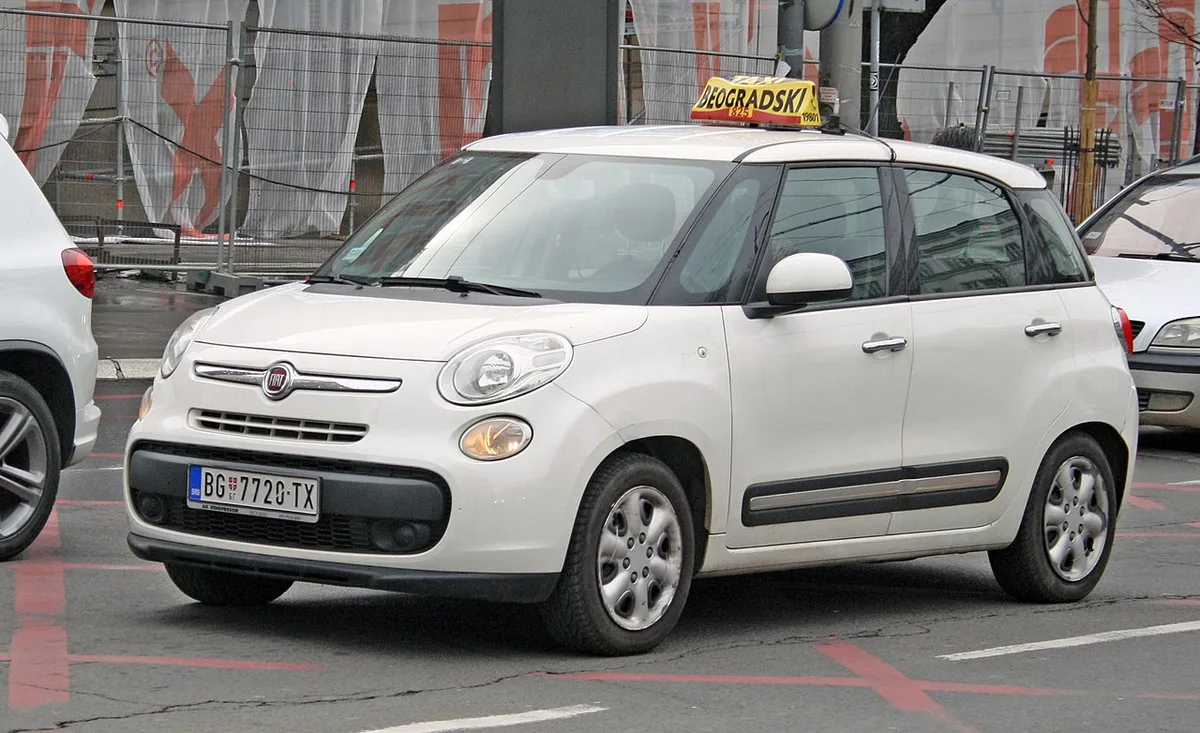
Taxis in Belgrade are cheap and plentiful, and the single best way to use them is to book through an app so the price is agreed before you get in. Yandex Go is the one most visitors find easiest, showing the full fare up front; the homegrown CarGo and other local apps work too. The official meter is genuinely low - a 320 RSD start plus 105 RSD per kilometre by day (135 RSD at night, all day Sunday and on holidays) - so an honest metered ride across town costs a few euros. The scams are not the norm, but they exist, and they cluster in two places: the airport arrivals hall and the tourist streets where a car with no meter running offers you a “good price.”
Get two habits right and you’ll almost never be stung: use an app or the official airport voucher kiosks, and never take a ride from someone who approaches you. Everything below is the detail behind those two rules.
Use an app: the simple fix
The easiest way to avoid every taxi problem in Belgrade at once is to book through a ride-hailing app rather than flagging a car on the street. The app pairs you with a specific driver, records the trip, and - crucially - shows you the price before you confirm, so there’s no meter to argue about and no “the machine is broken” at the end.
- Yandex Go is the app most travellers reach for. Registration is quick, coverage is good across the city, and it quotes the total fare up front. For a first-time visitor it’s the path of least resistance.
- CarGo is the well-known local option, a Serbian app that many residents use and rate. It works well; a few visitors have had fiddly moments with the sign-up (verification codes and the like), so set it up before you need a car in a hurry rather than at the kerb.
- Other local dispatch apps and company hotlines exist too, and some hotels will call a trusted firm for you, which is a fine fallback if an app is giving you trouble.
Whichever you use, the app fare is your protection: you see it, you accept it, you pay it. That alone sidesteps the two classic overcharging tricks below. Because the price is fixed before you even get in, tipping isn’t built into the app flow the way it is with a street hail; rounding up is still the local habit if a driver went out of their way for you, and our guide to tipping in Serbia covers that alongside every other situation you’ll run into on the trip.
What a taxi should cost
Belgrade taxi fares are set by the City of Belgrade, and licensed cabs run calibrated meters that all charge the same regulated rates. The tariff in force since a decision adopted 31 October 2024 starts at 320 RSD (about €2.70), then bills by one of three rates depending on when and where you’re riding: Tariff 1, 105 RSD/km, covers weekdays and Saturdays between 06:00 and 22:00; Tariff 2, 135 RSD/km, covers nights (22:00-06:00), all day Sunday and public holidays; Tariff 3, 210 RSD/km, applies outside the narrower city zone. Where that zone ends is the part nobody publishes: the city regulation prices the narrower against the wider territory of the same municipality without drawing the line, and the mayoral decision that would fix it is not public, so on a run out to the edge of Belgrade agree the fare before you set off. Waiting time runs 1,800 RSD an hour. On that basis a normal ride within the central districts still comes to only a few euros, and even a longer cross-city trip rarely troubles your budget. Treat these as reference figures - tariffs get revised periodically - but they tell you what “fair” looks like.
The night/Sunday/holiday rate is not a percentage stacked on top of the daytime one; it’s simply a different per-kilometre rate that the meter switches to. So the fare doesn’t creep up gradually late on a Saturday - Saturday daytime is still Tariff 1, and the meter only jumps to the higher rate once the clock passes 22:00, or the calendar turns to Sunday. A driver charging Tariff 2 outside those windows is the tell to watch for, and it’s exactly why booking through an app, where the rate is already calculated correctly, saves the argument.
The airport: use the voucher kiosk, walk past the touts
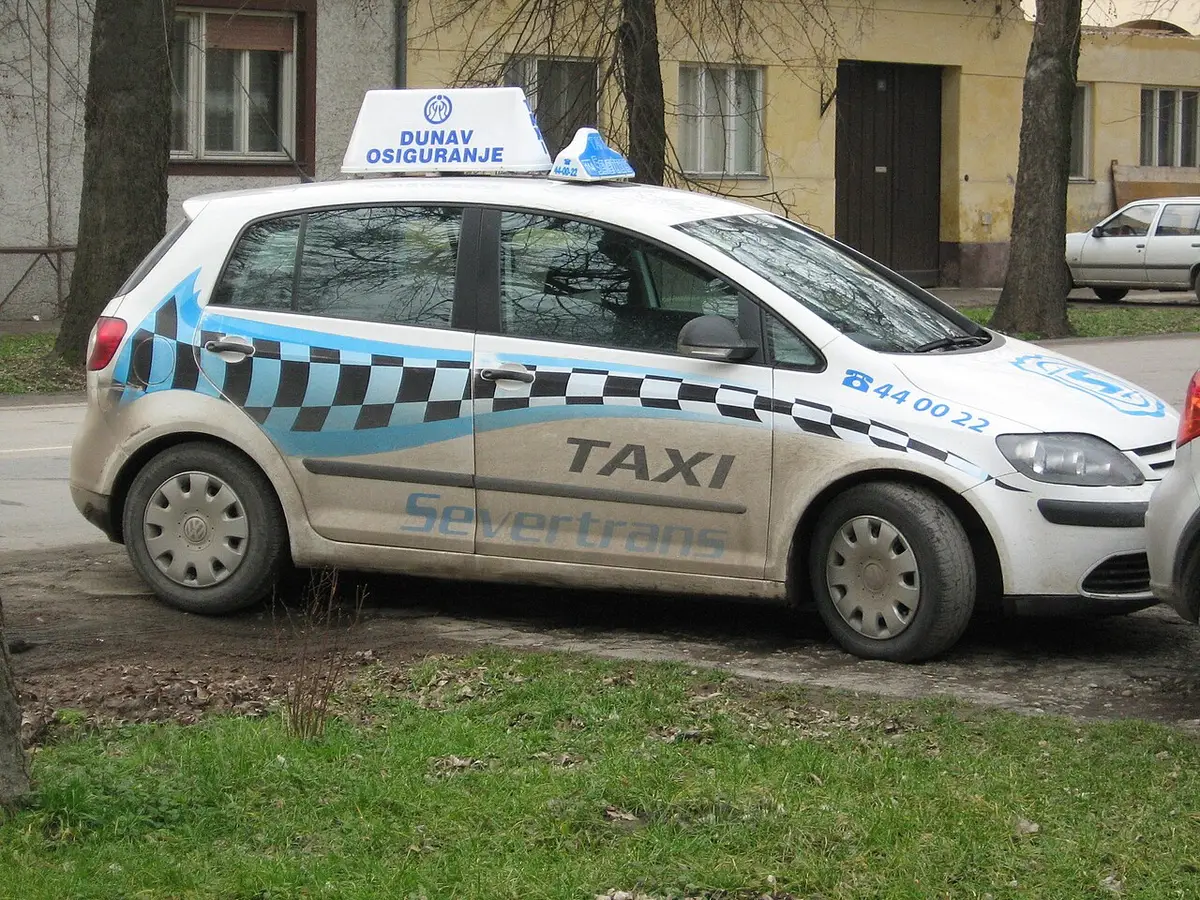
The airport is where tired arrivals get caught, and Belgrade has a good system to protect you if you use it. Nikola Tesla Airport (BEG) runs a fixed-price voucher scheme by zone: there are e-kiosks in the baggage claim area (and one in the arrivals hall) where you enter your destination and get a voucher stating the fixed fare, then join the official rank out front. The driver is obliged to charge only the amount on that voucher - no meter games, no surprises.
Prices depend on the zone, and the airport runs six of them. New Belgrade (with the nearer parts of Zemun and Surcin) is the cheapest, Zone 1, a fixed 2,700 RSD (about €23); the city centre - Stari Grad, Savski Venac, Vracar - is Zone 2 at 3,500 RSD (about €30), and the outer districts are Zone 3 at 4,300 RSD (about €37), with Zones 4 to 6 running 5,800, 8,500 and 11,400 RSD out to the far suburbs. One voucher covers the car, up to four passengers with their luggage, and the airport’s list has a single price per zone - unlike a metered ride, there’s no separate night or weekend rate. Take the figure on your voucher as the real one.
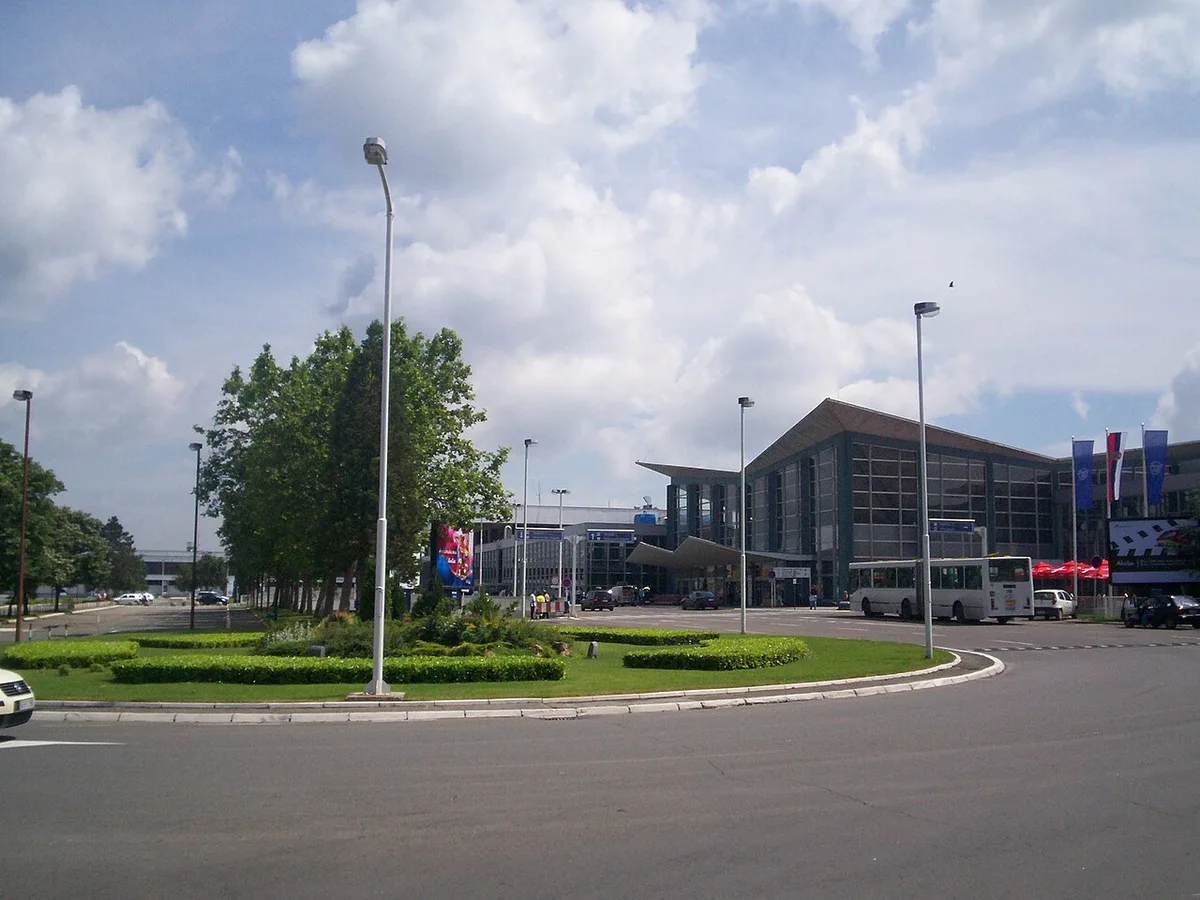
The one firm rule at the airport: never accept a ride from someone who walks up to you inside the terminal offering a taxi. These freelancers operate outside the voucher system and are the single most common airport rip-off in Belgrade, quoting a flat “€50 to the centre” or more for a trip the voucher prices at about €30. Get your voucher, use the marked rank, or - if you would rather step off the plane into a named driver at a price fixed in advance - book a private transfer online beforehand. Our full Belgrade Airport to city centre guide compares the voucher taxi, the airport bus and pre-booked transfers in detail.
The overcharging tricks, and how to dodge them
Away from the airport, the problems are few but predictable, and they nearly always involve a car you hailed on the street rather than one you booked. Three to watch for:
- The unmetered “fixed price.” A driver on a tourist street offers a round-number fare with the meter off. Sometimes it’s fine; often it’s double. If you did not book through an app, insist the meter is switched on before you set off, and if the driver refuses, get out and find another cab.
- The wrong tariff. Meters have tariff settings, and a dishonest driver may run the higher night rate in the middle of the day. If the fare seems to climb fast, that’s the tell. Booking by app removes the meter from the equation entirely.
- The scenic route. A longer way round to pad the fare. Following your own map on your phone, or using an app that fixes the price up front regardless of the route taken, defeats this one.
None of this is unique to Belgrade, and none of it’s the everyday experience - most drivers are straight, and a metered or app-booked ride is cheap and easy. The tricks thrive only on travellers who hail a random car and do not watch the meter. Book the ride, or watch the meter, and you’ve removed the risk.
Do you even need a taxi?
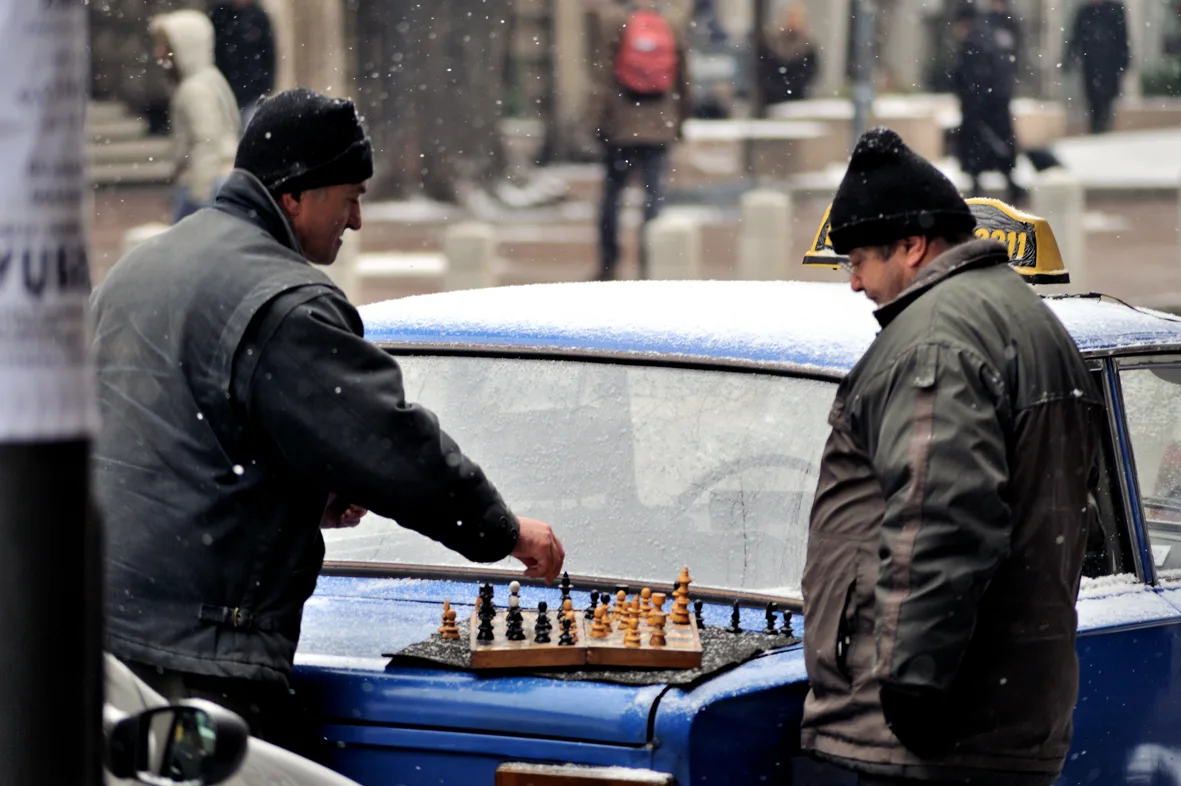
Often, no. Belgrade made its public transport free for everyone in 2025, so the trams and city buses cost nothing to ride, and the centre is compact and walkable. A taxi earns its place for late nights, heavy bags, groups splitting the fare, or a trip out to a district the trams do not reach - and for those, an app-booked cab is cheap and painless. For getting around the city and beyond on foot, wheels and rails, our guides to things to do in Belgrade and getting around Serbia set out when to walk, when to ride, and when a cab is worth it.
The bottom line is short: install an app before you land, use the voucher kiosk at the airport, and treat any driver who approaches you first with polite suspicion. Do that and Belgrade’s taxis are exactly what they should be - a cheap, quick way around a very walkable city.
Photos
Read also

Transport · 11 min read
Novi Sad to Budapest: Train, Bus & Driving
Verified · September 1, 2026From Novi Sad to Budapest in 2026: FlixBus in 4h45 from EUR 20, drive about 300 km, or Soko train to Subotica then Hungary.

Transport · 10 min read
Belgrade to Istanbul: Bus, Flights & Long Way
Verified · August 26, 2026Belgrade to Istanbul in 2026: coach about 15.5h from €45, flights about 1h45 BEG-IST, no through train. Times, borders and the Sofia relay.

Transport · 11 min read
Belgrade Airport to Novi Sad: Transfer, Bus, Train
Verified · August 23, 2026No direct bus BEG to Novi Sad: a transfer or shared shuttle covers about 90 km in 70 minutes, or take the free airport bus plus the Soko train.

Transport · 12 min read
Belgrade to Kopaonik: Transfers, Bus & Driving
Verified · July 27, 2026Belgrade to Kopaonik is 265-300 km and about 4 hours, 5 in winter. Coach fares, transfer and taxi prices, the two mountain approaches, winter tyre rules.