
Belgrade to Istanbul: Bus, Flights & Long Way
Belgrade to Istanbul in 2026: coach about 15.5h from €45, flights about 1h45 BEG-IST, no through train. Times, borders and the Sofia relay.
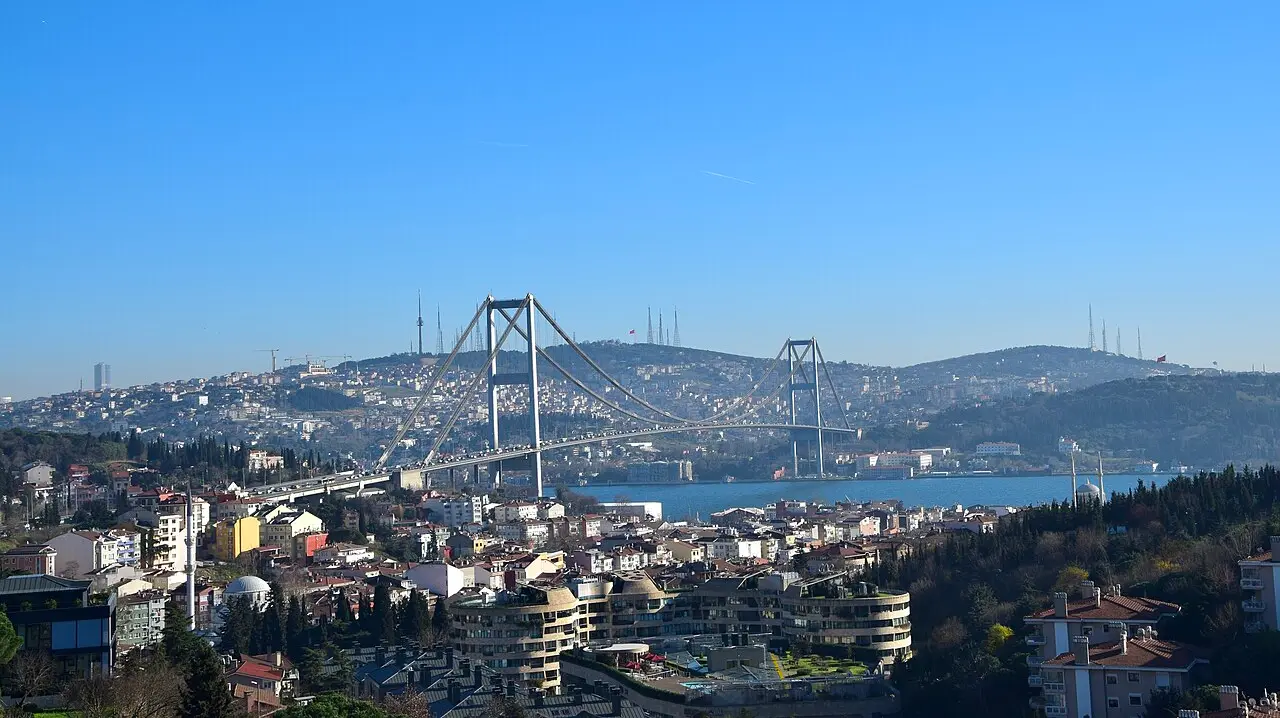
Belgrade to Istanbul is either a coach of about 950 km and 15 and a half hours, or a flight of about 1 hour 45 minutes in the air that still eats half a day once you count the airports. There is no through train from Belgrade in 2026: the old Balkan sleepers are gone, and the only rail option is a relay through Sofia with an overnight in Bulgaria. Fares and clock times shift by season, so treat the numbers below as a snapshot checked 26 August 2026 and confirm your date before you pay.
| Mode | Time (typical) | Price (from) | Best for |
|---|---|---|---|
| Coach (FlixBus) | from 15h 25 | from €45 / about 5,159 RSD | Budget overland, overnight run |
| Flight BEG-IST | about 1h45 in the air; half a day door to door | varies by season | Speed, short trip |
| Sofia relay (bus + train) | 2 days with a night in Sofia | two tickets + hotel | Rail fans, slow travel |
| Drive | about 12-14h before borders | fuel, tolls, hire rules | Stops in Bulgaria |
If you’re watching the clock and the fare is sane, fly. If you’re watching the wallet and don’t mind losing a day to the road, book the coach and read the border section before you pack.
The bus: one ticket, one long day
The practical overland default is the coach. FlixBus runs the pair daily in 2026, covering 953 km between Belgrade and İstanbul Avrupa (the European-side bus terminals, mainly Esenler), and its route page quotes a minimum of 15 h 25 from €44.98. Other carriers work the corridor too - Balbuss advertises a Novi Sad-Belgrade-Istanbul run on its own site - so compare before you settle on one. That’s not a scenic hop: it’s a full shift on the motorway through southern Serbia and Bulgaria, then over the Kapitan Andreevo / Kapikule crossing into Turkey.
The operator’s route page lists three rides a day, with the first at 14:30 and the last at 20:00. Read the board rather than the summary before you pay: not every departure is a through service, and a connecting itinerary can carry a very different price and a change in the small hours. Check that the seat you’re buying says direct. An evening departure lands you in Istanbul the next morning, which is how most people use this line.
Fares start at €44.98 on the international FlixBus site (from about 5,159 dinars on the Serbian storefront). Budget one extra the fare page lists separately: a 300 RSD station fee, cash only at the Belgrade counters, without which you don’t reach the platforms. Walk-up and peak-season seats cost more. Book a few days ahead if you’re fixed on a Friday departure in summer.
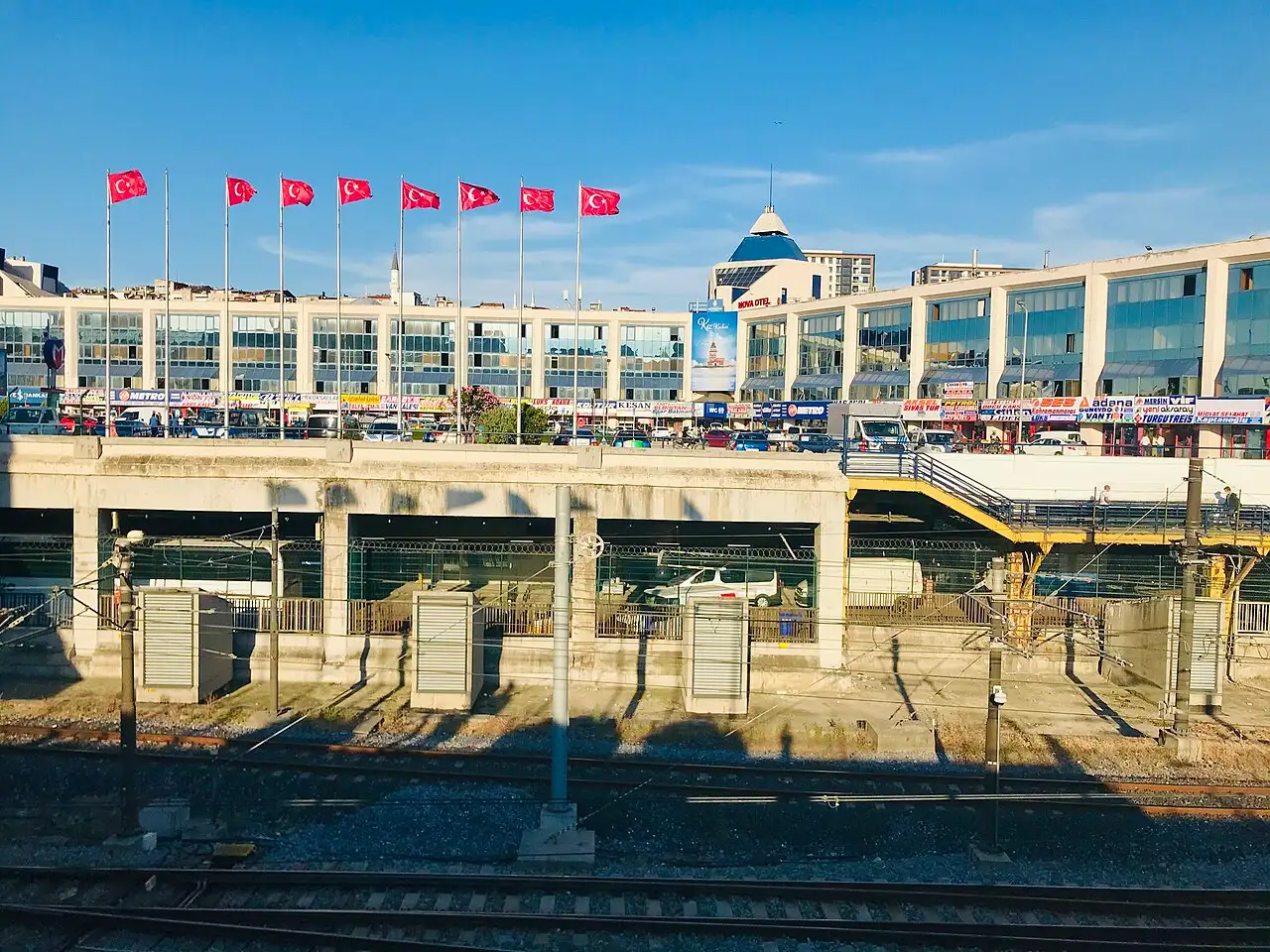
You board at Belgrade’s main bus station (BAS), which has sat in New Belgrade (Block 42) since the old riverside terminal closed at the end of September 2024. It’s clean and straightforward, but it’s no longer a stroll from Kalemegdan, so leave time to reach it. At the far end you roll into Esenler, the giant intercity coach hub on the European side. From there it’s a metro or taxi ride into Sultanahmet or across to Kadıköy, depending where you’re staying.
You’ll see other operator names on booking aggregators (Citylines, Luks Yonca and similar). I couldn’t verify their timetables on first-party sites on 26 August 2026, so if you book outside FlixBus, confirm departure point, duration and border stops with the carrier, not only the ticket shop. Lasta and Niš Ekspres dominate buses inside Serbia and to Niš or Sofia, but they don’t run this Istanbul pair.
Borders on the coach: where the schedule slips
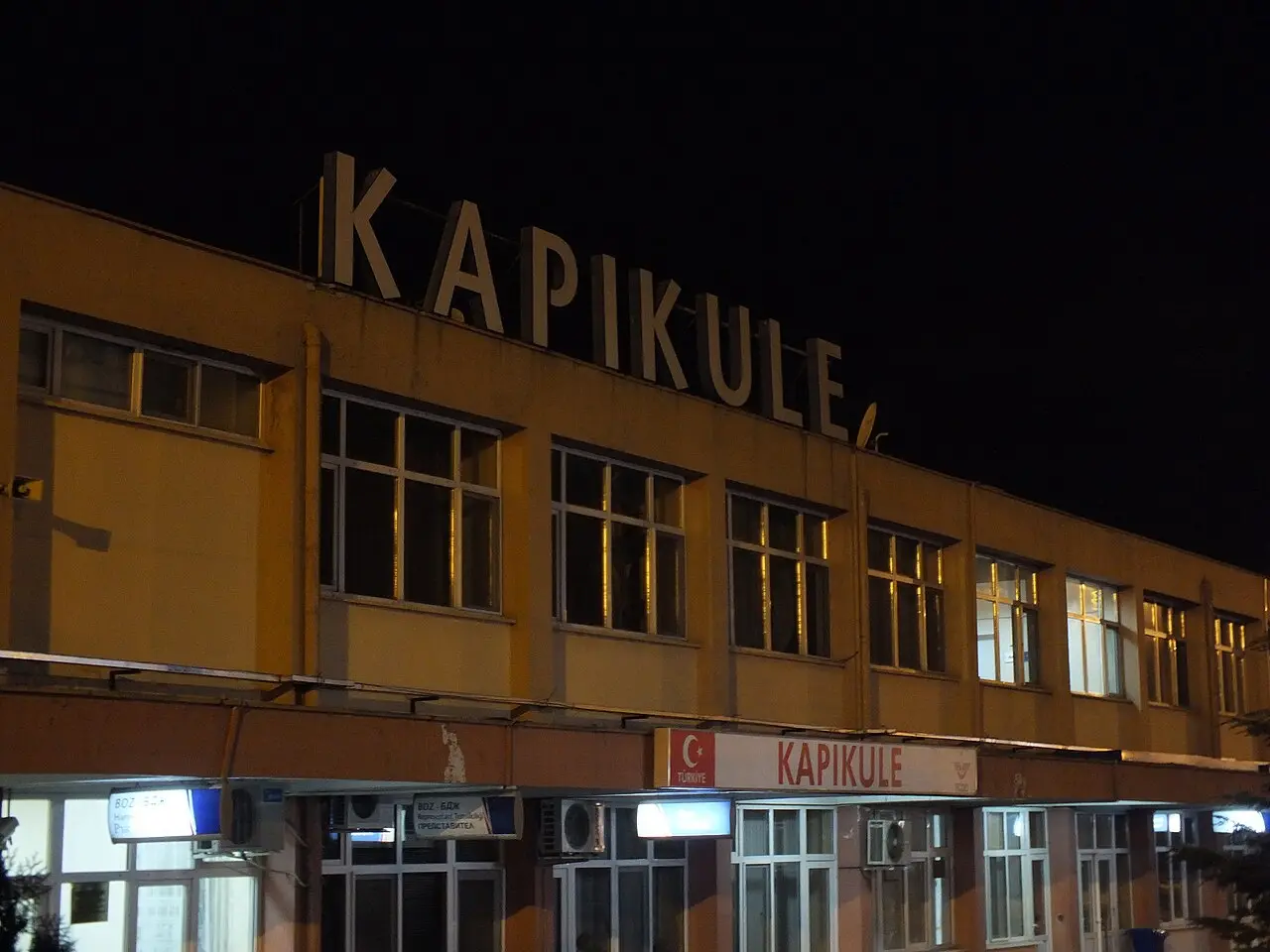
This route crosses two hard external frontiers: Serbia into Bulgaria, then Bulgaria into Turkey at Kapikule, among Europe’s busiest land gates. Coaches queue with lorries, holiday traffic and visa checks. In summer, waits of 30 minutes to several hours at a single crossing aren’t unusual; queue trackers put Kapikule peaks at one to three hours, and holiday weekends can run longer. On a quiet Tuesday night you might barely pause.
Keep your passport in hand, not at the bottom of an overhead locker. One thing changed in 2026: the EU’s Entry/Exit System is fully live, so non-EU nationals crossing from Serbia into Bulgaria give fingerprints and a facial scan in person on the first entry - you get off the coach, and the driver cannot carry your passport to the booth for you. Those days also count against the Schengen 90/180 allowance. Turkey’s entry rules depend on your passport. Holders of ordinary UK, US, Canadian and Australian passports are visa-exempt for tourism and transit for 90 days in any 180-day period - the Turkish foreign ministry publishes the country-by-country list at mfa.gov.tr. Other nationalities apply through evisa.gov.tr. Rules change, so check your nationality before you travel rather than assuming the coach company will spell it out.
The road itself follows the same broad corridor as our Belgrade to Sofia coach guide: south past Niš, then into Bulgaria toward Sofia before the line bends east toward Turkey. If you’re thinking about breaking the trip, that Sofia page has the detail on the Bulgarian leg; this Istanbul run is the same geography, just much longer on the far side of the border.
Flying: the fast lane
Air Serbia and Turkish Airlines both fly nonstop from Belgrade Nikola Tesla (BEG) to Istanbul Airport (IST). Schedule trackers list the hop at 490 miles (789 km) with a block time of about 1 hour 45 minutes, and roughly 20 departures a week between the two carriers, about three a day. The airlines also codeshare on the route, which widens the booking options on a single ticket.
In the air, it’s the easy part. On the ground you’re still looking at four to five hours door to door once you add getting to BEG, security, baggage, landing at IST (a long way from the old Atatürk site) and the ride into the city. Fares swing hard by season: summer weekends, public holidays and football weekends can triple the off-peak price. I won’t quote a single euro figure here because it would be stale by the time you read this; use a flight search for your exact dates.
Budget-minded travellers sometimes fly Pegasus or AJet into Istanbul Sabiha Gökçen (SAW) on the Asian side instead of IST. That can undercut the flag carriers when a sale lines up, but SAW adds a cross-city transfer if your hotel is in Sultanahmet. Compare total time and taxi cost, not just the headline fare.
Flying wins when you’ve got two or three days in Istanbul and can’t spare a day on the bus. It also wins when border horror stories from a hot August weekend have put you off land routes entirely.
Why there is no direct train (and what “the long way” means)
Search engines still hint at trains because the Balkans used to be stitched together by sleepers. That network is largely broken. Seat 61, the independent rail reference site, is blunt: getting from Belgrade to Istanbul today means travelling to Sofia first, spending at least one night there, then taking the Sofia-Istanbul Express overnight into Turkey. There is no through carriage from Belgrade.
That matters twice over. First, the Belgrade to Sofia train is suspended until around the end of 2027 while the Niš-Dimitrovgrad line is rebuilt, so the first leg is a bus anyway (see our Belgrade to Sofia page for times and fares). Second, the Belgrade to Thessaloniki sleeper died in 2019, and there are no passenger trains from Serbia into Greece at all, so you can’t string Istanbul onto an Aegean loop by rail. Our Belgrade to Thessaloniki guide explains that dead end if Greece is on your map.
So “the long way” in 2026 usually means one of these:
- Sofia relay: coach Belgrade-Sofia (about seven hours), hotel night in Sofia, then the overnight train to Istanbul. Slow, romantic in places, but it’s two bookings and a hotel, not a single ticket.
- Overland stitching: ride published coach corridors in stages (Belgrade-Sofia, maybe Sofia-Thessaloniki by other operators) and treat Istanbul as the next hop by bus or train from Bulgaria. Flexible, but you’re your own travel agent.
- The direct coach anyway: ironically, FlixBus is often faster end to end than the Sofia relay because it doesn’t force the overnight stop.
Don’t wait for a through sleeper from Belgrade. It isn’t coming back on this axis anytime soon.
Driving yourself: freedom at the price of borders
The motorway run is roughly 950 km and about 10 to 11 hours of actual driving before you count queues and breaks. You’ll pay Serbian tolls on ticket-and-exit motorways (no vignette), a mandatory Bulgarian e-vignette for cars up to 3.5 t (bgtoll.bg), and Turkish motorway tolls through the HGS tag - there are no cash lanes. Fuel in all three countries adds up fast.
Hire cars are the catch. Many Serbian rentals don’t allow Turkey without prior written permission and extra insurance. Ask before you sign, and assume you’ll need a Green Card that explicitly covers Bulgaria and Turkey. Breaking the contract voids insurance, which is an expensive lesson at Kapikule.
Driving makes sense when you’re touring Bulgaria’s monasteries on the way, or when four of you can split fuel and skip four flight bags.
What to pick
Fly when time is tight and the fare on your dates isn’t silly: you’ll land with energy left for dinner by the Bosphorus. Take the direct bus when cost matters more than comfort and you’re fine arriving blurry-eyed at Esenler after a night on the road. Use the Sofia relay only if you actively want a night in Bulgaria and a sleeper into Turkey, accepting that the Belgrade-Sofia leg is still a coach until the railway reopens. Drive when the trip is the point and you’ve cleared the rental paperwork for two borders.
Whichever mode you choose, pack your passport where you can reach it quickly, check Turkey’s entry rules for your nationality, and confirm times on the operator’s site the week you travel. If you’re still building the wider trip, how to get to Serbia covers flights and overland routes into Belgrade from the other direction, and the Belgrade to Sofia and Belgrade to Thessaloniki pages map the two big forks south before you commit to Turkey.

Photos
On the map
The map loads on click - to keep the page lightweight.
The map didn’t load. Check your connection and refresh the page.
Read also

Transport · 11 min read
Novi Sad to Budapest: Train, Bus & Driving
Verified · September 1, 2026From Novi Sad to Budapest in 2026: FlixBus in 4h45 from EUR 20, drive about 300 km, or Soko train to Subotica then Hungary.

Transport · 11 min read
Belgrade Airport to Novi Sad: Transfer, Bus, Train
Verified · August 23, 2026No direct bus BEG to Novi Sad: a transfer or shared shuttle covers about 90 km in 70 minutes, or take the free airport bus plus the Soko train.

Transport · 12 min read
Belgrade to Kopaonik: Transfers, Bus & Driving
Verified · July 27, 2026Belgrade to Kopaonik is 265-300 km and about 4 hours, 5 in winter. Coach fares, transfer and taxi prices, the two mountain approaches, winter tyre rules.

Transport · 7 min read
Belgrade Public Transport: Free & How to Ride
Verified · July 12, 2026Belgrade public transport is free in 2026: buses, trams, trolleybuses and city trains, no ticket needed. The one paid catch is the airport minibus.