
How to Get to Serbia: Flights & Overland
How to get to Serbia in 2026: flights to Belgrade (BEG) and budget Niš (INI), overland by bus and the mostly-suspended trains, plus visa-free entry rules.
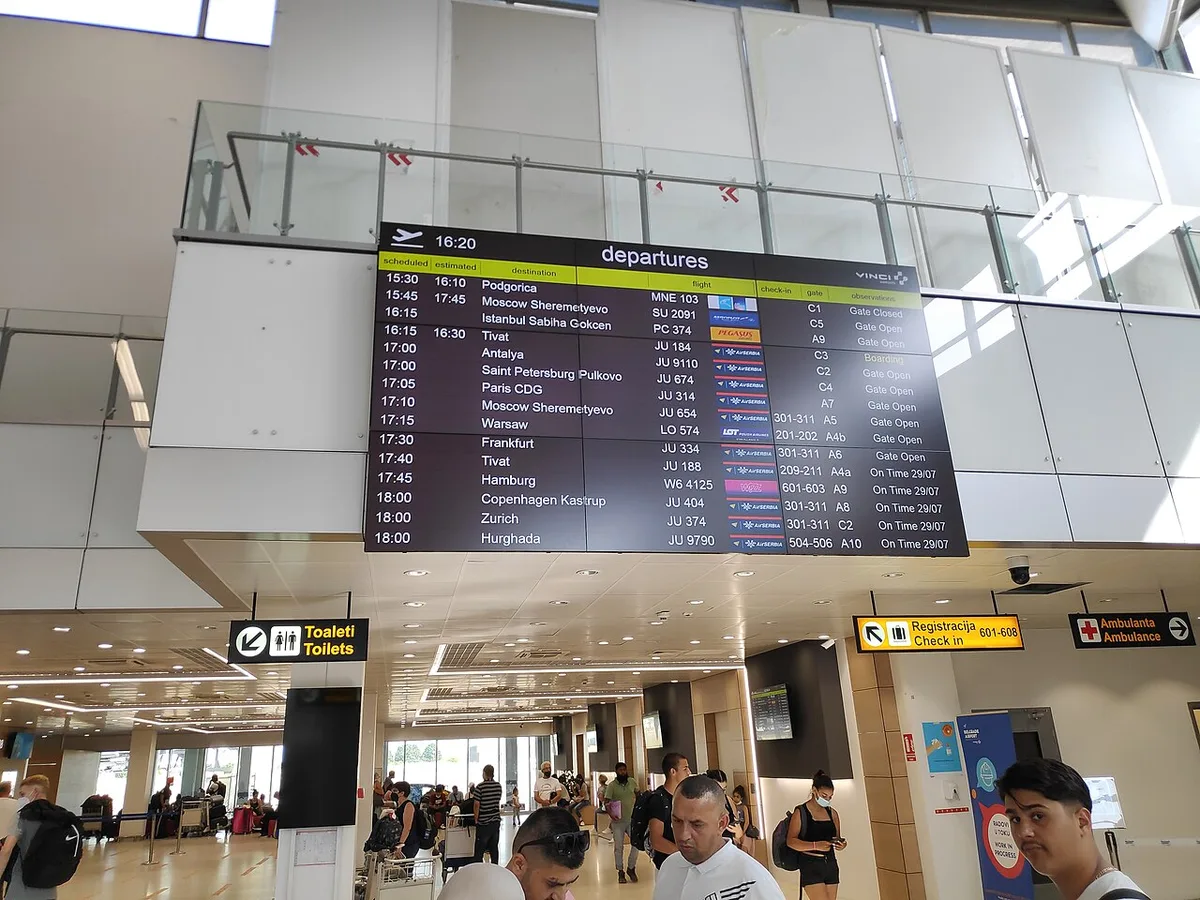
Most people get to Serbia by flying into Belgrade Nikola Tesla Airport (BEG), the country’s main hub, served by Air Serbia and a big Wizz Air base with cheap links across Europe. If you’re chasing the lowest fare, the small Niš airport (INI) in the south is worth a look, since Wizz Air and Ryanair run budget routes there that sometimes undercut Belgrade. Coming overland, the bus does almost all the work: direct international coaches reach Belgrade from every neighbouring capital, while the railways, once the classic way in, are now mostly suspended. Entry is visa-free for 90 days for citizens of the EU, UK, US and many other countries.
The honest headline for 2026 is that flying is easy and overland is a bit of a patchwork. Buses are reliable and everywhere; trains have shrunk to a single practical route down from Hungary. Below is how each option actually works, and how to pick the one that fits your trip.
Flying in: Belgrade (BEG) and budget Niš (INI)
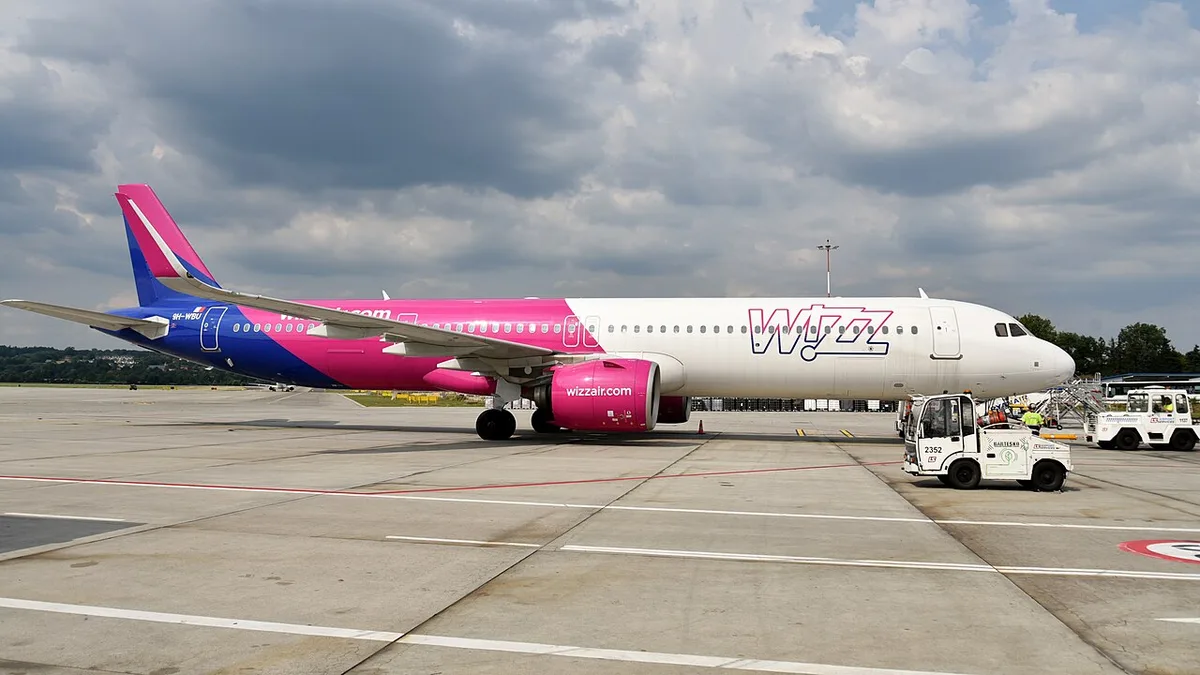
Belgrade Nikola Tesla (BEG) is the obvious way in and the right choice for most visitors. It sits about 18 km west of the city centre, is run by Vinci Airports, and works as the hub for the flag carrier Air Serbia as well as a major base for the low-cost airline Wizz Air, which flies a couple of dozen European routes out of here. Between the two you get good direct coverage of Western Europe, the region and beyond, so wherever you’re starting from, a nonstop or one-stop route to Belgrade usually exists.
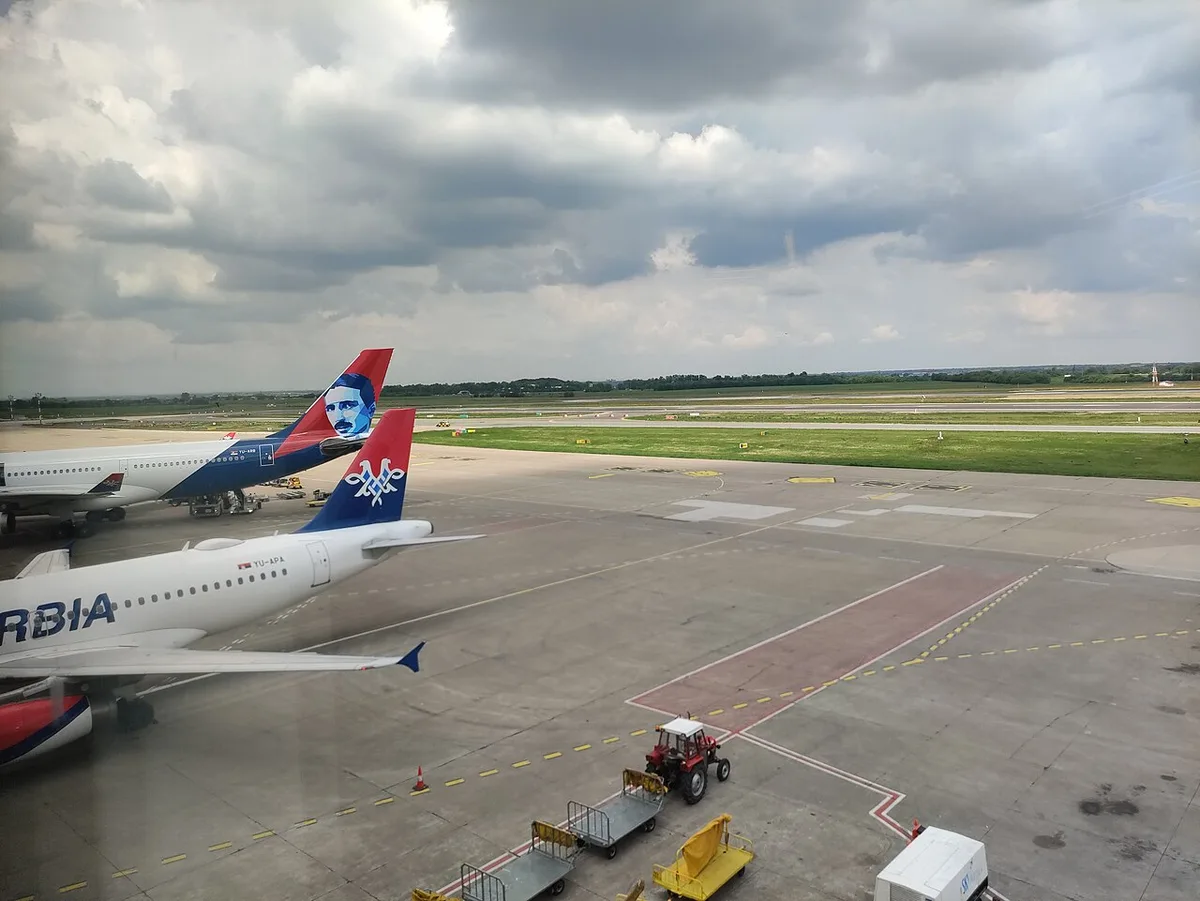
One thing worth knowing rather than banking on: the Wizz Air base in Belgrade has been the subject of a regulatory dispute, with reports that the airline could be pushed to wind down its base here from late 2026. Nothing is settled, and even if it changed, other carriers would fill the gaps, but if your plan leans on a specific cheap Wizz route it is worth checking the flight is still scheduled before you build a trip around it.
Getting from BEG into town is quick and cheap, and it has its own quirks worth reading up on, including a city bus that’s not free even though the rest of Belgrade’s transport is. Our guide to getting from Belgrade airport to the city centre lays out the bus, the taxi voucher kiosks and transfers side by side so you don’t overpay on arrival.
For bargain-hunters, Niš Constantine the Great Airport (INI) is the interesting second option. It is a small, no-frills airport about 235 km south of Belgrade (a drive of roughly two and a half hours down the A1 motorway), used mainly by low-cost carriers. Wizz Air and Ryanair run a handful of budget routes into Niš to cities such as Malta, Vienna, Basel, Dortmund and, seasonally, a few Nordic destinations, and the fares can be genuinely cheap because the airport pulls in passengers from Bulgaria and North Macedonia as well as Serbia.
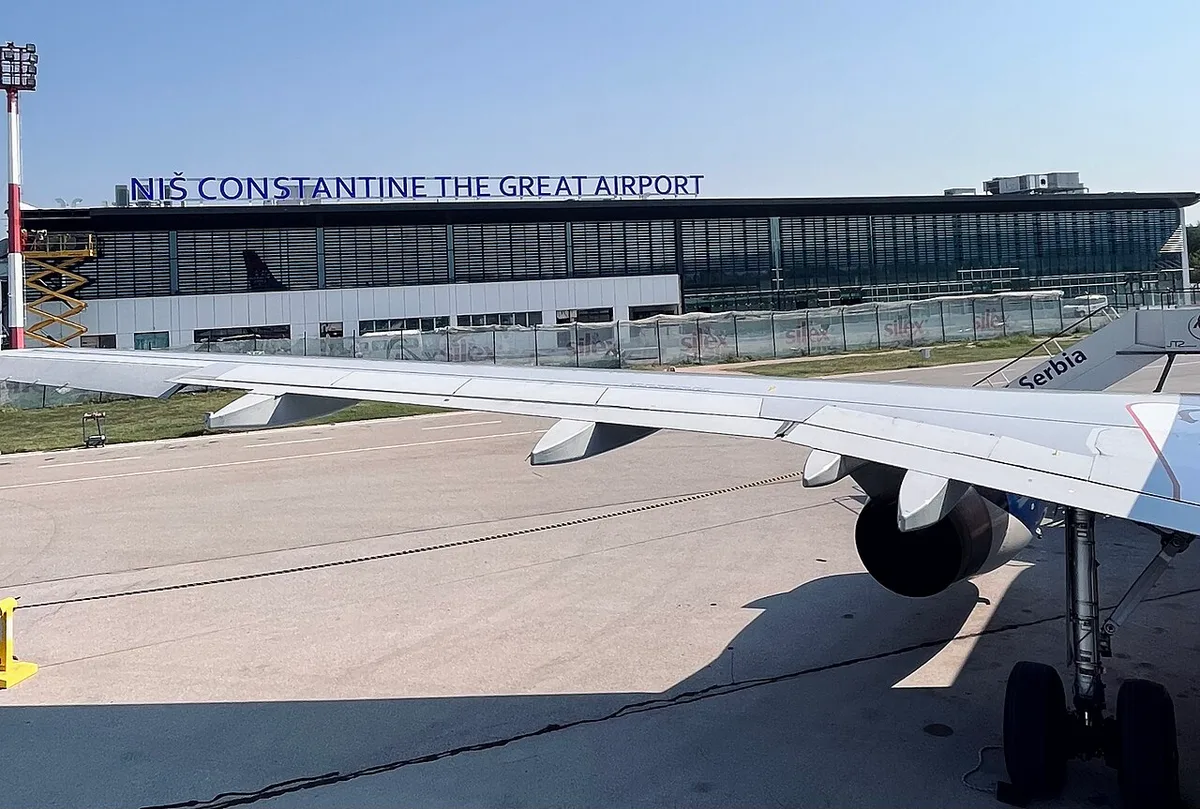
The trade-off with Niš is location. If Belgrade is your target, factor in that long transfer north by bus or car; if you are heading for the south and east of the country, or on to Bulgaria, flying into Niš can actually save you a leg. Weigh the cheaper fare against the extra ground travel and it’s easy to see which trips it suits.
Coming overland: buses do the work, trains barely run
If you’re already in the region, you can reach Serbia by land from every direction, though rail-minded travellers are usually surprised by how much has changed: the international train network into Serbia has largely fallen away. For years the romantic answer was a sleeper across the Balkans; in 2026 the reality is that buses carry almost all the cross-border traffic, and only one rail route in is genuinely practical.
By bus you’re well served. Direct international coaches run to Belgrade’s main bus station (BAS, which moved in 2024 to a new terminal in New Belgrade) from Sarajevo, Podgorica, Skopje, Sofia, Zagreb, Budapest, Vienna and more. They’re frequent, cheap and the default way to cross a Balkan border. As an example, a coach from Zagreb to Belgrade takes something over five hours for around 20 euros. If Bosnia is on your route, our guide to the Belgrade to Sarajevo bus and drive shows exactly how one of these crossings works in practice. The same coaches run outbound to the neighbours too, including the long run to Istanbul via Bulgaria, and our guides to the Belgrade to Vienna coach north through Budapest and the short cross-border hop to Timisoara in Romania cover two of the most useful runs the other way.
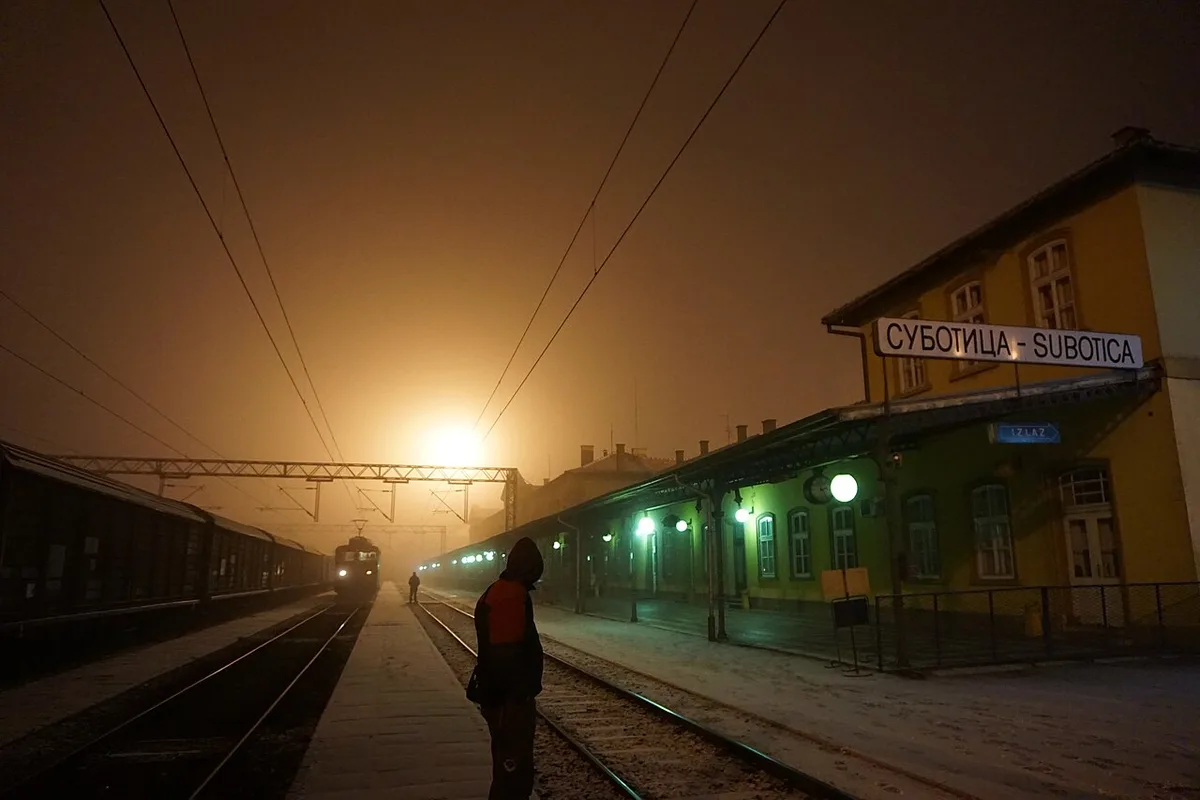
By train, the one route that works is from Hungary. The direct Budapest-Belgrade express has been repeatedly delayed by signalling work on the rebuilt high-speed line, and through service is postponed into at least mid-2026, so for now you piece the journey together: a Hungarian intercity train from Budapest to Szeged, a short cross-border local train to Subotica, then the fast Soko service down to Belgrade in well under 90 minutes. The whole thing takes six to seven hours and costs in the region of 30 euros, and it’s a pleasant way to arrive once you accept the change of trains. The Soko line itself is a real upgrade, covered in our guide to getting around Serbia.
The other rail routes are, frankly, gone for now. The trains from Zagreb and Skopje have been suspended and not reinstated, and the direct Sofia train has been discontinued, so for Croatia, North Macedonia and Bulgaria you take the bus (or, from Sofia, a train to Niš and a bus onward). If someone tells you to catch the train from Skopje or Zagreb, they’re working from an old timetable.
The one long-distance train that has kept running, and running daily all year, heads the other way: the overnight Belgrade to Bar service down to the Montenegrin coast. It is less a way into Serbia than one of the finest rail journeys out of it, and if you’re pairing Serbia with the Adriatic it is worth building in on purpose - our guide to the Belgrade to Bar railway covers the night and day trains, the Mala Rijeka viaduct and how to buy the tickets you cannot book online.
Entry rules: visa-free, but register with the police
For most Western visitors, getting in is refreshingly simple. Citizens of the EU and EEA, the UK, the US, Ireland and many other countries can enter Serbia visa-free for up to 90 days within any 180-day period. Handily, the same 90-day visa-free entry also applies to anyone holding a valid Schengen, US or UK visa, or an EU or US residence permit, regardless of nationality, which catches out a lot of people who assume they need a Serbian visa. Because Serbia is outside the Schengen area and the EU, the new EES and ETIAS systems don’t apply to entering the country.
Make sure your passport is valid for at least 90 days beyond the date you plan to leave, with a couple of blank pages. Rules do vary by nationality and can change, so if you’re in any doubt, check your own case against the Serbian foreign ministry before you travel rather than trusting a forum post.
The detail that trips up independent travellers is registration. In principle you must register your address with the local police within 24 hours of arriving at each place you stay. If you are in a hotel or hostel this is done for you automatically at check-in and you never think about it. But if you’re staying in an Airbnb, a private flat or with friends, the responsibility falls on you or your host to register in person at the nearest police station, and you may be asked for that little registration slip when you leave the country. It’s rarely enforced harshly, but it’s genuinely the rule, so keep any paperwork your accommodation gives you.
Which way should you come?
Line it up against your trip. If you want the simplest arrival, fly into Belgrade (BEG) and take the bus or a transfer into town. If you’re watching every euro or heading for the south, price up Niš (INI) and weigh the cheap fare against the transfer. If you’re already touring the Balkans, take the bus across the border, and only reach for the train if you’re coming down from Budapest, where it’s a genuinely nice way in.
Once you have landed the arrival question, the next one is how long to stay: our guide to how many days you need in Serbia helps you size the trip, and getting around Serbia covers the trains, buses and cars for once you are on the ground.
Photos
Read also

Transport · 11 min read
Novi Sad to Budapest: Train, Bus & Driving
Verified · September 1, 2026From Novi Sad to Budapest in 2026: FlixBus in 4h45 from EUR 20, drive about 300 km, or Soko train to Subotica then Hungary.

Transport · 10 min read
Belgrade to Istanbul: Bus, Flights & Long Way
Verified · August 26, 2026Belgrade to Istanbul in 2026: coach about 15.5h from €45, flights about 1h45 BEG-IST, no through train. Times, borders and the Sofia relay.

Transport · 11 min read
Belgrade Airport to Novi Sad: Transfer, Bus, Train
Verified · August 23, 2026No direct bus BEG to Novi Sad: a transfer or shared shuttle covers about 90 km in 70 minutes, or take the free airport bus plus the Soko train.

Transport · 12 min read
Belgrade to Kopaonik: Transfers, Bus & Driving
Verified · July 27, 2026Belgrade to Kopaonik is 265-300 km and about 4 hours, 5 in winter. Coach fares, transfer and taxi prices, the two mountain approaches, winter tyre rules.