
How Many Days Do You Need in Serbia?
How long to spend in Serbia: 2-3 days for Belgrade, 5-7 to add Novi Sad and the western mountains, 10 for the Danube east and Niš in the south.
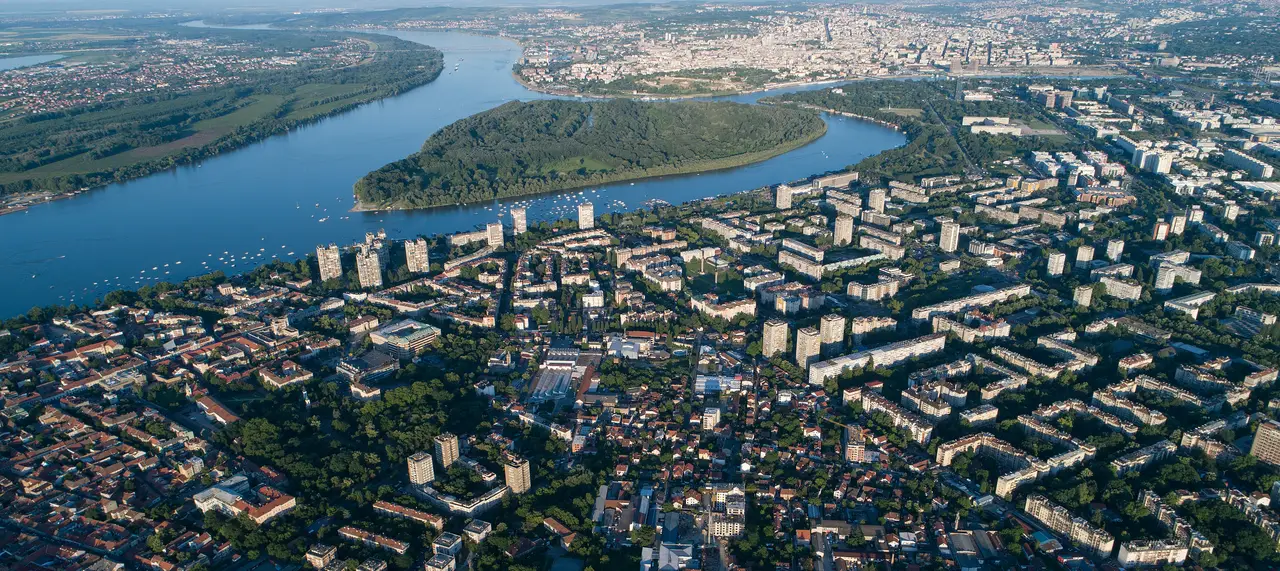
For a first trip, the short answer is this: give Serbia five to seven days and you’ll see the best of it. Two or three days is enough for Belgrade alone, and it makes a fine long-weekend city break. Five to seven days lets you add Novi Sad and the wine country to the north and the mountains of the west, which is where the country really opens up. Ten days or more and you can fold in the eastern Danube and the southern city of Niš, or simply slow the whole thing down. Serbia is compact and cheap, but it’s spread out, and how far you get depends far more on how you travel than on how fit you are.
The one thing that shapes every version of this trip is transport. The north (Belgrade and Novi Sad) is easy on the fast train and by bus; the west (Zlatibor, Tara, the Šargan railway) really wants a car, because the sights are scattered and the timetables aren’t. Decide that early, because it changes what you can realistically reach in a week.
2 to 3 days: Belgrade, and just Belgrade
If a long weekend is all you have, spend it in the capital and don’t try to leave it. Two full days is the honest minimum for Belgrade: one for the old town (the Kalemegdan fortress, Knez Mihailova, Republic Square and the taverns of Skadarlija) and one for St Sava, a museum and the floating clubs on the rivers at night. A third day earns its keep on the parts most visitors skip: the old town of Zemun for sunset, the river beach at Ada Ciganlija in summer, or a first day trip out of the city. Our guide to things to do in Belgrade lays out exactly how to split those days.
Two things make Belgrade a strong short break. It’s genuinely inexpensive once you’re there, and since the start of 2025 the city buses, trams and trolleybuses are free, so getting around costs nothing. And it’s walkable enough that a weekend feels unhurried rather than a race. If your time is tight, resist the urge to bolt on the mountains; you will only spend the trip in transit. Better to know Belgrade well than to glimpse three places badly.
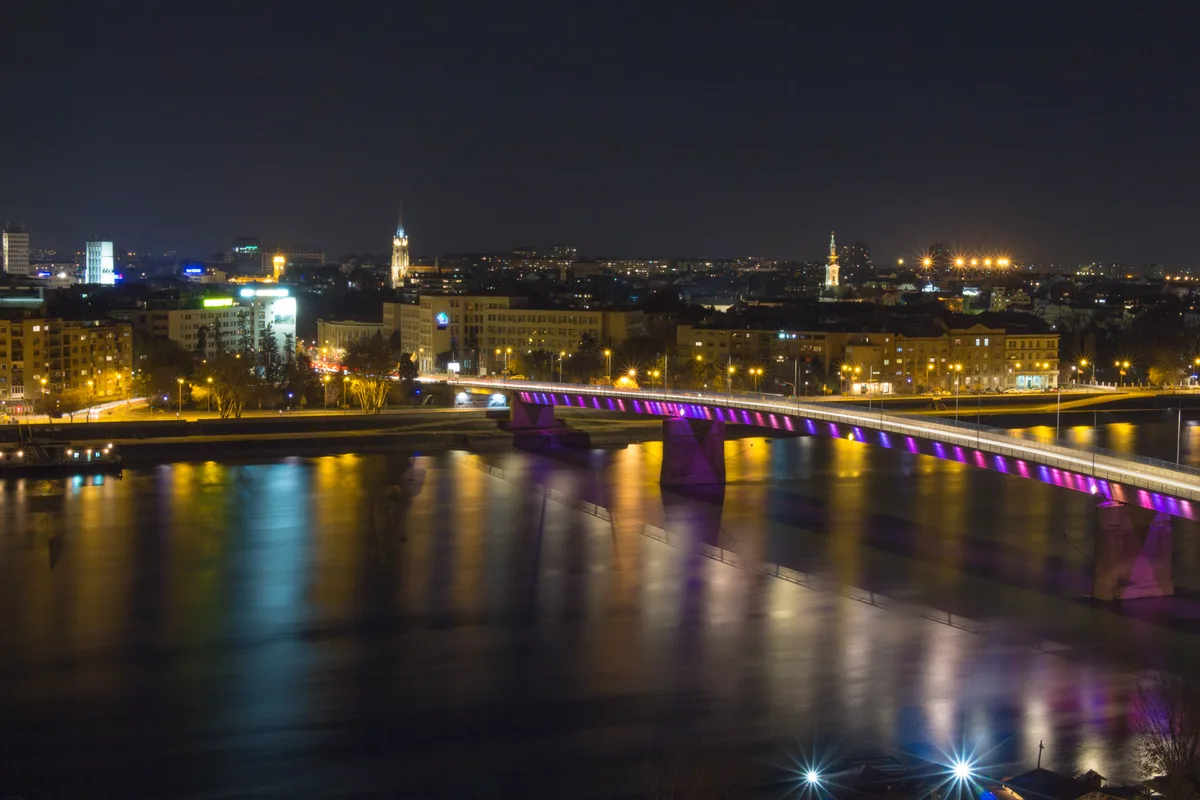
The one exception worth making, even on a short trip, is Novi Sad. It’s only about 80 km up the Danube, and the fast Soko train covers it in 32 minutes, which makes it the easiest day trip in the country - out in the morning, back for dinner. That alone can turn a three-day Belgrade break into something that feels like two cities.
5 to 7 days: the sweet spot
This is the length most people should aim for, because a week is enough to pair the capital with the two regions that make Serbia memorable: the flat, elegant north and the mountainous west.
Start with two or three days in Belgrade as above, then give the north its own day or two. Novi Sad deserves more than a flying visit if you have the time - its huge Petrovaradin Fortress, café-lined old town and the Danube beach reward an overnight - and right next to it’s Fruška Gora, the low wooded range on the city’s southern edge that holds a clutch of Orthodox monasteries and, more to the point for most, the region’s best small wineries. The first monastery is barely half an hour out, so a day loops monasteries, a tasting and the baroque wine town of Sremski Karlovci without strain. Our guides to Novi Sad and the Fruška Gora monasteries and wine cover that end of the trip.
Then head west, which is where a week really pays off. The comfortable base is Zlatibor, a broad mountain resort about 230 km southwest of Belgrade - roughly three to three and a half hours by car - with the full range of hotels, spas and restaurants and, crucially, a central position for everything nearby. From Zlatibor you can reach the country’s finest natural sight, the Drina canyon and the Banjska Stena viewpoint in Tara National Park, on a day out (about 40-60 minutes to the park approaches; allow up to about 1-1.5 hours door-to-door for the viewpoint), and ride the narrow-gauge Šargan Eight railway at Mokra Gora in a morning. Two or three nights on the mountain covers all of it without changing hotel.
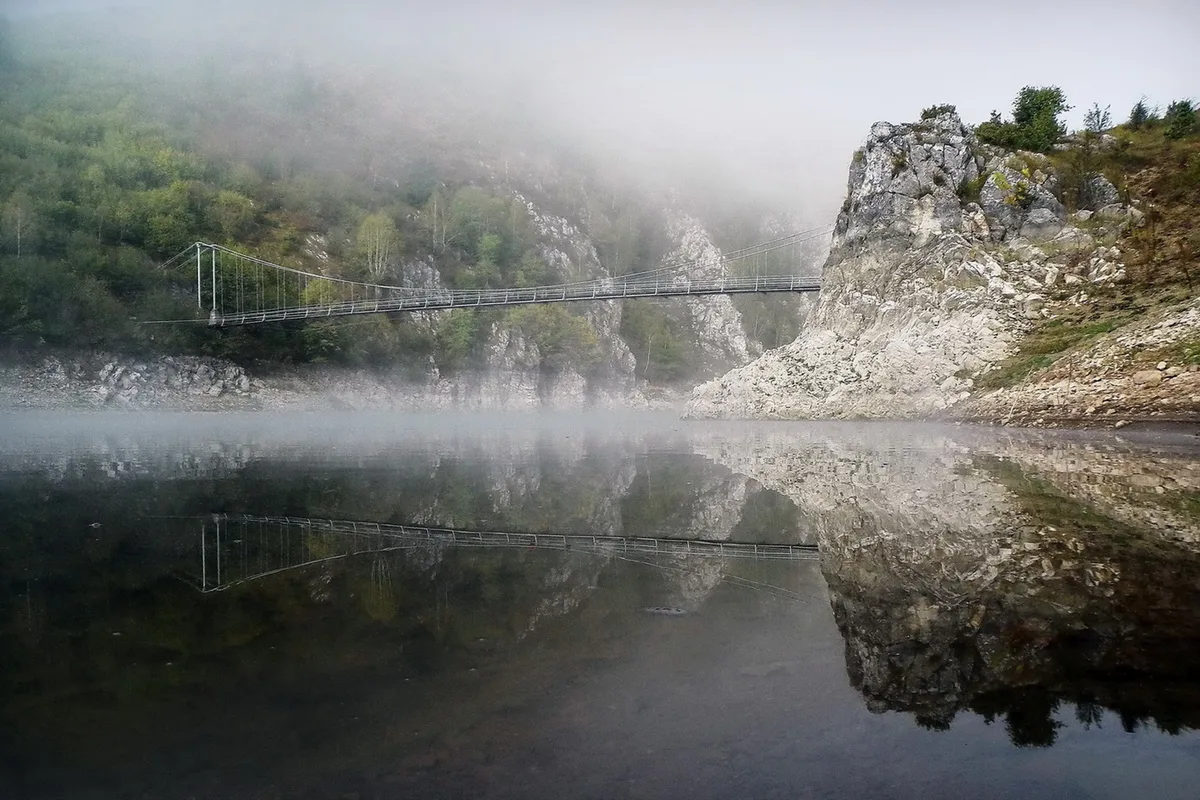
Put together, that’s a seven-day loop of about a thousand kilometres: Belgrade, Novi Sad and Fruška Gora, west to Zlatibor for the mountains, and back. We have mapped exactly that as a day-by-day drive in our 7-day Serbia itinerary, with a rough budget from around €450 a head. Closer to five days than a full week, the same north-and-west arc still works if you leave Belgrade early - see our 5-day Serbia itinerary. It’s the version of Serbia that leaves people wanting to come back, which is the sign you got the length right.
A word on wheels: you can do the Belgrade-Novi Sad half by train and bus perfectly well, but for the western leg a car changes everything. The mountain sights sit far apart on thin timetables, and a hire car collapses the western loop from a scramble of connections into two or three easy drives. Pick it up in Belgrade on the morning you leave the city, not on arrival - you don’t want a car while you’re sightseeing in the capital.
10 days or more: the east, the south, or a slower pace
With ten days you stop compressing and start choosing. You can keep the seven-day loop and simply breathe - an extra night on the mountain, a full day at Tara instead of half - or you can push into the two corners the week-long trip leaves out.
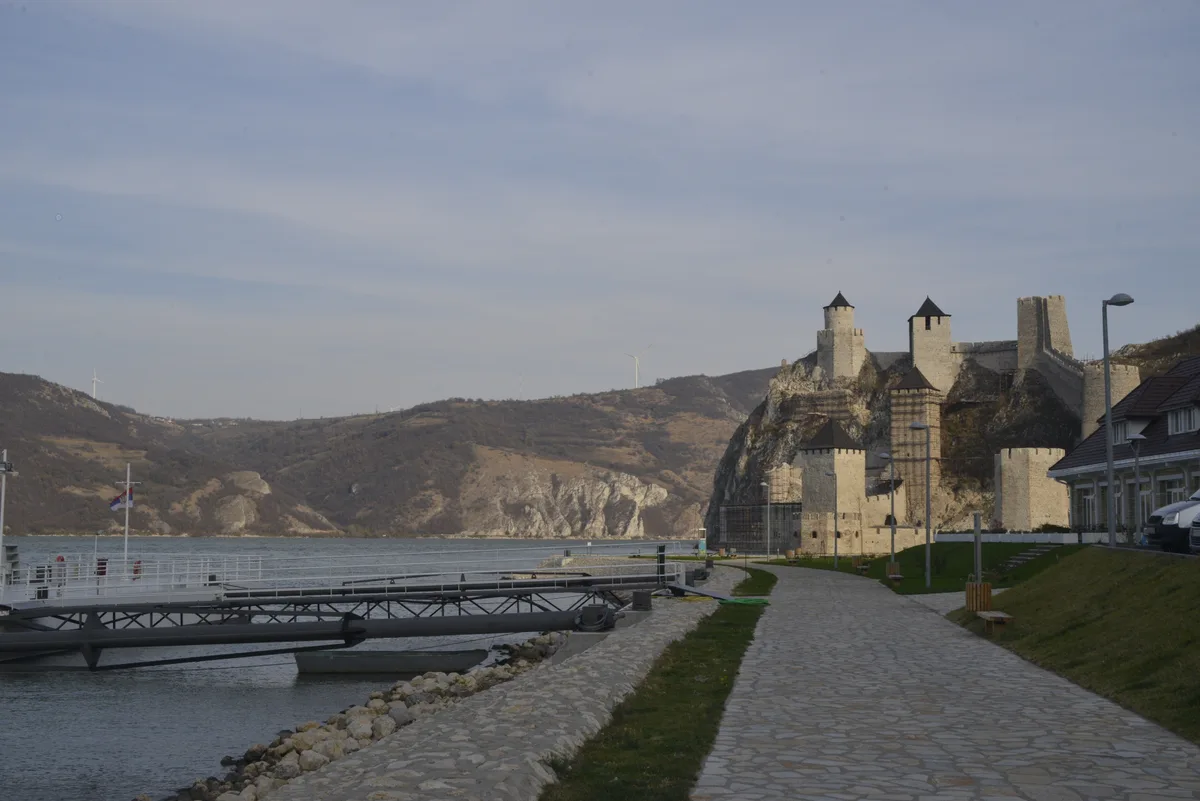
East lies the Danube at its most dramatic. About 130 km downstream from Belgrade the river squeezes into the Iron Gate gorge, and the set-piece there’s Golubac Fortress, a superbly restored medieval castle of ten towers guarding the mouth of the canyon. Most people do it as a long day - the fortress, the Đerdap national park, the prehistoric site of Lepenski Vir and a boat into the gorge - so budget the better part of a day for it. Our Iron Gate and Golubac day-trip guide has the detail.
South sits Niš, Serbia’s third city, about 235 km down the main corridor toward Bulgaria and North Macedonia - roughly two and a half to three hours. It rewards a night rather than a rushed day: an Ottoman fortress you wander for free, the sombre Skull Tower, the Roman villa of Mediana, built by Constantine the Great in the city of his birth, and a cobbled alley of kafanas that fills up after dark. Our guide to Niš walks through it. Niš also makes the natural stop if you’re carrying on overland toward Sofia or Skopje, which is worth remembering when you plan your exit.
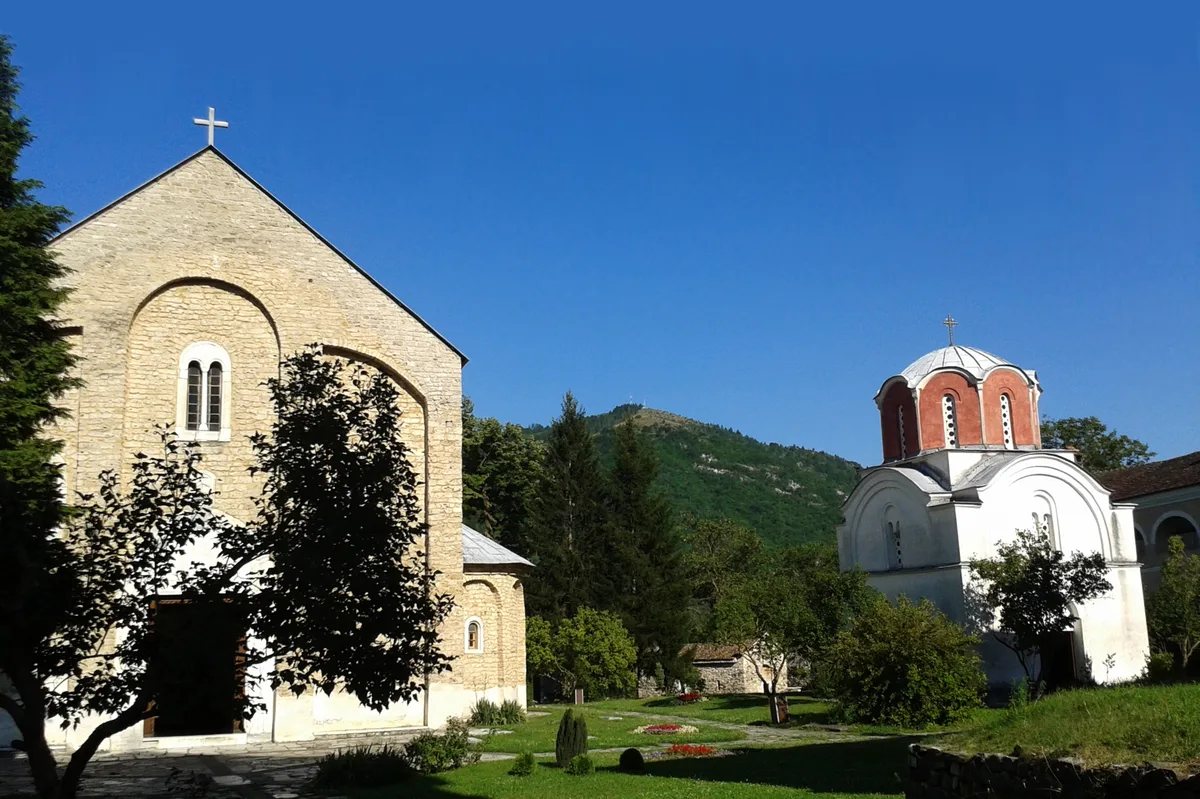
Ten days is also long enough to reach the deeper, quieter Serbia that a first week never touches - the great medieval monasteries such as Studenica in the south-west, or the ski-and-spa mountain of Kopaonik. These are for travellers who already know they like the country and want its slower, older layers; if that’s you, build the extra days around a monastery route or a mountain rather than trying to add another city.
So how long, really?
If you want a single number, make it a week. Two or three days shows you Belgrade and little else; ten or more lets you complete the map but asks for a real reason to linger. Seven days is the length that fits the country’s shape - a couple of days in the capital, a day or two in the north, and three in the west - without either rushing or padding. Match the plan to how you travel, keep the mornings for the viewpoints, and Serbia gives back more per day than most people expect from a country this far off the standard European trail.
Before any of that, sort the arrival: our guide to how to get to Serbia covers flying into Belgrade or budget Niš and the overland options. For the full day-by-day version, see our 7-day Serbia itinerary; to start at the beginning, our guide to things to do in Belgrade covers the two or three days that anchor every trip; and to plan the western leg, the Zlatibor guide is the base you build the mountains around. To settle when to come, our guide to the best time to visit Serbia runs through the seasons month by month, and Serbia weather by month has the temperatures and rainfall to pack for. And to size up the money side, how much a Serbia trip costs sets out daily budgets and a sample week. If you’re still weighing which cities to include, our guide comparing Belgrade, Novi Sad and Niš lines them up side by side, and if you’re still deciding whether to come at all, our 15 honest reasons to visit Serbia make the wider case.
Photos
Read also

Before you go · 9 min read
Tipping in Serbia: How Much, Cash or Card
Verified · August 9, 2026Tipping in Serbia: about 10% in restaurants, round up cafes and taxis. Cash is standard - card terminals rarely add a tip. What to leave, by situation.

Before you go · 9 min read
Belgrade or Budapest: Which City Break?
Verified · August 8, 2026Belgrade or Budapest: Budapest wins on flights, baths and sights, Belgrade on free transit and price. Populations, tickets and connections compared.

Before you go · 10 min read
Best Hostels in Belgrade: Party and Budget Picks
Verified · August 8, 2026Belgrade hostels from EUR 6.66 a bed: 3 party picks near the bars and 3 quiet, cheaper ones, with real prices, ratings and exact addresses.

Before you go · 9 min read
What to Pack for Serbia (+ Power Plugs)
Verified · August 7, 2026Pack for Serbia: Type F/C 230V plugs, Belgrade vs mountain layers, and the shoes, eSIM and documents that actually matter on the trip.