
Is Serbia Worth Visiting? 15 Honest Reasons
Is Serbia worth visiting? Yes, and mostly for reasons beyond Belgrade: river canyons, Roman emperors, monasteries, the grill, rakija and low prices.
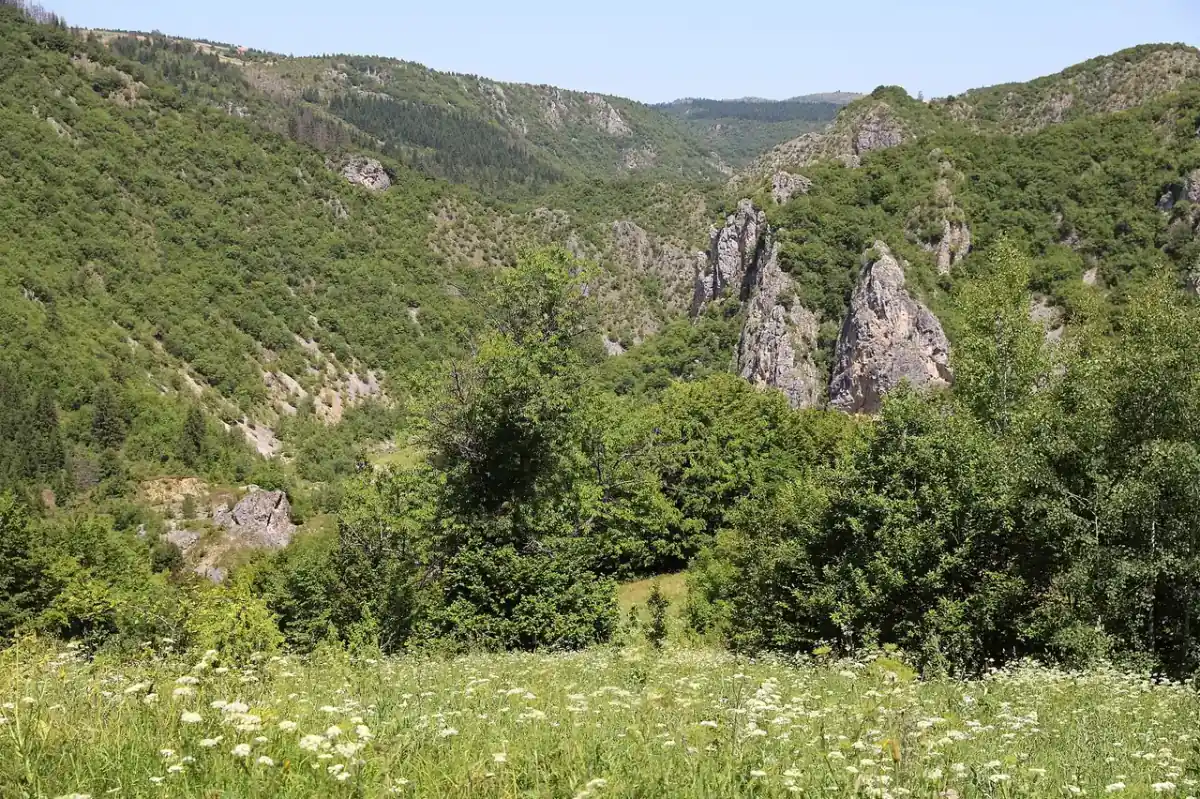
Yes, Serbia is worth visiting, but probably not for the reasons you would guess. Most first-timers come for Belgrade and leave talking about everything else: a river canyon that loops back on itself, a gorge the Danube carved deeper than almost anywhere in Europe, cheap grilled food that beats most of the region, and towns that were minting Roman emperors while Paris was a swamp. It’s a country that rewards curiosity and punishes the checklist, and it does all of it for a fraction of what Western Europe costs. Here are fifteen honest reasons to go, weighted toward what you’ll actually remember rather than what a brochure would lead with.
If you want the one-line version: come for the landscapes, the food and the value, stay for the layers of history, and don’t judge the whole country by its capital.
The landscapes are the real headline
1. The Uvac meanders look invented. In the southwest, the Uvac river coils through white limestone in tight horseshoe loops you have to see from the clifftop viewpoints to believe. It’s also home to the biggest griffon vulture colony in the Balkans, so those specks riding the thermals are two-metre wingspans. You can ride a boat along the reservoir and duck into an Ice Cave in the canyon wall, and it makes an easy day trip from Zlatibor. Our guide to the Uvac canyon covers the boat trip and the walk up to the famous overlook.
2. The Iron Gates are Europe’s largest river gorge. East of Belgrade the Danube narrows into the Đerdap gorge, the largest river gorge on the continent, guarded by the restored medieval Golubac Fortress and lined with Roman remains. Deep inside sits Lepenski Vir, one of the oldest planned settlements in Europe, whose people carved Danube sandstone into haunting fish-and-human faces thousands of years before the pyramids. Cruise the narrows by boat and the cliffs feel genuinely cinematic - you’ll remember the walls more than the boat.
3. Rafting the Drina and the Tara. In the west, Tara National Park drops away at Banjska Stena into the emerald Drina canyon, and a day rafting the clear, cold water is one of Serbia’s signature outings. Downstream near Bajina Bašta is the tiny house perched alone on a rock mid-river, the one that went round the world on National Geographic. It’s the corner that ends up on everyone’s camera roll.
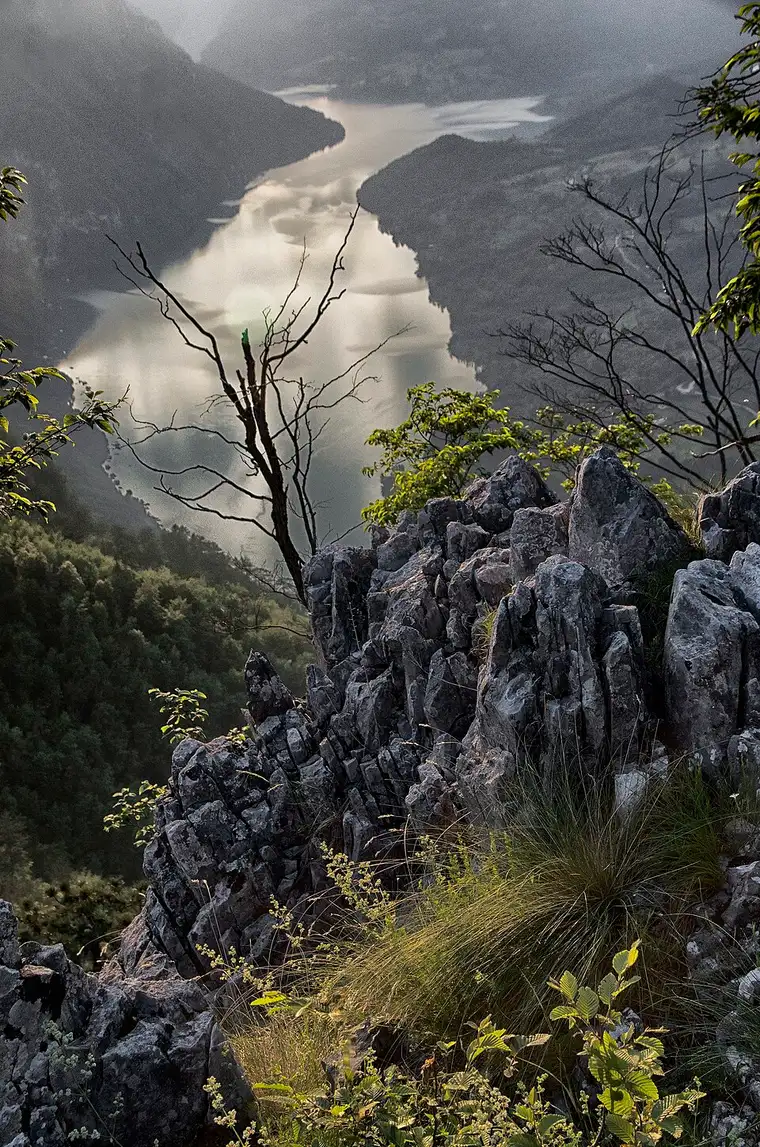
4. Mountains for all four seasons. Zlatibor is the easy-going summer-and-spa base of the west; Kopaonik is the country’s main ski resort; Stara Planina in the east is wilder and quieter. You can hike in July and ski in January without leaving the country.
The food and drink would justify the trip alone
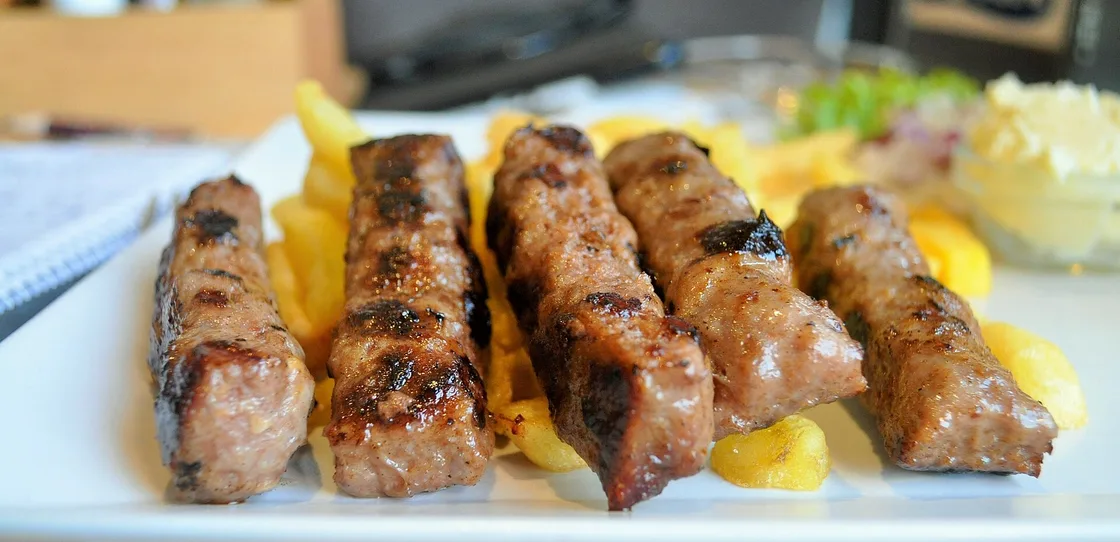
5. The grill (roštilj) is the national love language. Ćevapi (little grilled minced-meat rolls), pljeskavica (a burger’s rowdier cousin) and a dozen other things off the coals - they’re done better and cheaper here than almost anywhere nearby. Add kajmak, ajvar and warm bread and you rarely spend more than a few euros. Breakfast, meanwhile, is often a wedge of flaky burek pastry with yogurt from a bakery, which sets you back barely more than the coffee. Our what to eat in Serbia guide runs through the essentials.
6. Rakija is a culture, not just a drink. The fruit brandy that opens every meal and seals every deal is a whole social ritual, and homemade batches from a host’s cellar are a highlight in their own right. Read up first in our guide to rakija so you know šljivovica from dunja before someone tests you.
7. Serious wine, almost no crowds. The vineyards of Fruška Gora near Novi Sad, and old grapes like prokupac, make Serbia a genuine wine country that tourism has barely noticed - you’ll get tastings without the queues or the prices of better-known regions.
The history goes far deeper than people expect
8. This was a factory for Roman emperors. Depending on how you count, as many as 17 or 18 Roman emperors were born on the soil of present-day Serbia, more than anywhere outside Italy. Constantine the Great, the empire’s first Christian emperor, was born in Naissus, modern Niš. You can still walk the emperor Galerius’s palace at Gamzigrad-Romuliana, and at Viminacium, a full Roman legionary city near Požarevac, they have excavated mosaics, tombs and even the skeletons of mammoths from the same ground. For a region often treated as peripheral, that’s a startling claim to fame.
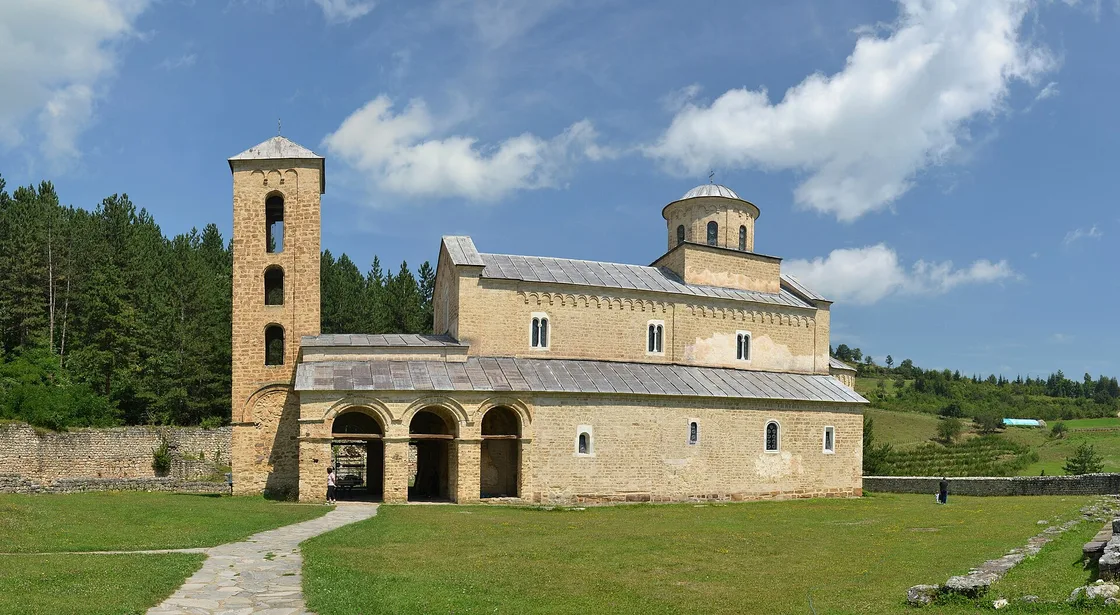
9. Medieval monasteries that are world heritage. The frescoed churches of Studenica and Sopoćani are UNESCO-listed, and they sit in beautiful, under-visited country. Even if you’re not religious, the art and the setting land hard.
10. Genuinely odd one-off sights. Serbia does the peculiar well: the eerie rock spires of Devil’s Town, the switchbacking narrow-gauge Šargan Eight railway, and Emir Kusturica’s hand-built hilltop village of Drvengrad. None of them feel like anywhere else.
The cities beyond the capital carry their weight
11. Belgrade earns its own honest verdict. The capital is loud, gritty and brilliant for nightlife and value, and it deserves a proper yes-with-caveats rather than a line here, so we gave it one in is Belgrade worth visiting. Treat it as the base, not the whole trip.
12. Novi Sad is the easy-going counterweight. Serbia’s second city is calmer, greener and prettier than Belgrade, with a handsome pastel centre and the huge Petrovaradin Fortress standing guard above the Danube. It was a European Capital of Culture in 2022, and its riverside and cafe life make it the sort of place people plan to stop in for a night and end up staying three. Our Novi Sad guide makes the case.
13. Niš and the south feel like a different country. Down south, Niš is grittier, cheaper and rich in Roman and Ottoman history, and it opens the door to the monasteries and spas most tourists skip entirely.
14. Spa towns are a local institution. Serbs holiday at their own thermal towns like Vrnjačka Banja and Sokobanja, an easygoing wellness tradition that’s cheap, unpretentious and a window into how the country actually relaxes.
And the practical case is strong
15. It’s cheap, easy and welcoming. This is the quiet clincher. Serbia runs well under Western European prices: a beer is around three or four euros, a pljeskavica about four or five, and you can get by on around fifty euros a day if you travel lean, so your money simply goes further, as our Serbia trip cost breakdown shows. Cards work in cities but the countryside still likes cash, so carry some dinars. Most Western visitors enter visa-free for 90 days, the country is broadly safe, English is common with younger people, and the hospitality is real rather than performed.
So, is Serbia worth visiting?
If you want polished old-town postcards and nothing else, there are easier European trips. If you want big landscapes, deep history, excellent cheap food and a country that still feels genuinely undiscovered, Serbia over-delivers, and it does it without the crowds or the bill you would run up next door. Give it more than a Belgrade weekend: pair the capital with the western canyons or the southern monasteries, work out how many days you need and when to come, and it turns from a stopover into one of the more rewarding corners of Europe.
Photos
Read also

Before you go · 9 min read
Tipping in Serbia: How Much, Cash or Card
Verified · August 9, 2026Tipping in Serbia: about 10% in restaurants, round up cafes and taxis. Cash is standard - card terminals rarely add a tip. What to leave, by situation.

Before you go · 9 min read
Belgrade or Budapest: Which City Break?
Verified · August 8, 2026Belgrade or Budapest: Budapest wins on flights, baths and sights, Belgrade on free transit and price. Populations, tickets and connections compared.

Before you go · 10 min read
Best Hostels in Belgrade: Party and Budget Picks
Verified · August 8, 2026Belgrade hostels from EUR 6.66 a bed: 3 party picks near the bars and 3 quiet, cheaper ones, with real prices, ratings and exact addresses.

Before you go · 9 min read
What to Pack for Serbia (+ Power Plugs)
Verified · August 7, 2026Pack for Serbia: Type F/C 230V plugs, Belgrade vs mountain layers, and the shoes, eSIM and documents that actually matter on the trip.