
Is Serbia Safe to Visit? An Honest 2026 Guide
Yes, Serbia is broadly safe. The honest read on crime, the Belgrade protests to plan around in 2026, airport taxi scams and staying out of trouble.
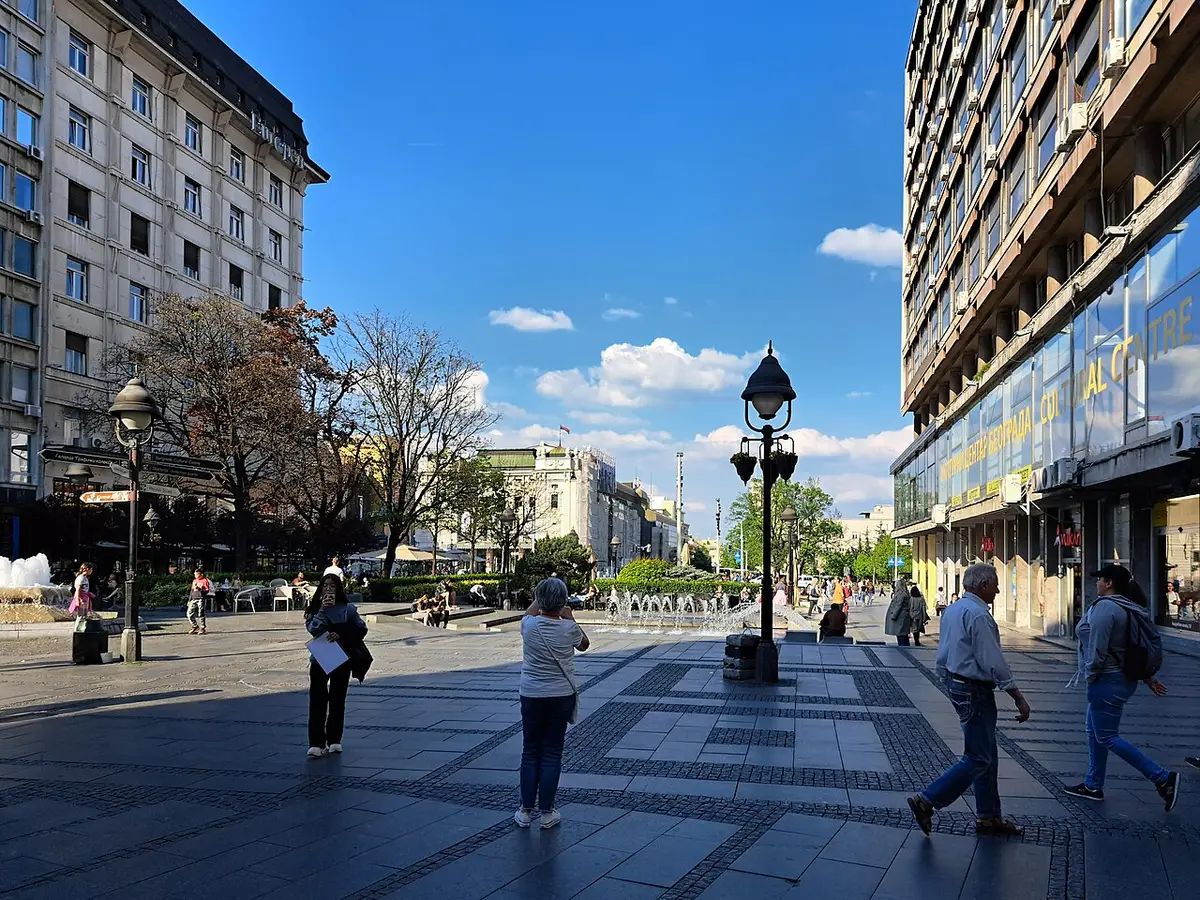
Yes, Serbia is a safe country to visit, and most Western travellers enter visa-free for 90 days and spend a week here without anything worse than an overpriced coffee. Both the US and UK governments keep it in a middle “exercise caution” tier, and the reasons are specific rather than scary: pickpockets in crowds, taxi drivers who won’t run the meter, football hooligans you’ll never meet, and the one thing genuinely worth planning around in 2026, the anti-government demonstrations in Belgrade. Violent crime aimed at tourists isn’t the story here.
This guide gives you the honest version. What the advisories actually say, the protest situation and how to sidestep it, the airport taxi trap, and where the real day-to-day risks sit, so you arrive knowing exactly what to watch and can otherwise relax and enjoy the place.
What the advisories actually say
Start with the official read, because it’s calmer than the internet suggests. The US State Department rates Serbia Level 2, “Exercise increased caution… due to crime.” That’s the same tier as France, Italy and Spain, not a red flag. Its one pointed line is that “violence associated with organized crime and high-profile sporting events in Serbia is common,” which sounds alarming until you notice both of those worlds run parallel to yours: the mob settles scores with other mobsters, and the hooligans fight each other, not tourists.
The UK Foreign Office is in the same place, flagging street crime and the demonstrations rather than any threat to your safety walking around. Read together, the two governments describe a country where the risks are crime of opportunity and the odd flashpoint you can route around, not a place where ordinary visitors get hurt. That matches what almost everyone who goes reports back: Belgrade feels relaxed, and people are direct, curious and helpful once you get past the resting Balkan poker face.
The one thing to plan around: demonstrations
If there’s a single reason to read the news before you fly, this is it. Since a railway station canopy in Novi Sad collapsed on 1 November 2024 and killed 16 people, Serbia has seen a sustained, student-led protest movement demanding accountability and early elections. It’s still running through 2026: tens of thousands rallied in central Belgrade on 23 May 2026, and police used tear gas as some of that gathering turned to clashes. On 27 June 2026, under that pressure, President Vucic announced he would resign within weeks and call an early election, though he named no firm date, and the protests carried on regardless. With a snap election now due within months, expect more of these large gatherings, not fewer, through the rest of the year.
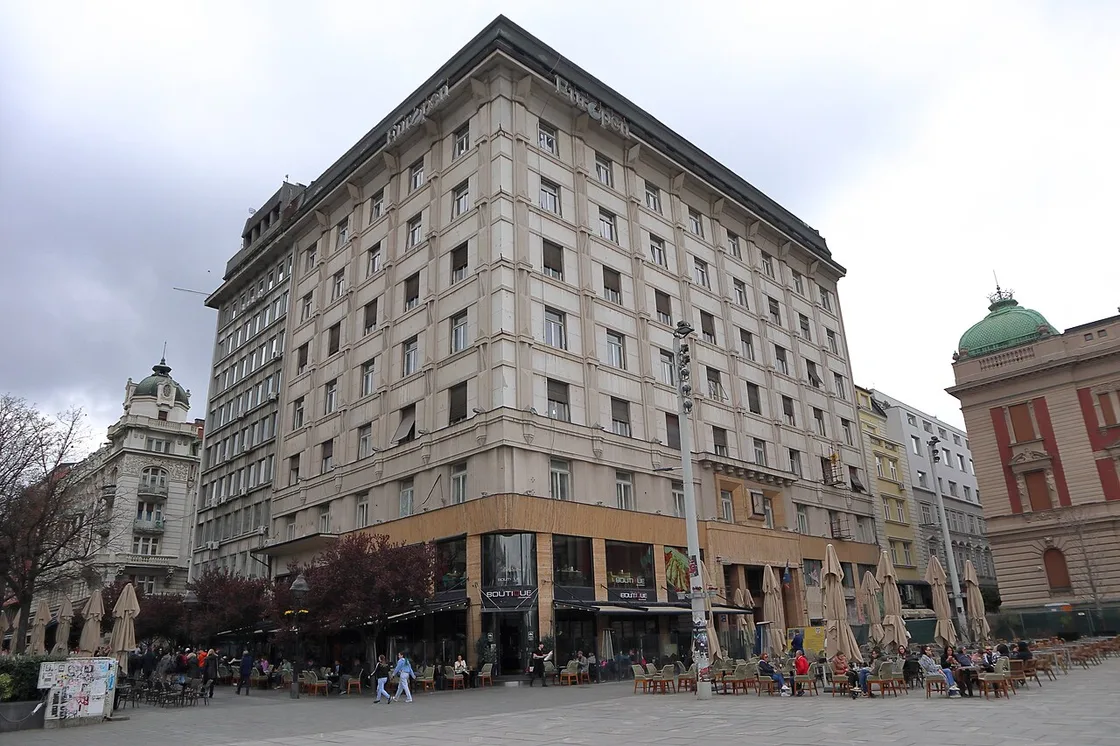
Here is the honest framing. The overwhelming majority of these marches are peaceful and none of it’s aimed at foreigners, but the UK government’s warning is fair: “mass gatherings and demonstrations… can happen at short notice and cause significant disruption, including to public transport and mobile phone networks,” and a peaceful crowd can escalate fast. The practical advice is simple. Don’t go to a demonstration to watch or photograph it, keep clear of the big central squares and government buildings (around Terazije, Slavija and the parliament) when a rally is called, and check local news or your embassy’s alerts for the day. Give it that basic respect and the protests will be, at most, a metro line you avoid for an afternoon. It’s not a reason to skip the country, and Belgrade is very much still worth visiting around it.
Everyday crime: pickpockets and the cash assumption
This is where your actual risk lives, and it’s the same risk as any European capital. The UK Foreign Office notes that “pickpockets work in tourist areas, airports, on public transport and at motorway service stations,” and adds a useful detail: criminals “may assume that foreigners are carrying large amounts of cash.” Serbia is still a cash-heavy country, so that assumption is not baseless, and our guide to money in Serbia covers the ATMs, cards and how much cash to actually carry.
The State Department’s tips read like common sense you should apply anyway: “do not display signs of wealth, such as expensive watches or jewelry,” and “be extra vigilant when visiting banks or ATMs.” Translate that into habits. Keep your phone off the cafe table on a busy terrace, use a card or a money belt rather than a fat wallet, draw cash from an ATM inside a bank branch during the day rather than a street machine at night, and be alert on a packed bus or in the crush of Knez Mihailova on a Saturday. Do that and pickpocketing, the single most likely thing to go wrong on your trip, mostly stops being a threat.
The airport taxi trap
The most common way to lose money in Serbia is a taxi from the airport, and it’s entirely avoidable. Touts hang around arrivals at Nikola Tesla Airport, refuse the meter, and quote wild flat rates: travellers report being charged around 6,500 dinars for a ride that should cost a fraction of that.
The fix is a 30-second habit. Ignore anyone who approaches you inside the terminal offering a cab. Use the airport’s own taxi voucher kiosks (three in baggage claim, one in the arrivals hall): enter your destination and you get a voucher with a fixed price for your zone, 2,700 dinars to New Belgrade and 3,500 dinars (about 30 euros) into the centre. Or book through a ride-hailing app such as CarGo, where the fare is fixed and shown before you get in. Both take the argument out of it. Our guide to getting from Belgrade airport to the city breaks down the voucher system, the free bus and the transfer options, and our piece on Belgrade taxis and apps covers the licensed firms and how to avoid the meter games in town too.
Football, hooligans and organised crime
The scariest-sounding lines in the advisories describe a world you’ll not touch. The UK government singles out “derby matches between Red Star and Partizan in Belgrade” for “incidents of violence and petty crime,” and it’s right: the ultras of those two clubs are serious, and a Belgrade derby isn’t a casual family outing. The organised-crime violence both governments mention is real too, but it plays out between rival groups, not against tourists in a restaurant.
Your job is only to stay out of the crossfire, which is easy. Don’t wander into a stadium on derby day in the rival team’s colours, give large groups of chanting football fans a wide berth on match nights, and steer clear of trouble in the party scene rather than into it. None of this restricts a normal trip in the slightest.
Nightlife, solo travel and women
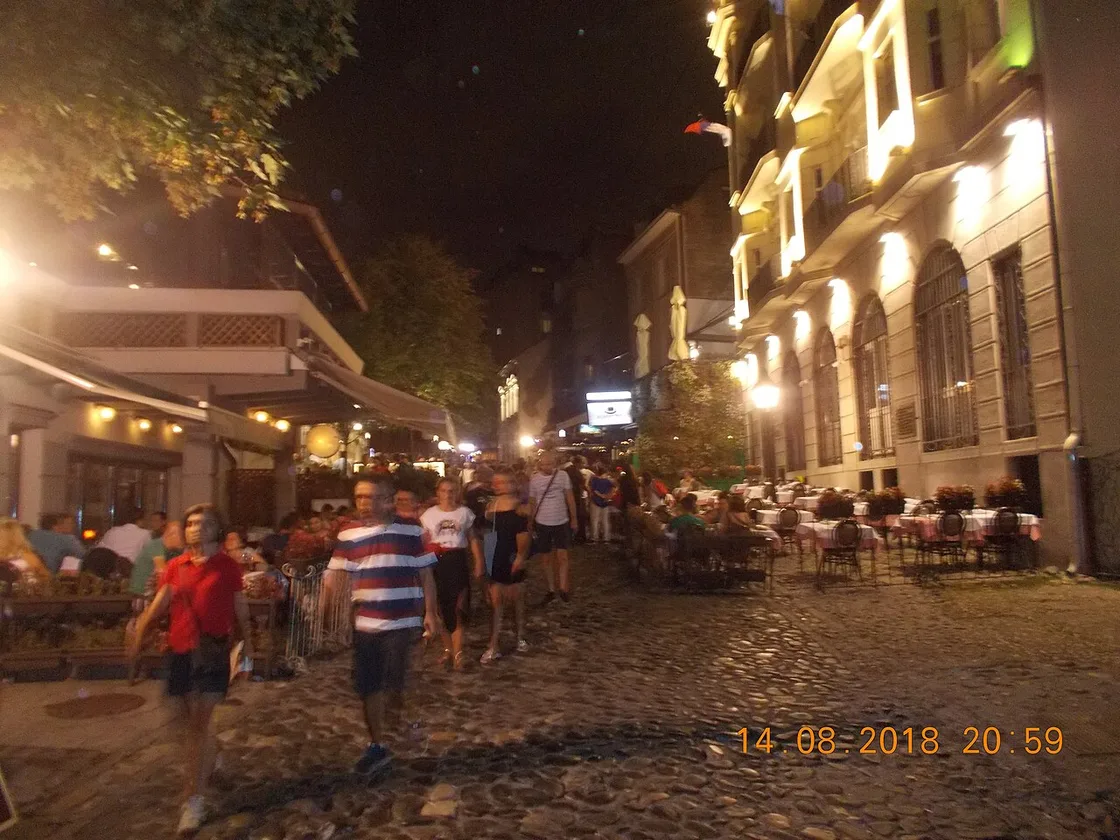
Belgrade’s nightlife is one of the reasons people come, and it is largely as safe as it’s fun. The old quarter of Skadarlija and the bars of Savamala hum until late without menace. The one place to keep your wits is the heavier end of the party scene, the floating river clubs known as splavovi, where drink, big crowds and the occasional bouncer-and-hooligan overlap can turn a good night sour. Watch your drink, keep your group together, and pay in the club rather than settling a mystery bill at the door.
Solo travellers, including women, generally rate Serbia well. Street harassment is mild by regional standards and the usual big-city caution, a confident walk, a booked cab home late at night, an eye on your drink, covers it. LGBTQ+ visitors will find Belgrade relaxed in practice, though public attitudes outside the capital are more conservative and Pride has needed heavy police protection in the past; discretion in smaller towns is sensible rather than essential.
Outside the cities, and the landmine footnote
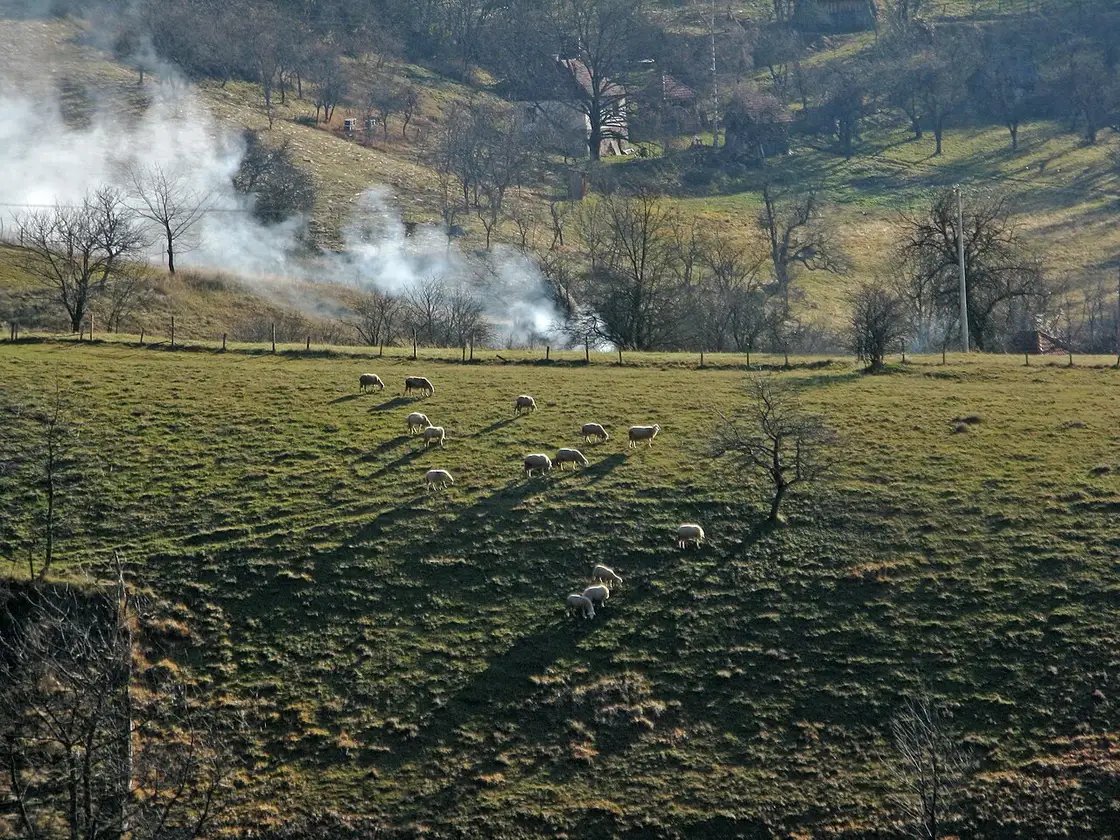
Rural Serbia is, if anything, safer than the capital. The villages of Zlatibor, the canyons of the west and the wine roads of Fruska Gora are low-crime, high-hospitality country where the main hazards are mountain weather and Serbian driving, not people. On the roads, expect confident overtaking and give it room; if you are renting a car, our guide to the best time to visit Serbia covers the seasons and the driving conditions that come with them.
One genuine no-go deserves a mention because it surprises people. The UK government notes a residual danger from unexploded landmines and bombs left by the 1999 Kosovo conflict, with the affected areas mostly in the mountains to the north and east of Kosovo. This affects a specific corner of the far south near the administrative boundary with Kosovo, nowhere near the tourist trail of Belgrade, Novi Sad, Zlatibor or the Danube. The rule is the same one that applies anywhere with a conflict past: on remote ground in that region, stick to marked paths and roads and don’t go wandering across open country. That boundary also comes with its own entry-stamp rules if you plan to cross into Kosovo and back, which we cover in crossing between Serbia and Kosovo.
The practical safety net: health and insurance
The risk most likely to actually cost you money is not crime, it’s a health bill. Serbia isn’t in your EU or UK health scheme in the way a neighbour might be, private clinics expect foreigners to pay upfront and claim back later, and ambulance cover thins out fast once you leave the big cities. That’s a strong argument for a proper travel policy, and the State Department pointedly recommends “supplemental insurance to cover medical evacuation” for exactly this reason.
For a city break it’s a cheap bit of insurance; add a hike in the canyons, a rafting day on the Drina or a ski week at Kopaonik and it becomes the single smartest thing you arrange. A monthly, renewable plan such as SafetyWing’s Nomad Insurance suits long or open-ended trips, while a fixed single-trip policy often works out better for a defined holiday, so compare cover for your Serbia dates before you fly and weigh it on the evacuation limit, not the sticker price.
The honest bottom line
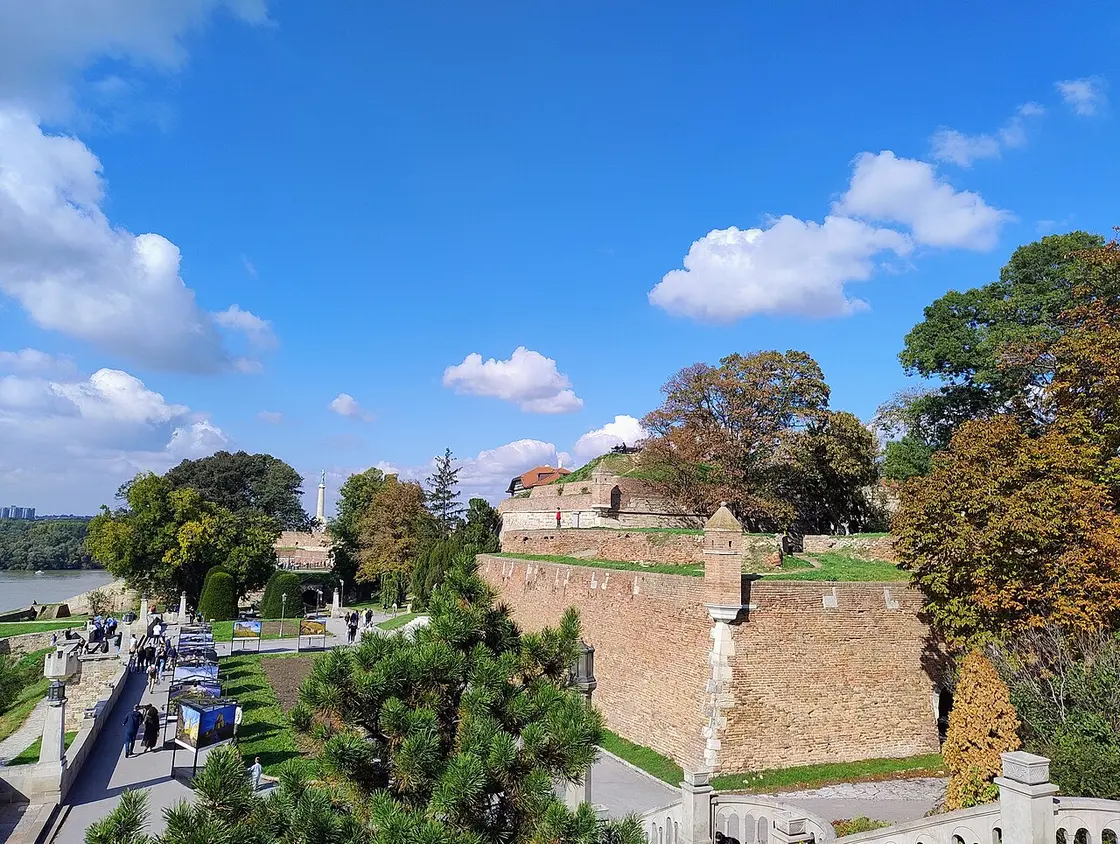
Serbia is safe to visit, with two things to actually manage: keep clear of the Belgrade demonstrations, which stay the live issue while the country heads into a snap election, and get your airport taxi on the official voucher or through an app. After that you’re into normal-Europe territory, watch your pockets in crowds, don’t flash cash, and sidestep the football ultras. Do that and you’re far more likely to come home raving about the food, the nightlife and how cheap it all was than with any story about trouble - safety rarely decides a Serbia trip, and our honest reasons Serbia is worth visiting lay out what usually does.
One caveat, honestly: the demonstration situation is fluid, and this is a snapshot, not a promise. Before you travel, read your own government’s current advice at travel.state.gov or gov.uk for your exact dates. This is a practical safety guide, not political comment, and none of it’s a substitute for checking the official line before you go.
Photos
Read also

Before you go · 9 min read
Tipping in Serbia: How Much, Cash or Card
Verified · August 9, 2026Tipping in Serbia: about 10% in restaurants, round up cafes and taxis. Cash is standard - card terminals rarely add a tip. What to leave, by situation.

Before you go · 9 min read
Belgrade or Budapest: Which City Break?
Verified · August 8, 2026Belgrade or Budapest: Budapest wins on flights, baths and sights, Belgrade on free transit and price. Populations, tickets and connections compared.

Before you go · 10 min read
Best Hostels in Belgrade: Party and Budget Picks
Verified · August 8, 2026Belgrade hostels from EUR 6.66 a bed: 3 party picks near the bars and 3 quiet, cheaper ones, with real prices, ratings and exact addresses.

Before you go · 9 min read
What to Pack for Serbia (+ Power Plugs)
Verified · August 7, 2026Pack for Serbia: Type F/C 230V plugs, Belgrade vs mountain layers, and the shoes, eSIM and documents that actually matter on the trip.