
Crossing Between Serbia and Kosovo: The Rules
You can travel Serbia to Kosovo and back, but only with a Serbian entry stamp first. The one rule that gets travellers refused, and how to plan around it.
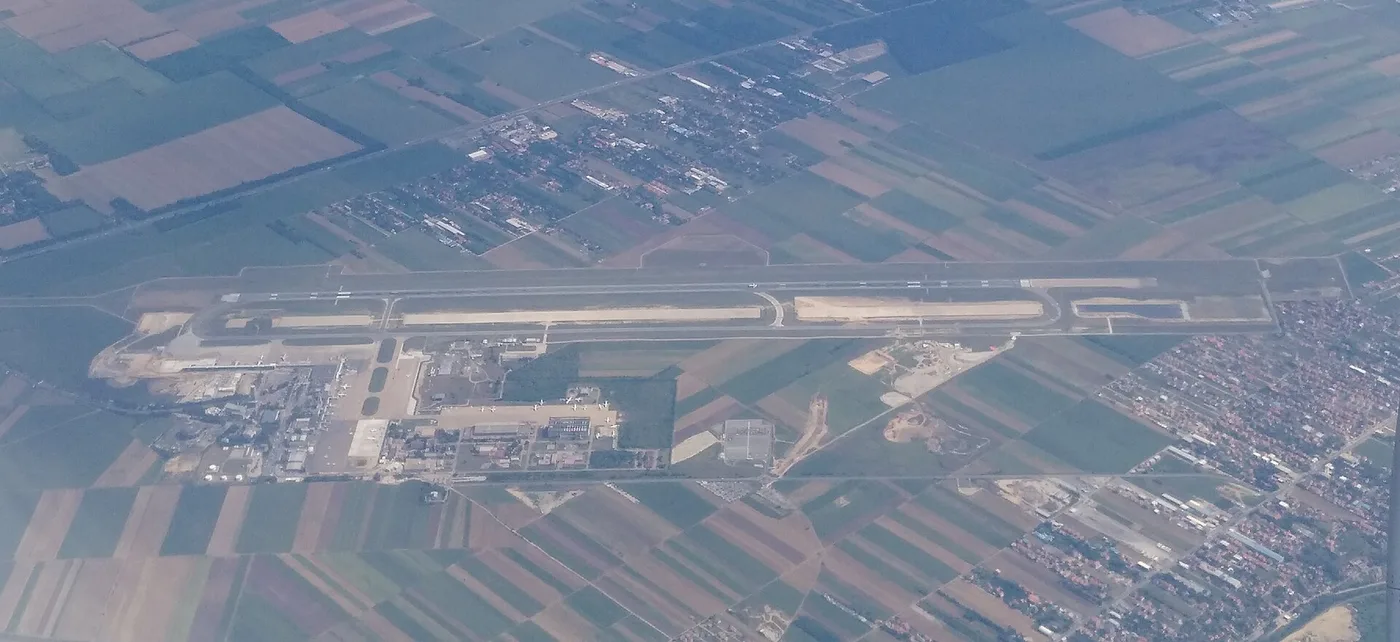
Yes, you can visit both Serbia and Kosovo on the same trip, and yes, you can cross between them. The catch that catches people out is the direction and the paperwork: you can’t enter Serbia directly from Kosovo unless you already hold a valid Serbian entry stamp from an earlier arrival. Get that one thing right and the rest is straightforward. Get it wrong and you can be turned back at the boundary, or worse, accused of entering Serbia illegally.
A note before the details. This is a politically sensitive subject and the rules here are about travel logistics, not the status question. Border practice can also change and posts occasionally close, so treat this as orientation and confirm the current position with the official sources linked below and your own government’s advice before you go. Nothing here is legal advice.
The one rule that matters
Serbia does not recognise Kosovo’s declaration of independence, and for a traveller the practical consequence is simple: Serbia treats the boundary with Kosovo as an internal administrative line, not an international border. That is why Serbian authorities don’t accept a Kosovo entry stamp as proof that you legally entered Serbia. As far as a Serbian border officer is concerned, if you flew into Pristina or crossed into Kosovo from Albania, North Macedonia or Montenegro, you have not yet legally entered Serbian territory at all.
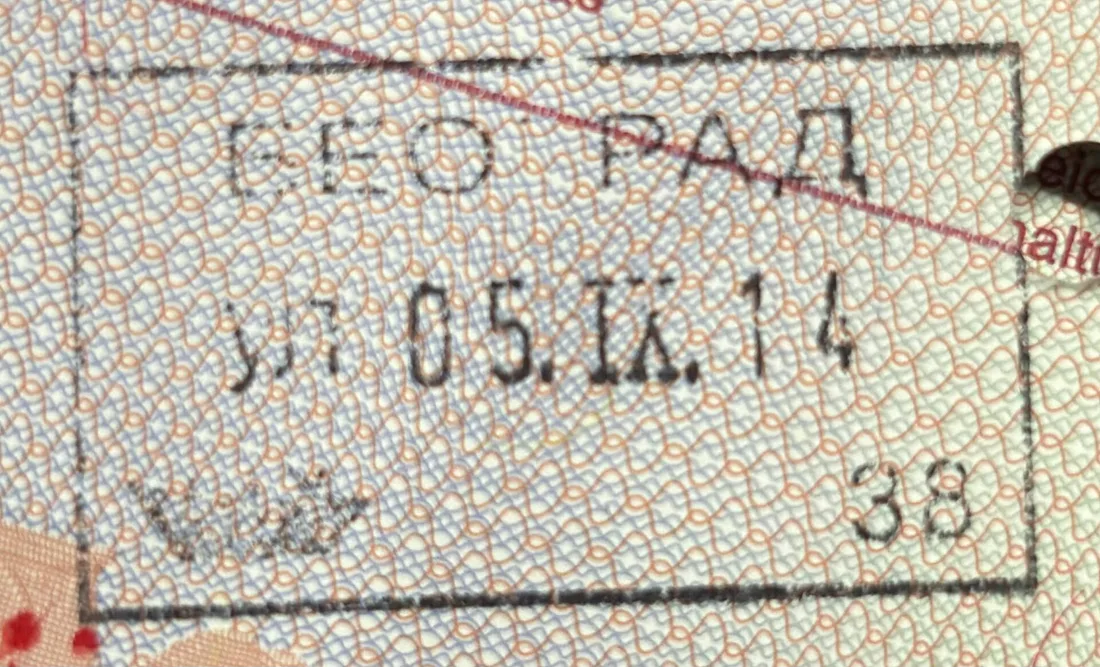
So the rule everything hangs on is this: if you want to cross from Kosovo into Serbia, you must first have entered Serbia properly and got a Serbian entry stamp. The UK Foreign Office puts it plainly, that it is “possible to travel from Serbia to Kosovo, and back again,” but that to enter Serbia from Kosovo you need a Serbian entry stamp “from Belgrade, Niš or Kraljevo airports, or from one of Serbia’s land border crossings”. That list of land borders is short and closed: Serbia borders exactly seven countries - Bosnia and Herzegovina, Bulgaria, Croatia, Hungary, Montenegro, North Macedonia and Romania. Albania is not on it, because Serbia and Albania share no border at all, a detail that matters later in this guide. Without that stamp, you’re “likely to be refused entry into Serbia from Kosovo.”
Two ways to plan it, depending on your route
Almost every itinerary that touches both places falls into one of two patterns. Work out which one you’re in before you book anything.
Pattern one: enter Serbia first. This is the clean way. Fly into Belgrade (or cross into Serbia overland from Hungary, Bulgaria, Montenegro, Bosnia and so on), get your Serbian entry stamp, spend time in Serbia, then dip down into Kosovo and come back. Because you entered Serbia legally at the start, Serbia considers you to have been on its territory the whole time, so returning from Kosovo is treated as re-entry, not a fresh arrival. This is the setup that lets people do, say, Belgrade, then a day or two in Pristina and Prizren, then back north, with no drama. One honest caveat, though: the two Western governments with the most detailed advice on this route do not fully agree. The UK treats Serbia-to-Kosovo travel as workable while warning that crossings can face delays or close, whereas Canada’s advice, in its safety section, says flatly “don’t attempt to enter Kosovo directly from Serbia.” Plenty of travellers cross this way without incident, but you should know the official positions differ before you rely on this pattern, and check both pages close to your dates.
Pattern two: you entered Kosovo from a third country, and now you want to reach Serbia. This is where trips come apart. If you flew into Pristina, or crossed into Kosovo from Albania, North Macedonia or Montenegro, you have no Serbian stamp, so do not try to cross directly into Serbia. Canada’s government advice is blunt about it: “Don’t attempt to enter Serbia directly from Kosovo unless you initially travelled into Kosovo from Serbia and obtained a valid entry stamp from the Serbian immigration authorities. Otherwise, you should transit via a third country.” In practice that means leaving Kosovo into Montenegro or North Macedonia and entering Serbia from there instead, where you’ll get a proper Serbian stamp at a recognised international crossing. The US State Department spells out exactly that two-step for travellers who arrived in Kosovo first: exit Kosovo via its border with either Montenegro or North Macedonia, then proceed to a border crossing with Serbia. Albania can only ever be a transit stop on that detour - it borders Kosovo, but it has no border with Serbia, so “entering Serbia from Albania” is not a route that exists.
What happens if you get it wrong
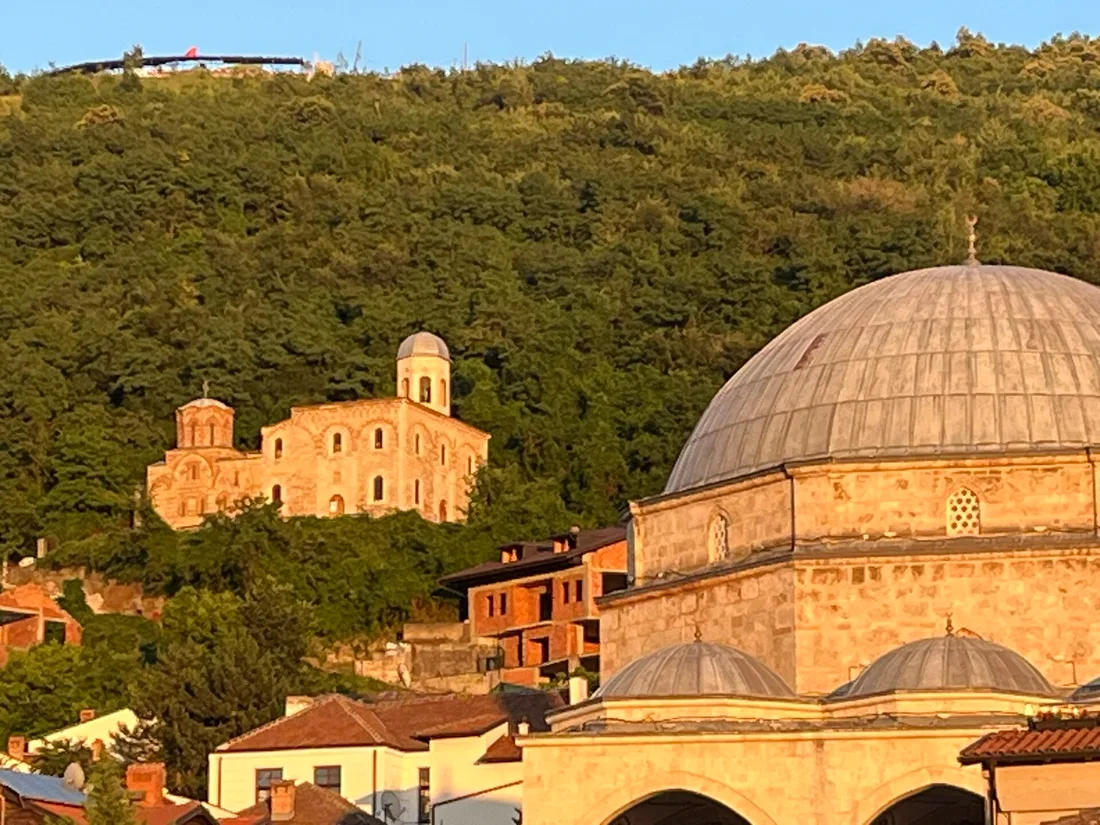
The mild outcome is being refused entry and sent back to Kosovo to find another route, which is a wasted day and a scramble to rebook. The serious outcome is the one worth taking seriously. If you slip into Serbia without a stamp and it later shows when you try to leave, you can be treated as having entered the country illegally. The UK guidance spells out the stakes: “If you try to leave Serbia without an entry stamp you could face charges of illegal immigration, a heavy fine and a prison sentence.” That is not a scare story invented by guidebooks; it’s the official line, and it’s why the stamp isn’t a formality to shrug off.
The upshot is a mindset rather than a memorised list: always know how you legally entered Serbia, and make sure your passport can prove it. If you cannot, don’t cross into Serbia from Kosovo.
Kosovo stamps in your passport
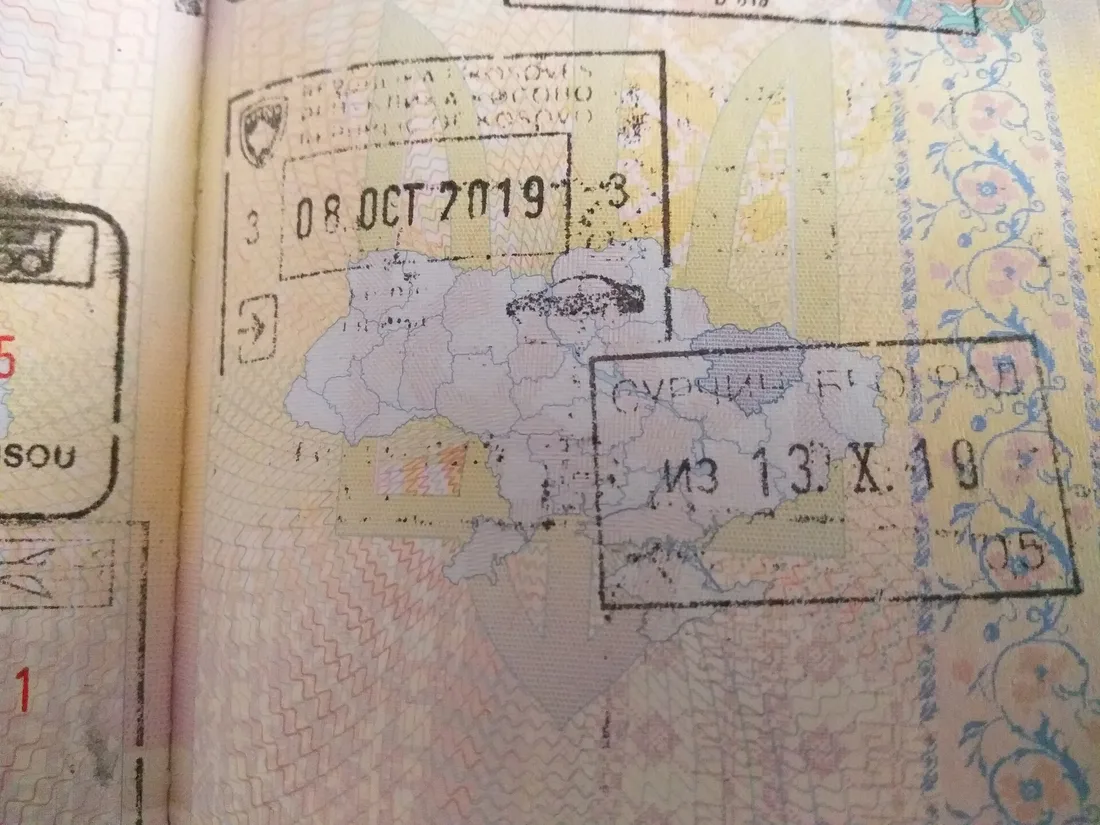
A common worry is whether having a Kosovo stamp at all will cause problems entering Serbia. For the vast majority of travellers it doesn’t, and plenty of people carry both stamps in the same passport without issue. That said, the UK Foreign Office notes “isolated incidents where Serbian authorities have cancelled Kosovo stamps in passports of foreign nationals or denied foreign nationals entry to Serbia if they have Republic of Kosovo stamps in their passports.” Isolated is the key word here, so this is a low-probability annoyance rather than a rule, but it is why some Balkans-hoppers ask Kosovo officers to stamp a loose slip instead of the passport, or simply enter Serbia first and sidestep the question entirely.
Buses, cars and the practical crossing
For most independent travellers the crossing itself is a bus. Regular coaches run between Belgrade or Novi Pazar and Pristina, and, done in the “enter Serbia first” direction, they cross the administrative line without fuss. Coming the other way without a Serbian stamp, the same bus can leave you stuck at the boundary, so the direction you booked matters more than the operator. For how buses and trains fit together across the country, our guide to getting around Serbia sets out the wider network.
If you’re driving, add a layer of care. Standard Serbian rental agreements very often exclude Kosovo entirely, and even where a car is allowed across, ordinary Serbian insurance rarely covers it, so you would typically need separate border insurance bought on the spot. Never take a rental into Kosovo without written permission and confirmed cover; our guide to car rental in Serbia covers the cross-border paperwork in full. Canada’s advice also warns that entry to Kosovo from Serbia “is subject to delays or may be prohibited entirely” and that some posts have closed for short periods, so verify the current situation before you set out rather than trusting a timetable.
The visa side, briefly
None of the above is about visas. Most Western passport holders get 90 days visa-free in Serbia and enter with no paperwork, and Kosovo runs a similarly generous visa policy of its own; the border question here is purely about stamps and the order you do things in, not about needing a visa. Do remember Serbia’s separate registration rule, though: you’re meant to register your accommodation within 24 hours of arrival, which your hotel handles automatically but which bites people in private stays. The full picture is in our guide to Serbia visa and entry requirements, and if you’re weighing up the region generally, is Serbia safe puts the border in proportion: this is a paperwork quirk, not a danger.
The bottom line
Travelling between Serbia and Kosovo is completely doable, and thousands do it every year. Just hold onto the single rule that governs it: enter Serbia legally and get your stamp before you ever try to cross in from Kosovo. If your trip starts in Serbia, go anywhere you like and come back freely. If it starts in Kosovo, loop out through Montenegro or North Macedonia to reach Serbia rather than crossing the line directly; a route through Albania only works if it then passes through one of those two, since Albania itself has no border with Serbia. Because border practice shifts and posts can close, check the official Serbian, UK, US and Canadian advice close to your travel date, and keep that entry stamp somewhere you can prove it. This is a different kind of border from Serbia’s actual EU frontier: for the Croatian crossing and the EES biometric checks that now run there, see our EES border crossing guide.
Photos
Read also

Before you go · 9 min read
Tipping in Serbia: How Much, Cash or Card
Verified · August 9, 2026Tipping in Serbia: about 10% in restaurants, round up cafes and taxis. Cash is standard - card terminals rarely add a tip. What to leave, by situation.

Before you go · 9 min read
Belgrade or Budapest: Which City Break?
Verified · August 8, 2026Belgrade or Budapest: Budapest wins on flights, baths and sights, Belgrade on free transit and price. Populations, tickets and connections compared.

Before you go · 10 min read
Best Hostels in Belgrade: Party and Budget Picks
Verified · August 8, 2026Belgrade hostels from EUR 6.66 a bed: 3 party picks near the bars and 3 quiet, cheaper ones, with real prices, ratings and exact addresses.

Before you go · 9 min read
What to Pack for Serbia (+ Power Plugs)
Verified · August 7, 2026Pack for Serbia: Type F/C 230V plugs, Belgrade vs mountain layers, and the shoes, eSIM and documents that actually matter on the trip.