
Serbia to Croatia Border: EES Rules and Wait Times
Croatia runs full EU EES biometrics at Bajakovo: four fingerprints, a face scan, out of the car on your first entry. What it costs you in time.
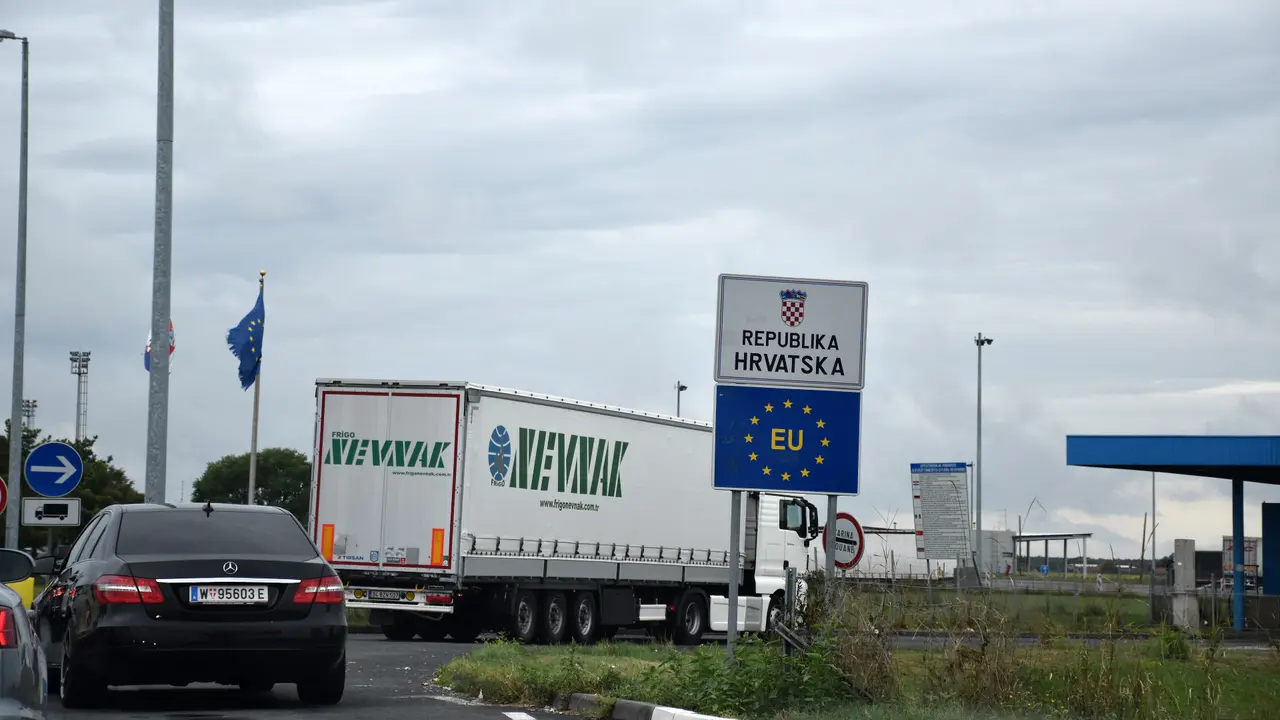
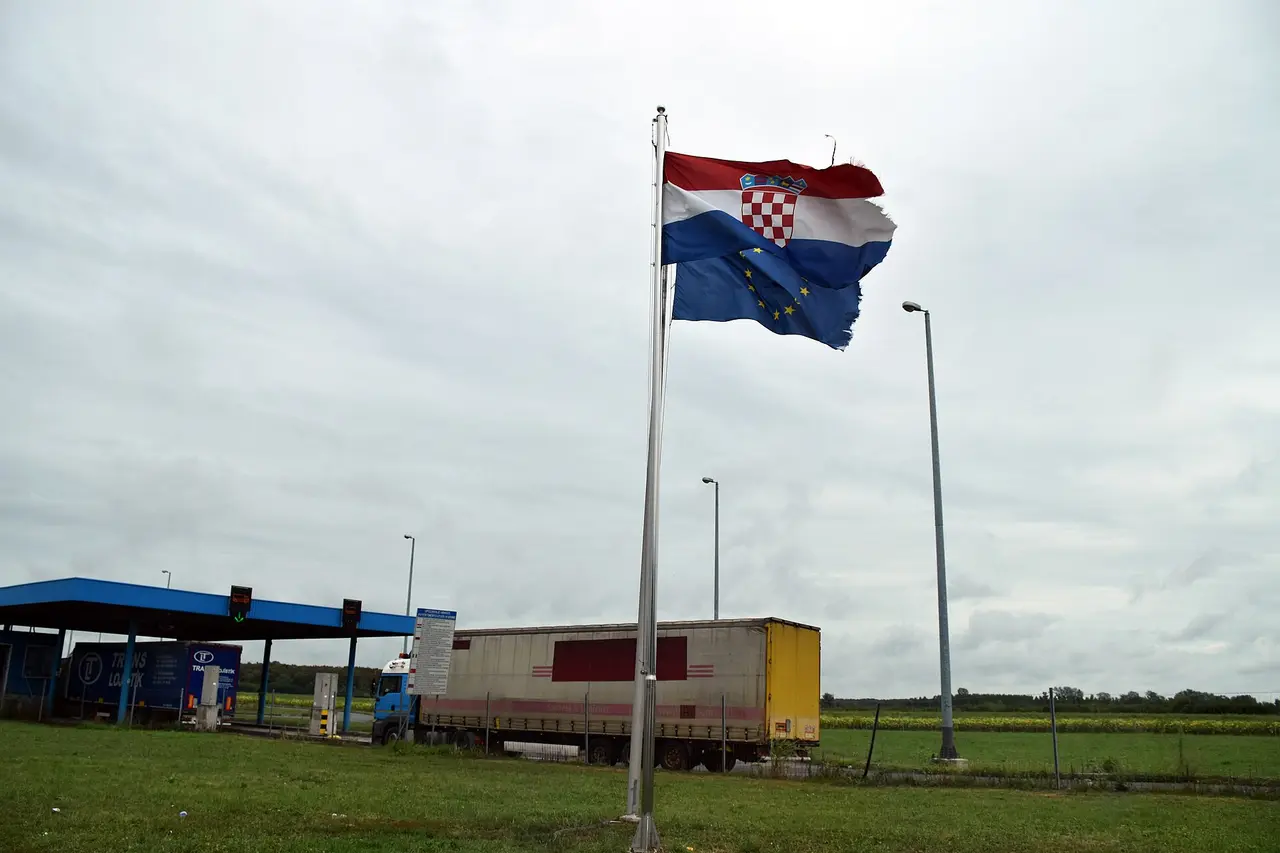
The EU’s Entry/Exit System is live on the Croatian side of this border, and it’s the main thing that has changed about driving out of Serbia since 2024. Croatia has run full EES checks at every international crossing since 10 April 2026: four fingerprints and a facial photo the first time the system meets you, a face match every time after, an electronic exit record on the way back, and no passport stamp on the Croatian side (the Serbian side still stamps as before - keep that stamp, losing it causes its own problems). At Bajakovo, that first registration means getting out of the car for some third-country travellers.
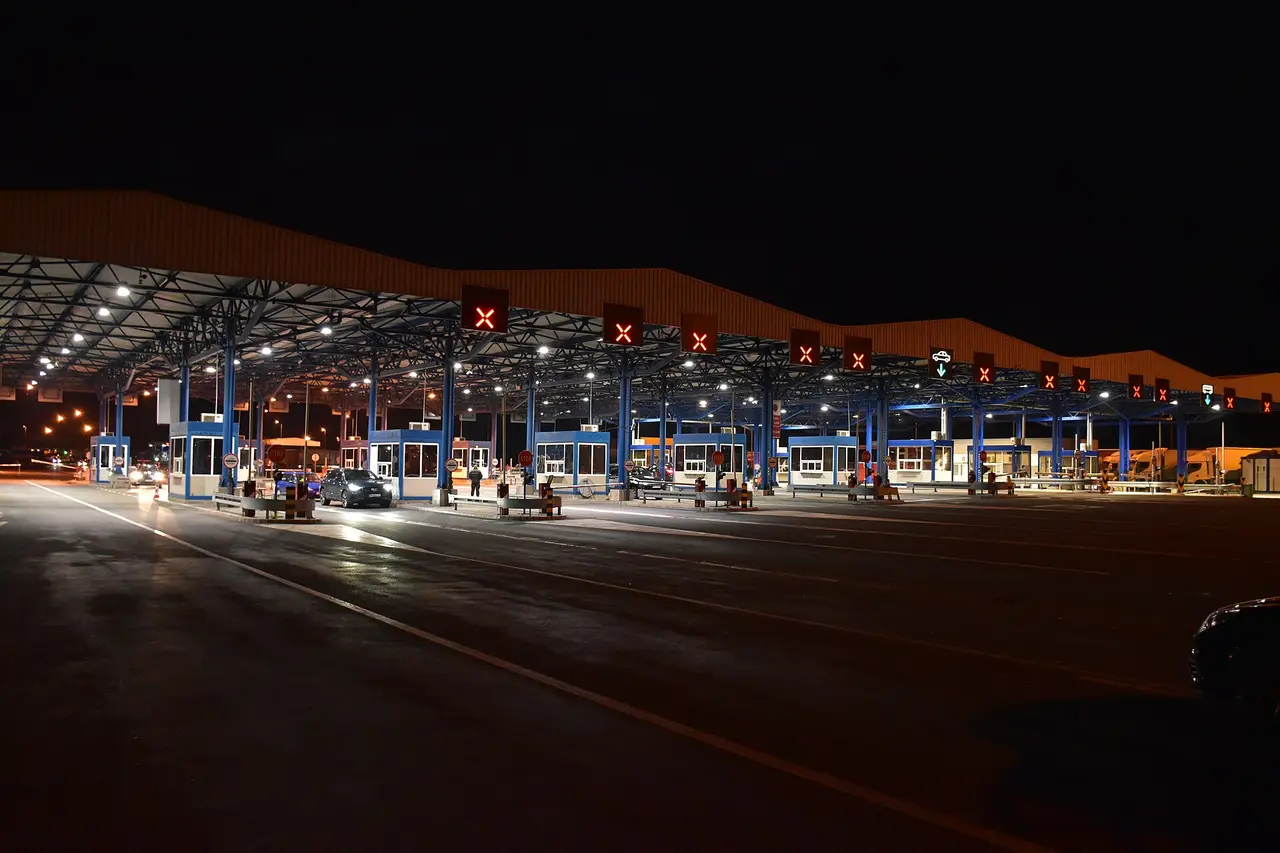
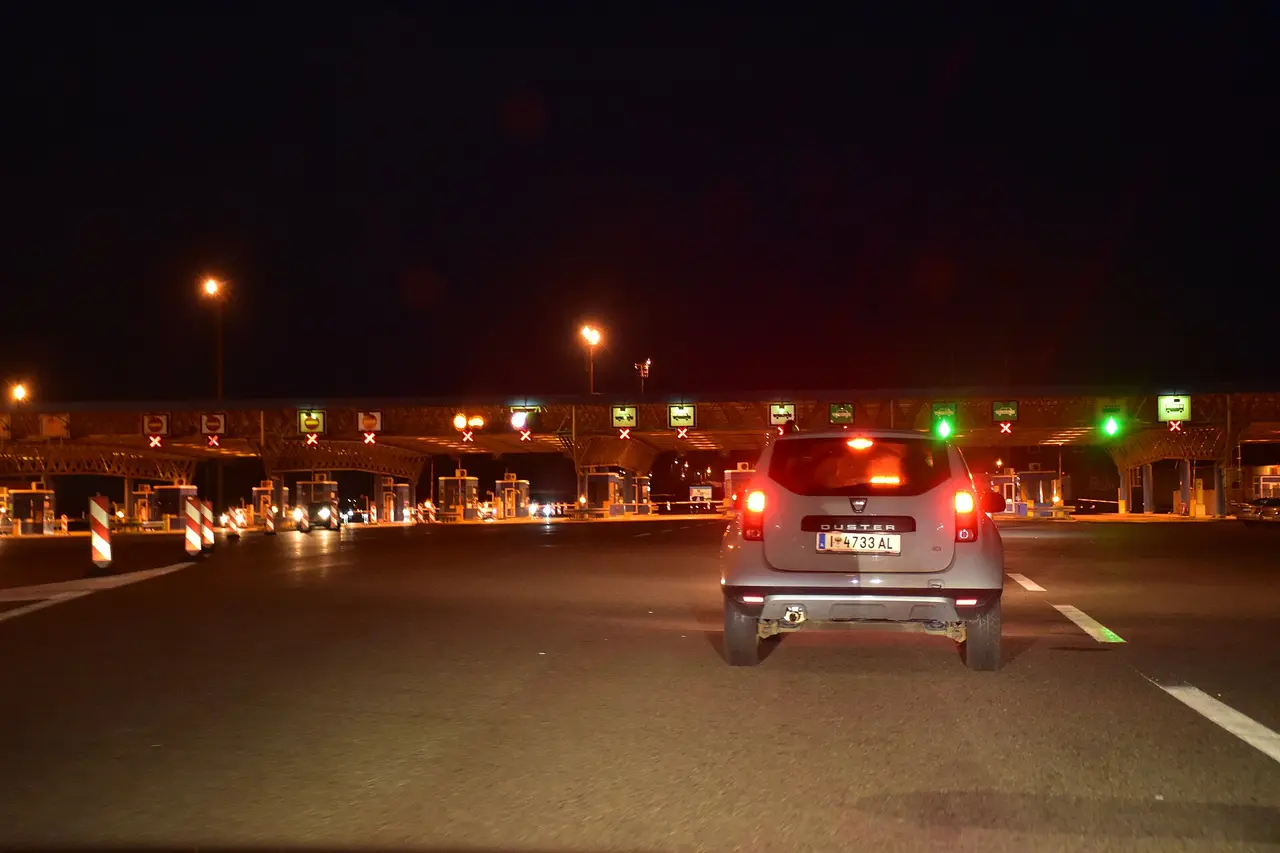
Here’s the picture in high season. On Saturday 1 August 2026, motorists leaving Croatia for Serbia at Bajakovo-Batrovci sat in queues of up to seven kilometres, waiting up to eight hours, in temperatures above 35C, according to Associated Press reporters at the crossing; standstill traffic hit the same crossing the day before, on Friday 31 July, though AP didn’t measure that queue the same way. AP added that it isn’t clear how much of Saturday’s wait was EES and how much was the ordinary 1 August holiday crush. Fair caution, and beside the point for you: the two now arrive together, so you plan around the combination.
Verified 2 August 2026. Border rules and the EES rollout are both moving targets, so trust the sources listed below over this page, and confirm the current position with the European Commission and the Croatian Ministry of the Interior before you travel. Nothing here is legal advice.
The short version
- EES runs here, and Croatia does use short local relief when queues get bad. The interior minister confirmed on 18 July 2026 that Croatia applies the six-hour partial suspension “when the need arises” - officers cite an expected wait over 45 minutes as the trigger. Nobody has published a record of it being used specifically at Bajakovo.
- The first crossing is the expensive one. Four fingerprints from your right hand plus a facial image at the booth; after that you’re just a face match against the file.
- It is free, and children under 12 give a photo but no fingerprints.
- Kiosks are at airports, not land borders. Croatia’s six self-service EES kiosks all sit in terminals. At Bajakovo everything happens at the window.
- One legal safety valve may expire in early September 2026, if it hasn’t already. A country can drop biometrics at a named crossing for up to six hours when queues get absurd; the window runs 90 days from the rollout’s end, with an automatic 60-day extension only if fewer than 80% of that period’s files held biometrics. Nobody has confirmed whether that condition was met.
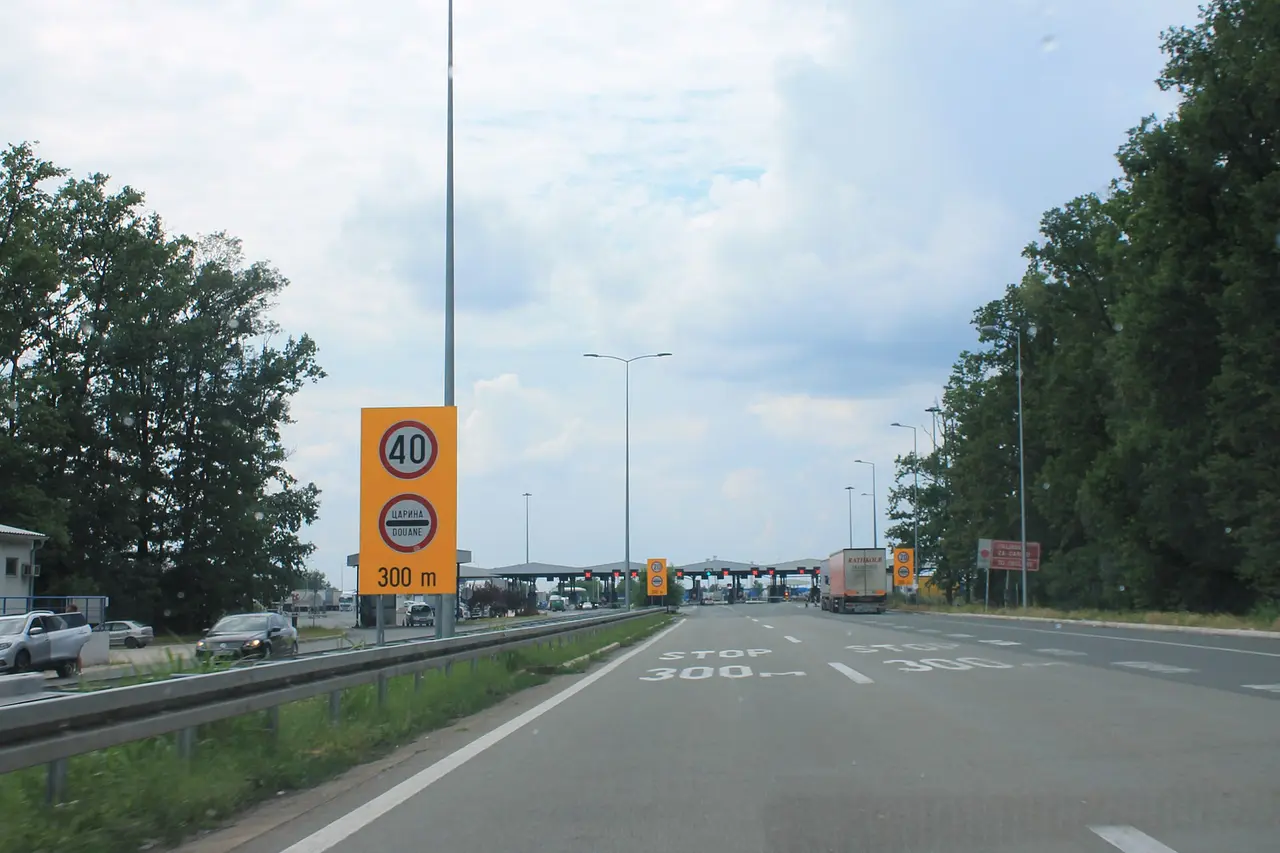
What EES actually does at the booth
EES is a central register of short-stay entries and exits by non-EU nationals across 29 European countries. It replaced the ink stamp: as the regulation puts it, abandoning passport stamping “is to be compensated by a consultation of the EES”. By 27 July 2026 the Commission counted over 145 million entries and exits since launch.
On first registration the officer scans your passport and takes four fingerprints (index, middle, ring and little finger of the right hand, or the left if the right isn’t available) plus a facial image. That becomes your individual file. Later crossings are verified by comparing a live photo of your face with the stored one, which is quick, and leaving Schengen is biometric too.
Your file is kept for three years after your last exit record - or five years if no exit record ever appears after your authorised stay runs out, which puts you on the books as an apparent overstayer. That is the half people forget, and it is the half with teeth: the 90/180 count is now arithmetic done by a computer, not a guard squinting at smudged stamps.
Plenty of travellers aren’t touched by any of this: EU citizens, nationals of Iceland, Liechtenstein, Norway and Switzerland, holders of a long-stay visa or residence permit, non-EU family of EU or EEA citizens with a residence card, and nationals of Andorra, Monaco, San Marino and the Holy See. And EES is not a visa. It doesn’t change who may enter Serbia, which is a separate question answered in our guide to Serbia’s visa and entry requirements.
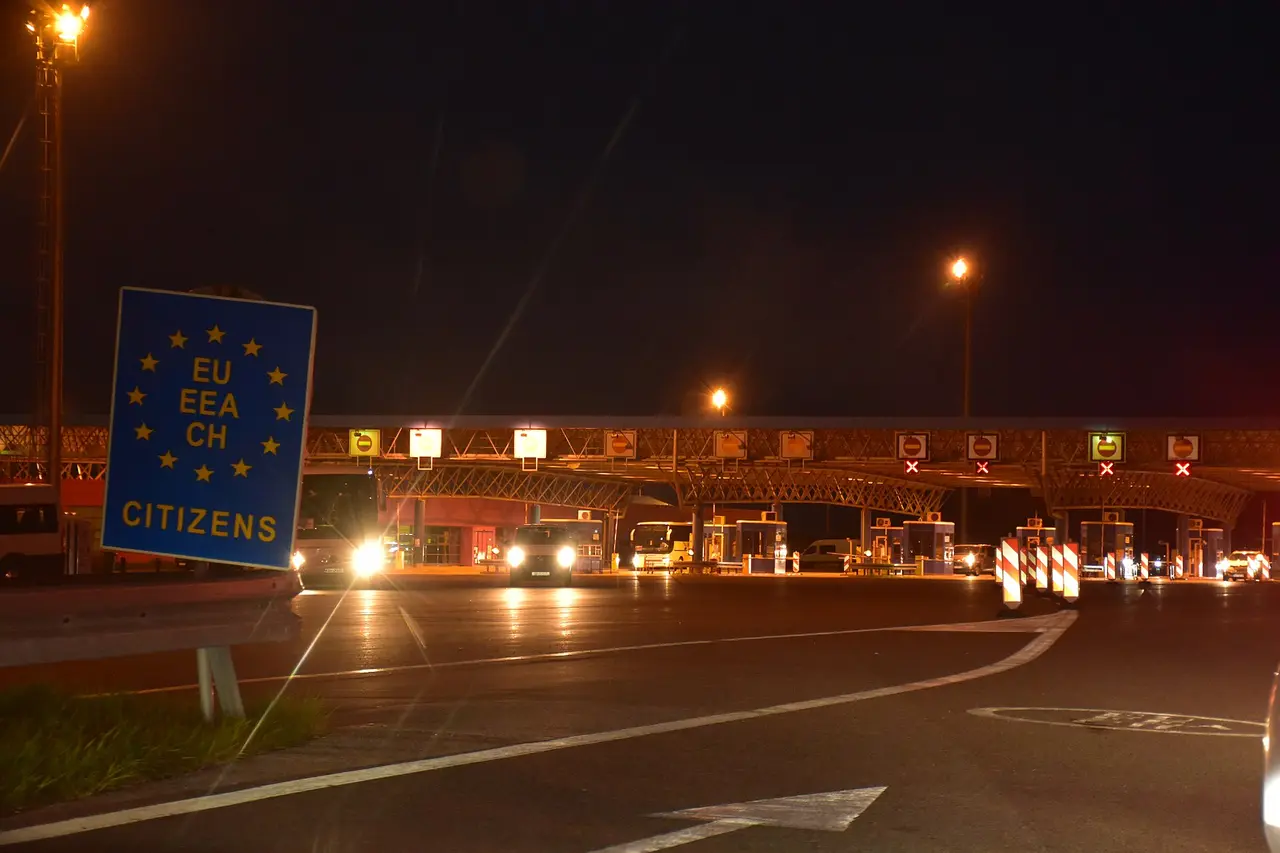
How much time it actually adds
Nobody official has published a per-car figure for a land crossing, and I’d treat any precise “it adds X seconds” claim with suspicion, because those numbers come from automated airport gates rather than a motorway booth in Slavonia. What is on the record is Croatia’s own warning: the interior ministry says road checks will take longer because some third-country travellers have to get out of the vehicle on first registration, and expects waits to ease as more files exist.
That word “first” is doing the work. The cost is front-loaded, so two families in adjacent lanes can have completely different afternoons. The one that flew into Zagreb in June gets a face match. The one whose first EU entry of the year is the Bajakovo window at two o’clock on 1 August gets the full routine: out of the car, four fingers, photo, in the heat, caravan behind them.
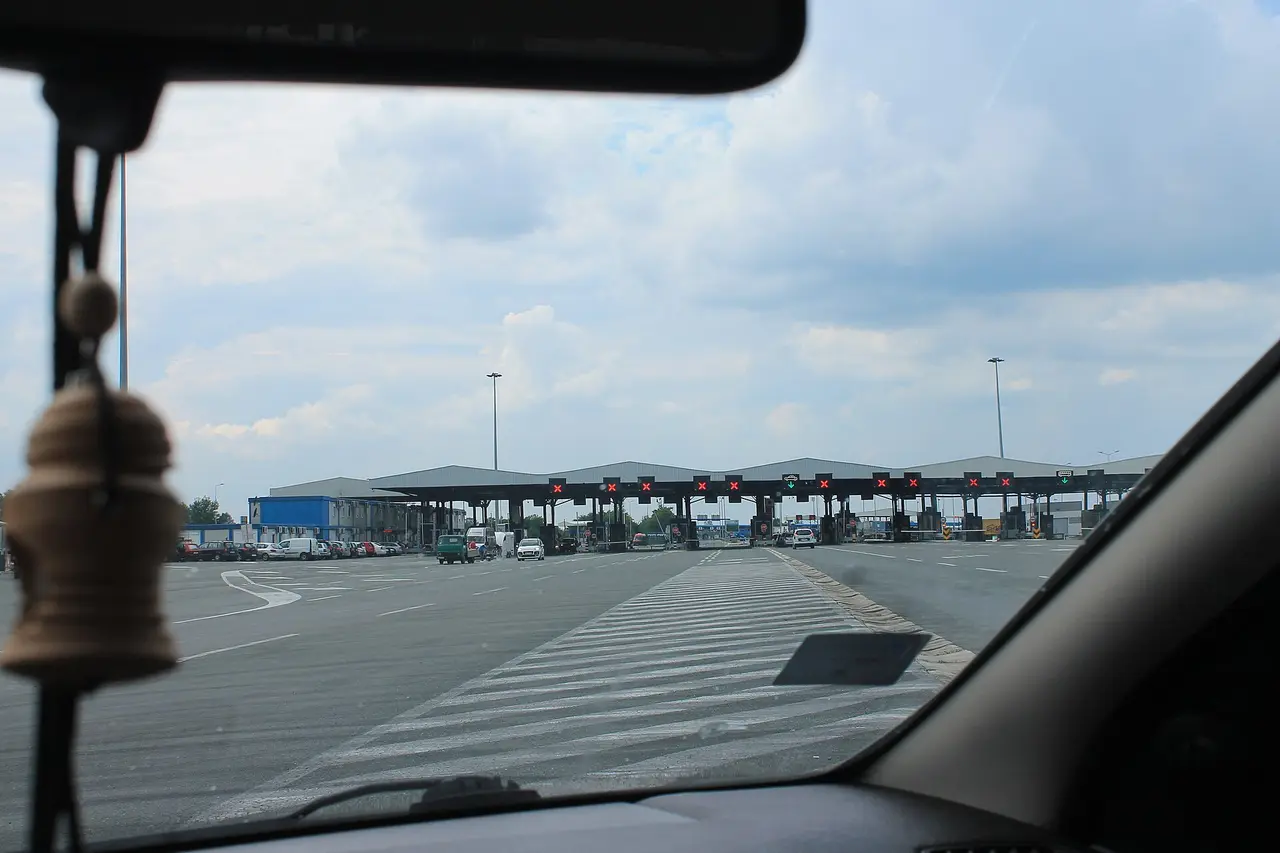
The September deadline hanging over this summer
The mechanism, not the rumour: under Regulation (EU) 2025/1534, Article 7(3), for 90 days after the phased rollout ended a country may partially suspend EES at a named crossing for a maximum of six hours in “exceptional circumstances that lead to traffic of such intensity that the waiting time at a border crossing point becomes excessive”. Article 7(4) adds an automatic 60-day extension, but only if fewer than 80% of the files created during the rollout held biometric data - and nobody has published whether that condition was actually met. If it wasn’t, the window already closed in early July 2026. If it was, ninety days from 10 April plus sixty lands in the first week of September 2026; reporting puts the expiry at 6 September, and nine countries asked to keep the mechanism alive past that date and, as of late July, had not been granted it.
Notice how little “suspension” actually buys you. Partial means biometrics only: you’d still stop, still hand over your passport, still be recorded with a time and a place. It shortens a queue; it doesn’t open the barrier.
Croatia does use this tool - its interior minister confirmed it on 18 July 2026, with border officers naming an expected wait over 45 minutes as the practical trigger - but that’s different from a country-wide pause, and it’s granted crossing by crossing. There’s no public register of individual six-hour activations, because those notifications go to the Commission rather than to the public. I found nothing published showing Bajakovo specifically has ever used the relief, which isn’t the same as saying it never has. Cross in September and compare notes with a friend who came through in July, and expect yours to be the stricter of the two.
Which crossing, and when to arrive
Bajakovo (Croatia) / Batrovci (Serbia) on the A3-E70 motorway is the main artery between the two countries and takes the worst of the traffic, partly by design: since June 2023 Serbia has periodically banned transit lorries from Šid-Tovarnik and pushed them onto this one. The quieter alternatives are Šid-Tovarnik itself, Bogojevo-Erdut and Bačka Palanka-Ilok. None of them lets you skip EES, because the system applies at every Croatian international crossing; they simply have less of a queue in front of you.
They carry their own quirks, which the Croatian Auto Club lists: the Ilok bridge is capped at 24 tonnes, limited to 30 km/h and closed to queueing on the deck, and the Erdut II bridge is shut to anything over 7.5 tonnes to 31 December 2026 under the current order, and orders like this get extended - check before you drive anything heavy after that date. Fine in a hatchback, awkward in a big campervan.
For timing, plan around the pattern AP describes: the corridor peaks on holiday weekends and specifically around 1 August, when European and regional summer traffic converge. You’ll want the live picture on the morning you travel, not the night before. The Croatian Auto Club (hak.hr) publishes border conditions and camera feeds and the Auto-Moto Association of Serbia (amss.org.rs) does the same from the other side, though HAK itself flags that the Bajakovo cameras drop out when the telecoms link misbehaves.
Driving across: what to have in the car
A Serbian hire car can cross into Croatia, but only if you’ve arranged it at booking: you need the company’s written cross-border permission, the vehicle registration document and a valid Green Card, and suppliers typically want several working days’ notice plus a fee. Turning up and asking on the day is how people end up taking the bus. Our guide to renting a car in Serbia goes through the paperwork and the excess traps.
Two smaller things cost people time at the window. Everyone in the car who is a third-country national is registered individually, children included, so nobody stays asleep under a blanket in the back. And carry passports rather than national ID cards - the ID-card shortcut belongs to EU citizens, and it’s the wrong document to produce in the third-country lane.
Two ways to shorten your first registration
Neither of these is well publicised, and both are worth ten minutes of planning.
Register at an airport, not at the barrier. Croatia’s self-service EES kiosks exist at six airports only - Zagreb, Split, Dubrovnik, Pula, Zadar and Rijeka - and there’s no kiosk at any land crossing. At a kiosk you pre-register in your own time: document scan, facial image, four right-hand fingerprints and a short questionnaire, in one of fifteen languages picked automatically from your nationality. You still see a manned booth afterwards, but the slow part is done. Better still, the file is central rather than Croatian - the ministry says plainly that if your file already exists in another member state, no pre-registration is needed. Fly into any EES country before the road leg and Bajakovo becomes a face match.
Ask about the National Facilitation Programme. Croatia runs a voluntary scheme (Nacionalni program olakšica) for frequent third-country crossers who pose no security risk. Once you’re in, later entries skip the booth photograph entirely, because the chip image from your passport is matched against the stored EES one, and the ministry spells out what that means on a motorway: at road crossings you no longer have to get out of the vehicle. You apply during border control or at a police station, showing a genuine need to travel regularly, a clean history of previous visas and stays, and the standard entry conditions. It’s built for commuters rather than a fortnight’s holiday, but if Serbia is your base and the Adriatic is your weekend, it’s worth the conversation at the window.
Before you go: the checklist
Five things, and you’ve covered the realistic failure modes.
- Passports for everyone, infants included, and check nobody’s is about to expire.
- Do the Schengen maths yourself. EES counts your 90 days in any 180 automatically and won’t be argued with. Serbia’s own 90/180 runs on a separate clock, which is what makes the country such a useful base between Schengen stays.
- Assume the first crossing is slow and put it somewhere forgiving. Don’t book an evening flight out of Zagreb on the day you drive up from Belgrade.
- Check waits the morning you leave, on hak.hr or amss.org.rs, and be willing to swap to a smaller crossing.
- Pack for a stationary car in the sun. Water, shade for the back seat, a charged phone. AP measured 35C in that queue, and the aircon only runs while the engine does. Worth remembering that your travel insurance for Serbia has to cover both sides of the barrier, because an EHIC or GHIC does nothing once you’re back over it.
What EES does not change
Serbian entry rules are untouched: the 90 days and the white-card registration work exactly as before. EES has nothing to do with the Serbia-Kosovo boundary, which Serbia treats as an internal administrative line, so the stamp-order rule there stands. Nor does it apply on the Bosnian frontier, which is one reason the drive to Sarajevo still feels like border crossings used to. It does apply going north, though: Horgoš into Hungary is a Schengen external border too, so the same biometrics wait on the Belgrade to Budapest run.
And ETIAS, the pre-travel authorisation people keep confusing with EES, still hasn’t arrived. Its 2026 target was dropped, no new start date has been set, and the EU says it will announce one several months in advance. Until then there’s nothing to apply for and nothing to pay.
For the journey rather than the paperwork, our guide to getting from Belgrade to Zagreb compares the coach, the drive and the flight, and the Zagreb city guide on our Croatia site picks up on the far side of the barrier. Pick your hour with the biometrics in mind, and this is still a four-hour motorway run between two capitals - just not on the first of August.
Photos
On the map
The map loads on click - to keep the page lightweight.
The map didn’t load. Check your connection and refresh the page.
Read also

Before you go · 9 min read
Tipping in Serbia: How Much, Cash or Card
Verified · August 9, 2026Tipping in Serbia: about 10% in restaurants, round up cafes and taxis. Cash is standard - card terminals rarely add a tip. What to leave, by situation.

Before you go · 9 min read
Belgrade or Budapest: Which City Break?
Verified · August 8, 2026Belgrade or Budapest: Budapest wins on flights, baths and sights, Belgrade on free transit and price. Populations, tickets and connections compared.

Before you go · 10 min read
Best Hostels in Belgrade: Party and Budget Picks
Verified · August 8, 2026Belgrade hostels from EUR 6.66 a bed: 3 party picks near the bars and 3 quiet, cheaper ones, with real prices, ratings and exact addresses.

Before you go · 9 min read
What to Pack for Serbia (+ Power Plugs)
Verified · August 7, 2026Pack for Serbia: Type F/C 230V plugs, Belgrade vs mountain layers, and the shoes, eSIM and documents that actually matter on the trip.