
Belgrade to Budapest: Train, Bus & Flights
Belgrade to Budapest in 2026: no direct train yet, so it is the FlixBus (~6h, from EUR 19), a 75-minute flight, or the Soko-plus-Szeged rail workaround.
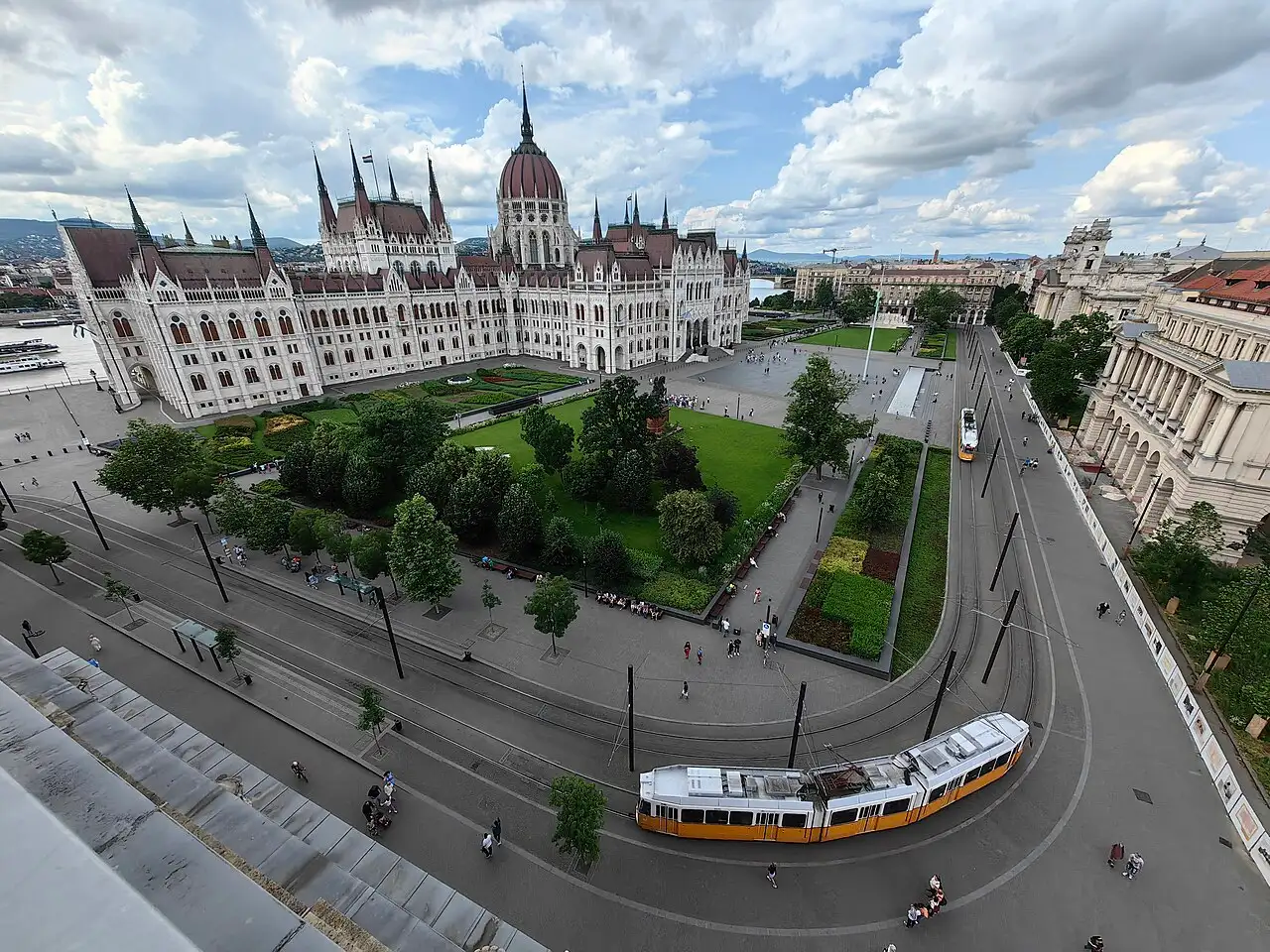
The honest starting point for this trip in 2026 is that you can’t yet ride a single high-speed train from Belgrade to Budapest, however much the headlines suggest otherwise. The direct cross-border express is still not running, so your real choices are a direct FlixBus coach (roughly six hours, from about €19), a short Air Serbia flight (around 75 minutes in the air), or a rail workaround that stitches the fast Serbian Soko train together with a change at Szeged in Hungary. For most people the coach is the sensible pick; the plane wins if you value the day; the train is for railway romantics who don’t mind three connections.
That last point is the one that catches travellers out, so it’s worth nailing down before you book anything. Reports of a slick three-hour bullet train are describing a service that hasn’t opened to passengers yet, and the gap between “the line is finished” and “you can buy a through ticket” is the whole story here. Get that straight and the decision is simple.
The quick verdict
- Best all-round: the direct coach. FlixBus and other operators run Belgrade to Budapest in about six hours from roughly €19-30, with several departures a day and no changes. Cheapest and simplest.
- Fastest and most comfortable: the flight. Air Serbia flies Belgrade (BEG) to Budapest (BUD) in around 1 hour 15 minutes, roughly 12 times a week. Add airport time and it’s a half-day rather than a full one.
- Only for rail enthusiasts: the Soko-plus-Szeged route. Fast train Belgrade to Subotica, a local train across the border, then a Hungarian train to Budapest. It works, but with two changes it runs about seven hours, and the faff of stitching the connections together means hardly anyone picks it over the coach.
If you just want to be in Budapest by evening without fuss, book the coach and stop reading. The detail below is for weighing up the flight, and for understanding exactly why the “direct train” everyone talks about isn’t yet an option.
The Belgrade to Budapest train in 2026: current status
The short version, because it’s the thing most people get wrong: as of late July 2026 there’s still no direct passenger train between Belgrade and Budapest. The line itself has been rebuilt for high-speed running and the track is physically done, freight trains have crossed the border since February 2026, and once passenger services finally open the promised timing is a startling 3 hours 17 minutes for a trip that used to take eight. That is why the headlines keep appearing. But “the line is finished” and “you can buy a through ticket” are two different things, and for now only the first is true - don’t book a “bullet train” you can’t yet board.
What’s holding it up is certification, not concrete. Both railways have to sign off the ETCS signalling and train-control system before a cross-border passenger service can run, and that has slipped again and again: the restart was expected in spring 2026, then pushed to summer, and the sticking point now is a software fault in the ETCS on the Hungarian side, flagged at the 160 km/h running speed. Serbian officials say the opening now depends on Hungary; independent rail commentators put the earliest realistic passenger start in autumn 2026, once the fix is implemented and independently audited. Dates like this have a habit of moving, so treat any blog promising a three-hour bullet train today as out of date, and check the Srbija Voz site for the latest before you plan around the express.
The genuinely useful piece of that project is already live inside Serbia. The Soko (“Falcon”) fast train has run Belgrade Centar - Novi Sad - Subotica since October 2025, with around nine departures a day, and it’s quick and comfortable as far as the northern border town of Subotica. That’s the part you can lean on for the rail option below, and if Novi Sad rather than Hungary is your goal, our Belgrade to Novi Sad guide covers that leg in full.
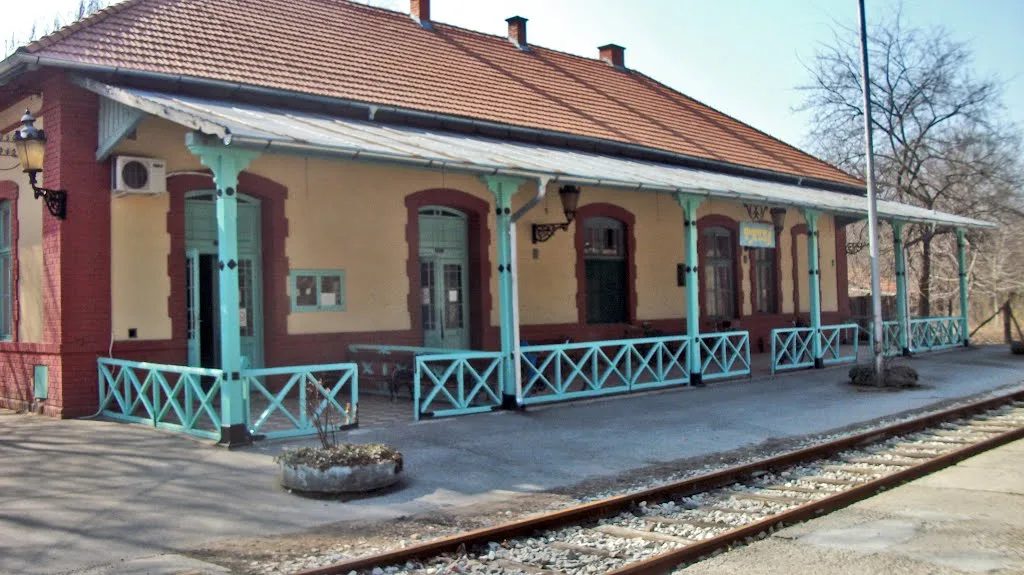
The coach: cheapest, simplest, and what most people take
With the train out of action, the direct bus has quietly become the default, and it’s a good one. FlixBus runs Belgrade to Budapest two to three times a day, with the fastest scheduled at about six hours and fares starting near €19-21 if you book ahead, rising to the €30s closer to departure and at peak times. Other operators cover the route too, so between them you get a decent spread of departure times across the day and into the night.
Coaches leave from Belgrade’s main bus station (BAS), which moved in September 2024 to a new terminal in New Belgrade (Block 42), out across the Sava from the old town, so allow time to reach it and make sure your map points at the new site rather than the demolished old one. At the far end you arrive at Népliget, Budapest’s international coach station, which is on the M3 metro and a short ride from the centre. The modern coaches have Wi-Fi, power sockets and a toilet, which makes a six-hour run painless enough.
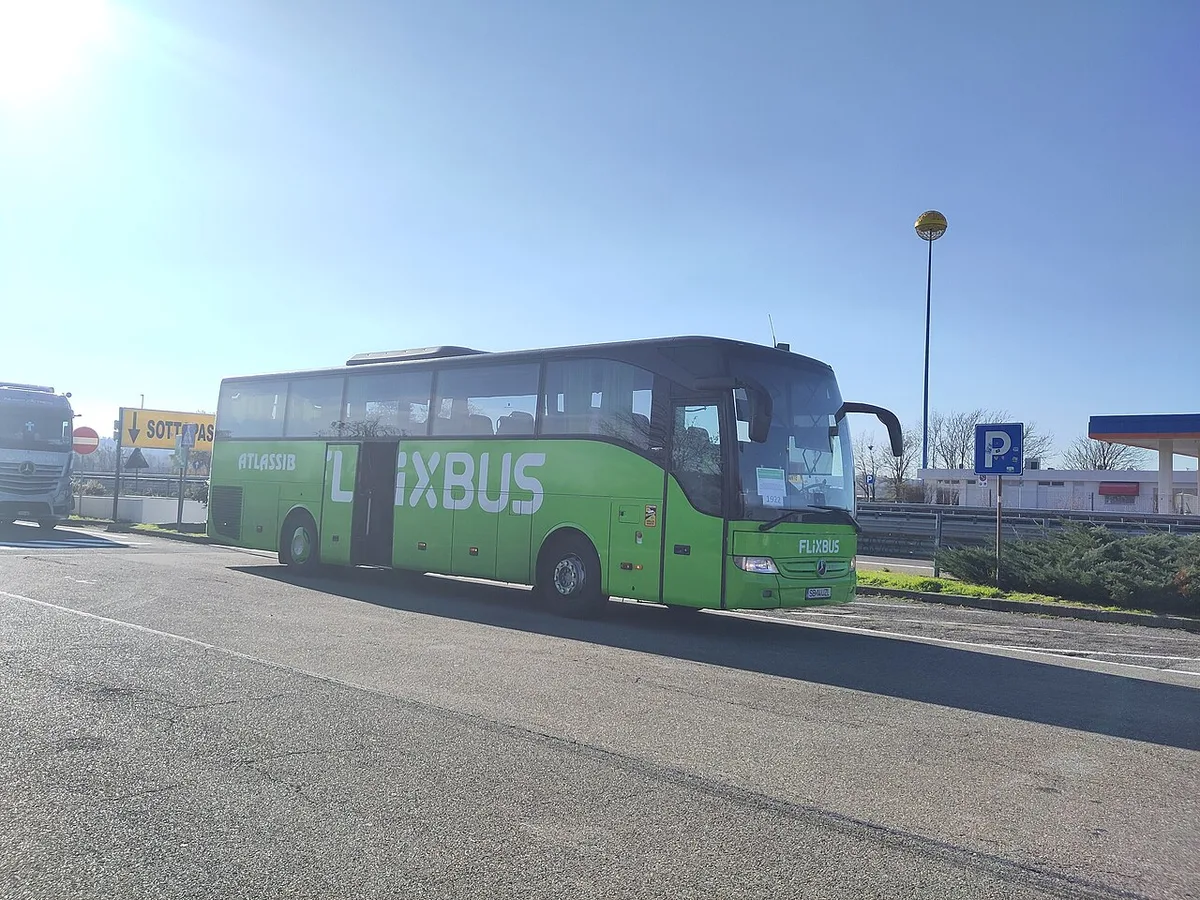
The one variable you can’t schedule is the border. Serbia is outside the Schengen and EU frameworks, so the coach stops at the Horgoš-Röszke crossing for passport and, in summer, sometimes lengthy vehicle checks. On a quiet day it’s twenty minutes; on a busy August weekend it can add well over an hour, which is why the “six-hour” figure is a best case rather than a promise. Keep your passport handy, not buried in the hold, and don’t book a tight onward connection in Budapest around a bus arrival. This is also worth knowing for the wider region as new EU entry rules roll out at Schengen borders - build margin into the crossing rather than planning around the best case.
The flight: fastest, if you value the day
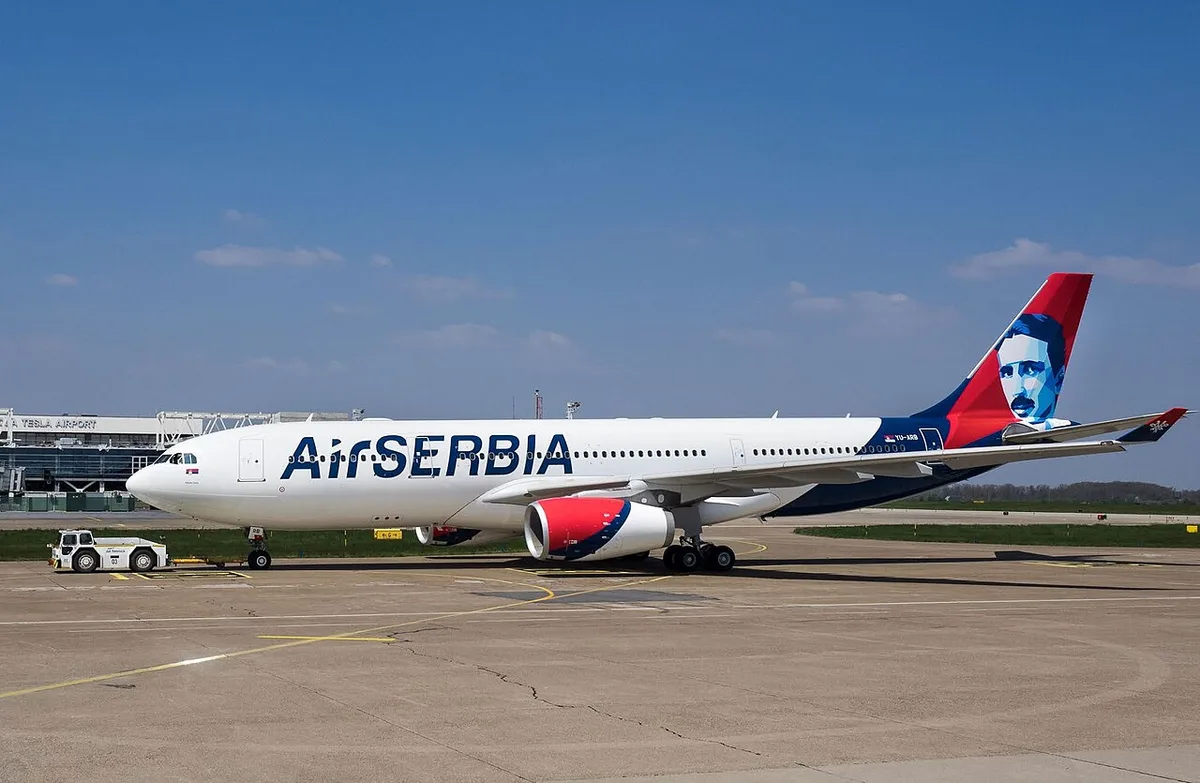
If your time is worth more than the fare, fly. Air Serbia operates Belgrade (BEG) to Budapest (BUD) roughly 12 times a week, and the flight itself is only about 1 hour 15 minutes in the air. Add the usual airport padding either side and it’s still comfortably a morning or an afternoon rather than a whole day burned on the road.
Two honest caveats. First, on a route this short the door-to-door maths is tighter than the flight time suggests: by the time you’ve reached Belgrade’s airport, cleared security, flown, and got from Budapest airport into the city, a booked transfer at each end starts to matter more than the raw 75 minutes. Second, fares swing a lot; a well-timed advance booking can undercut the coach on a bad bus day, but a last-minute seat will cost several times the FlixBus price. For getting to and from Nikola Tesla Airport in Belgrade at the start of the trip, our Belgrade Airport to city centre guide runs through the bus, the fixed-price taxi and the transfer options.
The rail workaround: for enthusiasts only
You can still make the journey by train, just not in one seat, and only if you enjoy the puzzle. The practical chain is Soko from Belgrade Centar to Subotica, then a local cross-border train from Subotica to Szeged in Hungary, then a Hungarian InterCity from Szeged to Budapest. Each leg is fine on its own; the problem is stitching them together.
The Serbian half is genuinely good value: Belgrade to Subotica on the Soko costs roughly €9 in second class or €13 in first (about 1,050 and 1,530 RSD). A through-ticket covering the whole route to Budapest, sold by Hungarian Railways, starts around €26 in second class with limited availability. But once you’ve added the waits between connections, the whole thing runs about seven hours, against six in a single seat on the direct coach. Unless riding the fast Serbian train and crossing the border by rail is the point of your day, it doesn’t make much sense.
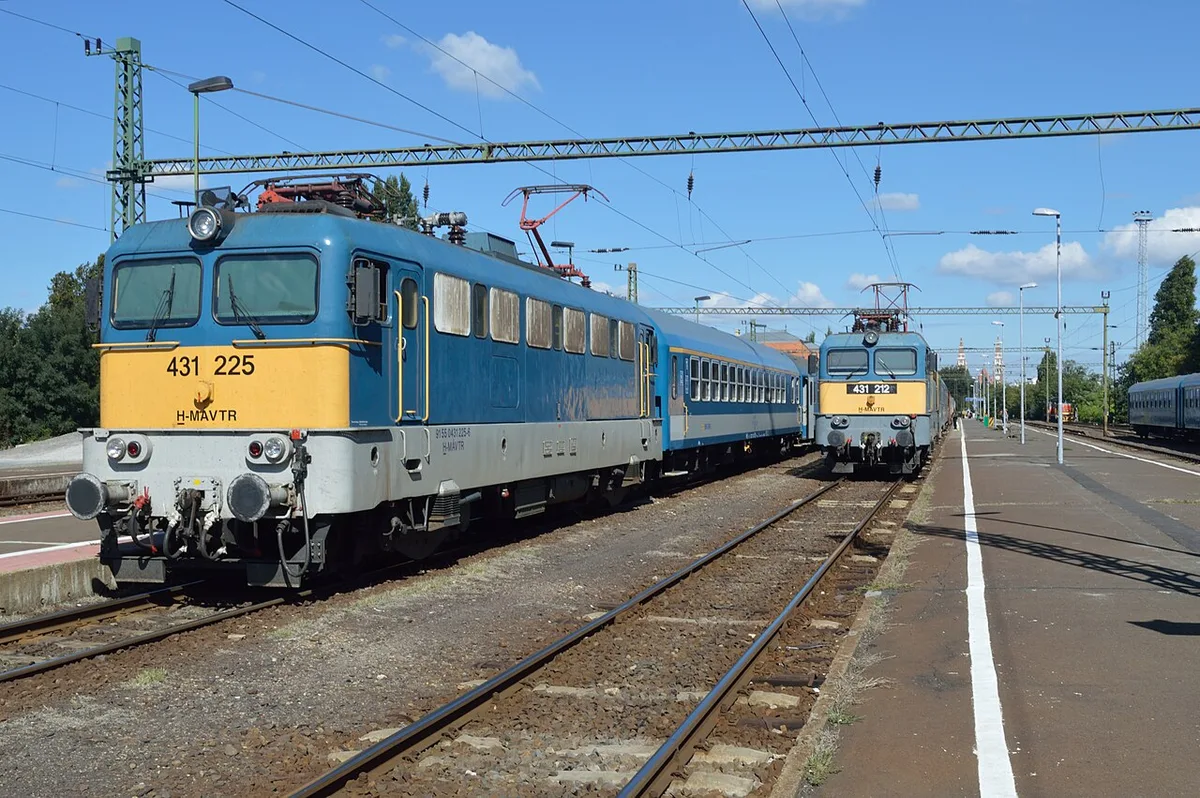
If you do go this way, buy the Subotica-Szeged and onward legs at the station rather than assuming everything books online, leave generous margins between trains, and check the current Soko timetable on the Srbija Voz site the day before, since departures shift. When the direct express finally opens, you’ll find this whole section becomes redundant overnight.
So which should you book?
For nearly everyone, the direct coach is the answer: cheap, frequent, one seat, and only a border queue to worry about. Fly with Air Serbia if a well-priced ticket turns up and you would rather spend the saved hours in Budapest than on the motorway, accepting that a short hop still eats time at both airports. Take the Soko-and-Szeged rail route only if the train itself is the reason you’re travelling. And whichever you choose, don’t build your plan around a direct express that’s not yet carrying passengers, however finished the line looks.
Budapest is one of several easy escapes from the Serbian capital, so if you’re stringing a few cities together, our guide to getting around Serbia covers the trains, buses and when a car earns its keep, and our how to get to Serbia rundown sets out the ways into the country in the first place. Still deciding which city to spend more time in? Our Belgrade or Budapest comparison weighs up the flights, sights and cost of an ordinary city break, and our Belgrade vs Budapest stag comparison does the same for a group weekend, pricing packages, flights and the nightlife scene in each head to head.
Photos
Read also

Transport · 11 min read
Novi Sad to Budapest: Train, Bus & Driving
Verified · September 1, 2026From Novi Sad to Budapest in 2026: FlixBus in 4h45 from EUR 20, drive about 300 km, or Soko train to Subotica then Hungary.

Transport · 10 min read
Belgrade to Istanbul: Bus, Flights & Long Way
Verified · August 26, 2026Belgrade to Istanbul in 2026: coach about 15.5h from €45, flights about 1h45 BEG-IST, no through train. Times, borders and the Sofia relay.

Transport · 11 min read
Belgrade Airport to Novi Sad: Transfer, Bus, Train
Verified · August 23, 2026No direct bus BEG to Novi Sad: a transfer or shared shuttle covers about 90 km in 70 minutes, or take the free airport bus plus the Soko train.

Transport · 12 min read
Belgrade to Kopaonik: Transfers, Bus & Driving
Verified · July 27, 2026Belgrade to Kopaonik is 265-300 km and about 4 hours, 5 in winter. Coach fares, transfer and taxi prices, the two mountain approaches, winter tyre rules.