
Belgrade to Novi Sad Train: 32 Min, RSD 679
Belgrade to Novi Sad by Soko train: 32 minutes, RSD 679 (about 645 online). 9 departures every 2 hours. Bus and driving options, plus the day-trip plan.
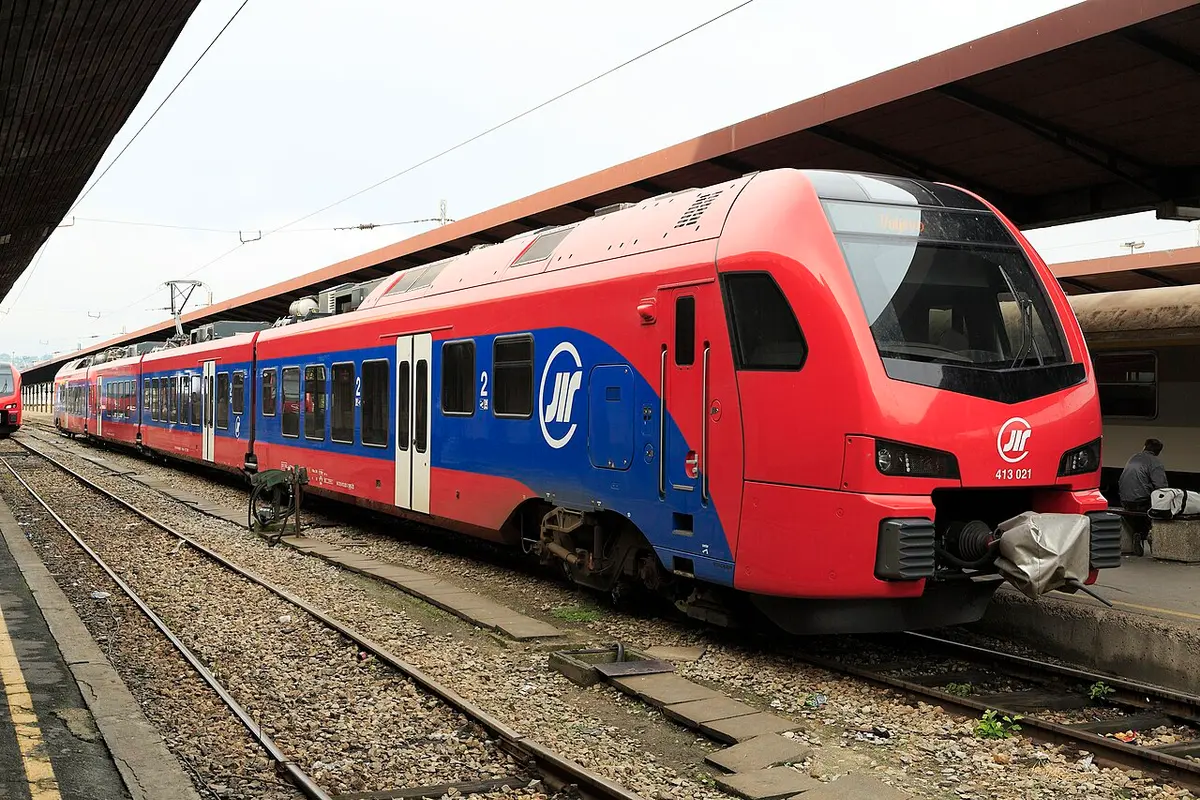
The Soko fast train (IC class) links Belgrade and Novi Sad’s Petrovaradin station in exactly 32 minutes, with 9 departures a day every 2 hours from 06:00 to 22:00. A one-way ticket is RSD 679 at the counter (about 645 RSD, roughly €5.80, booked online with the 5% web discount); on the Soko the mandatory seat reservation is already inside that price rather than added at the till. If you don’t need the speed, the slower Regio trains on the same line cost less - the operator advertises this route from 549 RSD - but take noticeably longer and stop more often. That beats the bus, which runs very frequently and costs a little less but takes about an hour and twenty minutes, and it beats driving, which covers the same 80 km motorway route in around an hour and a quarter once you add parking. A car is really only worth hiring if you’re pairing Novi Sad with the Fruška Gora wine country or arriving straight from the airport.
The short answer
| Mode | Time | Price | Best for |
|---|---|---|---|
| Train (Soko, IC) | 32 min | RSD 679 (~645 online) one-way | Speed - fastest link between the two cities |
| Train (Re / IR / REx) | Longer, more stops | RSD 522-607 one-way | Budget travel when you’re not in a hurry |
| Bus | ~1h20 | Slightly less than the Soko fare | Departure times that suit your day |
| Car (hire) | ~1h15, A1 motorway | Hire cost + fuel + toll + parking | Fruška Gora, Sremski Karlovci or an airport pickup |
The Soko fast train: the one to take
Novi Sad sits on the rebuilt high-speed line north out of Belgrade, and that single fact is why the train beats everything else here. The Soko (“Falcon”) service, run by Srbija Voz with modern Stadler KISS high-speed trains, covers the route at up to 200 km/h. According to the current official timetable, the IC-class Soko departs Beograd Centar on the hour, every two hours, from 06:00 through 22:00, and reaches Petrovaradin 32 minutes later on every single one of those nine departures - it’s a smooth, air-conditioned ride with proper seats, and after the crawl that Serbian trains manage almost everywhere else, it comes as a pleasant surprise.
Not every train on this line is the fast one, and that’s worth knowing before you book. Between the nine Soko departures, slower Re (Regio) and IR/REx (Interregio) services fill the gaps, calling at more stations - New Belgrade, Inđija and others - and taking noticeably longer to make the same run. If a specific time doesn’t have a Soko departure, check the train type before you buy: the timetable marks it clearly, and seat reservation is compulsory on the Soko but not on the slower services.
Fares are low by any European measure and follow a simple, fixed structure rather than dynamic pricing. A Soko ticket is 679 RSD at the station counter, with the mandatory seat reservation already inside that figure rather than bolted on; booking online through the Srbija Voz site or app knocks it down to roughly 645 RSD with the standard 5% web discount. If you’re not in a hurry, the slower Regio service on the same corridor starts at 549 RSD, the floor the operator itself advertises for this route - real savings if a slower ride doesn’t bother you. Fares here rose on 15 July 2026, so anything you read quoting the old set is out of date. The site is mostly in Serbian, but a browser translation handles it fine, and on busy weekends and holidays a booked seat is a good idea rather than turning up and hoping.
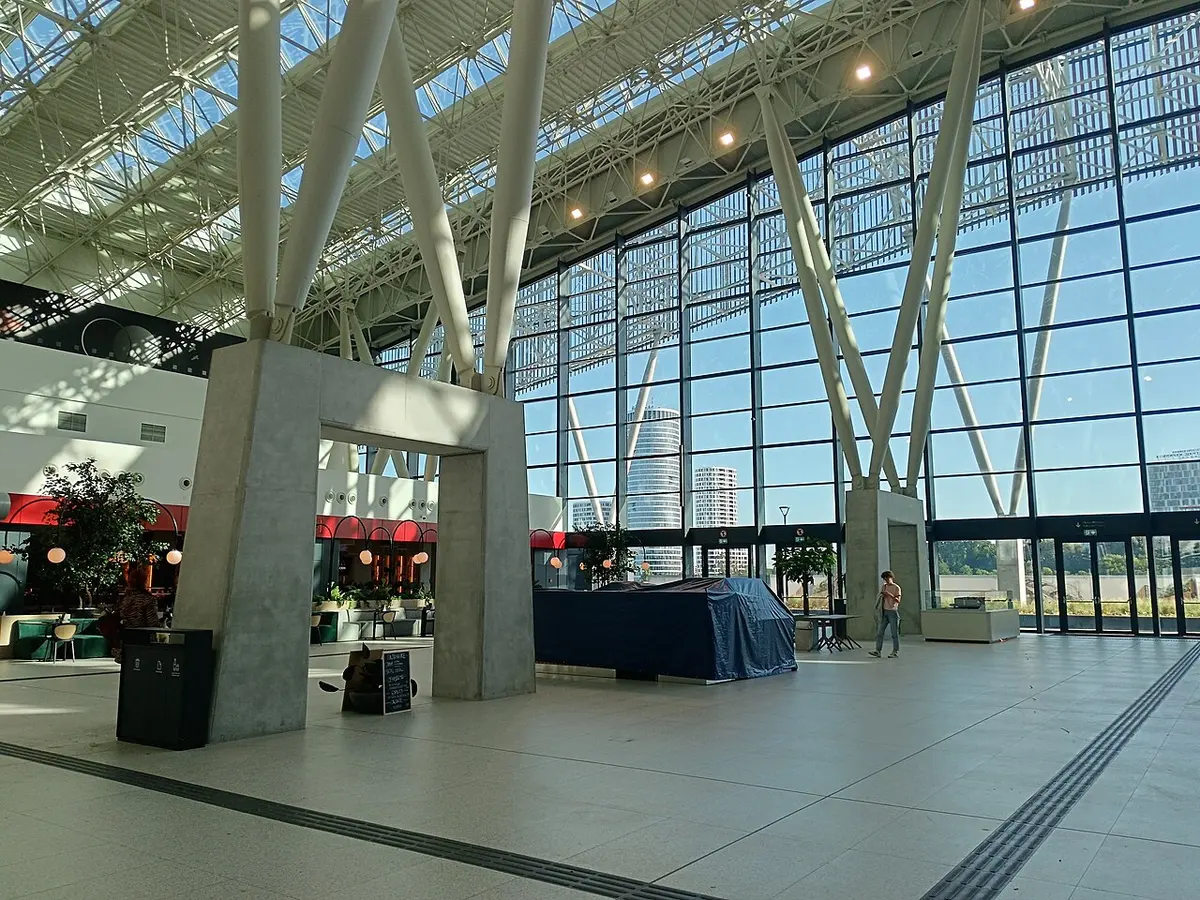
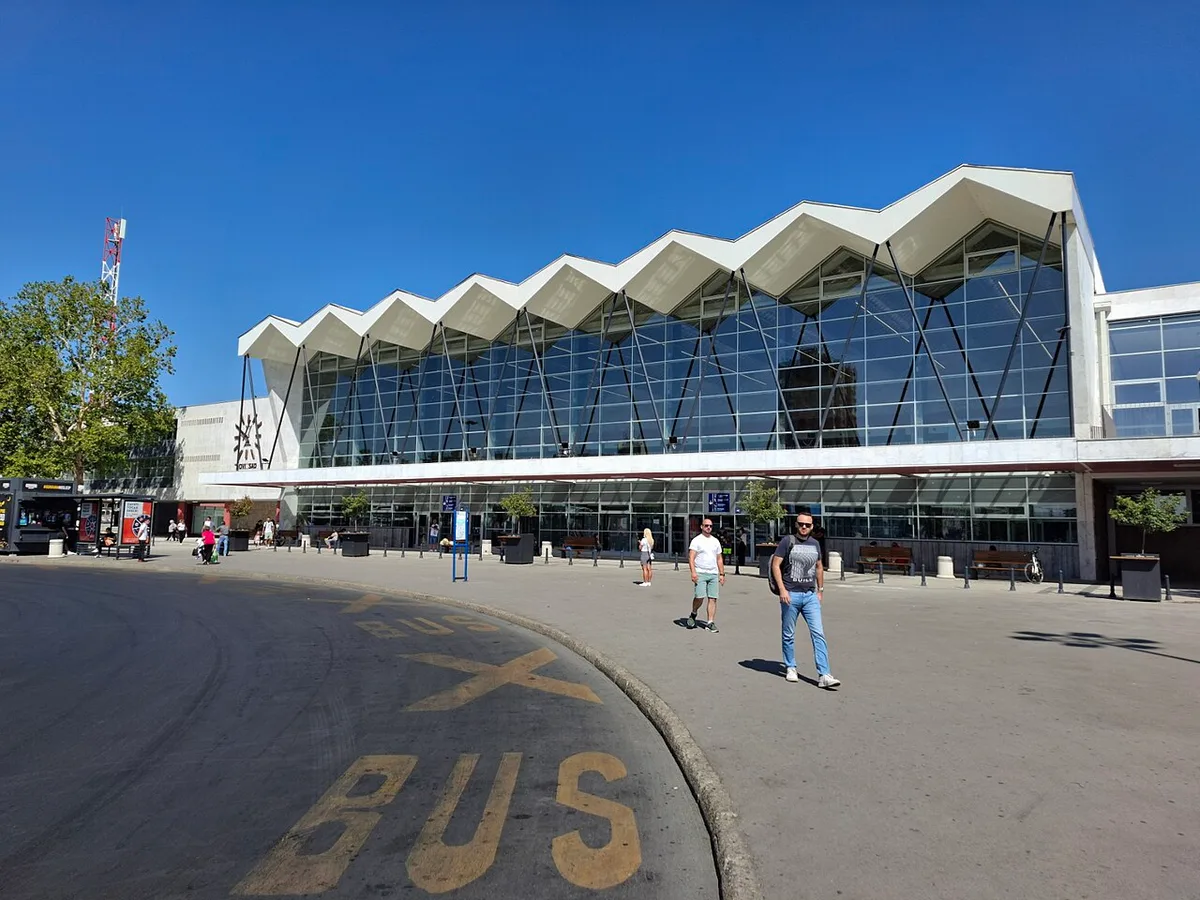
The one thing that trips first-timers up is the station at each end. Trains leave from Beograd Centar, the modern hub most people still call Prokop, a little south of the old centre. This isn’t the grand riverside station you may have seen in photos; that old Belgrade main station closed in 2018 and no longer runs trains. Prokop is a working transport interchange rather than a beauty spot, so allow a few minutes to find your platform, and note that some services also call at Novi Beograd if that’s closer to where you’re staying. In Novi Sad, the official 2025/26 timetable routes trains from Belgrade through Petrovaradin station, across the river from the old town, because the central railway station is closed to passenger traffic until further notice. A free shuttle links Petrovaradin station with the city centre, and regular buses and taxis are alternatives; Srbijavoz puts that shuttle at roughly 10 to 15 minutes in normal conditions, so budget the 32-minute train ride plus that short hop rather than a single door-to-door figure. If you’re staying the night rather than day-tripping, our guide to where to stay in Novi Sad covers which area to book.
The bus: cheaper and more frequent, but out of the centre
The bus is the fallback that many people default to, and it is a perfectly good one. Coaches run very frequently across the day, with a range of operators covering the route, and the fare undercuts the Soko fare a little, so if departure times suit you better it costs almost nothing to choose the bus instead. Reckon on about an hour and twenty minutes for the journey.
Two things keep it in second place. First, it’s slower than the fast train, because the bus isn’t on the high-speed line and has to grind out of Belgrade’s traffic before it reaches open road. Second, and more importantly for your morning, is where it leaves from. Belgrade’s main bus station (BAS) moved in September 2024 from its old riverside site to a new terminal in New Belgrade (Block 42), out across the Sava from the centre. It is modern and well run, but it’s no longer a short walk from the old town, so factor in the time and the short hop to reach it, and make sure your map is pointing you at the new location and not the demolished old one, which still lingers on out-of-date blogs. At the Novi Sad end, the bus reaches the city bus station; unlike the train’s current Petrovaradin stop, it doesn’t require crossing the Danube to reach central Novi Sad.
Driving: only for a wider loop
The drive is straightforward, at about 80 km and an hour and a quarter up the A1 motorway. But inside a plain Belgrade-to-Novi-Sad trip a car is mostly downside: you pay for it to sit parked while you walk a compact old town, and central Novi Sad has paid, zoned parking to deal with on arrival. Against a train that covers the same ground in 32 minutes, that’s effort for no reward.
Where a car does pay off is when Novi Sad is one stop on a bigger day. If you want to fold in the monasteries and wineries of Fruška Gora, the riverside village of Sremski Karlovci, or the beaches along the Danube, having your own wheels turns a string of awkward connections into an easy afternoon. It’s also the natural choice if you’re collecting the car at Belgrade Airport (BEG) and heading straight north without going into the capital at all - if you’d rather skip the car altogether, our guide to Belgrade Airport to Novi Sad covers the direct transfer and a free-bus-and-train route that avoids central Belgrade too.
Serbia has one quirk that works in your favour on the motorway: there’s no vignette to buy. Instead you take a ticket on entry and pay the toll at a booth as you leave, so the Belgrade-Novi Sad stretch is a simple pay-as-you-go section with nothing to sort out in advance. The full detail on licences, the international permit, deposits, tolls without a vignette and Belgrade’s parking zones lives in our dedicated guide to car rental in Serbia, which is worth a read before you pick up keys.
Making it a day trip
Catch a mid-morning Soko, cross to the old town by the Petrovaradin shuttle, and you’ve got the whole afternoon free before an early-evening train back to Belgrade for dinner. No car, no parking, no timetable stress, and you still get a full day out of it.
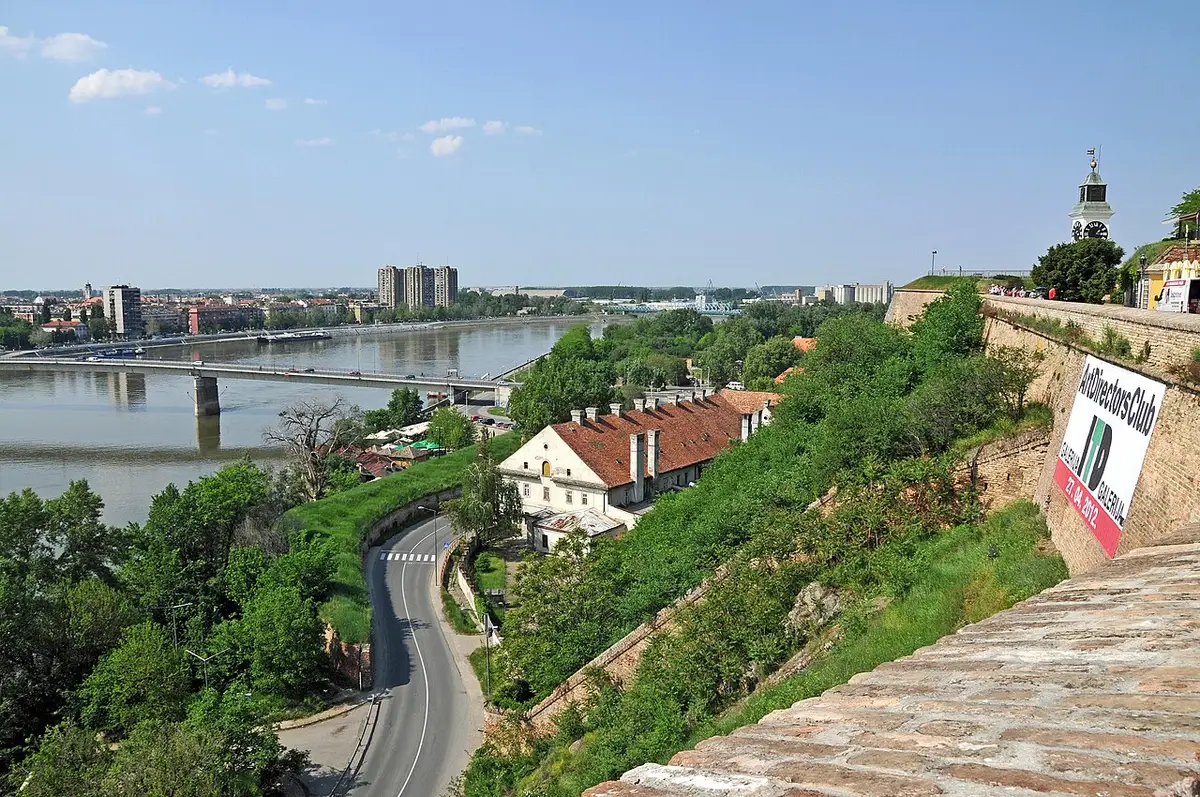
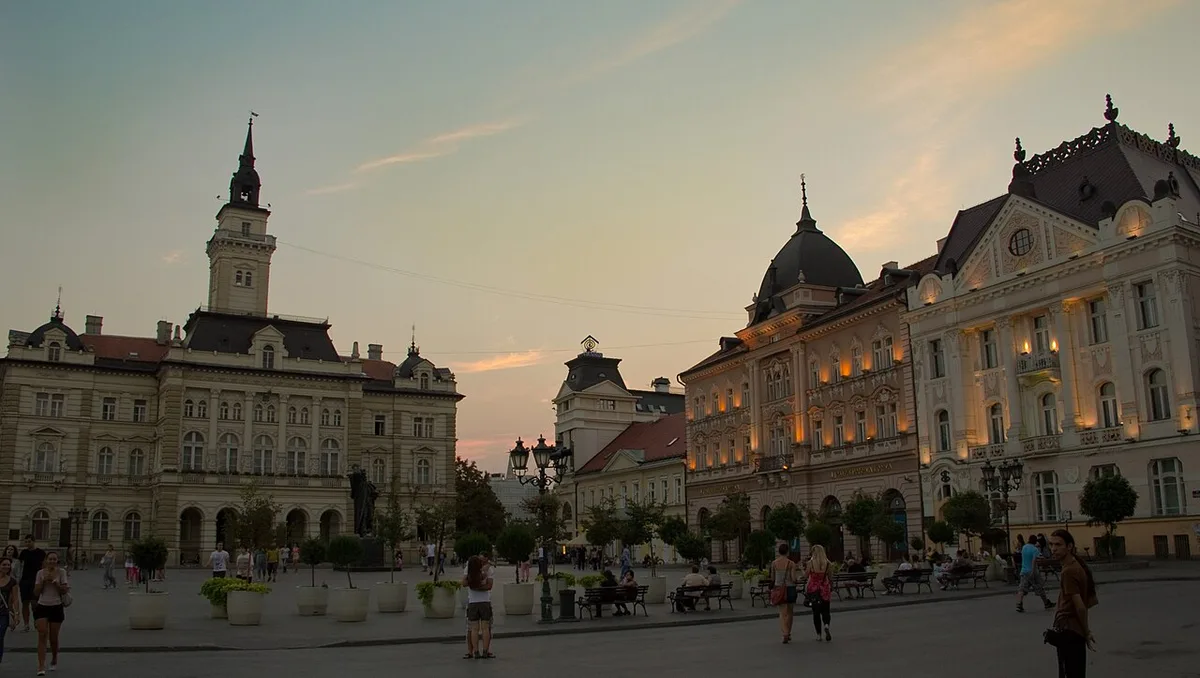
Plan it as two halves. Spend the first around Freedom Square and the pedestrian streets of the old town, then cross the river to Petrovaradin Fortress, the huge star-fort whose ramparts, tunnels and famous reverse-faced clock look back over the water. Both are walkable, and for 25 summers, until 2025, the fortress hosted the EXIT festival; from 2026 EXIT moved to a global touring format and no longer takes place here. Our full Novi Sad travel guide breaks down what to see, where to eat and how long to give it, so you can shape the day to your own pace.
So which should you book?
For nearly everyone, the fast train is the answer: quickest, comfortable, reasonably priced and stress-free, and it leaves you a short ride from everything worth seeing. Take the bus if its departure times fit your day better or you want to shave a few dinars off the fare, and accept the trek out to the New Belgrade station as the price of that. Rent a car only when Novi Sad is part of a wider swing through Fruška Gora and the river villages, or when you’re driving in from the airport. Whatever you pick, this is the gentlest introduction Serbia offers to travelling between its cities, and if you plan to range further afield our guide to getting around Serbia sets out where the train stops earning its keep and the bus or a hire car take over.
Photos
Read also

Transport · 11 min read
Novi Sad to Budapest: Train, Bus & Driving
Verified · September 1, 2026From Novi Sad to Budapest in 2026: FlixBus in 4h45 from EUR 20, drive about 300 km, or Soko train to Subotica then Hungary.

Transport · 10 min read
Belgrade to Istanbul: Bus, Flights & Long Way
Verified · August 26, 2026Belgrade to Istanbul in 2026: coach about 15.5h from €45, flights about 1h45 BEG-IST, no through train. Times, borders and the Sofia relay.

Transport · 11 min read
Belgrade Airport to Novi Sad: Transfer, Bus, Train
Verified · August 23, 2026No direct bus BEG to Novi Sad: a transfer or shared shuttle covers about 90 km in 70 minutes, or take the free airport bus plus the Soko train.

Transport · 12 min read
Belgrade to Kopaonik: Transfers, Bus & Driving
Verified · July 27, 2026Belgrade to Kopaonik is 265-300 km and about 4 hours, 5 in winter. Coach fares, transfer and taxi prices, the two mountain approaches, winter tyre rules.