
Car Rental in Serbia: Tips & Where to Book
How to rent a car in Serbia: where to book, licence and IDP rules, deposits, tolls without a vignette, Belgrade parking zones, fuel and crossing borders.
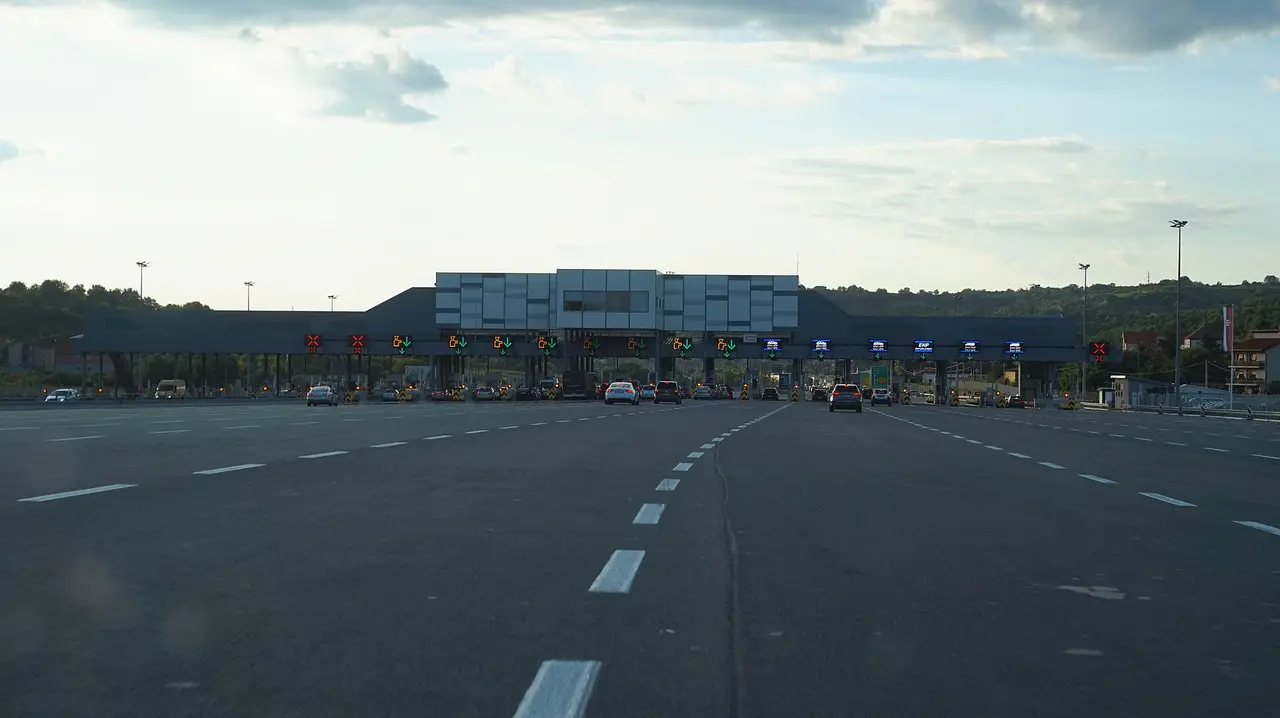
Renting a car is the best way to see Serbia beyond Belgrade, and the practical news is good: it’s straightforward, relatively cheap by European standards, and the roads are fine. In short: book at Belgrade’s Nikola Tesla Airport (BEG) where the choice is widest, bring your licence, passport and a credit card for the deposit, remember that Serbia has no motorway vignette (you pay tolls at booths as you go), and check the rules if you plan to drive it across a border. Get those basics right and the rest is easy driving.
A word before the details, because some of this is the kind of thing that changes and that can cost you money if you get it wrong. Rental terms, insurance excess, age rules and cross-border policies vary a lot between suppliers, and official requirements can shift - so treat everything below as a well-researched starting point, not gospel, and confirm the specifics with your rental company and the official sources before you travel. Nothing here is legal or insurance advice.
Where to book and pick up a car
The busiest and cheapest place to rent is Belgrade Nikola Tesla Airport (BEG), where all the big international names sit alongside strong local agencies, so competition keeps prices down and choice up. There are also city-centre pick-up desks if you’d rather not start driving straight off a flight. Outside the capital, supply is thinner: Niš and Novi Sad have some local agencies, but for the widest range and best rates, Belgrade is the place.
A few booking tips that save money and hassle. Book ahead in summer, when demand (and price) climbs; compare an aggregator against the local Serbian agencies, which are often cheaper than the global brands for the same car; and read what the quoted price actually includes - the headline rate rarely tells the whole story once insurance excess and extras are in. Most Serbian rentals are manual (stick-shift), so if you can only drive an automatic, filter for one specifically and expect to pay more.
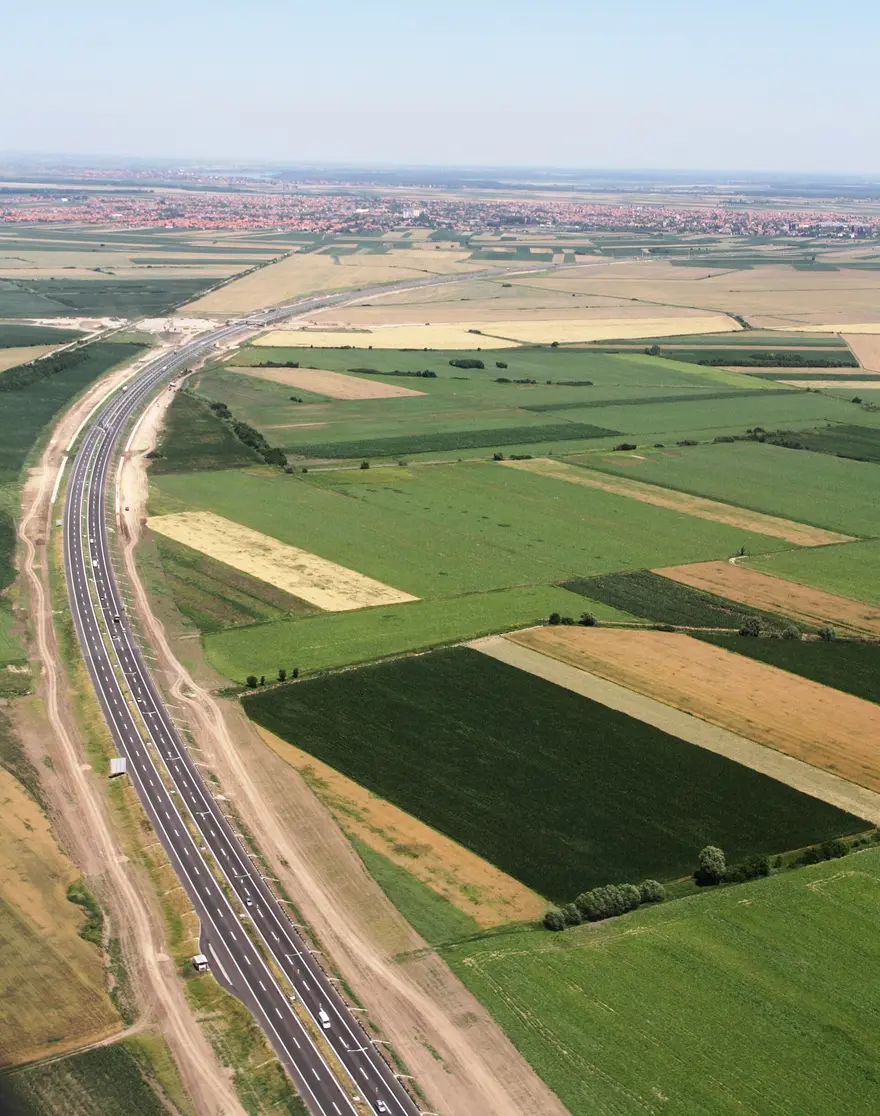
If you’re planning a proper loop of the country, our 7-day Serbia itinerary is built around a rental picked up and dropped in Belgrade - a good template for how much ground a car opens up.
Documents: licence, IDP and deposit
Here’s where a little homework pays off. To hire a car in Serbia you’ll generally need a valid driving licence, your passport, and a credit card in the main driver’s name for the security deposit. Most agencies want the licence to have been held for at least a year or two, and there’s usually a minimum age of 21 (sometimes 23), with a young-driver surcharge for under-25s - but the exact thresholds are supplier-specific, so check.
The point that trips people up is the International Driving Permit (IDP). The rule of thumb:
- If your licence is printed in a non-Roman alphabet - Cyrillic, Arabic, Japanese and so on - you are required to carry an IDP alongside the original licence. This matters for a lot of visitors, and the IDP has to be issued in your home country before you travel - you cannot get one on arrival in Serbia.
- If your licence is in the Roman alphabet (most EU, UK, US, Australian and similar licences), an IDP is usually not legally required, but some Belgrade agencies ask for one anyway as a precaution, and it does no harm. If you already have one, bring it; if you’re from a country whose licence isn’t in Roman script, sort it out at home.
On money: the deposit is a hold placed (blocked, not charged) on your credit card, and its size depends on the car class. Standard cover (collision damage and theft) is normally bundled but comes with an excess - the amount you’re liable for if something happens - which you can buy down with an excess-reduction or “full protection” add-on. Read the excess figure before you sign; it’s the number that actually matters if you scrape a wheel.
Tolls: there is no vignette in Serbia
The one rule that saves you real money sets the country apart from many neighbours: Serbia does not use a vignette (motorway sticker). You don’t buy a pass in advance. Instead, motorway tolls are distance-based and paid at physical toll plazas (naplatne stanice) as you drive - you take a ticket entering the motorway and pay when you exit, according to how far you’ve gone.
You can pay at the manned booths with cash (Serbian dinars, and euros are widely accepted near the borders), a card, or an electronic ENP/ETC tag. The tag (a small on-board device) lets you glide through the dedicated “ENP”-marked lanes without stopping and carries a discount of around 10% on tolls - but most rental cars don’t come with one, and for a normal trip paying cash or card at the booth is perfectly fine. Carry some dinars just in case: interior plazas may not take euros, and a card reader can be down.
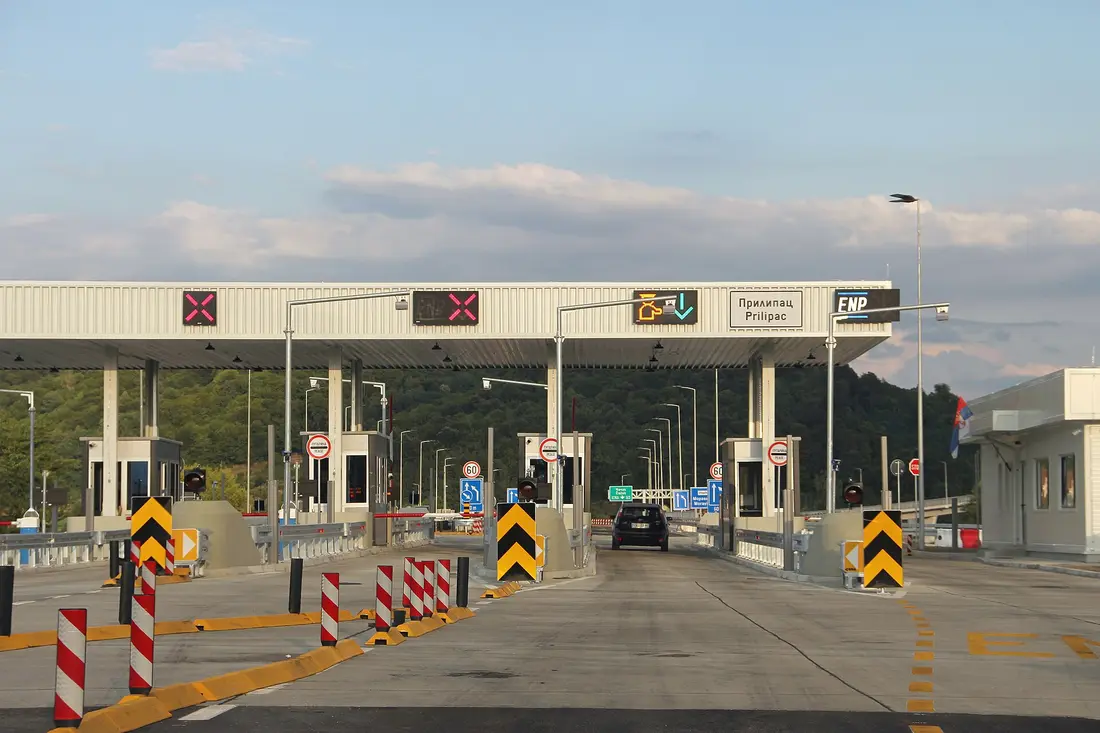
The main tolled corridors are the country’s motorway spine: the A1 (E75) from Belgrade south to Niš and on toward the North Macedonian border, and the Belgrade-Novi Sad stretch to the north. Big plazas you’ll meet include Batajnica, Mladenovac, Pojate and Doljevac. Everyday two-lane roads and city streets aren’t tolled; this only applies to the motorways.
Parking in Belgrade: zones and SMS
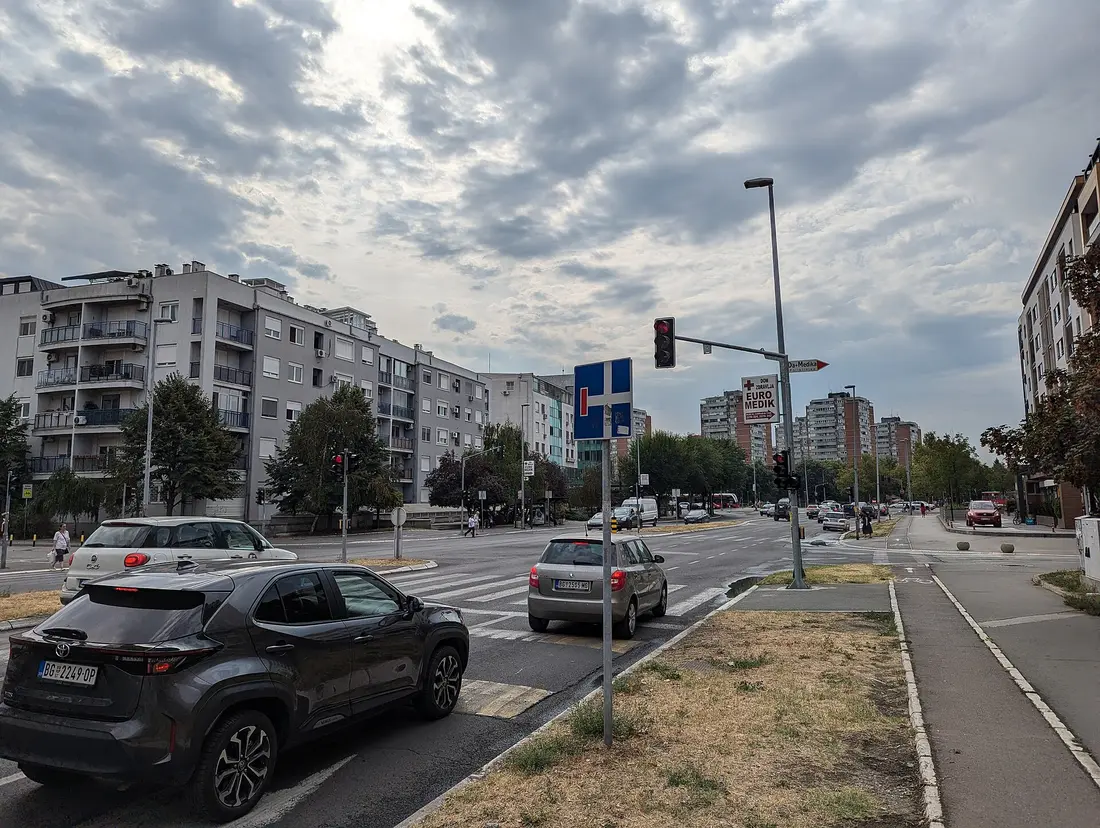
City parking is its own small puzzle, and Belgrade’s is worth understanding before you arrive with a car. The central on-street parking (inside the number-2 tram loop) is split into three colour-coded zones with time caps: red is a maximum of 1 hour, yellow 2 hours, and green 3 hours. Parking is chargeable on weekdays from 07:00 to 21:00 and on Saturdays from 07:00 to 14:00; Sundays are free.
The normal way locals pay is by SMS: you text your number plate (written together, like BG123456) to 9111 for the red zone, 9112 for yellow or 9113 for green, and keep the confirmation message as your proof. There’s a catch for visitors, though: the per-hour SMS system needs a Serbian SIM card. Without one, you generally end up paying for a full 24 hours or buying a paper ticket at a kiosk and displaying your arrival time on the windscreen. Honestly, the least stressful option in the city is to choose accommodation with its own parking, or use a garage, and only take the car out when you’re leaving town. Belgrade’s centre is walkable and its trams are free, so you rarely need a car in the city anyway - our guide to getting from Belgrade Airport to the city centre covers the car-free options for your first day.
Fuel, roads and driving
Filling up is easy: petrol stations are plentiful on the motorways and main routes, selling both petrol and diesel, and the big chains take cards - though it’s wise to carry a little cash for small-town pumps. Fuel prices move around, so check current rates rather than trusting an old figure.
The roads themselves are a mixed bag in the best way. The motorway spine (the E75 and E763) is modern and fast, which makes covering distance painless. Off the motorways, the two-lane regional roads - especially the scenic ones winding west toward Zlatibor and Tara - are slower and more demanding, with trucks, tractors and the occasional pothole, so don’t trust a satnav’s optimistic timings in the hills and allow extra time (our guide to getting from Belgrade to Zlatibor walks through that western drive and the bus alternative). Standard European rules apply: drive on the right, dipped headlights on at all times, seatbelts compulsory, and a strict zero-ish blood-alcohol limit - don’t drink and drive. Speed cameras and police checks are common on the main roads. For the full rundown of speed limits, how the distance-based tolls work and the winter-tyre law, see our guide to driving in Serbia.
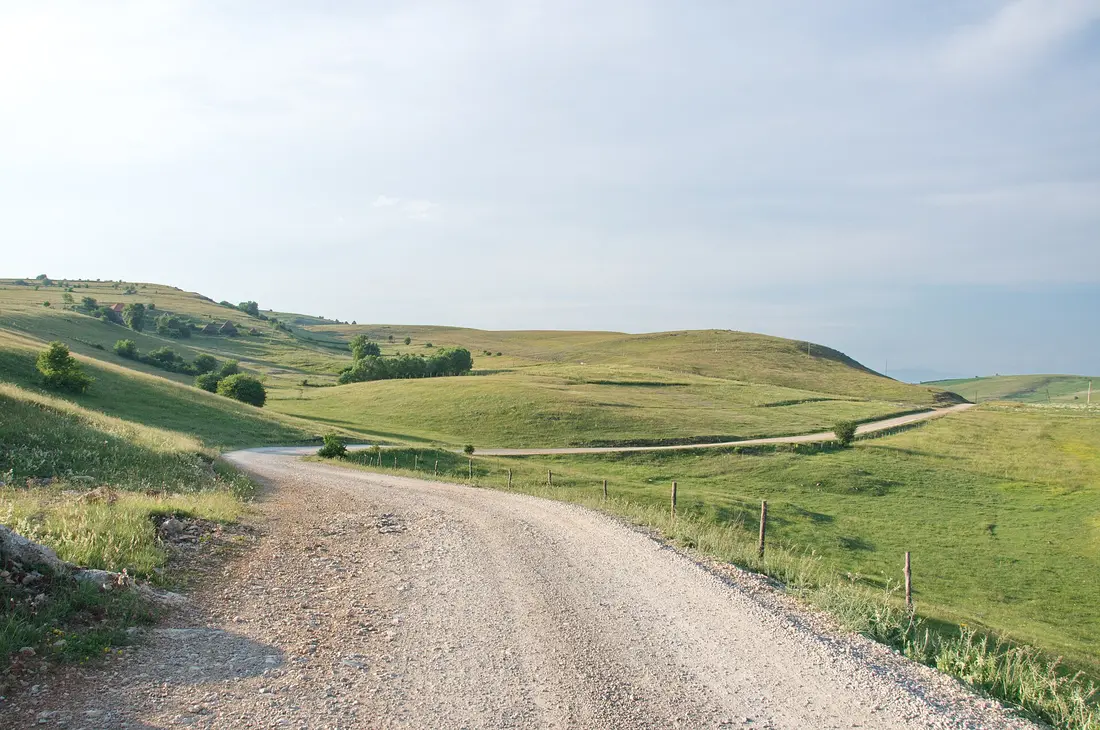
A car is what makes the wilder corners of the country reachable - the Drina canyon at Tara National Park, for instance, is genuinely awkward without your own wheels, and it’s exactly the kind of place a rental earns its keep. Closer to the capital, our Šumadija royal wine route is a one-day loop built entirely around having your own car, from the 1804 uprising site at Orašac to a winery tasting on the Oplenac hillside.
Crossing borders with a rental car
If your plan includes hopping into Bosnia, Montenegro or Croatia - very common on a Balkans trip - read this part carefully and sort it at booking, not at the border. Taking a Serbian rental abroad is usually allowed, but only with the rental company’s prior written permission (a cross-border authorisation letter), plus the car’s registration document and a valid Green Card (the international motor-insurance certificate). Some points to plan around:
- Tell the agency at booking. Cross-border travel often needs to be arranged in advance - some suppliers ask for several working days’ notice - and typically carries an extra fee (commonly in the region of a few tens of euros per rental). Turning up and asking on the day may get you refused.
- Carry the paperwork. Keep the authorisation letter, the vehicle registration and the Green Card in the car; you may be asked for them at the frontier.
- Kosovo is a special case. Standard Serbian rental insurance almost never covers Kosovo, many suppliers forbid taking the car there at all, and you’d need explicit written permission and usually separate border insurance. Do not drive a rental into Kosovo without confirmed, written cover. Note too that entry/exit stamps between Serbia and Kosovo can complicate onward travel - this is a genuinely fiddly one to research properly.
- Check the banned list. Beyond Kosovo, individual suppliers often exclude certain countries entirely, so confirm exactly where your specific contract lets you go.
The single most popular cross-border drive is the run to Bosnia: our guide to driving from Belgrade to Sarajevo covers the scenic Drina route past Višegrad and exactly what to have ready at the frontier.
Because insurance and border rules are precisely the kind of thing that changes and differs by company, this is the area to double-check with your rental provider and, for the crossing itself, official sources - take the written confirmation with you.
The bottom line
For most visitors, renting a car in Serbia is easy and well worth it: book at Belgrade airport, bring your licence, passport and a credit card, add an IDP if your licence isn’t in Roman script, and budget for tolls paid at the booth rather than a vignette bought in advance. Keep the car out of central Belgrade to dodge the parking puzzle, carry some dinars, and settle any cross-border and insurance questions before you set off. Do that, and Serbia’s mix of fast motorways and slow mountain roads becomes one of the most rewarding drives in the region. For where all that driving can take you, see our 7-day Serbia itinerary, and our guide to getting around Serbia covers the trains and buses for the days you would rather not drive.
Photos
Read also

Car rental · 10 min read
Driving Serbia to Greece: Tolls & Borders
Verified · August 14, 2026Belgrade to Preševo A1 toll: 2,060 RSD (about €18) for a car, checked Aug 2026. Batrovci and Preševo borders, then North Macedonia to Greece.

Car rental · 8 min read
Driving in Serbia: Roads, Tolls and Rules
Verified · July 15, 2026Driving in Serbia: the motorway network, how distance-based tolls work with no vignette, speed limits, the winter-tyre law and the near-zero alcohol limit.

Food · 10 min read
Belgrade Food Tours: What You Eat and Pay
Verified · September 4, 2026Belgrade food tours run 2-4 hours: from €34 per person on a street walk to €165 solo on the operator flagship, €810 for a group of six.

What to see · 10 min read
Fruska Gora Monasteries: Which to Visit
Verified · September 3, 2026Sixteen preserved Orthodox monasteries on Fruska Gora: Krusedol, Novo Hopovo, Grgeteg and Vrdnik, plus dress code and a day route from Novi Sad.