
Driving in Serbia: Roads, Tolls and Rules
Driving in Serbia: the motorway network, how distance-based tolls work with no vignette, speed limits, the winter-tyre law and the near-zero alcohol limit.
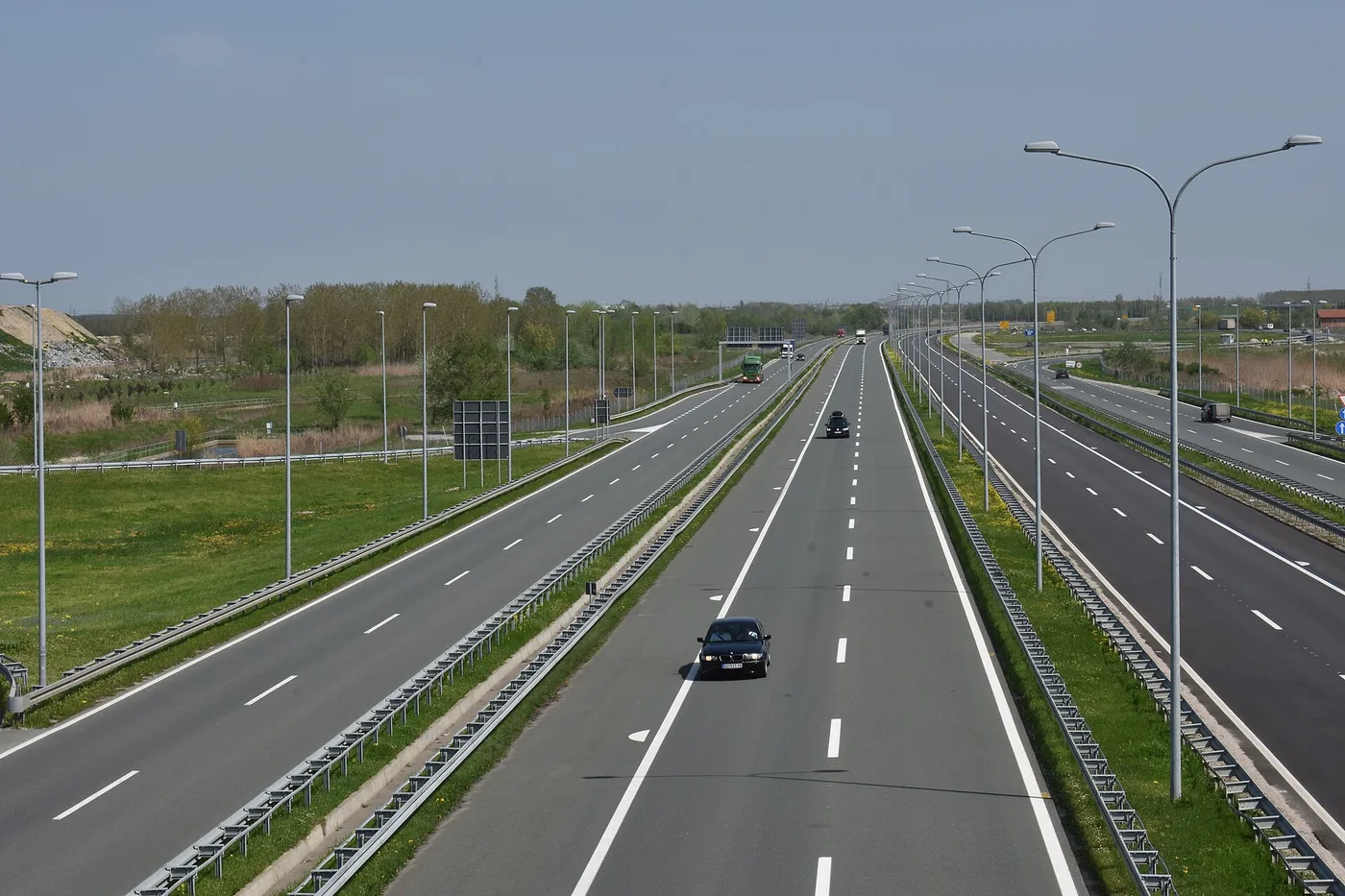
Driving in Serbia is easier than the map makes it look. You drive on the right, the motorway spine is modern and fast, and the single rule that saves foreign drivers money and confusion is that Serbia has no vignette: instead of buying a sticker in advance, you pay distance-based tolls at booths as you go. The things that actually trip people up are the details, a near-zero drink-drive limit, headlights on around the clock, a winter-tyre law from November to April, and the fact that the pretty mountain roads are far slower than a satnav promises. Sort those and Serbia turns into one of the most rewarding, uncrowded drives in the region.
One caveat up front, because some of this changes: toll rates, fine amounts and equipment rules are periodically revised, so treat the numbers below as a well-researched starting point and check the current figures against the official sources before you rely on them. This covers the roads and the rules; for where to actually hire a car, the deposit and the paperwork, see our companion guide to car rental in Serbia.
The road network: a fast spine and slow ribs
Serbia’s driving country splits neatly in two. The motorway spine is genuinely good - modern, well surfaced and quick. The backbone is the A1 (the E75), which runs the length of the country from the Hungarian border at Horgoš down through Novi Sad and Belgrade to Niš, then on toward the North Macedonian border at Preševo. Branching west from Belgrade is the newer A2, the Miloš Veliki motorway (E763), a smooth toll road toward Čačak and Požega that has transformed the drive to western Serbia and on toward Montenegro. On these you cover ground painlessly.
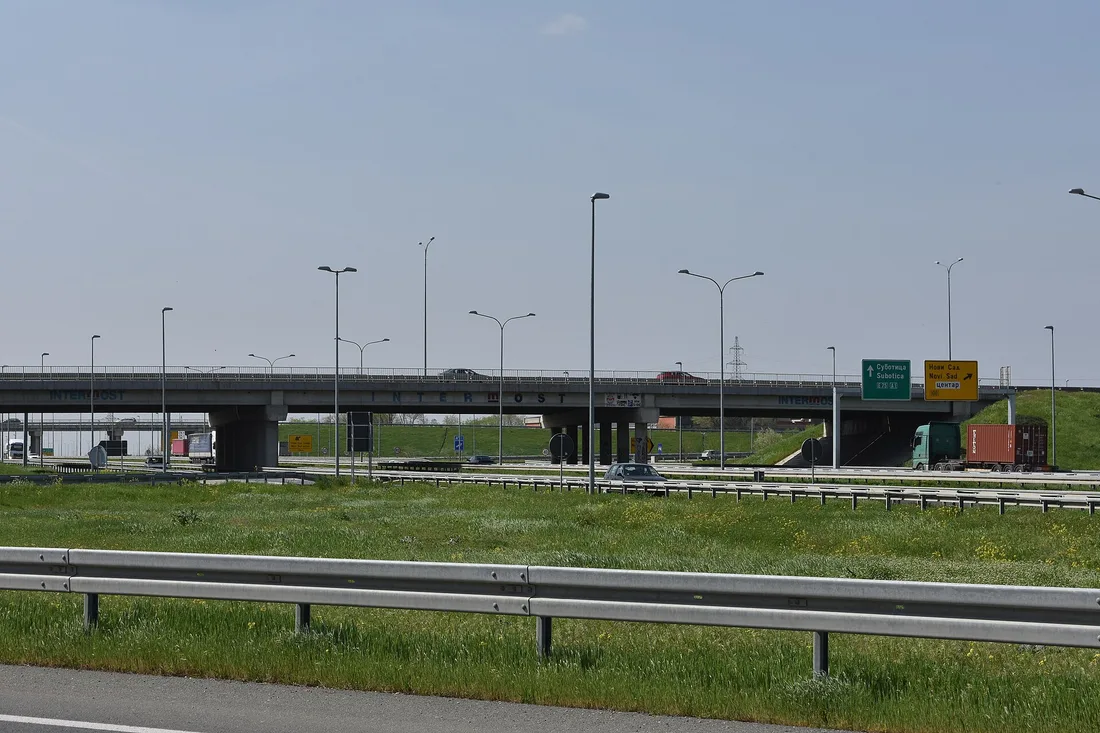
Off the motorways it is a different game. The two-lane regional roads - especially the scenic ones climbing west toward Zlatibor, Tara and the Drina, or south into the hills around Kopaonik - are slower and more demanding, shared with trucks, tractors and the odd pothole, and threaded through villages with 50 km/h limits. The rule of thumb every visitor learns: don’t trust the satnav’s timing in the mountains. A distance that looks like an hour on a straight line can easily be two, so build in slack.
Speed limits
The default limits for a normal car are the standard European set: 50 km/h in towns, 80 km/h on the open road, 100 km/h on expressways, and 130 km/h on motorways (raised from 120 back in 2018). Signs override the defaults, and there are plenty of them, so watch as you pass through villages, where the limit drops sharply and is enforced.
That enforcement is worth taking seriously. Speed cameras and police checks are common, particularly on the main corridors, and the tolerance before you’re booked is small - reckon on only about 10 km/h over. A Serbian traffic-safety overhaul in early 2026 raised minimum fines and trimmed the old early-payment discounts, so a careless speeding ticket now stings more than it used to. The honest advice is simply to keep to the posted number; the motorways are fast enough at 130 that pushing it buys you nothing but risk.
Tolls: no vignette, pay by distance
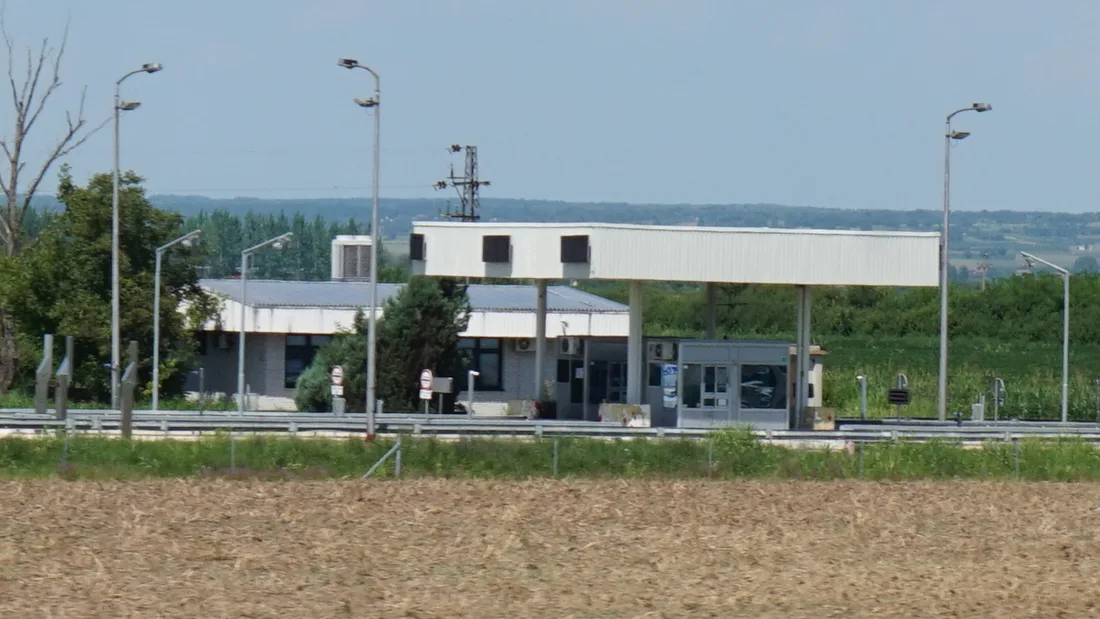
Here is the money rule again, in detail. Unlike Slovenia, Hungary, Austria and most neighbours, Serbia doesn’t sell a motorway vignette. The state operator, PE Roads of Serbia (Putevi Srbije), runs a distance-based system: as the official site puts it, “the base for toll collection is the length of public road expressed in kilometres.” You take a ticket when you join a tolled motorway and pay when you exit, according to how far you’ve driven and your vehicle category. Everyday roads and city streets are free; this only applies to the motorways.
The main tolled stretches are the busy ones you would actually use - Belgrade to Batočina, Belgrade to Šid, Belgrade to Subotica, Belgrade to Požega, Jagodina to Dimitrovgrad, Niš to Preševo, and Kruševac to Čačak - in other words the whole E75 spine and the western Miloš Veliki route. You can pay at the manned booths with cash (dinars, and euros are widely taken near the borders), a card (Visa, Mastercard, Maestro, DinaCard), a prepaid season ticket, or an electronic ETC/ENP tag. The tag lets you glide through the dedicated ENP-marked lanes without stopping and carries a discount of around 10% on tolls, but most rental cars don’t have one, and for a normal trip paying cash or card at the booth is completely fine. Carry some dinars anyway: an interior plaza may not take euros, and card readers do fail.
How much? That depends on distance and vehicle category (a normal car up to 3.5 tonnes is the cheapest class), and rates are nudged up most years, so any single figure I printed here would be wrong by the time you drove it. The sensible move is to use the official toll calculator on the Putevi Srbije site to price your exact route before you set off. As a rough sense of scale, the full run from the Hungarian border down to Niš costs a modest amount for a car by Western European standards, but check the live number rather than trust an old one. If you’re only transiting south toward Greece, the Belgrade-Preševo figure, Batrovci and Preševo gates, and the North Macedonia stretch are spelled out in driving Serbia to Greece.
Mandatory kit and the winter-tyre law
Serbian law expects your car to carry a small standard kit, and hire cars normally come equipped, but it is worth a glance before you drive off: a warning triangle, a first-aid kit, a reflective hi-vis vest, and spare bulbs are the core items, and it’s smart to have a tow rope too. Keep the hi-vis vest inside the cabin, not the boot, so you can put it on before you step out onto a hard shoulder.
The rule that surprises summer-minded visitors is the winter one. From 1 November to 1 April, winter tyres are required when there’s snow or ice on the road, and you’re expected to carry snow chains and fit them where signs demand. If you are booking a winter ski trip to Kopaonik or Zlatibor, make sure your rental is properly shod for the season - it’s both the law and plain common sense on those mountain climbs.
Alcohol, lights and the other rules
Two rules catch foreign drivers more than any other. First, dipped headlights or daytime running lights must be on at all times, day and night, all year - a fixable habit, but one the police will fine you for. Second, and more important, Serbia has one of Europe’s strictest drink-drive limits, effectively near zero at about 0.2 g/l, and an absolute zero applies to new drivers in their first couple of years, to professional drivers and to motorcyclists. The practical translation is the only sensible one: do not drink and drive at all. A single beer with lunch can put you over.
Beyond that it’s standard stuff: seatbelts front and back, children in appropriate seats, and no hand-held phone. On documents, carry your licence, passport, the car’s papers and the rental agreement; whether you need an International Driving Permit depends on your licence, which we cover in detail in the car rental guide - the short version is that you need one if your licence isn’t in the Roman alphabet.
Off-motorway roads, fuel and knowing when not to drive
Filling up is easy: petrol stations are plentiful on the motorways and main routes, the big chains take cards, and both petrol and diesel are sold everywhere. Carry a little cash for small-town pumps, and check current fuel prices rather than trusting an old figure, as they move around.
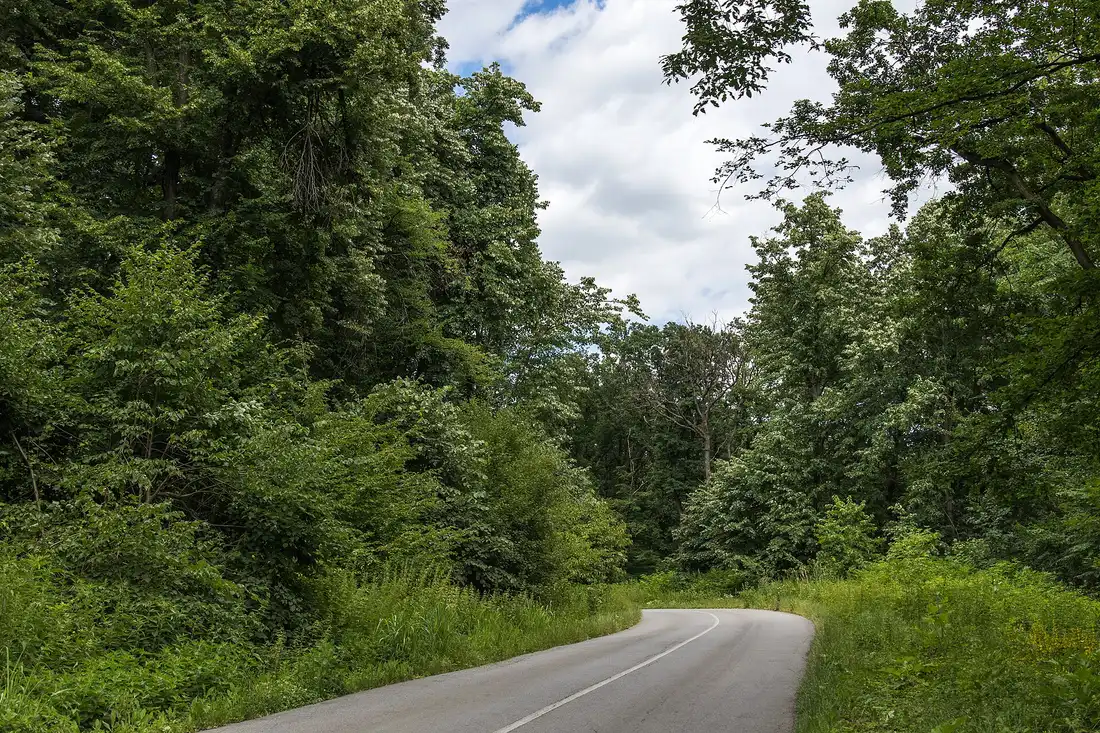
One last honest word. A car is what unlocks the wild corners of Serbia - the Drina canyon, the western mountains, the remote south - and for a road trip it is close to essential; our 10-day Serbia road trip is built entirely around one. But you rarely want a car inside Belgrade, where parking is a zoned puzzle and the centre is walkable, and for point-to-point hops along the Belgrade-Novi Sad corridor the train or bus is often simpler. Our guide to getting around Serbia weighs up when to drive and when to let someone else do it. Get the balance right, add the tolls at the booth rather than a sticker in advance, keep to the limits and stay stone-cold sober behind the wheel, and driving here is a pleasure.
Photos
Read also

Car rental · 10 min read
Driving Serbia to Greece: Tolls & Borders
Verified · August 14, 2026Belgrade to Preševo A1 toll: 2,060 RSD (about €18) for a car, checked Aug 2026. Batrovci and Preševo borders, then North Macedonia to Greece.

Car rental · 10 min read
Car Rental in Serbia: Tips & Where to Book
Verified · July 3, 2026How to rent a car in Serbia: where to book, licence and IDP rules, deposits, tolls without a vignette, Belgrade parking zones, fuel and crossing borders.

Food · 10 min read
Belgrade Food Tours: What You Eat and Pay
Verified · September 4, 2026Belgrade food tours run 2-4 hours: from €34 per person on a street walk to €165 solo on the operator flagship, €810 for a group of six.

What to see · 10 min read
Fruska Gora Monasteries: Which to Visit
Verified · September 3, 2026Sixteen preserved Orthodox monasteries on Fruska Gora: Krusedol, Novo Hopovo, Grgeteg and Vrdnik, plus dress code and a day route from Novi Sad.