
Šumadija Royal Wine Route (1 Day)
A 1-day loop from Belgrade into Šumadija: the 1804 uprising site at Orašac, the Bukovička Banja spa, the Oplenac royal mausoleum and a winery tasting.
Belgrade to the Oplenac royal mausoleum and back runs about 190 km and a full day, and it packs in more Serbian history than almost any other single loop out of the capital: the village where the modern state was born, a royal spa, a dynasty’s marble mausoleum, and a working vineyard on the same royal hillside. Budget from 50 euros a person - fuel, an Oplenac ticket, a tasting and lunch - and you can be back in Belgrade for a late dinner, as long as somebody in the car stays sober enough to drive it.
At Orašac, an assembly of village chiefs elected Karađorđe as their leader in 1804, lighting the fuse on the uprising that built modern Serbia. He didn’t enjoy that legacy for long - a rival’s men caught up with him in 1817 - but he ended up back on this hillside anyway: Karađorđe himself, not just his descendants, lies under the mosaics at Oplenac, a few kilometres up the road. In between sits Aranđelovac, the spa town the family who had him killed, the Obrenovići, preferred - so in one afternoon you cross the fault line of 19th-century Serbian politics without meaning to. Finish with a glass of wine from the vineyard next door to the mausoleum, and the day earns its name.
What four stops in one day actually buys you
Most Belgrade day trips give you one theme - a fortress, a monastery, a river. This loop stacks four: a national-founding site, a spa town, a royal mausoleum and a winery, all within about 35 km of each other once you’re past Mladenovac, on ordinary roads with no motorway toll to plan for. It pairs neatly with a broader browse of the capital’s day-trip options in our guide to the best day trips from Belgrade, which ranks Oplenac alongside the Danube fortresses and Novi Sad.
This only really works as a car trip. Aranđelovac has a direct coach from Belgrade, and Topola is reachable by bus with a change at Mladenovac, but stringing five stops and a winery tasting together on public transport turns a one-day loop into a logistical project. Rent a car in Belgrade the evening before or the morning of; our guide to car rental in Serbia covers the deposit, insurance and toll-tag questions.
Orašac: where modern Serbia began
Leave Belgrade heading south through Mladenovac - a plain two-lane road, no auto-put, no toll booth - and about an hour in you reach Orašac, an unremarkable village with an outsized place in Serbian history.
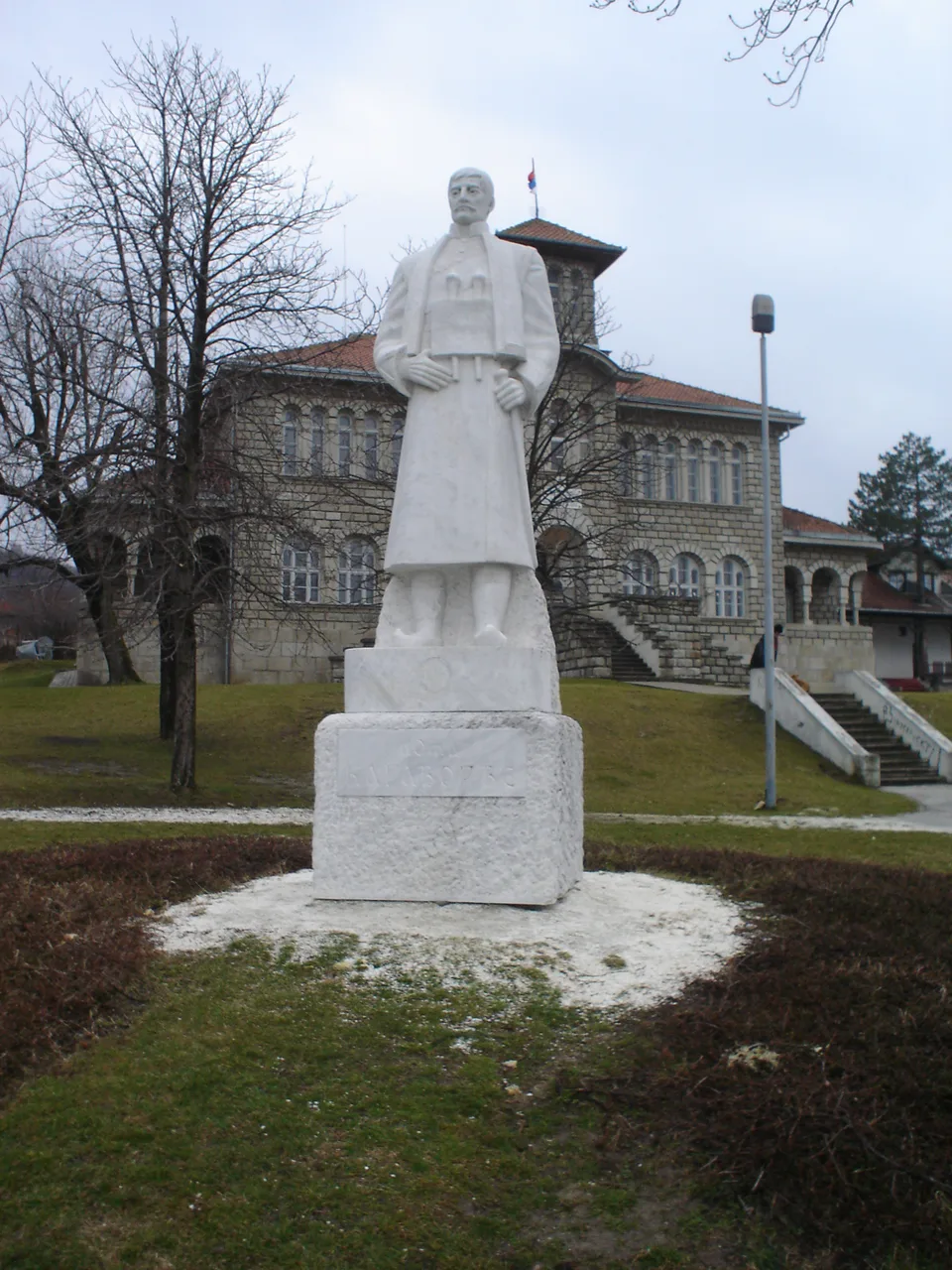
On 14 February 1804, in the wake of the “Slaughter of the Knezes,” some 300 local chiefs gathered at a spot now called Marićević’s Trench and elected the livestock trader Đorđe Petrović - Karađorđe - as their leader. That single afternoon is the conventional start date of the First Serbian Uprising against Ottoman rule, and the founding act of the modern Serbian state. The memorial complex here grew slowly over two centuries rather than being built in one go: the Church of the Ascension went up in 1868-1870, a memorial school followed in 1932, a fountain marked the 150th anniversary in 1954, and the marble monument to Karađorđe only arrived in 2004, for the bicentennial. It’s an open churchyard, not a ticketed attraction - fifteen minutes is enough to see the monument and read the markers, but the detail worth sitting with is who’s buried in the grounds: Teodosije Marićević, the priest for whom the trench is named, a reminder that this was a village uprising, not a palace coup.
Aranđelovac and the Bukovička Banja spa park
Ten minutes on from Orašac, Aranđelovac sits beneath the Bukulja and Venčac hills, and its reason for existing is water. The Bukovička Banja park has drawn visitors to its mineral springs since the 1830s, and it was Prince Miloš Obrenović’s favourite retreat. That matters, because Miloš effectively ended Karađorđe’s story: in 1817 he had his rival assassinated on Karađorđe’s return to Serbia, and had the head sent on, via the local Ottoman governor, to Constantinople. So this quiet spa town belonged to the dynasty that killed the man whose mausoleum is the next stop - you cross the fault line of Serbia’s defining royal feud in a single afternoon, no detour required.
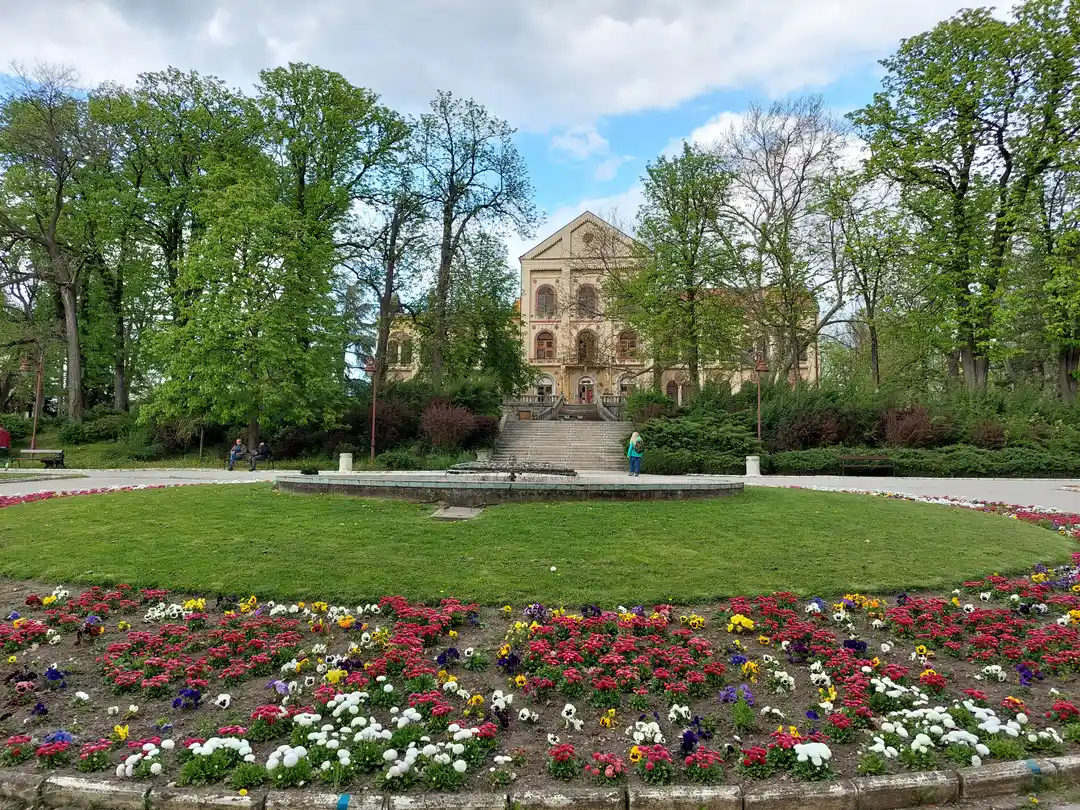
Chances are you’ve already met this park without knowing it: its best-known spring, Knjaz Miloš, is the source of the nationally distributed bottled mineral water of the same name, on sale in every Serbian supermarket. The park itself - a legally protected Monument of Nature, laid out in a French style with mature trees, fountains and formal flower beds - costs nothing to walk through. Give it thirty to forty-five minutes: a slow loop past the fountain and the old bottling pavilion before getting back in the car.
Topola and the Oplenac mausoleum
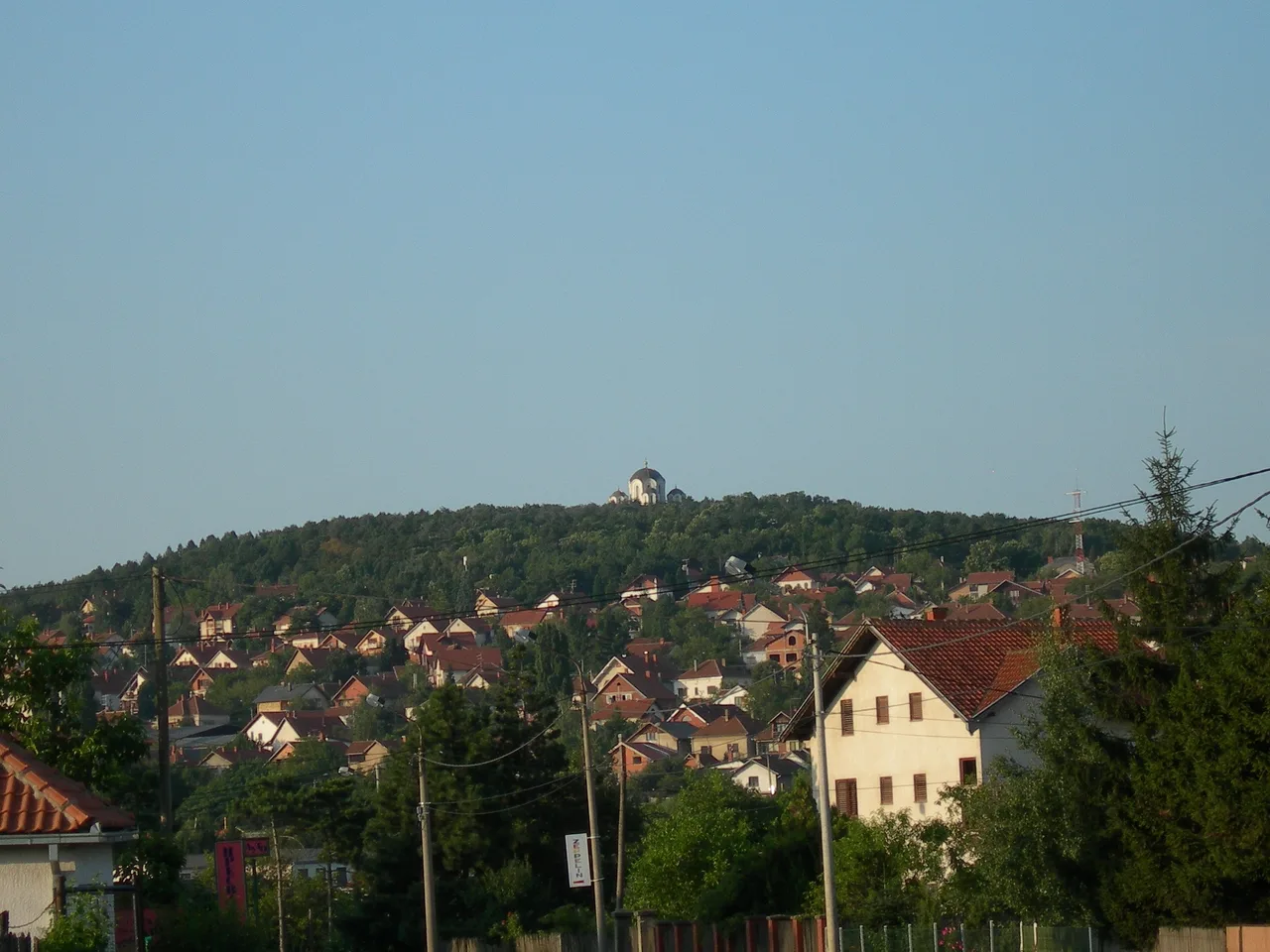
Another twenty minutes south brings you to Topola, the small royal town that gives its name to the whole area, with the white domes of its hilltop church visible above the rooftops as you arrive.
Drive or walk the short loop road up Mali Oplenac hill to the Church of St George, the endowment of King Peter I Karađorđević. You’ll see a building that took two decades and two wars to finish: cornerstone laid 27 September 1907, work under architect Kosta J. Jovanović’s winning design begun 1 May 1910, a first modest consecration in 1912, then the Balkan Wars, the First World War and an Austro-Hungarian occupation that stripped the copper roof and the bells and disturbed the crypt below. King Peter I died in 1921 without seeing his foundation finished; his son Alexander I picked up the project, and the church was properly consecrated a second time on 8 September 1930. That same day, Karađorđe’s own remains were moved from the old Topola church into the new mausoleum - so the man you met at Orašac two stops ago ends up here too, not only his descendants, resting today in the south choir of a church he never lived to see finished.
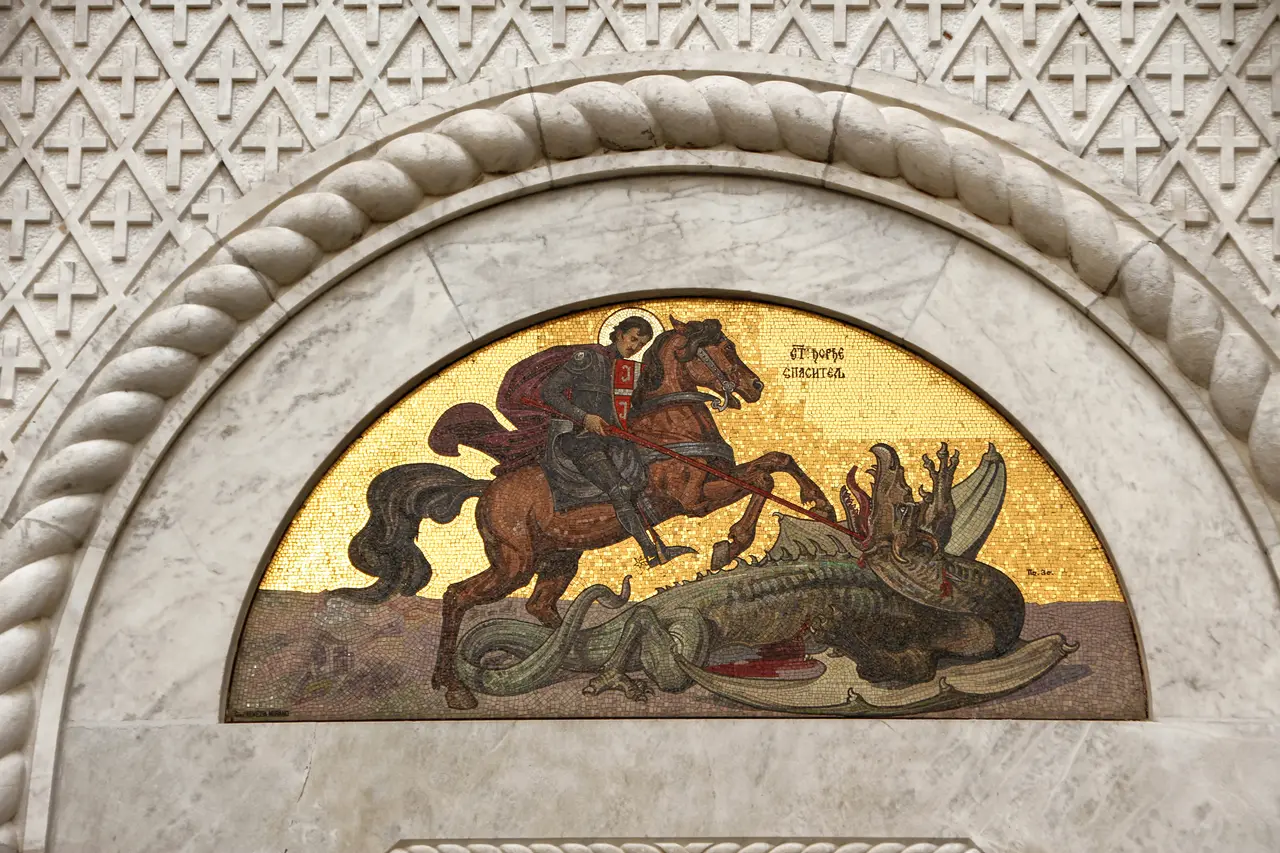
The number that actually conveys the scale of the place is the mosaic count: 40 million individual pieces, arranged into 725 compositions across 3,500 square metres, almost all of them faithful copies of medieval Serbian fresco masterpieces from monasteries most visitors will never get to.
Below the nave, the Royal Crypt holds six generations of the Karađorđević dynasty. King Peter’s House, the modest former royal residence beside the church, is now a small museum of the building’s construction and the family’s life here.
Practically: entry is a modest few-hundred-dinar ticket - published figures vary by source and by year, so don’t trust any number quoted online, including this one; confirm the price at the gate. Give the church, crypt and King Peter’s House the better part of an hour. One detail ties the day together: the slope below the church has carried royal vineyards since King Peter’s own era - exactly why a working winery sits a few minutes further down the same hill.
Wine tasting at the Aleksandrović winery
Fifteen minutes on from Topola, in the village of Vinča, the Aleksandrović family has grown vines on this hillside since 1903, when the family’s great-grandfather helped found the local growers’ cooperative. The estate survived wars and decades of interruption, and today runs its wine-tourism side under the name Aleksandrović Estate Vineyards - the older vinarijaaleksandrovic.rs address is still alive too, running the online shop and production side of the same family business. Between the two, the family farms 95 hectares across three plots - Vinča, Ježevac and Bokanja - and has picked up more than 300 international awards.
Its flagship red, Trijumf, carries its own small legend. The recipe was out of the family’s hands for decades until 1992, when Živan Tadić, who had been the king’s own cellarer, sent it back to Vinča after years away from home. Nobody claims to know exactly where that royal cellar once stood, but the wine in the glass is still the direct, drinkable link back to the mausoleum you just left - it’s the thread that ties the tasting to the hill.
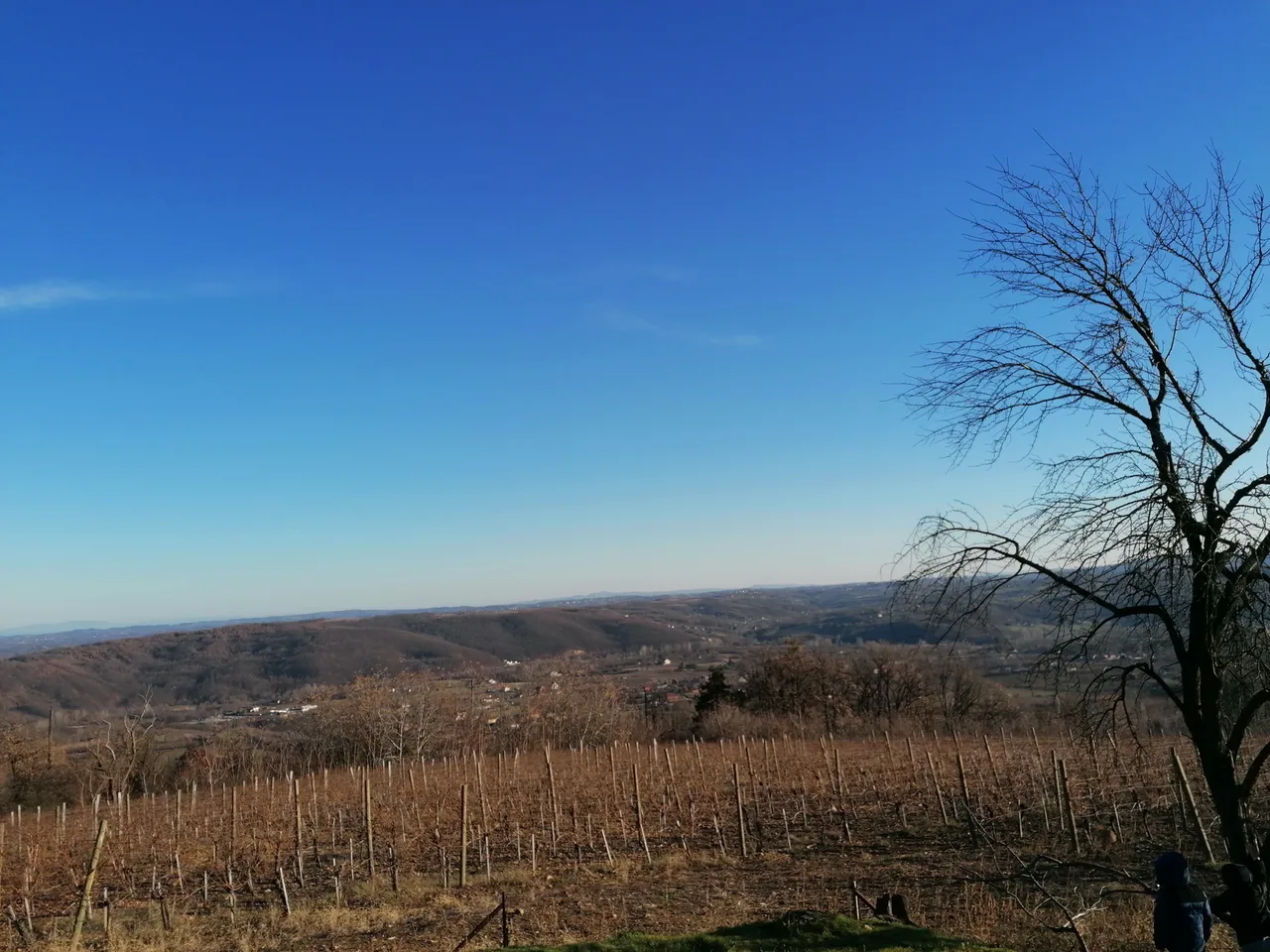
It’s a booked-tasting operation rather than a drop-in shop: the winery recommends reserving ahead, especially at weekends and in high season. A guided cellar tour with a glass of Selection wine starts from about 4.5 euros a person, the Premium pour is 5.5 euros, and a proper food-and-wine pairing menu runs from around 77 euros a head. Cancel free up to 48 hours before arrival for a full refund; leave it later and the winery keeps half the fee for the meal it already prepared. If the day tips into an overnight, the estate rents rooms from about 60 euros and two private-pool villas from roughly 200 and 300 euros. Give the tasting at least ninety minutes - and this is really the point in the day where the group needs to settle who’s driving home.
Money, timing and the drive home
Four things decide whether this day runs smoothly: the money, the wheel, the booking, and the season.
- The road and the money. Belgrade to the Topola-Oplenac area is roughly 72 km and about an hour and a half, via Mladenovac on an ordinary state road - no motorway, no toll booth on this route. Budget fuel for close to 190 km round trip, plus the Oplenac ticket and whatever the winery tasting costs.
- Stay sober or stay over. Serbia’s drink-drive limit is effectively near-zero, about 0.2 g/l - see driving in Serbia for the detail. If you’re driving, spit or pour out the tasting pours, agree on one non-drinking driver for the group before you leave the gate, or skip the drive back and book one of the winery’s own rooms (from about 60 euros, above) to sleep it off on site.
- Book the winery, not just the church. Oplenac takes walk-ins; Aleksandrović recommends booking ahead, especially at weekends and in high season. Call or book online a day or two out, and remember free cancellation up to 48 hours before arrival if plans change.
- Two dynasties in one afternoon. Aranđelovac was the spa of the family that had Karađorđe killed; Oplenac is where his own descendants later enshrined him under the mosaics; Orašac is where the whole thing started. Say that out loud in the car and Šumadija stops being just “the region with the church.”
- When to go. April through June and September through October give the best light for the mosaics and the vineyard views without midsummer heat; the vines look best from late spring to harvest, so a bare-vine winter drive-by trades scenery for empty roads and an easier tasting-room booking.
Karađorđe started this story at Orašac and finished it at Oplenac; the spa, the mosaics and the wine are really just the drive between those two facts. Add the return leg and you’re at 190 km and a full day, back in Belgrade for dinner. For more of the capital’s day-trip options, our guide to the best day trips from Belgrade ranks the rest, and our guide to rakija covers whichever Serbian drink you didn’t have to spit out at the winery.
Route day by day
- Days on the road
- 1
- Distance
- ≈190 km
- Budget from
- 50 EUR
- Best season
- April, May, June, September, October
The route at a glance
-
Belgrade
Route startstop ≈0 min
Start point. Pick up the car and head south through Mladenovac toward Aranđelovac - an ordinary two-lane road, no motorway toll on this leg.
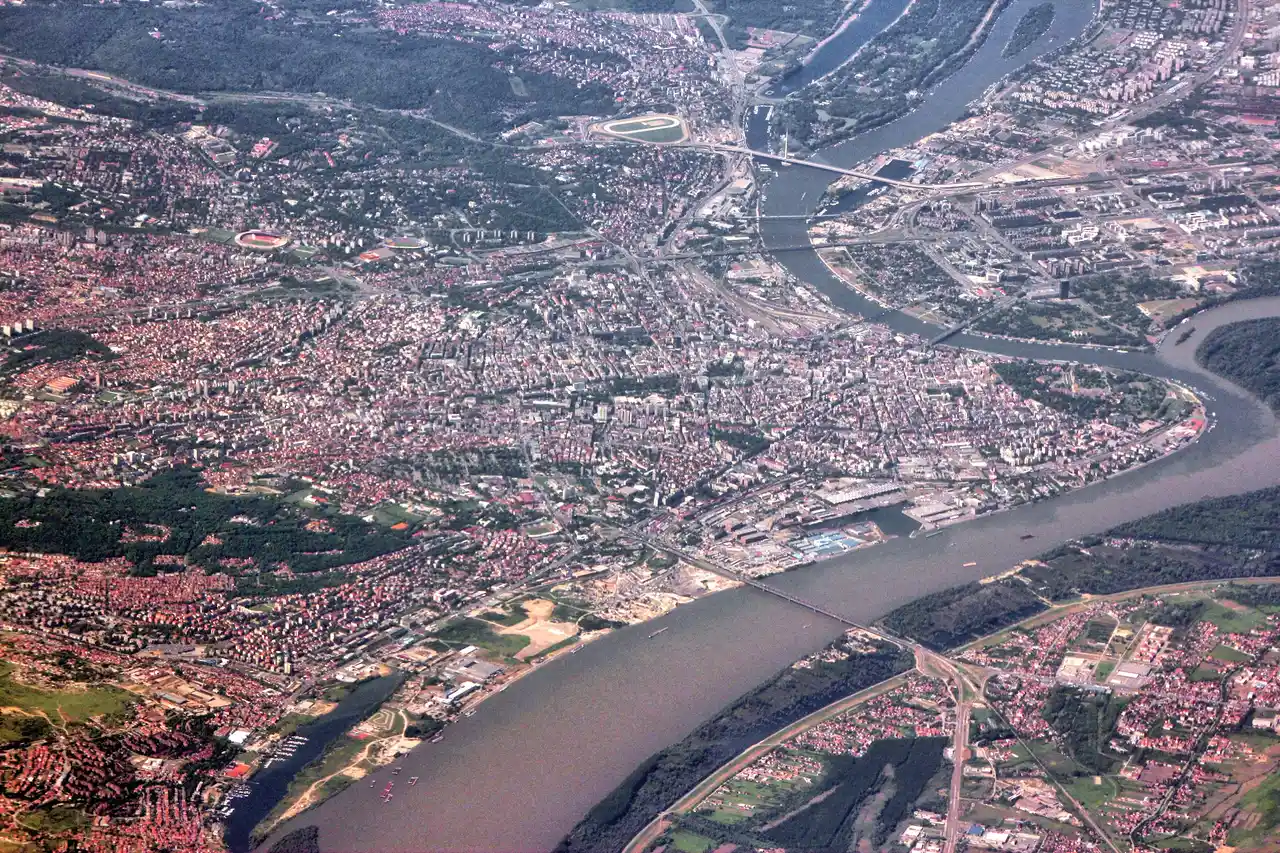
Photo: Marek Ślusarczyk (Tupungato) / Wikimedia Commons, CC BY 3.0 ( source) -
Orašac
67 km from the startstop ≈30 min
Marićević's Trench, where 300 Serbian chiefs elected Karađorđe as leader on 14 February 1804 - the start of the First Serbian Uprising. Open memorial ground, no ticket.
Photo: Dragica Žolnaj / Wikimedia Commons, CC BY-SA 3.0 ( source) -
Aranđelovac (Bukovička Banja)
77 km from the startstop ≈45 min
A French-style spa park, free to walk, built around the mineral springs that give the country its Knjaz Miloš bottled water. Once Prince Miloš Obrenović's favourite retreat.
Photo: Karolina Đukić / Wikimedia Commons, CC BY-SA 4.0 ( source) -
Topola
91 km from the startstop ≈30 min
The royal town below Oplenac hill - park the car here and walk up, or drive the short loop road to the church car park.
Photo: XJeanLuc / Wikimedia Commons, CC BY-SA 3.0 ( source) -
Oplenac mausoleum
93 km from the startstop ≈60 min
The Church of St George, endowment of King Peter I (cornerstone 1907, consecrated 1930) and the Karađorđević royal crypt - 40 million mosaic pieces reproducing medieval Serbian frescoes.
Photo: BrankaVV / Wikimedia Commons, CC BY-SA 4.0 ( source) -
Aleksandrović Winery (Vinča)
103 km from the startstop ≈90 min
Family winery on the Oplenac hillside since 1903, home of the Trijumf red. Book a tasting ahead by phone or online, especially at weekends.
Photo: Strujajoe / Wikimedia Commons, CC BY-SA 4.0 ( source)
Route map
The map with stops loads on click - to keep the page lightweight.
The map didn’t load. Check your connection and refresh the page.