
Novi Sad to Budapest: Train, Bus & Driving
From Novi Sad to Budapest in 2026: FlixBus in 4h45 from EUR 20, drive about 300 km, or Soko train to Subotica then Hungary.
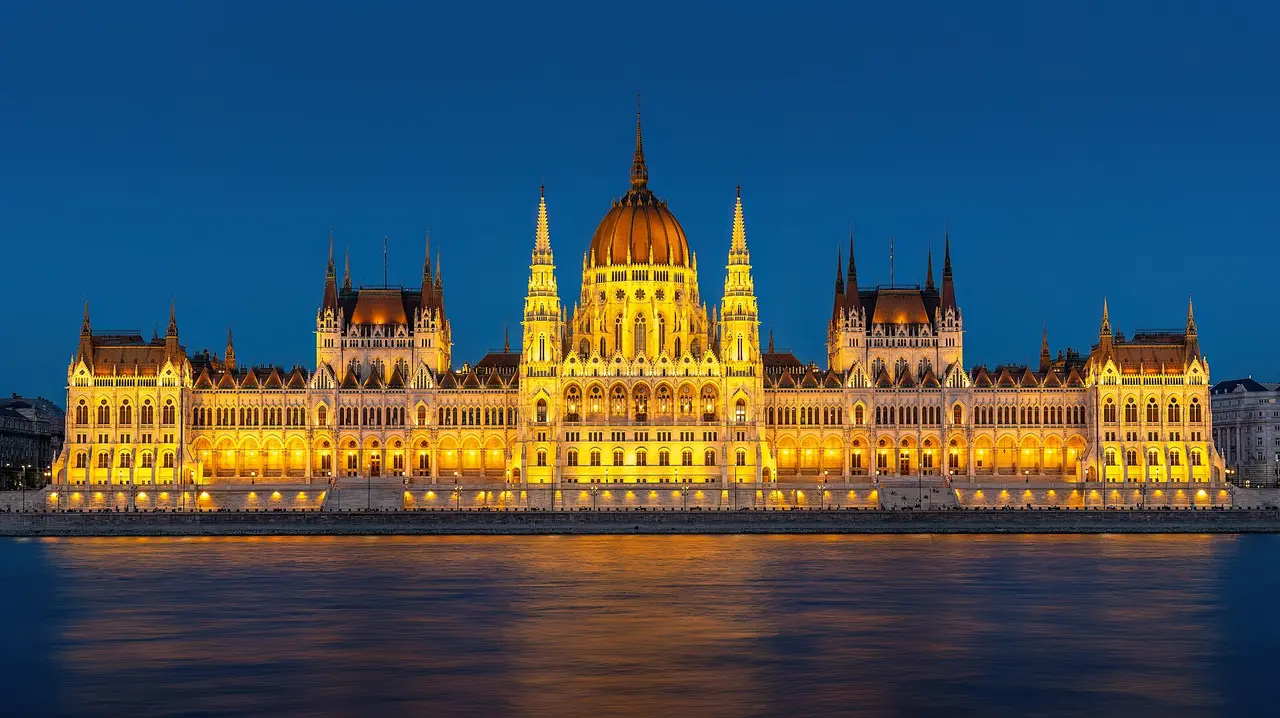
Starting from Novi Sad rather than Belgrade changes the whole trip north. There’s still no direct passenger train into Budapest in September 2026, so you don’t get a single-seat express. What you do get is a shorter coach than the capital run: FlixBus covers Novi Sad to Budapest in about 4 hours 45 minutes, typically €16 to €20 booked well ahead and €24 to €27 a few days out, when you book early, with three departures a day. A car on the E75 clocks roughly 300 km and about three and a quarter hours of driving before you add the border queue. The rail option is a relay - Soko to Subotica, local train into Szeged, Hungarian Intercity to Budapest - and it works, but it’s slower and fussier than the bus.
That is the opposite of the Belgrade story in a useful way. From the capital people debate a flight; from Novi Sad there is no practical airport hop, so the real three-way choice is coach, car or the patched-together train. Get the border and the station names right and the booking is straightforward.
Pick your mode
| Mode | Time | Money | Who it suits |
|---|---|---|---|
| FlixBus coach | About 4h45, 3/day | About €16-20 booked ahead, €24-27 late + 180 RSD station fee | Most travellers - one seat, simple |
| Drive (E75 / M5) | About 3h15 moving + border | Fuel, Serbian distance tolls, HU e-vignette | Groups, luggage, Fruška Gora stopovers |
| Rail via Subotica & Szeged | About 5h35 from Petrovaradin, nearer 6h10 from the city centre with the shuttle | Cheap Serbian leg + MAV through ticket from about €22 | Rail fans who accept two changes |
Book the coach unless you already have a car or you specifically want to ride the Soko. The detail below is for sorting stations, fares and the border, not for inventing a fourth mode that isn’t running yet.
The FlixBus coach: default from Novi Sad
This is where Novi Sad beats Belgrade on the same corridor. The Belgrade coach still takes about six hours; leaving from here cuts more than an hour because you’re already halfway up Vojvodina. FlixBus publishes a minimum of 4 hours 45 minutes, quotes 288 km on its route page, and lists three rides a day, with the first around 00:45 and the last around 17:45 (exact times move by date - check the day you travel). Advance fares started at €20.48 when we checked on 1 September 2026; closer to departure and on busy weekends you’ll see the thirties and beyond.
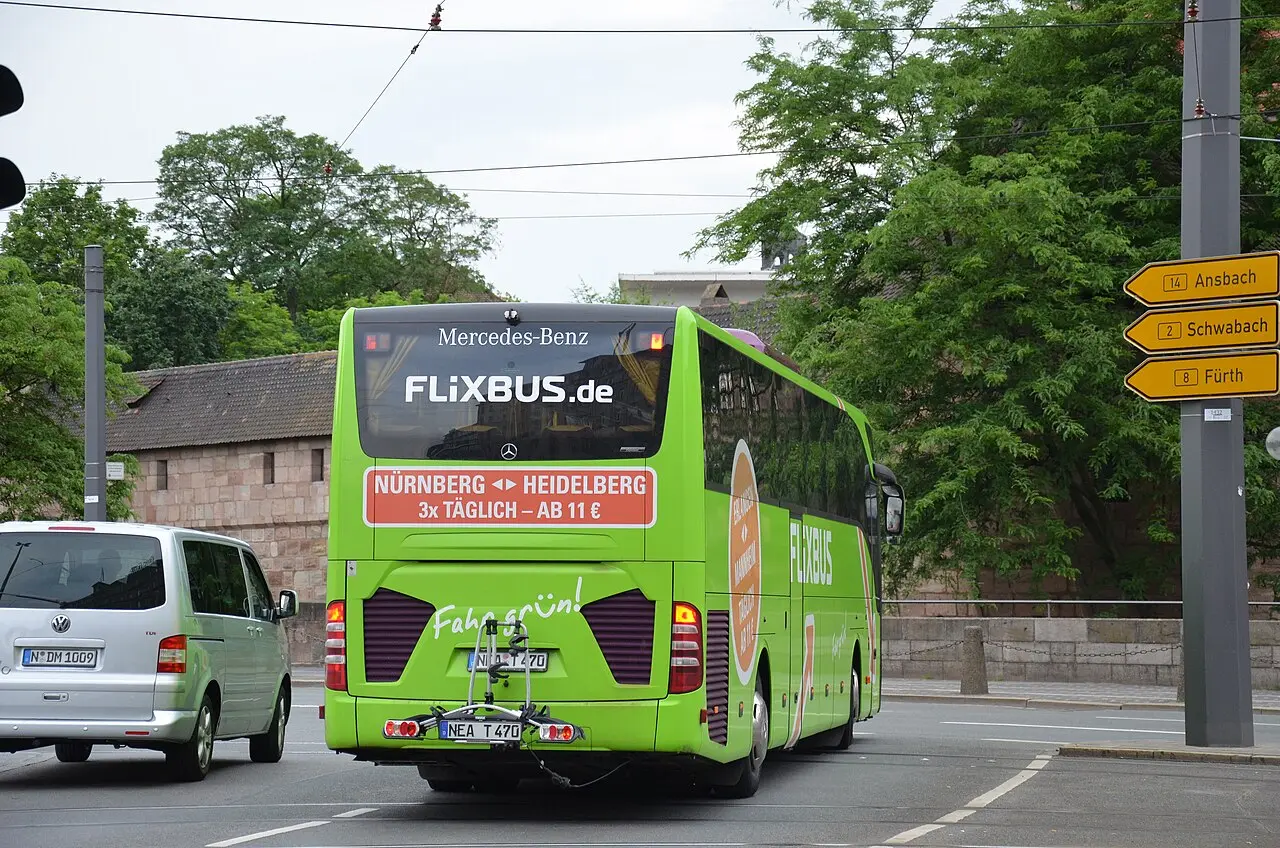
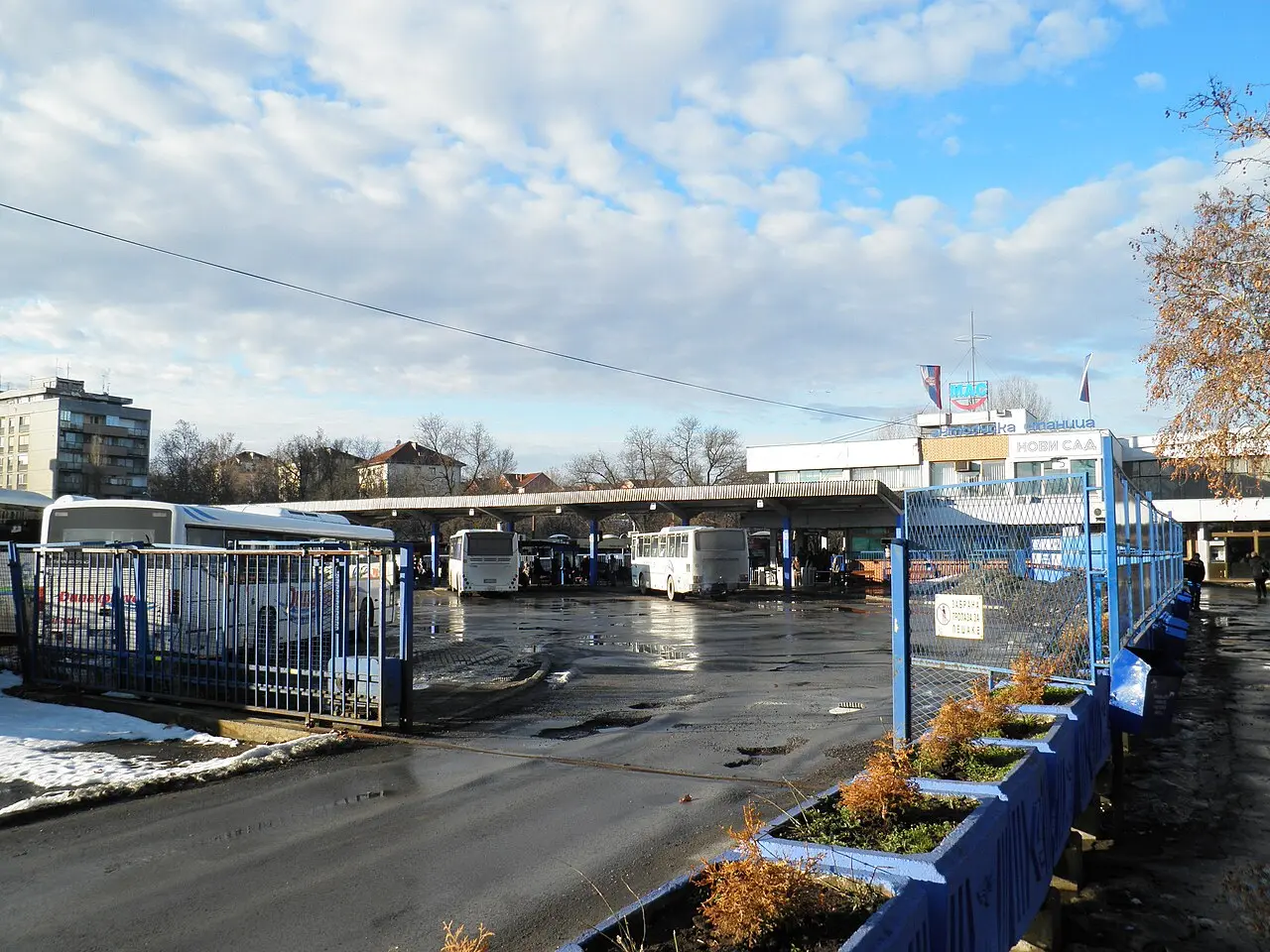
You leave from Novi Sad MAS, the main coach station. Two practical catches sit outside the ticket price. First, the station charges a boarding fee of 180 RSD (about €1.60), cash only, and FlixBus says it is not included in your online ticket - you pay at the counters and get a chip for the platforms. Second, arrive with time to spare: platforms and the fee queue both slow down when several international coaches leave close together.
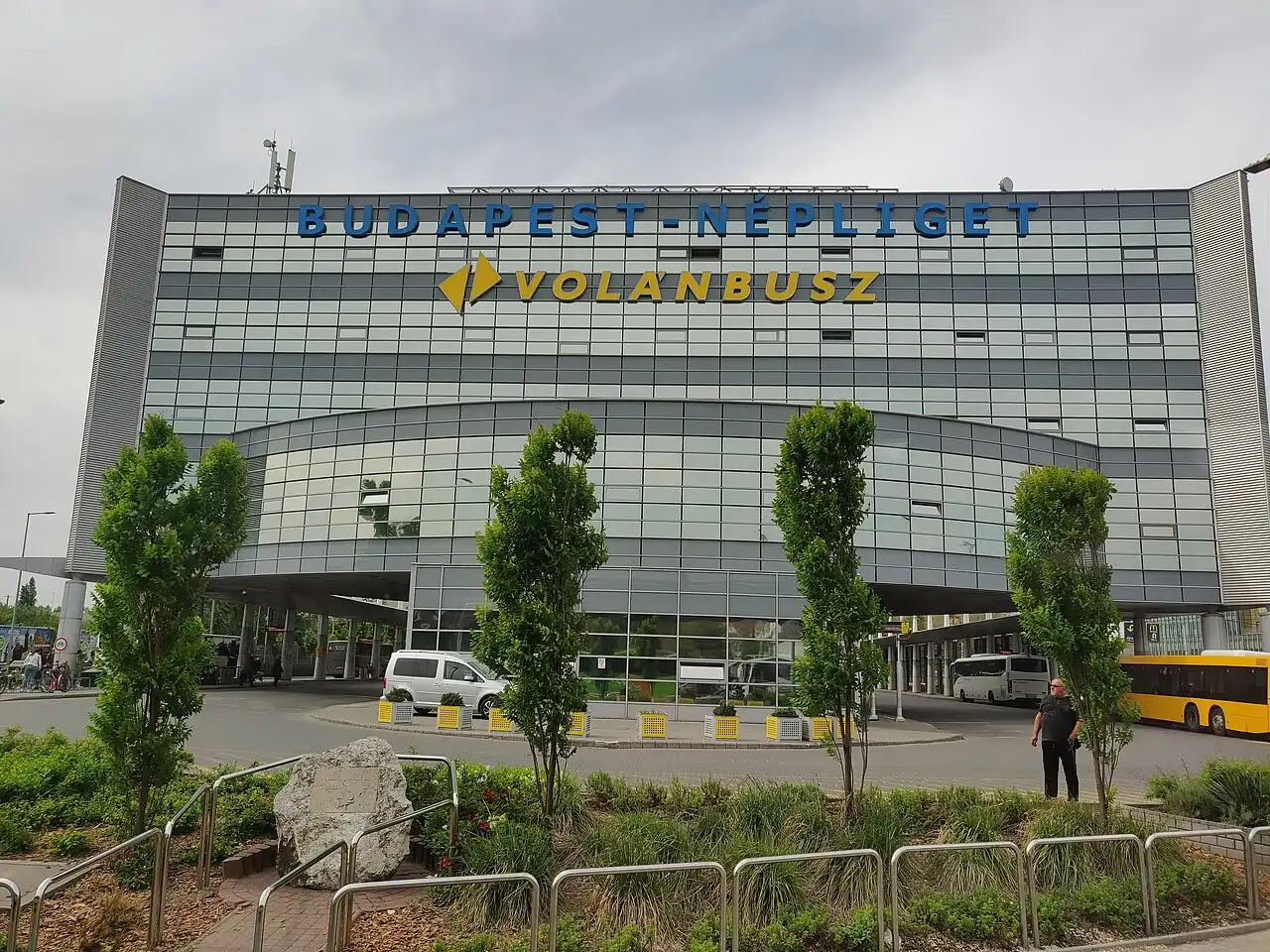
At the far end most services put you into Budapest Népliget, the international coach terminal on the M3 metro, which is the sanest arrival for the centre. Some departures list other Budapest stops (Kelenföld and so on), so read the stop name on your booking - don’t assume Népliget every time.
Keep your passport in your day bag. Serbia sits outside Schengen, so the coach stops at the Horgoš-Röszke crossing for Serbian exit and Hungarian entry checks. On a quiet Tuesday it can be twenty minutes; on a summer Saturday it can eat an hour or more. Don’t book a tight Budapest dinner reservation against the earliest possible arrival time. For how the same border behaves when you start in Belgrade, see Belgrade to Budapest - same crossing, longer Serbian approach.
The train: Soko to the border, then Hungary
Headlines about a three-hour Belgrade-Budapest bullet train describe a service that still isn’t carrying passengers. The track rebuild is largely done, freight has crossed since February 2026, and once the ETCS signalling is signed off the promised timing is 3 hours 17 minutes. As of early September 2026 that passenger launch is still waiting - rail commentators and Seat 61 put the earliest realistic window in autumn 2026, and dates have slipped before. Until then you cannot buy a single through express from Novi Sad (or Belgrade) to Budapest.
What you can ride is the Serbian half of that project. The Soko (“Falcon”) IC trains run Belgrade Centar - Petrovaradin - Subotica on the rebuilt line. Important local quirk: Novi Sad’s central railway station is closed to passengers, so you board at Petrovaradin, across the Danube by the fortress. A free shuttle links the city centre and Petrovaradin under normal conditions; taxis and city buses fill the gaps. Petrovaradin to Subotica on a Soko is planned at 45 minutes - the operator timetable runs 6.34 to 7.19 and repeats that gap on every service.
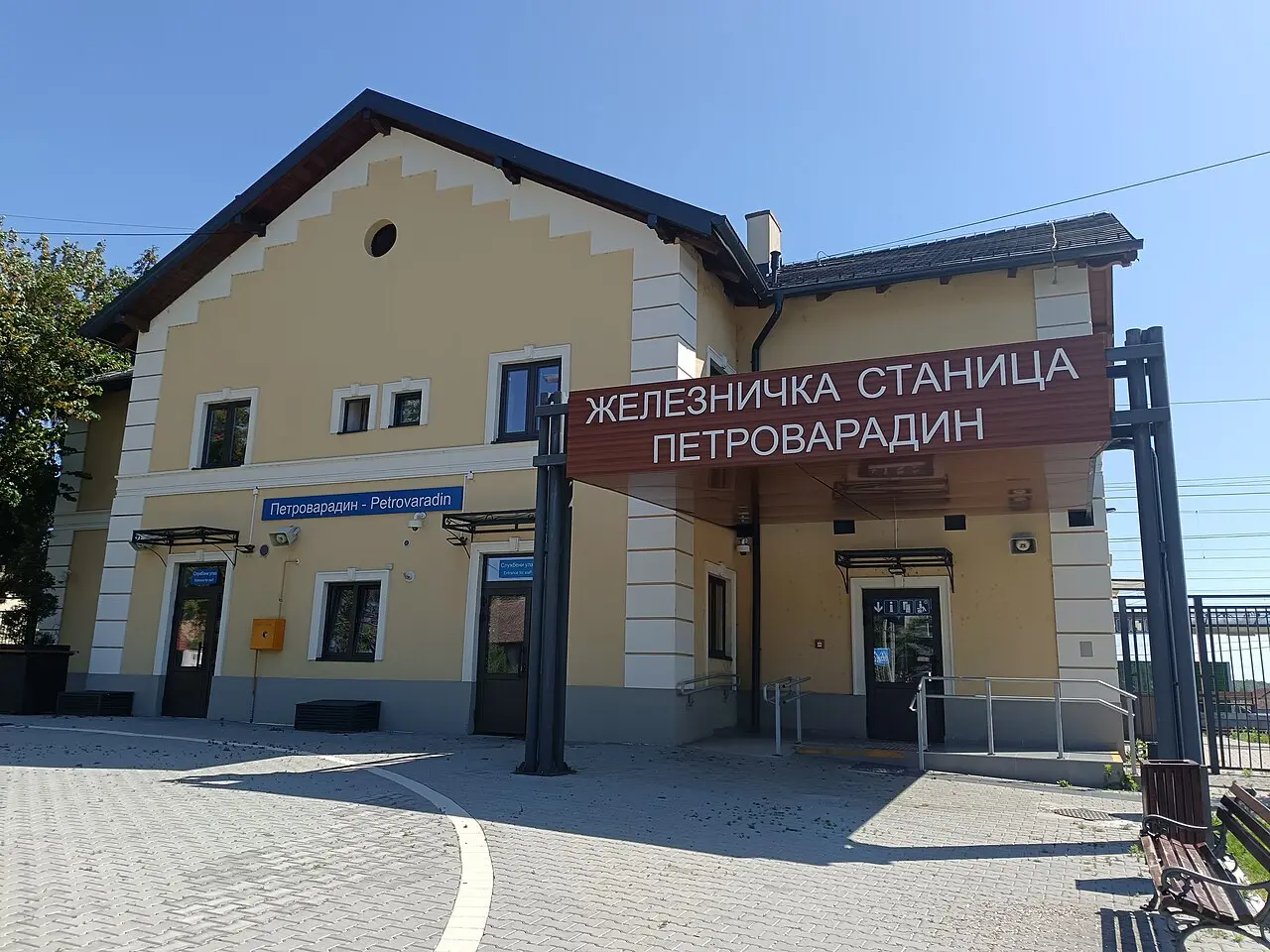
Fares on this leg moved on 15 July 2026. For Petrovaradin-Subotica, Srbija Voz’s published table (as reported by Serbian press quoting the operator) is 942 RSD + the mandatory seat reservation on InterCity/Soko - the table prints it as “942+резервација”, so the reservation sits on top, not inside. On the operator’s own Belgrade-Subotica example the reservation works out at about 120 RSD, which puts this leg near 1,060 RSD. A slower Regio is 702 RSD. That’s roughly nine euros for the fast train - cheap enough that price shouldn’t decide you against rail. Buy on the Srbija Voz app or site for the usual small online discount, or at the counter. The Belgrade to Subotica page covers the same line from the capital end; numbers there were written against an earlier tariff sheet, so treat the July 2026 Petrovaradin-Subotica figures above as the live ones for a Novi Sad start.
From Subotica the journey becomes Hungarian. A local diesel runs Subotica-Szeged in about 90 minutes, and roughly 30 of those minutes are a scheduled stand at Röszke for border formalities - the timetable books the stop, so plan on getting off rather than being checked in your seat. Since 2 February 2026 there are six pairs a day. Then you take a Hungarian Intercity from Szeged up to Budapest Nyugati. Sample chains published elsewhere still show a Novi Sad boarding around 06:38, which no longer exists: the station is shut and the train calls at Petrovaradin. The real chain on the operators’ own timetables is Petrovaradin 06:34 - Subotica 07:19 - Szeged 08:57 - Budapest Nyugati 12:09, about 5 hours 35 of rail time. Add the free shuttle from the city centre and a sensible buffer and you are nearer 6 hours 10 door to door. Miss a tight change and it stretches.
Tickets: Hungarian Railways (jegy.mav.hu) prices this corridor by destination, and it publishes a Novi Sad figure rather than only a Belgrade one - Budapest to Pétervárad (Petrovaradin) from €22 in second class, against €26 through to Belgrade. Both are “from” prices tied to promo inventory. Split booking is often clearer anyway: MAV for Budapest-Szeged and Szeged-Subotica (€5 one way on MAV’s START Regio SRB tariff; a separate train-bound product starts at €6), then Srbija Voz for Subotica-Petrovaradin. Only do this chain if you enjoy trains - the coach is still simpler for almost everyone.
Driving Novi Sad to Budapest
Behind the wheel the corridor is honest motorway almost the whole way: A1 / E75 north past Subotica to Horgoš, across to Röszke, then Hungary’s M5 into Budapest. An OSRM route from central Novi Sad to central Budapest measures 297 km and about 3 hours 16 minutes of pure driving. Add fuel stops and the border and a realistic door-to-door is closer to four hours on a good day, longer in August queues.
Serbia still has no motorway vignette - you take a ticket on entry and pay distance-based tolls at the booth when you leave (cash, card or ETC tag). Use the Putevi Srbije calculator for your exact segment rather than trusting a blog figure; rates move. Hungary is the opposite: buy a national e-vignette before you hit the M5. For a normal car (D1 category), the official 2026 rates from 1 January are 5,550 HUF for a day or 6,900 HUF for the 10-day weekly product, VAT included, sold via nemzetiutdij.hu. Buy it before the border or at a motorway petrol station on the Hungarian side - cameras enforce it.
Rental cars need cross-border permission written into the contract. What they do not need for this trip is a Green Card: Serbia joined the plate-based Deemed Insurance Cover System, and since 1 January 2012 Serbian-registered vehicles travel to the signatory countries - Hungary among them - without one. If a desk tries to sell you a Green Card for Hungary, that is an upsell, not a requirement. It is still genuinely needed for Russia, Belarus, Ukraine, Moldova, Turkey, Israel, Iran, North Macedonia, Albania, Tunisia and Morocco. Not every fleet car is cleared for Hungary either; confirm the permission in writing at booking, not at the barrier. For hire rules and deposits inside Serbia, car rental in Serbia and driving in Serbia spell out the paperwork. A car only really pays off for a group, heavy luggage, or a stop in the wine hills of Fruška Gora on the way - solo travellers usually save money and nerves on the coach.
Border, documents, timing
Whether you sit on a bus or hold a steering wheel, the sticky point is the same: Horgoš (RS) / Röszke (HU). You’ll show a passport (or EU ID where accepted), and non-EU travellers should expect the EU-wide Entry/Exit System, fully operational since 10 April 2026 - fingerprints and a face image the first time your file is created, then a facial match on later crossings. It is not a Hungarian scheme and it does not reset with each 90/180 window. Build margin. Don’t schedule a same-evening flight out of Budapest Liszt Ferenc against an afternoon coach arrival in high season.
On the rail workaround the checks happen during that half-hour stand at Röszke. It is calmer than a car lane, but it is not quick, and on the Schengen side the passport stamp is gone - it is a biometric record now, which is why the stop is booked at thirty minutes rather than five. Serbian exit control still stamps. Keep documents on you between changes; luggage in the rack is fine, buried passports are not.
So what should you book?
For nearly everyone leaving Novi Sad, buy the FlixBus. It’s cheaper than a solo hire, faster than the rail puzzle, and about an hour quicker than the same coach from Belgrade. Pay the 180 RSD station fee in cash, sit down, and let the border be someone else’s problem for twenty minutes to an hour.
Drive when you’re already in a rental, travelling as three or four, or stitching Budapest onto a Vojvodina road trip. Take the Soko-plus-Szeged chain when the point of the day is the train itself - Petrovaradin’s fortress views on the way to the station are a bonus, and Subotica’s Art Nouveau centre makes a pleasant break if you build a long connection. Don’t plan tomorrow’s itinerary around a direct high-speed express that still isn’t in the booking engines.
If you’re still shaping the Novi Sad end of the trip - fortress, beaches, how long to stay - the Novi Sad travel guide covers the city side. And if your friends are starting from Belgrade instead, send them the Belgrade to Budapest page so nobody mixes up the six-hour capital coach with this shorter Novi Sad run.
Photos
Read also

Transport · 10 min read
Belgrade to Istanbul: Bus, Flights & Long Way
Verified · August 26, 2026Belgrade to Istanbul in 2026: coach about 15.5h from €45, flights about 1h45 BEG-IST, no through train. Times, borders and the Sofia relay.

Transport · 11 min read
Belgrade Airport to Novi Sad: Transfer, Bus, Train
Verified · August 23, 2026No direct bus BEG to Novi Sad: a transfer or shared shuttle covers about 90 km in 70 minutes, or take the free airport bus plus the Soko train.

Transport · 12 min read
Belgrade to Kopaonik: Transfers, Bus & Driving
Verified · July 27, 2026Belgrade to Kopaonik is 265-300 km and about 4 hours, 5 in winter. Coach fares, transfer and taxi prices, the two mountain approaches, winter tyre rules.

Transport · 7 min read
Belgrade Public Transport: Free & How to Ride
Verified · July 12, 2026Belgrade public transport is free in 2026: buses, trams, trolleybuses and city trains, no ticket needed. The one paid catch is the airport minibus.