
Belgrade to Subotica by the New Soko Train
The new Soko fast train runs Belgrade to Subotica in 1 hour 34 minutes from 1,330 dinars. Times, fares, how to book, and the onward route to Hungary.
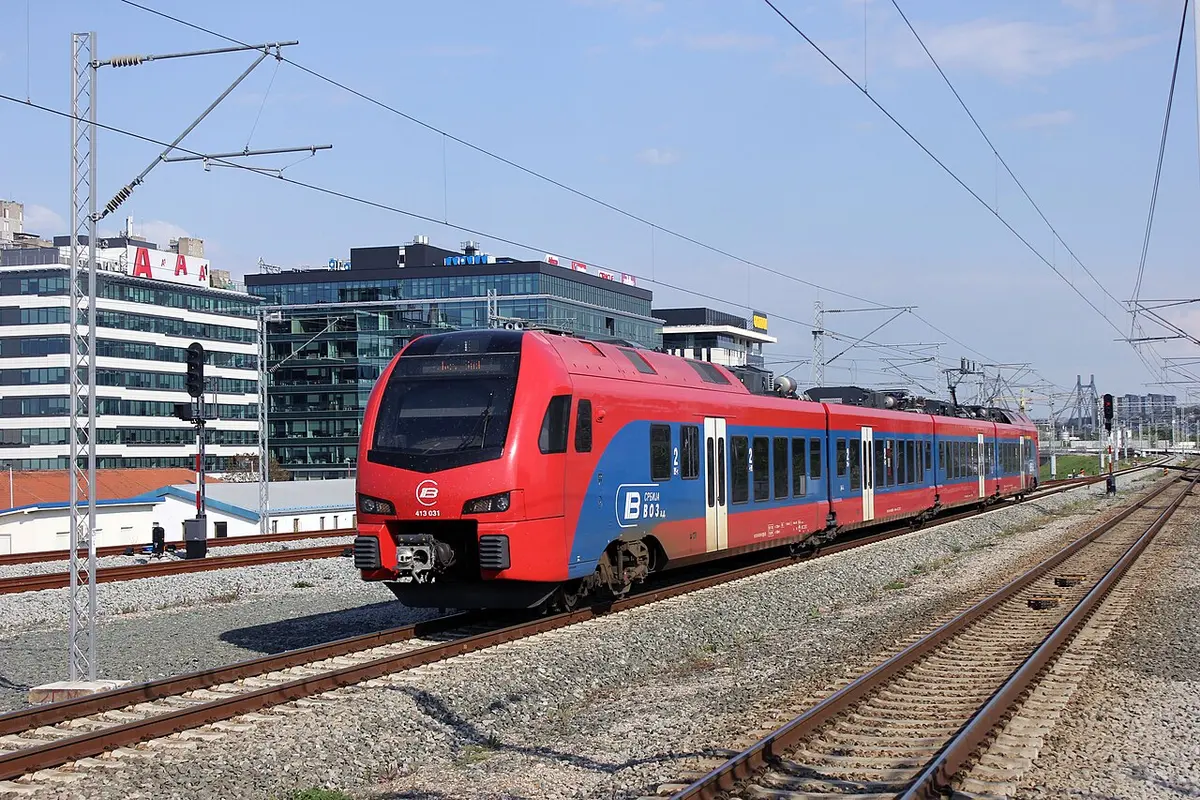
The new Soko fast train is now the best way from Belgrade to Subotica. Since the high-speed line was extended north in October 2025, the sleek Soko covers the 183 km up to Serbia’s Art Nouveau corner in 1 hour 34 minutes, for 1,330 dinars one way in second class with the compulsory seat reservation, roughly 11 euros. That’s dramatically quicker and comfier than the bus or the drive ever were, and it turns a trip that used to eat half a day into a short, scenic hop.
Trains leave from Beograd Centar, the station everyone still calls Prokop, and run thirteen times a day in each direction. Not all of them are the fast Soko, though, and the difference matters: nine are the genuine high-speed service, and the other four are slower Interregio trains that stop more often. Book a Soko departure and you are in Subotica in 1 hour 34 minutes. The one wrinkle the headline glosses over is what happens if you want to carry on into Hungary: Subotica is the railhead, but the through train to Budapest isn’t running yet, so that final leg is still a relay across the border rather than one straight ride.
The quick answer
- Take the Soko fast train. 1 hour 34 minutes, 1,330 dinars one way in second class, straight into the centre of Subotica.
- Leaves from Beograd Centar (Prokop), not the old main station, which is closed to passengers.
- Thirteen departures a day, but only nine are the fast Soko; the other four are slower Interregio trains, so check which you’re booking.
- Buy on the Srbijavoz app for a QR ticket, or at the station counter.
- Going on to Hungary? Subotica is the railhead, and as of November 2026 there’s no through train to Budapest; you change at the border.
If all you want is to reach Subotica, book a morning Soko and skip ahead. The rest is for getting the timing and the onward connection right.
The Soko train: what changed in 2025
For years, the trip north to Subotica was a slog: a slow train on old track or a couple of hours on the bus. That flipped on 8 October 2025, when the reconstructed high-speed line finally opened all the way from Belgrade to Subotica. The route had already been running the fast Belgrade to Novi Sad stretch since 2022; the 2025 extension carried the same 200 km/h trains onward to the Hungarian border town.
The Soko itself is a modern, air-conditioned Stadler train, a world away from the rolling stock most people picture for Serbian railways. You get first and second class, power outlets at every seat, free wifi, proper toilets and a refreshments trolley. It runs at up to 200 km/h in service, and the ride is smooth and quiet. For the first five days after opening the trains were free, which tells you how much of an event this was locally; now it’s a normal ticketed service, and a cheap one.
Times, fares and where it leaves from
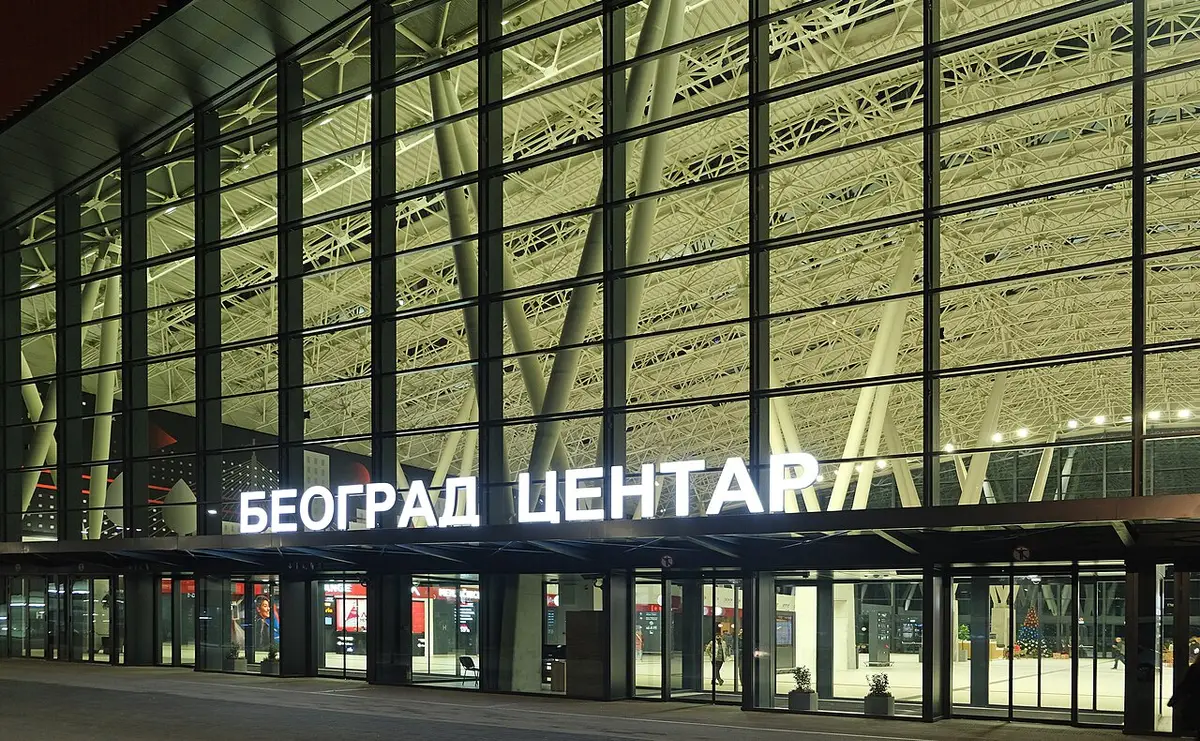
On the Srbija Voz timetable valid 19 October - 12 December 2026, the fast Soko does Belgrade to Subotica in 1 hour 34 minutes on every one of its nine departures. All trains start from Beograd Centar, the station in the Prokop cutting south of the centre. This trips people up, because it’s not the grand old main station by the river, which no longer handles passenger trains. Give yourself time to reach Prokop, since it’s a fair way from the tourist core and the connections to it aren’t brilliant.
There are thirteen departures a day each way, spaced roughly every couple of hours, but here’s the catch worth repeating: only nine are the high-speed Soko. The other four are Interregio trains, which use the same fast track but stop at more places and take noticeably longer. If speed is the point, look for the Soko departures specifically when you book. If you are stopping at Novi Sad on the way, it’s 38 minutes out of Belgrade to Petrovaradin (47 to the new TPS Novi Sad halt), and Novi Sad to Subotica on a Soko is 46 minutes from TPS Novi Sad (55 from Petrovaradin), so the city makes an easy break in the journey. Our full guide to Belgrade to Novi Sad covers that first leg, which is the busiest fast-train hop in the country.
The fare is the best part: 1,330 dinars one way in second class (1,770 in first), the compulsory Soko seat reservation included, and 2,176 dinars for a second-class return, so a round trip costs about 18.50 euros (Srbija Voz fares, checked November 2026). A slower Interregio is 1,060 dinars one way, no reservation needed, and buying on the Srbijavoz website or app takes 5% off the ticket price. There’s no need to book weeks ahead the way you would for a Western high-speed line; prices are fixed and cheap.
Buying a ticket
The easiest way is the Srbijavoz app. You pick your train, pay by card, and get a QR-code e-ticket straight to your phone, no printing and no queue. It’s genuinely quick, and it lets you see which departures are the fast Soko before you commit. If you would rather deal with a person, or your card is being awkward, you can still buy at the ticket counter at Beograd Centar, though it is worth arriving with a bit of a buffer at busy times. Seats aren’t always reserved on every service, so on a popular Soko it pays to be on the platform early rather than counting on a specific seat.
For getting from your hotel out to Prokop, or for any door-to-door leg where dragging a bag across Belgrade to the station is a hassle, a booked transfer can be the sane option, especially with an early train.
The catch: onward to Hungary
Here’s where the shiny new line stops short of the obvious dream. Subotica sits about 10 km from the Hungarian border, and the reconstructed railway is meant, eventually, to be part of a fast Belgrade to Budapest route. The cross-border section technically reopened alongside the Subotica extension in October 2025. But as things stand, there’s no single through train from Belgrade to Budapest yet; Srbijavoz’s acting director said on 27 October 2026 that direct services start on 13 December 2026.
So if you are heading on to Hungary today, the trip is a relay, not a straight ride. You take the Soko to Subotica, change onto a local train across the border to Szeged, then a Hungarian intercity train onward to Budapest, with the whole journey coming in around six and a half hours from as little as 26 euros. It works, and it’s cheap, but it’s a couple of connections rather than one through train, so build in time at the change. If a through Belgrade to Budapest service does launch as planned, this all gets a lot simpler, but until then treat Subotica as the end of the fast Serbian leg rather than a straight shot into Hungary. Starting in Novi Sad rather than Belgrade? Novi Sad to Budapest lays out the same relay from that side.
Why bother with Subotica?
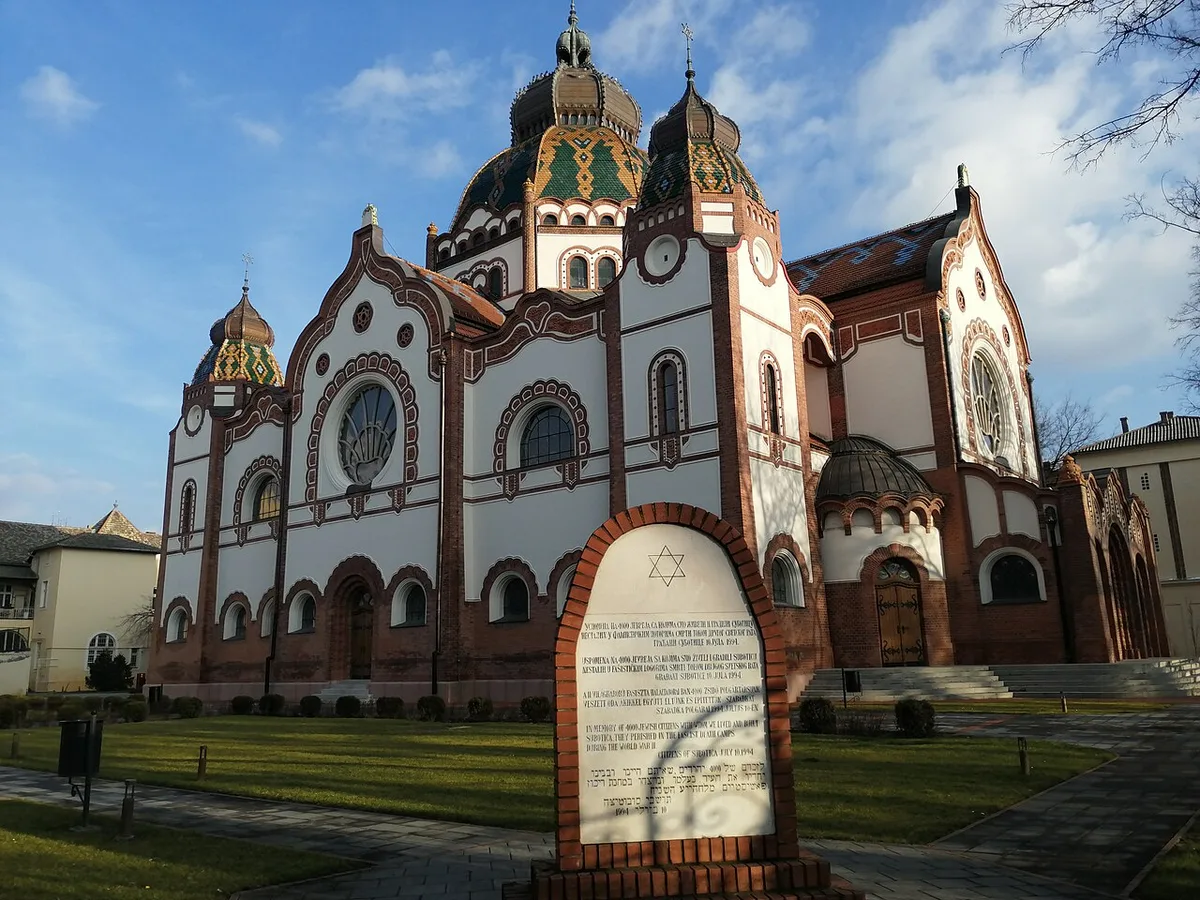
Plenty of people ride this line just to see the town, and it earns the trip. Subotica is Serbia’s Art Nouveau showpiece, a border city that spent a century in the orbit of Budapest and Vienna and wears it in its buildings. The riotous City Hall and the beautifully restored synagogue, one of the finest surviving Hungarian Secession buildings anywhere, are the headline sights, and the whole centre is walkable and low-key in a way Belgrade isn’t. Nearby Palić Lake, a short ride east, adds a strip of turn-of-the-century villas and a lakeside promenade. It is an easy day trip from Belgrade now that the train makes it so quick, or a relaxed overnight if you want to slow down; our full Subotica city guide covers the City Hall tower, the synagogue and the lake in detail.
The bottom line
Take the Soko. For Belgrade to Subotica it’s now the clear winner: 1 hour 34 minutes, 1,330 dinars one way in second class, thirteen departures a day, in a modern air-conditioned train. Just remember the two things that trip people up, that only nine of the thirteen daily departures are the genuine fast Soko rather than the slower Interregio, and that the train leaves from Beograd Centar at Prokop, not the old main station. Book it on the Srbijavoz app, aim for a Soko departure, and you’ve swapped a half-day slog for a quick, cheap, comfortable ride.
If you’re still piecing together how to move around the country, our overview of getting around Serbia sets the fast trains in context alongside the buses and roads, and if you’re planning your way into the country in the first place, how to get to Serbia covers every route in.
Photos
Read also

Transport · 8 min read
New York to Belgrade Flights: Nonstop or One Stop
Updated · November 18, 2026New York to Belgrade: Air Serbia nonstop from JFK (about 8h50) and one-stop routes via Europe, how thin the winter schedule is and what to check first.

Transport · 7 min read
London to Belgrade Flights: Air Serbia or Wizz Air
Updated · November 16, 2026Nonstop London to Belgrade in winter 2026/27: Air Serbia from Heathrow, Wizz Air from Luton. Bags, airports, the Wizz base question and how to price it.

Transport · 12 min read
Novi Sad to Budapest: Train, Bus & Driving
Verified · September 1, 2026From Novi Sad to Budapest in 2026: FlixBus in 4h45, drive about 300 km, or Soko train to Subotica then Hungary. Station fee, border and fares.

Transport · 10 min read
Belgrade to Istanbul: Bus, Flights & Long Way
Verified · August 26, 2026Belgrade to Istanbul in 2026: coach about 14.5h, flights about 1h45 BEG-IST, no through train. Times, borders and the Sofia relay.