
Belgrade or Budapest: Which City Break?
Belgrade or Budapest: Budapest wins on flights, baths and sights, Belgrade on free transit and price. Populations, tickets and connections compared.
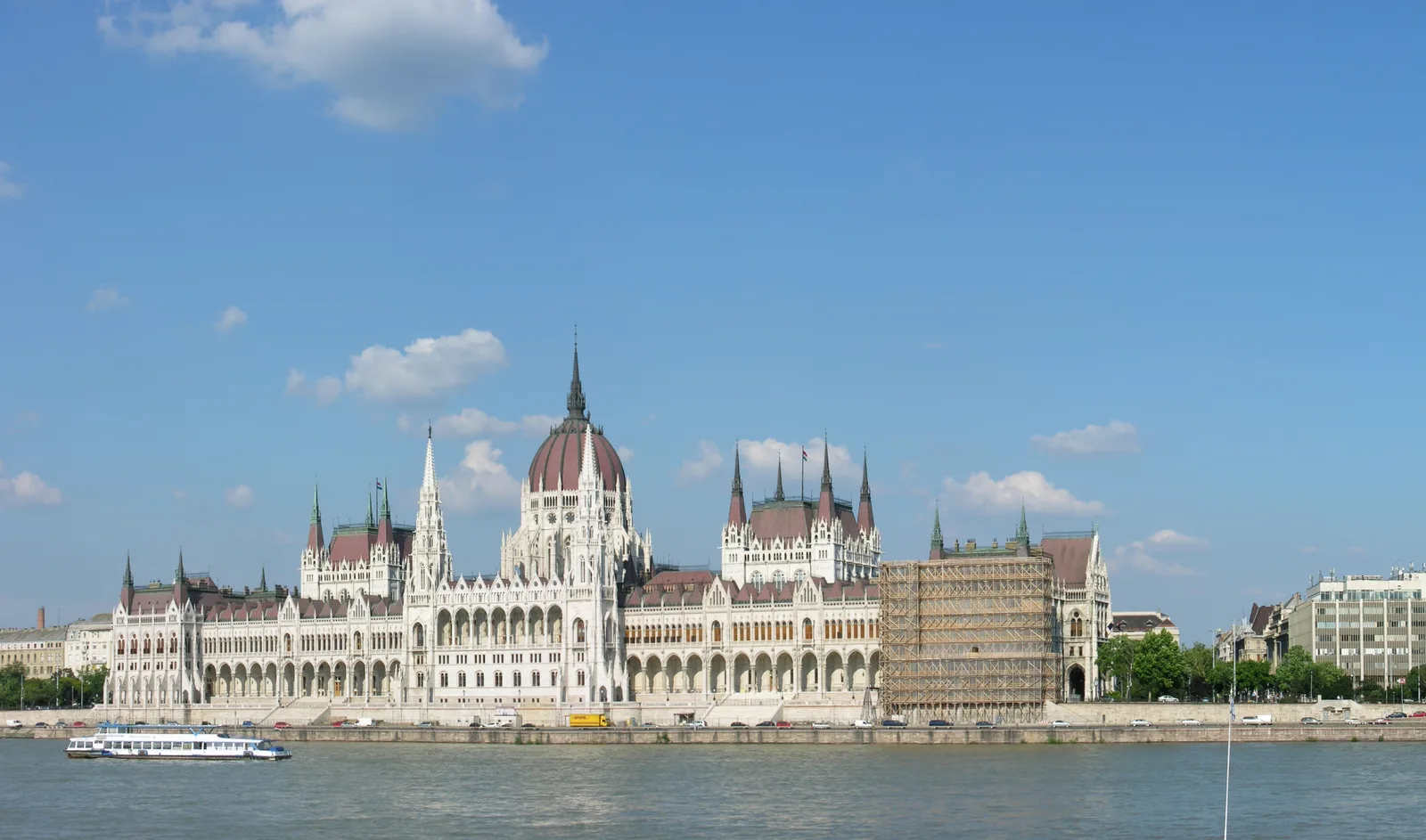
For a straightforward city break, Budapest is the easier booking and the bigger sight: more UK and Irish airports fly there direct, its thermal baths and Buda Castle give you two full days without repeating yourself, and its metro actually exists. Belgrade is the cheaper, rougher, more immediately likeable one: public transport is free, prices run lower across the board (by less than the internet loves to claim - our stag comparison has the real numbers), and the fortress and river make for a very good long weekend without the crowds. Neither city is a compromise pick - they solve for different things, and the numbers below make it easy to see which one solves for yours.
Belgrade and Budapest, head to head
| Belgrade | Budapest | |
|---|---|---|
| City population | 1,197,714 (2022 census) | 1,685,209 (2025) |
| Direct UK/Ireland airports | 2 (both London) | 11+ across the UK and Ireland |
| Currency | Dinar (RSD), not in the EU | Forint (HUF), EU but not the eurozone |
| Metro | None yet - under construction | 4 lines, since 1896 |
| Public transport | Free since January 2025 | 500 HUF (about EUR 1.35) a ride |
| Signature paid sight | Nikola Tesla Museum, from 800 RSD (about EUR 7) | Szechenyi bath, from 13,200 HUF (about EUR 36) |
Two capitals, two very different sizes
Budapest is simply the bigger city: 1.69 million people inside the city limits against Belgrade’s 1.2 million, spread over a larger area on both banks of the Danube, split into hilly Buda and flat Pest. Belgrade sits at its own river junction, where the Sava meets the Danube, and its old town is compact enough to walk end to end in twenty minutes. That size gap shows up everywhere else on this page: Budapest has more sights, more flights, more of almost everything, and Belgrade’s case rests on being cheaper and easier to like fast rather than bigger.
Money works differently in each. Belgrade runs on the dinar and isn’t in the EU at all. Budapest is in the EU but hasn’t adopted the euro - Hungary’s new government, formed after the 2026 election, has floated a target of around 2030, but that’s a stated goal rather than a locked date, and the country wasn’t meeting the eurozone’s entry criteria when it was last assessed. Budget for forints either way, and don’t assume euro cash will be welcome on the street in either city.
Flying in is not a close contest
If you’re weighing this up from the UK, Ireland, or further afield, look at the flight map before anything else. Belgrade’s Nikola Tesla Airport has direct UK service from exactly two airports - Air Serbia from London Heathrow and Wizz Air from London Luton - which between them run about 14 flights a week in summer. That’s it: no Manchester, no Dublin, no Edinburgh.
Budapest is a different proposition entirely. Ferenc Liszt International is served by British Airways, Wizz Air and easyJet out of London, Jet2 from Birmingham, the East Midlands, Leeds/Bradford and Manchester, Ryanair from Belfast, Birmingham, Bristol, Edinburgh, Liverpool and Stansted, Aer Lingus from Dublin, and seasonal TUI routes on top - more than a dozen UK and Irish airports in all. If your group isn’t all flying from London, that difference alone can decide the trip: Belgrade means someone’s taking a connection or a domestic hop first, and Budapest usually doesn’t.
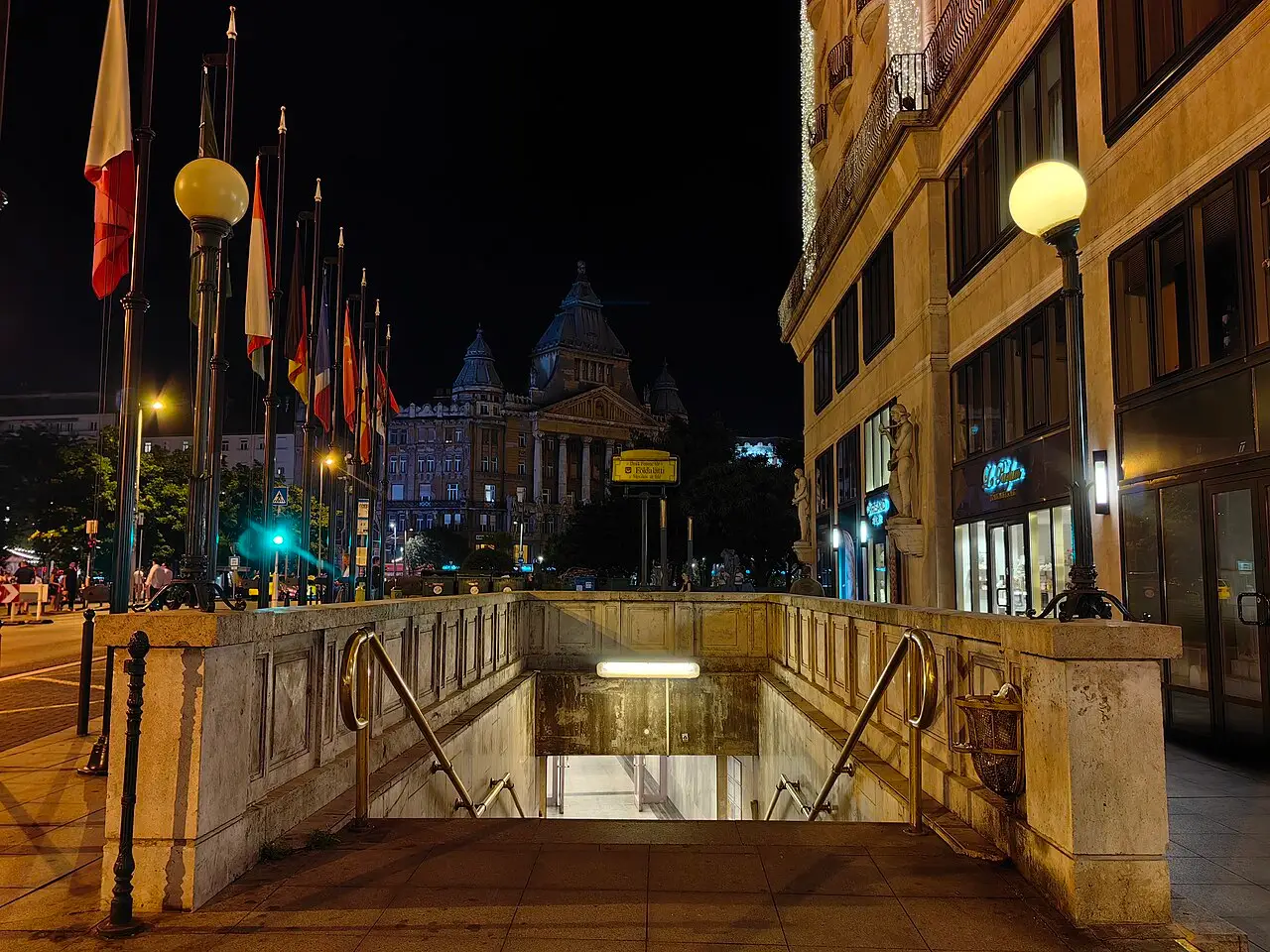
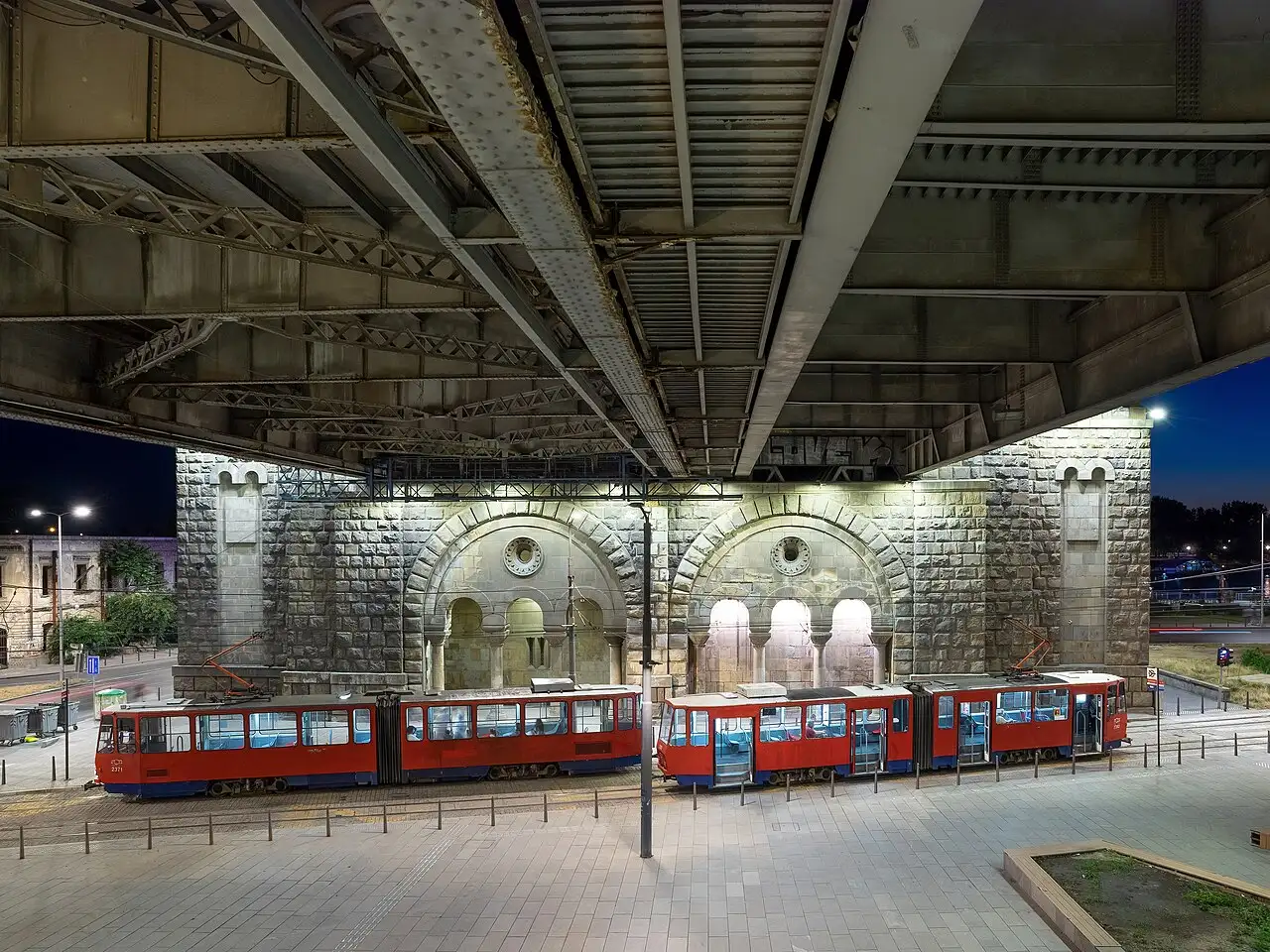
Once you land, the gap narrows a little. Budapest’s four metro lines, the oldest of which has been running since 1896, make it easy to cross the city without needing a car. Belgrade doesn’t have a metro - one is finally being built, with Alstom signed up on a EUR 915 million contract in March 2026 for a first line linking Makisko Polje and Karaburma, but the tunnel-boring machines were not due in Belgrade before the end of September 2026, and the schedule has slipped before, so don’t plan a trip around it. You’ll use buses and trams instead, and that turns out to be less of a problem than it sounds.
Transit and baths, side by side
This is where Belgrade claws most of the gap back. A single ride on Budapest’s BKK network costs 500 forints, about EUR 1.35, or 700 if you pay the driver on board; a block of ten tickets runs 4,500 forints. Belgrade’s buses, trams, trolleybuses and the BG Voz suburban train have been completely free since 1 January 2025 - no ticket, no card, nothing to buy, on every regular city line. The one exception is the airport run: the A1 express minibus to Nikola Tesla Airport is 400 dinars, and a set of E-badged city express lines sit outside the free system too, at 200 dinars - neither is slower than the regular network, they’re simply not part of it. Our guide to Belgrade’s free public transport has the full detail if the airport is your first stop.
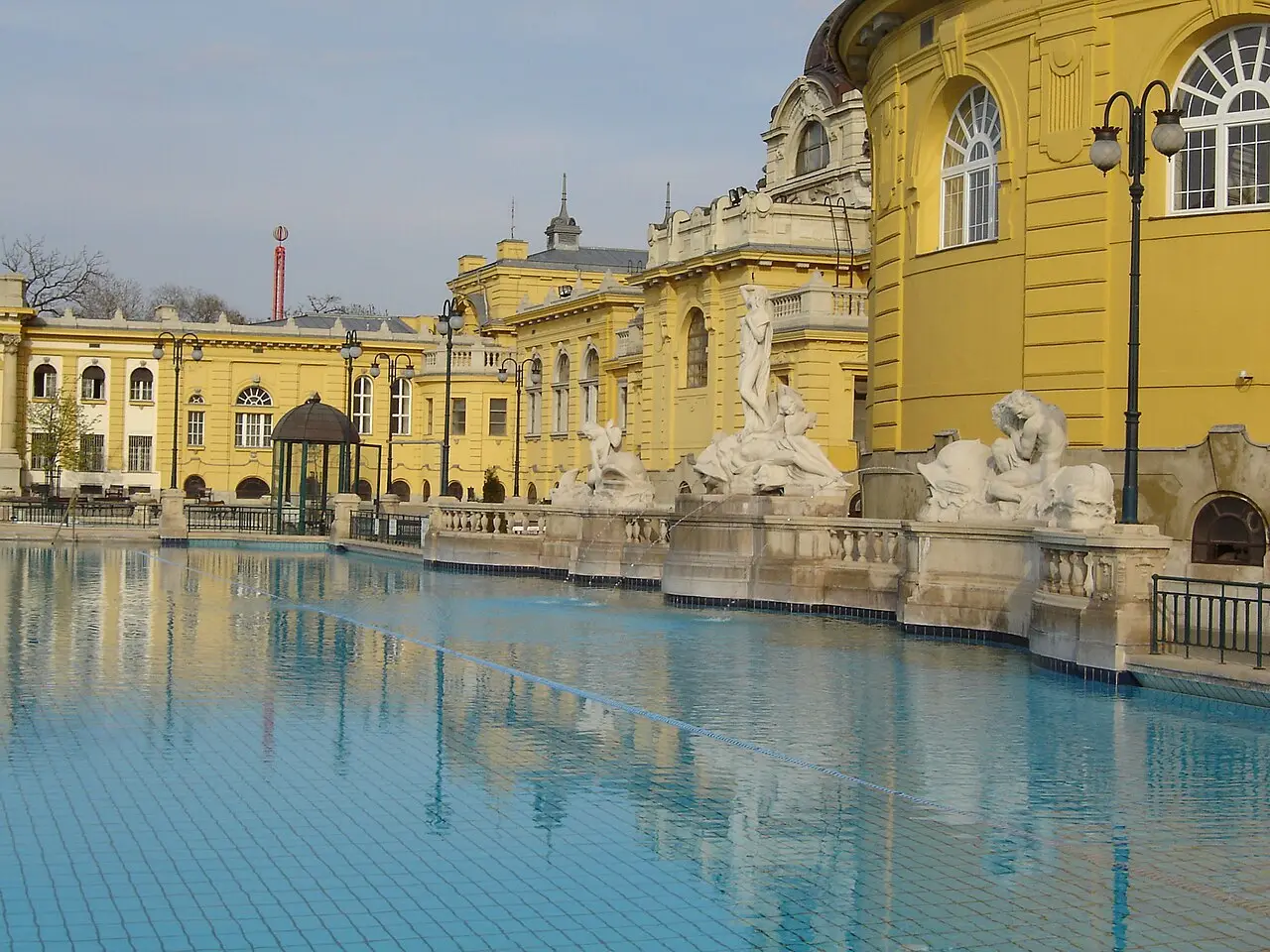
The same split shows up at the two cities’ headline attractions. Budapest’s Szechenyi thermal bath, the one everyone photographs, charges 13,200 forints on weekdays and 14,800 on Fridays and weekends for standard entry with a locker - roughly EUR 36 to EUR 41, or about GBP 31 to GBP 35. It’s genuinely worth the money, but it is money. Belgrade’s equivalent icon, Kalemegdan fortress and its park over the river confluence, costs nothing to walk into at any hour, though the military museum and any special exhibitions inside charge separately. If your idea of a good afternoon is free and outdoors, Belgrade wins without trying; if it’s a few hours in hot mineral water inside an early-twentieth-century bathhouse, that’s a Budapest afternoon, and Belgrade itself has no version of it - Serbia’s own thermal towns, like Vrnjačka Banja, are a couple of hours further south, not something you can fit into a city-break afternoon.
The sights: a fortress against a castle, and baths
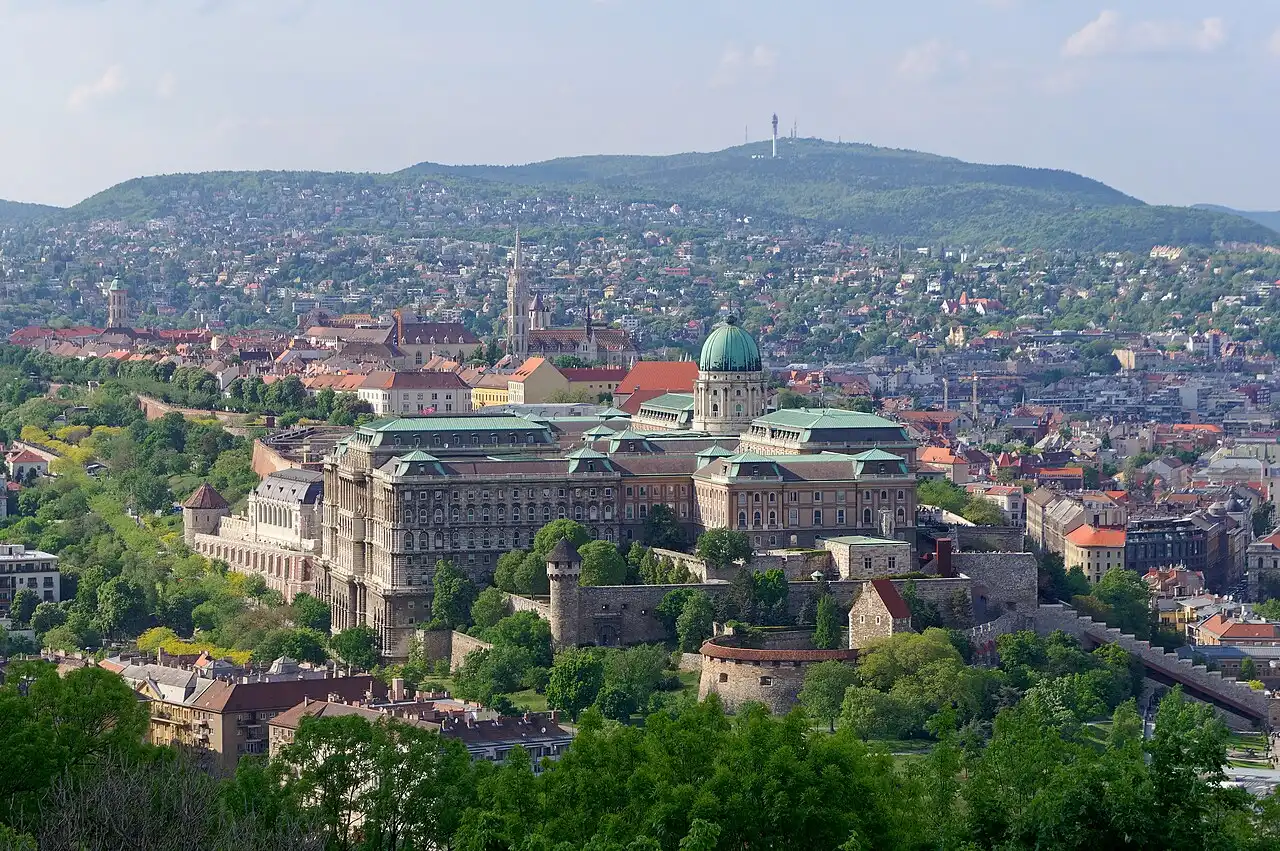
Budapest’s sightseeing is layered and genuinely full: Buda Castle and the Fisherman’s Bastion on the hill, the Hungarian Parliament and the river itself on the flat side, and the baths - Szechenyi, Gellert and others - as a whole separate category of things to do that Belgrade simply doesn’t have. Give it two full days and you’ll still be picking between options on the third morning.
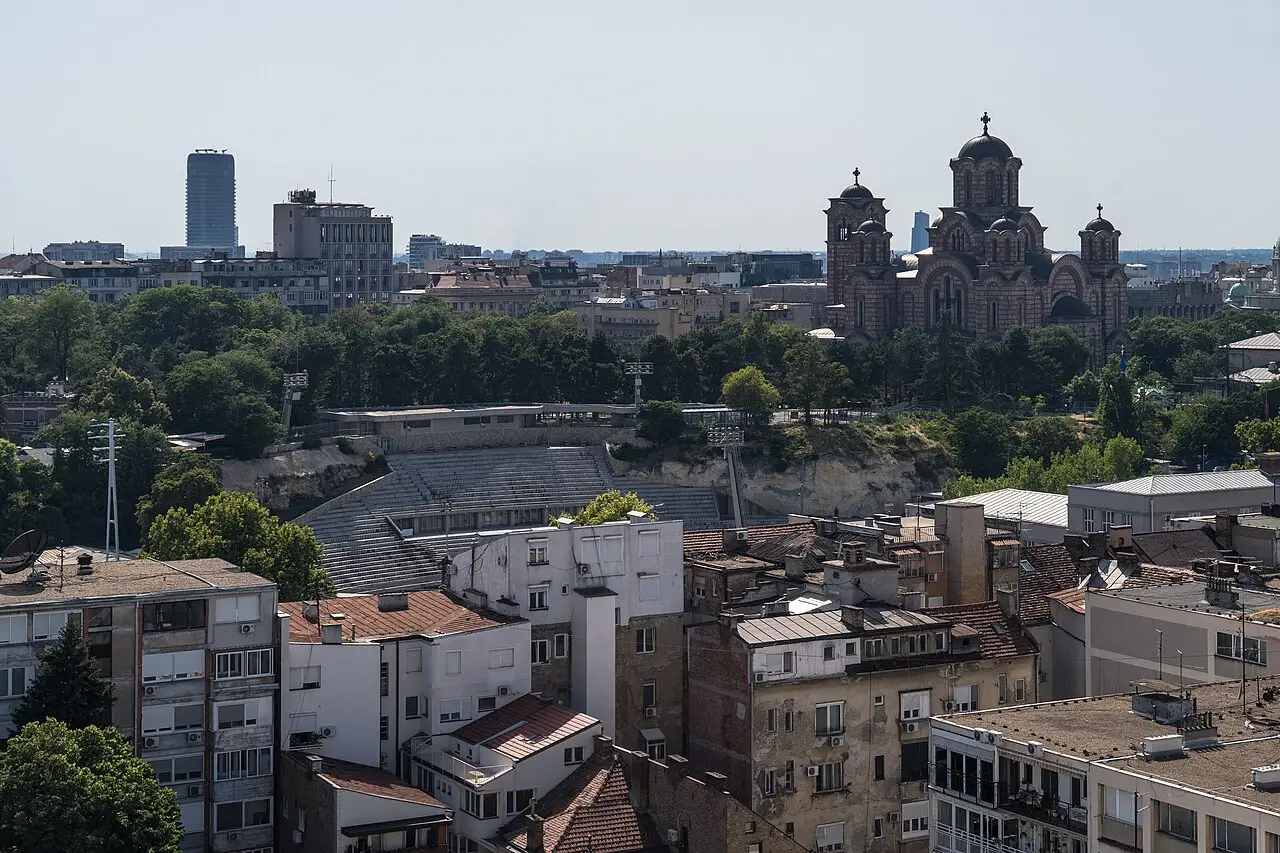
Belgrade’s list is shorter and it knows it: Kalemegdan fortress, the Church of St Sava, Skadarlija’s cobbled restaurant street, and the Nikola Tesla Museum, the one paid stop worth booking time for, guided tour and all. What it has instead is a compact old town you can still wander without a crowd of other visitors doing the same thing at the same time - our things to do in Belgrade guide covers the two-day core properly, and is Belgrade worth visiting is the honest answer for anyone still deciding. Come for a weekend rather than a week, and Belgrade’s shorter list stops being a weakness.
Nightlife, in one paragraph
Both cities are genuinely good at this and genuinely different: Belgrade’s splavovi, floating clubs on the Sava and Danube, against Budapest’s ruin bars in old, roofed-over buildings - one seasonal and river-bound, the other running all year. If a big group weekend rather than a couple’s city break is what you’re actually planning, our dedicated Belgrade vs Budapest stag comparison prices the packages, the beer and the flight options head to head; this page is about the wider trip, not the stag weekend.
Crossing between the two
You don’t have to pick just one. A direct coach covers the roughly 400 km between them in about six hours from around EUR 19, and Air Serbia flies it in about 75 minutes, several times a week depending on the season; there’s still no direct passenger train, though a cross-border rail service is now targeted for autumn 2026 after years of delay, so check before you assume the coach is still the only overland option by the time you travel. Our Belgrade to Budapest guide has the full timetable and fare breakdown, including the Horgos-Roszke border crossing, which matters here because Serbia sits outside the EU and Schengen while Hungary is inside both - keep your passport handy on the coach, and build in some slack for the checks.
When in doubt, check the flight map again
Every other line in this comparison is close enough to go either way. The flights aren’t. Fly from anywhere other than London and Budapest is simply the easier booking, often before price or sightseeing even enter the conversation.
Budapest also has the edge if two full days of varied sightseeing and a proper thermal bath matter more than saving money. Belgrade wins if the budget is tight, if a shorter trip that still feels complete is the goal, or if free transport and a fortress with a view are sightseeing enough for you. And you don’t have to choose: with the better part of a week to spend, fly into one city and out of the other, and that six-hour coach ride between them turns an either-or into a straightforward yes.
Photos
Read also

Before you go · 9 min read
Tipping in Serbia: How Much, Cash or Card
Verified · August 9, 2026Tipping in Serbia: about 10% in restaurants, round up cafes and taxis. Cash is standard - card terminals rarely add a tip. What to leave, by situation.

Before you go · 10 min read
Best Hostels in Belgrade: Party and Budget Picks
Verified · August 8, 2026Belgrade hostels from EUR 6.66 a bed: 3 party picks near the bars and 3 quiet, cheaper ones, with real prices, ratings and exact addresses.

Before you go · 9 min read
What to Pack for Serbia (+ Power Plugs)
Verified · August 7, 2026Pack for Serbia: Type F/C 230V plugs, Belgrade vs mountain layers, and the shoes, eSIM and documents that actually matter on the trip.

Before you go · 9 min read
Serbia in 5 Days: Beyond Belgrade
Verified · August 6, 2026A 5-day Serbia itinerary that leaves Belgrade on day one: Novi Sad and Fruška Gora, then Zlatibor, the Šargan Eight and Tara.