
Nikola Tesla Museum: Tickets, Tours, Tips
How to visit the Nikola Tesla Museum in Belgrade: hourly guided tours only, live demonstrations, English times, prices in RSD and the cash-only catch.
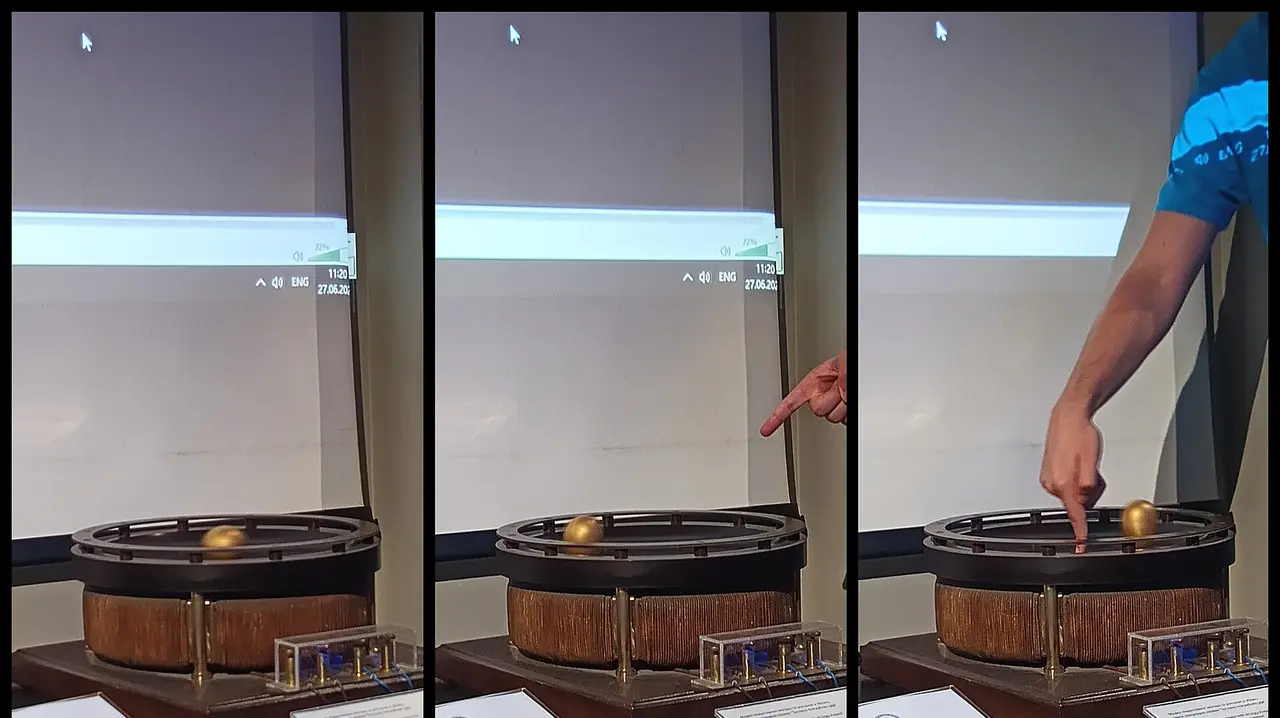
The one thing to know before you go: you can’t just wander in. Entry to the Nikola Tesla Museum is by guided tour only, tours leave on the hour, and they run in both Serbian and English, so the whole visit is timed to the clock. Get that right and it’s one of the most fun hour-long stops in Belgrade, because this isn’t a glass-case museum you shuffle past. A guide fires up working replicas of Tesla’s machines and the room lights up, literally. Turn up unprepared and you either wait 55 minutes for the next English slot or find you have no way to pay.
Tickets, hours and the cash-only trap
The museum sits in a handsome 1920s villa at Krunska 51, a ten-minute walk from Slavija Square in the Vračar district. Opening hours, checked in July 2026, are Monday 10:00-18:00 and Tuesday to Sunday 10:00-20:00. It’s central, easy to reach on foot from most of the tourist core, and free city transit gets you to a nearby stop for nothing.
Tickets are cheap by any European measure. From the museum’s own price list, an individual English-language tour is 800 RSD (roughly €7), and a Serbian-language tour is 400 RSD. The published list has exactly four rows and none of them is a child rate, so budget a full ticket for each child and ask at the desk rather than counting on a discount. If you happen to arrive as part of a group of ten or more, the per-person rate drops to 500 RSD for the English tour and 250 RSD for Serbian. There’s no separate “just look around” ticket, because there is no just-looking-around option. These are the current rates and can change, so it is worth a glance at the museum’s official site before you go.
Here is the catch that ruins more visits than anything else: the museum takes cash only, in Serbian dinars, and doesn’t accept cards. No tap, no Visa, no euros at the door. Belgrade in general is card-friendly, so it’s easy to arrive with a wallet full of plastic and nothing that works here. Pull dinars from an ATM before you come, or you will be sent back out to find one while your tour slot ticks away.
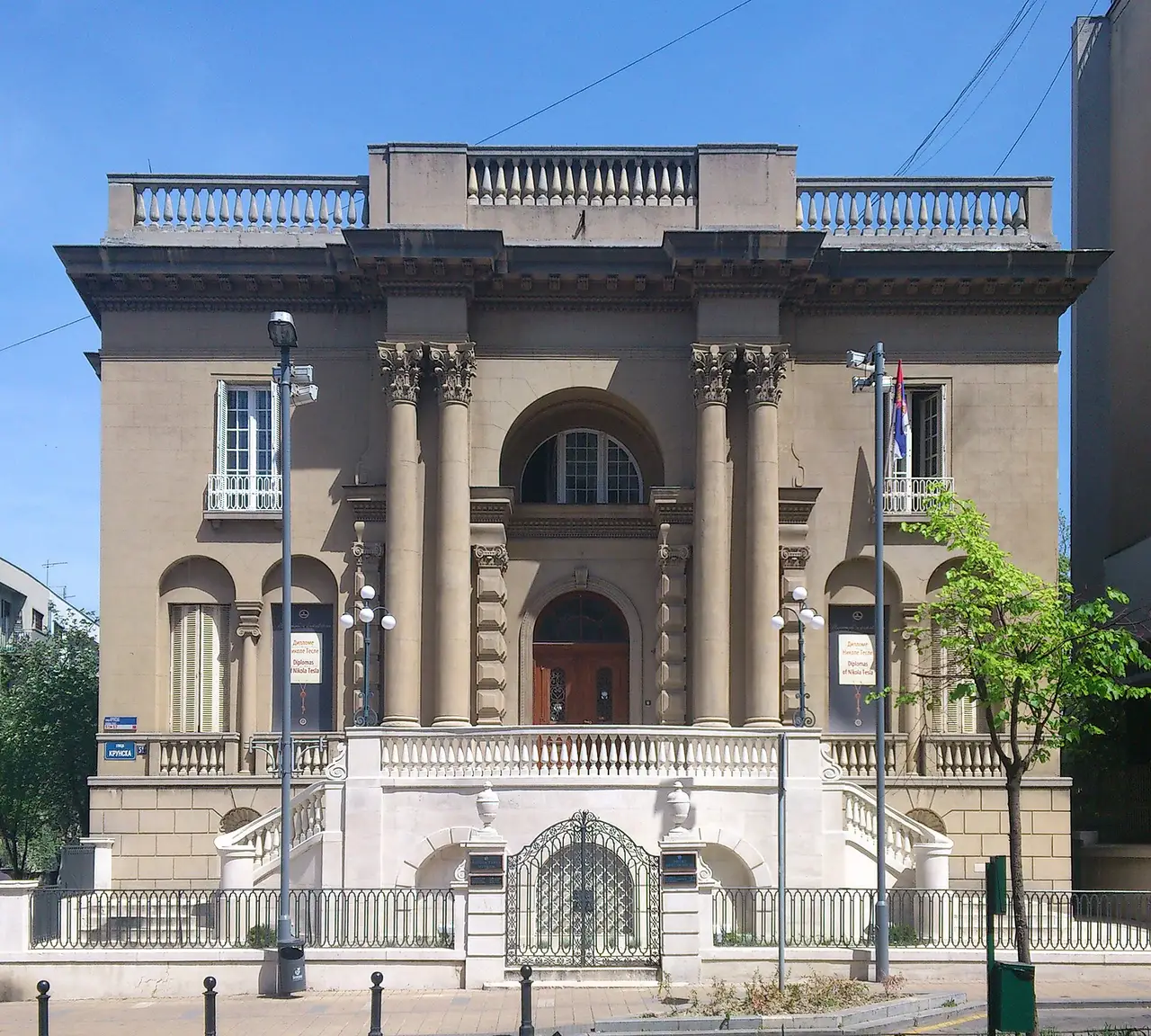
How the guided tours actually work
Tours start at the beginning of every hour and last around 45 minutes. English tours run roughly hourly from 10:00 to 19:00, alongside the Serbian ones, though the exact English schedule can shift when a booked group takes a slot. As an individual visitor you don’t need to book - you turn up, buy onto the next available tour, and wait. Only groups of more than ten have to reserve, at least a day ahead, by phone or email through the museum.
The practical move is simple: aim to arrive about fifteen minutes before the hour. Roll in at ten past and, in the worst case, you have most of an hour to kill before the next English tour. In peak summer the on-the-hour slot can fill up, so a little slack in your plan helps. If you land on a busy afternoon, buy your ticket for a later tour and go grab a coffee on Krunska rather than standing in the lobby.
The demonstrations are the whole point
What makes this museum different is that the star exhibits do things. On every tour the guide runs live demonstrations of Tesla’s inventions, and it turns a polite history lesson into a small show. The signature moment is the one you’ve probably seen in photos: the guide hands out fluorescent tubes that glow in your bare hand, lit wirelessly across the room by a high-frequency field - Tesla’s century-old point about wireless power transmission, made real in front of you. There’s a spinning “egg of Columbus,” where a copper egg stands upright and whirls inside a rotating magnetic field to show the principle behind the AC induction motor, and a Tesla-coil-style discharge that never fails to make the room flinch.
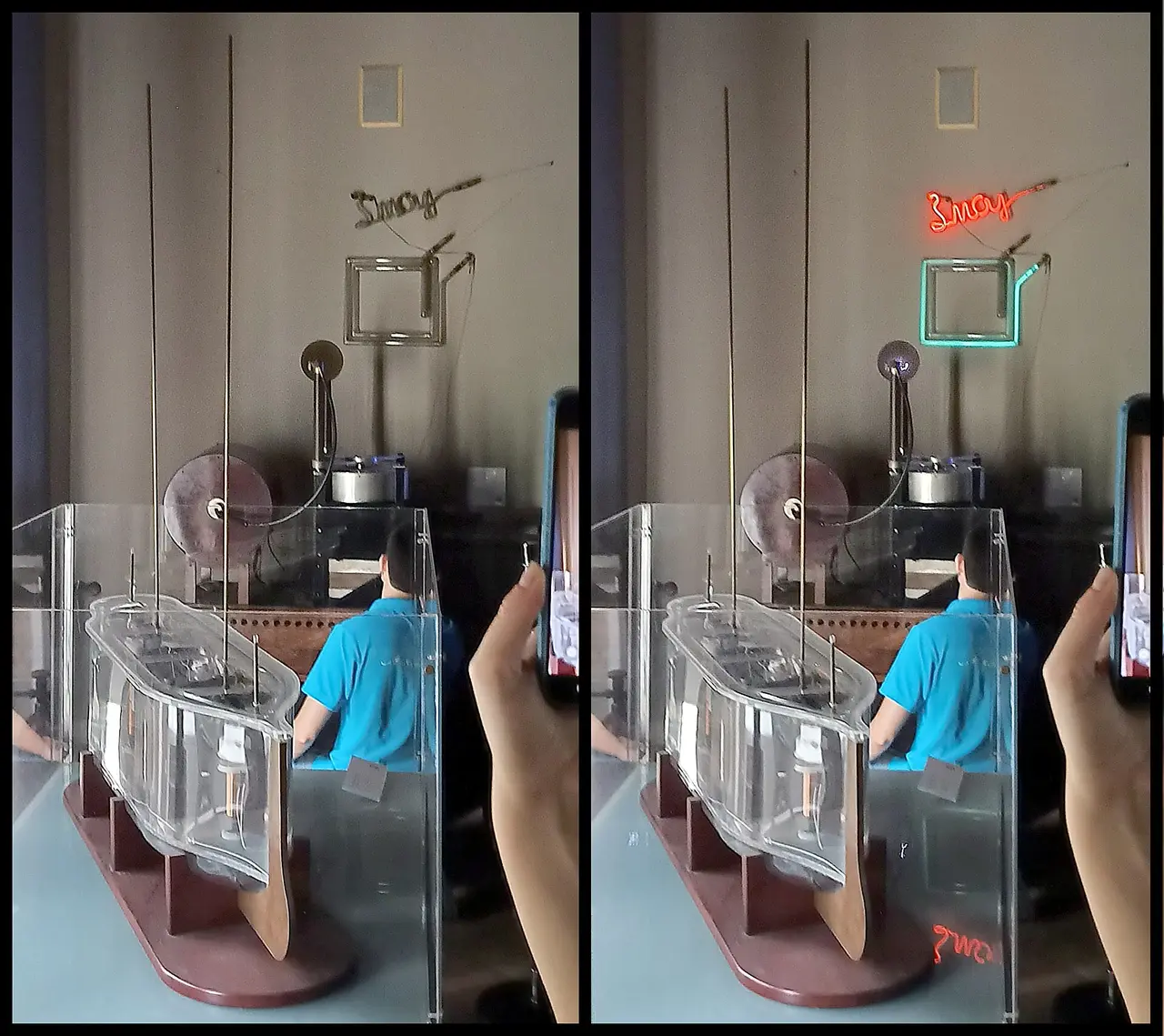
This is why the guided-tour rule, annoying as it sounds, is actually the right call: the machines need someone to run them, and a self-guided visitor would just be looking at inert metal. It also makes the place genuinely good with kids - the demonstrations do the heavy lifting, and 45 minutes is about the right length before young attention runs out. Non-scientists get plenty out of it too; the guides pitch the physics at a level anyone can follow.
Tesla’s ashes, and an archive UNESCO protects
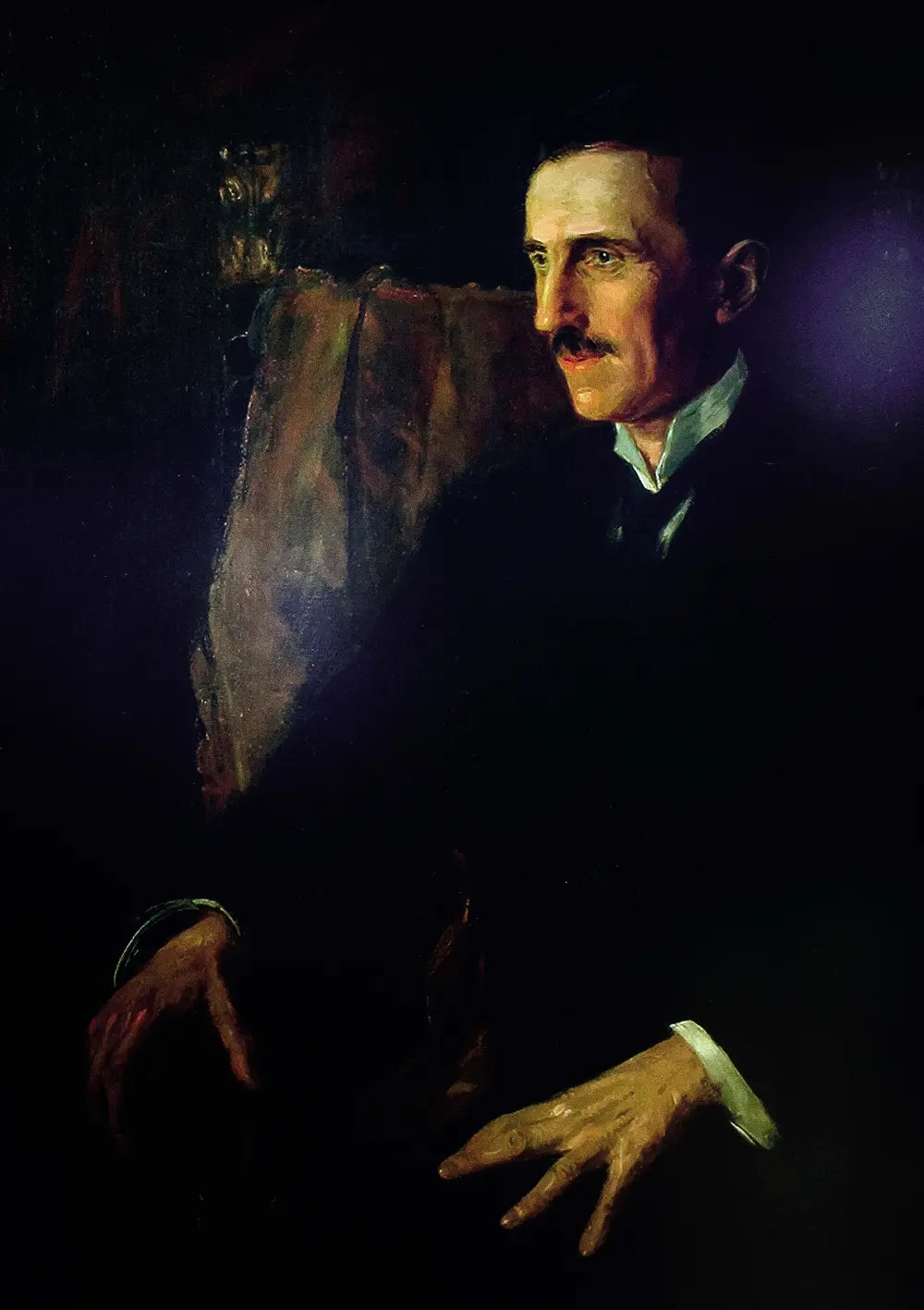
Beyond the demonstrations, the collection is the personal estate of the man himself. When Tesla died alone in a New York hotel in 1943, his papers, instruments and effects were eventually shipped to Belgrade, and the museum opened here in 1952 to hold them. On display you’ll find original apparatus and models, his personal belongings, photographs and documents, plus a short film on his life.
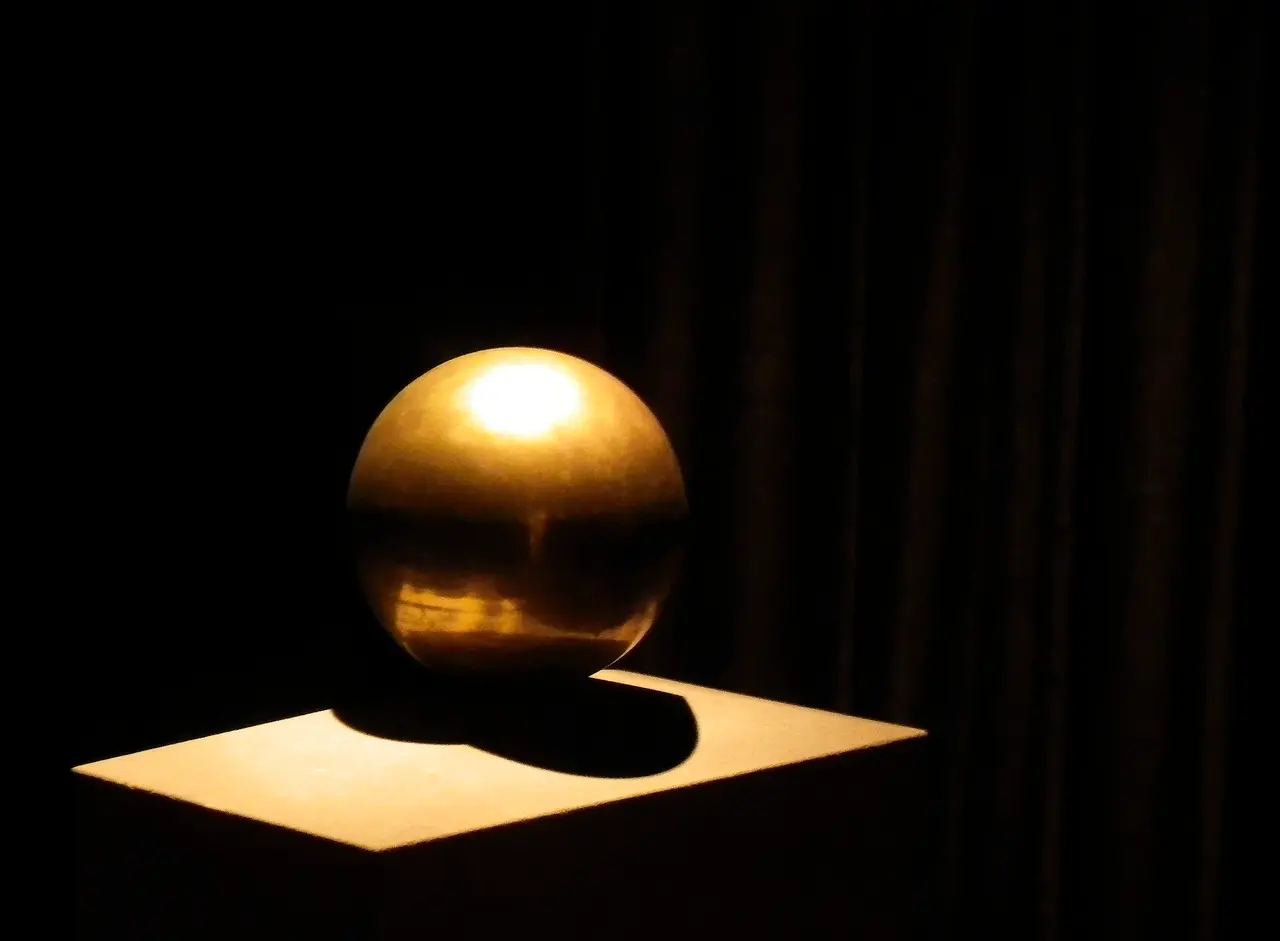
The exhibit that stops most people is small and unexpected: a gold-plated sphere holding Tesla’s ashes. It’s an oddly moving thing to stand in front of - the cremated remains of one of the era’s great minds, sealed in a globe in a quiet Belgrade room. Its display has been the subject of some back-and-forth over the years between the museum and the Serbian Orthodox Church, so if seeing the urn matters to you, it is worth a quick check that it’s currently out.
The archive behind the exhibits is more significant than the modest villa lets on. Tesla’s personal papers held here - well over a hundred thousand documents - are inscribed on UNESCO’s Memory of the World register, the same programme that protects the Gutenberg Bible and the Magna Carta. You don’t see the archive on a normal visit, but it’s the reason serious Tesla scholarship still runs through Belgrade.
Is it worth it, and what to pair it with
Set your expectations right and the answer is an easy yes. This is a small museum - the building is a villa, not a palace, and 45 minutes is genuinely all it takes - so do not budget half a day or you’ll feel short-changed. Come for the demonstrations, the personal collection and the sheer oddity of the ashes, treat it as a sharp, self-contained hour, and it delivers.
Because it’s compact and central, it slots neatly into a bigger day. It’s a short walk or ride from the Temple of Saint Sava, the giant Orthodox cathedral on the same Vračar hill, so the two make an obvious pairing - the museum for an hour, the temple for another, both free-to-cheap. From there it’s downhill toward the river and Kalemegdan Fortress, and our full guide to things to do in Belgrade strings the rest of the city together. Save the Museum of Yugoslavia and the House of Flowers for a separate Dedinje half-day - it isn’t a Vračar add-on. One last time, because it’s the tip that saves the day: get there before the hour, and bring dinars in cash.
Photos
On the map
The map loads on click - to keep the page lightweight.
The map didn’t load. Check your connection and refresh the page.
Read also

What to see · 10 min read
Fruska Gora Monasteries: Which to Visit
Verified · September 3, 2026Sixteen preserved Orthodox monasteries on Fruska Gora: Krusedol, Novo Hopovo, Grgeteg and Vrdnik, plus dress code and a day route from Novi Sad.

What to see · 9 min read
Viminacium: Rome and Mammoths near Belgrade
Verified · September 3, 2026Roman Viminacium near Kostolac: adult tickets 1,050 RSD, hours by season, last tour two hours before close, and why the mammoth park is shut.

What to see · 12 min read
Vinca: The Neolithic Site on Belgrade's Doorstep
Verified · August 29, 2026Vinca's Belo Brdo site is 14 km downstream from Belgrade (16 km by road): 2026 hours, tickets, what the small museum shows, and how to get there.

What to see · 10 min read
Skull Tower of Niš: Story, Tickets, Visiting Tips
Verified · August 25, 2026Ćele Kula in Niš: 1809 Battle of Čegar, chapel hours, 300 RSD tickets and how to visit respectfully from the centre or INI airport.