
Museum of Yugoslavia: House of Flowers Guide
Belgrade Museum of Yugoslavia tickets and hours, House of Flowers (Tito), May 25 Museum and how to reach Dedinje.
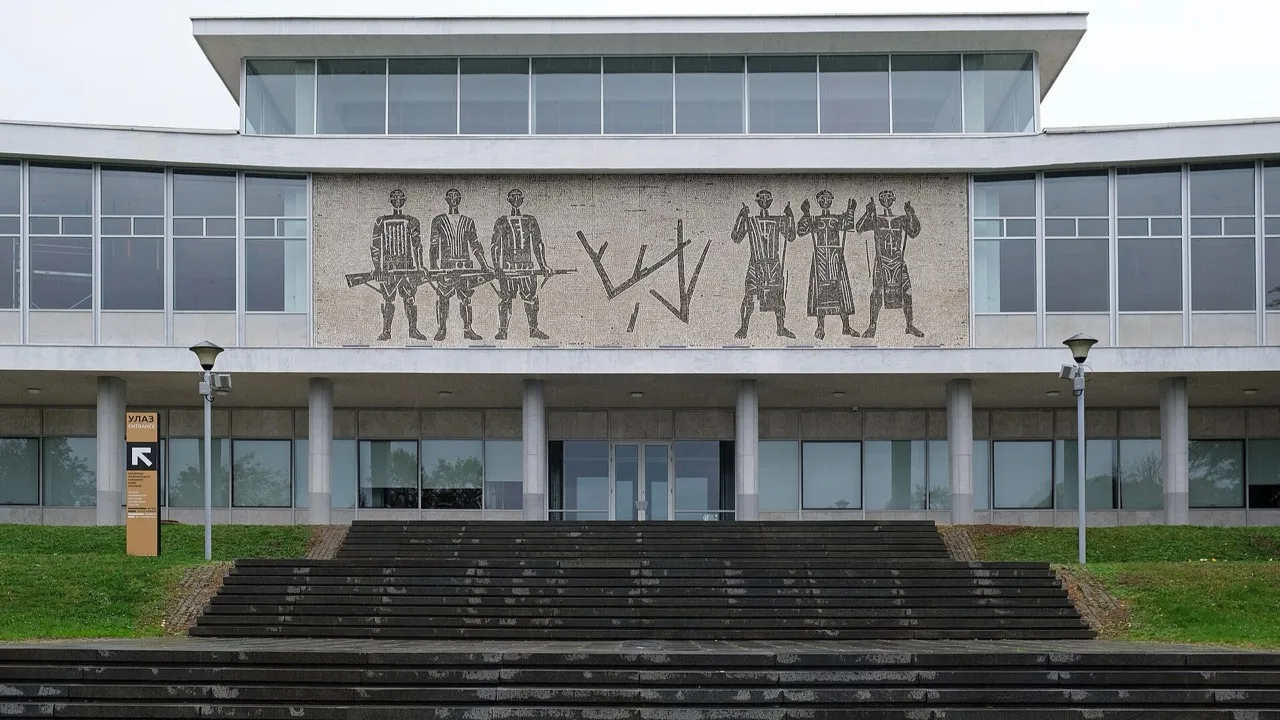
Most visitors come for Tito’s resting place. What they buy is a ticket to the Museum of Yugoslavia - a parkland complex in Dedinje where the House of Flowers, the May 25 Museum and the Old Museum sit on one ticket. As of August 2026 the museum is open Tuesday to Sunday 10:00-18:00, closed Mondays, and a regular adult ticket is 800 RSD. Treat it as a quiet half-morning of 20th-century Yugoslavia, not a five-minute photo stop at a celebrity grave.
The mood is deliberate. Paths, lawns and mid-century pavilions replace the noise of the riverfront. You’ll get more out of it if you arrive with a little context and leave enough time to walk between buildings instead of racing straight to the marble slab.
One ticket, three buildings in Dedinje
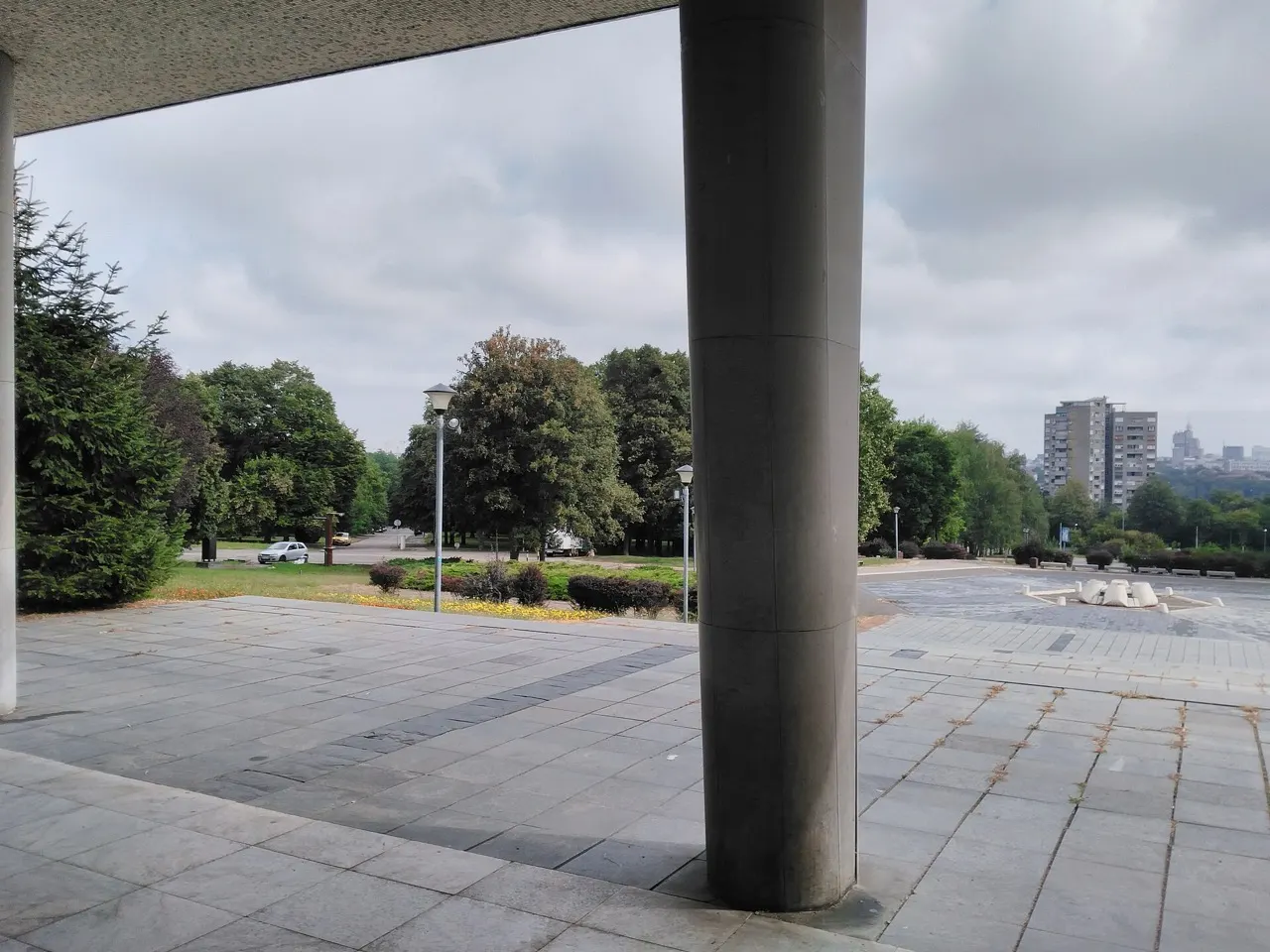
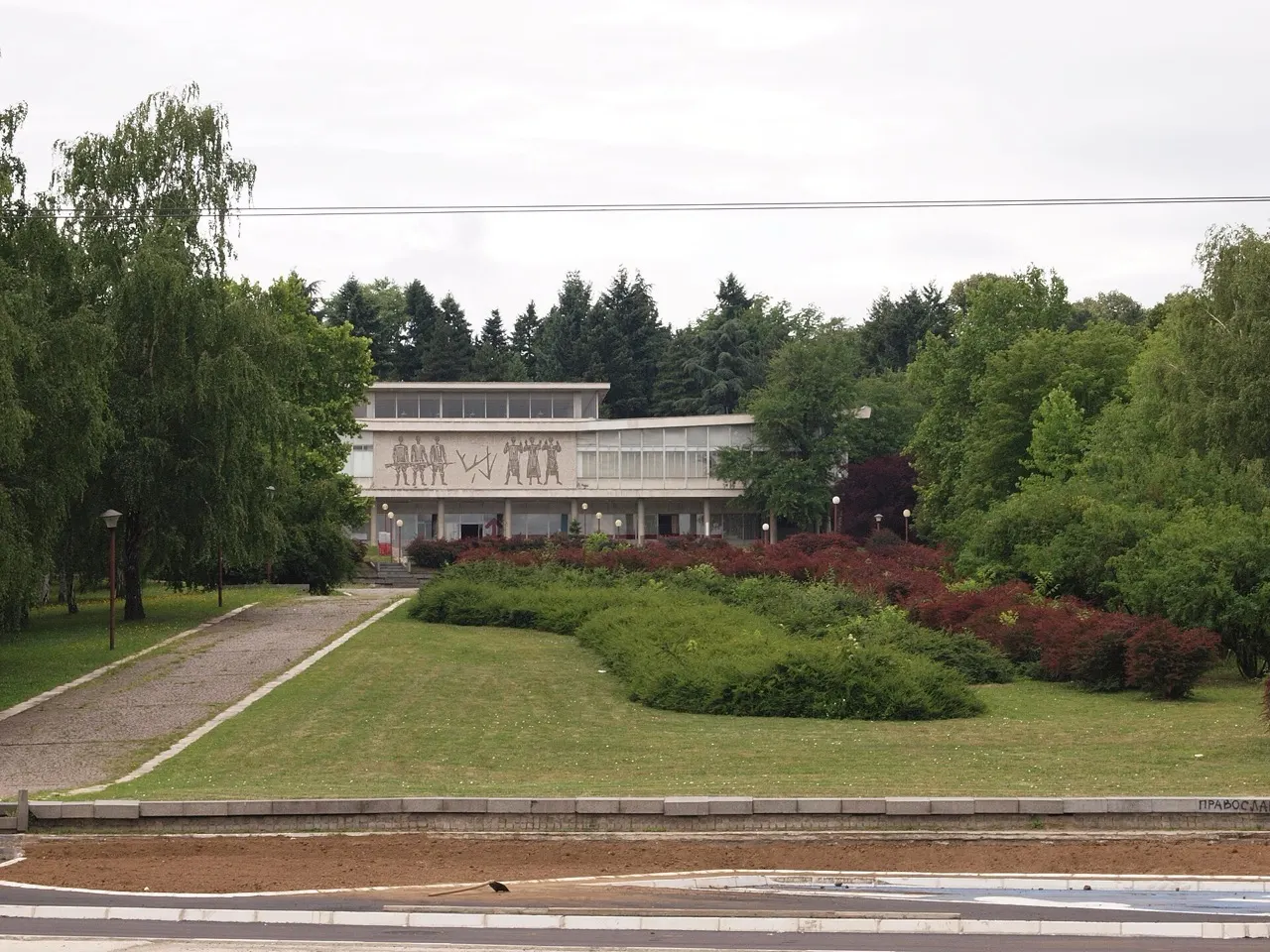
The official address is Mihaila Mike Jankovića 6 (older maps still say Botićeva - same Dedinje hillside south of the centre). The ticket desk sits with the May 25 Museum, the first purpose-built museum in Belgrade, finished in 1962 and dedicated to Josip Broz Tito as a birthday gift from the City of Belgrade. From there you walk the grounds to the House of Flowers and the Old Museum. The museum’s own FAQ is blunt about the naming trap: the May 25 Museum is not an old name for the whole place - it’s one building inside today’s Museum of Yugoslavia.
Plan transport. This is not a casual stroll from Kalemegdan or Skadarlija. Dedinje is a residential ridge; budget a city bus, taxi or rideshare, and confirm the current GSP stop near the museum before you leave. The ride itself is free - Belgrade’s buses, trams, trolleybuses and the BG Voz suburban train have carried no fare at all since 1 January 2025. Two things sit outside that system, and neither is what people assume: the A1 express minibus to Nikola Tesla Airport costs 400 dinars, and the E-badged express minibuses cost 200 dinars - those E lines are ordinary city expresses, not airport runs. Whatever you take, give yourself slack before the 18:00 close.
Tickets, hours and the free-Thursday trick
Prices and hours below are from the museum’s Visit us page, checked 21 August 2026. They change, so glance at muzej-jugoslavije.org before you go.
Hours: Tuesday-Sunday 10:00-18:00. Closed Mondays. The site also lists annual closures on 1 January, 7 January, and Orthodox Easter dates (the page currently names mid-April days - those shift each year, so don’t memorise them).
Tickets (RSD):
- Regular - 800
- Residents of Serbia - 600
- Students and pupils - 400
- Students, pupils and pensioners who are residents of Serbia - 200 (with the right ID)
Free entry is broader than most Belgrade museums advertise, though the wording matters: the museum grants it to individual visits on the first Thursday of each month and to individual visits on national public holidays, so a booked group doesn’t ride in on either. Also free: children under 10, persons with disabilities, visits on 4 and 25 May, and several professional categories (press, ICOM, certain humanities students) with proof. If you’re flexible on dates, that first Thursday is the cleanest budget move - still check that no temporary closure hits the House of Flowers that week.
The guided walk is the part almost nobody budgets for, because it’s already paid: with a valid ticket the museum adds a free guided tour of the complex, starting at the gates and running through the Sculpture Park to the House of Flowers, at 11:00 in English and 12:00 in Serbian. Confirm the day before you build a morning around it - the museum’s English page says Saturdays only, its Serbian page says Saturdays and Sundays. A private, topic-focused tour (museum history, the architecture of the individual buildings, Yugoslavia, the collections) is a different product: 7,500 dinars for the whole group, in Serbian or English, booked five working days ahead. Wheelchair users get access to the May 25 Museum; sign-language tours for deaf and hard-of-hearing visitors are arranged by email.
Closures hit one building at a time. The House of Flowers has shut on its own for interior maintenance while everything around it kept normal hours at a reduced ticket, which is the worst possible outcome if the tomb was the whole point of your morning. The museum posts those notices on its own site - if the mausoleum is your only reason for the trip, confirm it’s open the day you leave the hotel.
House of Flowers: quieter than the myth
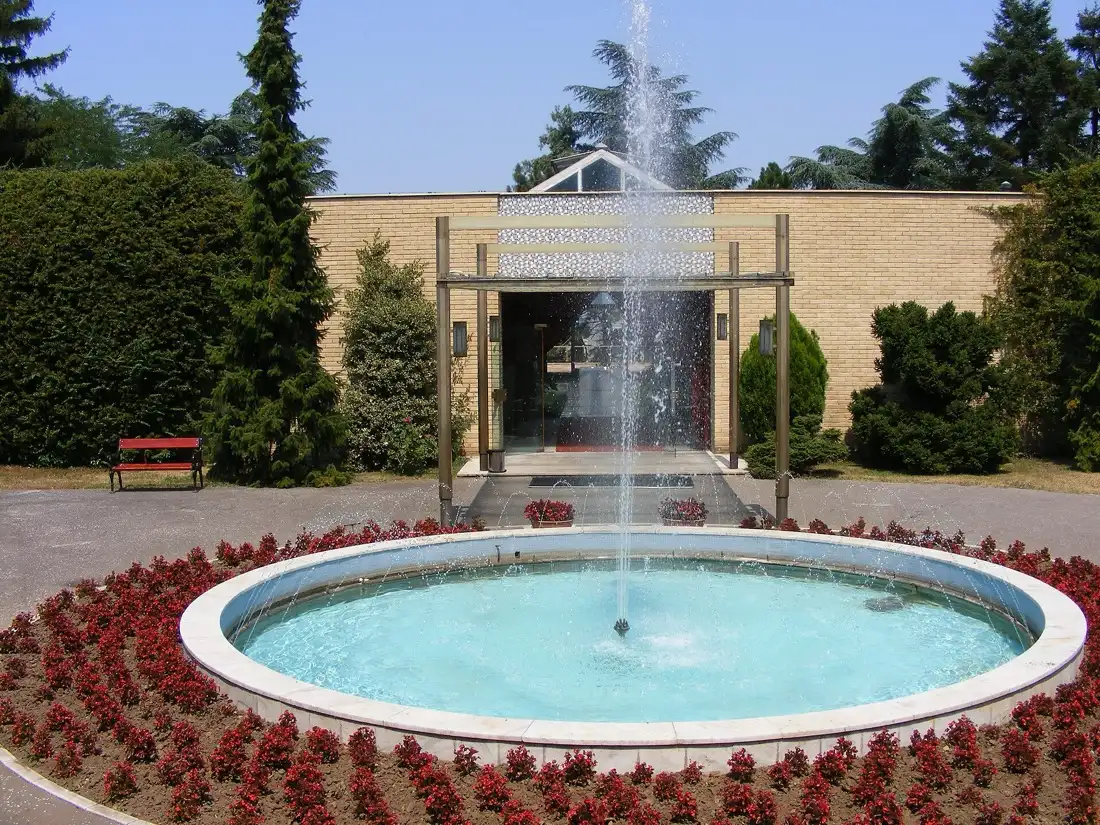
The House of Flowers (Kuća cveća) went up in 1975 as a winter garden beside Tito’s residence, a planted court in the middle with private rooms and a work study along the sides. After he died on 4 May 1980, the museum’s own history says simply that the House of Flowers was selected as his burial place; the funeral that month drew top-level delegations from 80 states. Today it’s the room most international visitors ask for by name: white marble, plants, soft light, and a level of hush that feels closer to a memorial chapel than a tourist attraction.
Go in expecting stillness, not spectacle. The room is low-lit, the slab is plain white marble, greenery runs along the edges, and it is markedly quieter than the scale of the name suggests. Read the room rather than wait for a sign to tell you how to behave: people come here to pay respects, so keep your voice down and don’t use the slab as a selfie backdrop. Jovanka Broz was buried here in 2013; the space reads as a family memorial as much as a state shrine.
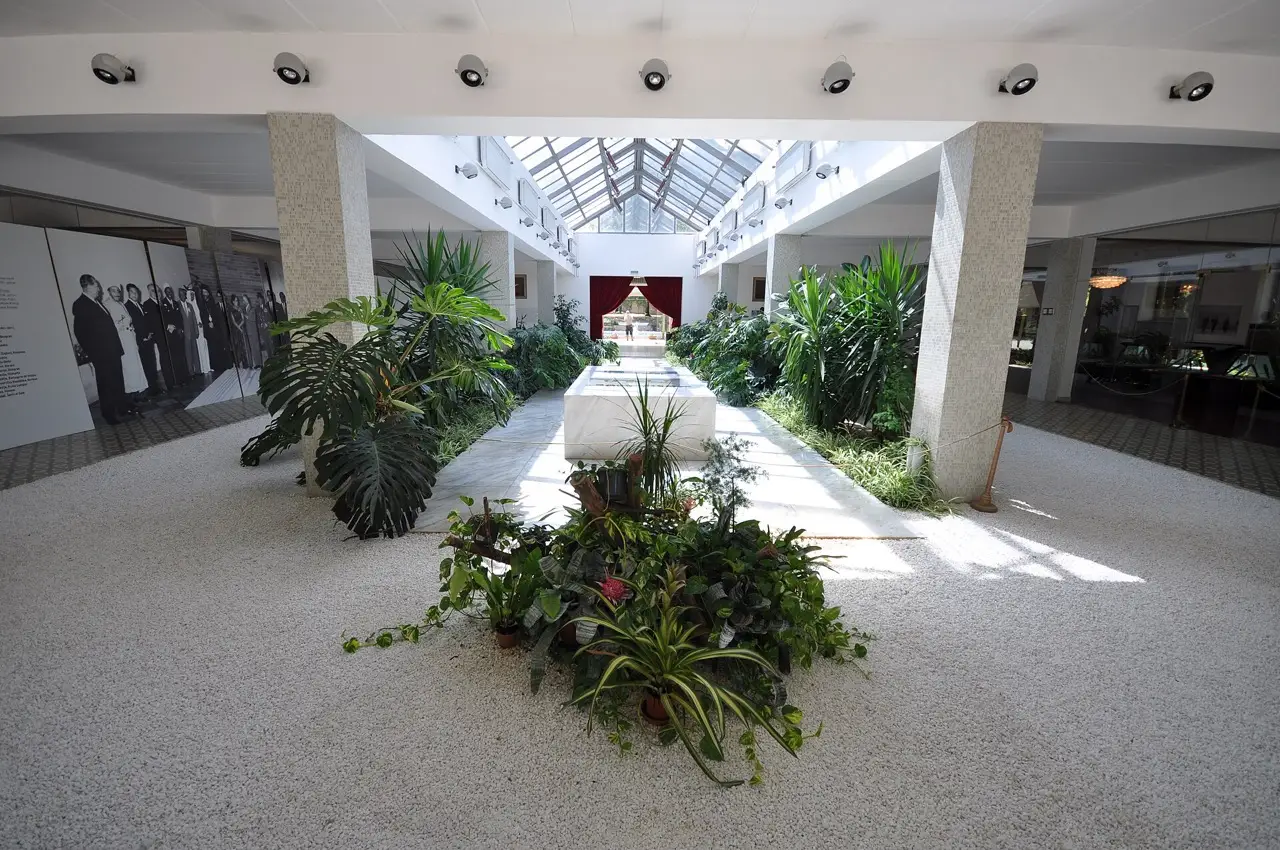
May 25 Museum and what surrounds it
If you only see the House of Flowers, you’ve bought half a visit. The May 25 Museum was built to show gifts Tito received and the Relay of Youth batons that circled Yugoslavia each year for his birthday. The Old Museum held more of that material culture - diplomatic presents, personal effects, the oddities of a federal state that no longer exists. The institution today frames itself as a museum of the Yugoslav idea from founding through disappearance, with a collection the museum puts at more than 75,000 items. Temporary exhibitions rotate; permanent displays and “Museum Laboratory” interventions sit alongside the memorial rooms.
What you feel, walking the cases, is how much of Yugoslavia was performed through objects: batons, medals, folk crafts from republics, industrial design, modernist architecture. It’s denser than a personality museum and less linear than a national history museum. Labels matter - read them. The gift halls are where the Non-Aligned Movement stops being an abstract Cold War term and becomes a pile of carved wood, textiles and diplomatic kitsch from half the planet.
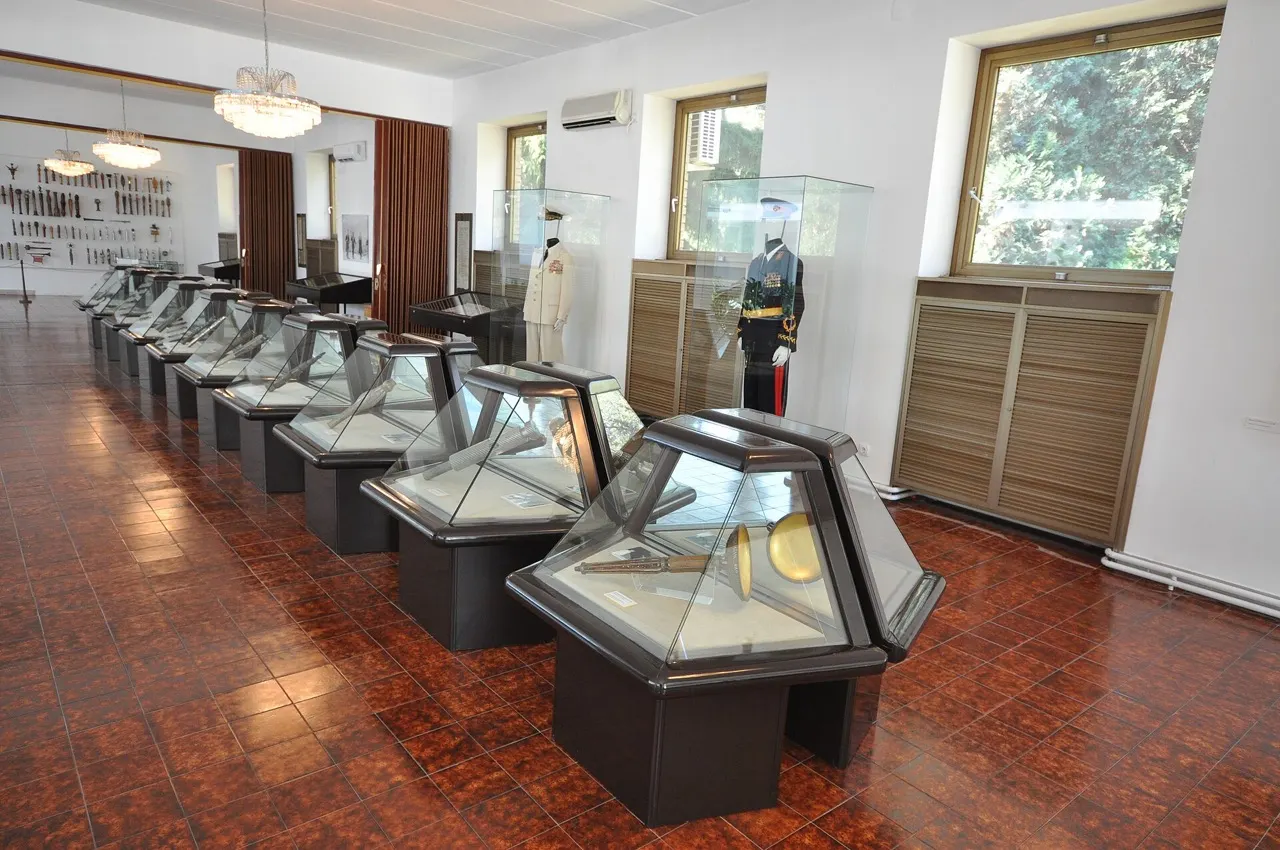
There’s a museum shop with catalogues and Yugoslavia-themed books, and a research library if you’re that visitor. Most travellers won’t need either. What you do need is an honest time budget: 90 minutes covers House of Flowers plus a skim of May 25; two to two-and-a-half hours is more comfortable if a temporary show looks good. Don’t stack this with three central museums the same morning unless you like museum fatigue.
How it fits a Belgrade day
Dedinje sits apart from the Vračar museum belt. The Nikola Tesla Museum and the Temple of Saint Sava are a short walk from each other - this complex is not. Pair it on purpose: morning in Dedinje, then a taxi into the centre for lunch and the fortress, or keep it as a standalone half-day when you want quieter rooms than the river clubs. Our wider Belgrade sightseeing guide puts Kalemegdan, Skadarlija and the night scene in context; the Museum of Yugoslavia is the piece that explains why the city’s 20th-century story still hangs over everyday politics and nostalgia.
A few practical last notes. Bring a card and some dinars - Belgrade is card-friendly, but don’t assume every desk or shop is. Dress for park walking and indoor chill. If Yugoslavia’s history is your main interest, this ranks among the clearest single stops in the capital. If you only want a famous tomb photo, you’ll still get it - just know the ticket you bought was for a museum that asks you to think a little harder than that.
Photos
On the map
The map loads on click - to keep the page lightweight.
The map didn’t load. Check your connection and refresh the page.
Admission and opening hours
- Admission price
- Regular 800 RSD; Serbia residents 600 RSD; students/pupils 400 RSD; students, pupils and pensioners who are Serbia residents 200 RSD (discounts with ID)
- Opening hours
- Tue-Sun 10:00-18:00; closed Mondays
One ticket covers the complex including the House of Flowers; check muzej-jugoslavije.org for temporary closures
Details checked: August 21, 2026
Read also

What to see · 12 min read
Vinca: The Neolithic Site on Belgrade's Doorstep
Verified · August 29, 2026Vinca's Belo Brdo site is 14 km downstream from Belgrade (16 km by road): 2026 hours, tickets, what the small museum shows, and how to get there.

What to see · 10 min read
Skull Tower of Niš: Story, Tickets, Visiting Tips
Verified · August 25, 2026Ćele Kula in Niš: 1809 Battle of Čegar, chapel hours, 300 RSD tickets and how to visit respectfully from the centre or INI airport.

What to see · 10 min read
Smederevo Fortress: Giant on the Danube
Verified · August 23, 2026Smederevo Fortress on the Danube: the 1428-1430 last capital of medieval Serbia, tickets, buses from Belgrade and pairing it with a Danube road trip.

What to see · 12 min read
Ada Ciganlija: Belgrade's River Island Beach
Verified · August 15, 2026How to reach Ada Ciganlija, when Lake Sava is lifeguarded, what you pay for, and where to swim on Belgrade's river-island beach.