
Skull Tower of Niš: Story, Tickets, Visiting Tips
Ćele Kula in Niš: 1809 Battle of Čegar, chapel hours, 300 RSD tickets and how to visit respectfully from the centre or INI airport.
The Skull Tower of Niš (Ćele Kula) is a stone monument embedded with human skulls, sheltered inside a small chapel on Bulevar Dr Zorana Đinđića. As of August 2026 the National Museum Niš opens it Tuesday to Friday 09:00-19:00 and Saturday to Sunday 09:00-17:00, closed Mondays, and a standard adult ticket is 300 RSD. It’s not a thrill ride or a photo prop - it’s a memorial to Serbian rebels killed in 1809, and you should treat it that way.
Most foreign visitors hear the name before they understand the weight. The tower sits on the northeast edge of Niš, a short ride from the fortress and a natural add-on if you’re already in Serbia’s third city. You’ll spend 30 to 45 minutes inside if you read the plaques and let the room settle; less if you only want to see the wall of skulls and step back out. A battle that killed thousands is commemorated in a room barely larger than a village church - that gap between the scale of what happened and the intimacy of where you stand is what catches people off guard. Čegar Hill itself, where it happened, is six kilometres away.
What the Skull Tower is
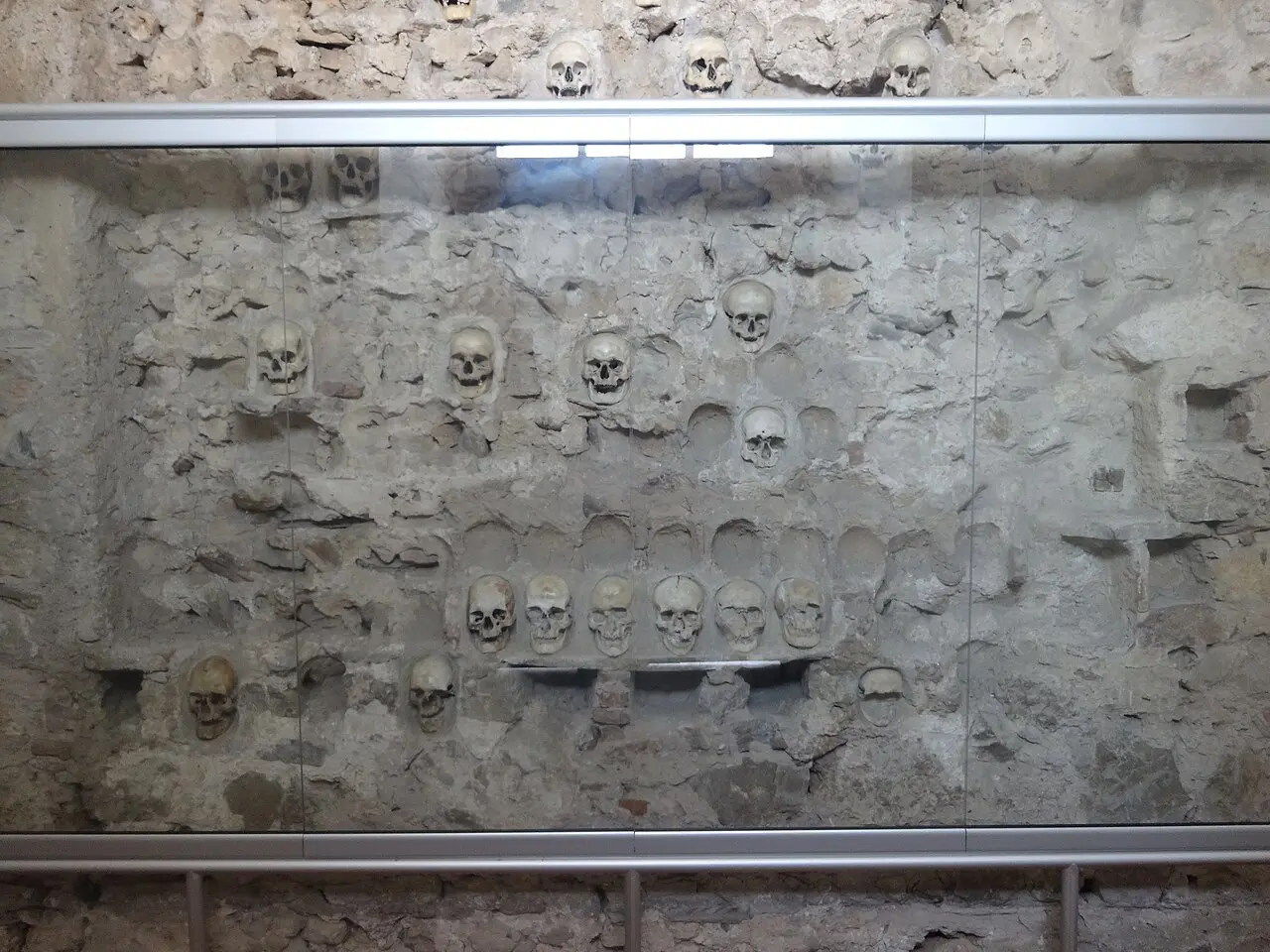
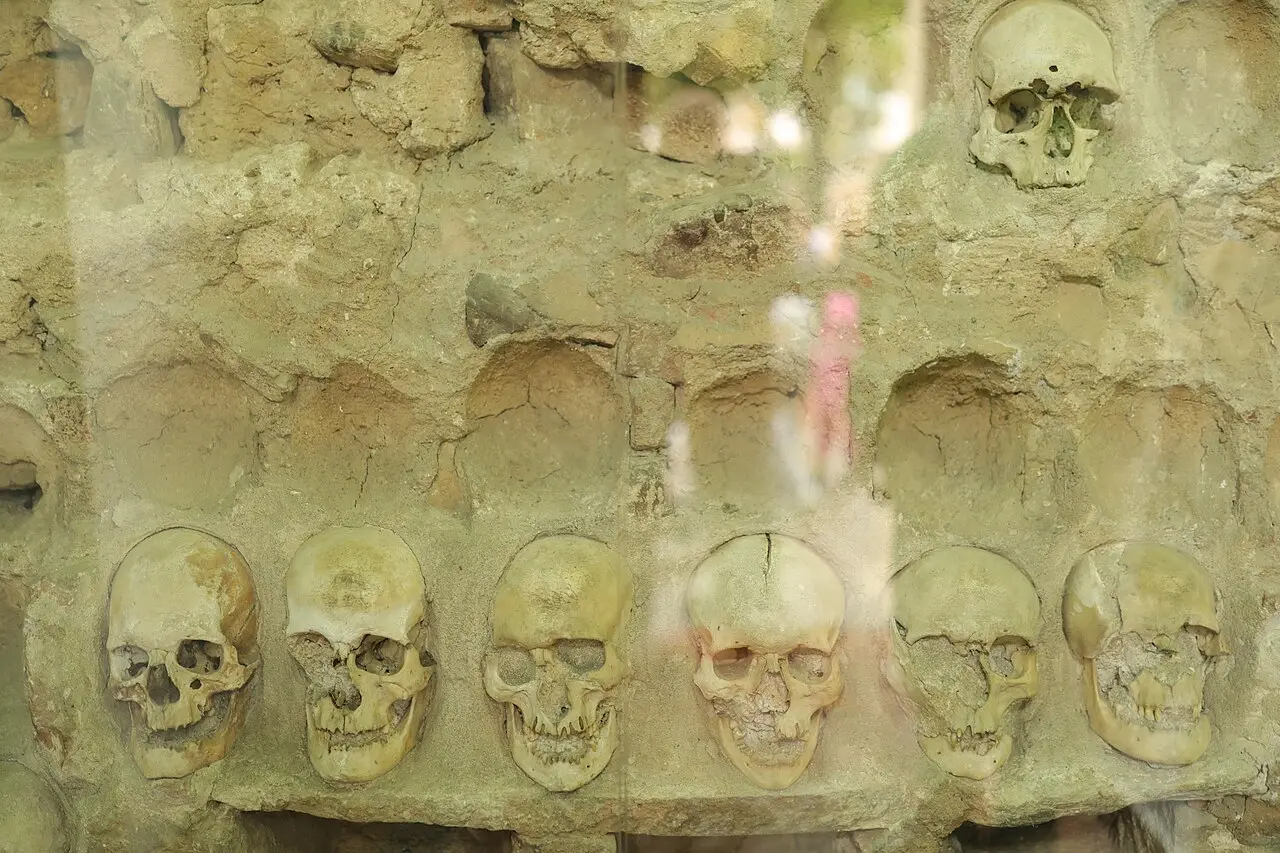
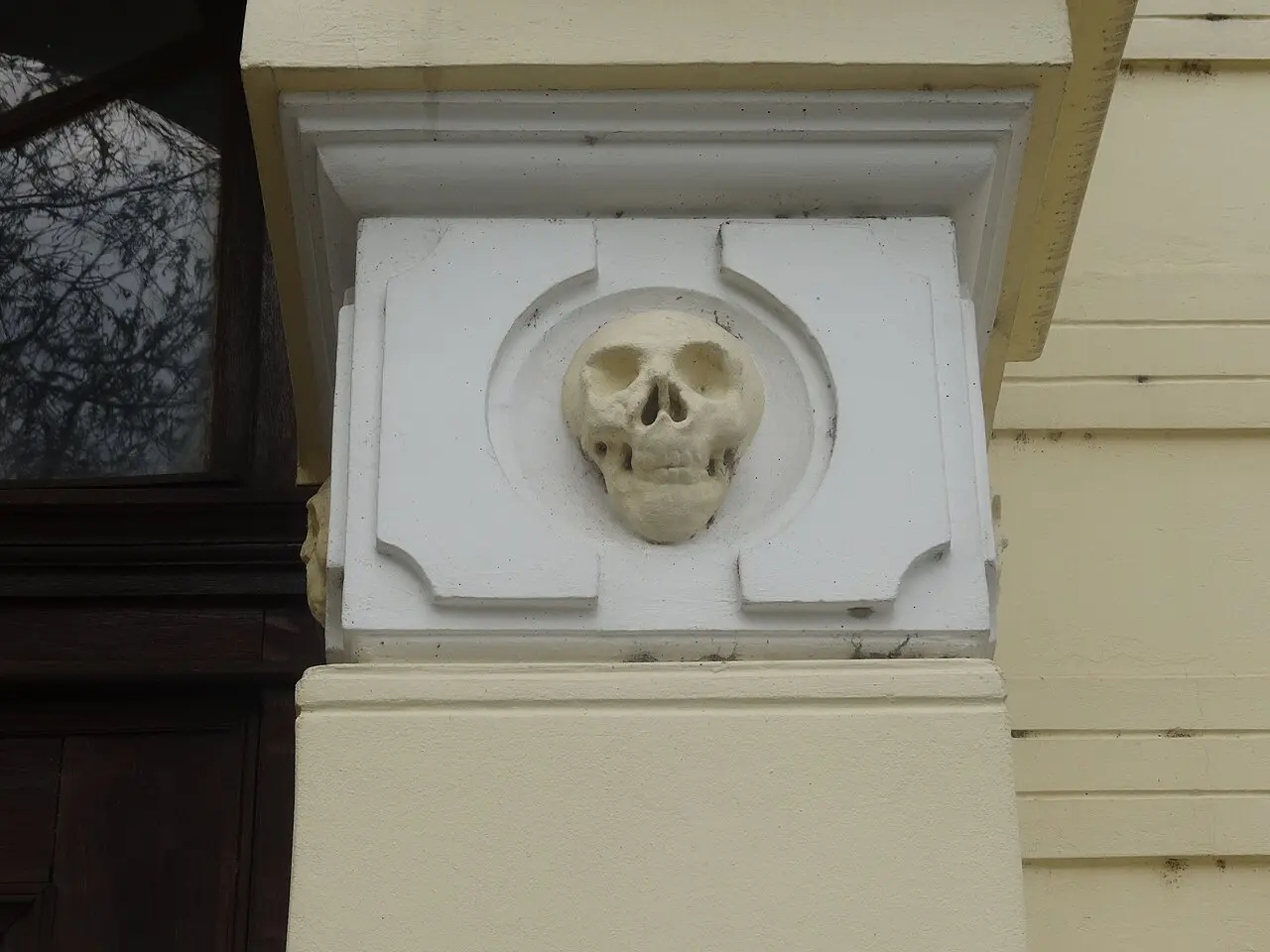
Ćele Kula is exactly what the name says: a tower built from human skulls, now preserved inside a chapel-like building. The structure you see is about four metres tall by the National Museum’s own description (Wikipedia says 4.5) and once carried 952 skulls set in fourteen rows on all four sides - the Niš tourism board puts that at seventeen skulls per row. Today fifty-eight remain embedded in the stone - the figure the National Museum Niš, which runs the site, publishes itself; the city tourism board still quotes fifty-nine. The rest were lost, removed or damaged across two centuries of weather, war and deliberate collection.
Serbia classifies the site as a Cultural Monument of Exceptional Importance (listed in 1948). The National Museum Niš runs visitor access, sets the ticket price and posts the hours. That’s why the museum’s English ticket page beats the blogs still quoting old opening times or vague “a few hundred dinars” figures - for August 2026, it’s the number to trust.
The Battle of Čegar, May 1809
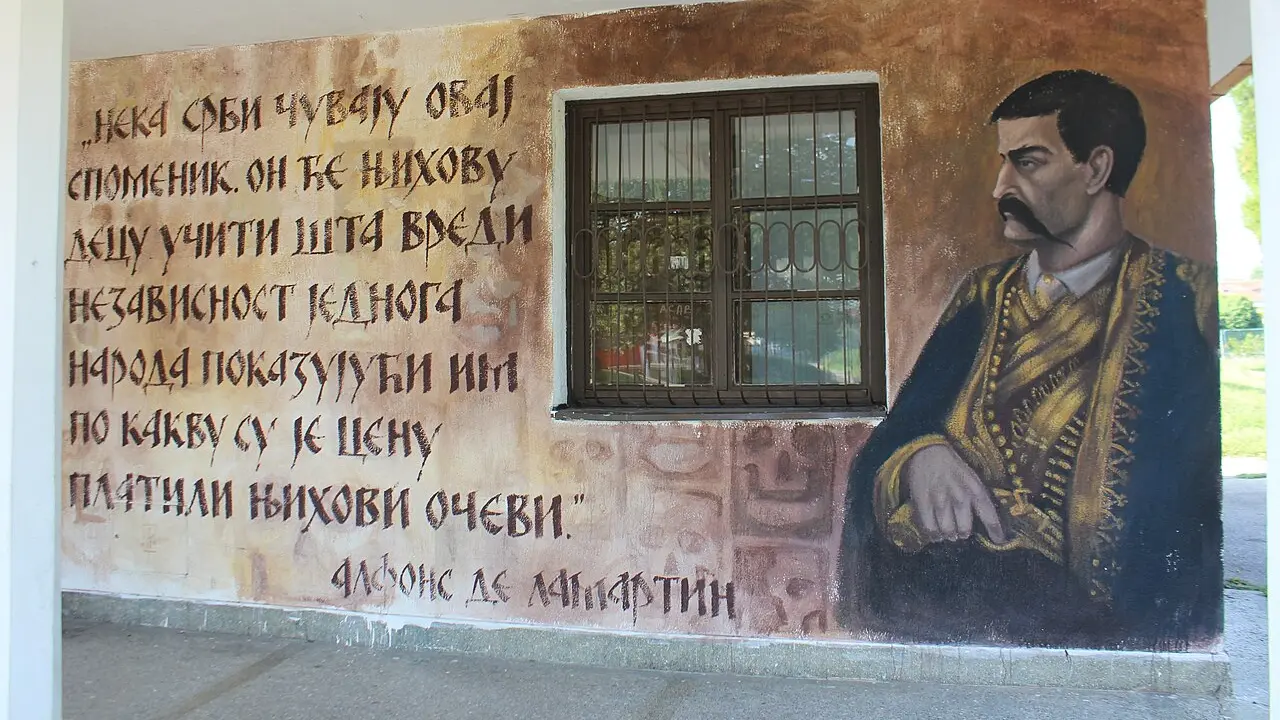
To read the tower you need Čegar Hill, about six kilometres from the city centre on the old road toward Sofia. In May 1809, during the First Serbian Uprising against Ottoman rule, a Serbian force under Stevan Sinđelić met a much larger Ottoman army on that hill. As the position collapsed, Sinđelić is said to have fired into his own powder store rather than be captured alive - killing himself, his men and many attackers in a single blast.
The Ottoman response was deliberate and brutal. The Ottoman commander at Niš, Hurshid Pasha, ordered Serbian dead beheaded and their skulls built into a tower beside the road as a warning to anyone else who rose up. Ottoman soldiers reportedly skinned heads, stuffed some with straw (the museum says cotton) and sent them to Constantinople; the tower itself was assembled over several days. When even that wasn’t enough to complete the final row, accounts say thirty Serbian prisoners were executed so their skulls could fill the gap - a detail that belongs in any honest telling and explains why Serbs later treated the place as martyrs’ ground, not Ottoman propaganda.
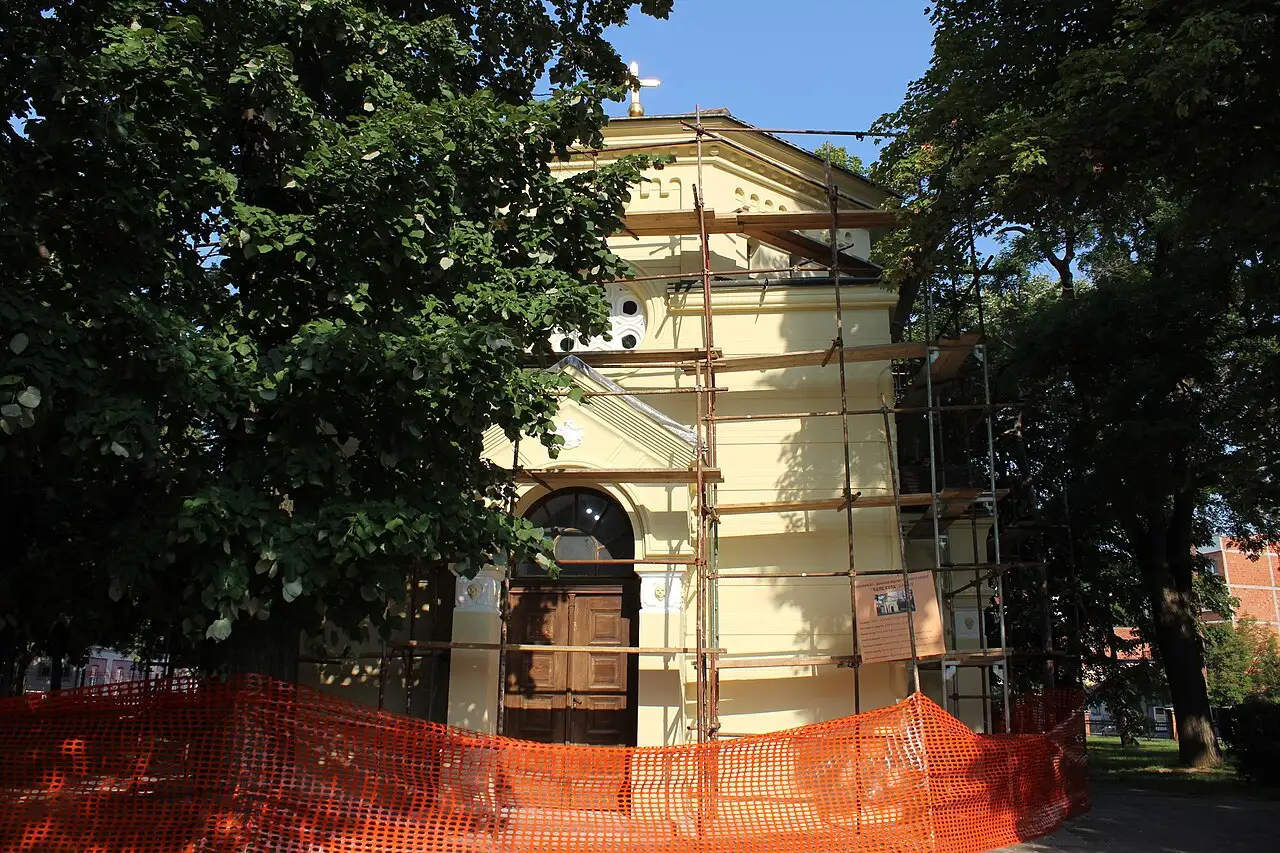
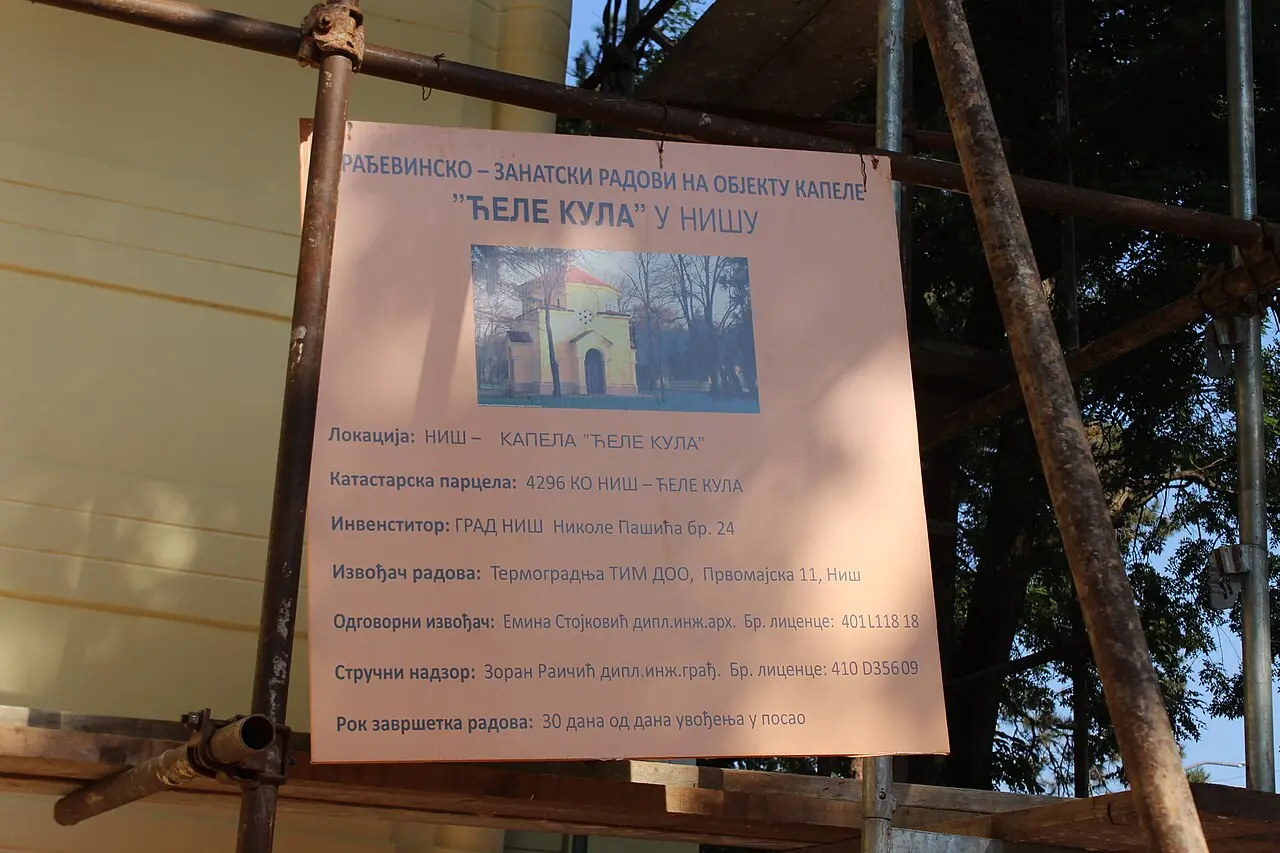
The warning didn’t work. Instead of crushing resistance, the tower became a pilgrimage site and a symbol of the struggle for Serbian autonomy. By the late nineteenth century the remains were crumbling; a chapel was built around the tower in 1892-1894 to protect what was left and to honour the dead. You’re not looking at a reconstructed theme-park horror show - you’re looking at a fraction of the original wall, inside a building put up so people could mourn.
Tickets, hours and what you pay
Prices and hours below come from the National Museum Niš English pages, checked 25 August 2026. Confirm at narodnimuzejnis.rs before you travel - Serbian museums do occasionally shift seasonal hours.
Opening hours (Skull Tower only):
- Tuesday-Friday: 09:00-19:00
- Saturday-Sunday: 09:00-17:00
- Monday: closed
- Last entry: 15 minutes before closing (as posted for the Skull Tower; the same 15-minute rule also applies to the Archaeological Hall and Literary exhibition, while Mediana and February 12 use 30 minutes)
Tickets (RSD):
- Adults (individual visit): 300
- Elementary and high school students, university students, senior citizens, groups over 10: 250 (with the right ID - student card, ISIC, or ID showing 65+ / pension paperwork)
- Children up to 7: free, plus several professional categories listed on the museum site (ICOM members, organised Army of Serbia visits, disability association members and companions, and others)
If you’re planning a full Niš museum day, a combined ticket for all National Museum Niš sites costs 1200 RSD for an individual or 1000 RSD at the discounted rate. That bundle covers Mediana (500 RSD alone), the archaeological hall, the February 12 memorial complex and the Skull Tower. Mediana plus the tower is only 800 RSD à la carte, so the pass isn’t a bargain for two stops - it pays off when you take all four paid sites the same day (about 1400 RSD if bought separately).
Payment: the official pages don’t promise card terminals at every gate. In southern Serbian museums you’ll usually get by with a card in 2026, but carrying cash in dinars for a 300 RSD ticket is still the safe play.
Getting there from central Niš or the airport
The tower stands on Bulevar Dr Zorana Đinđića, northeast of the fortress on the corridor toward Sofia. From the centre it’s typically 10 to 15 minutes by taxi or a local bus along the boulevard - cheap in a city where public transport has been free since July 2025. There’s no train stop at the gate; this is a roadside memorial in a modest park, not a walled campus.
Flying into Niš Constantine the Great Airport (INI) doesn’t change the story much: you’re only 4 km from town, and bus line 34 is free into the centre in about 15 to 20 minutes - see Niš airport to the city for the free line 34 and taxi options. From the centre, tack on a taxi or bus to the boulevard; reckon 45 to 60 minutes door to door if you’re connecting straight off a flight and still have bags.
Drivers on a southern Serbia loop often pair the tower with Mediana, the Roman imperial villa about two kilometres further east on the same side of town (roughly four kilometres from the centre). Hours differ - Mediana closes at 16:00 Tue-Fri and 15:00 Sat-Sun per the museum schedule, while the tower runs to 19:00 weekdays and 17:00 weekends - so morning at Mediana, early afternoon at the tower still works better than the reverse.
Inside the chapel: what to expect
You enter through the chapel door, pay at the desk if nobody took your combined ticket earlier, and step into a small, dim room. The skulls sit in the original tower core, shoulder height and above, set into mortar. Labels and memorial plaques are in Serbian; an English pamphlet isn’t guaranteed. You don’t need fluent Serbian to grasp what you’re seeing.
Photography rules aren’t spelled out on the museum website. Common sense applies: flash into human remains is inappropriate, and you shouldn’t treat the skulls as a backdrop for posed shots. Voices drop automatically; follow that cue. The Niš tourism board quotes 30,000+ visitors a year - enough footfall that the floor is worn, but the mood still reads as cemetery-quiet rather than ticket-scanner busy.
How it fits a Niš day
The Skull Tower is one stop in a city where history stacks uncomfortably close. The wider Niš city guide walks the Ottoman fortress (free, central), Roman Mediana, the Crveni Krst camp memorial and the cobbled kafanas of Tinkers Alley. The tower is the shortest paid visit on that list and the one that asks the most emotional preparation.
A sensible one-day order: fortress and old town in the morning, Mediana late morning, Skull Tower after lunch, then Crveni Krst or Bubanj only if you still have stamina for another heavy site. Two days suits anyone who also wants the camp memorial and a slow evening on the grill without rushing the tower. Don’t sandwich the Skull Tower between light sightseeing and a party street - it leaves the wrong aftertaste.
Guided tours and when to book one
You don’t need a guide to find the building - it’s signed from the boulevard and the museum desk sells the ticket. A city tour that includes Ćele Kula still helps when your time in Niš is tight, when you prefer the Čegar context told on the bus, or when you’d rather not negotiate taxis between Mediana and the tower. English-language group tours run from Belgrade and from Niš itself in summer; winter schedules thin out.
Independent travellers with a rental car often use Niš as a hub for Devil’s Town, Stara Planina or the Bulgarian border - all easier from here than from Belgrade. The tower then becomes the sober morning stop before you drive south. For that kind of trip, base one or two nights in town and check where to stay in Niš before you book - the centre near the fortress keeps the sightseeing radius walkable.
Practical reminders
- Mondays: closed - the whole National Museum Niš network is shut, so don’t plan around a long weekend arrival that leaves you only Monday in town.
- Arrive by 18:00 on a weekday for unhurried time: last entry is 18:45 and the doors close at 19:00, so a 18:44 arrival buys you fifteen minutes, not the half-hour the room deserves.
- Combine tickets only if you’re hitting all four paid museum sites the same day - Mediana plus the tower alone (500+300) is still cheaper than the 1200 RSD all-sites pass.
- Call +381 18 222 228 (listed by the Niš tourism board) if you need to confirm a holiday closure or a school group blocking the room.
- Dress normally - there’s no dress code, but shoulders and loud phone calls feel wrong in a charnel chapel.
The Skull Tower will stay with you longer than the fortress ramparts or the Roman mosaics. That’s the point. Pay the 300 dinars, read the wall, step back into the sun on the boulevard, and give yourself a minute before you scroll the next sight. Niš has lighter evenings for a reason.
Photos
On the map
The map loads on click - to keep the page lightweight.
The map didn’t load. Check your connection and refresh the page.
Admission and opening hours
- Admission price
- 300 RSD adults; 250 RSD students, senior citizens and groups over 10 (with ID)
- Opening hours
- Tue-Fri 09:00-19:00; Sat-Sun 09:00-17:00; closed Mondays; last entry 15 min before close
Run by National Museum Niš; combined ticket for all museum sites 1200 RSD. Free for children up to 7 and listed professional categories - see official ticket page.
Details checked: August 25, 2026
Read also

What to see · 12 min read
Vinca: The Neolithic Site on Belgrade's Doorstep
Verified · August 29, 2026Vinca's Belo Brdo site is 14 km downstream from Belgrade (16 km by road): 2026 hours, tickets, what the small museum shows, and how to get there.

What to see · 10 min read
Smederevo Fortress: Giant on the Danube
Verified · August 23, 2026Smederevo Fortress on the Danube: the 1428-1430 last capital of medieval Serbia, tickets, buses from Belgrade and pairing it with a Danube road trip.

What to see · 8 min read
Museum of Yugoslavia: House of Flowers Guide
Verified · August 21, 2026Belgrade Museum of Yugoslavia tickets and hours, House of Flowers (Tito), May 25 Museum and how to reach Dedinje.

What to see · 12 min read
Ada Ciganlija: Belgrade's River Island Beach
Verified · August 15, 2026How to reach Ada Ciganlija, when Lake Sava is lifeguarded, what you pay for, and where to swim on Belgrade's river-island beach.