
Serbia Travel Insurance: What You Need
Serbia travel insurance explained: not required but strongly advised, EHIC is not EU-wide cover here, and clinics charge upfront - what to actually cover.
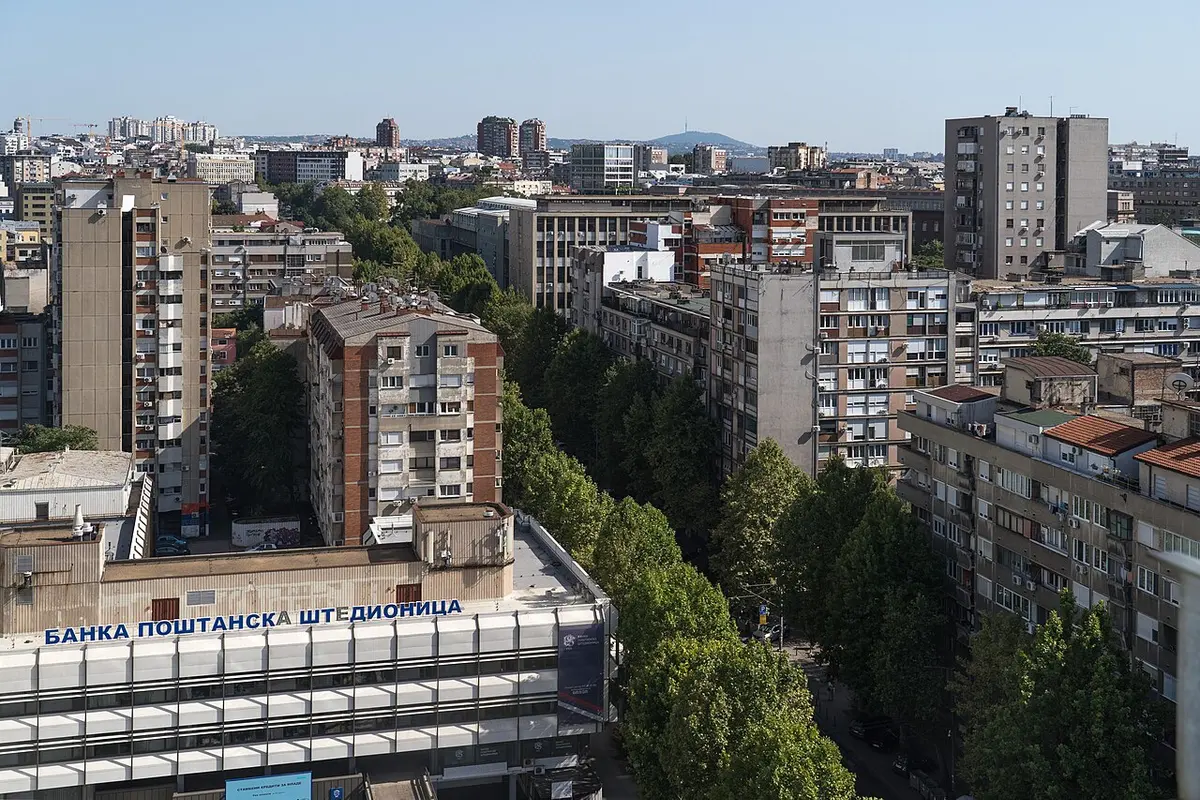
Nobody at a Serbian border post asks a tourist for an insurance certificate. The Serbian Ministry of Foreign Affairs lists “adequate and valid travel medical insurance” among the papers a visa applicant hands in, and Western passport holders don’t apply for a visa at all, so for them the question never comes up. What comes up instead is the invoice. Serbia sits outside the EU and the EEA, so the health card in a German or Dutch wallet stops working at the Hungarian or Croatian border, and the UK’s GHIC covers Montenegro next door but not Serbia. A visitor who needs a doctor here is a private patient who settles up and claims back at home. This page is a checklist, not financial advice; the wording of the policy you buy is the only document that binds anyone.
Is insurance a condition of entry?
Not for a tourist. The visa-free window the Serbian MFA publishes is up to 90 days in any six-month period, and the insurance line on the same page belongs to the visa-application list, which visa-free nationals never fill in. The Ministry of the Interior asks anyone applying for temporary residence for proof of health insurance: a foreign policy, a Serbian insurance card, a European health card or equivalent for citizens of countries that hold a social-insurance agreement with Serbia, or proof of funds or a written guarantee to pay for emergency care. For the short trip, insurance is a choice, and the next section explains why the usual shortcuts are closed.
Why your EHIC or GHIC does nothing here
The European Commission publishes where the European Health Insurance Card is valid: the 27 EU states plus Iceland, Liechtenstein, Norway, Switzerland and the United Kingdom. Serbia isn’t on the list, so a Belgian or Austrian visitor who shows the card at a Belgrade clinic will be asked to pay like anyone else.
The UK’s Global Health Insurance Card has its own list: the NHS says the GHIC works in the EEA plus Montenegro, Australia, the Crown Dependencies and a few South Atlantic islands. Montenegro yes, Serbia no. What Britain has with Serbia instead is a separate reciprocal agreement, and the Foreign Office spells out its limits. You’re “entitled to free emergency treatment” on production of a British passport, your hotel documents or evidence of registration with the local police, and “a certificate confirming entitlement to benefit under the UK Social Security Acts”. Outside an emergency, “you may need to pay cash for non-emergency treatment”. Nothing in the agreement flies you home, and the same page still recommends “appropriate travel insurance for local treatment or unexpected medical evacuation”, which tells you how narrow the free strand is.
Serbia also holds bilateral social-insurance agreements with some countries; the MUP residence rules refer to them and accept a European health card or equivalent from citizens of those states. Which countries and which form is a question for your own insurer, and an emergency guarantee doesn’t touch repatriation. Americans have the plainest position of all: the State Department reminds them that “U.S. Medicare/Medicaid does not apply overseas” and “strongly recommend[s] supplemental insurance to cover medical evacuation”.
How Serbian healthcare treats a visitor
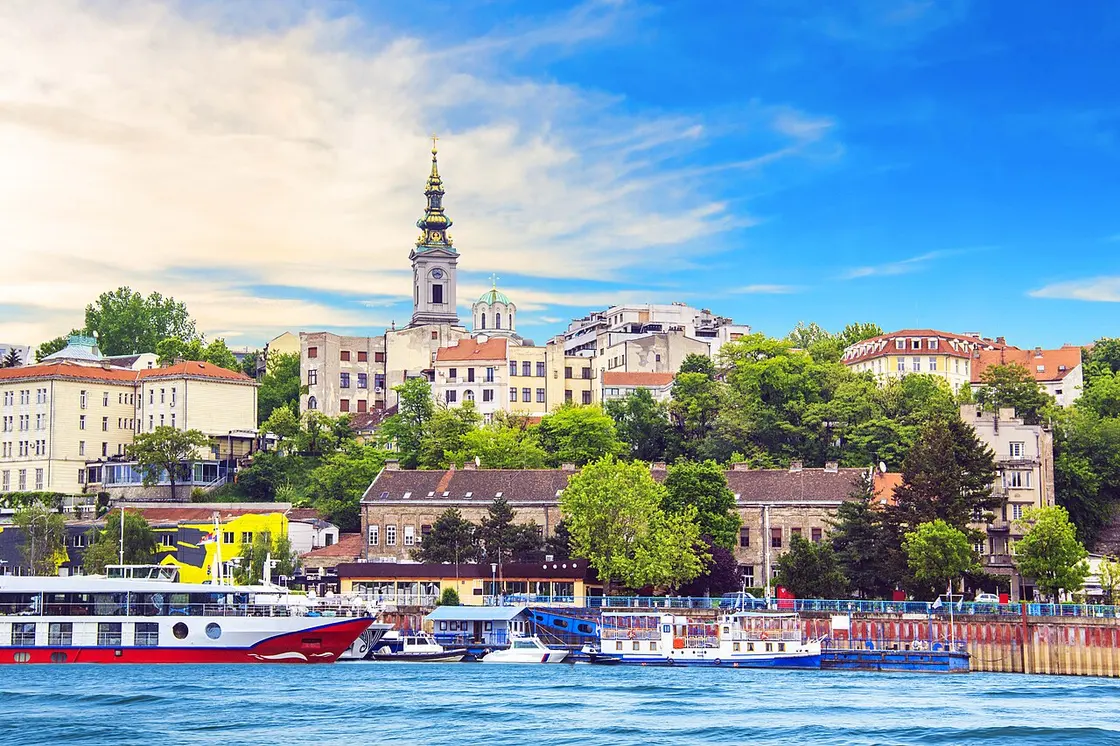
Serbia runs a state system through its RFZO health fund and a growing private sector alongside it. A visitor holds no Serbian insurance card, so in either kind of hospital you’re a paying patient, and the strongest facilities are in Belgrade, which is why cover for moving you inside the country matters as much as the flight home. The State Department gives a fair summary: “Many doctors and other health care providers in Serbia are highly trained,” while “equipment and hygiene in hospitals, clinics, and ambulances are usually not up to U.S. standards.” Ask how you’ll pay before treatment starts, and keep some dinars for a rural pharmacy that doesn’t take a foreign card.
The ambulance number is 194, the police are on 192 and the fire service on 193; the three-digit numbers have been fixed since a nationwide switch in May 2012 and the calls are free. Outside Belgrade the response thins. The State Department notes that “ambulance services are not widely available” and that “first responders are generally unable to access areas outside of major cities to provide urgent medical treatment”. For the mountains Serbia has a separate volunteer body, the Mountain Rescue Service (Gorska služba spasavanja), reachable on 062 46 46 46 nationally, with local numbers for Kopaonik (063 466 466), Stara Planina (063 466 461) and Zlatibor (063 466 467). Save those numbers next to your insurer’s assistance line: in a real incident the order is rescue, hospital, insurer, and the insurer will want to know about the first two.
That geography is the whole argument for the policy. A city break carries little risk beyond a dental bill; on a piste, a canyon trail or a rural road, the expensive part of any incident is moving you, and that leg has no free strand, no reciprocal route and no card. It’s insurance or your own bank balance.
The cover that earns its place in Serbia
Evacuation and repatriation first. This is the line both governments name. Check that the limit would pay for an air ambulance rather than a taxi to the next town, and whether the figure is per trip or a lifetime cap.
Emergency medical with direct billing. Because a Serbian clinic bills you, the practical question is whether the insurer’s assistance desk can issue a guarantee of payment to the hospital so you’re not fronting the sum on a card. Ask before you buy, not from a corridor in Niš.
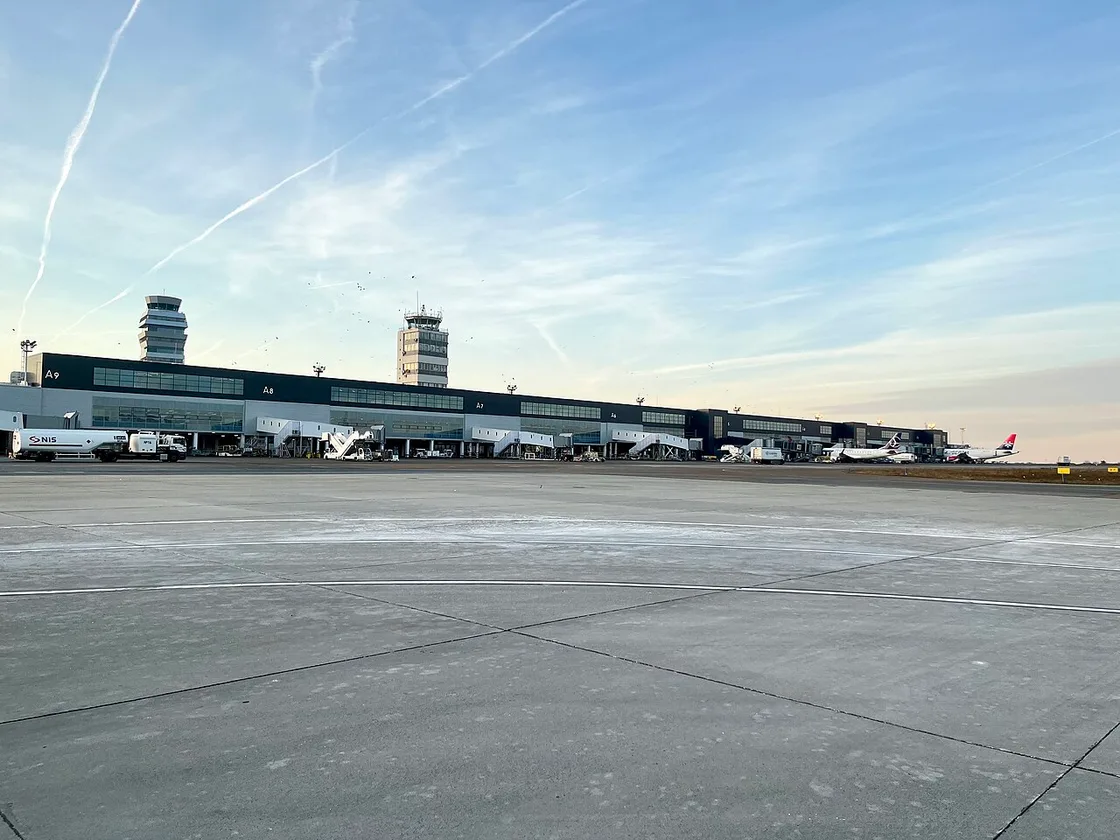
Baggage and delay. Belgrade Nikola Tesla is a one-stop airport for most travellers from North America and many from Britain, and every connection is a chance for a bag to travel separately from you.
Liability and a 24-hour line. Liability matters once a hire car is in the picture; the assistance line is what you’ll dial at night when the receptionist’s English runs out.
Filing a claim means photographing receipts and reaching an assistance desk from wherever you are, so mobile data is part of the plan; a Serbia eSIM set up before you land is one less thing to arrange while stressed.
Mountains and snow: Kopaonik, Stara Planina, Tara, Uvac
Altitude doesn’t bite here. SafetyWing’s Nomad Insurance, for one, excludes activities at 4,500 metres or higher unless you add its adventure-sports option, which then covers mountaineering below 6,000 metres. Serbia’s roof sits far under the lower of those numbers: Midžor on Stara Planina at 2,169 metres, Pančić’s Peak on Kopaonik at 2,017 metres, Tornik above Zlatibor at 1,496 metres. What you still have to confirm is that walking is covered at all, because some wordings file any hike under adventure. On the Uvac canyon the reserve manager requires visits to be booked, and the Krstac-Molitva trail runs about 6 km each way, three and a half to four hours there and back: the kind of day where a policy that quietly excludes “trekking” leaves you paying for your own helicopter. The viewpoint trails of Tara National Park and the Midžor ridge from Babin Zub are the same category. Our roundup of the best hikes in Serbia marks which routes are strolls and which are proper mountain days.
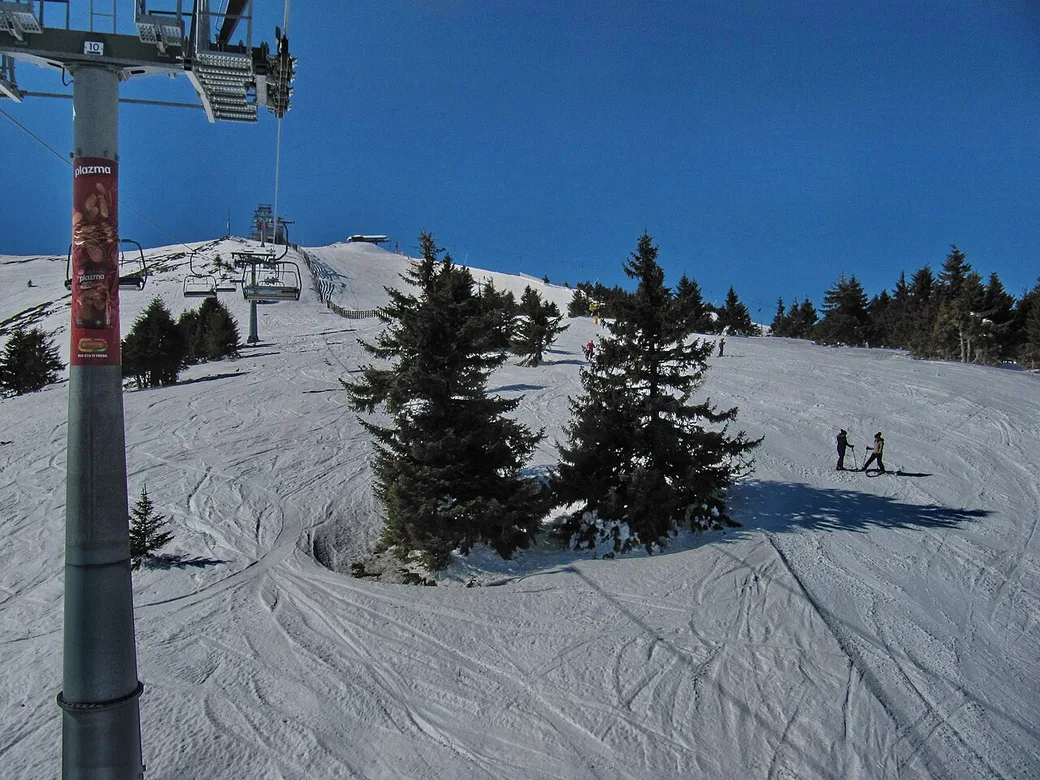
Skiing turns on a different word. On-piste skiing is inside many base plans; off-piste isn’t, and the SafetyWing help centre lists “skiing/snowboarding off-piste (outside marked territory or against advice of ski school/authority)” as excluded even after you buy the adventure add-on. That’s the Kopaonik clause: the resort has about 55 kilometres of marked piste and plenty of tempting forest between the runs, and no premium covers the forest. Before you buy a pass, check that winter sports are on the base plan or add the rider. Our guide to skiing in Serbia compares the three resorts, and the best time to visit Serbia sets the season against the rest of the year.
Rafting: the grade and the border
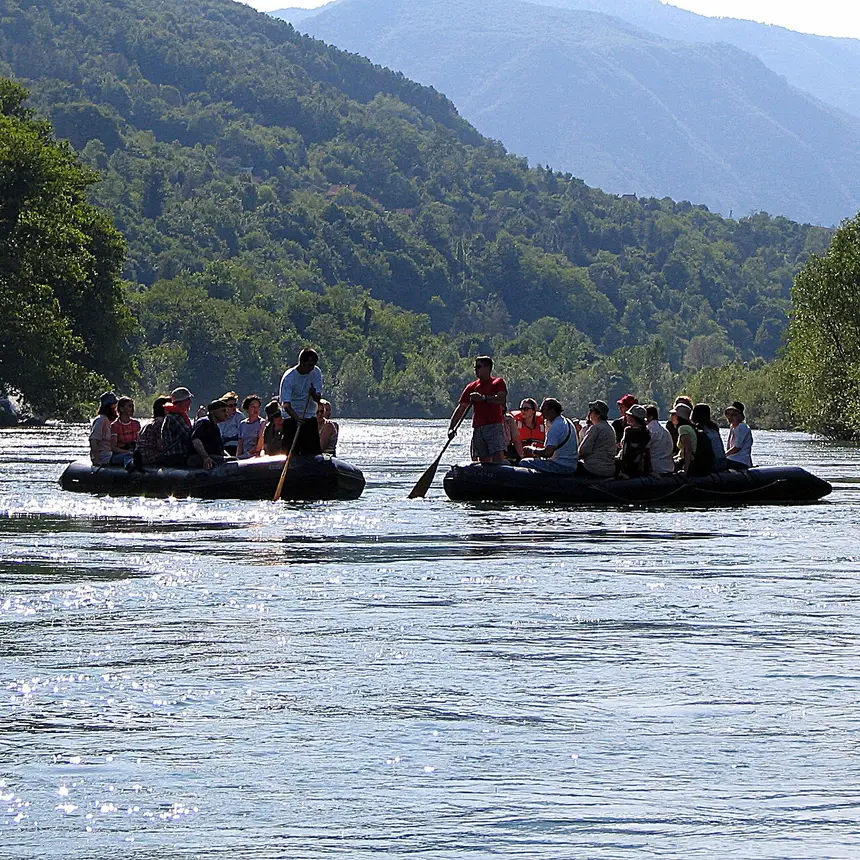
Serbia’s rivers are gentler than the “Balkan rafting” photos suggest, and that helps with insurance. Operators sell the Perućac float on the Drina as the easy family stretch, Class I water, and rate the standard Ibar and Lim days Class I-II, with the Ibar pushing to III in spring flood and one named Lim rapid running III-IV year-round; the licensed Serbian operator Brunoraft prints the outer range on its own price list as Ibar I-III and Lim I-II. SafetyWing’s adventure add-on covers “whitewater kayaking or rafting up to Grade 3”, and other insurers cap by grade in the same way, so you’ll find a Serbian river day sits inside that ceiling on all but the hardest sections.
The Tara canyon is different, and the difference is a line on a map rather than a line in the policy. The Class III-IV run marketed online as “Tara rafting” or “Drina rafting” starts below Šćepan Polje, the operators describe themselves as working in Bosnia and Herzegovina and Montenegro, and some hand you an ID check for a state border crossed mid-trip. So you’ll need to check the grade your policy allows and the territory it covers, because a single-country policy written for Serbia may stop where the canyon starts; a policy written for Europe or worldwide removes that problem. Our rafting guide separates the three Serbian rivers from the canyon across the border.
Splavovi and the alcohol clause
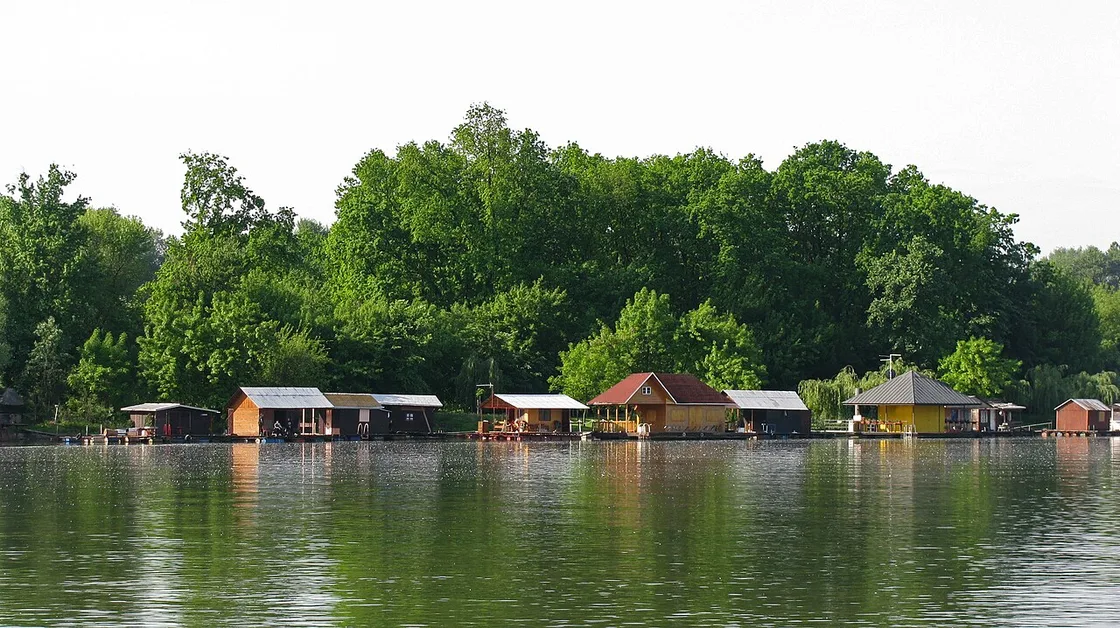
Belgrade’s floating clubs on the Sava, the splavovi, make the stag weekend a real product here. Most travel policies exclude claims arising while the insured is under the influence of alcohol. The clause isn’t a switch that flips at the first beer: an insurer usually has to show that you were drunk and that the drink caused the loss, so a phone lifted from a jacket on a club boat, an incident the drink played no part in, may still be reimbursed, while a fall from a gangway at four in the morning is the case the claims desk reads closely and may decline. The answer isn’t to skip cover for a party trip but to understand what the policy protects: the accident, not the decision. The soberest member of the party carries the assistance number.
The rental car: travel insurance is not car insurance
A hire car changes the insurance picture, and travel policies are silent on it. Damage to the vehicle is the rental company’s business, handled through the collision damage waiver and third-party cover that come with the keys; your travel policy covers your body, not the bodywork. The gap that costs money is the excess on that waiver, the amount you still owe when the car is damaged, which can run to four figures; the desk’s excess-reduction product or a standalone car-hire excess policy covers it, and either way it’s separate from your health cover. Our guide to renting a car in Serbia goes through the waiver, the deposit hold and what you need to take a Serbian rental across a border.
What it costs
No single figure holds. Age, trip length, the evacuation limit, the excess you accept and any adventure or winter rider all move the price, and two insurers can quote the same fortnight at very different levels. A plan priced low because its evacuation ceiling is low is the wrong plan for a country whose risk is concentrated in moving you, so compare quotes on the evacuation line and the exclusions. For open-ended stays, remote work or a route that drifts into Bosnia and Montenegro, a monthly plan such as SafetyWing’s Nomad Insurance is built for that shape of trip; for a fixed fortnight, a single-trip policy from a mainstream insurer is often better value.
Before you fly
Store 194, 192, 193 and the GSS number for your mountain next to the insurer’s line, offline. Read the activities page for the words hiking, trekking, skiing, off-piste and rafting, and the territory page if the Tara canyon is on your list. Keep every receipt; in Serbia the paper is the claim. Then go: the country is safer than its headlines, and getting around it is the enjoyable part - it’s the bit most people remember.
Photos
Read also

Food · 10 min read
Belgrade Food Tours: What You Eat and Pay
Verified · September 4, 2026Belgrade food tours run 2-4 hours: from €34 per person on a street walk to €165 solo on the operator flagship, €810 for a group of six.

What to see · 10 min read
Fruska Gora Monasteries: Which to Visit
Verified · September 3, 2026Sixteen preserved Orthodox monasteries on Fruska Gora: Krusedol, Novo Hopovo, Grgeteg and Vrdnik, plus dress code and a day route from Novi Sad.

What to see · 9 min read
Viminacium: Rome and Mammoths near Belgrade
Verified · September 3, 2026Roman Viminacium near Kostolac: adult tickets 1,050 RSD, hours by season, last tour two hours before close, and why the mammoth park is shut.

Transport · 11 min read
Novi Sad to Budapest: Train, Bus & Driving
Verified · September 1, 2026From Novi Sad to Budapest in 2026: FlixBus in 4h45 from EUR 20, drive about 300 km, or Soko train to Subotica then Hungary.