
Serbia Visa and Entry Requirements: 90 Days
90 days visa-free in Serbia for most Western travellers, plus the 24-hour white-card rule that catches Airbnb stays. Passports and overstays too.
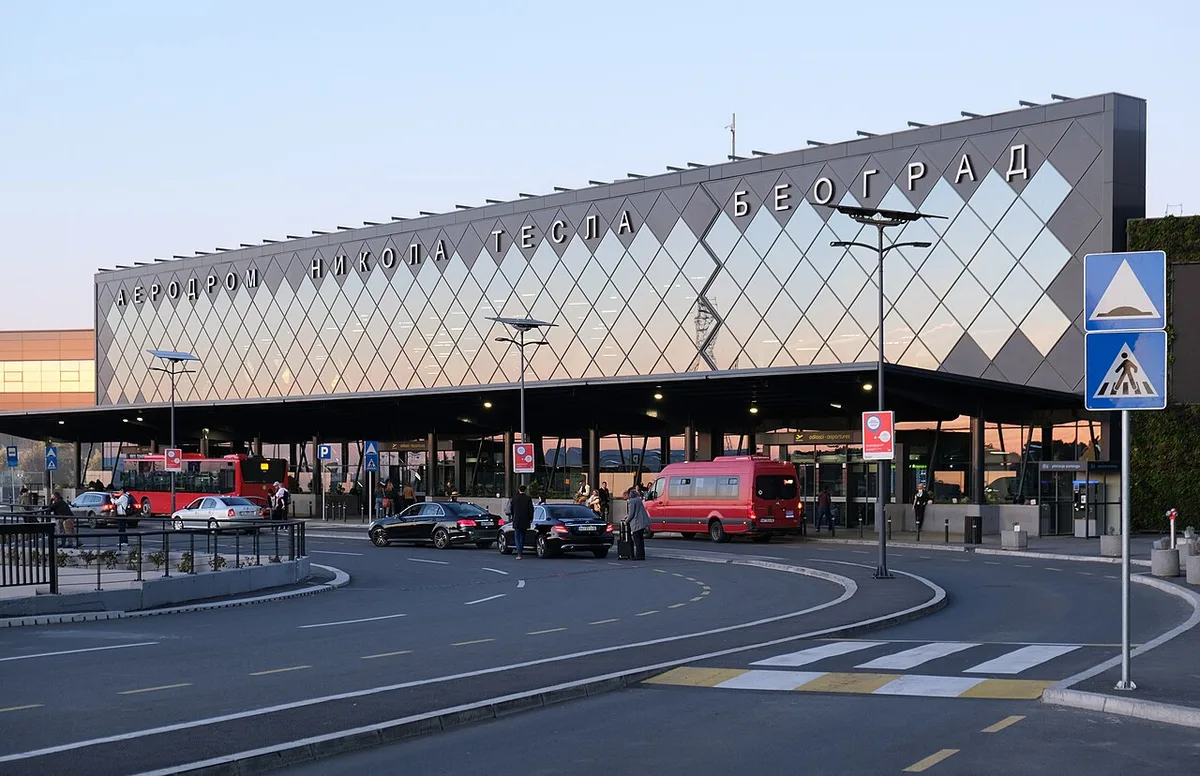
If you hold a US, UK, EU, Australian, Canadian or one of roughly 95 other passports, you don’t need a visa for Serbia: you get 90 days of stay within any 180-day period, no paperwork before you fly. The catch that trips people up isn’t the visa at all. It’s a small registration rule called the white card, which you’re supposed to sort within 24 hours of arrival, and which quietly bites travellers who skip hotels for an Airbnb or a friend’s spare room. This guide covers who gets in visa-free, the passport details that actually get people turned back at the desk, how the white card works, and what happens if you overstay. Rules change, so treat this as orientation and confirm the current position with the official sources linked below before you travel.
The short version for a normal city trip: land, get your entry stamp, let your hotel register you, and enjoy your three months. It only gets fiddly if you’re staying in private accommodation, moving between cities, or planning to stay longer than 90 days, and that’s where the rest of this page earns its keep.
Do you need a visa for Serbia?
Almost certainly not. Serbia’s foreign ministry states plainly that eligible nationals may enter and stay “up to 90 days during a six-month period” without a visa, and the list is long: the whole EU and Schengen area, the UK, the United States, Canada, Australia, New Zealand, Japan, South Korea and dozens more. The UK Foreign Office puts it the same way for British visitors, “up to 90 days within a 6-month period, for business or tourism,” and the US State Department confirms Americans “do not need a visa to enter and stay in Serbia for up to 90 days.”
Here’s the detail worth internalising, because it saves long-stay travellers real trouble: Serbia isn’t in the Schengen area or the EU. Its 90/180 allowance runs on its own clock, completely separate from the Schengen 90/180. Time you spend in Belgrade doesn’t burn your Schengen days, and vice versa, which is exactly why Serbia is a favourite reset base for people bouncing around Europe on tourist stays. If your plans genuinely run past 90 days, that’s a residence-permit question rather than a visa one, and our guide to the Serbian residence permit (boravak) walks through the grounds and the process.
Does the EU Entry/Exit System (EES) affect entry to Serbia?
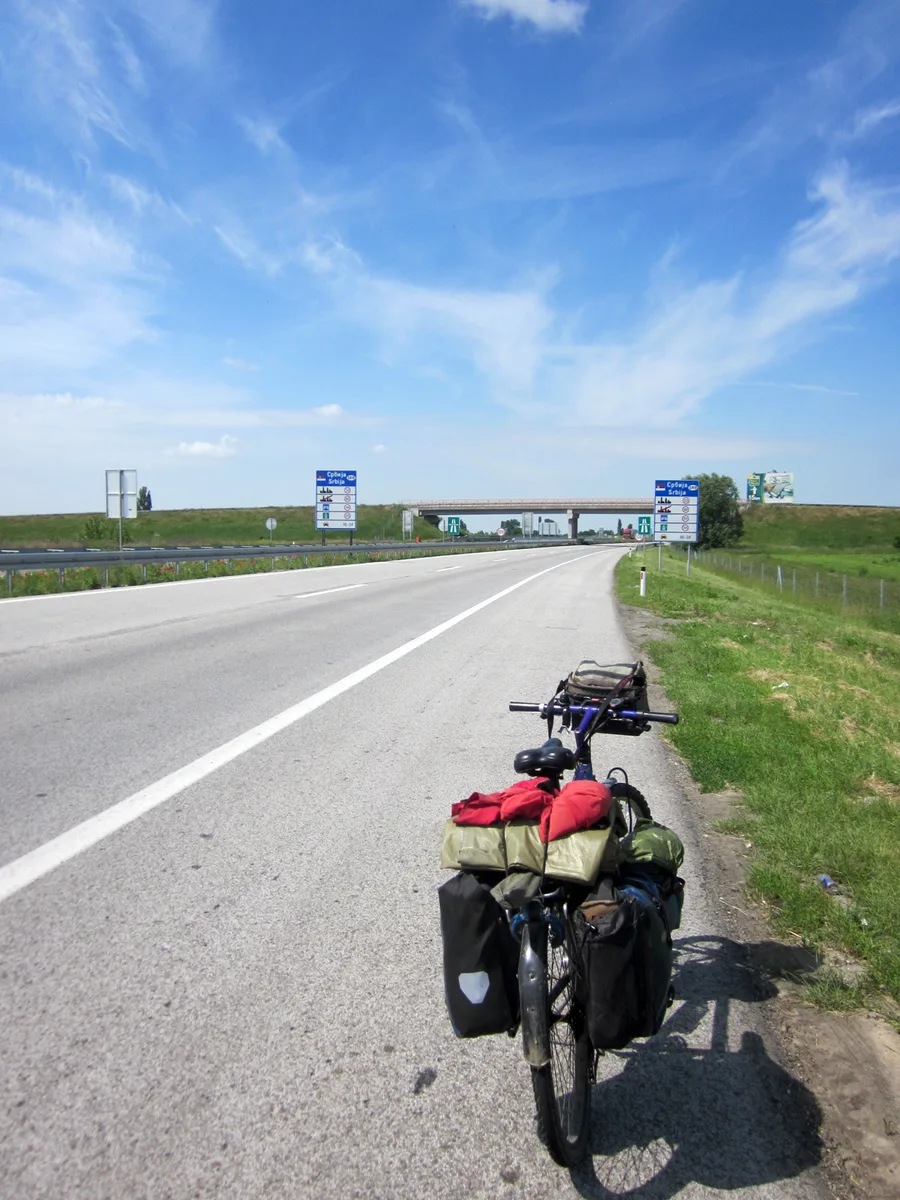
No. The EU runs EES at its own external borders, registering non-EU travellers biometrically instead of stamping them, and Serbia isn’t in the EU. Nothing about EES applies when you arrive here: your 90 days, your entry stamp and the white card work exactly as described on this page.
It matters on the way out, because Serbia’s northern and western neighbours are EU states. A drive or a bus west into Croatia or north into Hungary now means biometric registration on the EU side of the barrier, and your Schengen allowance counted by computer rather than by a guard reading stamps. That’s a separate topic with its own queues, exemptions and timing, and our guide to the Serbia to Croatia border and EES rules is the place to read it before you drive.
The passport rules that actually get people turned back
The visa waiver is generous; the passport rules are where a trip occasionally comes apart at the check-in desk. Serbia’s foreign ministry lists three requirements, and each one catches somebody.
Your passport must be valid at least 90 days after the date you intend to leave Serbia. That’s a longer buffer than the “valid for the duration of stay” rule some travellers assume, so a passport creeping toward its expiry is worth checking now rather than at the airport. It must also have at least two consecutive blank pages, and, the one people forget, it must have been issued within the past 10 years. That last rule bites holders of older passports that were renewed with extra months tacked on the end: a document can still be “in date” yet older than ten years from its issue, and that fails the test. The US State Department adds the obvious but painful point that authorities will refuse entry to anyone travelling on a passport previously reported lost or stolen.
None of this is unusual for the region, but it is stricter than the bare minimum, and it’s entirely avoidable. Check the issue date and the expiry date against your travel dates before you book, not after.
The white card: Serbia’s registration rule
This is the part almost nobody reads about in advance, and the one that generates the most confusion on arrival. Every foreign visitor is expected to register their stay with the local police within 24 hours of arrival. Registration produces a slip commonly called the white card (bela karta), which is your proof that you’re in the country legally. It’s normally free.
For most tourists this happens invisibly. If you’re booked into a hotel, hostel or any paid accommodation, the front desk registers you automatically, exactly as the UK Foreign Office describes: “if you’re staying in a hotel, check-in staff will register you automatically.” You’ll likely never see the card, and that’s fine.
The trap is private accommodation. If you’re staying in an Airbnb, with friends, or in a flat you’ve rented informally, that automatic step does not happen, and the responsibility falls on you or your host to register in person at the nearest police station within that 24-hour window. Serbia’s rules put the duty on both the person providing accommodation and the traveller, so don’t assume your Airbnb host has done it; ask, and if they haven’t, go together or go yourself. The other quiet catch is movement: the registration is tied to where you’re staying, so if you change cities or accommodation you’re expected to re-register at the new location. Hotel-to-hotel travellers are covered automatically at each stop, but a Belgrade hotel followed by a week in a friend’s place in Novi Sad is exactly the pattern that leaves a gap.
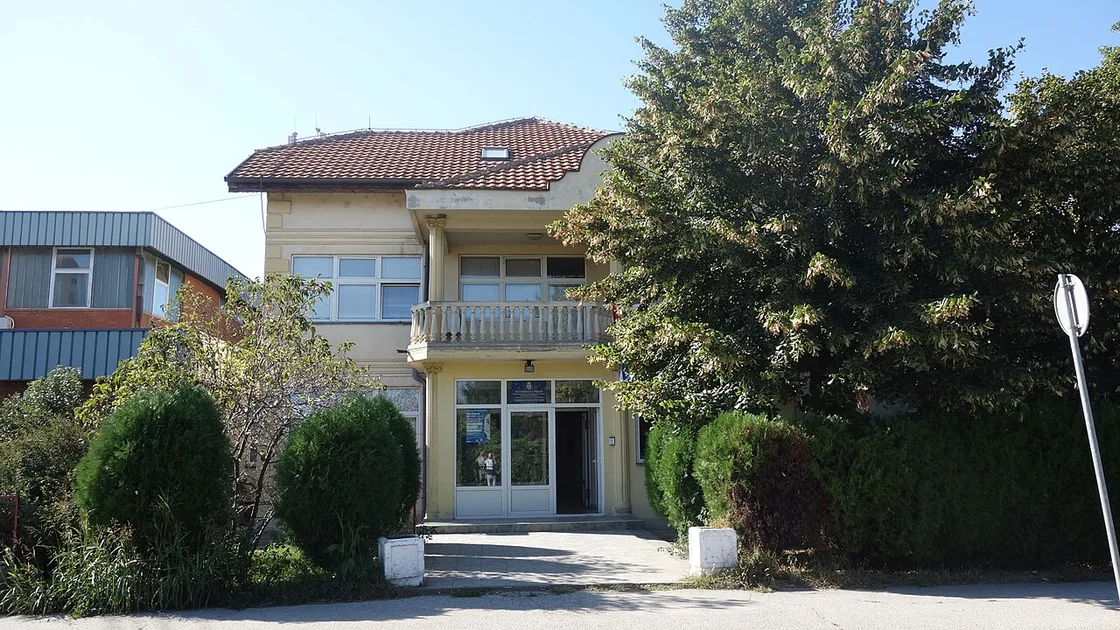
One practical note: because the card is free, be wary of any “registration service” trying to charge you for it on top of a standard hotel stay. Keep whatever slip you are given, carry it with your passport, and hold onto it until you leave. If you later apply for a residence permit, clean registration history is one less thing to explain.
What happens if you skip registration or overstay?
Take the rules seriously without losing sleep over them. On registration, the UK Foreign Office is blunt: “if you do not register, you could get a fine, and face arrest and a court appearance.” Neither the UK nor the US advisory publishes a fixed fine figure, so treat any specific number you see quoted elsewhere with caution; the honest summary is that it’s an administrative penalty you want to avoid, and that an unregistered stay can complicate a later residence-permit application. In practice, a tourist who used hotels the whole way is registered without lifting a finger; the people who run into trouble are those on informal stays who never went to the police.
Overstaying the 90 days is a separate and more serious matter. If your plans genuinely exceed the visa-free window, the route is a temporary residence permit, applied for locally through the police before your 90 days expire, not something you sort out at the border on the way out. Don’t let the clock run out and improvise; start the residence permit process early if you know you’re staying.
One border quirk: arriving via Kosovo
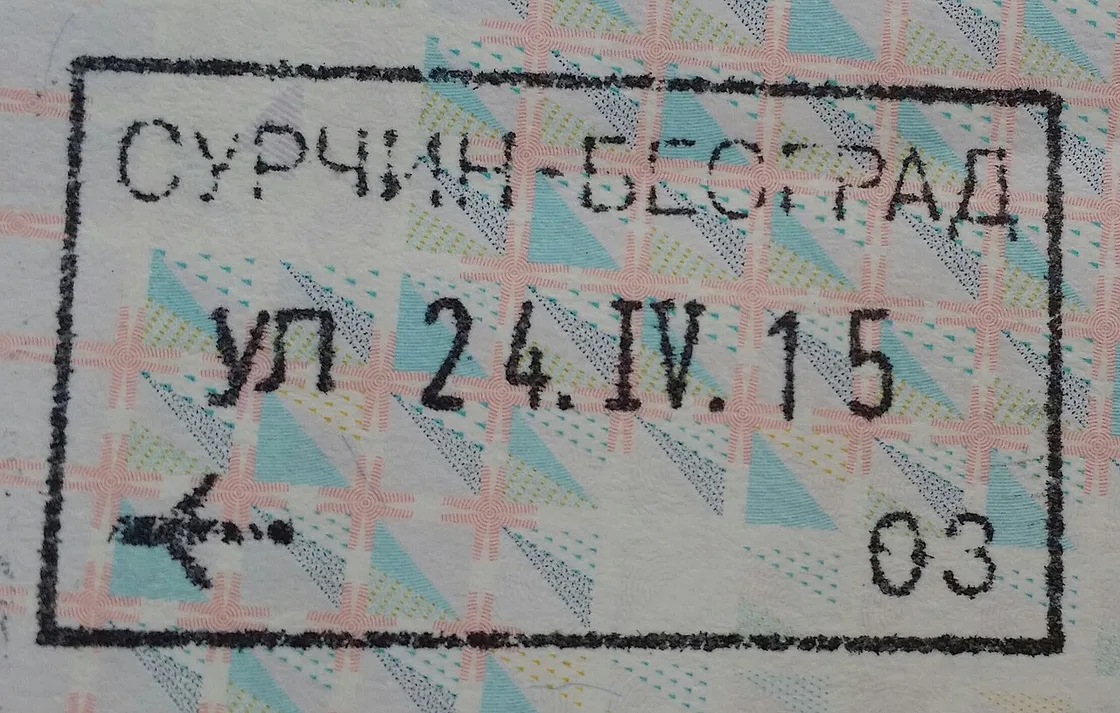
If Kosovo is anywhere in your itinerary, learn this before you go, because it catches people cold. Serbia doesn’t recognise Kosovo’s border authorities, so it “will not grant entry to travellers who try to enter Serbia from Kosovo,” in the State Department’s words. The workaround is order of travel: enter Serbia first through a recognised crossing, such as Belgrade, Niš or Kraljevo airport or a land border with a neighbouring country, collect your Serbian entry stamp, and only then travel on to Kosovo and back. Try to leave Serbia without a valid entry stamp and, per UK advice, you risk charges of illegal immigration, a heavy fine and worse. This is enough of a topic in its own right that our full guide to crossing between Serbia and Kosovo walks through the rules and the two safe routes; for now, just fix the sequence in your head: recognised entry first, stamp in hand, Kosovo second.
Before you fly: a quick checklist
Run through five things and you have covered the lot. Confirm your passport is valid for 90 days beyond your departure, has two blank pages, and was issued within the last ten years. Confirm your nationality is on the visa-free list (the vast majority of Western readers are). Plan how you’ll register: hotels handle it, private stays don’t, so know your first night’s plan. Keep your entry stamp and white card together with your passport. And if you’re staying beyond 90 days, or arriving via Kosovo, read up on that specific wrinkle rather than winging it.
Entry itself is the easy part of a Serbia trip; the country is broadly safe and welcoming, and most visitors clear the border in minutes. Sort the passport dates and the registration plan in advance and there’s nothing left to trip over. For everything after the border, our guide to getting to Serbia covers the routes in, sorting out a Serbia eSIM or local SIM means you land already connected, and it is worth arranging travel insurance for Serbia for the same reason you would anywhere: foreigners generally pay for private treatment upfront and claim it back later, so a policy that covers medical costs and evacuation is money well spent.
Photos
Read also

Before you go · 9 min read
Tipping in Serbia: How Much, Cash or Card
Verified · August 9, 2026Tipping in Serbia: about 10% in restaurants, round up cafes and taxis. Cash is standard - card terminals rarely add a tip. What to leave, by situation.

Before you go · 9 min read
Belgrade or Budapest: Which City Break?
Verified · August 8, 2026Belgrade or Budapest: Budapest wins on flights, baths and sights, Belgrade on free transit and price. Populations, tickets and connections compared.

Before you go · 10 min read
Best Hostels in Belgrade: Party and Budget Picks
Verified · August 8, 2026Belgrade hostels from EUR 6.66 a bed: 3 party picks near the bars and 3 quiet, cheaper ones, with real prices, ratings and exact addresses.

Before you go · 9 min read
What to Pack for Serbia (+ Power Plugs)
Verified · August 7, 2026Pack for Serbia: Type F/C 230V plugs, Belgrade vs mountain layers, and the shoes, eSIM and documents that actually matter on the trip.