
Best eSIM and SIM Cards for Serbia
How to get mobile data in Serbia: an eSIM vs a local prepaid SIM, which operator to pick, where to buy, and why your EU plan is not free roaming here.
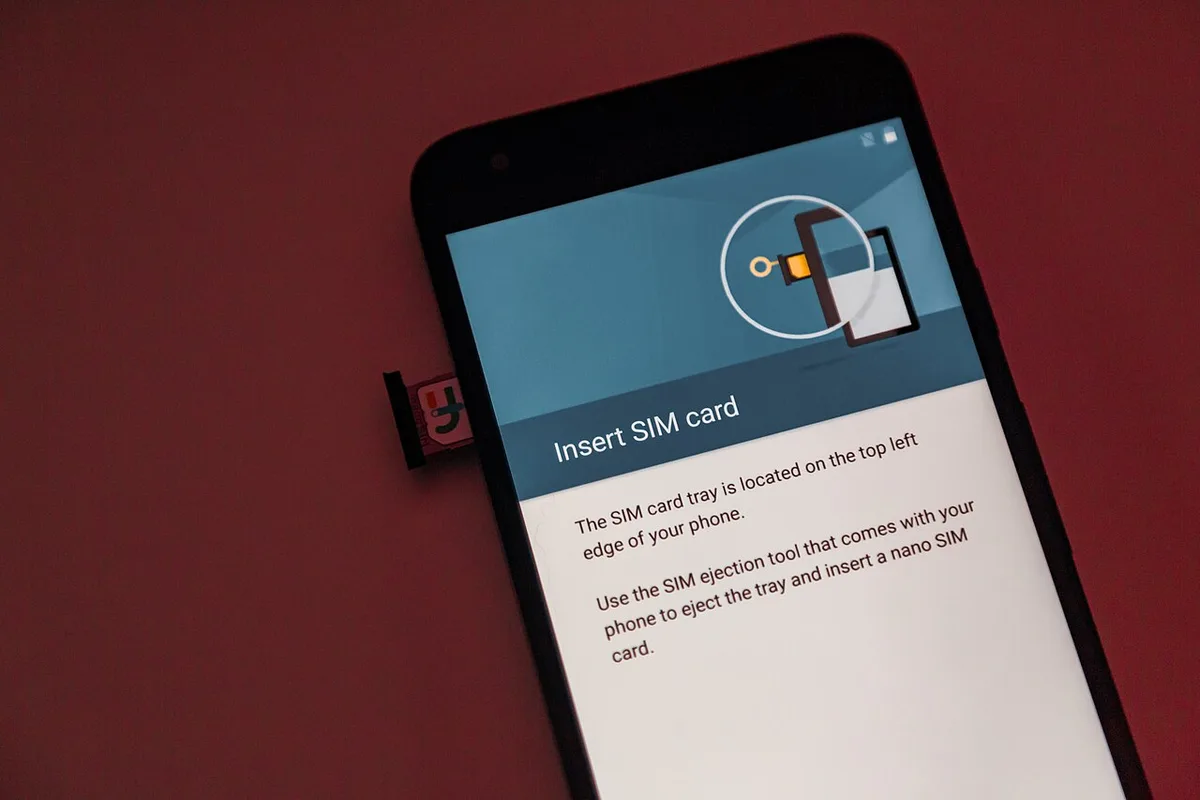
You have two good ways to get online in Serbia: an eSIM you switch on before you land, or a cheap local prepaid SIM you buy on arrival. An eSIM saves you the airport queue and works the moment you touch down; a physical tourist SIM from a Serbian operator gives you far more data for your money. The single fact that changes the maths is this: Serbia isn’t in the EU, so your “roam like at home” allowance almost certainly doesn’t apply here, and plenty of visitors only discover that when the roaming charges land. This guide covers both options, which operator to pick, where to buy, and how to decide, with real prices where they’re stable and honest ranges where they move.
The quick answer: for a short city break on a modern phone, an eSIM is the easy call. For two weeks or more, heavy data use, or an older handset, a local prepaid SIM wins on value. Either way, sort it before you rely on your normal plan.
First, the roaming trap
This catches EU travellers in particular. Inside the EU, your home plan works at domestic rates. Serbia sits outside that zone, so unless your specific tariff lists Serbia or the Western Balkans, you’re roaming, and it’s not free. The good news is the cost is falling fast: under a 2023 agreement between European and Balkan operators, the retail cap on data roaming between the EU and the Western Balkans dropped to about 18 euros per gigabyte in late 2023, steps down to roughly 14 euros per gigabyte from 2026, and is set to reach around 9 euros by 2028. Full “roam like at home” between the EU and the region is being negotiated, with talks formally opened in 2026, but it’s not in force yet, so don’t plan around it for a trip this year.
Two practical upshots. If you’re visiting from a Western Balkans neighbour (Montenegro, Bosnia, North Macedonia, Albania or Kosovo), you already roam in Serbia at home rates under a separate regional deal, so you can relax. Everyone else should assume roaming costs money and either buy a Serbian eSIM or SIM, or check with your carrier for a Serbia add-on before you travel. For most people, a dedicated eSIM or local SIM is both cheaper and simpler than a roaming bolt-on.
Option one: an eSIM, the no-queue route
If your phone supports eSIM (most iPhones from the XS onward and recent Google Pixel and Samsung Galaxy models do), this is the least-hassle option going. You buy a plan online, scan a QR code, and arrive with data already working, no shop, no passport form, no fumbling with a tiny card over a bin at arrivals.
Airalo, one of the larger providers, runs its Serbia plans on the A1 network and, as of mid-2026, sells unlimited-data packages from 20.50 US dollars for 3 days, 36.50 for a week, and 99 for a full 30 days. Providers such as Yesim, Holafly and others cover Serbia too, some with smaller fixed-gigabyte plans that start at just a few dollars if you don’t need much. Prices and exact allowances shift, so compare a couple before you buy, and match the plan to how you actually use data: navigation and messaging are light, video and hotspotting aren’t.
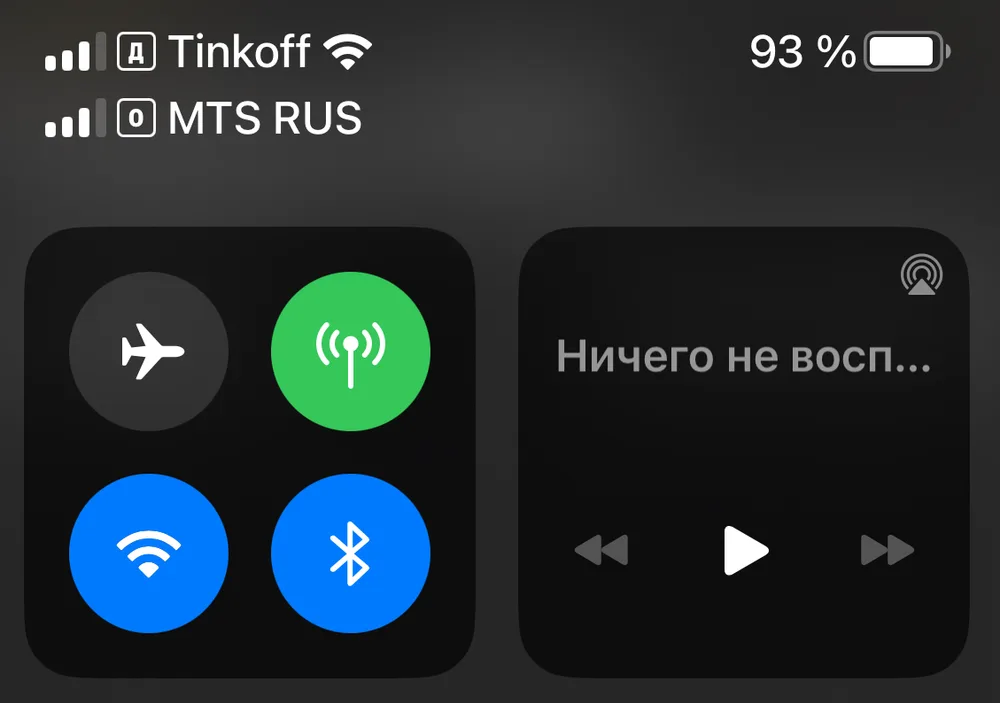
Two things to get right. Install the eSIM while you still have wifi at home, but hold off on activating it until you arrive: some plans start their clock on installation rather than first use, so read the activation terms. Keep your home SIM in place as your default for calls and your existing number; it’ll just carry the data on the eSIM. The trade-off versus a local SIM is pure value: eSIM data usually costs more per gigabyte than a Serbian tourist pack, which is the price you pay for the convenience.
Option two: a local prepaid SIM, the best value
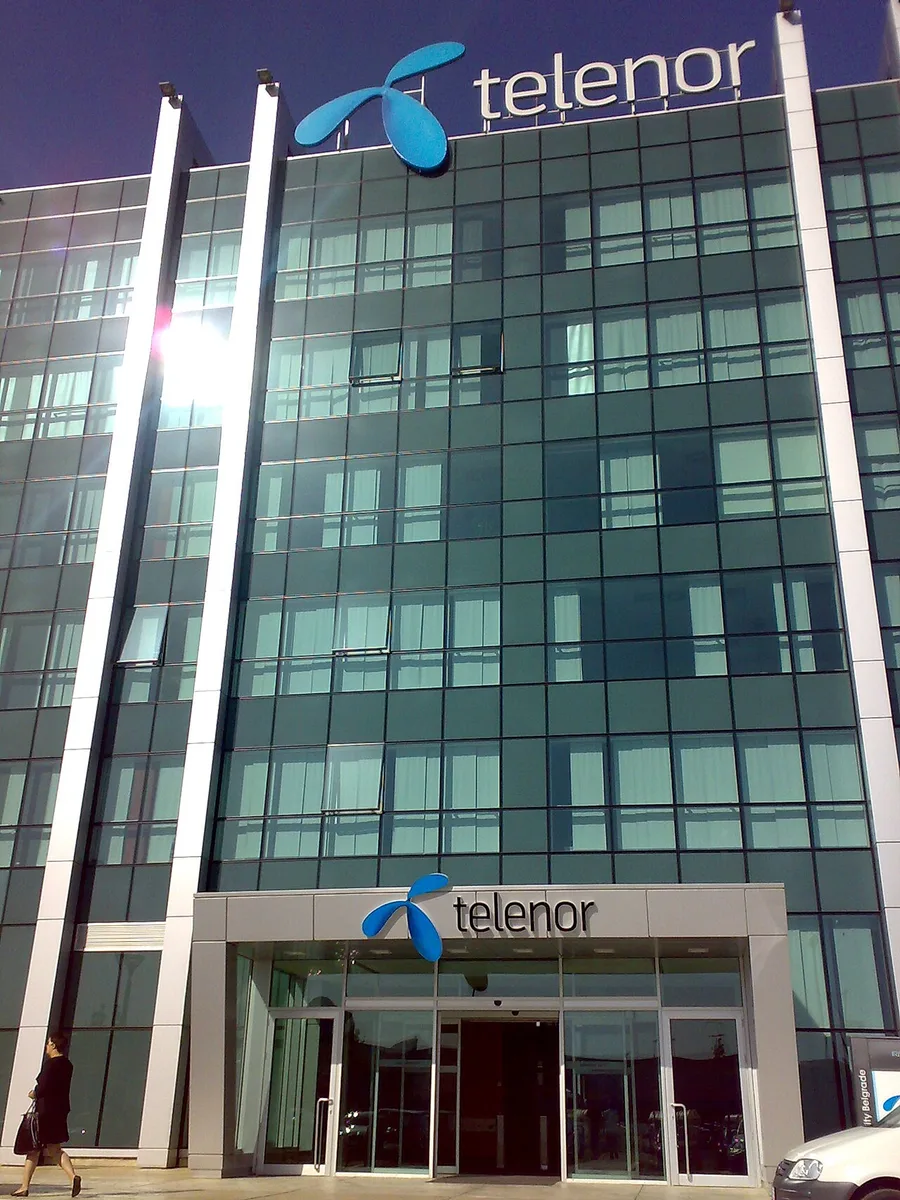
If you want the most data for the least money, walk up to a Serbian operator and buy a prepaid tourist SIM. Serbia has three networks: Telekom Srbija (mts), Yettel (the former Telenor) and A1 Serbia (once Vip mobile). All three sell traveller-friendly starter packs that are startlingly generous by Western standards, typically tens of gigabytes for well under 10 euros, often bundled into a short validity window of a few days to a month. Exact package names and prices rotate frequently, so don’t treat any figure as a fixed tariff - check the current offer at the counter; the pattern of “lots of data, little money” is the reliable part.
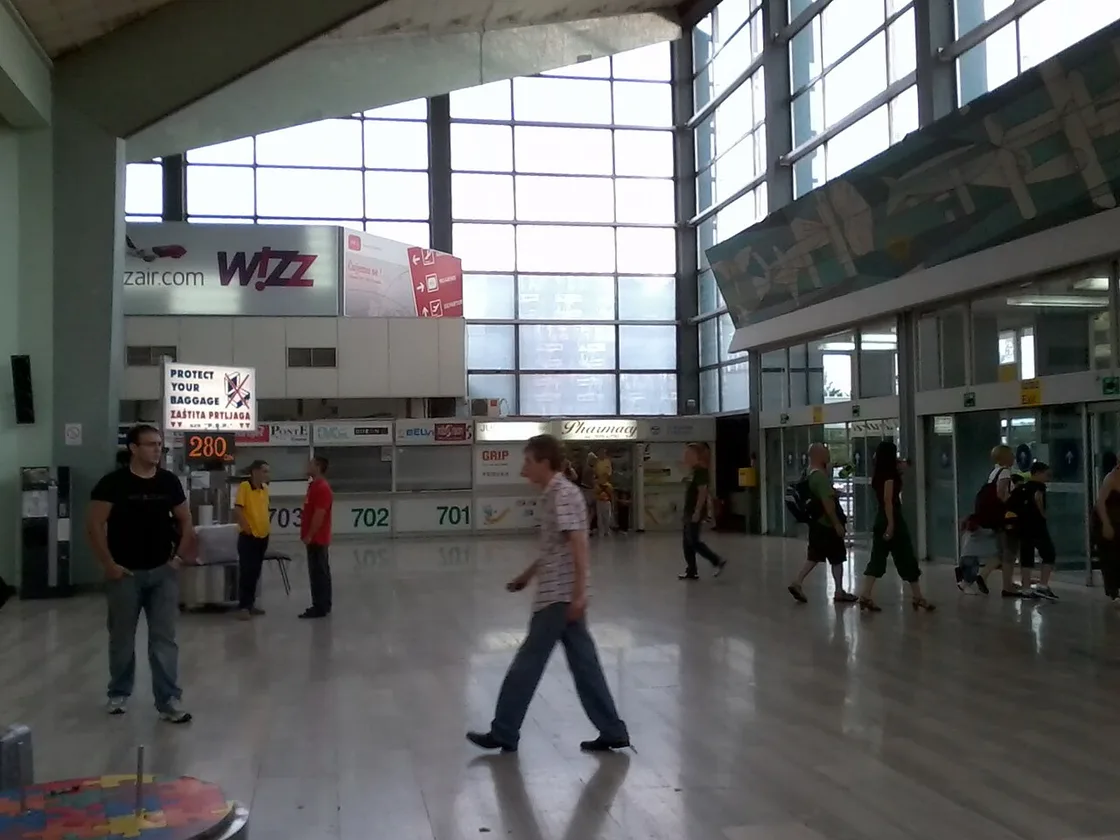
One rule trips people up: you need your passport to buy a SIM in Serbia. Registration is a legal requirement, the same logic behind the white-card registration of your stay, so bring ID to the shop. You can buy at operator stores across any city centre, at kiosks, and at the arrivals hall of Belgrade Nikola Tesla Airport, where Yettel, mts and A1 all run desks near the exit after baggage claim. You’ll find the airport convenient but rarely the cheapest; a high-street branch in town often has a better tourist deal and staff with more time to set it up.
Which operator should you pick?
For a normal trip, it doesn’t really matter: all three give you fast 4G everywhere you’re likely to go and 5G across the bigger cities, and coverage in Belgrade, Novi Sad and Niš is genuinely good. The one distinction worth knowing is that mts (Telekom Srbija) has the widest reach into rural and mountain areas, so if your plan runs to the canyons of the west, the Đerdap gorges in the east or the ski slopes, it’s the safer bet for a signal off the main roads. If you’re sticking to cities and motorways, pick whichever has the best tourist pack on the day. Whichever you choose, download your offline maps before heading into the mountains, because no network covers every gorge.
eSIM or physical SIM: how to decide
Strip it back to your trip. Choose an eSIM if you’re here for a short stay, you value walking out of the airport already online, and you have an eSIM-capable phone; it’s the smoother experience and the extra cost per gigabyte is small on a light-use city break. Choose a local prepaid SIM if you’re staying longer, plan to use a lot of data or tether a laptop, or your phone has no eSIM slot; the value is simply better, and you get a Serbian number into the bargain. Many long-stay visitors do both: an eSIM for the first day so they’re covered on landing, then a cheap local SIM once they have found a shop.
Whatever you pick, set it up before you need it, keep some data spare for maps and rideshare apps, and remember the passport for the shop. For the rest of your arrival logistics, our guide to getting from Belgrade airport into the city covers the taxi apps and buses you’ll want data for, and getting around Serbia explains how you’ll actually move between towns once you’re connected. On the money side, how payments work in Serbia pairs neatly with this, since a working phone and a working card are the two things that make a trip run smoothly.
Photos
Read also

Before you go · 9 min read
Tipping in Serbia: How Much, Cash or Card
Verified · August 9, 2026Tipping in Serbia: about 10% in restaurants, round up cafes and taxis. Cash is standard - card terminals rarely add a tip. What to leave, by situation.

Before you go · 9 min read
Belgrade or Budapest: Which City Break?
Verified · August 8, 2026Belgrade or Budapest: Budapest wins on flights, baths and sights, Belgrade on free transit and price. Populations, tickets and connections compared.

Before you go · 10 min read
Best Hostels in Belgrade: Party and Budget Picks
Verified · August 8, 2026Belgrade hostels from EUR 6.66 a bed: 3 party picks near the bars and 3 quiet, cheaper ones, with real prices, ratings and exact addresses.

Before you go · 9 min read
What to Pack for Serbia (+ Power Plugs)
Verified · August 7, 2026Pack for Serbia: Type F/C 230V plugs, Belgrade vs mountain layers, and the shoes, eSIM and documents that actually matter on the trip.