
Living in Belgrade as a Digital Nomad
Belgrade for digital nomads in 2026: fast cheap internet, free transport, coworking, best areas to live, SIM and visa basics, and the honest trade-offs.
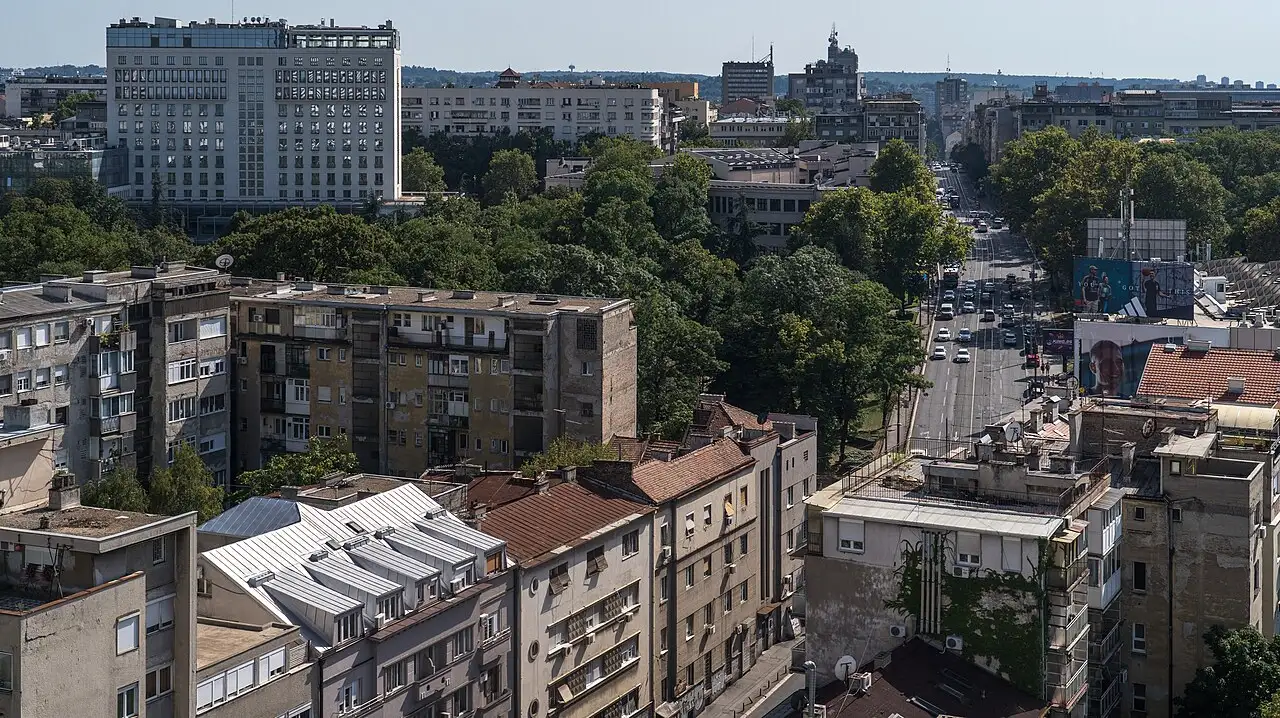
Belgrade is one of the best-value bases in Europe for a remote worker, and once you’re set up it’s easy to see why the scene here keeps growing. The internet is fast and cheap, the city’s public transport is genuinely free, coffee and food cost a fraction of Western prices, and there’s a large, sociable community of nomads and expats already in place. You can arrive visa-free and stay up to 90 days in any 180-day window; the part to plan for is what happens if you want to stay longer, which means looking at Serbian residence rather than hopping the border. For everyday cost detail, our cost of living in Belgrade guide has the numbers; this piece is about what the working life is actually like.
A quick note on where this sits. Belgrade suits the nomad who wants a real city rather than a beach and a laptop: a big, gritty, late-night European capital with culture, cheap eating out and a strong café habit, not a polished resort. If that’s your idea of a good base, it’s hard to beat on price. If you want sun and calm, you’ll want somewhere else.
Internet, SIMs and staying connected
This is the thing that brings most people, and Belgrade delivers. Fixed broadband in the city averages roughly 125 Mbps down and about 74 up, and fibre plans reaching 300 Mbps are widely available, so a home connection easily handles calls, uploads and a household of devices at once. Home fibre runs somewhere around 10 to 30 euros a month depending on the plan, which is cheap for the speed. Cafés and coworking spaces are almost universally on solid wifi, and I’ve rarely found one that couldn’t carry a video call.
For mobile data, a local prepaid SIM or an eSIM is inexpensive and the coverage in the city is strong. The main operators are MTS, A1 and Yettel, and a tourist data bundle costs little. If you would rather not queue at a shop on day one, an eSIM lets you land already online, sort out your accommodation and register your address without hunting for wifi first.
Where to work: cafés and coworking
Belgrade runs on coffee, and that culture is a gift for anyone who works from a laptop. A cappuccino costs around 2 to 3 euros, and nobody will move you along; you can sit for hours over a single cup, which is exactly why so many nomads treat the city’s cafés as free offices. Plenty of places have laptop-friendly seating, plugs and quiet corners, and the habit of long, unhurried coffee is baked into daily life here rather than tolerated grudgingly.
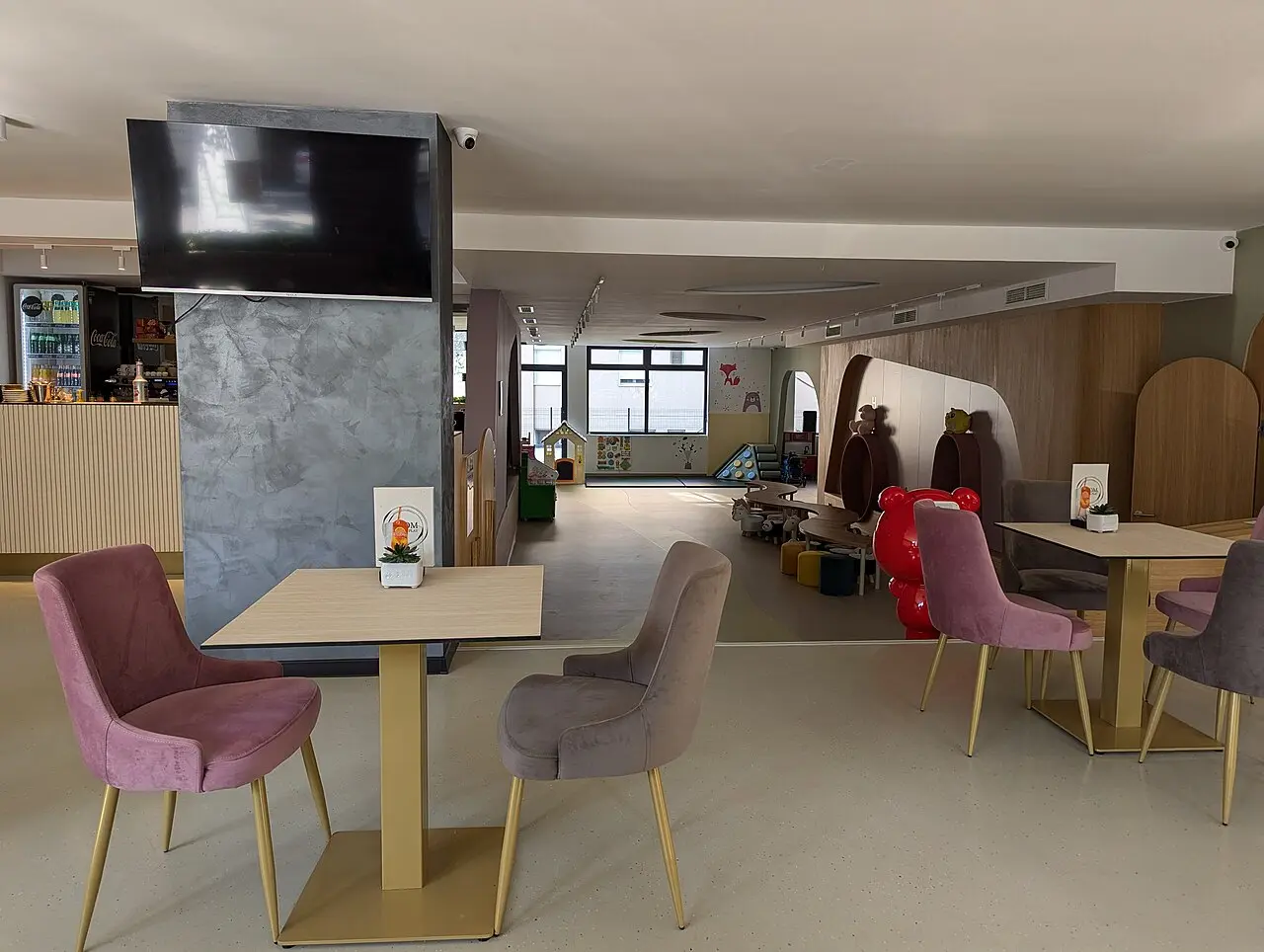
When you want a proper desk and fewer distractions, the coworking scene is healthy and growing. Well-known spaces include Impact Hub Belgrade, Smart Office, Nova Iskra, Startit Centar and Kolektiv, spread mostly around the centre and the inner districts. A hot desk or dedicated desk lands roughly in the 120 to 250 euros a month band, with day passes around 10 euros if you only need somewhere focused now and then. Beyond the desk, these places are where the community actually forms: most run talks, meetups and socials, and turning up to one is the fastest way to stop working alone.
The best areas to live
Belgrade is compact enough that no central choice is wrong, but the character shifts a lot street to street. Three areas come up again and again for nomads.
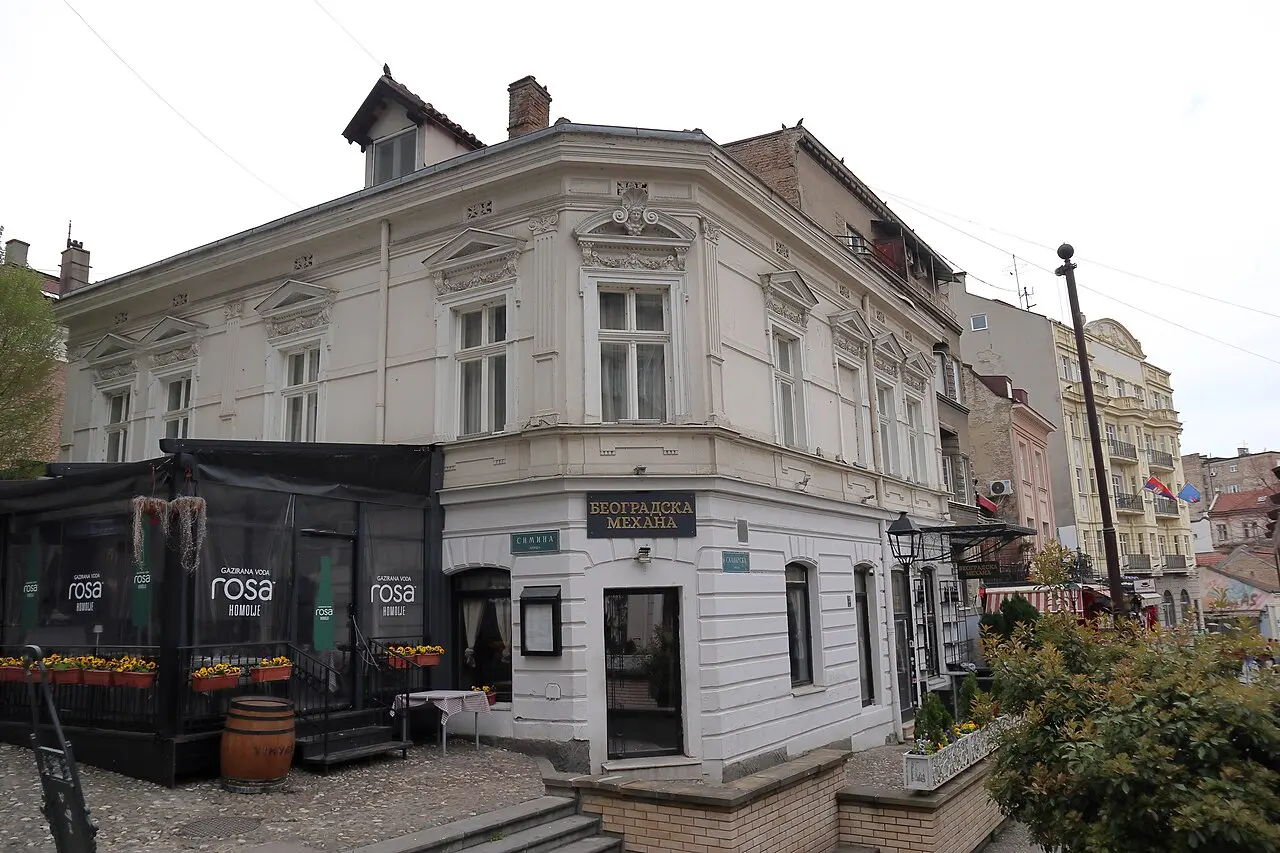
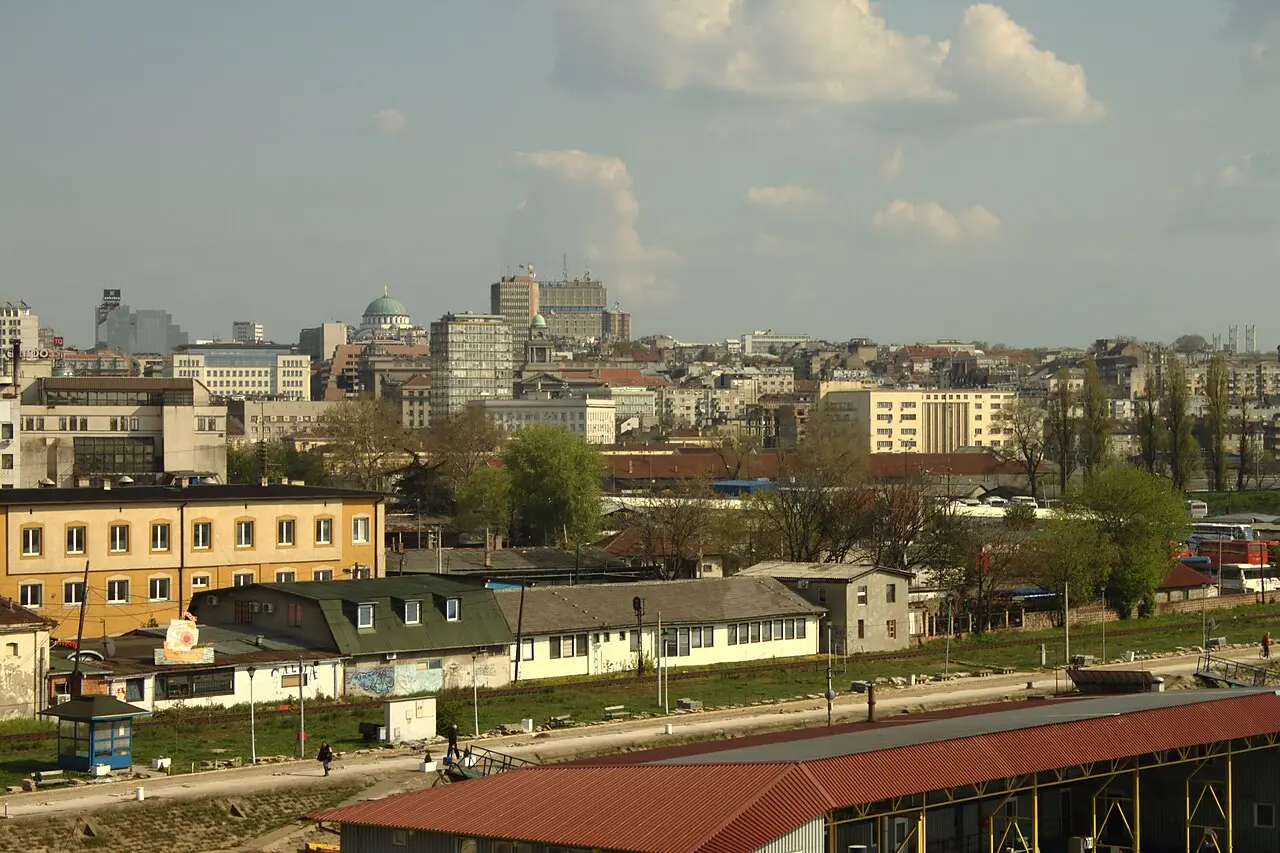
Vračar is the safe first pick: central, leafy and slightly upmarket, packed with cafés, restaurants and small museums, with the Temple of St Sava and the Kalenić green market on its doorstep. It feels settled and civilised, and it’s a short walk or free tram ride from everywhere. Dorćol, the oldest surviving part of the city on the slope down to the Danube, is the arty, characterful choice, all leafy corners, independent bars and a strong neighbourhood identity while still being properly central. Savamala, down by the Sava, is the creative and nightlife district, full of galleries and late bars; it’s lively and cheaper in pockets, though the construction around the Belgrade Waterfront project means some blocks are a building site.
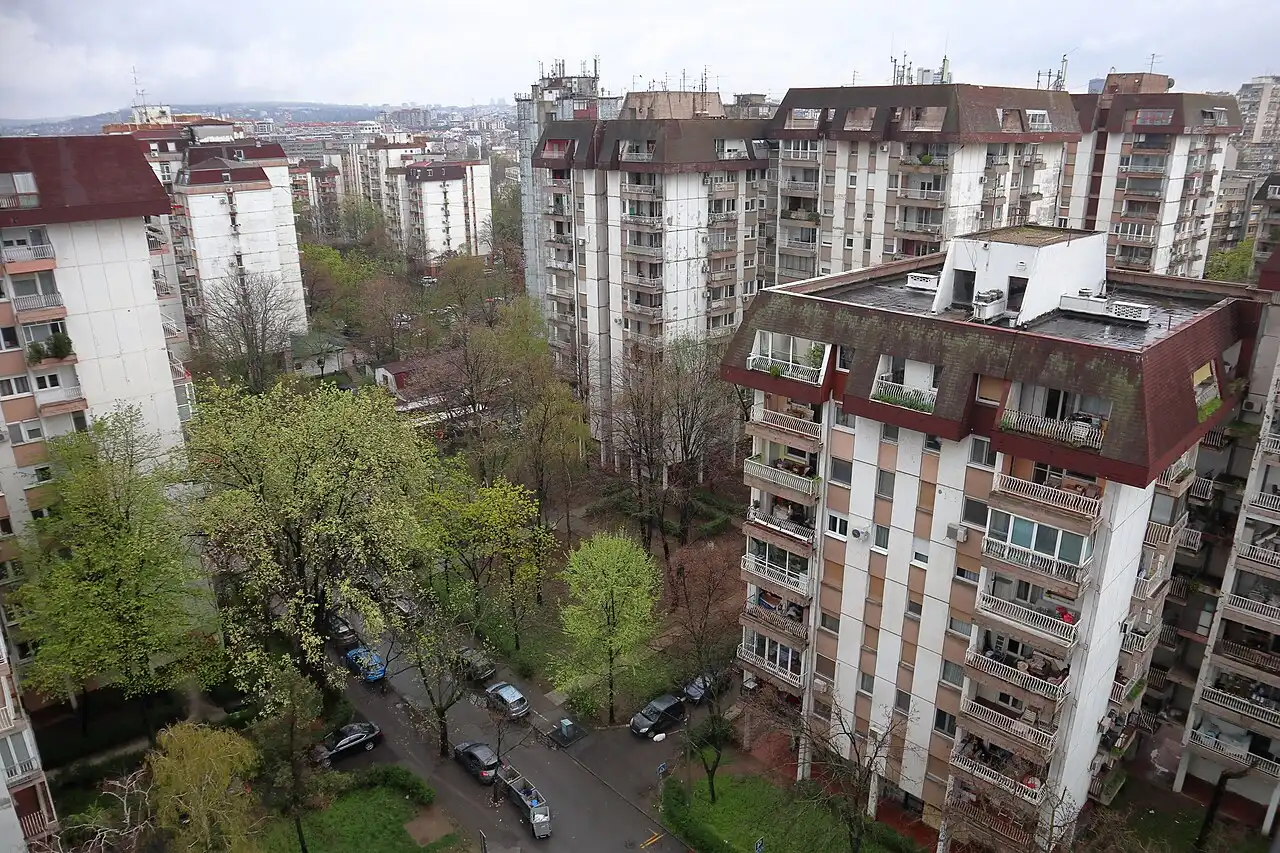
If you would rather trade a little distance for a lower rent, the districts just out from the middle (Zvezdara, Voždovac and the like) are cheaper and, because the transport is free, cost you time rather than money to reach the centre. For a proper breakdown of each area, our guides to where to stay in Belgrade and the character of the Belgrade neighbourhoods go district by district.
Getting around, and what it costs to live
Transport is where Belgrade quietly hands you money back. Since 2025 the city’s buses, trams, trolleybuses and suburban trains have been free for everyone, residents and visitors alike, so your local travel line is effectively zero. The one carve-out is the airport express bus, which still charges a fare; for daily life around town you simply get on and ride. That, plus a walkable centre, means many nomads never touch a taxi app.
On the wider budget, a comfortable single life here runs roughly 1,000 to 1,500 euros a month all in, with a one-bedroom flat somewhere around 500 to 800 euros depending on the area, and food and coffee cheap on top. Rents have climbed and it’s not quite the bargain it was a couple of years ago, but for a fast-internet European capital it still reads well. The full picture, line by line, is in the cost of living guide, and the network itself is covered in getting around Serbia.
The community and the language
One of the real draws is that you’ll not be doing this alone. Belgrade has a large and active nomad and expat community, with regular meetups, coworking events and online groups, so it’s genuinely easy to make friends within a couple of weeks. The city is also welcoming and unpretentious, and going out is cheap enough that a social life doesn’t wreck your budget.
Language is rarely a barrier day to day. English is widely spoken among younger people and in hospitality, so cafés, coworking and admin are manageable from the start. Serbian uses both the Cyrillic and Latin alphabets, often side by side, and learning to read Cyrillic (an afternoon’s work) makes menus, street signs and transport far easier to navigate. A few words of Serbian go a long way with older neighbours and at the green markets.
Staying legal: visa and residence
This part deserves care, and it is worth checking against official guidance rather than a blog. Citizens of visa-free countries (including the US, UK and EU states) can enter and stay up to 90 days within any 180-day period without a visa, provided the passport is valid for at least 90 days beyond your departure and issued within the past ten years. Separately, every foreigner must register their address within 24 hours of arrival (the “white card”): a hotel or paid accommodation does this for you automatically, but if you’re in a private rental, your host or you must register it at the police foreigners’ department. Keep the slip, because you’ll need proof of registration for anything official later.
If you want to stay beyond the 90 days, the honest position is that Serbia has no dedicated digital nomad visa. What most remote workers use instead is a temporary residence permit (boravak), typically on self-employment or company grounds, though employment, property ownership and family are also valid bases. It’s a real process with paperwork, not a formality, and the rules change, so treat the official Ministry of Interior (MUP) guidance as the source of truth and, for anything non-obvious, a licensed Serbian immigration lawyer. We walk through the grounds, the 2023 single-permit reform and the steps in the Serbia residence permit guide. One thing worth flagging early: spending more than 183 days a year in Serbia can make you tax resident here, which is a separate question from your immigration status and worth proper advice.
Because you’re living outside your home system while here, health cover is the other thing to sort before you go. Relying on emergency care is a poor plan for a stay of months; nomad-focused or private insurance is cheap to arrange in advance and painful to skip.
So, is Belgrade a good nomad base?
For the right person, very much so. You get fast, cheap internet, free public transport, excellent and inexpensive food, a deep café and coworking culture and a big, friendly community, all in a real capital city for noticeably less than Lisbon or Prague. The honest caveats are that rents have risen, winters are grey and the air can be poor in the cold months, cash still rules in some places, and the 90-day cap means anything longer needs a residence plan. Who thrives here’s the nomad who wants a lived-in city over a polished one and doesn’t mind a grey January; who struggles is anyone chasing sunshine, sea or frictionless bureaucracy. If the first description sounds like you, sort the insurance and register your address on arrival, and the rest tends to fall into place.
Photos
Read also

Relocation · 9 min read
Cost of Living in Belgrade
Verified · August 10, 2026What Belgrade costs in 2026 for nomads and expats: rent by area, food, free transport, coworking and a realistic monthly budget in euros and dinars.

Relocation · 9 min read
Serbia Residence Permit (Boravak): A Guide
Verified · July 4, 2026How Serbia temporary residence (boravak) works in 2026: the grounds, the 2023 single-permit reform, how to apply, timelines and what to check with MUP.

Food · 10 min read
Belgrade Food Tours: What You Eat and Pay
Verified · September 4, 2026Belgrade food tours run 2-4 hours: from €34 per person on a street walk to €165 solo on the operator flagship, €810 for a group of six.

What to see · 10 min read
Fruska Gora Monasteries: Which to Visit
Verified · September 3, 2026Sixteen preserved Orthodox monasteries on Fruska Gora: Krusedol, Novo Hopovo, Grgeteg and Vrdnik, plus dress code and a day route from Novi Sad.