
Where to Stay in Belgrade: Best Areas
The best areas to stay in Belgrade, matched to your trip: Stari Grad, Dorćol, Savamala, Vračar, Zemun and Novi Beograd - who each one suits.
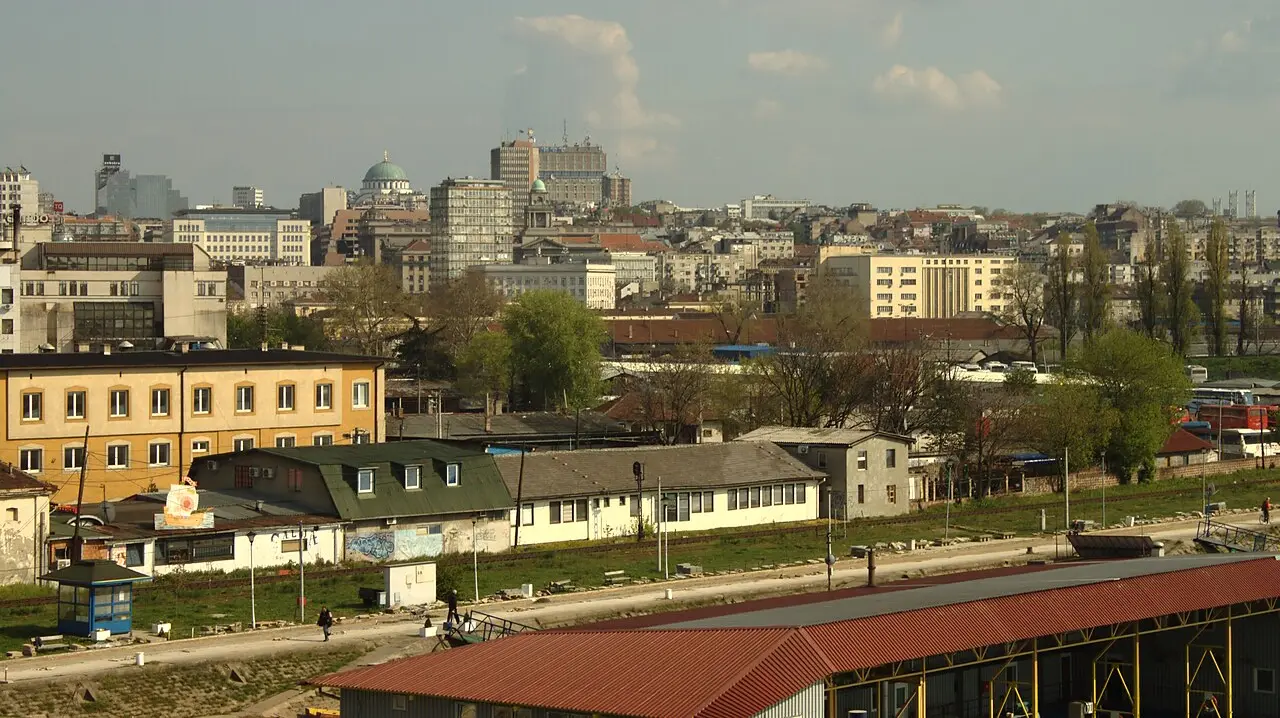
For a first trip to Belgrade, stay in or just off Stari Grad, the old town - it puts the fortress, the main pedestrian street and the best of the cafés within walking distance, and you’ll never need to think about transport. That’s the safe answer. But Belgrade is a city of strong, distinct districts, and the right area depends entirely on why you’re coming: the party crowd, the couple after a quiet riverside break and the business traveller all want completely different postcodes. This guide runs through the six areas worth booking in, and - more usefully - who each one actually suits. If you’d rather get a feel for the character of each quarter first, our guide to Belgrade’s neighbourhoods covers what they’re actually like to walk through.
One thing makes all of these choices easier than they’d be in most capitals: since January 2025, Belgrade’s buses, trams and trolleybuses are free for everyone, across the whole city network. That takes the sting out of staying a little way from the centre - somewhere like Vračar or Zemun - because getting into the middle costs you nothing but the ride. With that in mind, here are the districts.
Quick answer: which area suits you?
- First visit, want to walk everywhere: Stari Grad (old town).
- Central but calmer, good bars and cafés: Dorćol.
- Nightlife and the creative scene: Savamala.
- A local, residential feel - everyday Belgrade: Vračar.
- Quiet, riverside and characterful: Zemun.
- Business, big hotels, arriving by car: Novi Beograd.
Belgrade is compact where it counts - the whole historic core is walkable - so you won’t go badly wrong with any of the central choices. The differences are about atmosphere, noise and how far you are from a late-night taxi home. Read on for the detail.
Stari Grad: the old town, for first-timers
Stari Grad is the historic heart of the city and the obvious first-visit base. Stay here and the headline sights - the fortress and its park, the Knez Mihailova promenade, Republic Square, the Skadarlija tavern quarter - are all within a ten-to-fifteen-minute walk, along with the densest concentration of restaurants, cafés and hotels in Belgrade. You can arrive, drop your bags and be sightseeing on foot within minutes, and you’ll rarely need a bus the whole trip.
The trade-offs are the obvious ones for any capital’s old town: it’s the priciest area to sleep in, and in peak summer it’s the busiest and most touristed, so the streets right around Knez Mihailova can feel crowded and the rooms fill first. If that’s the price of walking everywhere, most first-timers happily pay it. For the sights themselves once you’re settled, our guide to things to do in Belgrade covers the two-day core, and the Kalemegdan Fortress visiting guide covers the old town’s anchor in detail.
Dorćol: central but calmer
Just east of Stari Grad, sloping down toward the Danube, Dorćol is the returning visitor’s favourite - and my usual recommendation for a second trip. It’s the oldest surviving neighbourhood in the city, a grid of streets mixing Ottoman-era and nineteenth-century buildings, and it has grown into Belgrade’s best district for eating and drinking without the tourist crush: independent cafés, wine bars, small restaurants and the odd traditional kafana, all at a gentler pace than the old town a few blocks over.
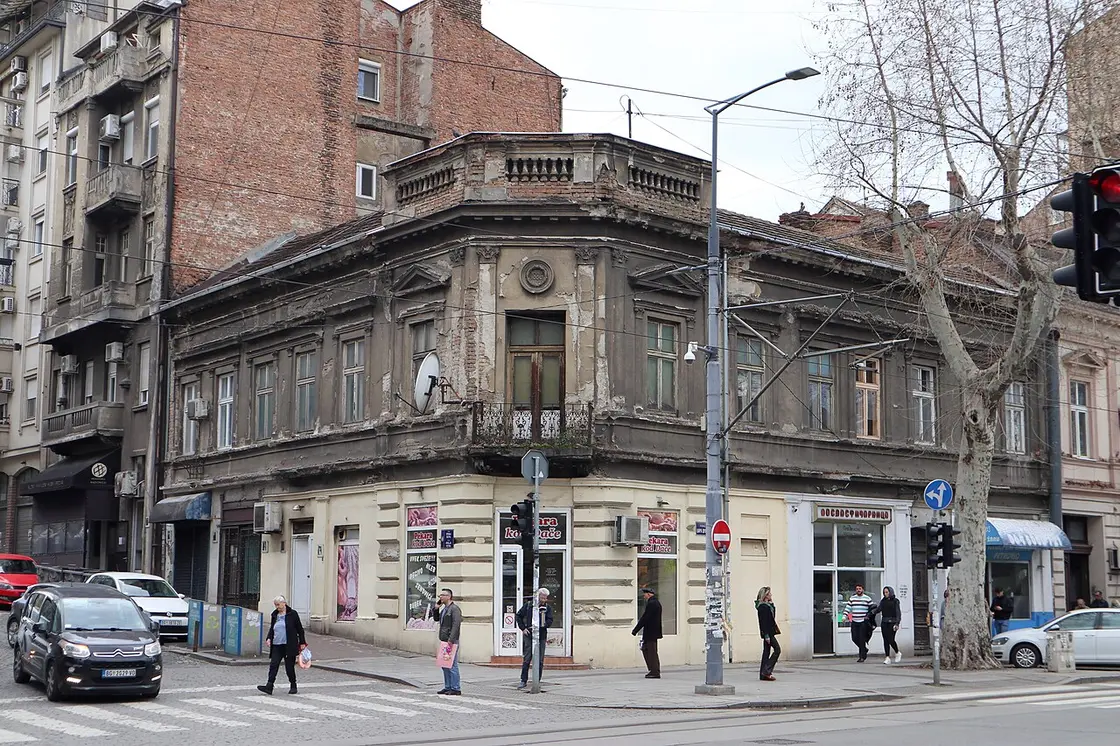
You’re still comfortably walkable to everything in Stari Grad - reckon ten minutes to the fortress - but you sleep on quieter streets and eat where locals do. For travellers who want to be central without being in the thick of the crowds, this is the sweet spot. It’s also handy for the river: the Dorćol side of the Danube has its own summer bars and a marina.
Savamala: for nightlife and the creative scene
If you’ve come to Belgrade for the nights out, base yourself in Savamala. Running along the Sava just south of the old town, this former run-down port district became the engine of the city’s alternative culture over the last decade - old warehouses turned into galleries, clubs, craft-beer bars and event spaces - and it’s the closest base to the riverside splav clubs that define a Belgrade summer.
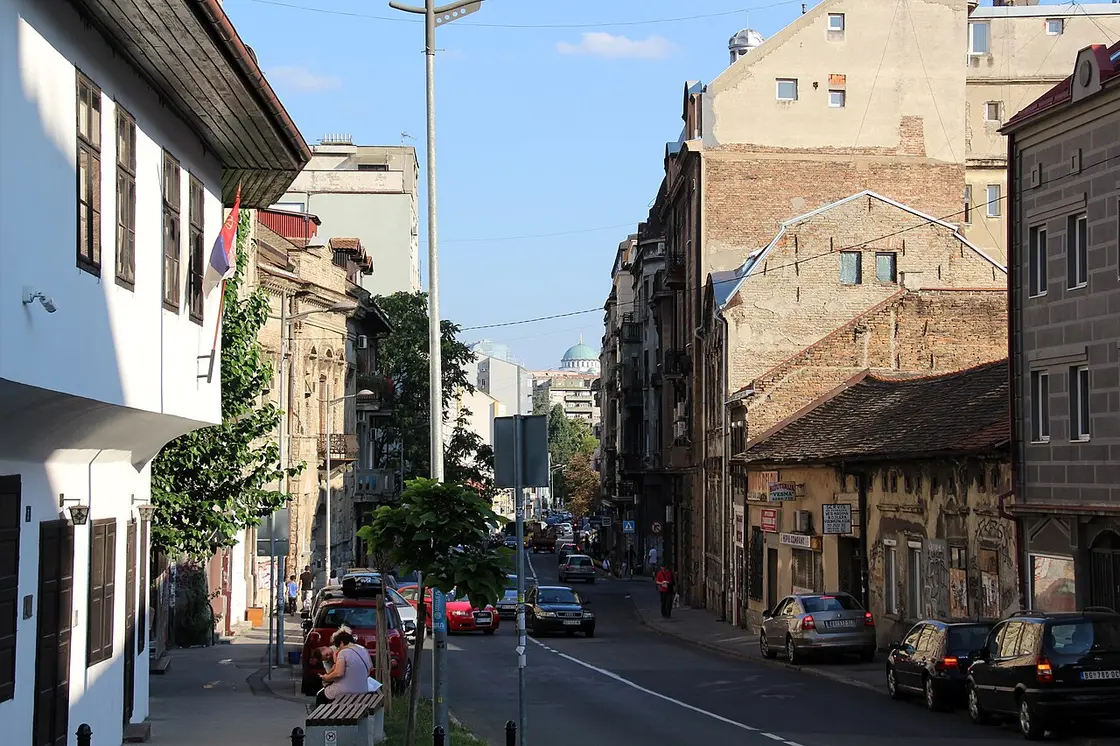
Two things to weigh up. First, it’s loud - the streets near the bars and clubs stay busy late, so if you’re a light sleeper, this is not your area (or spring for a room away from the strip). Second, Savamala sits next to the huge Belgrade Waterfront construction zone, and parts of it are a building site, so the setting can be scruffy and dusty in stretches. Come here for the scene, not for peace and quiet. For what the nights actually hold - the splav etiquette, the turbo-folk heads-up and the padded-bill scams - see our Belgrade nightlife guide.
Vračar: everyday, local Belgrade
South of the centre around the great dome of St Sava, Vračar is the pick for a more local, lived-in stay while still being genuinely central. It’s a dense, well-heeled residential district - students, young professionals, a strong café culture and independent restaurants on nearly every corner - and it gives you the version of Belgrade that residents actually inhabit rather than the tourist strip. Many of its streets are deliberately one-way to keep through-traffic and noise down, so it’s calmer than its central location suggests.
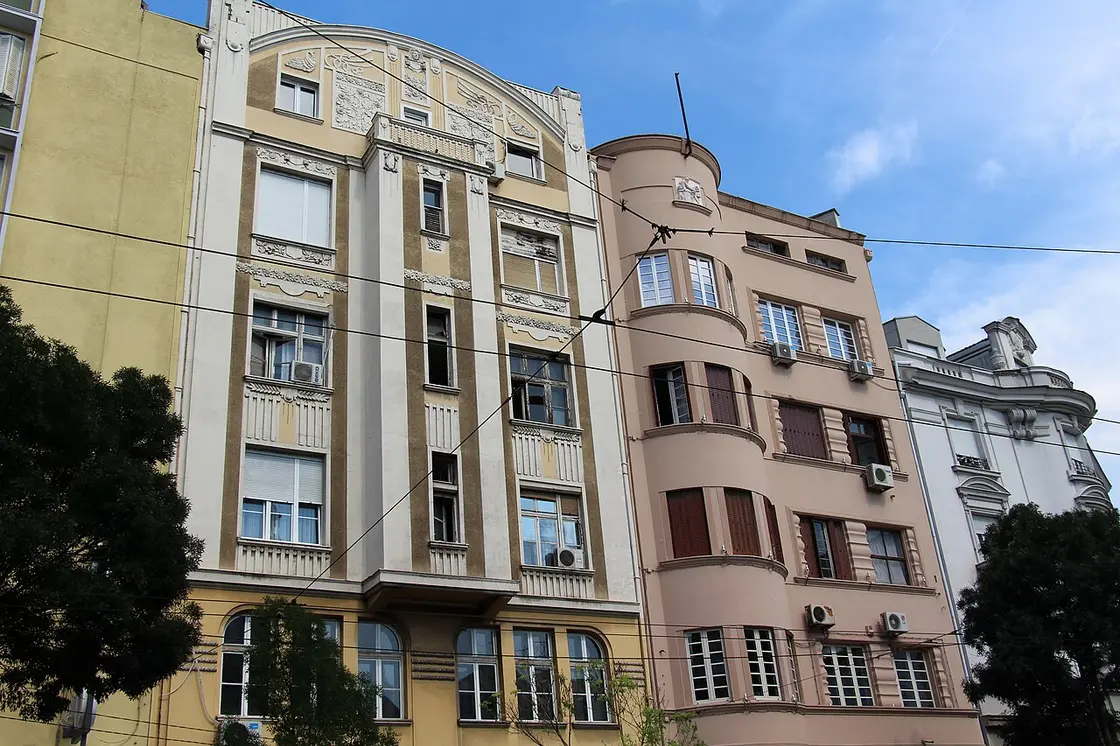
You can walk into the old town in twenty minutes or hop a tram (free) in less, and you’re right by St Sava and the Tesla Museum. For travellers who value good coffee, a neighbourhood bakery and a quieter night over being steps from the fortress, Vračar is the one - a favourite of longer-stay visitors and digital nomads for exactly that reason. If you are one of them, our guides to the cost of living in Belgrade and to living in Belgrade as a digital nomad cover what a month here actually costs and what the working life is like.
Zemun: quiet, riverside and characterful
For something completely different - slower, prettier and more relaxed - book in Zemun. Until the First World War it was a separate town on the Austro-Hungarian side of the border, and it still looks and feels distinct: low central-European houses, red roofs, a hill of narrow lanes and a long, lovely Danube quay lined with fish restaurants and walkers. It’s the most atmospheric base in greater Belgrade, and the best choice if you want a calm, scenic stay over being in the thick of things; on a short two-day trip, though, most people are better off central and visiting Zemun for an afternoon.
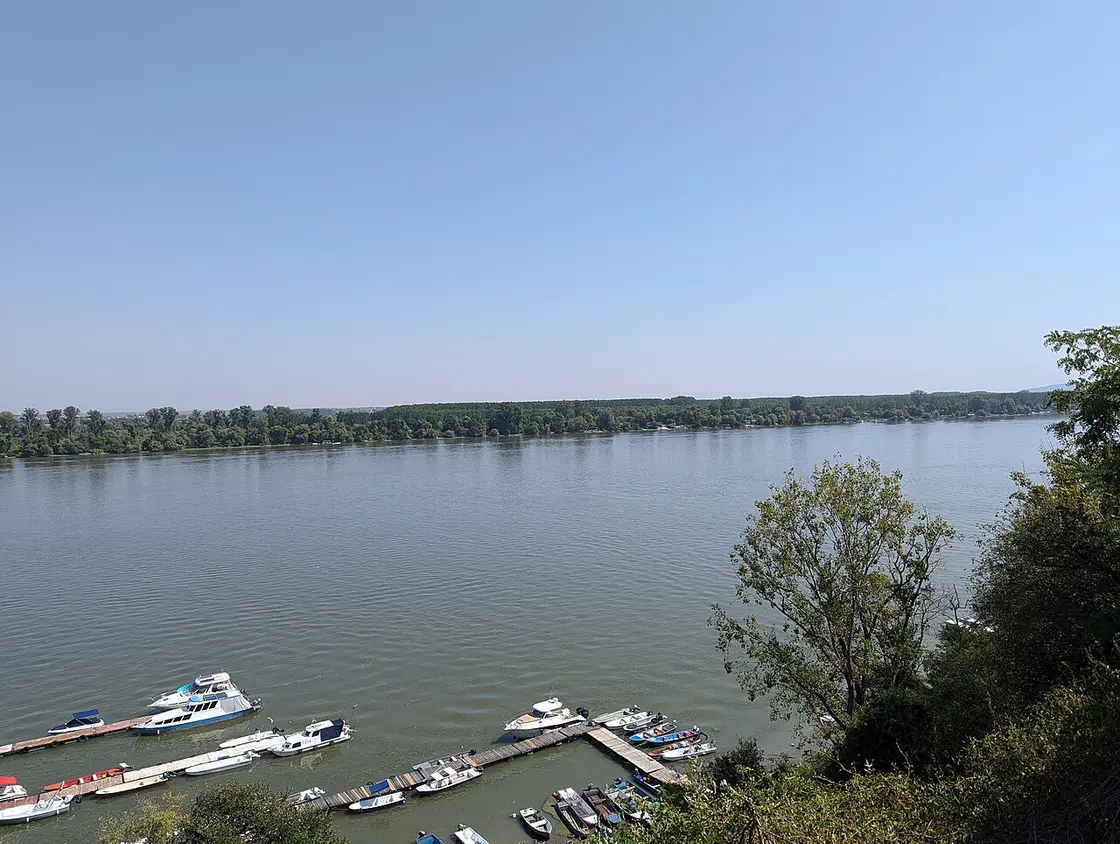
The drawback is distance. Zemun is about 13 km from the centre, though in practice the trip rarely takes more than half an hour - the number 7 tram, several buses and a train all connect it, and, again, city transit is free. It works best for stays of three nights or more, and for travellers (couples, families, anyone after a break rather than a bar crawl) who are happy to treat the old town as a day out rather than a doorstep. If you plan to be out late in the centre every night, though, the ride home gets old - pick somewhere central instead.
Novi Beograd: business, big hotels and the drive-in option
Across the Sava from the old town, Novi Beograd (“New Belgrade”) is the modern city - a grid of tower blocks, office parks, shopping malls and the large international hotel chains. It’s the natural base for business travel (the corporate district and the main fairground are here), for anyone who wants a big, predictable hotel with parking, and for travellers arriving by car, since it’s far easier to drive and park than the tangled old town.
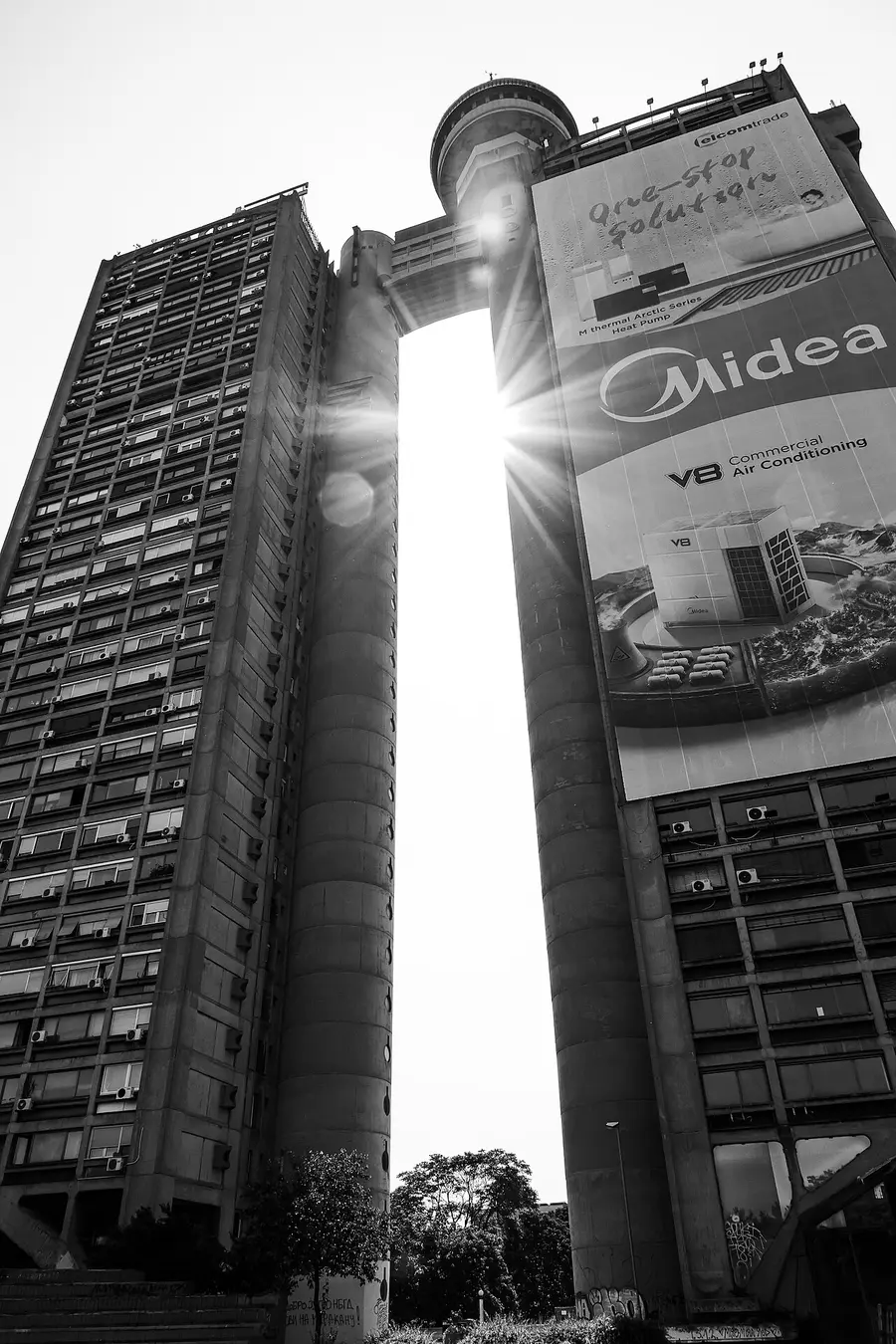
It’s not the district for atmosphere - this is wide boulevards and concrete, not cobbles - but it has its own upsides: some of the city’s best restaurants, quick access to the Ada Ciganlija river beach for summer, and a fast, free tram or bus into the centre. For a leisure trip focused on the old town, it wouldn’t be my first pick; for business, a car or a modern-hotel budget, it makes real sense.
A few practical notes on booking
Wherever you land, book well ahead for summer weekends and around big events - rooms tighten and rates climb sharply in July and August and during festival dates. Groups have it hardest here: a stag or bachelor party needs beds that are genuinely together, and our Belgrade stag and bachelor party guide covers which areas suit a big group and how to book them. Travelling on a hostel budget rather than a hotel one? Our best hostels in Belgrade guide names specific places, prices and which ones are built for a party versus a quiet night’s sleep. If you’re flying in, note that the A1 airport minibus terminates at Slavija Square, a central hub roughly between Stari Grad and Vračar, which makes those two areas especially painless to reach with luggage; our guide to getting from Belgrade Airport to the city centre covers every option. And because the districts here are about feel as much as location, cross-check your shortlist against what you actually plan to do - the things to do in Belgrade guide is the companion piece, our honest take on whether Belgrade is worth visiting helps if you’re still on the fence, and the wider cities section covers the rest of Serbia’s towns. Pick the area that matches your trip, and the city does the rest.
Photos
On the map
The map loads on click - to keep the page lightweight.
The map didn’t load. Check your connection and refresh the page.
Read also

Cities · 9 min read
Sombor: Vojvodina's Greenest Town
Verified · August 31, 2026Sombor travel guide: 121 km of tree alleys, the fijaker stand, County Hall with Eisenhut painting, and Gornje Podunavlje wetlands.

Cities · 12 min read
Valjevo: Old Town, Museums and Two Rivers
Verified · August 19, 2026Valjevo travel guide: Tesnjar, the Muselim Residence, Nenadovic Tower, the cathedral, and how to reach the town by train or car.

Cities · 9 min read
Sokobanja: Spa Under Rtanj Mountain
Verified · August 13, 2026Sokobanja spa guide: Ottoman hammam, respiratory air, Rtanj hikes, Bovan Lake and how to reach the town from Niš or Belgrade.

Cities · 10 min read
Vrnjacka Banja: Serbia's Top Spa Town
Verified · July 25, 2026Vrnjacka Banja is Serbia's most visited spa town: seven mineral springs, the Bridge of Love padlocks, a green park and Lovefest each August.