
Cost of Living in Belgrade
What Belgrade costs in 2026 for nomads and expats: rent by area, food, free transport, coworking and a realistic monthly budget in euros and dinars.
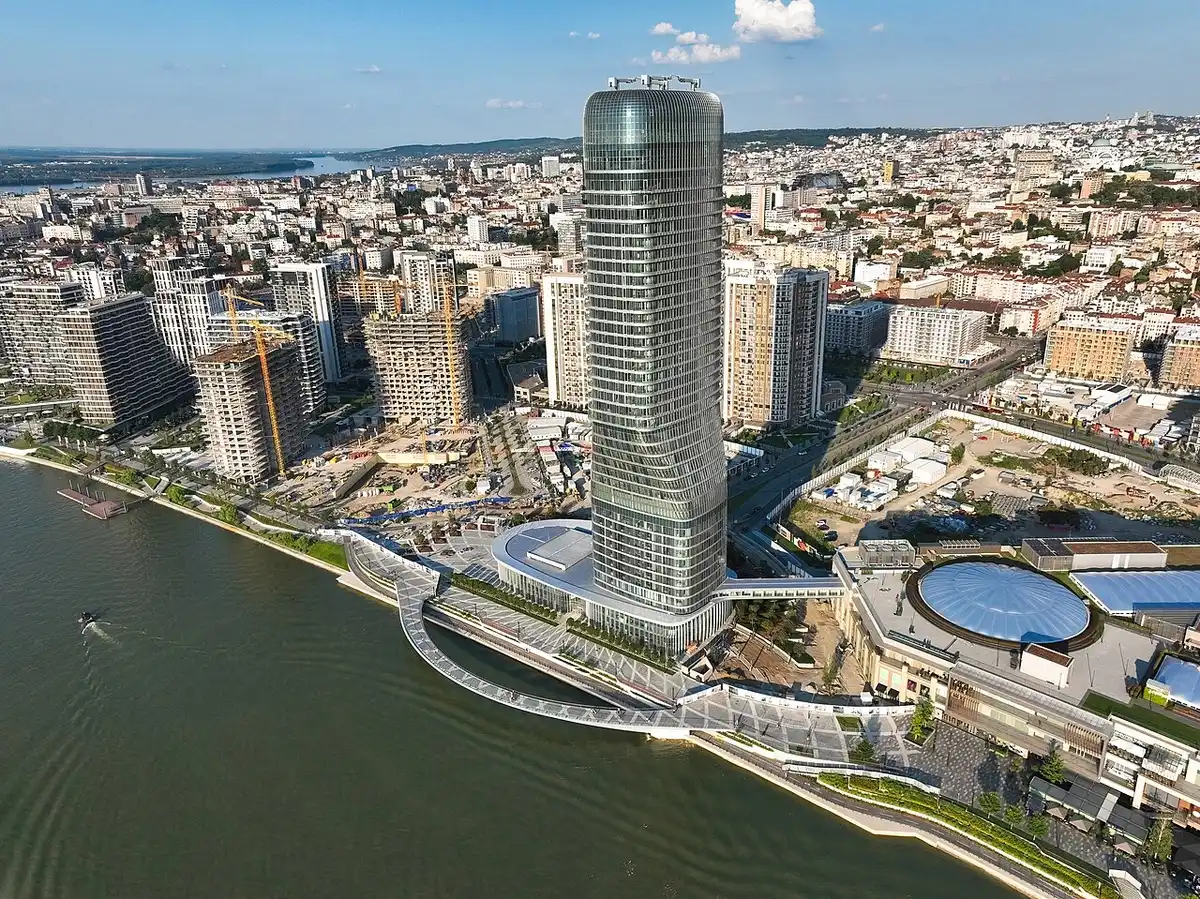
Belgrade is one of Europe’s better-value city bases for a remote worker: a comfortable single life runs roughly 1,000 to 1,500 euros a month all in, and you can trim well below that outside the centre or spend more for a smart central flat. Rent is the swing factor, with a one-bedroom going for about 500 to 800 euros depending on the neighbourhood, while food, coffee and getting around are cheap, and the city’s public transport is genuinely free. For a European capital with fast internet and a big expat scene, the numbers still look kind.
A caveat before the figures, because it matters. Everything below is a snapshot from mid-2026 and an order-of-magnitude guide, not a quote. Prices move with the season, the exchange rate and your own habits, rents in particular have climbed, and none of this is financial or tax advice. Treat it as a realistic starting frame for your own sums, and confirm current numbers when you actually go looking. Amounts are given in euros with dinars alongside, at roughly 117 RSD to the euro at the time of writing.
The short version: a monthly budget
A realistic monthly frame for one person looks roughly like this, with every figure approximate and heavily dependent on how you live:
- Frugal, outside the centre: in the region of 800 to 1,000 euros all in - a cheaper one-bedroom, cooking at home, free transport, the odd meal out.
- Comfortable, central: roughly 1,200 to 1,700 euros - a nicer flat in a central district, regular restaurants and cafés, a coworking desk.
- Without rent at all: add up the utilities, groceries or eating out, phone/internet and a bit of going-out from the lines further down and you land around 600 to 750 euros a month for everything else, which is the figure to add your own rent on top of. Numbeo’s own single-person estimate, checked separately, sits in the same band.
Those bands hold for a single person. Couples don’t double it, since rent and bills are shared, and families or a lavish social life push it higher. The point is that Belgrade lets you dial the cost up or down a long way, which is exactly why it suits nomads on different budgets.
Rent: the number that decides your budget
Rent is where Belgrade budgets rise or fall, and the gap between central and outer districts is wide. A one-bedroom in the centre averages somewhere around 730 euros (about 85,000 dinars), with the usual central-district range running roughly 550 to 800 euros. Move to the premium pockets - the Belgrade Waterfront towers, the smartest parts of Dorćol, Vračar and Savski Venac - and one-bedrooms climb to 850 euros and well past 1,000.
Step outside the centre and it drops sharply. A one-bedroom in areas like Zvezdara, Voždovac or Palilula runs roughly 350 to 500 euros (around 58,000 dinars on average), and you’re often only a short tram ride from the middle of town. Since the transport is free, living a little out costs you time rather than money, which is a trade many nomads happily make.
A few practical notes. Landlords in central areas frequently quote and take rent in euros, deposits are commonly one to two months, and the best-value flats go through word of mouth and local listing sites rather than the international portals. If you are weighing which part of town to base yourself in, our guides to where to stay in Belgrade and the character of the Belgrade neighbourhoods break down what each district is actually like to live in.
Food, coffee and eating out
Day-to-day food is one of Belgrade’s real bargains. A meal at an inexpensive restaurant runs about 8 to 12 euros (roughly 1,250 dinars), and a mid-range dinner for two lands around 40 to 55 euros. Fast food and the city’s famous bakery snacks cost a few euros at most, so eating out often rather than cooking is far more viable here than in Western Europe.
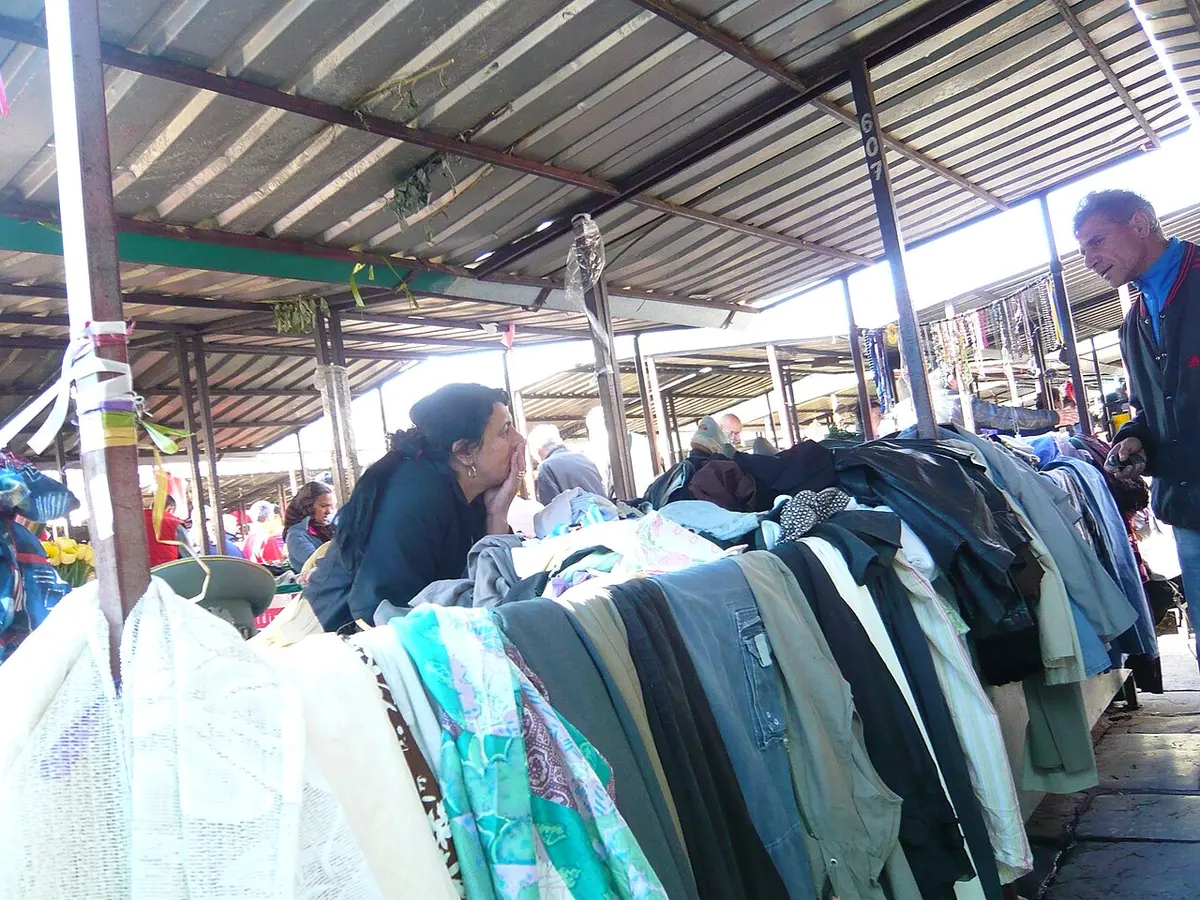
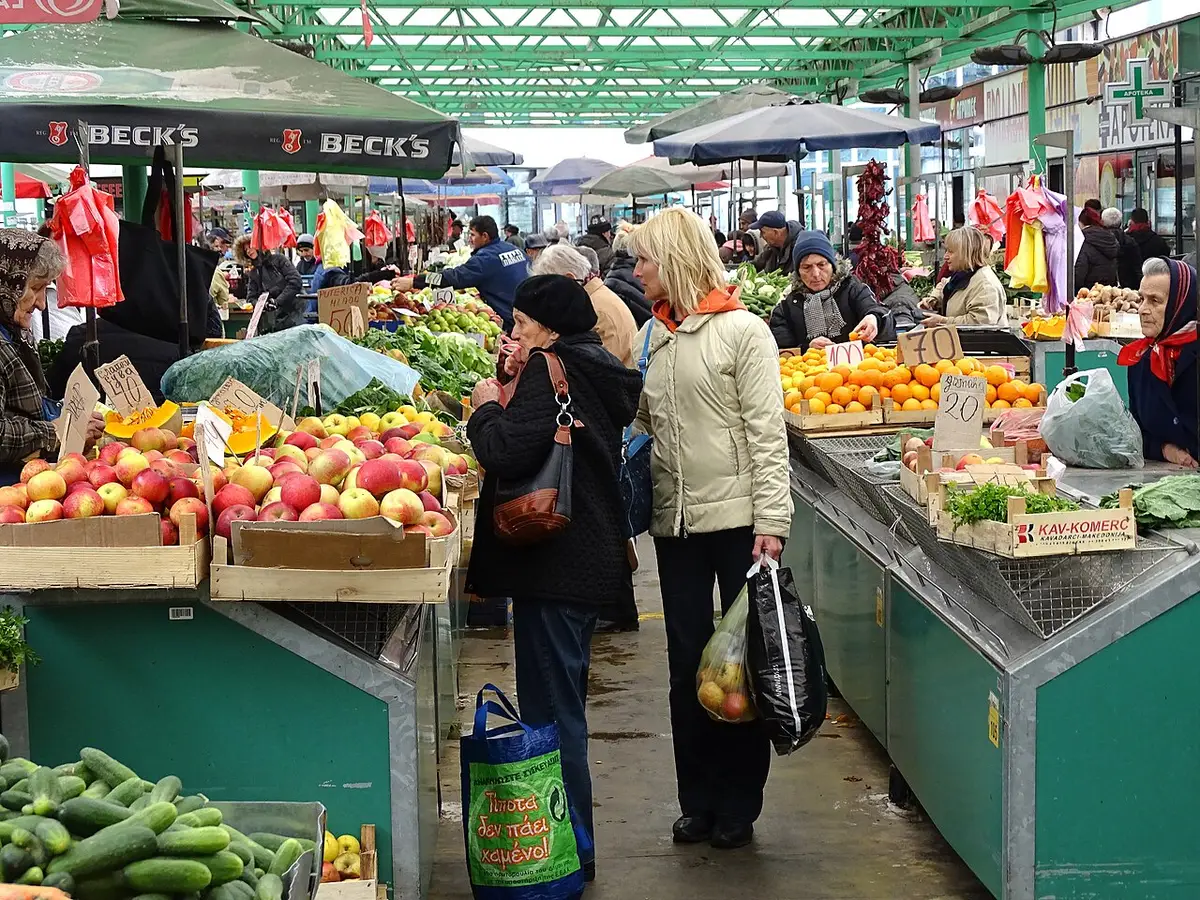
Groceries are cheap if you shop like a local. Basics are low - milk around 1.30 euros a litre, a loaf of bread near 1 euro, a half-litre of local beer under a euro in the shop - and buying your fruit and vegetables at a green market (pijaca) such as Kalenić or Zeleni Venac is both cheaper and better than the supermarket. A single person who cooks most days can keep groceries to somewhere around 200 to 300 euros a month, though that depends entirely on whether you buy local staples or imported treats.
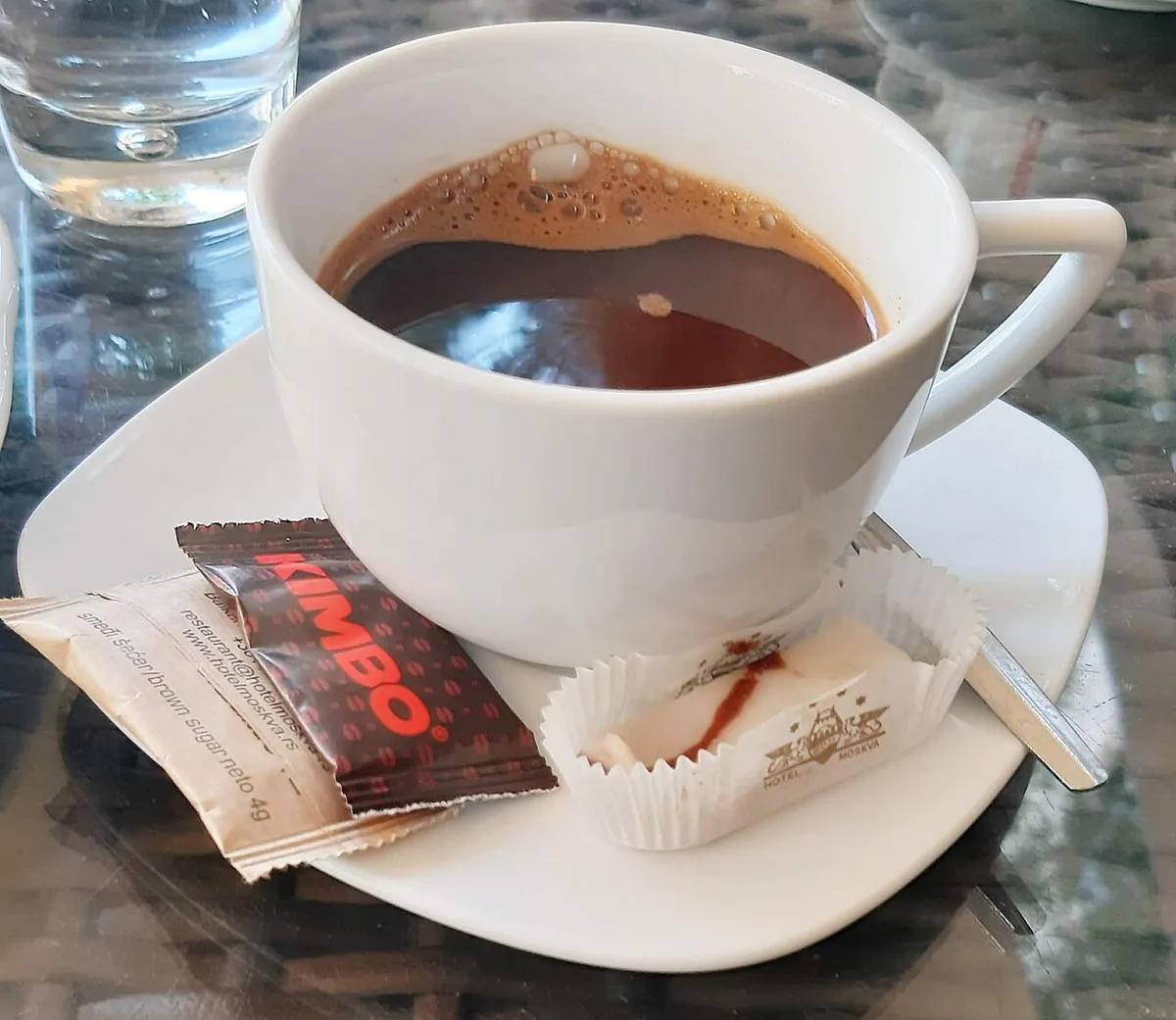
Then there’s coffee, which is less a drink than a way of life in Belgrade. A cappuccino costs around 2 to 3 euros, and the café-sitting culture means you can work for hours over one coffee without anyone hurrying you along. For a remote worker that is a real perk: the city is full of cafés that double as free workspaces, on top of the paid coworking below.
Transport, internet and the bills
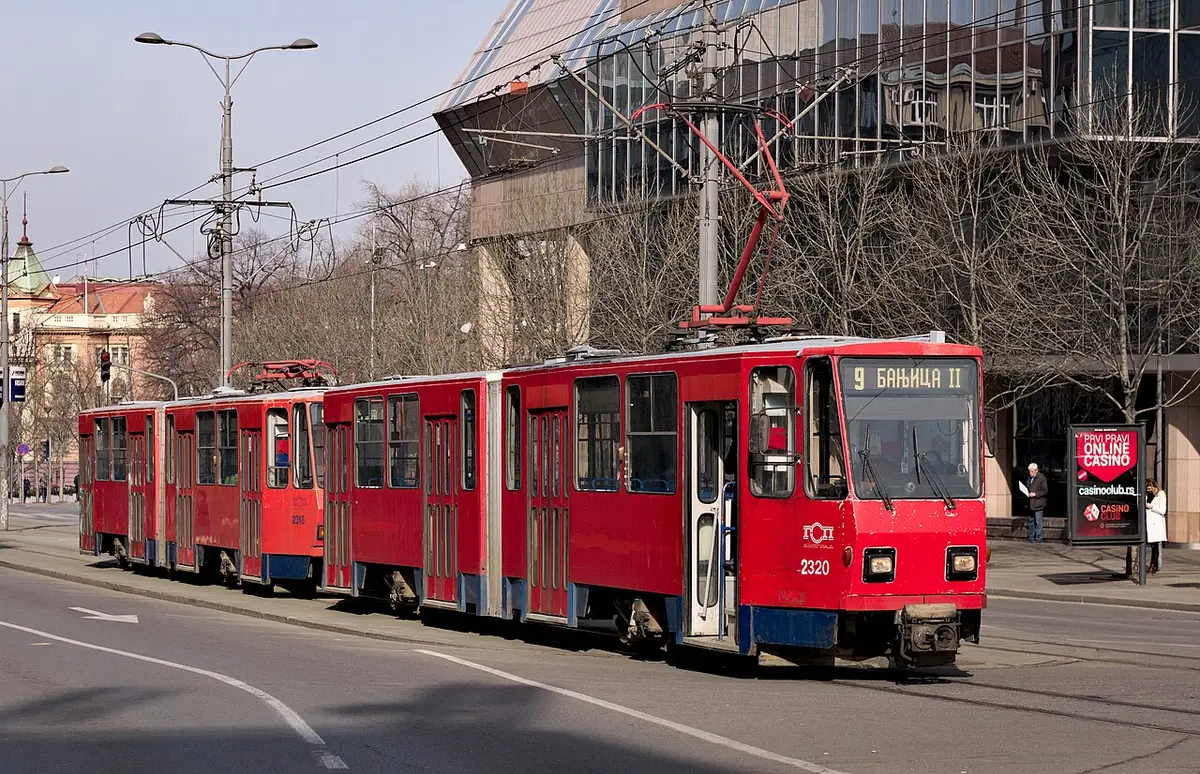
This is where Belgrade quietly saves you money. Since 2025 the city’s public transport has been free for everyone - buses, trams, trolleybuses and the suburban trains - so your local travel line is effectively zero. The main exception is the A1 airport express minibus, which still charges a fare: 400 dinars (about 3.40 euros), paid to the driver in cash - small change next to a taxi, but not free like the rest of the network; a handful of E-badged express minibuses in town charge 200 dinars as well. For daily life around town otherwise, you simply get on and ride. Our guide to getting around Serbia covers the network and that single airport carve-out.
Internet is fast and cheap, which is half the reason nomads come. Home fibre at 100 to 300 Mbps costs roughly 10 to 30 euros a month, and a prepaid local SIM or eSIM gives you plenty of mobile data for very little. If you want to land already connected, an eSIM is the painless way to have working data before you’ve even found your flat.
Utilities are the one line that swings with the seasons. Electricity, heating, water and the rest for a typical flat run around 150 to 230 euros a month (roughly 22,700 dinars for a mid-sized apartment), but winter heating pushes the figure up, so don’t budget on a summer bill and get a January shock. A smaller flat naturally costs less.
Coworking, insurance and the practical extras
If you would rather not work from cafés and your kitchen table, Belgrade has a healthy coworking scene. A hot desk or dedicated desk runs roughly 120 to 250 euros a month across the well-known spaces, with day passes around 10 euros if you only need a desk occasionally. It’s a modest add-on that many find pays for itself in focus.
The other line worth planning for is health cover. If you are living in Serbia on a tourist stamp or a nomad basis rather than paying into the local system, you’ll want private or nomad-focused insurance rather than relying on emergency care. It’s not a huge monthly cost, but it’s the kind of thing that’s cheap to arrange in advance and painful to skip.
One thing to sort separately is tax and residency, which is genuinely individual: your liability depends on your status, how long you stay and any treaty with your home country, so take proper advice rather than trusting a figure from a blog. This guide is about everyday living costs, not your tax position.
Is Belgrade cheap, then?
For a European capital, yes - with the honest asterisk that it is not the bargain it was a few years ago, since rents have risen fast. What you get for the money is the appeal: a big, lively city with fast internet, free transport, cheap and excellent food, a strong café and coworking culture, and a large international community, all for noticeably less than Lisbon or Prague. Budget somewhere in that 1,000-to-1,500-euro band, keep an eye on rent as the one number that really moves, and Belgrade rewards a long stay better than its price tag suggests. To picture where you would actually base yourself, start with our rundown of where to stay in Belgrade and the neighbourhood guide.
Photos
Read also

Relocation · 9 min read
Living in Belgrade as a Digital Nomad
Verified · July 4, 2026Belgrade for digital nomads in 2026: fast cheap internet, free transport, coworking, best areas to live, SIM and visa basics, and the honest trade-offs.

Relocation · 9 min read
Serbia Residence Permit (Boravak): A Guide
Verified · July 4, 2026How Serbia temporary residence (boravak) works in 2026: the grounds, the 2023 single-permit reform, how to apply, timelines and what to check with MUP.

Food · 10 min read
Belgrade Food Tours: What You Eat and Pay
Verified · September 4, 2026Belgrade food tours run 2-4 hours: from €34 per person on a street walk to €165 solo on the operator flagship, €810 for a group of six.

What to see · 10 min read
Fruska Gora Monasteries: Which to Visit
Verified · September 3, 2026Sixteen preserved Orthodox monasteries on Fruska Gora: Krusedol, Novo Hopovo, Grgeteg and Vrdnik, plus dress code and a day route from Novi Sad.