
Belgrade Neighbourhoods: A Local Guide
What Belgrade's districts are really like: Stari Grad, Dorćol, Savamala, Vračar, Zemun, Novi Beograd and Skadarlija, and the character of each.
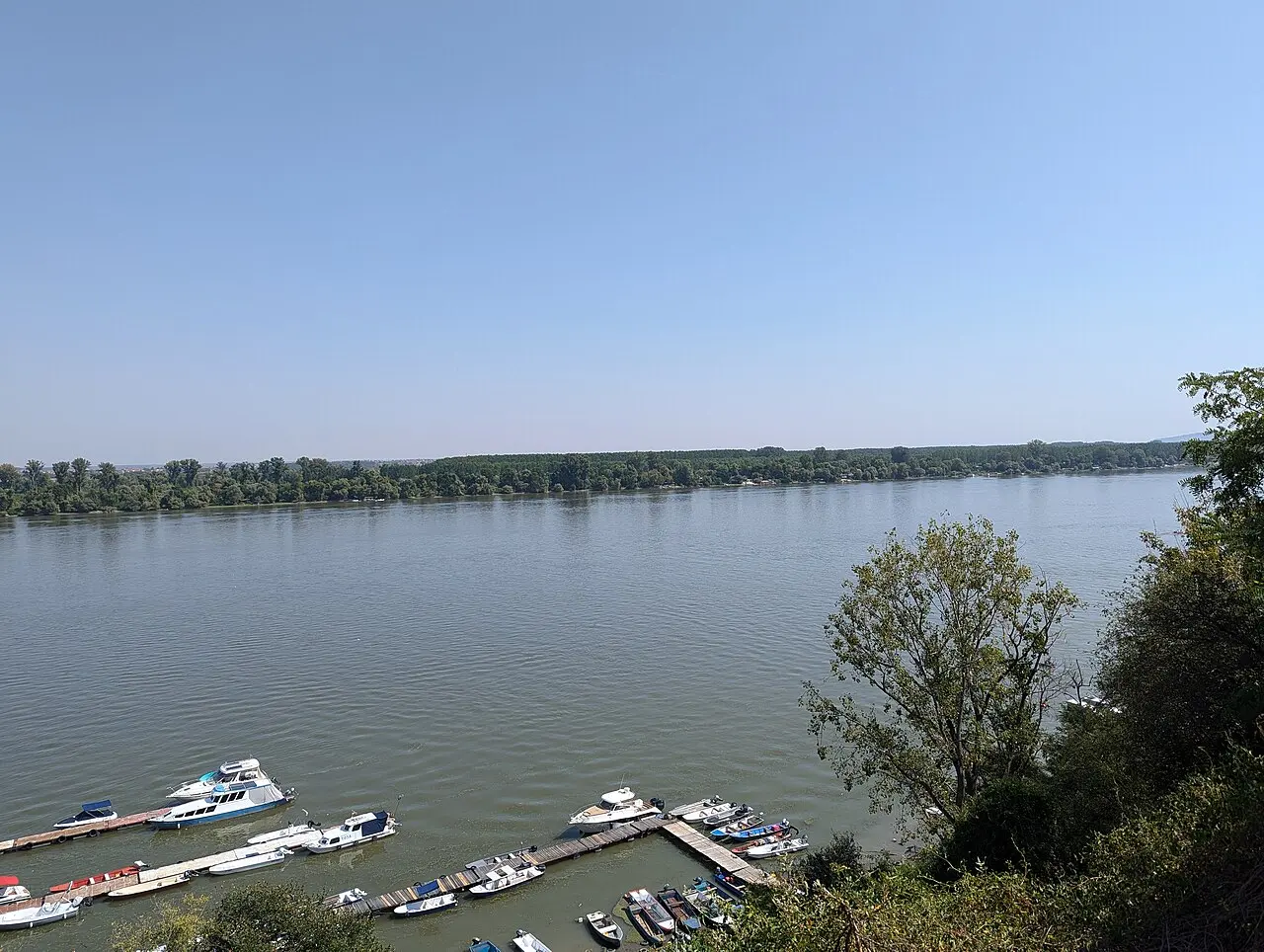
Belgrade isn’t one city but a handful of distinct quarters that happen to share a map, and knowing their character is the difference between wandering and understanding. The old town crowns a fortress bluff; a former Ottoman crossroads has turned into the coffee capital; an ex-Habsburg town keeps its own skyline across the water; and a grid of concrete towers stares back from the far bank of the Sava. This guide walks through the seven neighbourhoods that give Belgrade its personality and explains what each one actually feels like on the ground.
To be clear about what this is and isn’t: this is about the character of each district, its history, its mood, what you’ll see and sense walking through it, rather than which hotel to book. If you’re choosing where to sleep and want the trade-offs and prices laid out, our companion guide on where to stay in Belgrade does exactly that. One practical bonus ties it all together: since January 2025, Belgrade’s buses, trams and trolleybuses have been free (the airport express is the one exception), so hopping between these quarters costs nothing.
Stari Grad: the historic core
Stari Grad, literally “old town,” is where Belgrade began and where most visitors spend their first day. It climbs from the Sava-Danube confluence up through the fortress and its park, then spreads along Knez Mihailova, the grand pedestrian promenade lined with belle-époque façades, cafés and buskers, to Republic Square and the National Museum. This is the Belgrade of picture postcards: nineteenth-century apartment blocks, embassies, bookshops and the densest concentration of terraces in the city. It’s busy, handsome and unmistakably central, the quarter that carries the weight of the capital’s history. For the sights themselves, our guide to things to do in Belgrade covers the fortress-to-square core in detail.
Dorćol: the old crossroads gone hip
Just downhill toward the Danube lies Dorćol, and its name tells you what it always was. It comes from the Ottoman Turkish dört yol, “four roads,” because this was the crossroads from which the trade routes ran out of Ottoman Belgrade toward Istanbul, Vienna, Dubrovnik and Vidin. It’s the city’s oldest surviving quarter, and for centuries it was its market and melting pot, home to merchants of every nationality; the little Bajrakli Mosque, Belgrade’s last surviving mosque, still stands on one of its leafy streets.
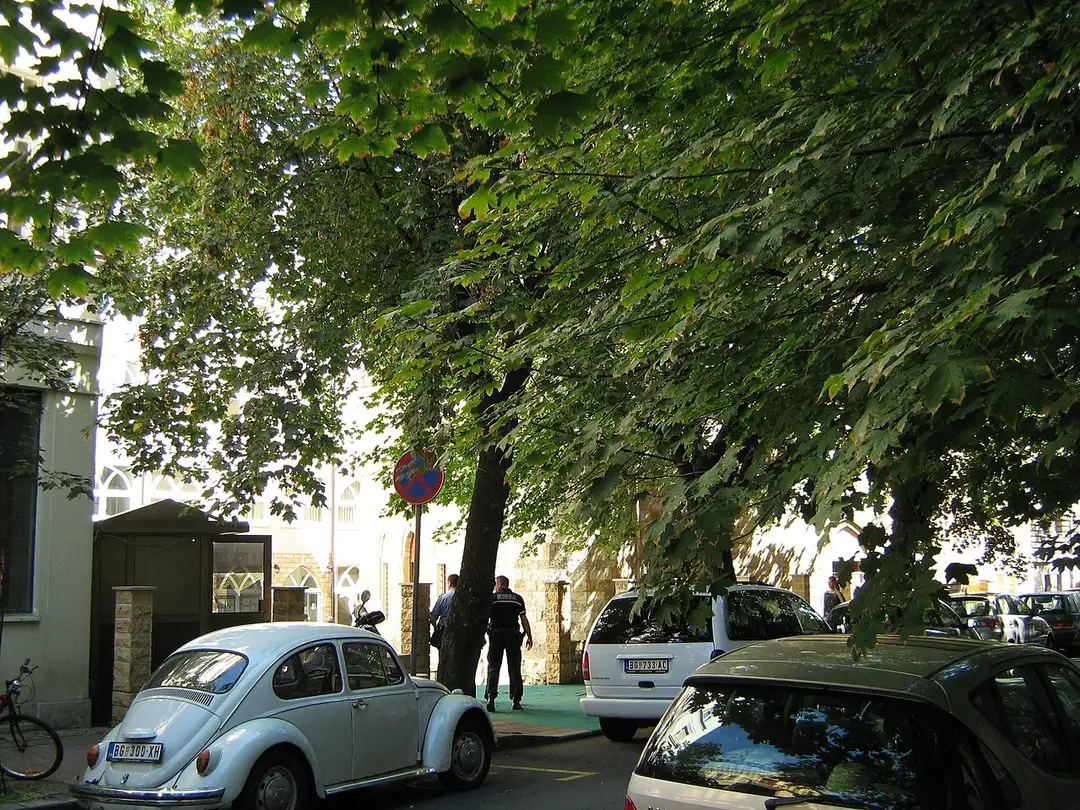
Today Dorćol wears that history lightly. It has become the quarter of independent coffee roasters, wine bars, galleries and design shops, central but a notch calmer than Stari Grad, and it’ll draw the crowd that wants good espresso and a slow afternoon rather than a checklist of sights. Spend a morning on its grid of streets and you’ll understand why locals treat it as the most liveable part of the centre.
Savamala: the gritty creative strip
Follow the Sava south from the centre and the mood shifts hard. Savamala was a run-down, semi-industrial stretch of warehouses and grand-but-crumbling façades along the river, and over the last decade it reinvented itself as Belgrade’s rawest creative quarter: warehouse clubs, street murals, galleries and design studios, with enough edge to earn a “New Berlin” tag it never quite lived up to. The waterfront Beton Hala, a row of converted dock buildings, packs restaurants and bars right on the water, and the whole strip is the natural gateway to the splavovi, the floating river clubs - you’ll feel that shift after dark.
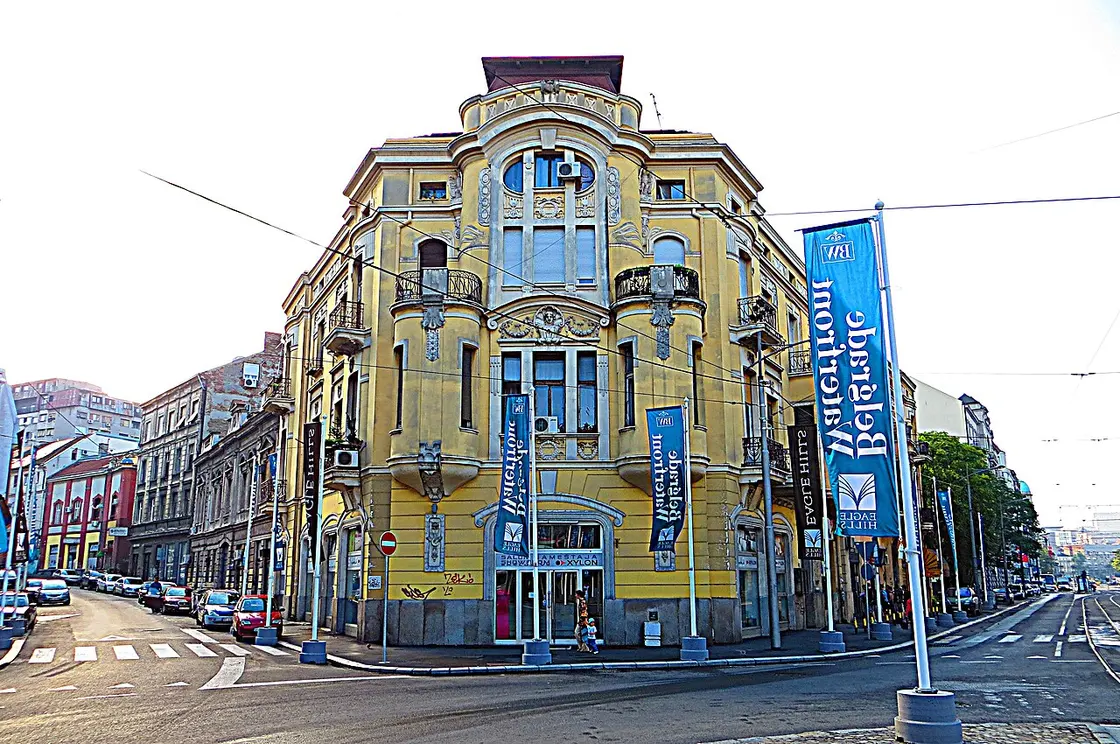
Two things to be straight about. Savamala is a night-time animal more than a daytime one, so by day parts of it look scruffy and half-finished. And it’s changing fast: the vast Belgrade Waterfront development has risen on its river edge, and how much of the old grit survives is an open question. Go for the nightlife and the art now, and take a look at our Belgrade nightlife guide for how the district’s clubs and the river fit together.
Vračar: leafy, local and proud
South of the centre, the plateau of Vračar is where Belgraders actually live, and it’s many people’s favourite everyday district: dense but green, full of nineteenth-century apartment houses, neighbourhood bakeries, the buzzing Kalenić green market and more cafés per block than seems reasonable. It has no single blockbuster sight beyond one enormous one, and that’s rather the point. This is residential Belgrade with its guard down.
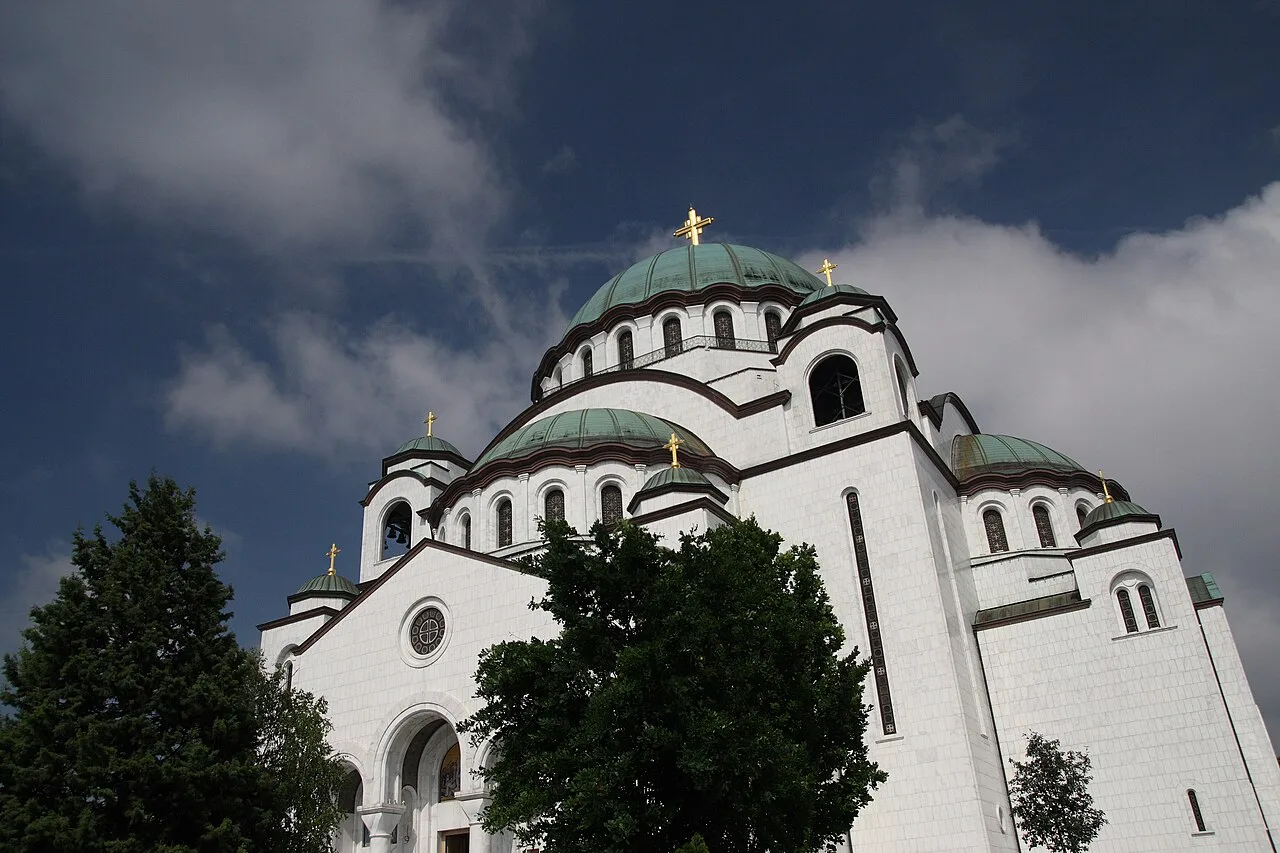
The exception is the Church of Saint Sava, which crowns the plateau and dominates the skyline for miles. It’s one of the largest Orthodox churches in the world, and it stands on the spot where, in 1594, the Ottomans burned the relics of Saint Sava, the Serbian church’s founding figure, to break a Serb uprising. Building it took an extraordinarily long time, from 1935 to the completion of the interior in 2020, across wars and regime changes, which is part of why it means so much here. The Nikola Tesla Museum sits in Vračar too, so the quarter rewards a wander even without a hotel here.
Zemun: the town that kept its own face
Across on the Danube’s right bank, Zemun feels like somewhere else entirely, and historically it was. Until the nineteenth century Zemun was a Habsburg town, part of Austria-Hungary, while Belgrade across the water was Ottoman; the frontier between two empires ran right between them. It only became part of Belgrade in 1934, and it has never quite let go of its Central-European face: low pastel houses, a gentler pace, and a distinct small-town pride that Zemunci wear openly.
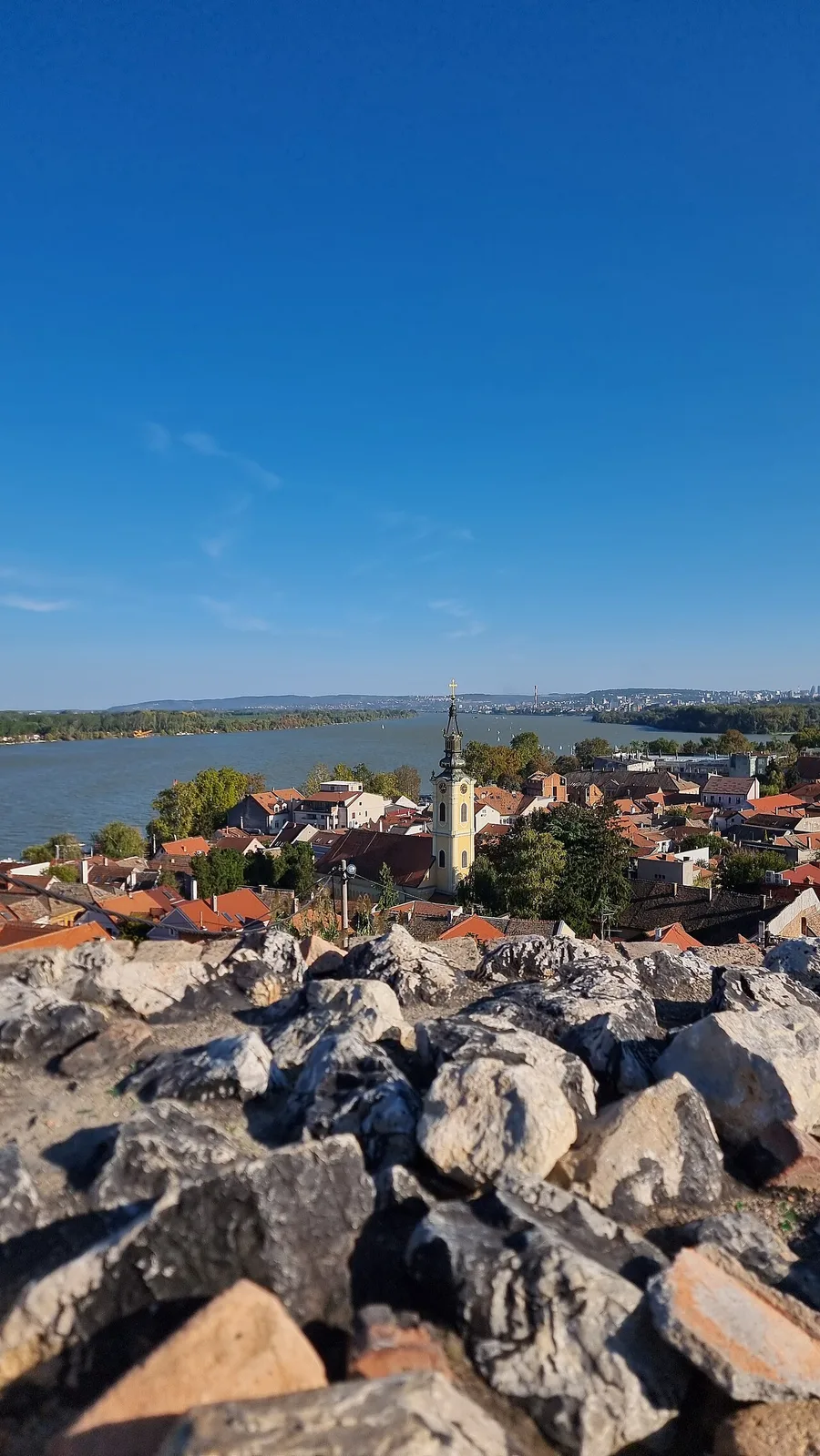
The set-piece is the Gardoš hill, topped by a nineteenth-century tower, with a tangle of steep old lanes tumbling down to the water. Along the quay below, a strip of fish restaurants and cafés looks out over the Danube, and sunset here’s one of Belgrade’s quieter pleasures. Come to Zemun to slow down and to feel how two histories built one city.
Novi Beograd: concrete on a grand scale
Look back across the Sava from the old town and you see Novi Beograd, New Belgrade, a completely different idea of a city. It was raised from empty marshland from the 1950s onward as socialist Yugoslavia’s new administrative capital, laid out as a grid of numbered blokovi, blocks of concrete residential towers on a scale that still startles. It’s where much of the city’s business now happens: corporate towers, the big convention centre, the arena and the international hotels all sit over here.
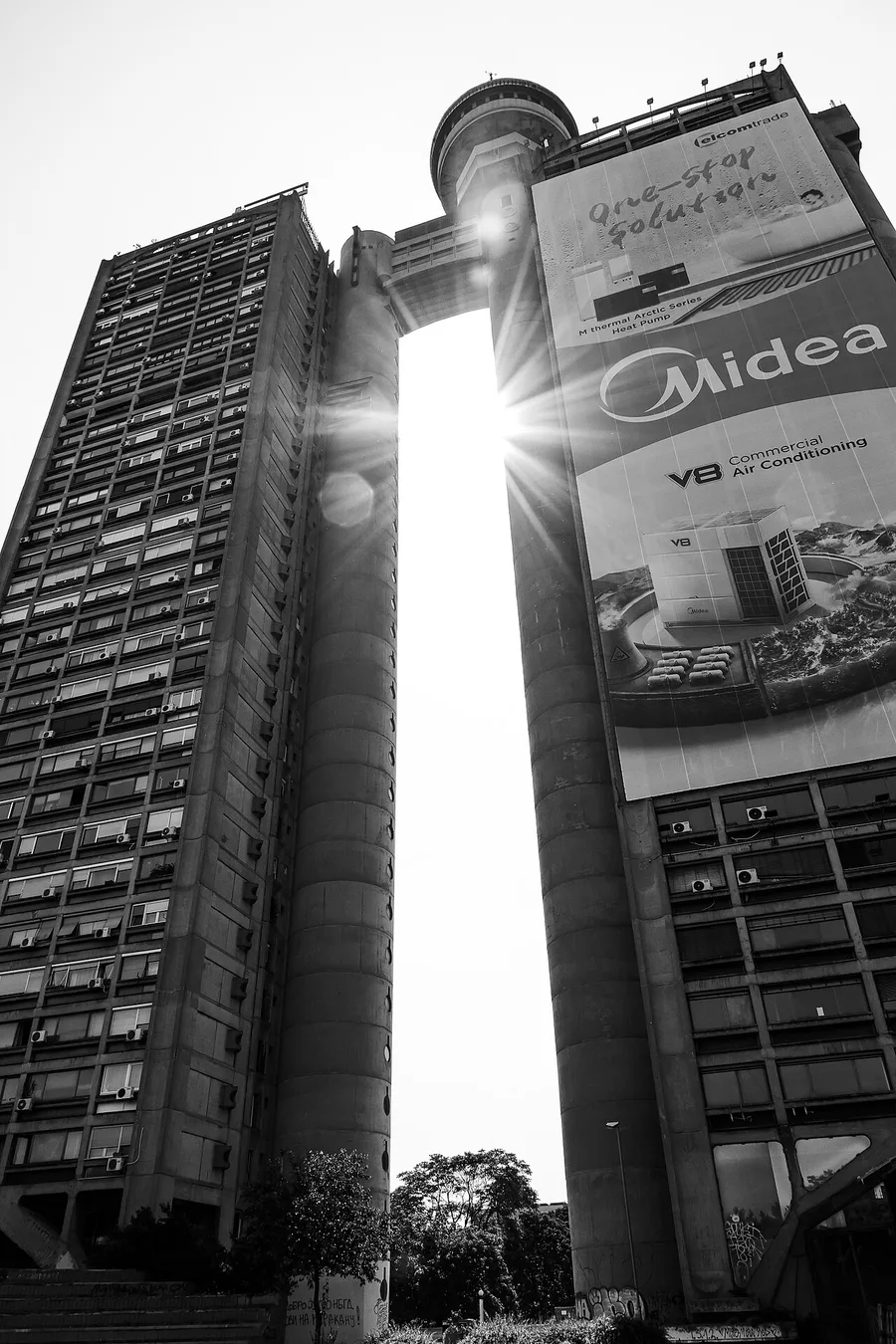
For lovers of architecture this is the real draw. Novi Beograd is a showcase of Yugoslav modernism and brutalism, and its emblem is the Genex Tower, also called the Western City Gate: two towers joined by a bridge with a revolving restaurant on top, designed by Mihajlo Mitrović in 1977 and now a protected monument. Walk the blocks and you find angular concrete estates, wide green spaces and a science-fiction feel that the pretty old town never offers. It divides opinion, which is exactly why it’s worth crossing the river to see.
Skadarlija: the bohemian lane
Last, a single street that behaves like its own quarter. Skadarlija is a short, cobbled, gently climbing lane on the edge of Stari Grad, and it has been the city’s bohemian heart since around the turn of the twentieth century, when the writers, poets and actors made its taverns their own. Today it’s a run of traditional kafanas with outdoor tables, roaming tamburica musicians and long, slow dinners of grilled meat and rakija.
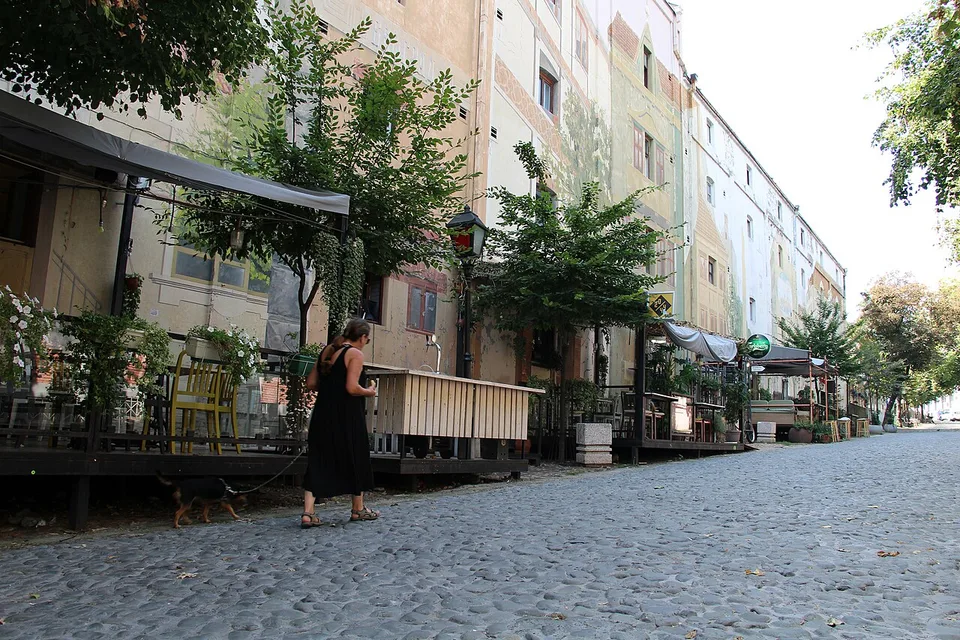
Yes, it’s touristy, and yes, the prices reflect it, but it’s touristy the way a genuinely old and genuinely loved place is, and an evening here with a band working the tables is a proper Belgrade night. Treat it as an experience rather than a dinner and it delivers.
Which quarter is which, in a sentence
If you want the shorthand: Stari Grad for the history and the sights, Dorćol for coffee and a slow morning, Savamala for art and nightlife, Vračar for everyday local Belgrade under the great church, Zemun for a riverside town with its own soul, Novi Beograd for concrete on an epic scale, and Skadarlija for one bohemian dinner you’ll remember. Ride the free trams between them, give each an hour or an afternoon, and Belgrade stops being a single grey capital and turns into the sum of its very different parts.
If you’re thinking beyond a holiday and weighing a longer stay, these same districts set the rent gradient - our guide to the cost of living in Belgrade puts real monthly numbers on living in each part of town.
Photos
On the map
The map loads on click - to keep the page lightweight.
The map didn’t load. Check your connection and refresh the page.
Read also

Cities · 9 min read
Sombor: Vojvodina's Greenest Town
Verified · August 31, 2026Sombor travel guide: 121 km of tree alleys, the fijaker stand, County Hall with Eisenhut painting, and Gornje Podunavlje wetlands.

Cities · 12 min read
Valjevo: Old Town, Museums and Two Rivers
Verified · August 19, 2026Valjevo travel guide: Tesnjar, the Muselim Residence, Nenadovic Tower, the cathedral, and how to reach the town by train or car.

Cities · 9 min read
Sokobanja: Spa Under Rtanj Mountain
Verified · August 13, 2026Sokobanja spa guide: Ottoman hammam, respiratory air, Rtanj hikes, Bovan Lake and how to reach the town from Niš or Belgrade.

Cities · 10 min read
Vrnjacka Banja: Serbia's Top Spa Town
Verified · July 25, 2026Vrnjacka Banja is Serbia's most visited spa town: seven mineral springs, the Bridge of Love padlocks, a green park and Lovefest each August.