
Serbia Currency: Dinar, ATMs, Cards & Exchange
The dinar is Serbia's only currency: pay in cash, skip Euronet ATMs, decline conversion (DCC), change euros at a menjacnica, and tip about 10%.
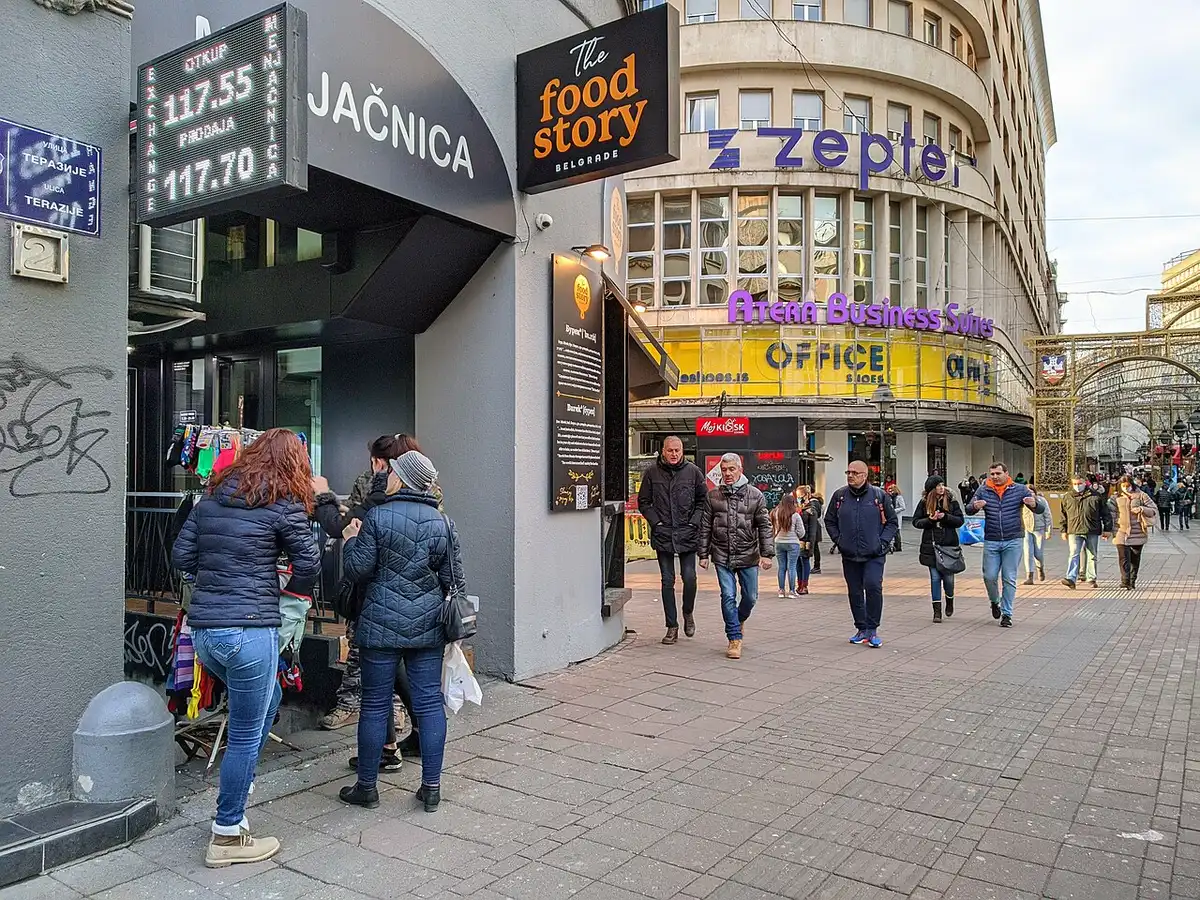
The currency in Serbia is the dinar (RSD), and it’s the only money you can legally spend, so the euros in your wallet are for changing, not paying. Serbia still runs a lot on cash: cards work fine in city hotels, restaurants and supermarkets, but markets, kafanas, taxis and small towns want dinars. Get your cash from a bank’s own ATM rather than one of the standalone tourist machines, say no every time a screen offers to charge you in your home currency, and change euros at a menjacnica rather than the airport.
That’s the whole game in three moves. Below is how each one works, the two ways travellers quietly overpay (the Euronet machine and dynamic currency conversion), and the small stuff, tipping, which cards work, and what to do with leftover dinars before you fly home.
The dinar: what you will be handling
Serbia’s currency is the dinar, issued by the National Bank of Serbia. It comes in nine banknotes plus a handful of coins, though you’ll mostly deal in notes. There is a subunit called the para, but it vanished from real life years ago, so ignore it. Here’s the full set of notes with a rough euro value at the mid-2026 rate:
| Banknote | Approx. in euros |
|---|---|
| 10 RSD | about 0.09 |
| 20 RSD | about 0.17 |
| 50 RSD | about 0.43 |
| 100 RSD | about 0.85 |
| 200 RSD | about 1.70 |
| 500 RSD | about 4.30 |
| 1,000 RSD | about 8.50 |
| 2,000 RSD | about 17 |
| 5,000 RSD | about 43 |
Coins run 1, 2, 5, 10 and 20 dinars and are small change you’ll barely notice. For a mental exchange rate, reckon on roughly 117 dinars to the euro, and here’s the useful part: the dinar is a tightly managed currency, so that number barely moves. Through 2026 it has sat between about 117.2 and 117.5 to the euro, drifting less than half a percent, which means you can price things against the euro in your head all trip and stop watching the daily rate. It swings more against the pound and the dollar, so check those if that is your home currency. One quirk to expect: hotels and private apartments often quote in euros for convenience, and some tours do too, but the bill is still settled in dinars at the till.
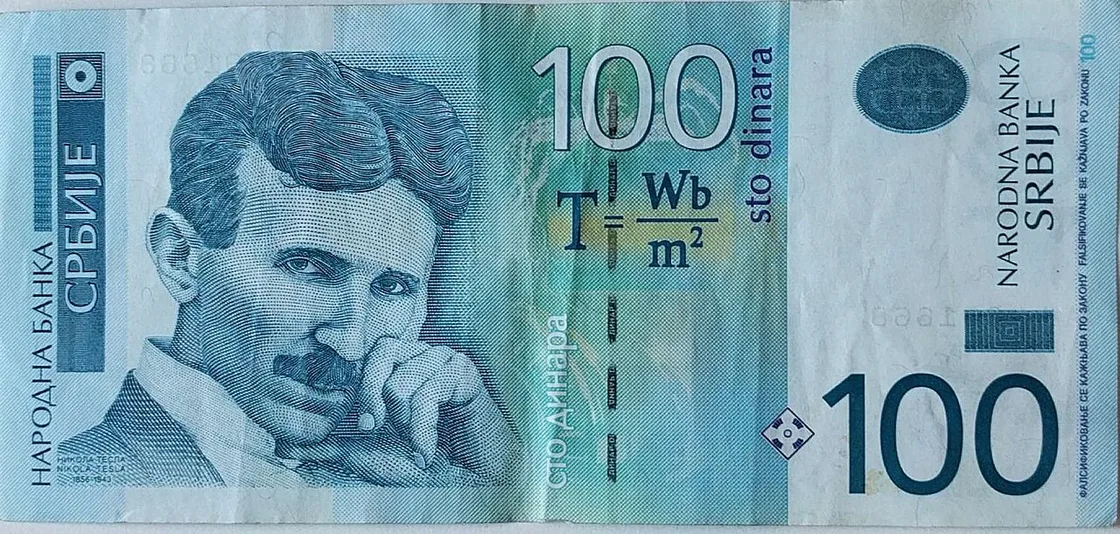
Dinars only: you cannot pay in euros
This trips up first-timers who assume the Balkans run on euros like the eurozone next door. They don’t. The dinar is Serbia’s only legal tender, in Belgrade exactly as in the rest of the country, so there is no separate “city” money and shops and restaurants are not permitted to take euros over the counter. A taxi driver or a market seller might accept a euro note as a favour, but they’ll hand you a poor rate that wipes out any convenience, so treat that as a last resort, not a plan. Carry enough dinars for the day and change more before you run dry.
Getting cash: ATMs and the Euronet trap
The easiest way to get dinars is a bank ATM, and the machine you pick matters more than most people realise. Stick to ATMs attached to a real bank branch: Banca Intesa, OTP, UniCredit, Raiffeisen, Erste and the like are everywhere in cities. Many of them charge foreign cards an access fee of roughly 400 to 600 dinars per withdrawal (500 is the common one), while a handful charge nothing, so the fee is worth a glance before you commit. Machines cap out around 100,000 dinars per transaction, and because that fee is flat, taking out a larger sum less often is cheaper than dribbling small amounts.
The one to avoid is Euronet, the brightly branded standalone machines parked by sights, hotel lobbies and the airport. They’re not attached to a bank, and across Europe they are known for stiff fees, low default withdrawal amounts and the hardest sell on dynamic currency conversion of any machine you will meet. If a cash machine is not part of a bank, walk on and find one that is. Your own bank’s foreign-ATM and non-euro fees stack on top of all this too, so a fee-free travel card is worth having before you go.
The DCC trap: the most common way to overpay
This is the most avoidable money mistake in Serbia, and it is worth understanding once so you never fall for it. When you withdraw cash or tap your card in a shop, the screen may cheerfully offer to charge you in your home currency instead of dinars, showing a tidy pounds-or-dollars figure and asking you to accept. This is dynamic currency conversion (DCC), and it’s a trap dressed up as a courtesy.
Always decline it. Choose “without conversion,” “pay in dinars,” or “continue in RSD,” whatever the exact wording. When you let the machine convert, it uses its own marked-up rate and pockets the difference; when you pay in dinars, your own bank does the conversion at a far better rate. The same choice appears on card terminals in restaurants and shops, not just at ATMs, so make “always pay in the local currency” a reflex for the whole trip. It’s genuinely free money left on the table if you press the wrong button.
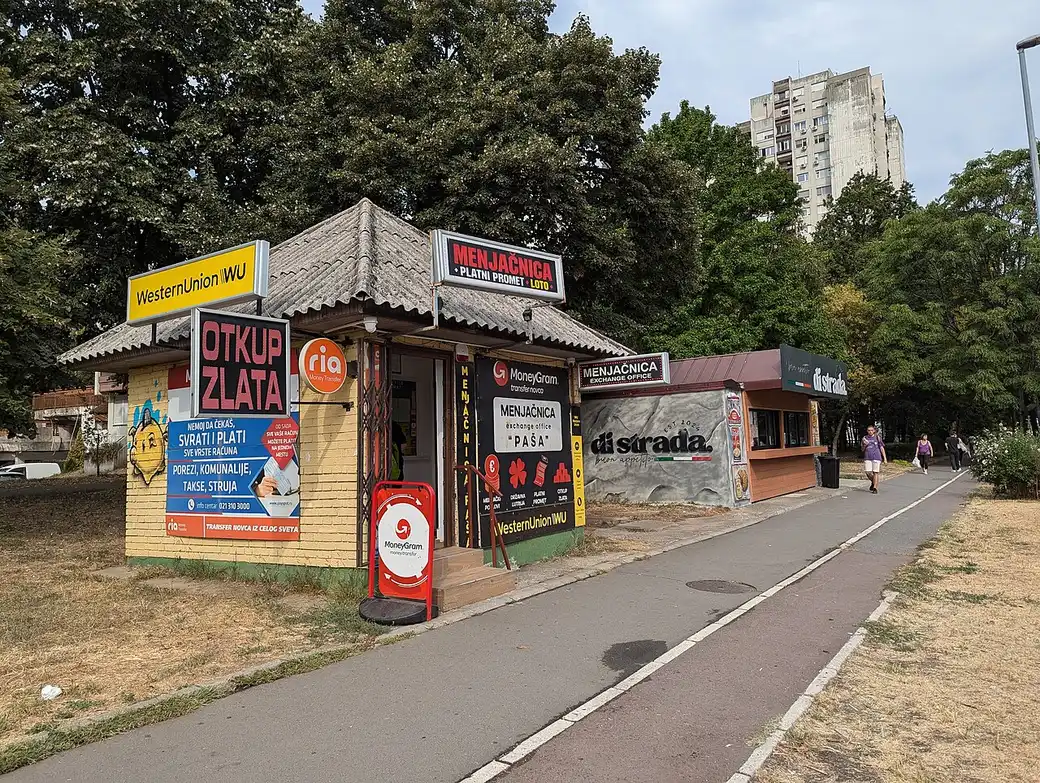
Menjacnica vs bank: where to change cash
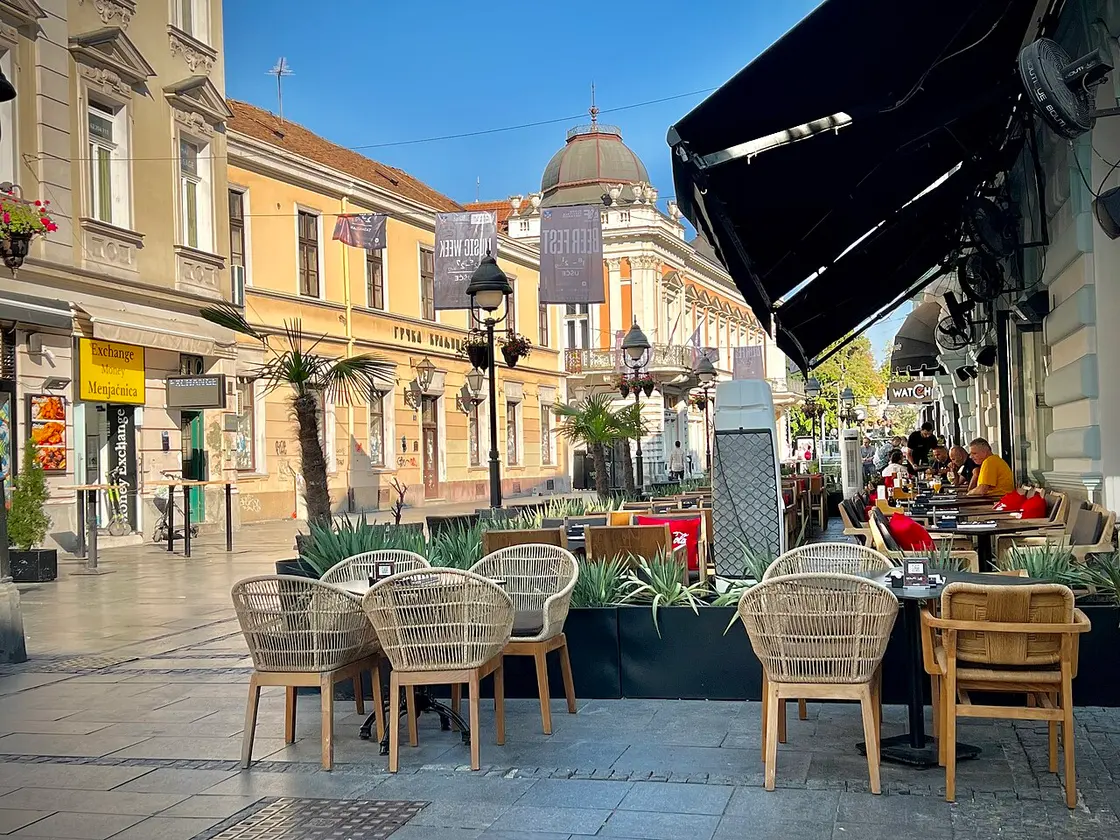
If you bring euros (the easiest currency to change here, with dollars and pounds close behind), take them to a menjacnica, the licensed exchange offices you’ll find on almost every central street. They generally give better rates than banks and usually take no commission, so what you see on the board is close to what you get. Read that board before you hand anything over: it shows a buy and a sell rate, and the gap between them, the spread, is the office’s real charge. Rates don’t swing wildly from place to place, but it costs nothing to compare two nearby windows on a larger exchange.
Two habits save money and hassle. Don’t change more than a token amount at the airport, where rates are the worst you will see; take a small sum to get into town and change the rest in the city. And bring clean, undamaged notes, since torn or heavily marked bills are sometimes refused. For a sense of how far the dinars you change will actually stretch, our guide to a realistic Serbia trip cost breaks down daily budgets, and our Belgrade cost of living rundown covers the longer-stay numbers.
Cards or cash: what to carry
In Belgrade and the other cities, Visa and Mastercard work almost everywhere you would expect: hotels, restaurants, supermarkets, bigger shops and most cafes, with contactless normal. American Express is patchier, so don’t rely on it as your only card. The safe setup is a card for the big and everyday stuff and a pocket of dinars for everything the card can’t reach.
That cash list is longer than in western Europe. Green markets and the pijaca, kafanas, taxis, bakeries, small family-run places, rural areas and a few cash-only museums (the Nikola Tesla Museum among them) all expect notes. A rough rule that works: carry enough dinars to cover a day of coffees, snacks, transport and a market stop, and lean on the card for hotels and sit-down restaurants.
Tipping
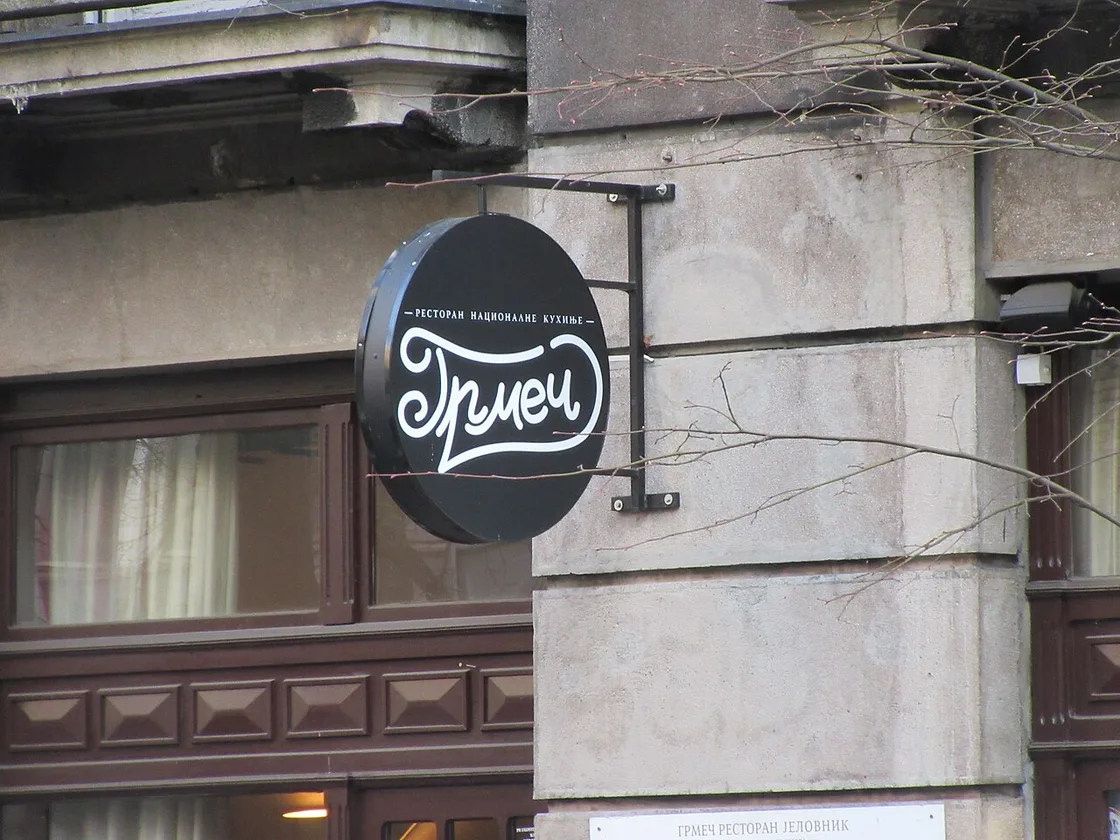
Tipping in Serbia is a thank-you for good service, not an obligation, and the amounts are modest. In a sit-down restaurant, around 10 percent is the norm when you’re happy; in cafes and bars, people simply round up, so a 260-dinar coffee becomes 300 and everyone is content. One practical catch: you usually cannot add a tip to the card slip, and the terminal won’t prompt for one the way it might at home. Leave the tip in cash on the table or in the bill folder, or hand it to the server, even when you pay the bill itself by card. Keep a few small notes on you for exactly this. For the rest of it, taxis, hotels, guides, hairdressers, delivery apps, and why the card machine won’t help you, our dedicated guide to tipping in Serbia covers every situation.
Before you leave: spend the dinars down
The dinar is a soft currency, hard to change back once you’re outside Serbia and at a poor rate if you can do it at all. So run your cash down as the trip winds up, and change any large leftover back to euros at a menjacnica before you reach the airport (keep the receipt if it’s a big sum). A pocket of small notes makes a fine last-day problem to have: a final burek, a market bag of fruit, a tip for the driver to the airport. If your onward plans keep you in the region, our take on why Belgrade is worth visiting and the practicalities of getting around Serbia cover where those last dinars are best spent.
The short version
Pay in dinars, because nothing else is legal tender. Pull cash from a bank ATM, never a Euronet box, and refuse dynamic currency conversion every single time a screen offers it, at the machine and at the till. Change euros at a menjacnica, not the airport, and read the buy-sell board before you swap. Carry a card for the cities and cash for the markets, tip about 10 percent in cash, and spend your dinars down before you fly. Do that and Serbia is not just cheap, it is easy on your wallet in every sense.
Photos
Read also

Before you go · 9 min read
Tipping in Serbia: How Much, Cash or Card
Verified · August 9, 2026Tipping in Serbia: about 10% in restaurants, round up cafes and taxis. Cash is standard - card terminals rarely add a tip. What to leave, by situation.

Before you go · 9 min read
Belgrade or Budapest: Which City Break?
Verified · August 8, 2026Belgrade or Budapest: Budapest wins on flights, baths and sights, Belgrade on free transit and price. Populations, tickets and connections compared.

Before you go · 10 min read
Best Hostels in Belgrade: Party and Budget Picks
Verified · August 8, 2026Belgrade hostels from EUR 6.66 a bed: 3 party picks near the bars and 3 quiet, cheaper ones, with real prices, ratings and exact addresses.

Before you go · 9 min read
What to Pack for Serbia (+ Power Plugs)
Verified · August 7, 2026Pack for Serbia: Type F/C 230V plugs, Belgrade vs mountain layers, and the shoes, eSIM and documents that actually matter on the trip.