
How Much Does a Serbia Trip Cost?
A realistic Serbia travel budget for 2026: daily costs for backpacker, mid-range and comfortable trips, plus a sample week, in dinars and euros.
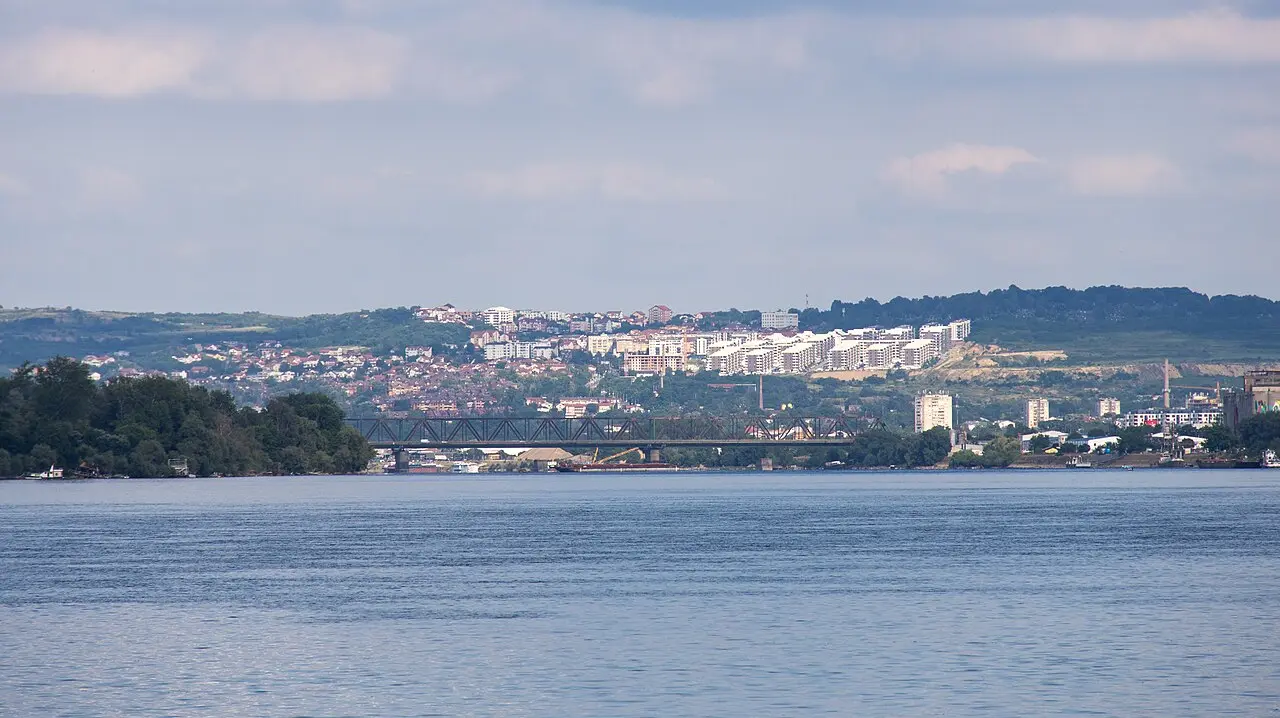
Serbia is one of the cheapest countries to travel in Europe, and a week here costs a fraction of what the same trip would in the west. As a rough guide, built up from where you sleep, what you eat, getting around and the odd paid sight in the sections below, a backpacker can get by on around 35 to 45 euros a day, a mid-range traveller should budget 60 to 90 euros a day, and a comfortable trip runs 120 euros a day and up per person, with accommodation the main thing that moves the figure. A typical week for one person lands somewhere around 450 to 700 euros on the ground at the mid-range level, before flights. Food, coffee and getting around are cheap, Belgrade’s city transport is free, and many of the best sights cost nothing to see, which is a big part of why Serbia is worth visiting in the first place.
A word on the numbers before we start. Everything below is a mid-2026 order-of-magnitude guide, not a fixed quote: prices shift with the season, the exchange rate and how you travel, so confirm current costs when you book. The currency is the dinar (RSD), not the euro, and figures here are given in euros with dinars alongside at roughly 117 RSD to the euro at the time of writing.
Currency converter
- RSD
- 10,465
- USD
- $100
- EUR
- €89.09
- GBP
- £75.75
What Serbia costs per day
Your daily spend depends almost entirely on where you sleep and how you eat. Three broad bands cover most travellers.
- Backpacker (around 35 to 45 euros a day): a hostel dorm bed, bakery and street-food meals with the odd cheap restaurant, free city transport, and mostly free or low-cost sights. Dorms start around 1,500 to 2,100 dinars (roughly 14 to 20 euros) a night.
- Mid-range (around 60 to 90 euros a day): a private room or a three-star hotel, eating in proper restaurants, a paid tour or day trip now and then, and intercity buses or trains. A mid-range hotel double with breakfast averages around 11,500 dinars (about 105 euros), so this band suits couples especially well.
- Comfortable (120 euros a day and up): a smart central hotel, taxis instead of walking, guided tours and the best restaurants. There’s no real ceiling, but Serbia makes even the top end cheaper than western Europe.
Couples don’t simply double the solo figure, because a room and a taxi are shared, which is why two people travelling together often spend less each than one alone.
Trip budget calculator
Estimated total for the trip, flights excluded
- EUR
- €840-1,260
- RSD
- 98,679-148,018
- USD
- $943-1,414
- GBP
- £714-1,071
Accommodation
Where you sleep is the single biggest line in a Serbia budget, and there’s something at every level. Hostel dorms in Belgrade’s old town start around 2,100 dinars (about 20 euros) a night, with beds elsewhere in the country often cheaper. A basic hotel room averages somewhere near 5,000 dinars (around 44 euros), while a comfortable mid-range double with breakfast runs closer to 11,500 dinars (about 105 euros). Guesthouses and apartments sit between the two and are often the best value for a few nights in one place.
Prices are highest in central Belgrade and during summer and festival dates, and noticeably softer in the shoulder months and outside the capital. For where to base yourself in the city and what each area costs, see our guide to where to stay in Belgrade, and to time the trip well, the best time to visit Serbia covers which months are cheaper and quieter.
Food and drink
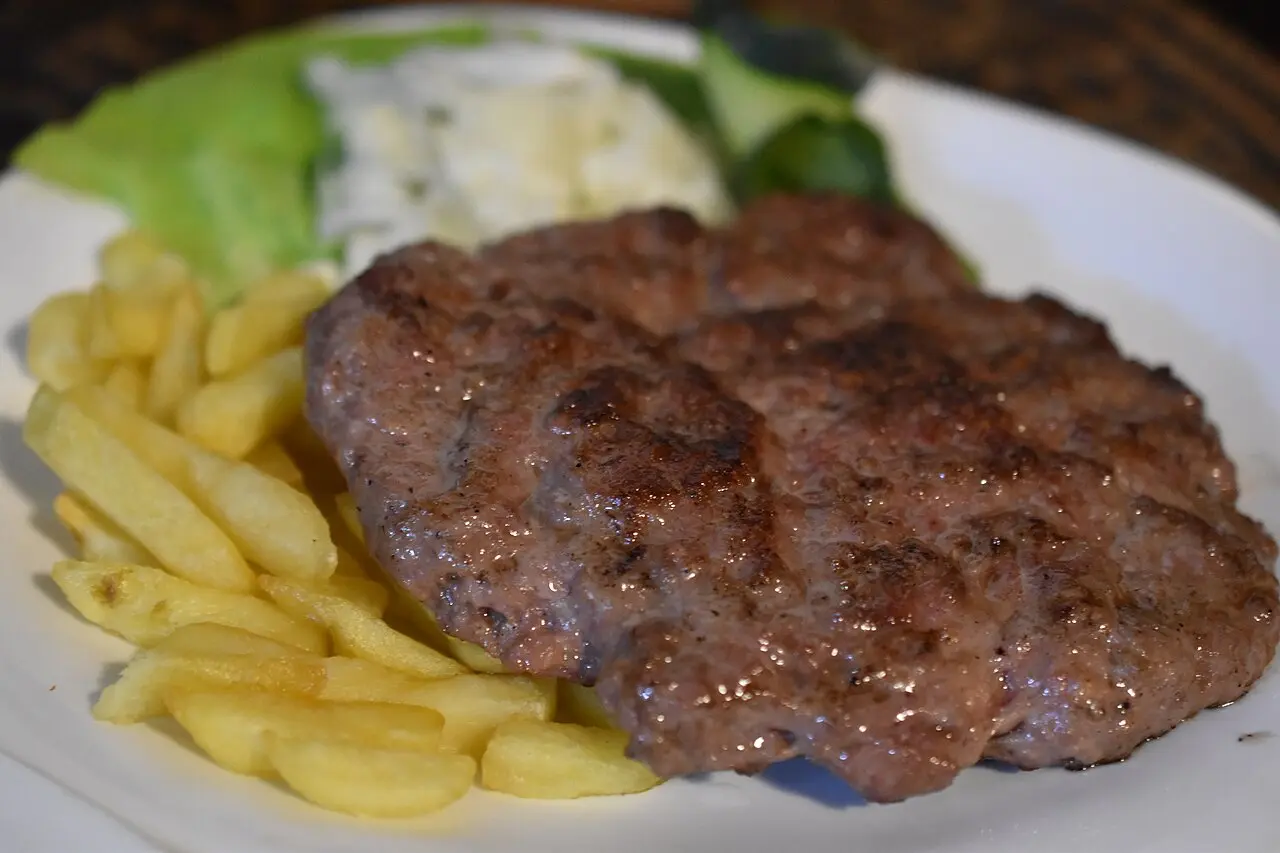
This is where Serbia feels like a bargain. A hearty bakery snack like burek or a pastry costs 100 to 200 dinars (around 1 to 2 euros), and a pljeskavica (the local grilled burger) is about 450 dinars (roughly 4.50 euros) from a grill window. Sit down for a full traditional meal with a drink in a proper restaurant and you’re looking at around 2,400 dinars (about 24 euros), while an inexpensive restaurant lands nearer 1,000 to 1,400 dinars (8 to 12 euros) a head.
Coffee and drinks are cheap and unhurried: a coffee is around 250 dinars (about 2.50 euros), and a half-litre of local draft beer roughly 350 dinars (about 3.50 euros). If you self-cater at all, the green markets (pijaca) are the move: seasonal fruit and vegetables cost a fraction of the supermarket and are far better. Belgrade’s famous nightlife, including the river-barge clubs, is inexpensive by western standards too, so a night out won’t wreck the budget.
Transport
Getting around is one of Serbia’s quiet money-savers. Since 2025, Belgrade’s public transport has been free for everyone (buses, trams, trolleybuses and the suburban trains), so your local travel line in the capital is effectively zero. The one exception is the airport express bus, which still charges a fare; a taxi from the airport into the centre runs on the airport’s own fixed-price zone system, 2,700 dinars (about €23) to New Belgrade and the nearer parts of Zemun and Surčin, 3,500 dinars (about €30) to the old town and the central districts, and 4,300 dinars (about €37) to the outer districts. That’s per car for up to four passengers, and the airport’s list has one price per zone, with no separate night or weekend rate. Get the voucher from the airport’s own e-kiosks (three in baggage claim, one in the arrivals hall) rather than from a driver who approaches you first.
Between cities, travel is cheap. The fast Soko train links Belgrade and Novi Sad in 32 minutes for a low fare, and intercity buses reach almost everywhere for a few euros. If you want to explore the western mountains, where the sights are scattered and timetables are thin, a rental car is the practical choice, and our guide to getting around Serbia explains when it is worth the cost.
Sights and activities
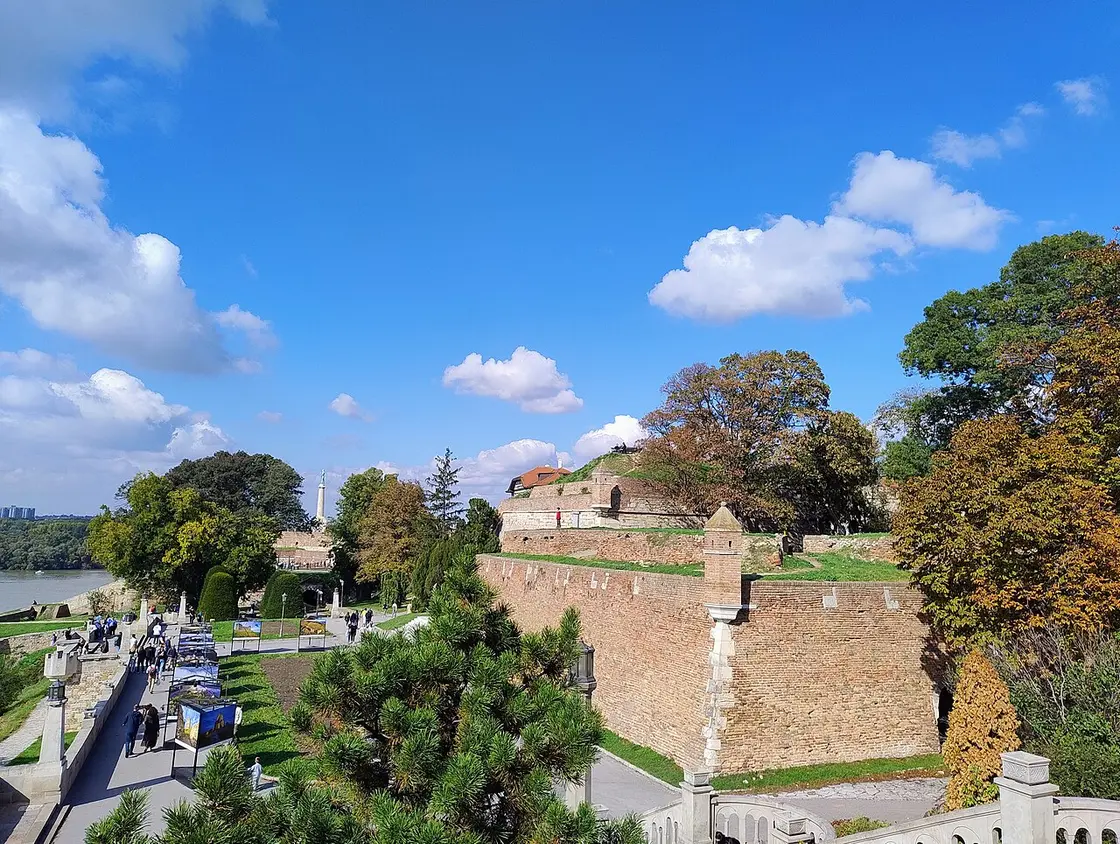
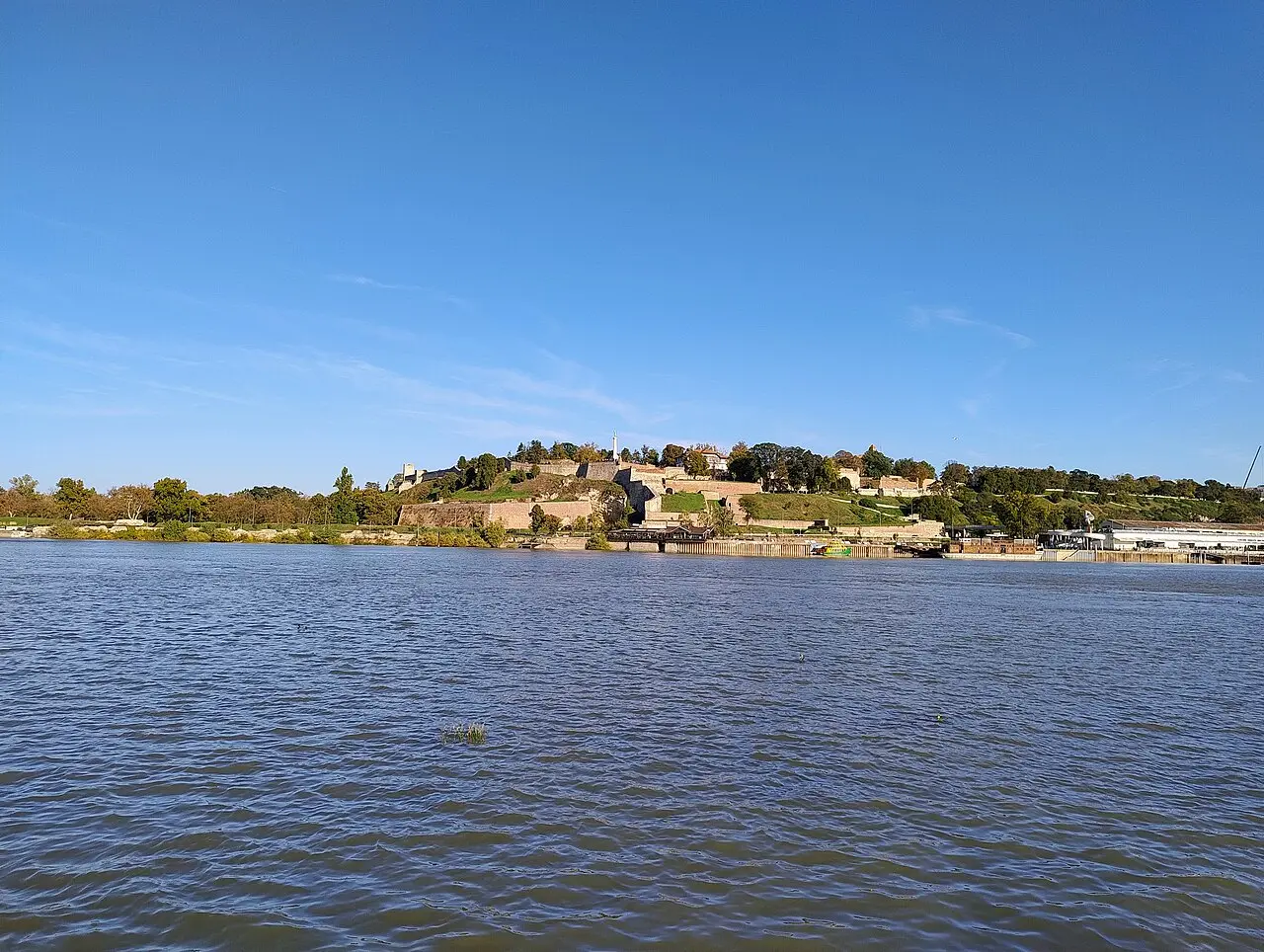
The happy surprise is that a lot of the best of Serbia is free or nearly so. Kalemegdan fortress and its huge park are free to walk, with only the small sub-sites (the Roman Well, Nebojša Tower and a few museums) charging a modest ticket. The Temple of St Sava, one of the largest Orthodox churches in the world, is free to enter. Museums are cheap by European standards: the Nikola Tesla Museum charges by tour language rather than by nationality, 800 dinars (about €7) for the English-language tour or 400 dinars for the Serbian one, and it’s cash only, so budget accordingly.
Wandering the old town, the bohemian lane of Skadarlija, the riverside town of Zemun and the river beach at Ada Ciganlija in summer all cost nothing. Where you spend on activities is guided tours, day trips and boat rides, and even those are inexpensive here compared with the west.
What a week actually costs
Pulling it together, a realistic frame for one person over seven days looks roughly like this, on the ground and excluding flights. Every figure is approximate and depends heavily on your style.
- Backpacker week: roughly 250 to 350 euros. Dorms, bakery and street food with a couple of restaurant meals, free city transport, free and low-cost sights, and the odd cheap tour or intercity bus.
- Mid-range week: roughly 450 to 700 euros. A three-star hotel or guesthouse, restaurants most days, a couple of paid day trips, and buses or the train between cities.
- Comfortable week: 1,000 euros and up. A nice central hotel, taxis, guided tours and the best tables, with plenty of room to spend more.
Two people travelling together will each spend less than these solo figures, since accommodation and transport are shared. How far you roam matters too: sticking to Belgrade and Novi Sad is cheaper than adding the western mountains, where you may need a car. For help shaping the route to your days, see how many days you need in Serbia, and to weigh the cities themselves, our guide comparing Belgrade, Novi Sad and Niš.
Money tips worth knowing
A few practical points can save you money and hassle.
- Cash still rules in places. Cards work fine in city hotels, restaurants and shops, but green markets, kafanas and small towns often want dinars, so carry some cash.
- The currency is the dinar, not the euro. You’ll pay in RSD day to day; euros are only a mental anchor. Change money at a menjačnica (exchange office) rather than at the airport, where rates are poor. Our full guide to money in Serbia covers the ATMs, cards and tipping.
- Decline “conversion to your home currency” at ATMs and card machines (dynamic currency conversion): it always gives you a worse rate than letting your own bank convert.
- Free Belgrade transport is a real saving most guides overlook, so budget nothing for city travel in the capital beyond the airport bus or taxi.
- Travel in the shoulder season (May to June or September) for lower prices and nicer weather than the July and August peak.
Because healthcare and mishaps are the one place a cheap trip can suddenly get expensive, travel insurance is worth having; it’s inexpensive relative to the trip and covers the costs that would otherwise blow your budget.
Is Serbia expensive? The bottom line
Not at all. Serbia is one of Europe’s best-value destinations, with the cost of living running well below western levels: eating out is far cheaper, hotels cost a fraction of western prices, and the currency stretches a long way. The plain arithmetic tells the story - the 60 to 90 euros a day a comfortable mid-range trip runs to here would barely cover a single restaurant dinner and a hotel breakfast in Paris or Amsterdam. Spend even less by travelling lean, keeping dinars for the markets and leaning on free Belgrade transport, and the gap only widens. Few places in Europe give you this much history, food and scenery for the money.
Photos
Read also

Before you go · 9 min read
Tipping in Serbia: How Much, Cash or Card
Verified · August 9, 2026Tipping in Serbia: about 10% in restaurants, round up cafes and taxis. Cash is standard - card terminals rarely add a tip. What to leave, by situation.

Before you go · 9 min read
Belgrade or Budapest: Which City Break?
Verified · August 8, 2026Belgrade or Budapest: Budapest wins on flights, baths and sights, Belgrade on free transit and price. Populations, tickets and connections compared.

Before you go · 10 min read
Best Hostels in Belgrade: Party and Budget Picks
Verified · August 8, 2026Belgrade hostels from EUR 6.66 a bed: 3 party picks near the bars and 3 quiet, cheaper ones, with real prices, ratings and exact addresses.

Before you go · 9 min read
What to Pack for Serbia (+ Power Plugs)
Verified · August 7, 2026Pack for Serbia: Type F/C 230V plugs, Belgrade vs mountain layers, and the shoes, eSIM and documents that actually matter on the trip.