
What to Pack for Serbia (+ Power Plugs)
Pack for Serbia: Type F/C 230V plugs, Belgrade vs mountain layers, and the shoes, eSIM and documents that actually matter on the trip.
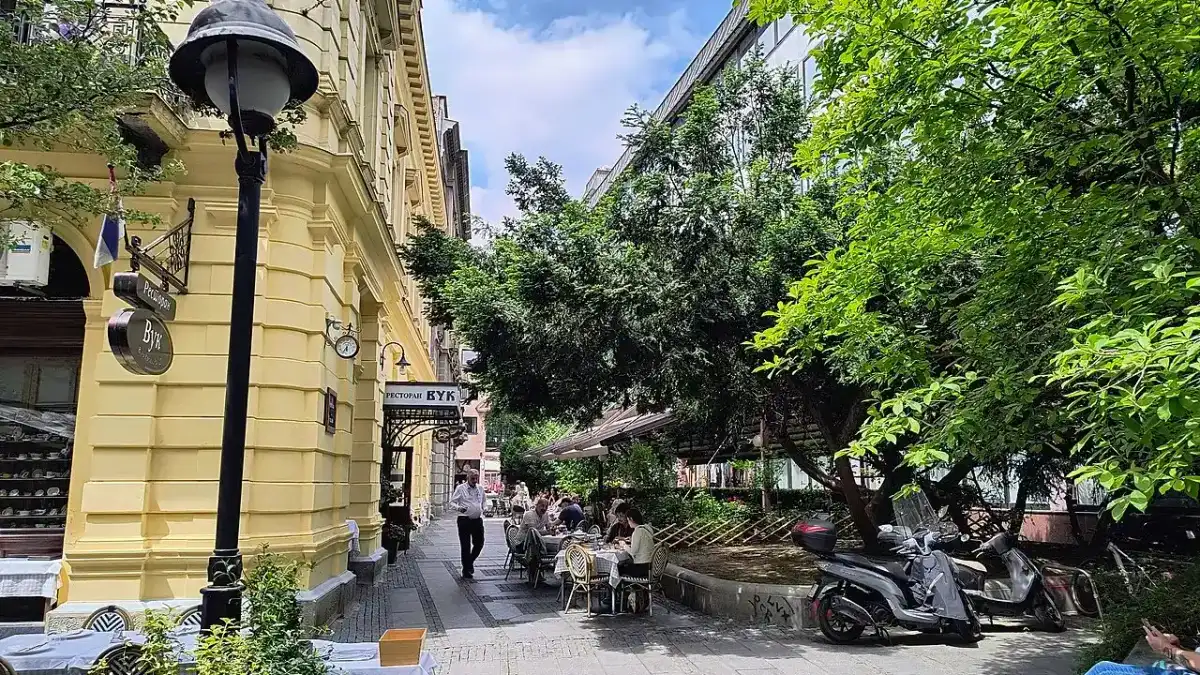
Pack for Serbia around two facts: the sockets are Type C and Type F at 230 V, and the bag that works in Belgrade won’t automatically work in the mountains. Bring a plug adapter if you are coming from the UK, Ireland, North America, Australia or Japan; pack layers if any day takes you above the plains. Everything else is ordinary European city-and-hill kit.
The trip people get wrong is the mixed one. A July afternoon in the capital sits near 29C, while a same-week hike or ski-resort overnight on Kopaonik can feel a season colder. Winter flips the problem: Belgrade is chilly and grey, the mountains need proper cold kit. Use this as a packing map, not a shopping list, and cross-check month-by-month numbers in our Serbia weather by month guide when you lock dates.
Power plugs: Type F, 230 V, and when you need a converter
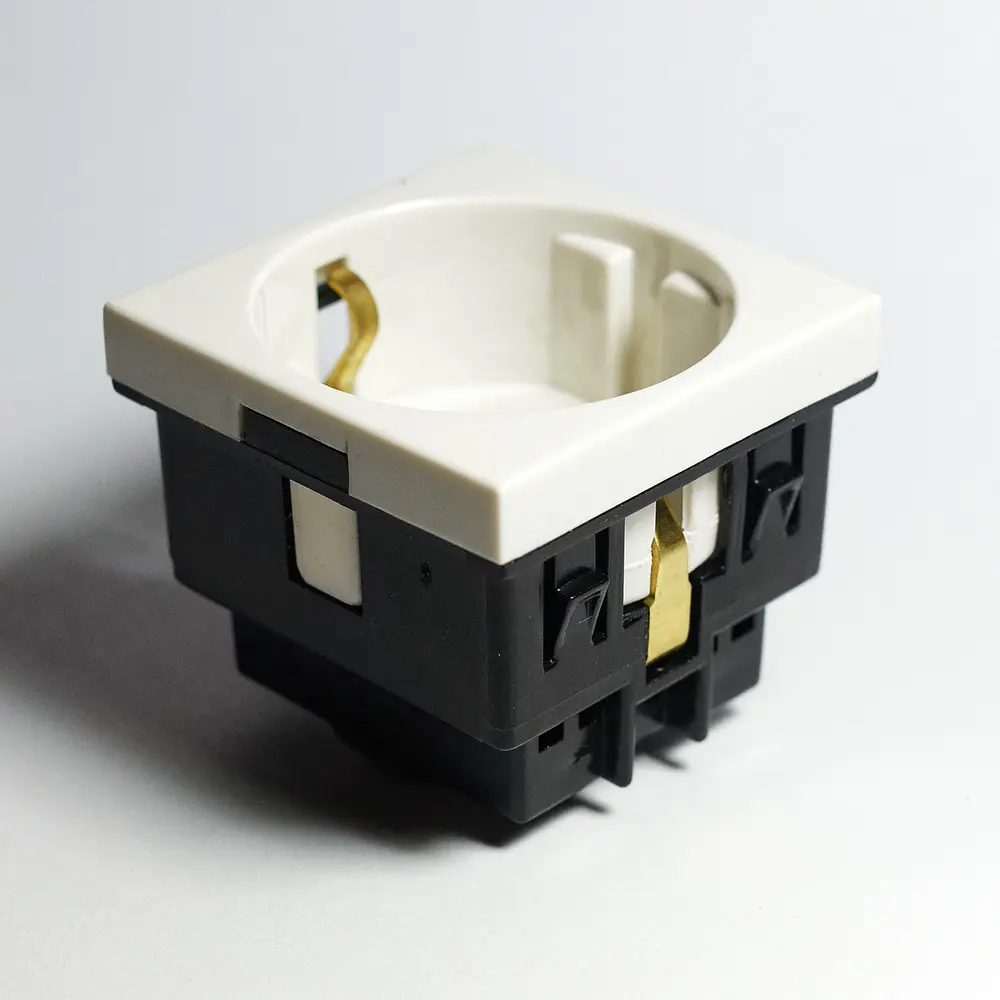
Serbia uses Type C (two-round-pin Europlug) and Type F (Schuko: two round pins plus side earth clips). Type C plugs go into Type F sockets. The supply is 230 volts at 50 Hz, the same standard as most of continental Europe. That’s the answer behind the search query “what plugs does Serbia use,” and it’s the bit UK and US travellers usually get wrong if they pack by habit rather than by label.
- From the UK or Ireland (Type G): pack a travel adapter. Voltage already matches, so your dual-voltage phone and laptop bricks only need the shape change.
- From the US or Canada (120 V): pack an adapter and read the brick. Anything marked 100-240V is fine once it physically fits. A 120V-only hairdryer or straightener isn’t - an adapter changes the plug, not the voltage, and you need a converter or leave the tool at home.
- From continental Europe: your plugs already fit. Skip the adapter aisle.
- From Australia: voltage already matches (230 V / 50 Hz) - you only need a Type I to C/F adapter for the pin layout.
- From Japan (100 V): pack an adapter and check the brick the same way as North America - many JP-only appliances need a converter or stay home.
A multi-port USB charger plus a small power bank earn their space more than a second hair tool. Hotel rooms and cafes have sockets, but long coach days, national-park walks and evening bar hopping do not. Under airline rules, spare lithium batteries travel in cabin bags, not the hold.
Adapters are easy to buy in Belgrade electronics shops if you forget, but arriving already able to charge saves the first afternoon. Don’t rely on hotel “universal” sockets in older buildings - bring your own Type C/F adapter if your home plugs are different.
Belgrade and the lowlands: pack by season
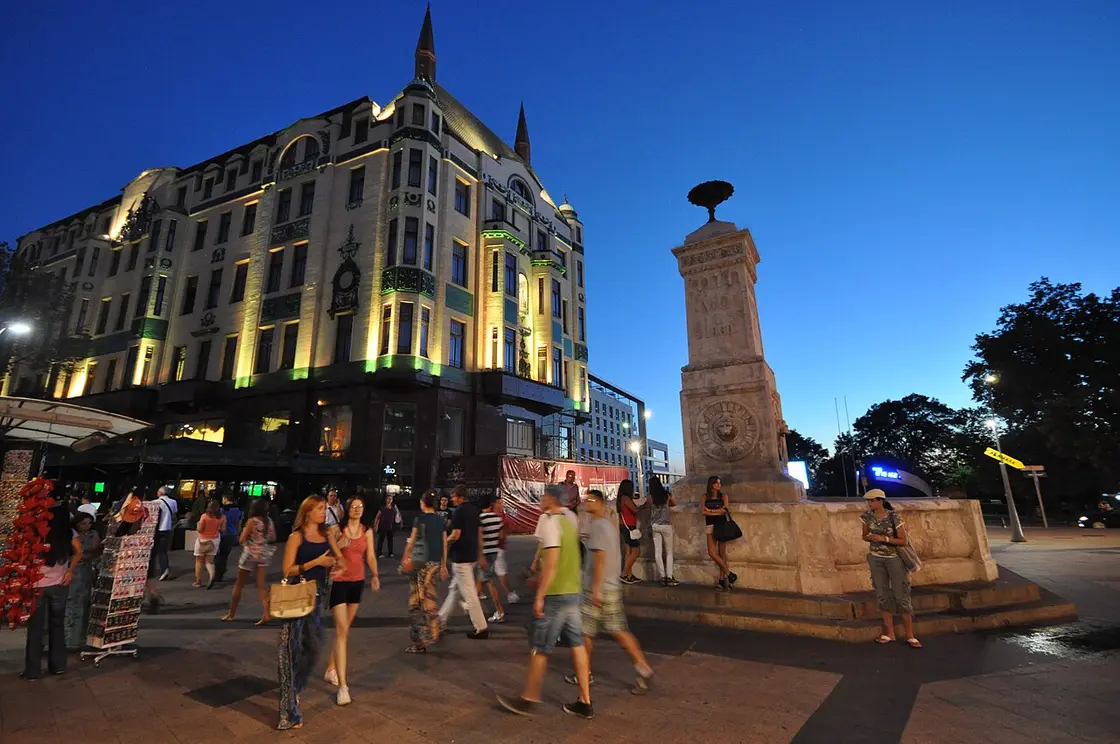
Belgrade is a walking city of cobbles, tram stops, riverfront paths and late dinners. Comfortable closed shoes matter more than fashion soles, and a light layer for air-conditioned venues or kosava wind still earns a place in high summer.
Late spring and early autumn (roughly May, June, September, early October) are the easiest packing window for most travellers - the same months our best time to visit Serbia guide flags as the sweet spot. Days are warm, evenings cooler, showers possible. Pack breathable shirts, one jumper or light jacket, a compact rain shell, and shoes you can walk in for hours.
July and August run hot. Belgrade afternoons average close to 29C, and heat waves push past 37C. Prioritise light fabrics, a sun hat, sunglasses, high-factor sunscreen and a reusable water bottle. Evenings can still want a thin long sleeve for river breezes or overly cold indoor AC. If you are heading to Ada Ciganlija or other swim spots, swimwear and flip-flops belong in the day bag; they’re not day-long city footwear.
Winter in the capital (December to February) is properly cold rather than alpine. Daytime highs often sit around 4C to 7C, nights dip below freezing, and snow in the city is usually thin and short-lived. An insulated coat, warm mid-layer, hat, gloves and waterproof boots beat a fashion coat every time. For what winter actually feels like beyond the packing list, see Serbia in winter.
Dress codes are relaxed compared with some Adriatic towns. Smart-casual covers nicer restaurants; shoulders and knees covered still help if you visit churches or monasteries. You don’t need formal wear for a normal Serbia trip.
Mountains: Zlatibor, Kopaonik and the parks
Altitude is the second packing axis. On Kopaonik, around 1,700 metres, January averages near -4C, and summer highs often sit in the mid-teens Celsius even when Belgrade is roasting. A road-trip day that starts in the capital and ends on a ridge needs a fleece or softshell in the car, not just the hotel wardrobe.
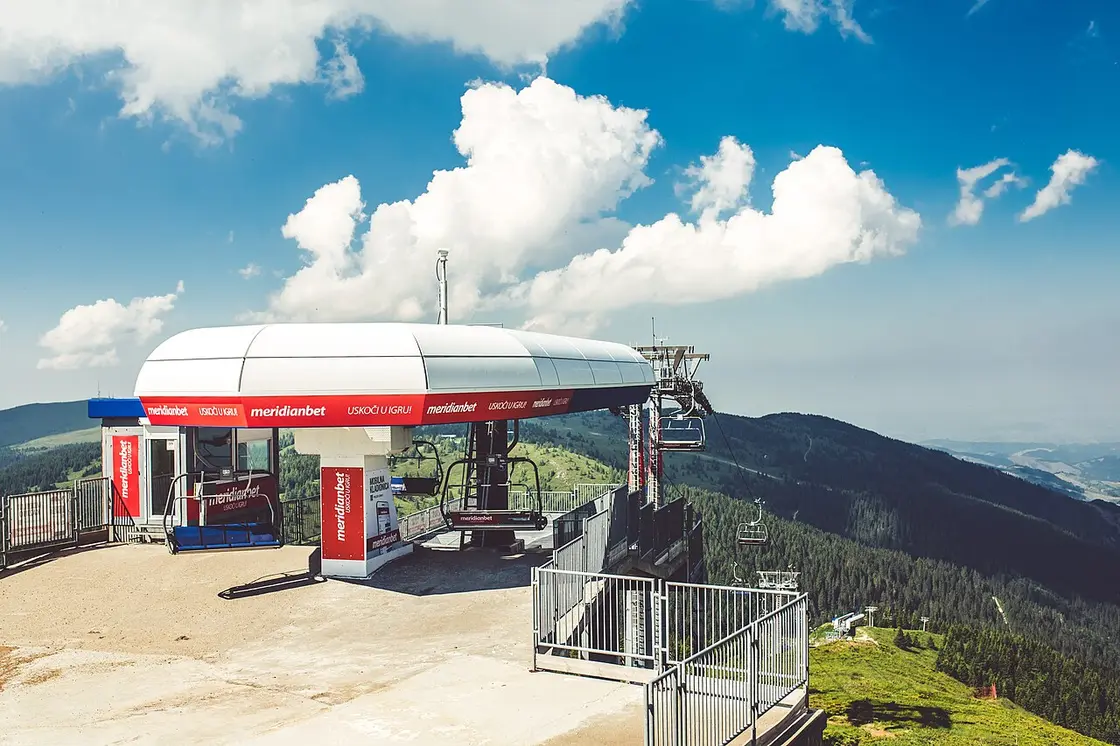
Summer mountain packing: hiking shoes with grip, moisture-wicking layers, a windproof shell, sun protection, and a daypack with water. Trails in western and southern Serbia can turn muddy after storms; trail runners without tread are a false economy.
Winter mountain packing: insulated outerwear, thermal base layers, waterproof gloves, a warm hat, and ski kit if you’re on the slopes. Hire shops cover a lot of ski hardware, but boots, gloves and goggles that fit you well are still worth bringing if you already own them. Snow depth and season length vary by resort and year - treat early December to early April as the usual ski window, then confirm current conditions before you fly.
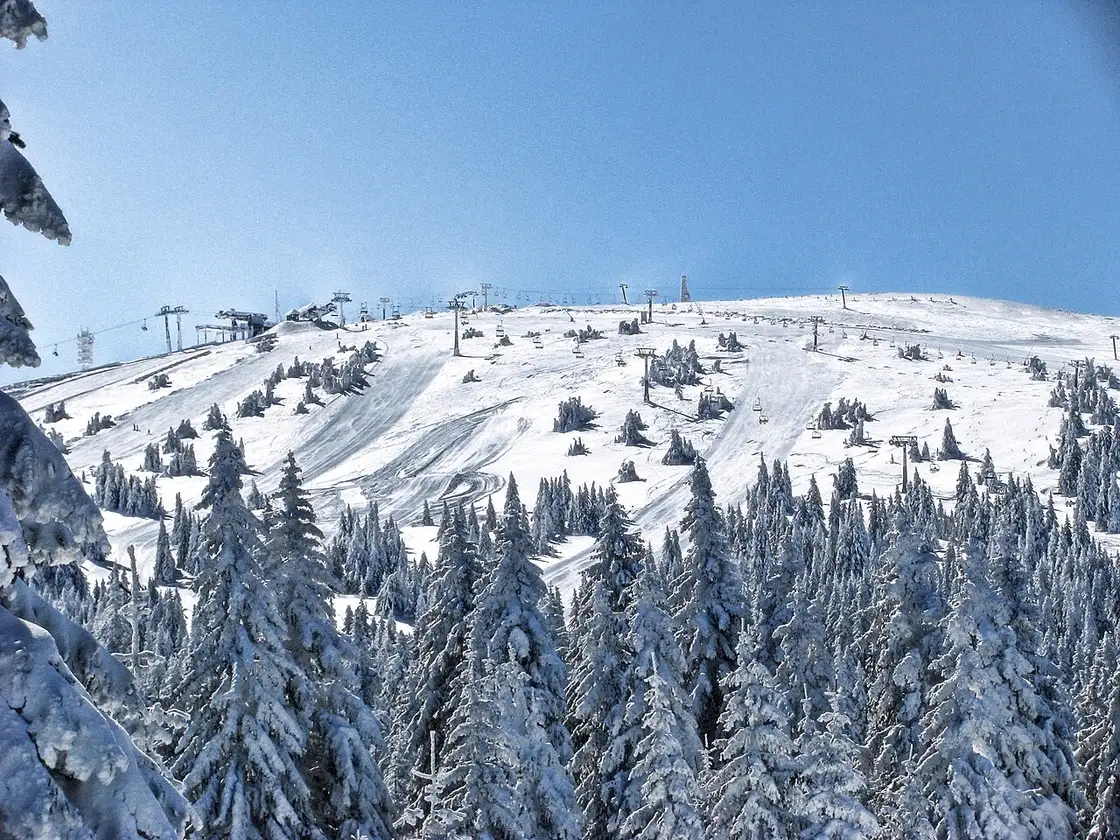
If you’re driving between the city and the hills in the cold half of the year, winter tyres rules and mountain logistics sit in our driving and winter guides - packing chains or requesting winter tyres from the rental desk is a logistics decision, not a fashion one.
Phone, data and an eSIM
Serbia is not in the EU roaming zone. Your “roam like at home” allowance almost certainly doesn’t apply here, which is why a pre-installed eSIM or a local prepaid SIM belongs on the packing list next to the adapter. Buy and install an eSIM while you still have home wifi; keep your home number for calls if you want, and use the eSIM for data maps, ride-hailing and translations the moment you land.
A physical tourist SIM from mts, Yettel or A1 is often better value for long stays, but it needs your passport at the shop. For the full operator comparison and roaming math, use our eSIM and SIM guide for Serbia. Offline maps downloaded before mountain days are still wise - coverage thins in canyons.
Documents, insurance and money
Carry a passport with enough blank pages and validity for your itinerary, plus any entry paperwork your nationality needs. Print or screenshot booking confirmations; phone batteries die at the worst moment.
Travel insurance isn’t an entry requirement, but foreigners usually pay clinics upfront and claim later. UK GHIC does not work as EHIC-style cover in Serbia (use the UK-Serbia reciprocal route plus a proper policy). EHIC isn’t EU/EEA-wide cover here either - a few EU states have bilateral arrangements listed by Serbia’s RFZO, but most travellers still need insurance. Medical evacuation and mountain or ski exclusions are the lines worth reading before you buy. Details and government advice sit in our Serbia travel insurance page - packing the policy number and assistance phone beats hunting for them from a hospital corridor.
On money: Serbia runs on the dinar (RSD). Cards work widely in cities; a little cash still helps for markets, tips and smaller places. See money and ATMs in Serbia for the payment quirks, including the ATM traps that catch visitors who accept the machine’s conversion offer.
A small first-aid kit (blister pads, painkillers, any prescription meds in original packaging, rehydration sachets) is enough for most trips. Pharmacies are common in towns; don’t expect the same density on remote trails.
What you can leave at home
- A voltage converter, if every charger you carry says 100-240V.
- Formal clothes for a normal sightseeing trip.
- A second suitcase of “just in case” outfits - Belgrade shops exist, and laundry is easy.
- Large stacks of foreign cash. Cards cover most spends; change a modest amount of dinars instead.
- Assumptions that EU roaming or a standard EHIC/GHIC will quietly cover you the way they do inside the EU - Serbia is different (see insurance section above).
The short checklist
Type C/F plug adapter (UK/US/AU/JP) · dual-voltage chargers · multi-port USB brick · power bank · comfortable walking shoes · season-right coat or shell · one warm mid-layer for mountains or evenings · rain jacket in shoulder months · sun hat and sunscreen in summer · swimwear if you plan river or lake days · hiking shoes for parks · winter boots and gloves if you visit Dec-Feb · eSIM or plan for a local SIM · passport · insurance details · a little RSD cash · reusable water bottle · basic first-aid and prescriptions.
That is the whole practical list. Serbia is a well-supplied European country, so forgotten toiletries are a pharmacy errand, not a crisis. The items that are painful to get wrong before you fly are the adapter, the altitude layers, and working data plus insurance paperwork. Match the rest to your month using the weather and timing guides linked above, and your bag will do the job without weighing twice what it should.
Plug standards and voltage checked against Electrical Safety First and WorldStandards on 2026-08-07. Climate figures follow our published monthly normals - confirm live forecasts and mountain conditions closer to travel.
Photos
Read also

Before you go · 9 min read
Tipping in Serbia: How Much, Cash or Card
Verified · August 9, 2026Tipping in Serbia: about 10% in restaurants, round up cafes and taxis. Cash is standard - card terminals rarely add a tip. What to leave, by situation.

Before you go · 9 min read
Belgrade or Budapest: Which City Break?
Verified · August 8, 2026Belgrade or Budapest: Budapest wins on flights, baths and sights, Belgrade on free transit and price. Populations, tickets and connections compared.

Before you go · 10 min read
Best Hostels in Belgrade: Party and Budget Picks
Verified · August 8, 2026Belgrade hostels from EUR 6.66 a bed: 3 party picks near the bars and 3 quiet, cheaper ones, with real prices, ratings and exact addresses.

Before you go · 9 min read
Serbia in 5 Days: Beyond Belgrade
Verified · August 6, 2026A 5-day Serbia itinerary that leaves Belgrade on day one: Novi Sad and Fruška Gora, then Zlatibor, the Šargan Eight and Tara.