
Serbia in Winter: Ski, Spas and City Lights
Serbia in winter: real lift-pass prices by season band, the thermal spa towns, and which week to book now that Belgrade holds New Year twice.
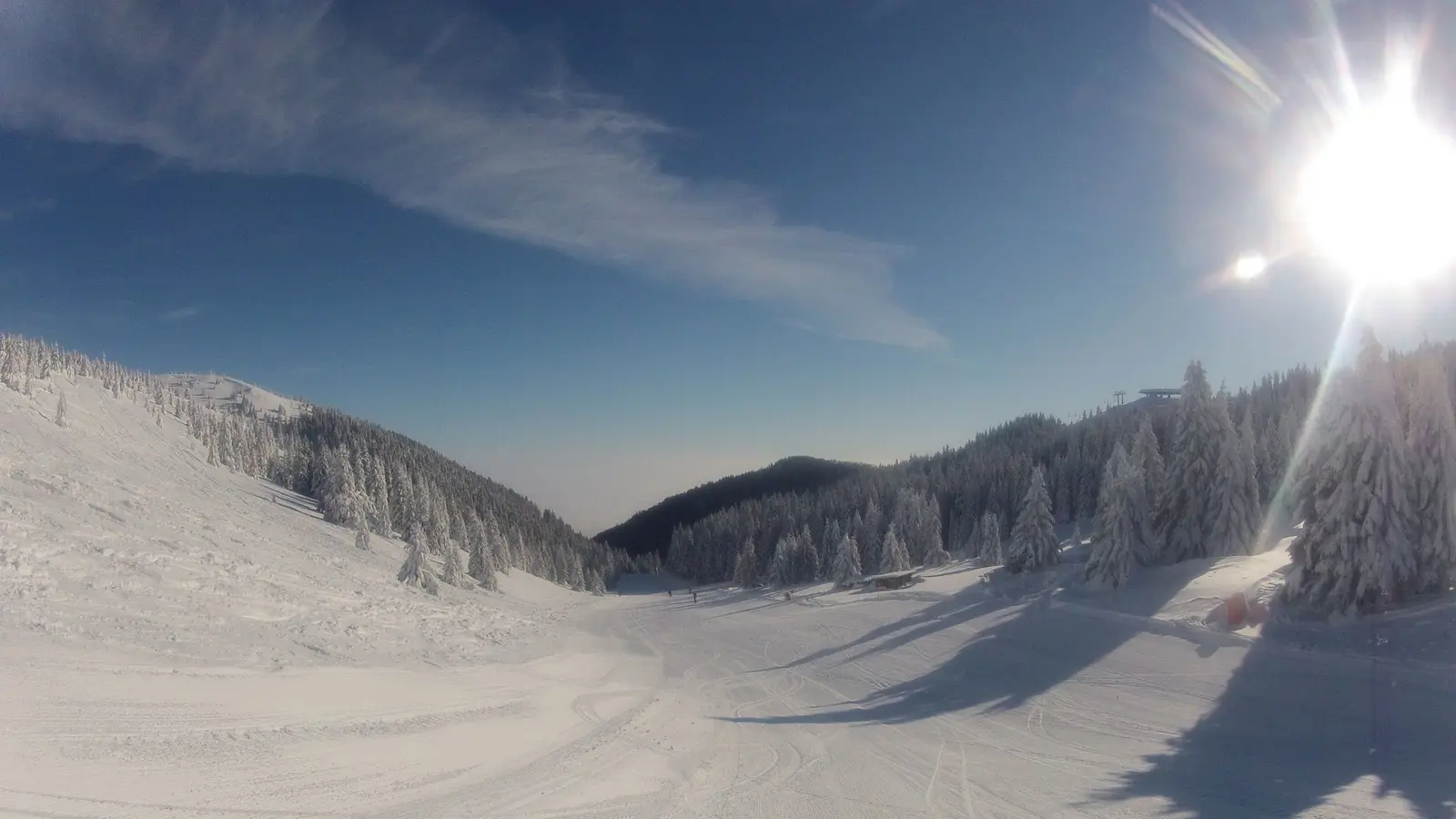
Come to Serbia in winter for one of three things: cheap lift-served skiing, a soak in a thermal spa town, or Belgrade in the fortnight when it throws New Year twice. What you should not come for is winter sightseeing on the plain, because the lowlands spend January under grey cloud and the fortresses look better in May.
A six-day adult lift pass at Kopaonik, the biggest resort, ran 24,900 to 27,100 dinars for the 2025/26 season, roughly 213 to 232 euros or 185 to 200 pounds. On the smaller mountains, Tornik above Zlatibor and Babin Zub on Stara Planina, the same six days cost 13,500 to 14,400 dinars, near enough 115 to 123 euros. The beds and the flights are the expensive part of a Serbian ski trip, not the mountain.
What a lift pass costs
One state operator, Skijališta Srbije, runs Kopaonik, Stara Planina and Tornik, so pricing is consistent across the country. These are the 2025/26 figures, the last season published; the 2026/27 list hadn’t appeared when we checked on 1 August 2026. Dinars convert at roughly 117 to the euro. For how the three mountains actually compare on piste, lifts and crowds rather than price alone, see our skiing in Serbia resort-by-resort guide.
| Adult pass (2025/26) | Kopaonik | Tornik and Stara Planina |
|---|---|---|
| Half day | 3,700-4,700 RSD (32-40 EUR) | 2,400-2,850 RSD (21-24 EUR) |
| Day | 5,600-6,500 RSD (48-56 EUR) | 3,450-3,750 RSD (29-32 EUR) |
| Two days | 10,300-11,800 RSD (88-101 EUR) | 5,850-6,450 RSD (50-55 EUR) |
| Six days | 24,900-27,100 RSD (213-232 EUR) | 13,500-14,400 RSD (115-123 EUR) |
| Night skiing, one run | 2,400-3,000 RSD (21-26 EUR) | not sold |
| Night skiing, two or more runs | 2,900-3,550 RSD (25-30 EUR) | not sold |
Check the half-day rule before you buy one, because it differs by mountain. At Tornik the ticket runs four hours from activation. At Kopaonik and Stara Planina it’s a window, not a clock: opening until 13:00, or 12:30 until close. Activate one at 11:00 on Kopaonik and you’ve bought two hours.
The bands come with dates on the list. Cheapest: 15 November to 16 December, and 24 March onward. Middle: 17-24 December, 8 January to 10 February, 18 February to 23 March. Dearest: 25 December to 7 January and 11-17 February, the New Year fortnight plus the school break.
A cross-resort “10 days in the season” card costs 44,100 dinars, works at every Skijališta Srbije centre and ignores the bands entirely; single-mountain versions are 27,800. Ten peak-band days at Kopaonik would be 65,000, so it pays if your winter is all high-season weekends. For one trip from abroad it’s the wrong buy.
Three things sit on that list and nowhere in the marketing. Every skier needs a ChipCard, 500 dinars, a plastic RFID card charged per person. Children aged one to five ski free of charge, accompanied by an adult, on the beginners’ polygons and the named green and blue runs - free means the pass, so the toddler still needs the 500-dinar card. And the ski opening is a 30 per cent sale: single-ride, half-day, day, two-, three- and four-day passes bought and used during the season opening. Last season that ran 4-7 December with the first day free.
The snow is the risk, not the price
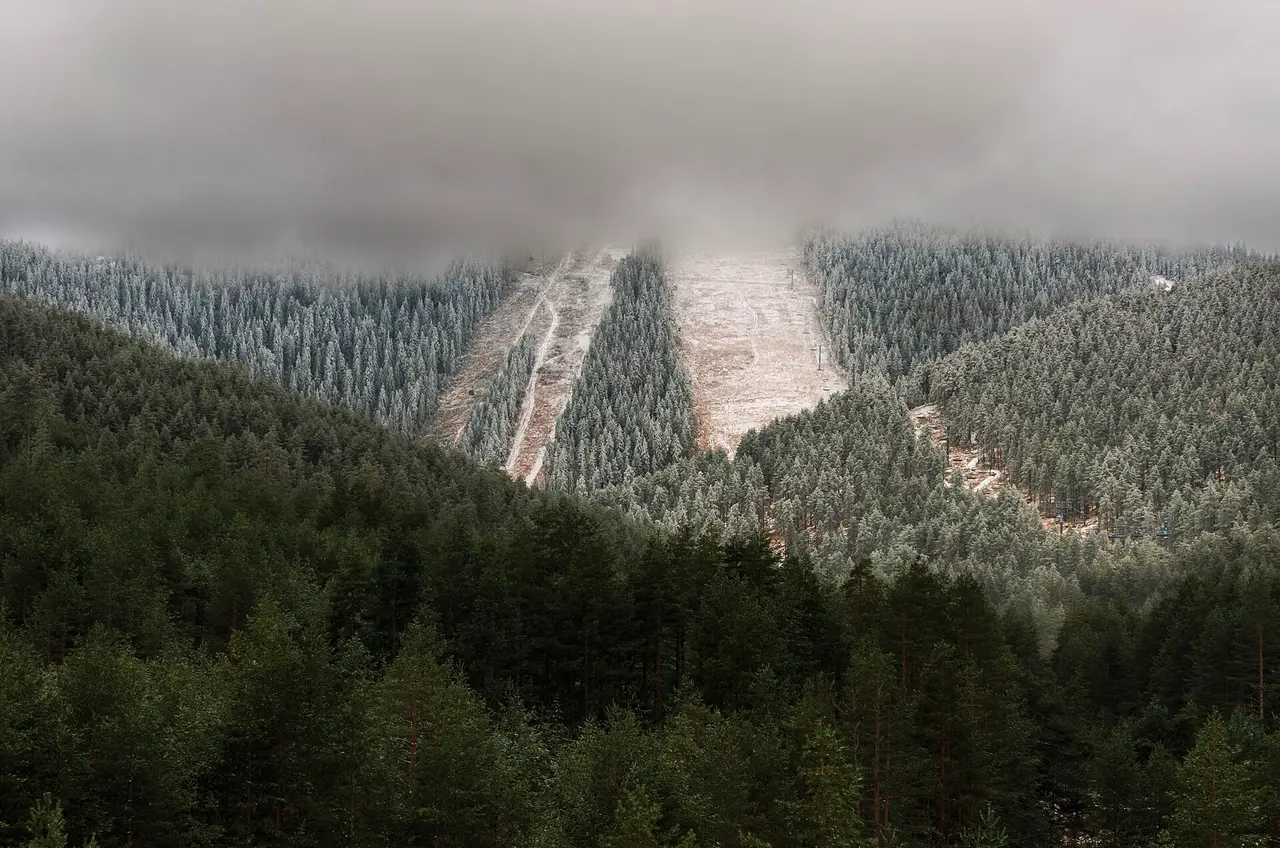
Serbia sits a long way south for a ski country, and cover isn’t guaranteed the way it is at altitude in Austria. Kopaonik answers that with snowmaking on the main runs and a January average near -4 C at resort height, where the snowpack commonly sits at 60 to 100 cm in midwinter; the smaller mountains have less of a safety net. The season normally runs early December to early April, and the 2025/26 one opened on 4 December.
So you’re buying snow you can’t see, and two terms exist for exactly that: web-shop purchases could be cancelled within 14 days last season, and online buyers could move the start date twice as long as they stayed in the same price band, both reported by Danas from the operator’s terms. Buy the pass online, never at the window, and a bad forecast costs you an email.
There’s a pattern to when the new list lands, too. The operator’s own rule is a 15-day pre-sale at 15 per cent off through the web shop during October or November, so the 2026/27 prices and dates have to be live by then. Check in late October, and treat any season date circulating before that as a forecast site’s guess. Where to stay in Kopaonik compares the plateau against the cheaper bases below.
Get above the fog
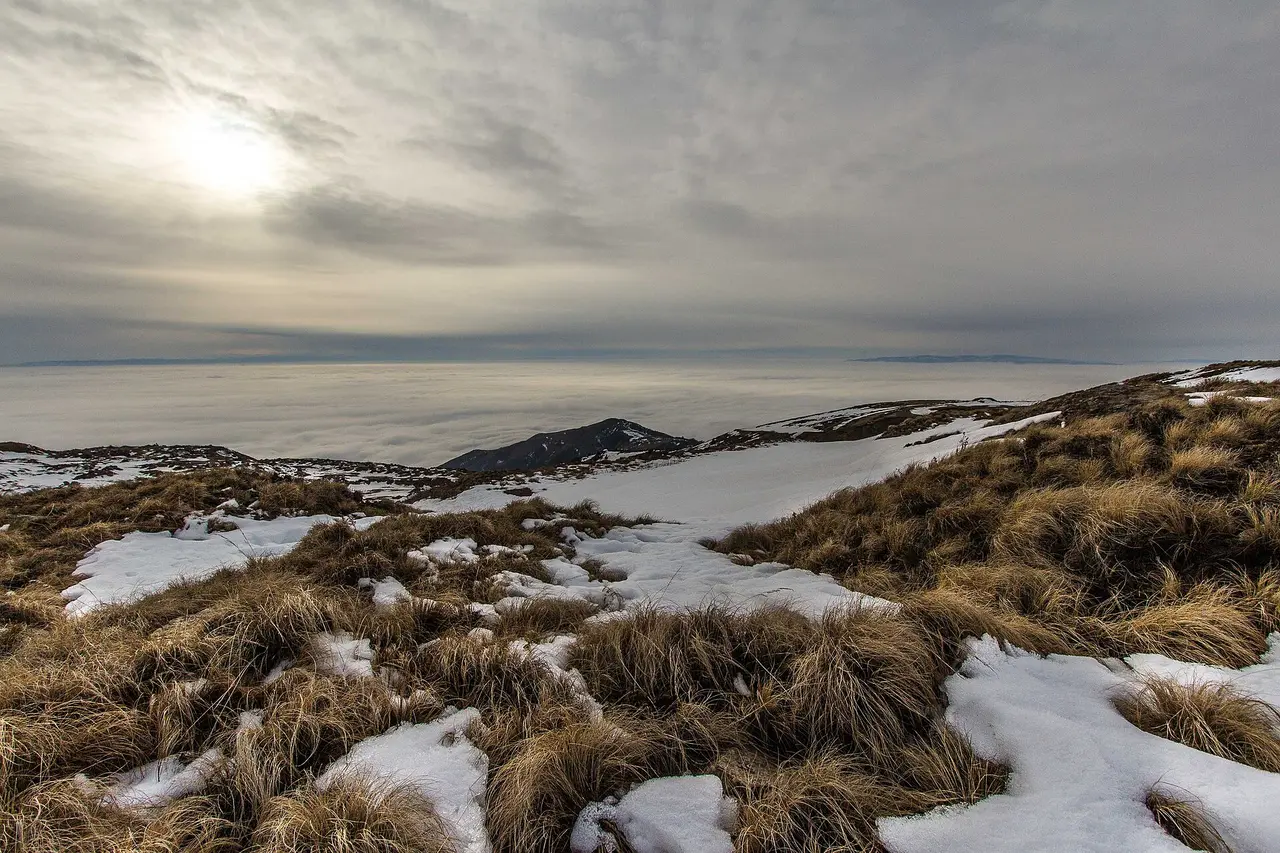
The Danube and Sava plain traps cold air under a cloud lid for days at a time, so Belgrade in January is grey, damp and often foggy, with daytime highs near 4.5 C and nights below freezing. Kopaonik gets called the sunny mountain for a reason: around 200 sunny days a year, and on a bad lowland week the resort sits in blue sky above the murk ruining the view from your city apartment. So don’t treat the mountains as the skiers’ half of the trip and the city as the sightseeing half. On a foggy stretch the mountain is where the daylight is, whether or not you ski. Numbers by month are in our Serbia weather by month breakdown; best time to visit Serbia makes the case against winter honestly; and what to pack for Serbia covers the city-vs-mountain kit split when Belgrade is grey and the plateau is proper cold.
So which week should you book?
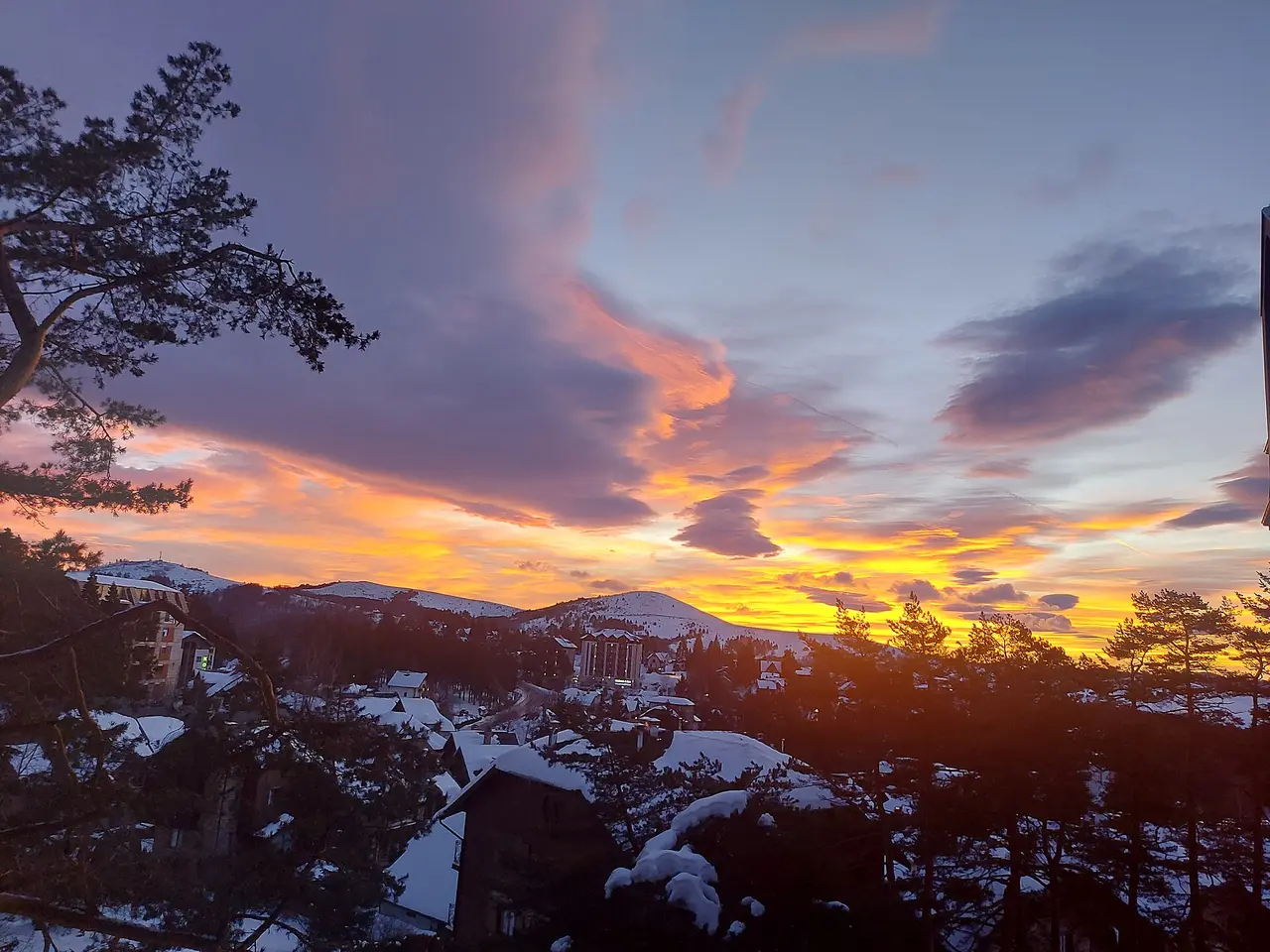
Two weeks are worth more than the rest, and they are not the same trip.
10 to 17 January buys you the party. Snow has usually settled after the holidays, the New Year price band closes on 7 January so passes and beds drop to mid-season, flights come off peak, and Serbian New Year on the night of 13 to 14 January hands you a second midnight for free. The trade is snow that is good, not deep.
18 February onward buys you the skiing. Cover is at its most reliable, days are noticeably longer than in January, and February is the driest month in the Belgrade record if you’re bolting a city break on. Start a week earlier and you pay for it: 11 to 17 February is the top price band, and Statehood Day on 15 and 16 February is a national holiday, so the mountain is at its fullest and dearest.
Everything between is a compromise. The exception is the ski opening in early December, cheap on purpose, where you’re gambling a discounted few days instead of a whole week.
The banje, and what they actually are
Set your expectations correctly and Serbia’s spa towns are the cheapest good day of a winter trip. Set them wrong and you’ll be baffled. A Serbian banja is not a Western wellness hotel with candles and a playlist. It grew out of a medical rehabilitation institution, the water is prescribed as much as enjoyed, and the clientele skews older and more local than anything you’ll meet on a ski lift.
At Soko Terme in Sokobanja, three pools of 30 to 36 C water, two indoors, an adult day ticket is 1,200 dinars with a compulsory 200-dinar lounger charge on top, so 1,400 all in, about 12 euros; 300 more buys the wellness rooms, here meaning sauna, salt room and steam bath. Children of three to ten pay 500 and the venue states under-threes don’t pay. London coffee money buys a full day in hot mineral water.
The winter detail that matters more than the price: pools run 10:00 to 21:30, Wednesdays and Saturdays everything shuts at 20:00, and the outdoor pool only opens at noon in the cold months. Turn up at half nine on a January Saturday expecting a long day outdoors and you’ll get most of it wrong. The venue’s list carries no year, so confirm before you travel.
Vrnjačka Banja, 200 km south of Belgrade and an easy pairing with Kopaonik, is the grander option: seven mineral springs, one surfacing at 36.5 C, a long park and a proper hotel stock. In winter the crowds thin and rates drop away from the New Year fortnight - a restful two nights bolted onto a ski week.
Belgrade throws New Year twice
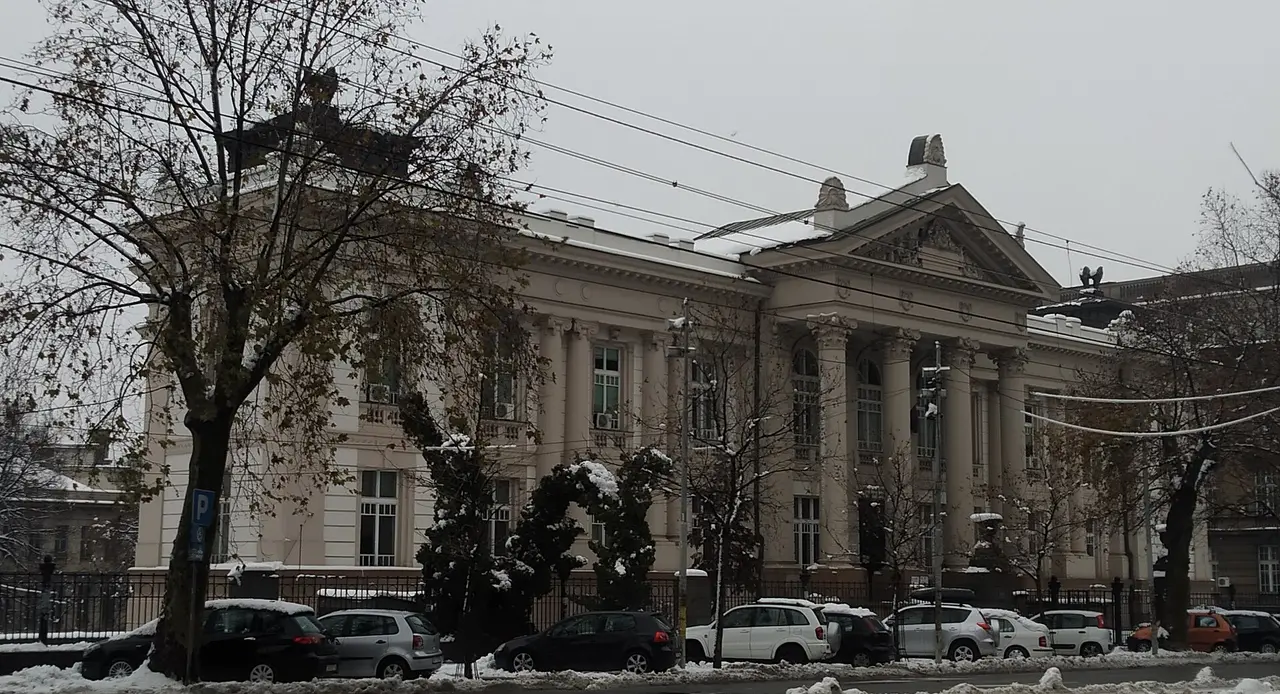
Serbia’s Orthodox church runs on the Julian calendar, so alongside the 31 December party the country marks Serbian New Year on the night of 13 to 14 January - two weeks after the New Year price band closes, which is the whole point for anyone flying in.
Where it happens has moved, so check the city’s December announcement, not an old blog. Early editions ran as a free concert on Republic Square with fireworks off the Belgrade Tower. The most recent one skipped the square: the show was on the Sava promenade at Belgrade Waterfront, six minutes either side of midnight, fireworks with drones and lasers and national symbols projected onto the tower. Both versions are free and outdoors, and neither is at the Temple of St Sava, whatever the event portals tell you.
Zimska bajka (“Winter Fairytale”), the city’s festive park, ran its fourth edition in Savski park from 5 December to 5 January, daily noon to 22:00, free; dates for the coming winter weren’t announced when we checked. The 31 December party on the same promenade was free too, with a midnight brass set from the Marković orchestra. Our Belgrade Christmas Market guide goes into the stalls, the mulled wine and the exact venue history in more depth.
Two dates that catch people out. 1, 2 and 7 January are non-working days, the last being Orthodox Christmas: museums, offices and plenty of shops close, though restaurants and bars mostly don’t and Belgrade’s nightlife is unbothered. And Statehood Day in mid-February is non-working too, 15 and 16 February in 2027, right inside the peak ski band.
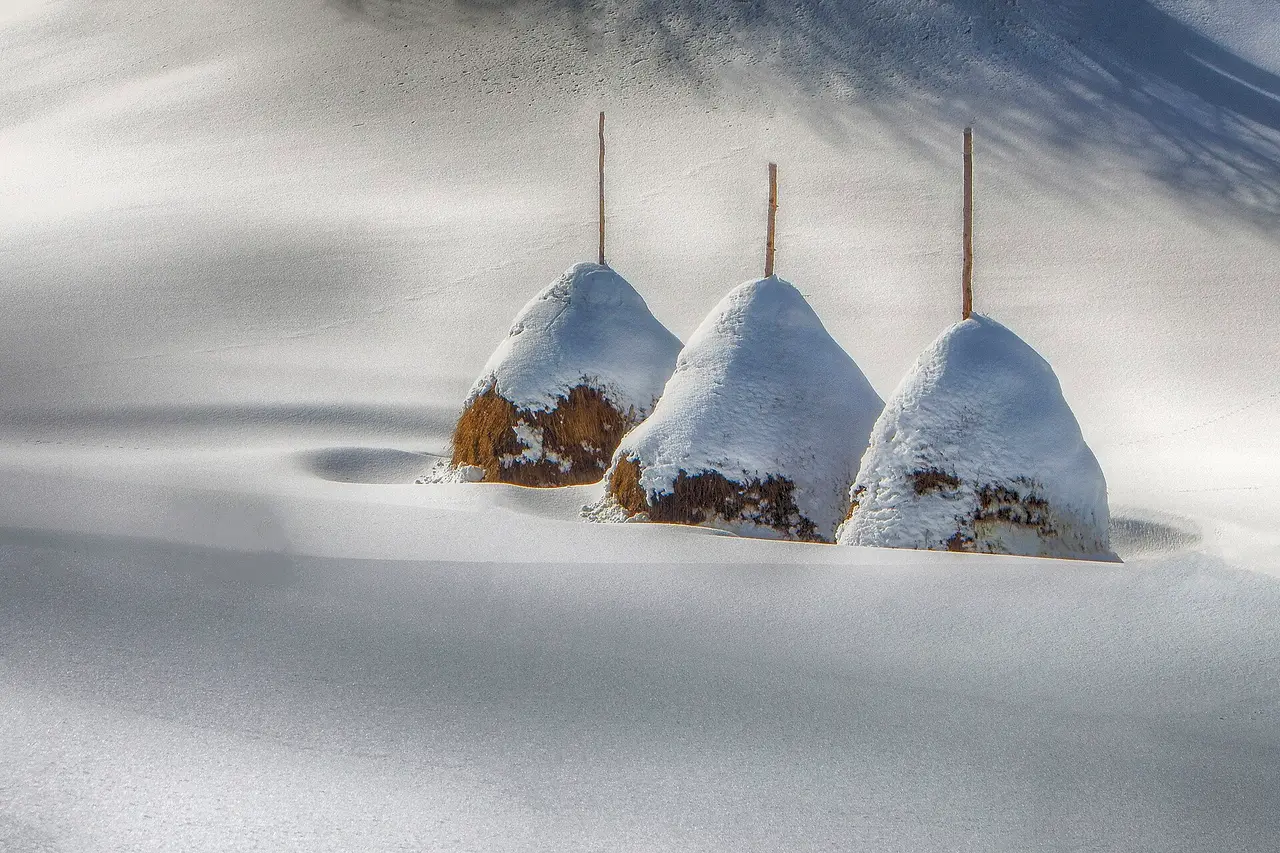
Late January is also when Kustendorf, Emir Kusturica’s film and music festival, takes over Drvengrad, his built-from-scratch wooden village at Mokra Gora. Recent editions ran four or five days in the second half of January; the dates move and none were out for 2027 when we checked.
Getting there and moving around in the cold
Belgrade Nikola Tesla (BEG) is 18 km west of the centre and Air Serbia’s hub, with a Wizz Air base under a regulatory cloud: the airline said in June 2026 it may be forced to wind the base down from November and was due to decide by late September. If your plan leans on a cheap Wizz route this winter, check the flight is still scheduled. Our guide to getting to Serbia covers the dispute and the budget alternative at Niš.
Kopaonik is 265 to 300 km from Belgrade: the resort budgets about four hours, and in winter you should plan on five. No train, no useful flight, so it’s a hire car, a pre-booked transfer, or the slow coach.
If you rent, the law is conditional and visitors miss that. From 1 November to 1 April a car must carry winter equipment once there is snow, ice or black ice on the road - winter tyres on all four wheels with at least 4 mm of tread, and chains outside built-up areas, which is where this road spends its time. Fines reach 20,000 dinars. Get the supplier to confirm tyres and chains in writing for your dates, because “all-season” is not the same answer, and if you’re carrying skis book an estate or a people carrier, not the saloon a transfer quote defaults to. One more thing before you pay for a week’s hire: up on the plateau the car mostly sits in a paid garage, so it earns its keep on the drive and the day trips. Belgrade to Kopaonik prices all three routes; driving in Serbia has the wider rules.
Sleeping below the resort centre, the ski bus is the cheap fix: the Kopaonik service ran 4 December to 31 March last season at 350 dinars one way and 600 return, under-sevens free.
Booking it in the right order
Everyday prices barely move with the season, so the Serbia trip cost figure holds at 60 to 90 euros a day mid-range. Winter adds the pass, roughly 115 to 230 euros a head for six days, and makes mountain beds the one genuinely expensive thing in the country across the two peak bands.
Book beds first, on a cancellable rate: they’re the scarce item and the only line big enough to hurt. Flights second, once the dates are fixed. The pass last, online, as late as the pre-sale discount allows, so the forecast is a forecast and you keep the 14-day cancellation and the date change.
The failure mode is the reverse, and it’s common: cheap December flights locked in September, ski-in beds long gone by November, the group in the weekend settlement riding the bus, and the upper lifts still not turning. Nothing here prevents thin snow. This order just means thin snow costs you a deposit.
Photos
On the map
The map loads on click - to keep the page lightweight.
The map didn’t load. Check your connection and refresh the page.
Read also

Before you go · 9 min read
Tipping in Serbia: How Much, Cash or Card
Verified · August 9, 2026Tipping in Serbia: about 10% in restaurants, round up cafes and taxis. Cash is standard - card terminals rarely add a tip. What to leave, by situation.

Before you go · 9 min read
Belgrade or Budapest: Which City Break?
Verified · August 8, 2026Belgrade or Budapest: Budapest wins on flights, baths and sights, Belgrade on free transit and price. Populations, tickets and connections compared.

Before you go · 10 min read
Best Hostels in Belgrade: Party and Budget Picks
Verified · August 8, 2026Belgrade hostels from EUR 6.66 a bed: 3 party picks near the bars and 3 quiet, cheaper ones, with real prices, ratings and exact addresses.

Before you go · 9 min read
What to Pack for Serbia (+ Power Plugs)
Verified · August 7, 2026Pack for Serbia: Type F/C 230V plugs, Belgrade vs mountain layers, and the shoes, eSIM and documents that actually matter on the trip.