
Belgrade to Thessaloniki: Bus, Train or Fly?
No Belgrade-Thessaloniki train since 2019: it is the bus (8-12h, from ~50 euros) or a 90-minute flight. Times, fares, the two borders and the Aegean run.
Belgrade to Thessaloniki is a bus trip or a short flight, and despite what the old guidebooks tell you, it is no longer a train trip. The famous overnight sleeper to Greece was cut back to summers only and then dropped completely in 2019, and there are no passenger trains running south out of Serbia at all right now. By coach you cover the roughly 620 km in something like eight to twelve hours for around 50 to 100 euros; by air it’s about ninety minutes in the sky and a whole day saved. The real variable on this route isn’t the distance but the two border crossings, which on a hot Saturday in July can each swallow an hour of queueing.
For a lot of Serbs and their neighbours this is the summer road, the one that ends on a Greek beach. Thessaloniki itself is a fine city, but for most travellers it is the doorway to the Aegean: the Halkidiki peninsulas, the Olympic Riviera and the sweep of sand south of the city. Below is how to actually get there, which mode to pick, and the honest catches nobody mentions until you’re stuck at a border at midnight.
The quick verdict
- Cheapest and most reliable: the direct coach. Roughly 8 to 12 hours, around 50 to 100 euros, several a week, and it delivers you to the Macedonia KTEL bus station in central Thessaloniki.
- Fastest by far: a flight. Air Serbia flies it non-stop in about 90 minutes; off-season fares can be a bargain, though summer prices climb.
- Best for beach-hoppers: a rental car, if Halkidiki and the coast are the point and you want to move around once you’re down there.
- Not an option: the train. There is no through service and hasn’t been since 2019, so cross it off entirely.
If you just want to be on a Greek beach next week and you’re watching the budget, book the direct night coach and skip to the border section, because that’s the part that will actually shape your day.
The bus: the workhorse of this route
The coach is what most people take, and it’s the right call. Direct services run several times a week, usually overnight so you leave Belgrade in the evening and roll into Thessaloniki the next morning. Reckon on eight to twelve hours for a genuinely direct bus in normal summer conditions; the fastest claim about seven and a half in light traffic, and a bad border day pushes it the other way. Fares land in the region of 50 to 100 euros one way, cheaper the earlier you book.
One thing worth checking before you pay on price alone: not every ticket is direct. FlixBus sells the route daily from around 55 euros, but some of its itineraries route with a change and balloon out past fourteen hours. The direct operators, including regional coach lines and Greek companies such as FP Travel, tend to be the quicker bet. Read the journey time and the number of changes on the ticket, not just the headline fare.
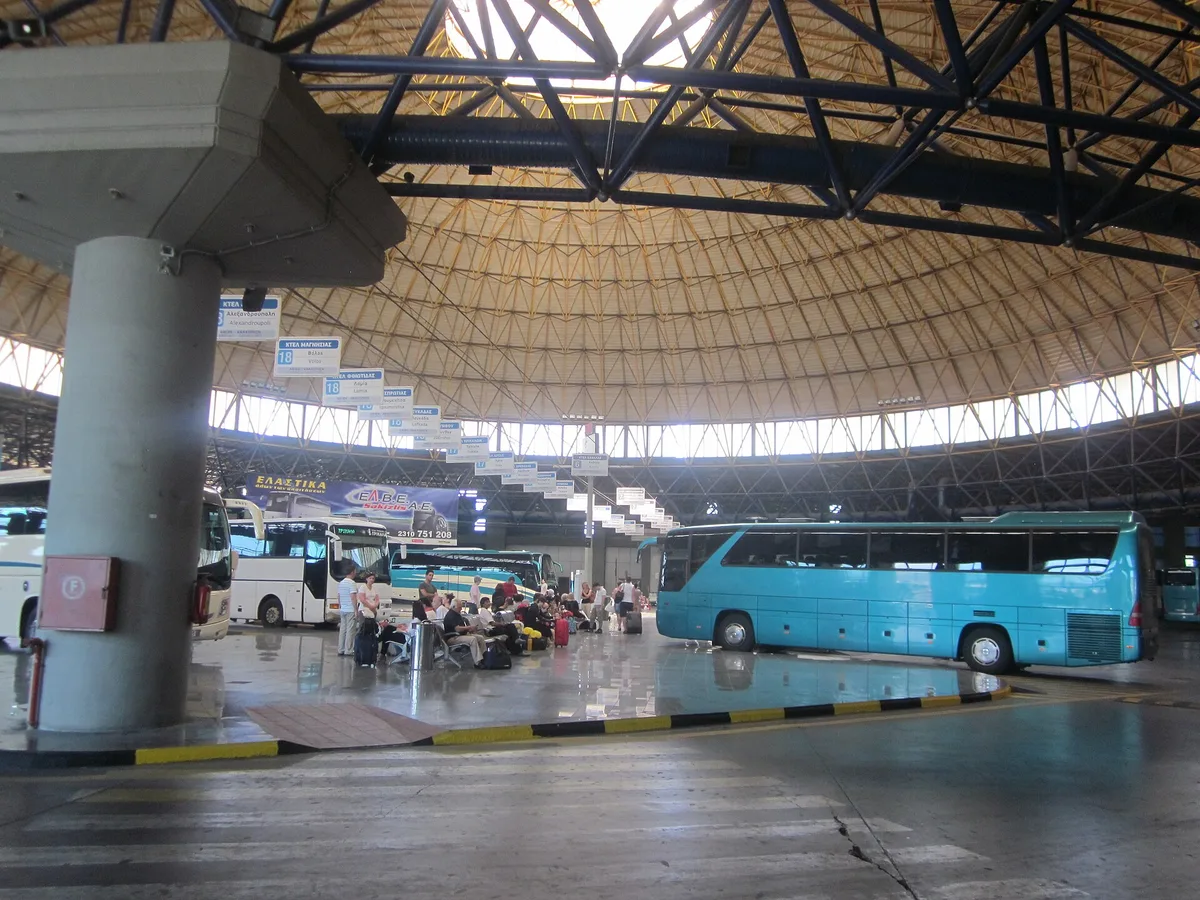
You leave from Belgrade’s main bus station, BAS, which moved in September 2024 to a new terminal out in New Belgrade (Block 42), across the Sava from the old town. It’s modern but no longer a central walk, so build in time to get there. At the far end you arrive at the Macedonia KTEL intercity bus station in Thessaloniki, which is also where the onward buses to Halkidiki and the coast leave from, so it’s a convenient place to land if the beach is your next move.
The road itself runs straight down Corridor 10, the E75 motorway, through Niš about three hours south of Belgrade, where the route to Sofia peels off east. If you fancy breaking the trip, Niš makes a natural half-way stop, and our guide on getting from Belgrade to Niš covers that leg on its own. Past Niš the road drops to the Presevo border and on into North Macedonia toward Skopje.
The two borders: the real variable
Here is the part that catches people out. This route crosses two hard borders, because Serbia and North Macedonia both sit outside the EU and the Schengen zone, and Greece is inside it. So you clear passport control leaving Serbia, entering and then leaving North Macedonia, and finally entering Greece.
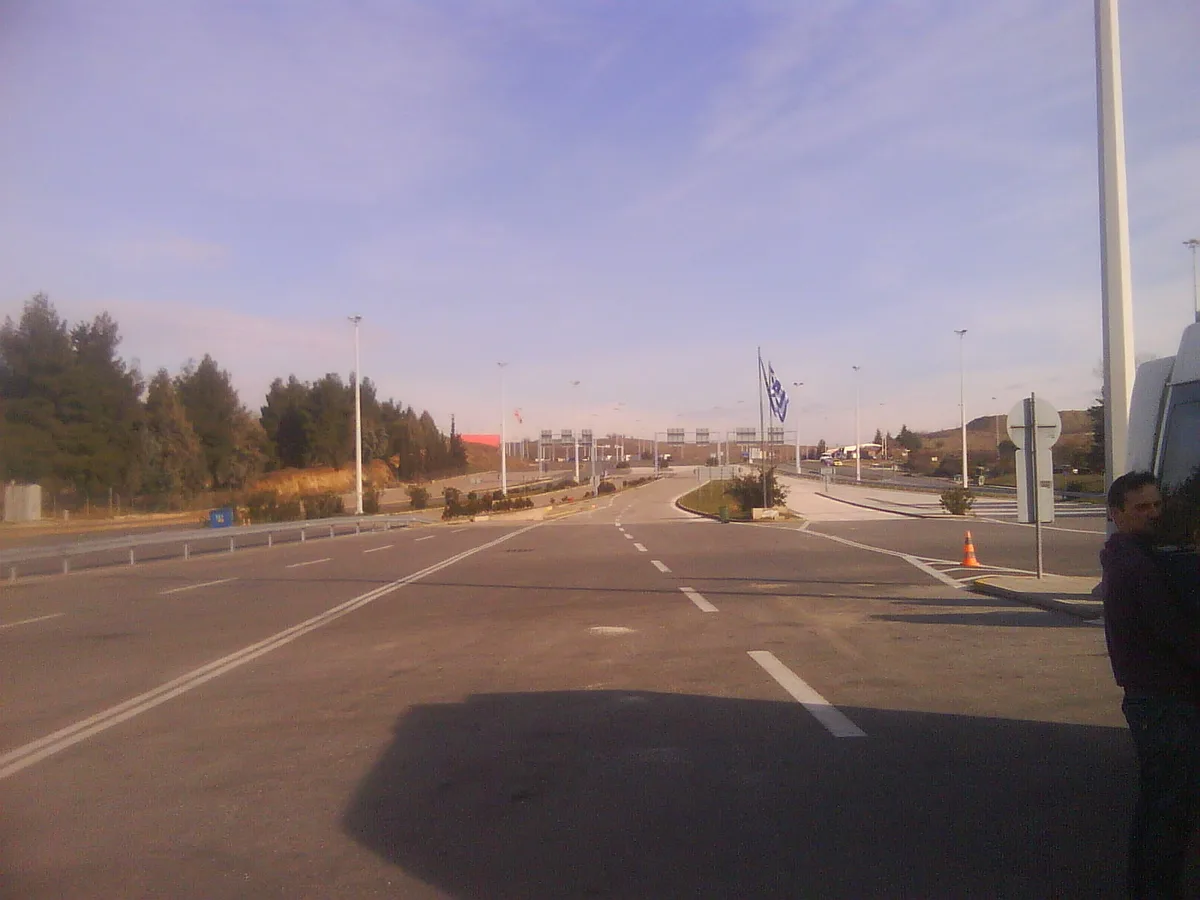
The first crossing is Presevo (Serbia) into Tabanovce (North Macedonia), south of Niš. The second, and the one that bites, is Bogorodica (North Macedonia) into Evzoni (Greece), the main gate toward Thessaloniki. It runs around the clock, but in July and August it also carries the whole region’s beach traffic, and weekend waits commonly run 30 to 90 minutes. Saturday afternoon heading south is the worst slot; a coach that hits Evzoni then can sit for an hour while one that rolls through at three in the morning barely slows down. This is the single best argument for the overnight bus: you tend to hit the borders when they’re quiet.
Keep your passport handy rather than buried in a bag; on the coach everyone is often woken to hand documents to the driver or to file off and back on. And don’t treat the posted or app-reported wait times as gospel in peak season. Treat them as a rough guide and give yourself slack if you’ve anything to catch on arrival.
Why there is no train (and don’t wait for one)
People keep looking for the train because there used to be a good one: a night sleeper from Belgrade all the way to Thessaloniki. That service was trimmed to summer-only and then scrapped in 2019, and according to the railway reference site Seat 61, there are currently no trains from Serbia to Greece at all, nor even from Belgrade to Skopje. The Balkan through-network on this axis has simply fallen apart.
Booking engines will still tempt you with a “train plus bus” combination, but read the small print: the rail portion only runs inside Serbia, usually Belgrade to Niš, and then you’re on a bus anyway, having spent longer for the privilege. Serbia is rebuilding its Belgrade to Niš line to high speed, but that project is staged out toward 2029 and stops at Niš regardless. For getting to Greece, the train is a dead end today. Take the bus and treat the eventual fast line as good news for a future domestic trip, which our piece on how to get to Serbia keeps an eye on.
Flying: the fast, day-saving option
If your time is worth more than the fare, fly. Air Serbia runs a non-stop between Belgrade Nikola Tesla (BEG) and Thessaloniki (SKG), around nine or ten times a week in summer, and the flight is about 90 minutes in the air. Off-peak you can sometimes find a one-way from around 50 to 60 euros, which undercuts a day on a coach for the same money; in the thick of summer, fares climb and the maths shifts back toward the bus.
The honest trade-off is the usual one. A flight saves you the better part of a day and both border queues, but you add airport time at each end, and Thessaloniki’s airport still leaves you a taxi or bus ride from the centre. For a short break where every hour counts, it’s the smart pick. For a family lugging a fortnight of beach gear on a budget, the coach usually wins. Compare the actual dates before deciding, because on this route the season swings the answer hard.
Driving: only if you are beach-hopping
Behind the wheel it’s about 622 km and a shade over six hours of actual driving down the E75, before you add the two border stops. A car earns its keep here only if the coast is the real trip: with your own wheels you can chase a different Halkidiki cove each day, which no bus timetable will let you do.
Two practical notes. First, tolls. Serbia has no motorway vignette, so you take a ticket and pay at a booth on the way out; the live Belgrade-Preševo rate, Batrovci entry and Preševo exit are in driving Serbia to Greece, and the shorter Belgrade-Niš leg is in our Niš guide. North Macedonia charges per section on its A1, and Greece has its own motorway tolls into Thessaloniki. Budget for all three plus fuel rather than expecting one flat charge. Second, if you’re renting, confirm the contract allows you to cross from Serbia into North Macedonia and Greece, and that the insurance Green Card covers all three, since not every hire company permits it. A sensible way to break the drive is a night in Skopje, halfway down; the sister guide to things to do in Skopje is worth a look, and if you only want the Skopje leg on its own, see our Belgrade to Skopje rundown.
Thessaloniki is a gateway, not the end
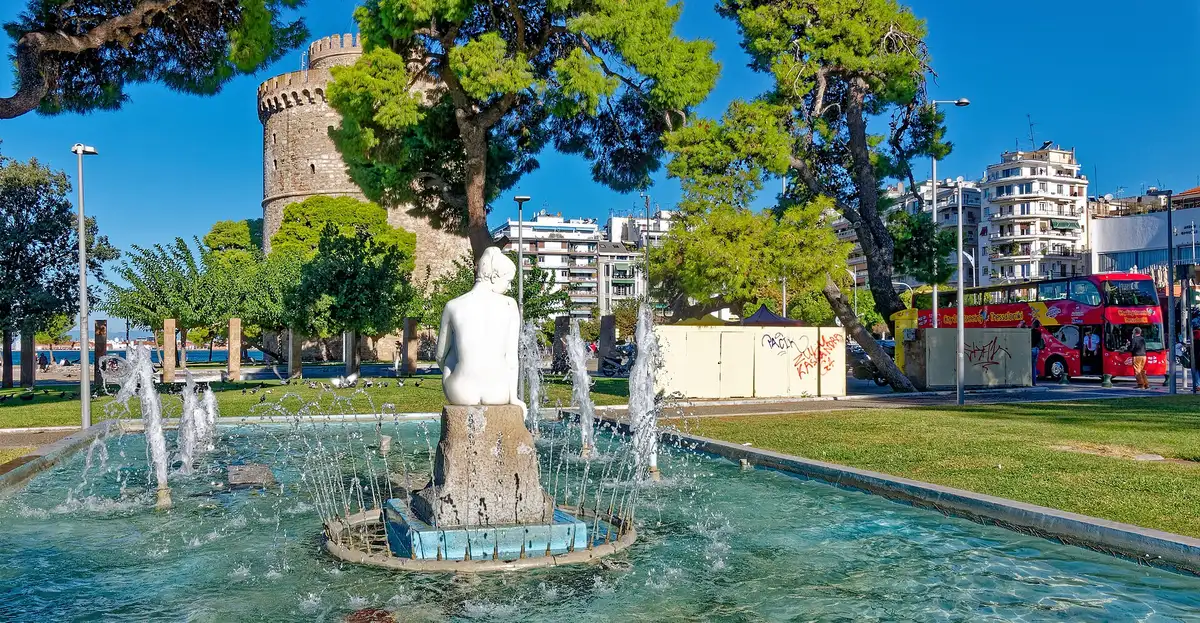
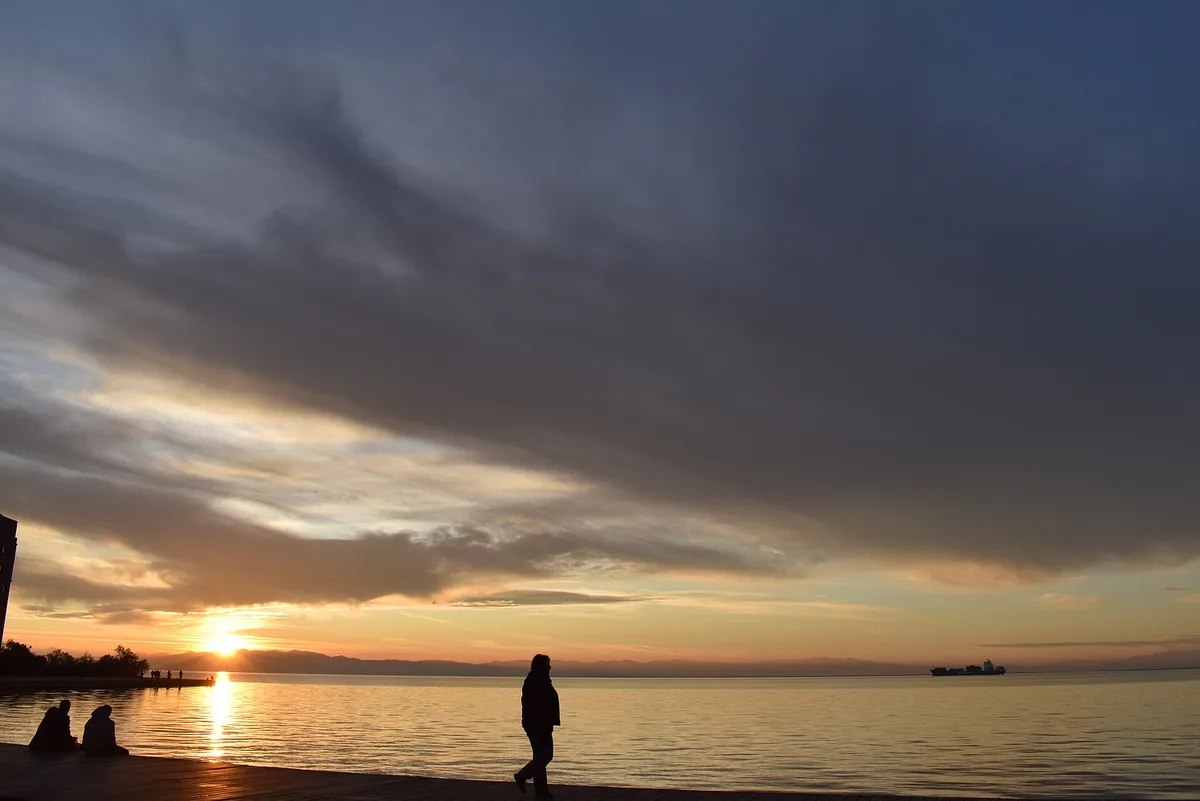
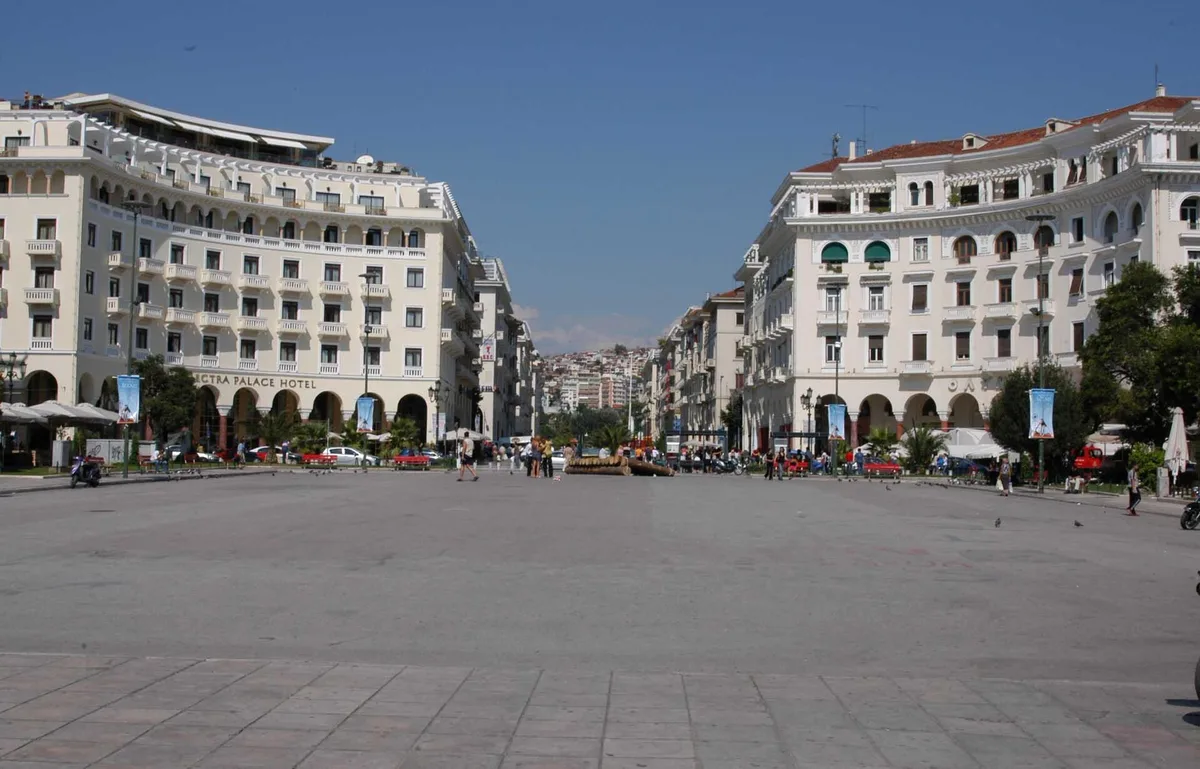
Do give the city a day if you can. Thessaloniki has a long waterfront to walk, the White Tower on the seafront, the grand sweep of Aristotelous Square, and the tavernas of Ladadika a short stroll inland. It’s Greece’s easygoing second city, and after a night on a coach a slow afternoon by the Thermaic Gulf with a plate of grilled fish is no bad way to arrive.
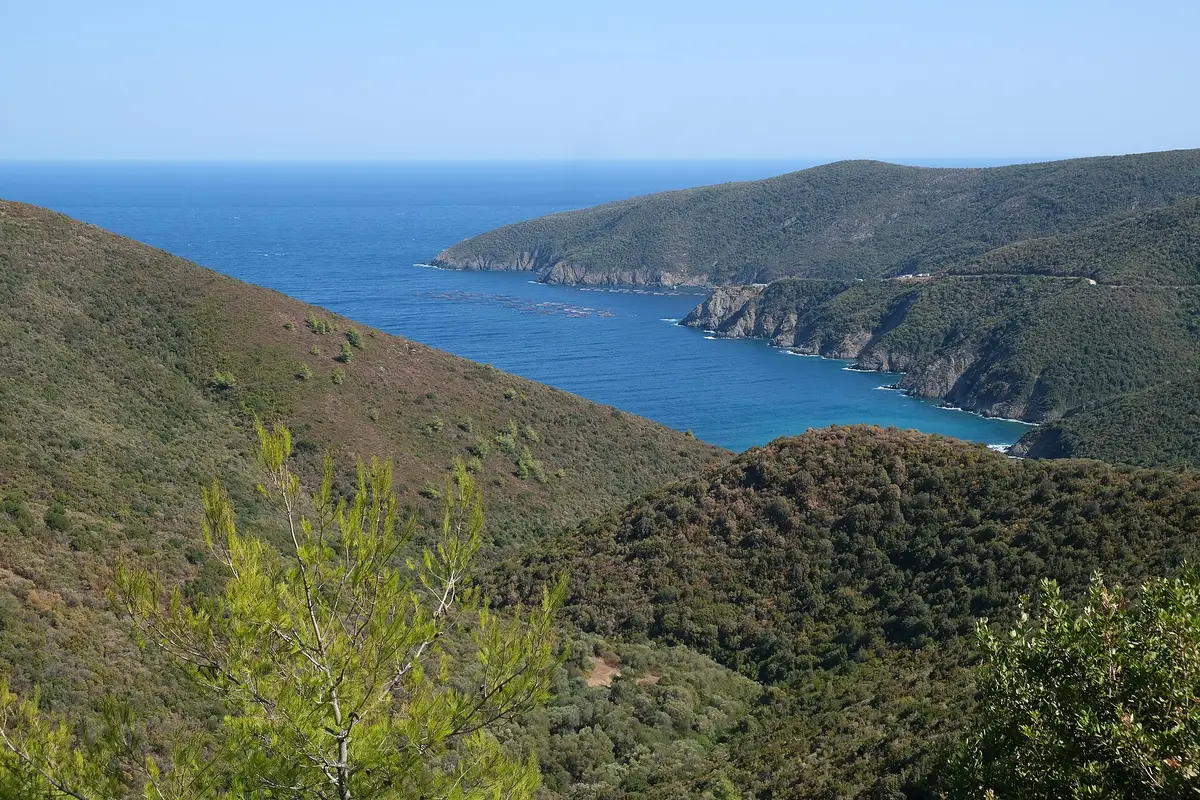
But most people are heading further, to the beaches of Halkidiki, the three-fingered peninsula an hour or so beyond the city. Kassandra is the busier, livelier finger; Sithonia is quieter, greener and the one with the postcard turquoise coves. Buses to both leave from the same Macedonia KTEL station where the Belgrade coach drops you, so in theory you can chain it all by public transport. In practice, with a couple of suitcases, small children and a specific resort to reach, a pre-booked door-to-door transfer from Thessaloniki out to your hotel takes the pain out of the last leg.
So how should you travel?
Book the overnight coach for the cheap, dependable option and you’re happy to sleep through the borders; it’s the choice that fits most summer trips. Fly if your dates are tight or you catch a cheap off-peak fare, and accept the airport faff for the time you claw back. Drive only if Halkidiki and the coast are the whole point and you want the freedom to roam once you’re there. Heading further east to Turkey instead of the Aegean? Belgrade to Istanbul covers the long coach and the BEG-IST flights. Whatever you pick, plan around the borders rather than the map distance, keep your documents to hand, and remember the train is history on this line. Get that right and the Aegean is closer than it looks.
Photos
On the map
The map loads on click - to keep the page lightweight.
The map didn’t load. Check your connection and refresh the page.
Read also

Transport · 11 min read
Novi Sad to Budapest: Train, Bus & Driving
Verified · September 1, 2026From Novi Sad to Budapest in 2026: FlixBus in 4h45 from EUR 20, drive about 300 km, or Soko train to Subotica then Hungary.

Transport · 10 min read
Belgrade to Istanbul: Bus, Flights & Long Way
Verified · August 26, 2026Belgrade to Istanbul in 2026: coach about 15.5h from €45, flights about 1h45 BEG-IST, no through train. Times, borders and the Sofia relay.

Transport · 11 min read
Belgrade Airport to Novi Sad: Transfer, Bus, Train
Verified · August 23, 2026No direct bus BEG to Novi Sad: a transfer or shared shuttle covers about 90 km in 70 minutes, or take the free airport bus plus the Soko train.

Transport · 12 min read
Belgrade to Kopaonik: Transfers, Bus & Driving
Verified · July 27, 2026Belgrade to Kopaonik is 265-300 km and about 4 hours, 5 in winter. Coach fares, transfer and taxi prices, the two mountain approaches, winter tyre rules.