
What to Eat in Serbia: A Food Guide
How eating in Serbia actually works: the roštilj grill, the kafana, north vs south, what to order and what to drink, from ćevapi to rakija and Jelen.
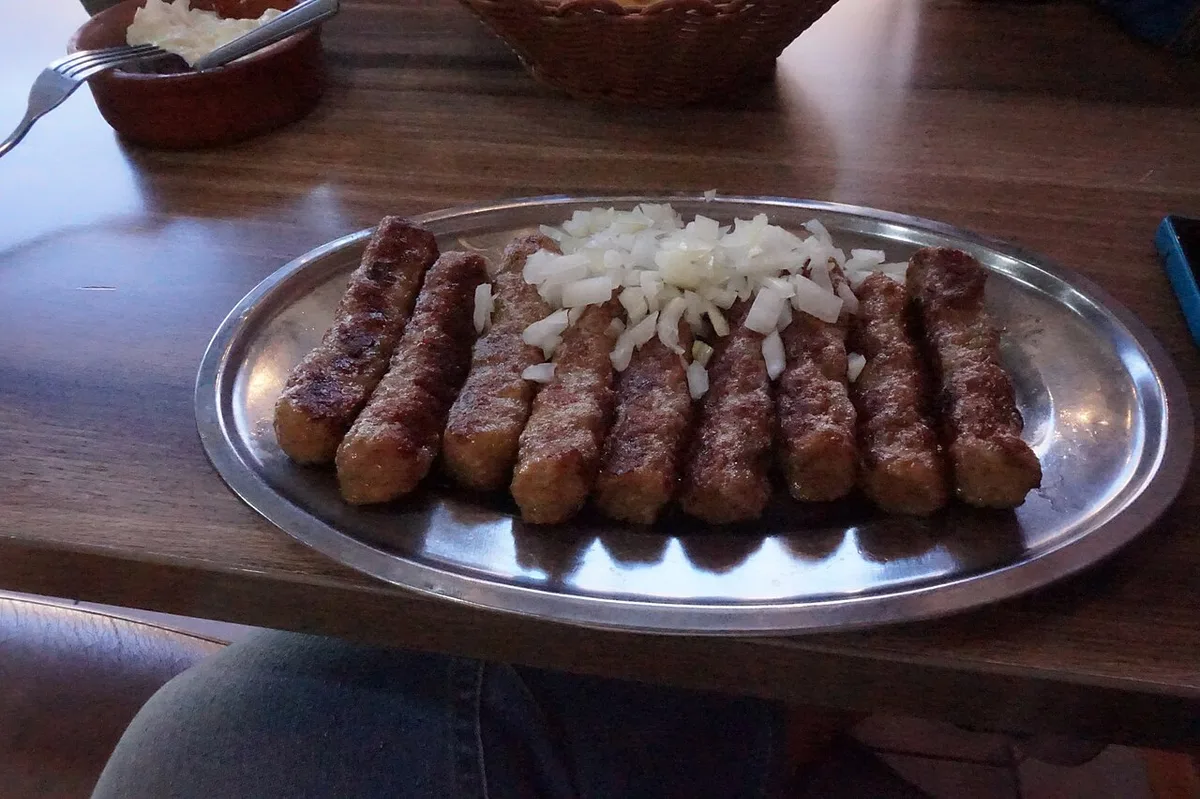
Eating in Serbia isn’t complicated, but it helps to know how it works before you order. The short version: this is a meat-and-grill country built around the roštilj (the barbecue) and the kafana (the old tavern), the food is generous and very cheap by Western standards, and the single best strategy is to walk toward the smell of coals and away from anything with a laminated tourist menu. Get that right and Serbia feeds you extremely well for very little money.
This guide is less a checklist of dishes than a map of how the food fits together: where it comes from, where to eat it, and what to drink alongside. If you want the granular list, we have a separate run-through of the Serbian dishes worth ordering, name by name. Here the aim is to make sense of the whole table. For Belgrade specifically, the kafanas and bakeries we vouch for are on where to eat in Belgrade.
The grill is the centre of everything
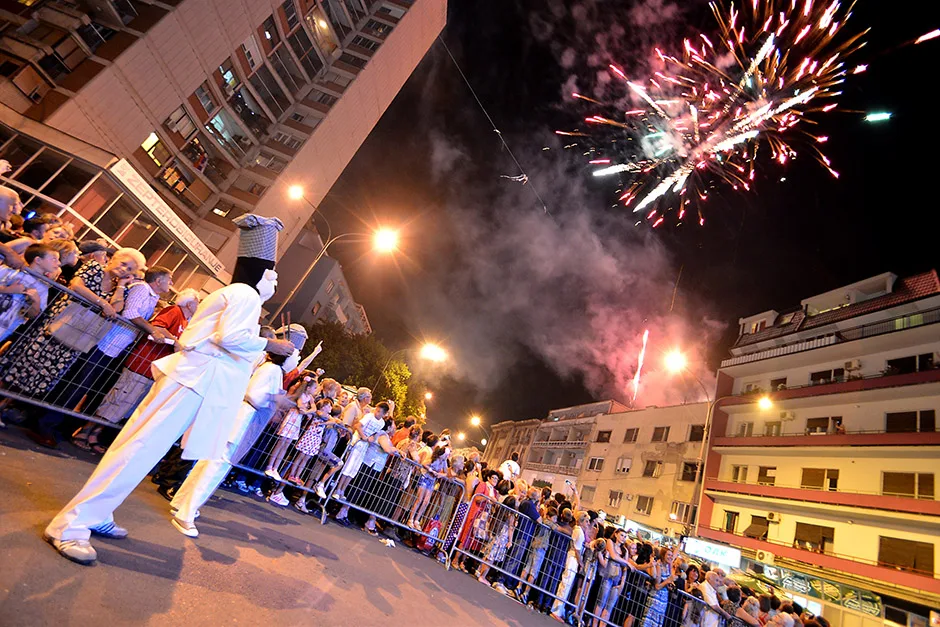
Start with the roštilj, because grilled meat is the heart of Serbian cooking and the primary main course almost everywhere you go. The technique arrived with the Ottomans and the Balkans made it their own, and nowhere takes it more seriously than the southern town of Leskovac, widely regarded as the country’s grill capital. Leskovac is so proud of it that the town holds an annual grill festival, the Roštiljijada, that fills the streets with smoke every autumn - grilling here is close to a civic sport.
What comes off that grill is the food you’ll eat most. Ćevapi are little skinless fingers of minced meat, served in a soft lepinja flatbread with raw onion and a spoon of ajvar. Pljeskavica is the same meat pressed into one big patty, the so-called Serbian burger. Beyond those you will meet grilled sausages, vešalica (a thin pork steak), uštipci and skewered meat. The move that saves you from having to choose is the mešano meso, the mixed grill: a board of ćevapi, a pljeskavica, a cutlet and sausages, meant to be shared and impossible to finish. Order one for the table and you’ve covered most of the roštilj in a single go.
One genuinely useful thing to know: the best pork isn’t evenly spread across the country. Local wisdom points to the area around Gornji Milanovac and Mrčajevci in the Šumadija hills for pork, and to the Raška region and eastern Serbia for lamb. You do not need to chase these places, but if you’re already passing through and see a roadside grill busy with locals, that’s the one to stop at.
The kafana: where you actually eat it
The room that matters is the kafana. It grew out of the Ottoman coffee-house and became the Serbian tavern: a slightly smoky place that trades in grilled meat, cold spreads, rakija and, on a good night, live folk music. A kafana is unhurried by design. You sit, you graze across small plates, you drink, and a couple of hours disappear without anyone rushing you toward the bill. This isn’t a formality to observe so much as the whole point of the meal.
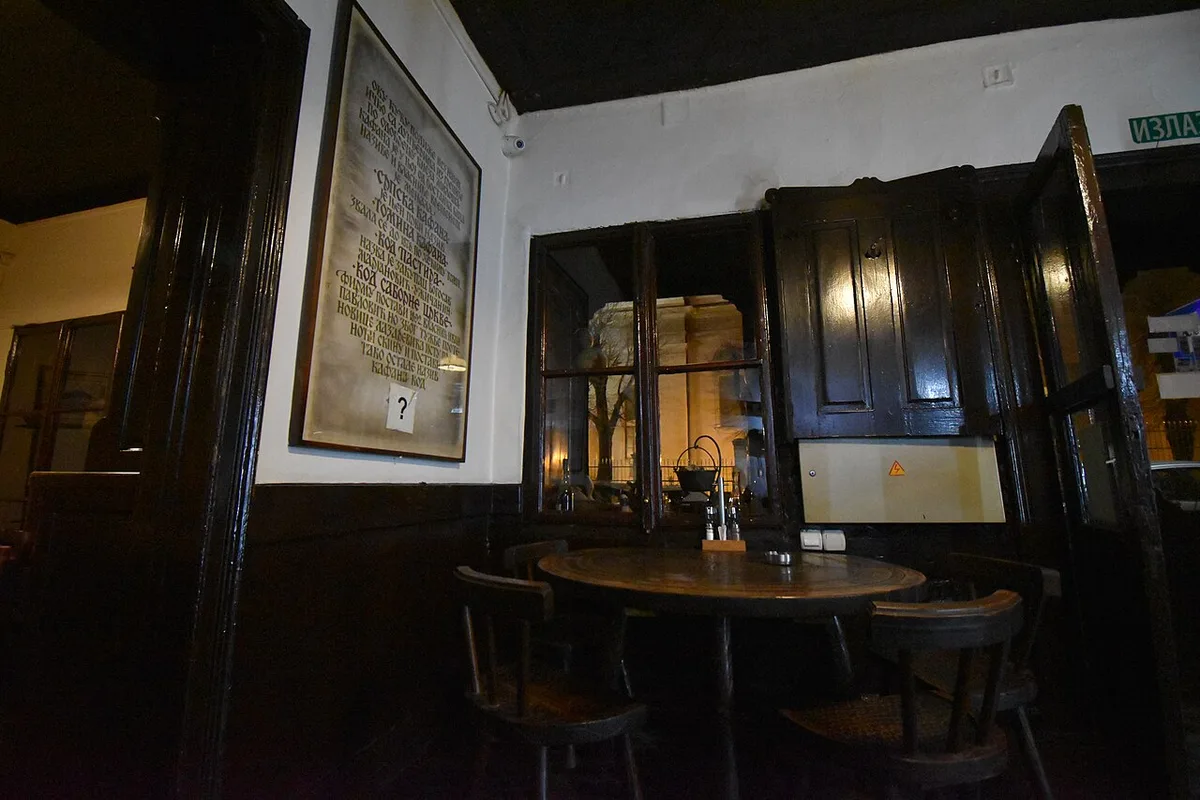
The practical habit that follows from this: order less than you think, then add more. A Serbian table is built for grazing, not for one big plate, and the mistake visitors make is filling up on the first thing that arrives. Start with a few spreads and some bread, see how hungry you still are, and send for the grill after. Belgrade is the easy place to learn the rhythm - our guide to things to do in Belgrade points you at the districts where the old kafanas cluster, and the nightlife guide covers where the grill and the late night meet, since a plate off the roštilj is how most Serbian nights out actually end.
The one dish to plan around
If there’s a single showpiece dish, it’s karađorđeva šnicla. A slab of veal or pork is beaten flat, spread thick with kajmak, rolled up, breaded and deep-fried, then served with tartar sauce and lemon. Cut it open and the melted cream runs out, which earned it the nickname “a girl’s dream.” It’s enormous and rich enough to defeat most people, so come hungry and consider sharing.
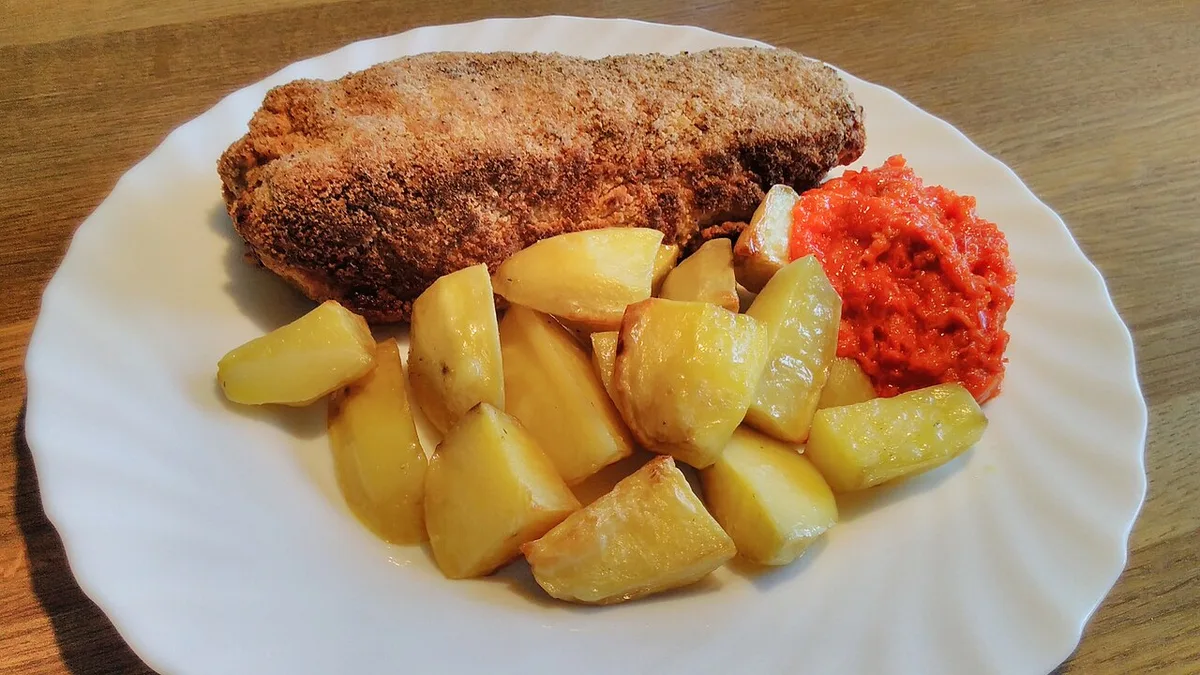
It’s also more recent than it looks. The story most Serbs tell is that a chef named Mića Stojanović improvised it in the mid-1950s at a Belgrade restaurant, when an order for chicken Kiev arrived and he had neither the chicken nor the butter, so he reached for veal and kajmak instead. He later cooked for Tito, and the dish took the name of Karađorđe, the leader of the first Serbian uprising. The exact year is disputed, so take the date loosely, but the improvised-Kiev origin is the version everyone repeats.
The spreads you put on everything
Two cold things anchor almost every Serbian meal, and both are worth understanding. Ajvar is a relish of roasted red peppers, cooked down with garlic and oil until thick and smoky, sold mild (blagi) or hot (ljuti); families make it in autumn when peppers are cheap and jar enough to last the winter. Kajmak is a soft, slightly sour dairy cream, somewhere between clotted cream and a young cheese, that lands on bread, on grilled meat and inside karađorđeva. You’ll also run into urnebes, a fiery spread of crumbled white cheese, garlic and hot red pepper that’s strongest in the south around Niš.
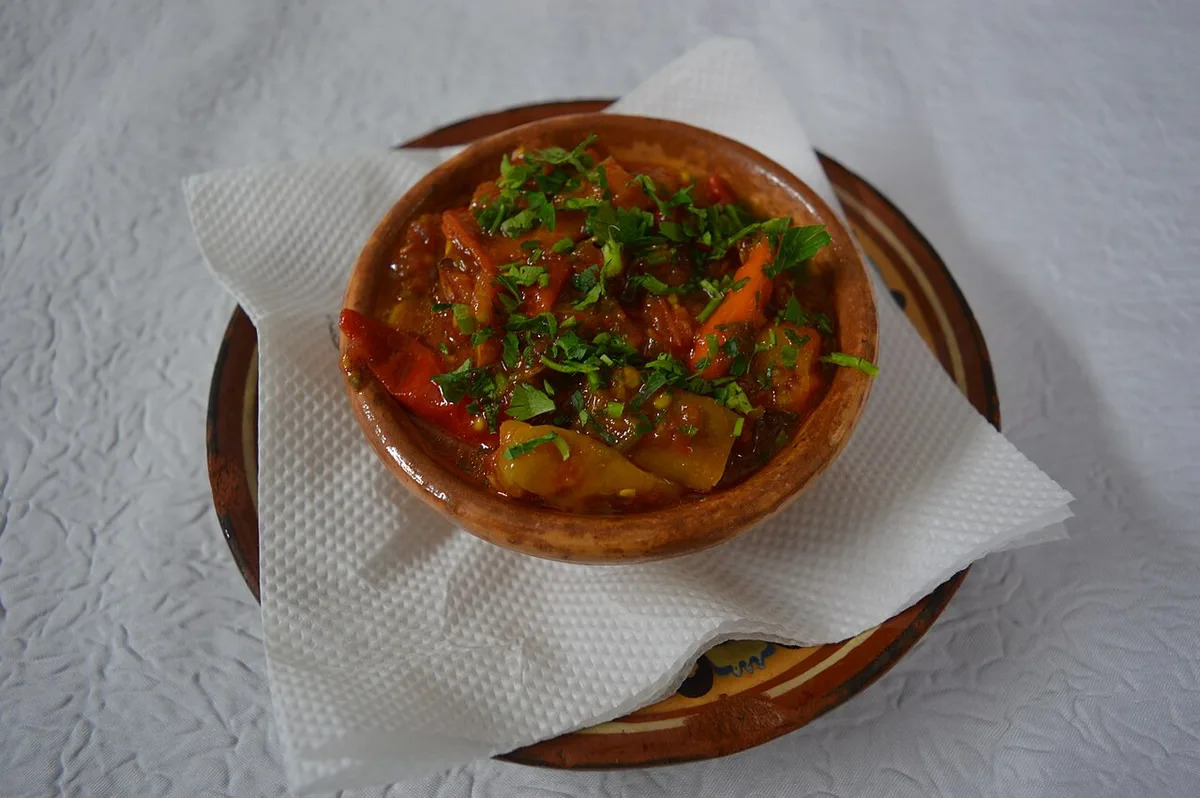
These spreads are also where vegetarians find their footing. Serbia is a hard country to eat meat-free in, but the pepper relishes, the white cheeses, the cheese pies and the bean pot carry you a long way. Speaking of which. For the word that actually works in a kafana, and for the rooms that skipped the grill, see vegetarian and vegan food in Serbia.
The slow pot: beans, cabbage and the Sunday table
Not everything comes off the grill, and the slow-cooked dishes are where home cooking lives. Sarma - soured cabbage leaves wrapped around minced meat and rice, stewed with smoked meat until soft and tangy - is the winter and celebration dish, and most cooks swear it tastes better reheated the next day. Beans get taken seriously too: prebranac is baked white beans layered with a lot of sweet onion, often made without meat, and it turns up especially on the slava, the Orthodox patron-saint feast that’s the most distinctive meal in Serbian life.
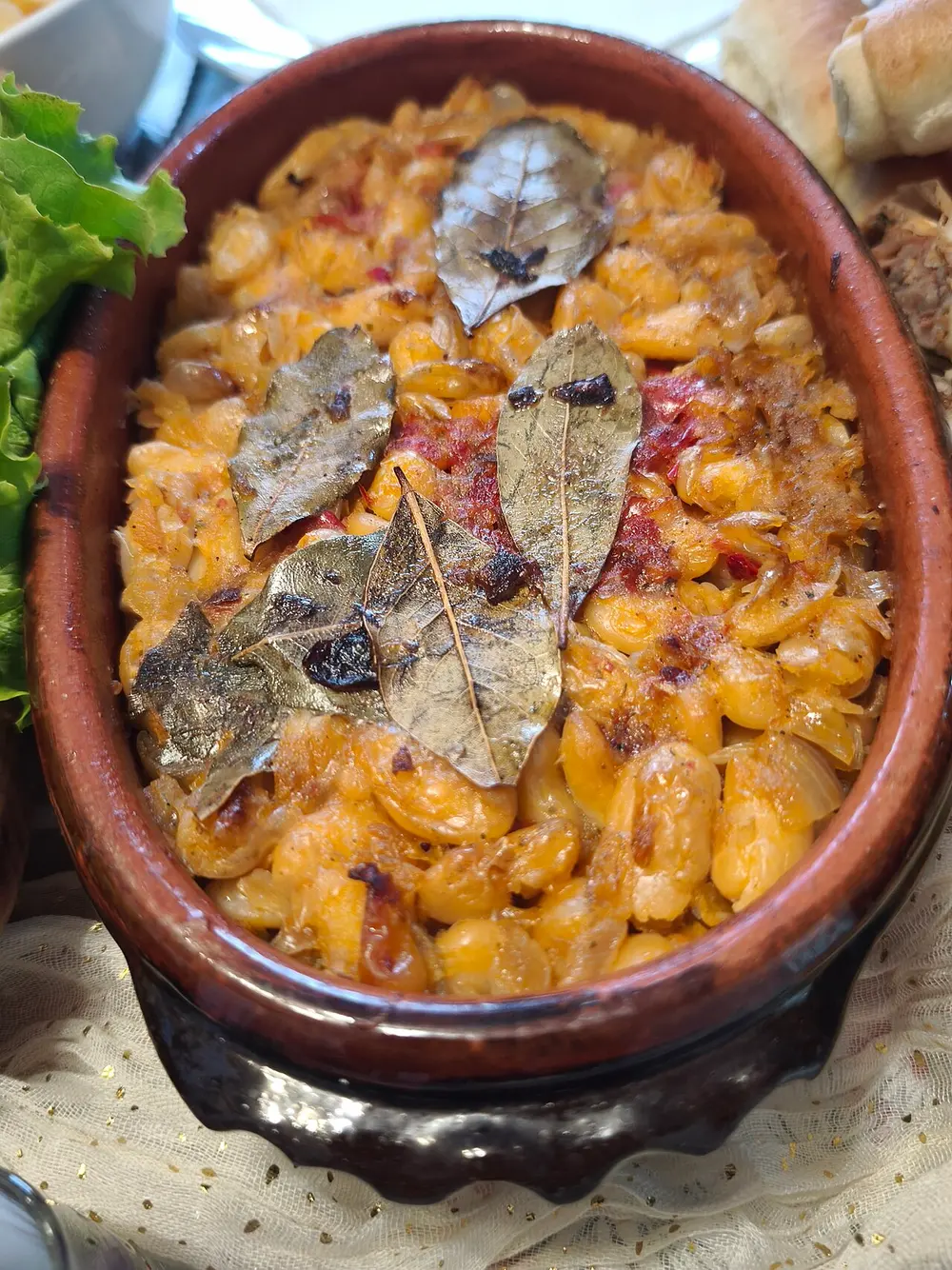
If you’re ever invited to a slava, go. It is a long day of enormous food and open hospitality, and it’ll teach you more about how Serbs eat than any restaurant can. The one etiquette note: you may be handed a spoonful of sweetened boiled wheat (koljivo) on the way in - take it, it’s a small, serious gesture of welcome.
Breakfast belongs to the bakery
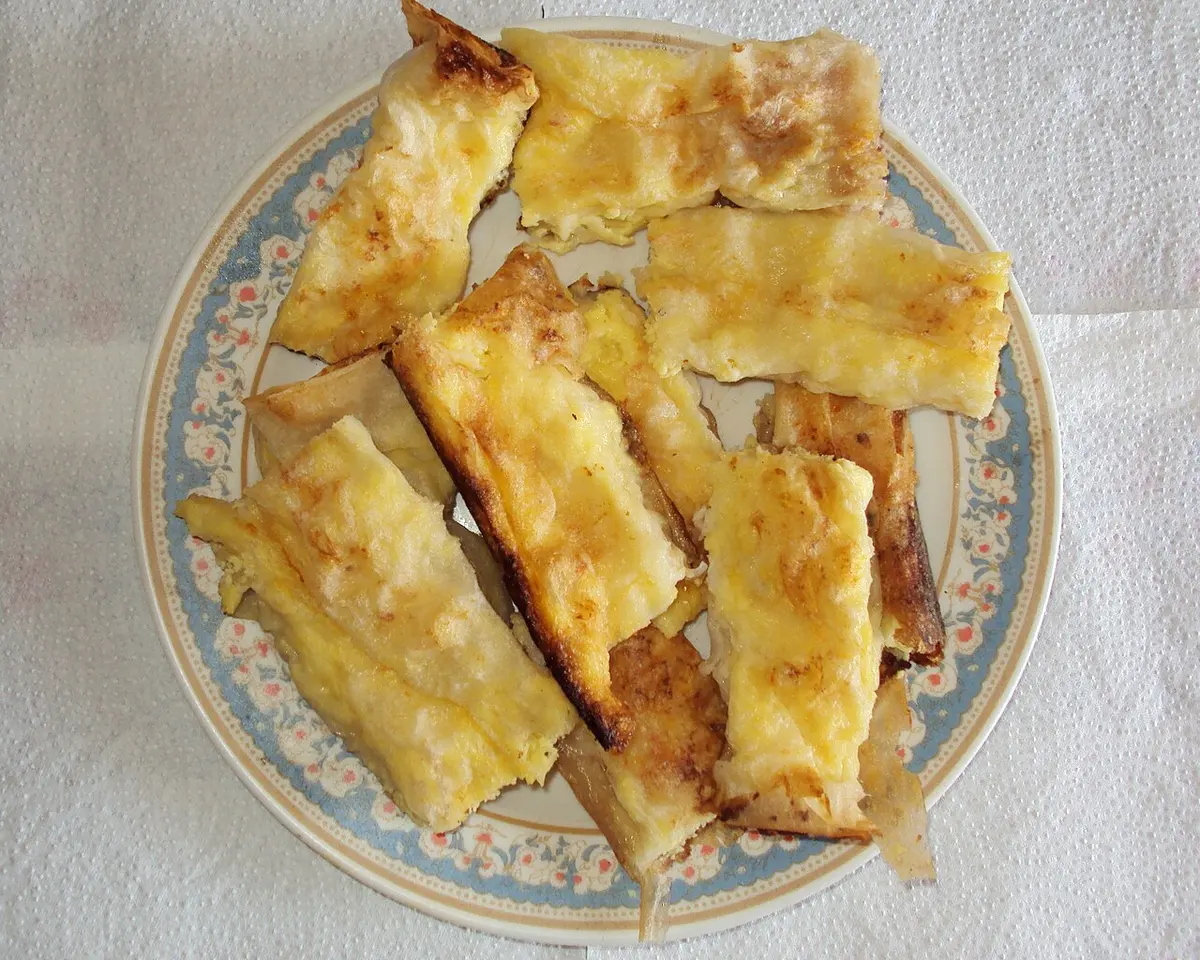
Serbian breakfast is early, hearty and built on carbohydrates, and it mostly happens at the pekara, the bakery. The thing to buy is burek, filo pastry coiled around minced meat or cheese and baked until the top shatters, traditionally washed down with a drinkable yogurt - one wedge is a meal. The one to sit down for is gibanica, a pie of filo layers bound with eggs and salty white cheese, considered something of a national dish and eaten at breakfast and every celebration alike.
North and south taste different
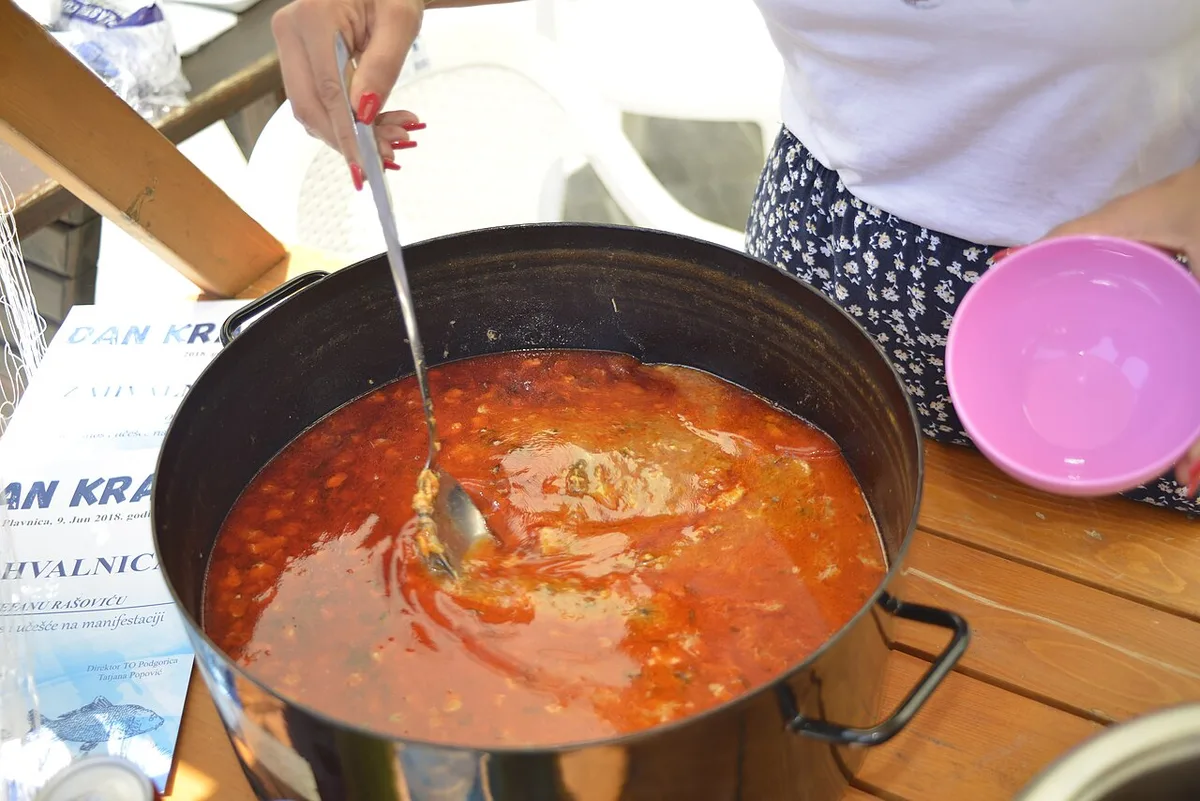
Serbia isn’t one kitchen, and the split is worth knowing. The flat north, Vojvodina, spent centuries under Austro-Hungarian rule, and it shows on the plate: more Central European baking, noodles and dumplings, and along the Danube a tradition of freshwater fish. The signature there is riblja čorba, a fiery paprika-red fish soup made from river catch, thin and hot and the sort of thing fishermen argue over. If you’re heading up to Novi Sad and the Vojvodina plain, this is the regional dish to seek out by the water.
The centre and south lean the other way, toward the Ottoman-influenced grill and a heavier hand with paprika and chili. This is where the fieriest spreads and the most serious roštilj live, and it’s easiest to taste around Niš - our guide to Niš is a good pairing if you’re going that way for the grill and the southern heat.
What to drink
Rakija, the fruit brandy, is the national institution and the drink you will be offered first, usually before you’ve taken your coat off. The classic is šljivovica, distilled from plums, and it’s meant to be sipped slowly from a small glass rather than thrown back like a shot. There’s far more to it than fits here, so for the fruits, the copper still and the hospitality rituals, see our full guide to rakija, Serbia’s national drink.
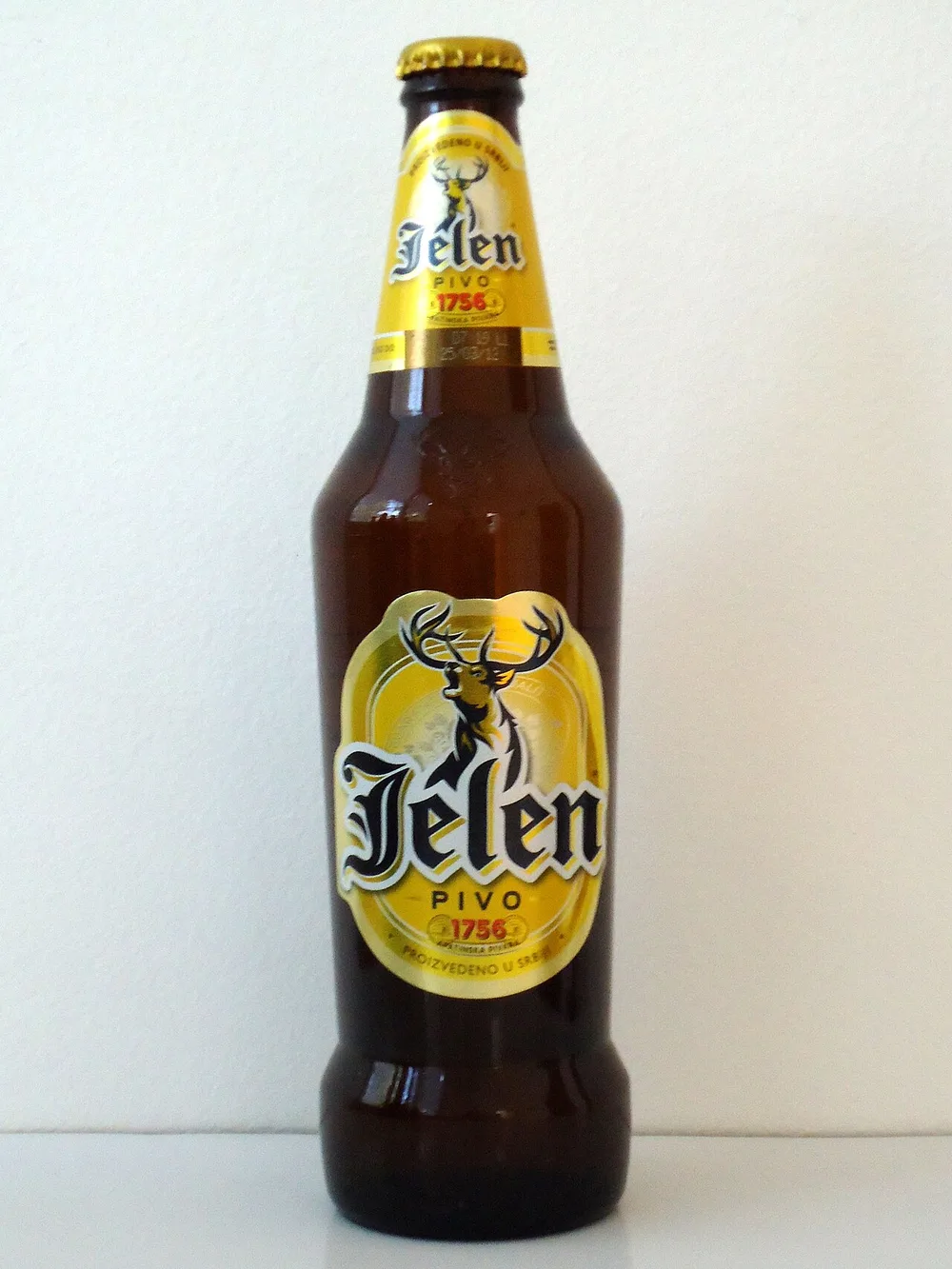
For something long and cold, beer has quietly become the everyday drink, even overtaking rakija and wine in popularity. The one you’ll see most is Jelen, a pale lager with a deer on the label, brewed at Apatin in the north by the country’s biggest brewery; the main rival is Lav, a touch crisper and hoppier. Wine is the underrated option and improving fast: look for Prokupac, the oldest native Serbian red grape - it has been grown here since at least the 14th century, it shrugs off frost, and it has become the country’s signature bottle, at its best in the Župa region. Order a glass and you’re drinking something you’ll not easily find at home.
Eating well, cheaply
A last word on money and habits. Serbia is genuinely inexpensive by Western European standards, but inflation moves the numbers and menus change, so treat any figure you read online as a rough steer and check the current price on the spot. Coffee is Turkish-style and slow, meant to be lingered over. Many small grills and bakeries still lean cash-first, so keep some dinars on you. And the golden rule holds everywhere: skip the international chains, follow the smell of the coals, and if a local offers to order for the table or pick the rakija, say yes.
Photos
Read also

Food · 10 min read
Craft Beer in Belgrade: Bars and Breweries
Verified · August 27, 2026Where to drink craft beer in Belgrade: Dogma and Salto taprooms, Samo Pivo and Liga Pub, what a pint costs in RSD, and how it fits the Jelen lager default.

Food · 11 min read
Fruska Gora Wine Tour: Prices and Booking
Verified · August 18, 2026Karlovci lists 20 cellars, 15 with tasting. Mrdjanin posts 1,000-4,500 RSD. Book ahead, and do not drive after.

Food · 10 min read
Vegetarian and Vegan Food in Serbia
Verified · August 17, 2026How to eat vegetarian in Serbia: the word posno, which dishes are already meat-free, where lard hides, and where to go in Belgrade and Novi Sad.

Food · 11 min read
Serbian Wine: Regions, Grapes and Where to Taste
Verified · August 16, 2026Serbia's wine map: Prokupac, Tamjanika and Bermet, which regions to visit, and how to taste without driving.