
Belgrade or Bucharest: Which to Visit?
Belgrade or Bucharest for a city break? Belgrade for river nightlife and value, Bucharest for the bigger city and grand architecture. An honest pick.
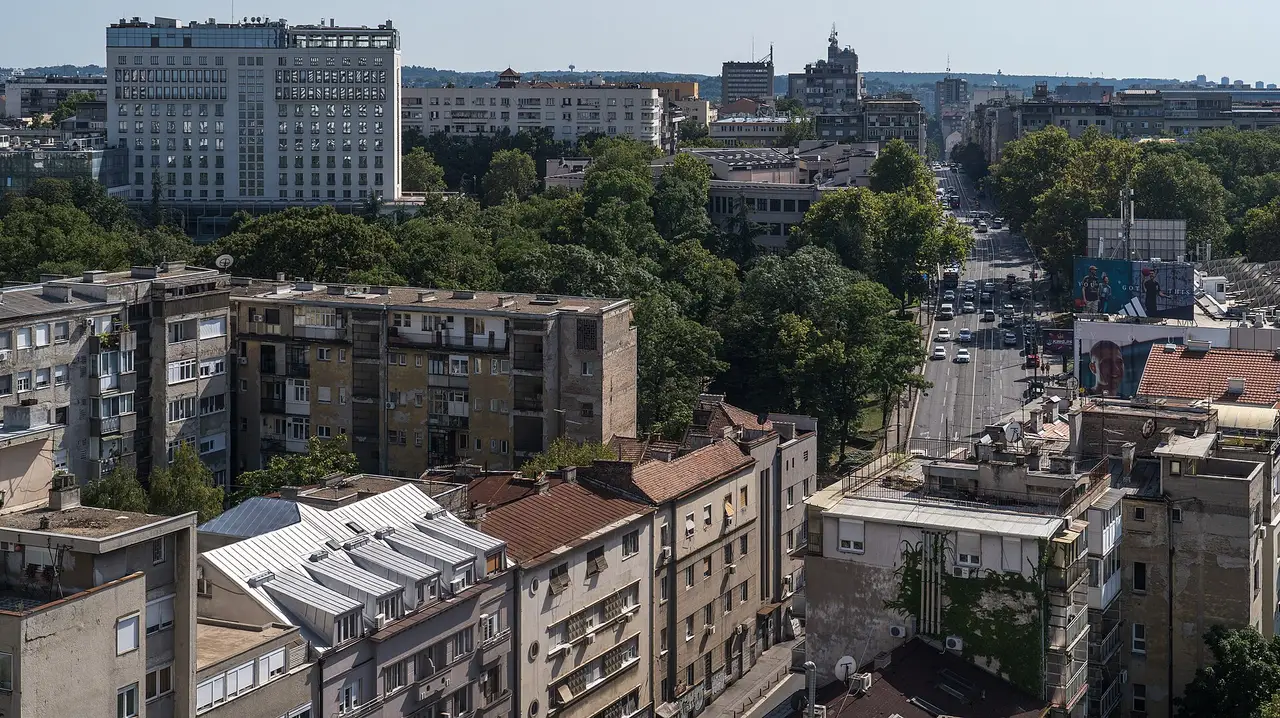
Short answer: pick Belgrade for river nightlife, a scruffy-charming capital and rock-bottom prices, and Bucharest for a bigger, grander city with palace-scale sights and Belle Epoque boulevards. They’re two of the cheapest, most underrated capitals in Europe, an hour apart by plane, and genuinely different in feel. If you can only do one, the deciding question is whether you want energy and edge (Belgrade) or scale and contrast (Bucharest).
The quick verdict
- Nightlife and summer river energy: Belgrade.
- A bigger city with more to see: Bucharest.
- Cheapest of the two: close, but Belgrade usually edges it.
- Grand architecture and one of the heaviest buildings on earth: Bucharest and its Palace of the Parliament.
- First-timer who wants somewhere friendly and walkable: Belgrade.
- Doing both: yes, but fly or route through Timisoara - the direct overland link is slow.
The basics, side by side
Bucharest is the bigger city. Romania’s capital is home to roughly 1.8 million people in the city and over 2 million in its wider area, against Belgrade’s 1.4 million or so, and you feel the difference on the ground: Bucharest sprawls, with wide communist-era boulevards, huge parks and a downtown that takes longer to cross. Belgrade is more compact and hillier, wrapped around the point where the Sava meets the Danube, and you can walk most of the centre in a day.
One practical thing catches people out: neither city uses the euro. Serbia runs on the dinar (RSD) and Romania on the leu (RON), so you’ll be juggling a second unfamiliar currency and, ideally, a card with no conversion fees. If you’re hopping between them, don’t change leftover dinar into euro and back into lei - just lean on card payments, which both cities take almost everywhere.
The two also feel culturally distinct in a way that surprises people who file them both under “Balkans.” Belgrade is Slavic and Orthodox, with signs in both Cyrillic and Latin script. Bucharest speaks a Romance language that sounds oddly like Italian with Slavic seasoning, and the city styled itself “Little Paris” a century ago. You’re not visiting two versions of the same place.
Can you do both, and how do you get between them?
Here’s the honest surprise: for two capitals only about 450 kilometres apart as the crow flies, they’re awkward to connect overland. There’s no useful direct train - the rail options detour for the best part of a day - and buses are a slog too, typically around 13 hours and often routed down through Sofia. The sane way to pair them is to fly: Air Serbia and Tarom run the short hop between Belgrade’s Nikola Tesla airport and Bucharest Otopeni, roughly an hour in the air, usually a couple of times a day.
If you would rather stay on the ground, the smart move is to break the trip. Timisoara, Romania’s handsome western city, is only about 150 kilometres from Belgrade and has a direct bus most days, so you can do Belgrade, then Timisoara, then push on east to Bucharest by Romanian train. Our guide to Belgrade to Timisoara covers that leg, including the Schengen border you now cross going into Romania. The same “route via Sofia” logic is why our Belgrade to Sofia transport guide is worth a look if you’re building a longer Balkan loop - and if you’re choosing between capitals as city breaks rather than just linking them, see Belgrade or Sofia and Belgrade or Budapest.
There’s one more thing worth weighing before you book: the airports. Bucharest’s Otopeni is a far bigger, busier hub than Belgrade’s Nikola Tesla, with a much deeper bench of budget routes across Europe, so from many Western cities it’s simply cheaper and easier to fly into Bucharest. If your flights are the biggest line in the budget, price both ends before you commit to an order - it can quietly decide which city you start in.
What Belgrade does best
Belgrade’s reputation rests on nightlife, and it earns it. In summer the action moves onto the rivers, to the splavovi - floating clubs and bars moored along the Sava and Danube that run from roughly May to September and go until dawn. In winter it shifts to warehouse parties and basement clubs, and the techno scene is the real thing rather than a tourist show. Even if you’re not a clubber, an evening drifting between river bars is one of those experiences that sticks.
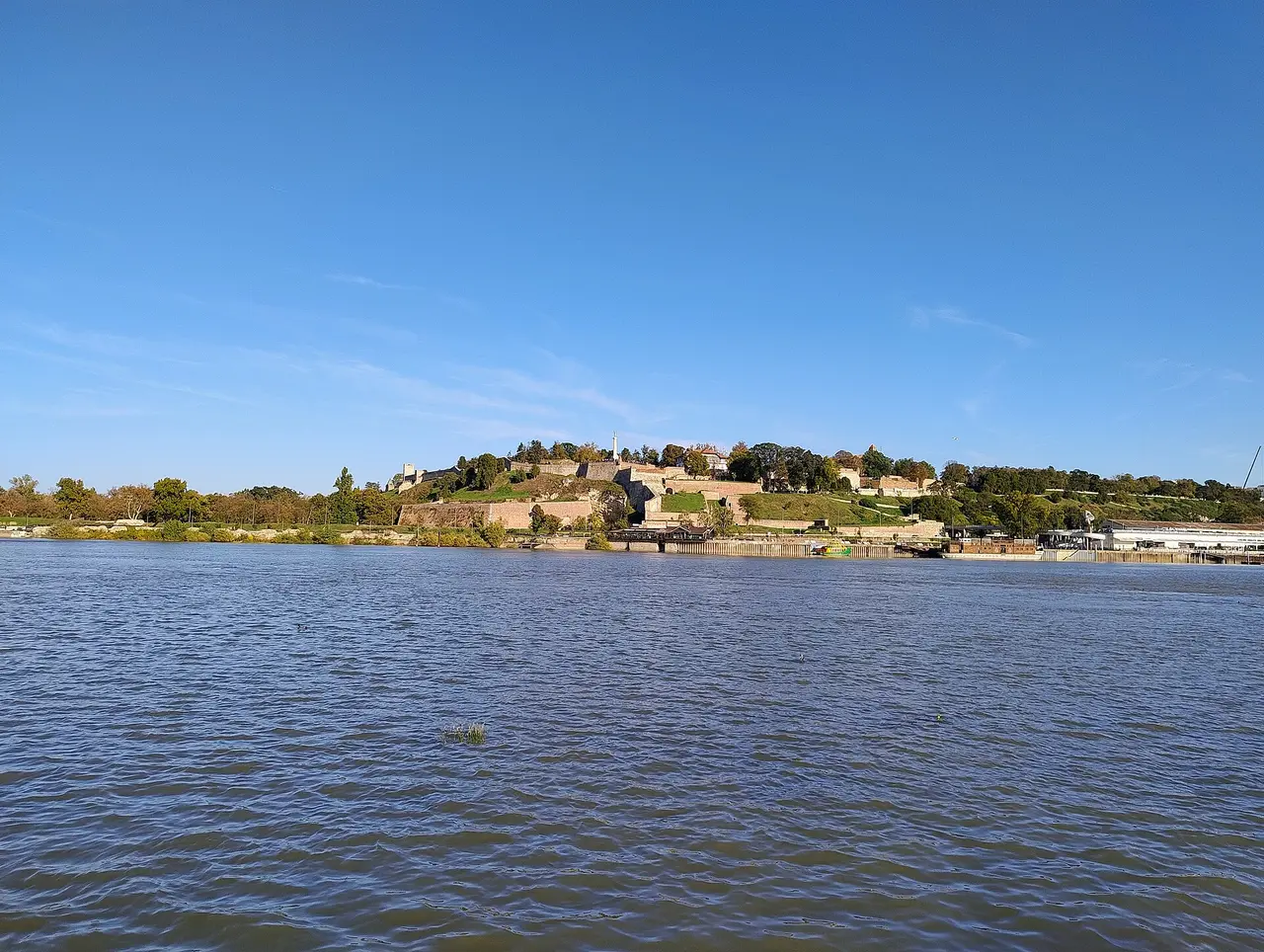
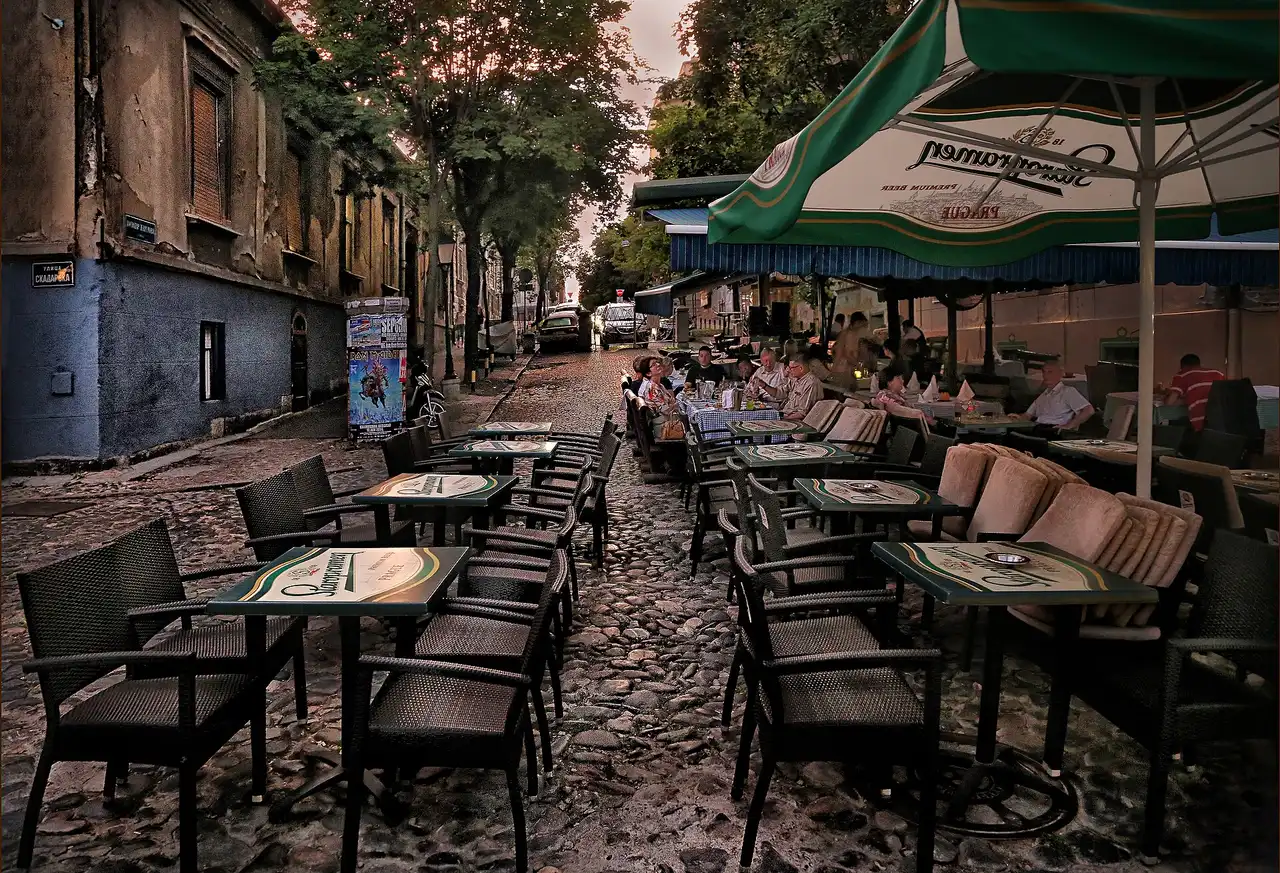
The city also drinks and eats brilliantly for the money, and it does casual, all-night sociability better than almost anywhere. Add the leafy bohemian quarter of Skadarlija, the fortress park of Kalemegdan with its river views, and the sheer value, and you have a capital that is easy to love without trying hard. For the fuller picture of who clicks with it and who doesn’t, see is Belgrade worth visiting and our roundup of things to do in Belgrade.
What Bucharest does best
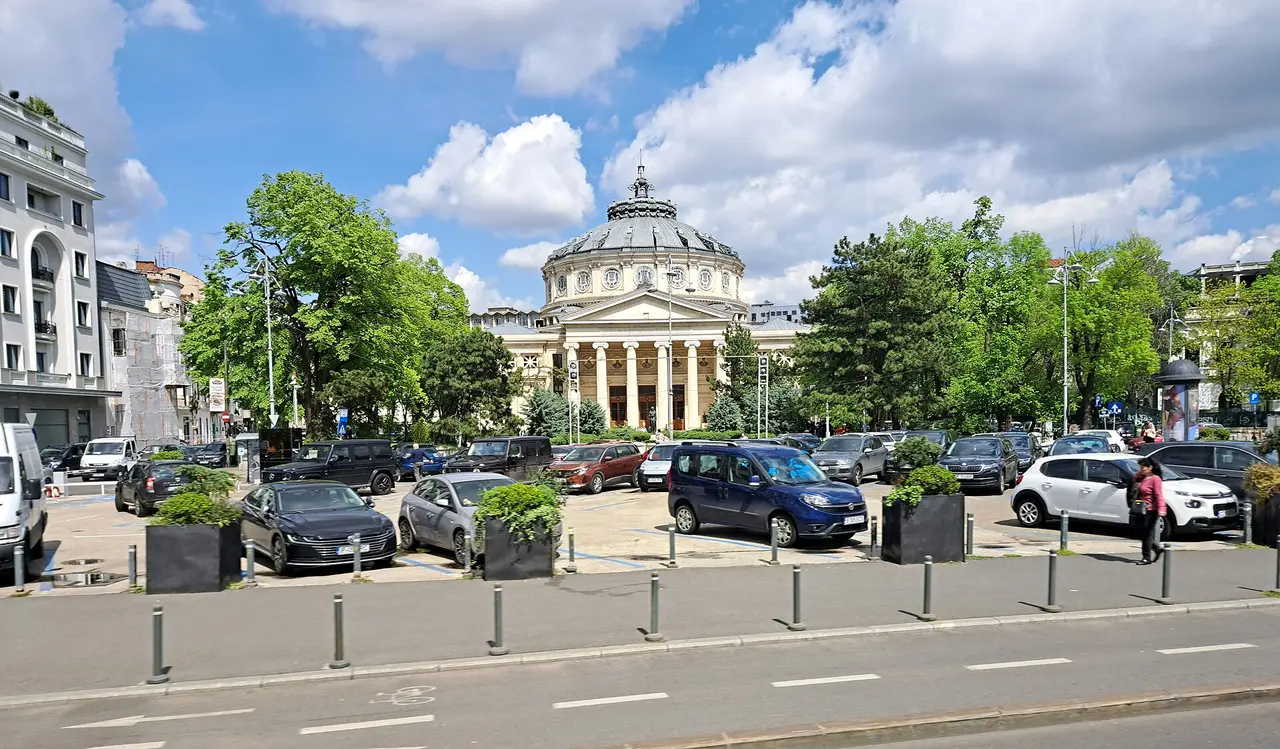
Bucharest wins on scale and spectacle. Its headline sight, the Palace of the Parliament, is among the largest and heaviest buildings on the planet, a colossal marble monument to Ceausescu’s ego that you can tour room by cavernous room - there is simply nothing like it in Belgrade. Around it the city stacks up contrasts: Belle Epoque mansions and the ornate Romanian Athenaeum concert hall, then blunt communist apartment blocks, then the huge lakeside King Michael I Park, all in the same afternoon.
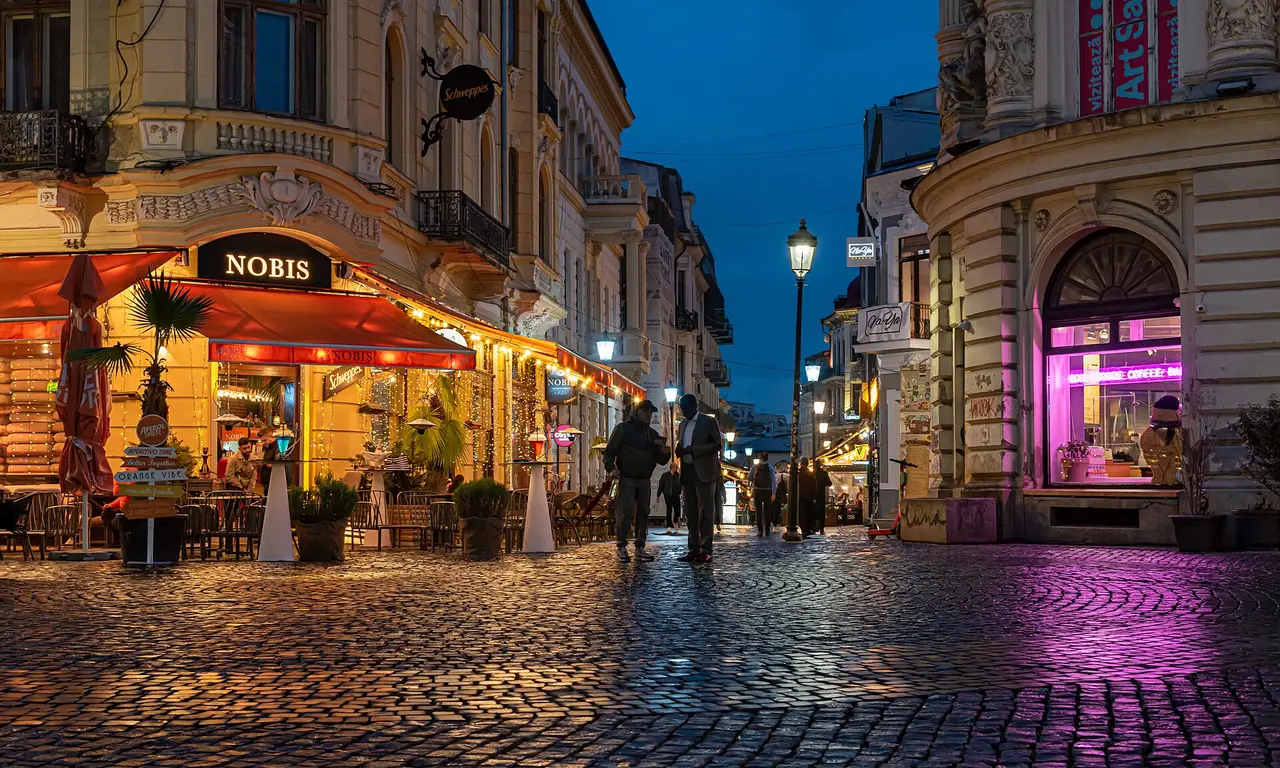
The restored Old Town (Lipscani) is the tourist heart, a dense grid of cobbled lanes packed with bars, terraces and restaurants that gets genuinely lively at night. It’s more concentrated and more polished than anything in Belgrade, which cuts both ways: easier to dive into, a touch more touristy. If Bucharest is looking like your pick, our sister site’s guide to things to do in Bucharest goes deep on what to prioritise.
Food, value and vibe
On price, these are two of Europe’s great bargains and there’s not much in it. Independent surveys of 2026 city-break costs put Belgrade near the very top of the cheapest list, with Bucharest close behind; on the ground a backpacker gets by on around thirty dollars a day in either, and a mid-range traveller on seventy or so. Bucharest’s supermarkets and casual restaurants can work out a shade cheaper, Belgrade’s nightlife and coffee culture a shade livelier. You will not feel gouged in either city.
The food tells the cultural difference. Belgrade is grill country - cevapi, pljeskavica, smoky meats, rakija to finish - hearty and Balkan. Bucharest leans to rich Romanian comfort cooking like sarmale (stuffed cabbage) and mici (grilled minced-meat rolls), with a stronger cafe-and-wine streak downtown. Both reward wandering into a busy local place rather than eating on the main tourist drag.
So, which one?
Match it to the trip you actually want:
- You want a party, a summer on the rivers, and a capital with attitude: Belgrade.
- You want a bigger city, a palace you can walk through, and grand architecture: Bucharest.
- You want the cheapest possible weekend: either, with Belgrade usually a nose ahead.
- You want compact and walkable: Belgrade. You don’t mind spreading out: Bucharest.
- You have three or four days and can fly: do both, and you will get a real feel for how different the two sides of the Danube can be.
My own rule after weighing them: if the highlight of your trip would be a night out or a riverside afternoon, go to Belgrade; if it would be touring a vast palace and strolling faded-grand boulevards, go to Bucharest. Most first-timers who ask this question are quietly after Belgrade’s easy energy - but anyone who loves big-city contrast and serious sightseeing will get more out of Bucharest. Neither is a mistake, and at these prices the best answer is often “both, this year.”
Photos
Read also

Before you go · 9 min read
Tipping in Serbia: How Much, Cash or Card
Verified · August 9, 2026Tipping in Serbia: about 10% in restaurants, round up cafes and taxis. Cash is standard - card terminals rarely add a tip. What to leave, by situation.

Before you go · 9 min read
Belgrade or Budapest: Which City Break?
Verified · August 8, 2026Belgrade or Budapest: Budapest wins on flights, baths and sights, Belgrade on free transit and price. Populations, tickets and connections compared.

Before you go · 10 min read
Best Hostels in Belgrade: Party and Budget Picks
Verified · August 8, 2026Belgrade hostels from EUR 6.66 a bed: 3 party picks near the bars and 3 quiet, cheaper ones, with real prices, ratings and exact addresses.

Before you go · 9 min read
What to Pack for Serbia (+ Power Plugs)
Verified · August 7, 2026Pack for Serbia: Type F/C 230V plugs, Belgrade vs mountain layers, and the shoes, eSIM and documents that actually matter on the trip.