
Timok Valley Wine & Rome Loop: Felix Romuliana
A 2-day loop from Belgrade to eastern Serbia: the UNESCO Roman palace of Felix Romuliana at Gamzigrad, the stone wine cellars of Rajac, and Negotin.
Eastern Serbia’s Timok corner is where a Roman emperor’s palace and a hillside of 200-year-old wine cellars sit less than an hour apart, and almost no foreign visitors ever go. This two-day loop out of Belgrade pairs Felix Romuliana - the UNESCO-listed palace that Emperor Galerius built near Zaječar around 300 AD - with the Rajac stone cellars and the wine town of Negotin, out in the three-border pocket where Serbia meets Romania and Bulgaria. It’s roughly 620 km of driving over two days, most of it easy motorway, and it trades big-name sights for something rarer: a Roman world-heritage site you may have entirely to yourself, and a wine tradition the Romans themselves started.
You need a car for this one. The Timok region is exactly where Serbia’s buses thin out to a trickle, and the two headline sights, the palace and the cellars, are both a short drive outside their nearest towns rather than on any transit line. Pick the car up in Belgrade, do the loop, drop it back, and you’ve seen a slice of the country most itineraries skip entirely. Our guide to car rental in Serbia covers the deposit, the toll tag and the cross-border rules if you fancy dipping into Romania.
Is the Timok Valley worth two days?
Yes, if you like your history and wine without a crowd, and no if you only want the postcard hits. This is a slow, low-key corner of the country: the appeal is a Roman palace where you can walk the mosaics without a queue, a village of cellars that looks unchanged since the 1800s, and roads that run through empty green hills most of the way. What it’s not is a compressed greatest-hits day trip. Give it the full two days, sleep in Zaječar or Negotin, and let the driving be part of it.
If you’re building a longer trip, this loop slots neatly onto the end of a Belgrade stay or bolts onto the eastern side of a bigger circuit. For the classic version of the country, our Serbia 7-day itinerary takes the western mountains as its spine; the Timok loop is the contrarian alternative for a repeat visitor who has already done Zlatibor and Tara. The other great eastern drive, the Danube gorge, is a separate day out entirely: see our guide to the Iron Gate and Golubac Fortress, which sits north of here on the river rather than inland in the Timok. And if you have the appetite for Roman Serbia but only a single day to spare, the shorter western sibling of this trip is our Srem and Sava day loop - the same emperors-and-ruins theme at Sirmium, done and dusted before dinner rather than over an overnight.
A note on budget and pace before you set off. The daily drives are long-ish but simple: Belgrade to Zaječar is about 246 km and three hours, nearly all of it on the tolled A1/E75 down the Morava valley, then the E761 east from Paraćin. Two days self-driving, with a mid-range room, a couple of restaurant meals, fuel, tolls and site tickets, starts around €160 a person and climbs from there with the wine you inevitably buy. Sites here are almost comically cheap by Western standards, as you’ll see.
Day 1: Belgrade to Felix Romuliana
Leave Belgrade in the morning and point the car south. The A1 down the Morava valley is fast, dull and tolled - keep a card or cash for the booths - and it’s the price you pay for a painless run to the east. At Paraćin you peel off onto the E761 and the character changes: two lanes, curves, hills, and a real sense of leaving the main country behind. Aim to reach Zaječar by early afternoon.
The reason you came is 11 km northwest of town, in the fields near Gamzigrad village: Felix Romuliana in name, though the ruins are better known simply as Gamzigrad.
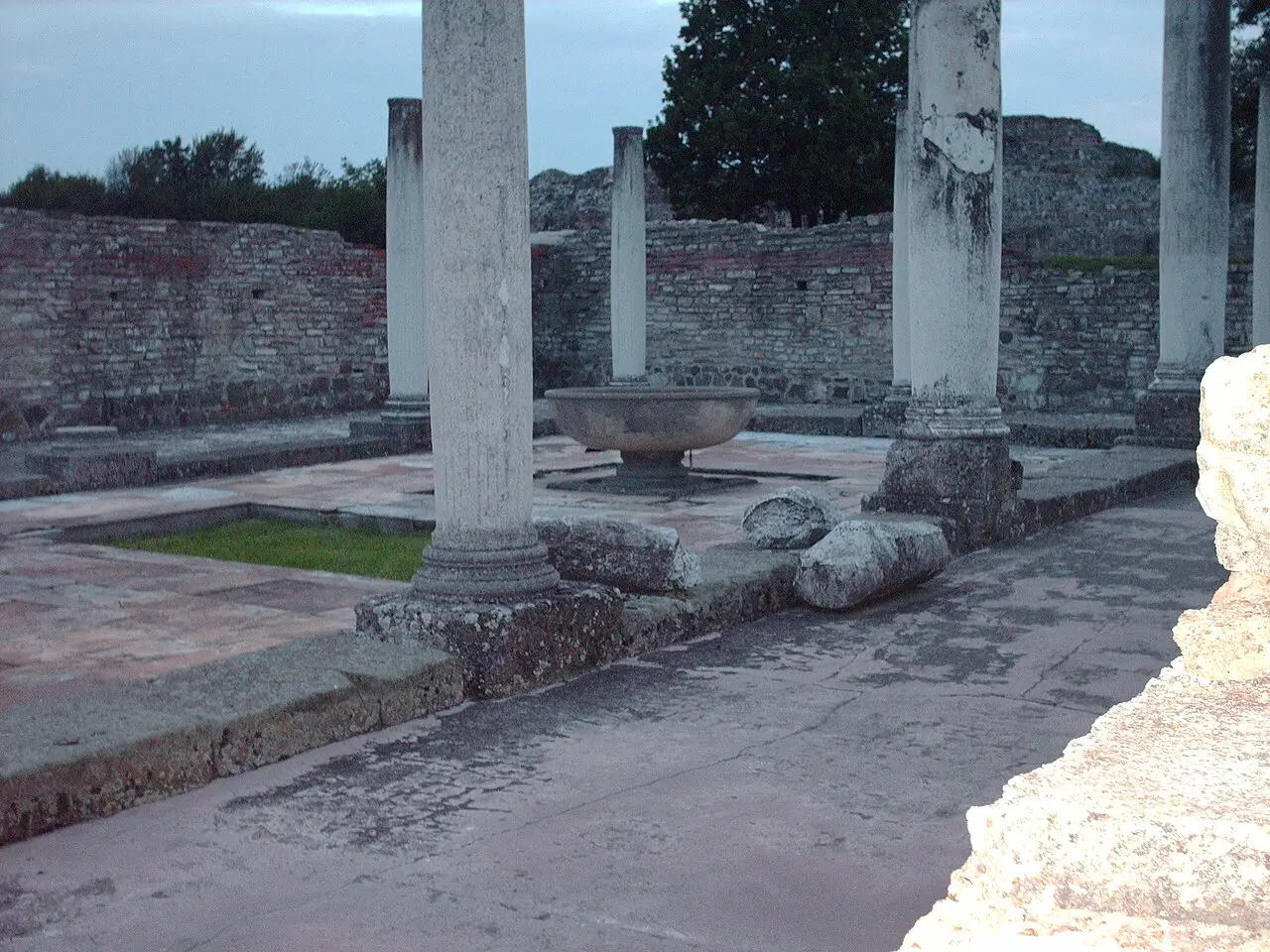
This was a fortified imperial palace built by Emperor Galerius in the late third and early fourth century, named Romuliana after his mother Romula. He was one of a long line of Roman emperors born on what’s now Serbian soil, and this was his retirement project - a walled compound of palaces, temples and baths behind massive towers. UNESCO added it to the World Heritage List in 2007. What makes it worth the drive isn’t scale but solitude: you can walk the surviving mosaic floors and the colonnade of the atrium at your own pace, usually with barely another soul about, which is a very different experience from the queues at better-known Roman sites.
Two practical things that genuinely surprised me. First, it’s open late in summer - April to October, daily 08:00 to 20:00 (winter 08:00 to 16:00), with guided tours leaving every 45 minutes - so a mid-afternoon arrival is fine, and the low evening light on the stone is the best of the day. Second, the price: a standard ticket is 500 RSD (about €4.30), and a combined ticket at 600 RSD also gets you into the National Museum in Zaječar and the Radul Begov Konak in town, where many of the site’s finest carvings and the imperial portraits actually live. Buy the combined one - the museum is where the treasure is. Prices and hours checked with the official site in July 2026; confirm before a winter visit.
Spend the night in Zaječar. It’s a workaday provincial town rather than a looker, but it has the region’s hotels and restaurants, and it puts you an easy hour from the next morning’s cellars.
Day 2: the Rajac cellars and Negotin
Now for the part that feels like time travel. From Zaječar it’s about 43 km north through a string of villages to Rajačke pimnice, the Rajac wine cellars - and the road there, all curves and good asphalt through empty hills, is a pleasure in its own right.
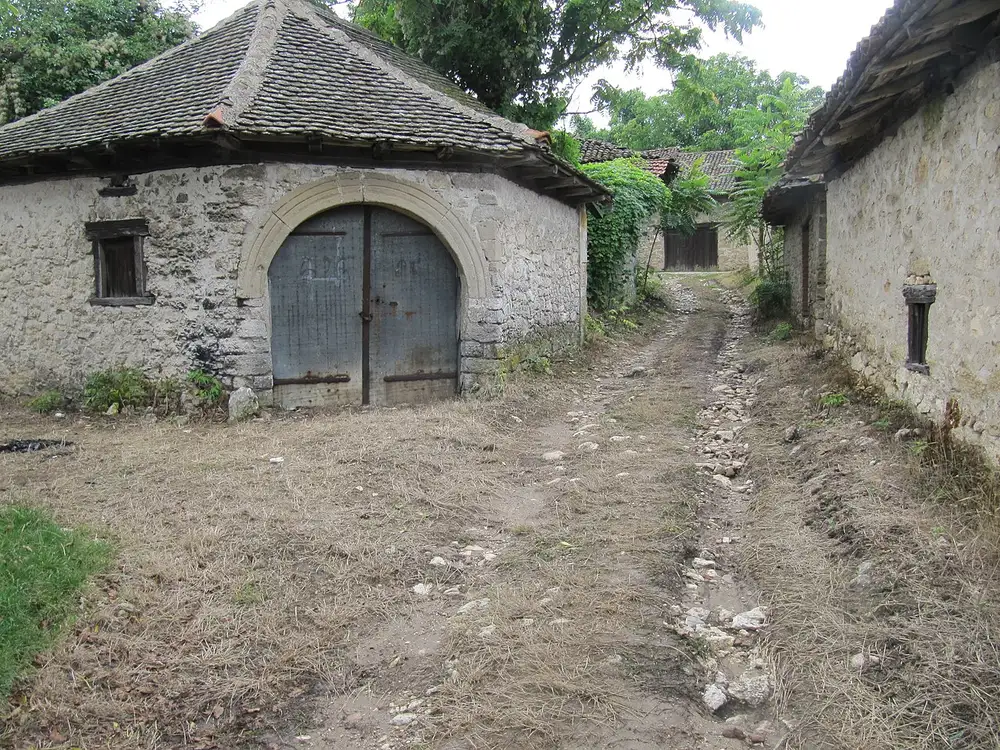
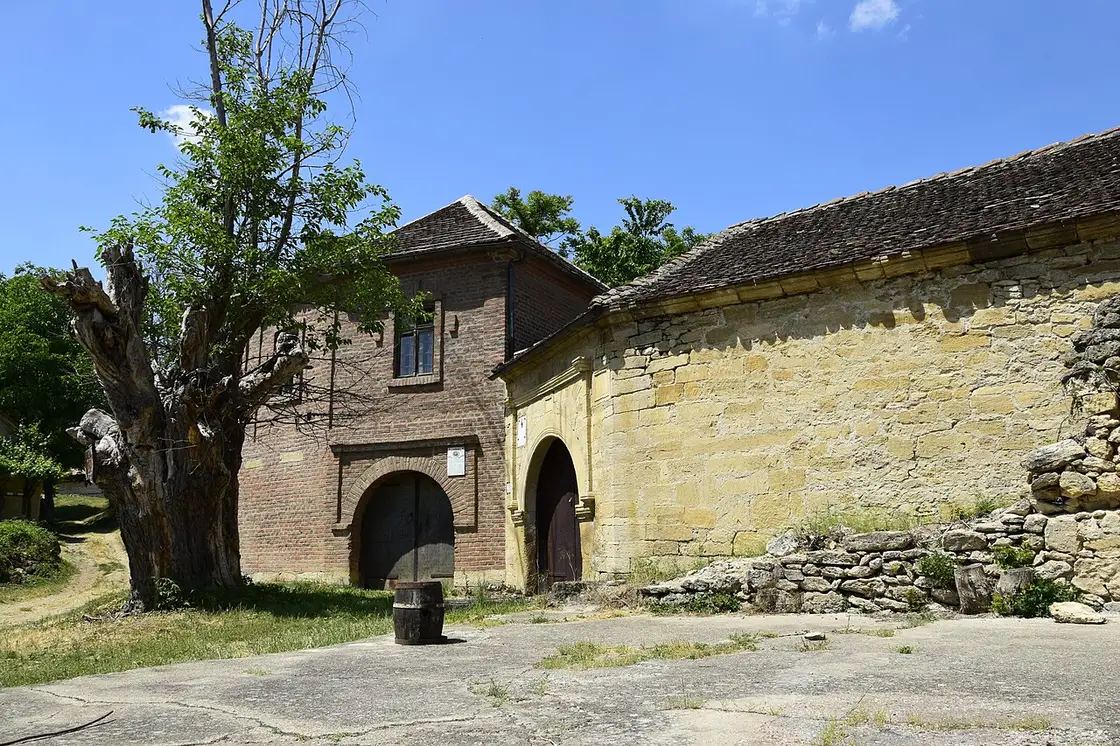
This isn’t a winery in the modern sense. It’s a whole village of around 60 stone cellar houses, built between the second half of the eighteenth century and the 1930s, standing on the Belo Brdo hill about 2 km from Rajac village. Each pimnica is a two-part building of honey-coloured stone: the lower floor is sunk about two metres into the ground for storing and making wine at a steady cool temperature, and the upper floor was living space for the harvest. Walk the grassy lanes between them and you are looking at a piece of vernacular architecture that has barely a rival in the Balkans - which is why the whole “Negotinske Pivnice” ensemble sits on Serbia’s UNESCO Tentative List.
Here’s the honest part: it’s a low-key, sometimes sleepy place. Some cellars are lovingly restored and offer tastings; others are shuttered and quiet, and there’s no ticket office or set opening time. The reliable move is to arrange a visit and tasting ahead through one of the active cellar owners rather than turning up cold and hoping a door is open - and if you find Rajac closed up, the near-identical Rogljevo cellars a few kilometres away are the fallback. Prices for tastings vary by host and season, so I will not quote a figure; ask when you book.
From the cellars it’s a short run down to Negotin, the regional wine town wedged into the corner where Serbia, Romania and Bulgaria meet. The Negotinska Krajina has been making wine since Roman times, and Negotin wears its history lightly: this is the home town of the composer Stevan Mokranjac (his birth house is now a museum) and of Hajduk Veljko, the folk hero who held the town against the Ottomans in the First Serbian Uprising. The Museum of Negotin spreads a genuinely large collection across several buildings.
If you have an extra hour and a taste for the strange, the Vratna Gates outside town are a set of huge natural stone arches over a river, near a medieval monastery - an easy detour before the long haul home. From Negotin it is roughly 280 km back to Belgrade (three and a half to four hours), so leave in good time; the loop closes where it started.
Practical notes for the loop
A few things worth knowing before you go:
- The car and the tolls. The A1/E75 spine is fast and tolled (booths or an electronic tag, charged by distance), so keep a card handy. Most rentals here are manual, so ask for an automatic if you need one. The E761 and the village roads out east are scenic but slower - do not trust a satnav’s optimistic times on them.
- Buy the combined Felix Romuliana ticket. At 600 RSD it adds the Zaječar museum and the Radul Begov Konak, where the site’s best sculpture and the imperial portrait heads are actually displayed. The palace is the setting; the museum is the payoff.
- Book the wine tasting ahead. Rajac has no ticket desk and irregular hours. Contact an active cellar in advance for a tasting, or you may drive up to find the lanes deserted. Carry cash for wine and small purchases; cards are hit-and-miss out here.
- When to go. Late spring and early autumn (May-June, September-October) are ideal - kind weather, green hills, and the vintage buzz around Rajac in September and October. Sites keep shorter winter hours from November.
That’s the loop: a Roman emperor’s palace, a hillside of two-century-old cellars, and a wine town on a triple border - about 620 km over two days, and a corner of Serbia almost nobody puts on the map. Browse more of the country’s ruins and landmarks in the attractions section, and keep an eye on the fuel gauge out east, where the towns are small and far apart. For how Prokupac, Tamjanika and the other regions fit together, see the Serbian wine guide.
Route day by day
- Days on the road
- 2
- Distance
- ≈620 km
- Budget from
- 160 EUR
- Best season
- May, June, September, October
The route at a glance
-
Belgrade
Route startstop ≈0 min
Start point. Pick up the car and head south on the A1/E75 motorway toward Paraćin.
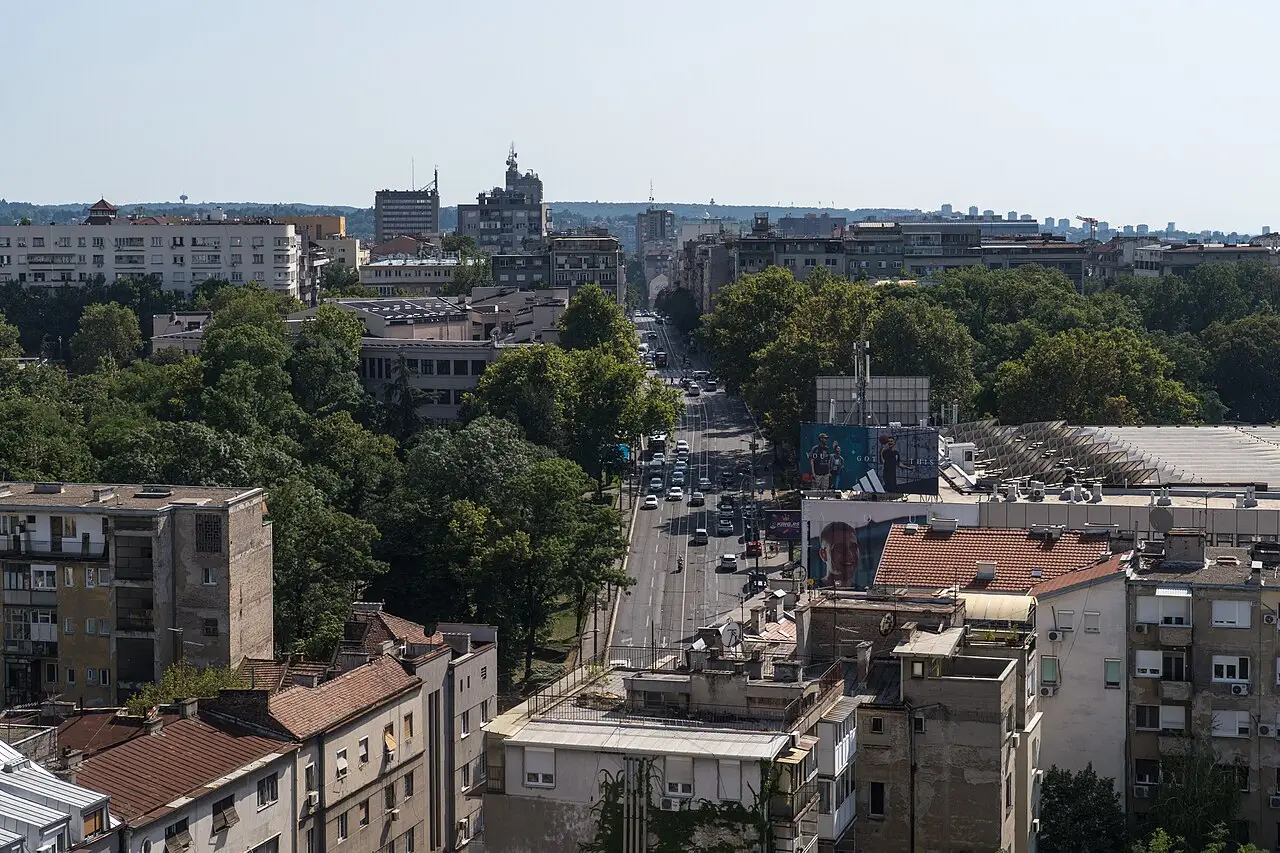
Photo: Alexkom000 / Wikimedia Commons, CC BY 4.0 ( source) -
Zaječar & Felix Romuliana
250 km from the startstop ≈150 min
Day 1: the UNESCO late-Roman palace of Emperor Galerius at Gamzigrad, 11 km outside Zaječar. Open April-October 08:00-20:00.
Photo: Grozni Laki / Wikimedia Commons, CC BY-SA 3.0 ( source) -
Rajačke pimnice (Rajac cellars)
293 km from the startstop ≈120 min
Day 2: around 60 stone wine-cellar houses built from the 1700s, on Belo Brdo hill above Rajac village.
Photo: DJUKI / Wikimedia Commons, CC BY 3.0 ( source) -
Negotin
317 km from the startstop ≈120 min
The wine town in the tri-border corner, home of composer Stevan Mokranjac and the Negotinska Krajina cellars, before the drive back to Belgrade.
Photo: Morpat3 / Wikimedia Commons, CC BY-SA 4.0 ( source)
Route map
The map with stops loads on click - to keep the page lightweight.
The map didn’t load. Check your connection and refresh the page.