
Guča Trumpet Festival: A Survival Guide
Guča 2026 runs 7-9 August: how to reach the village with no hotels, where to camp or sleep, what to eat, and how to survive Serbia's loudest festival.
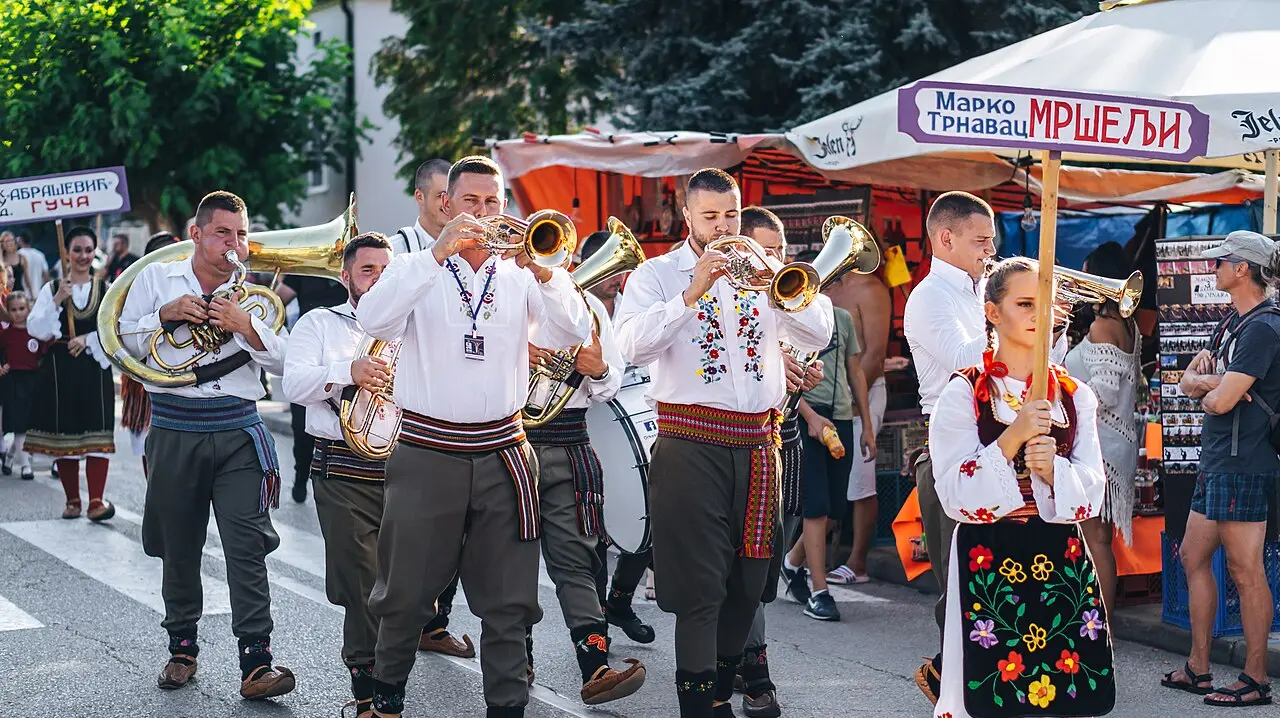
Guča is the loudest weekend in the Balkans, and in 2026 it runs from 7 to 9 August, its 65th year. For three days a quiet village of a few thousand in western Serbia swells to hundreds of thousands of people, all there for one thing: massed brass bands playing at full volume, at your table, until dawn. It’s raw, hot and gloriously unpolished, and it takes a little planning to survive, because the one thing Guča doesn’t have is enough beds.
Start with that bed problem, because it shapes everything else about the trip. The village has almost no hotels. Nearly everyone either camps in the fields that ring it or sleeps 20 km away in Čačak and comes in for the day, and both fill up well ahead once the dates are confirmed. Sort out where you’re sleeping first, and the trumpets will take care of themselves.
What actually happens over the three days
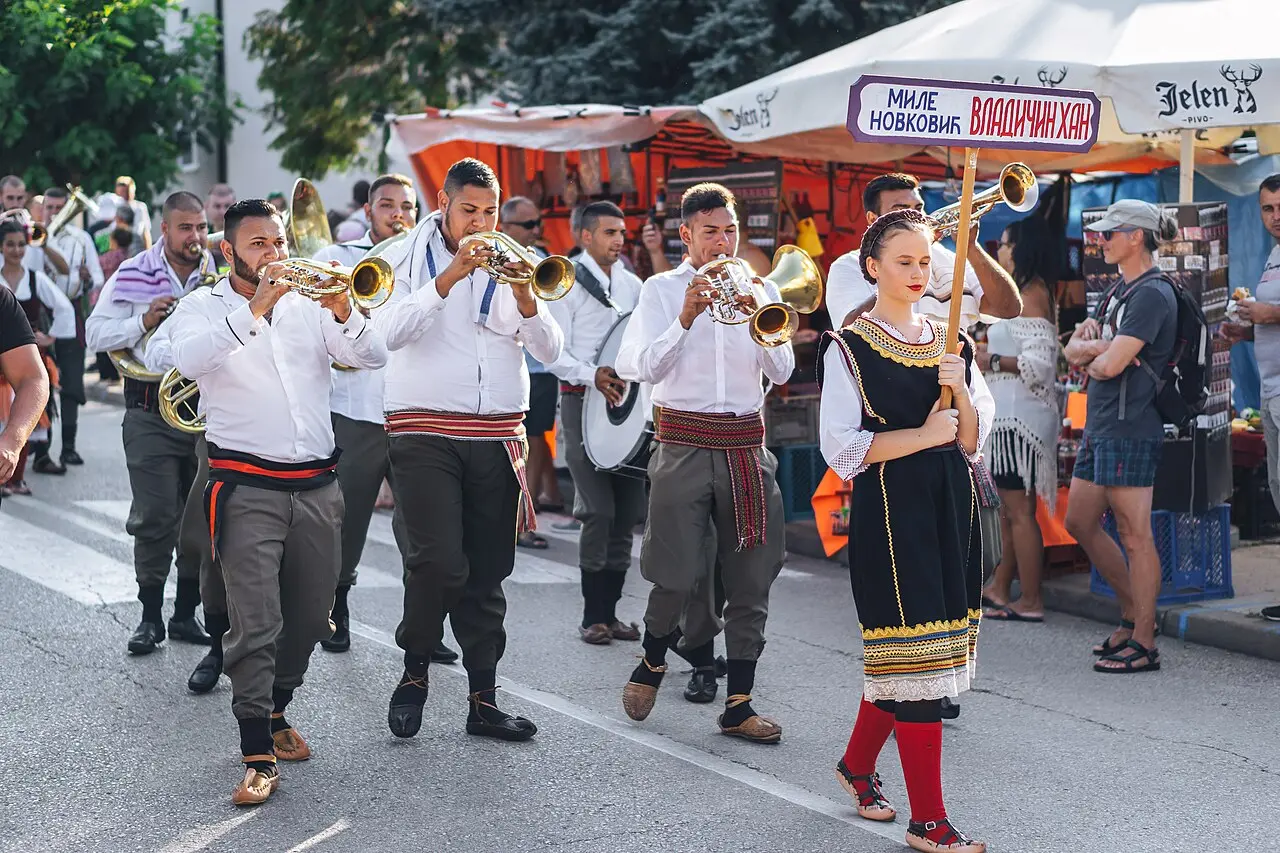
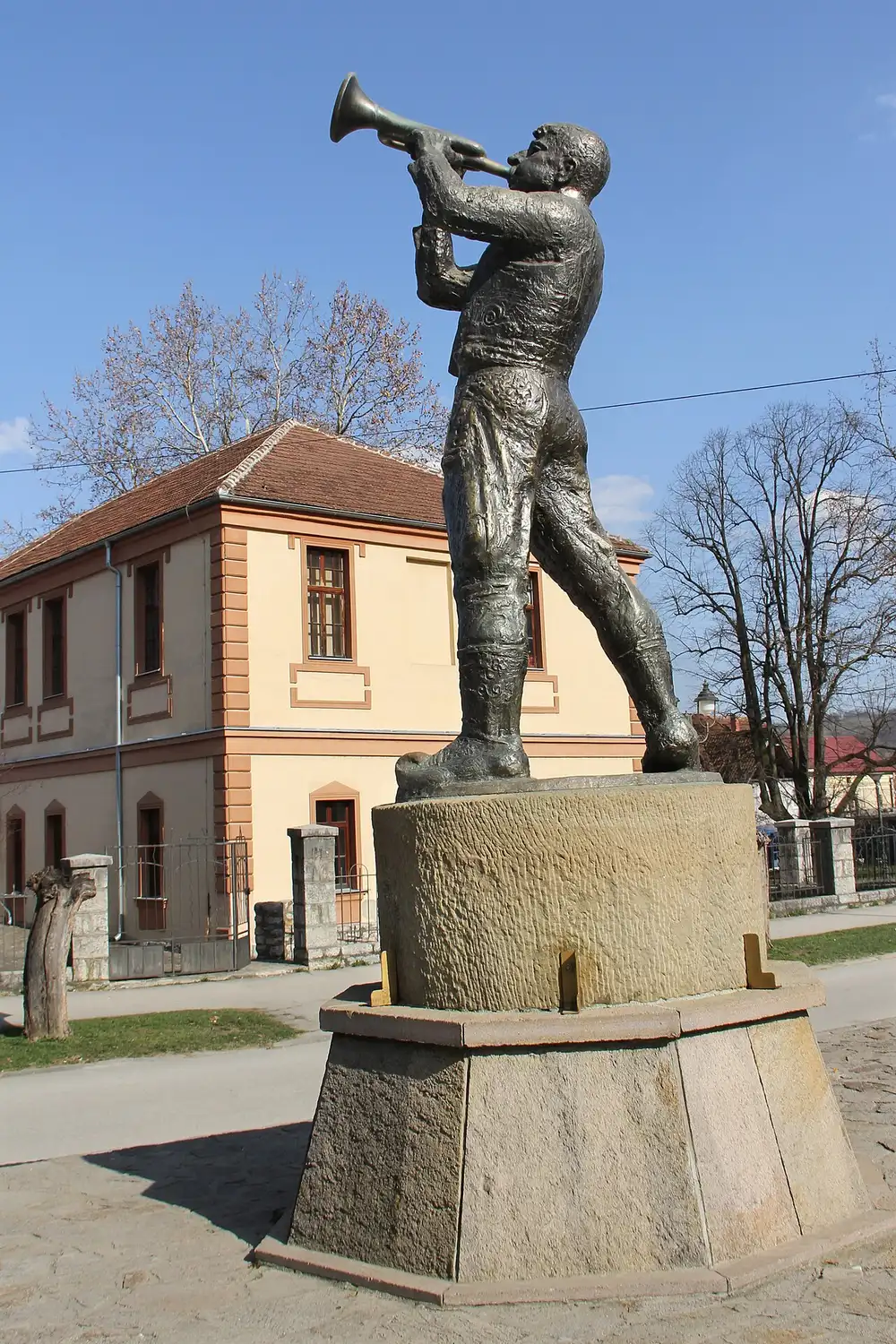
Officially this is the Dragačevo Trumpet Assembly, the Sabor trubača, held every August since 1961. The formal heart of it’s a competition: brass orchestras from across Serbia and the wider Balkans play head to head, and a jury crowns a champion with the Golden Trumpet, the Zlatna truba, the prize every trumpeter wants on the shelf. Alongside the music runs a folklore programme, with lines of dancers in embroidered costume winding through the village in the afternoon defile.
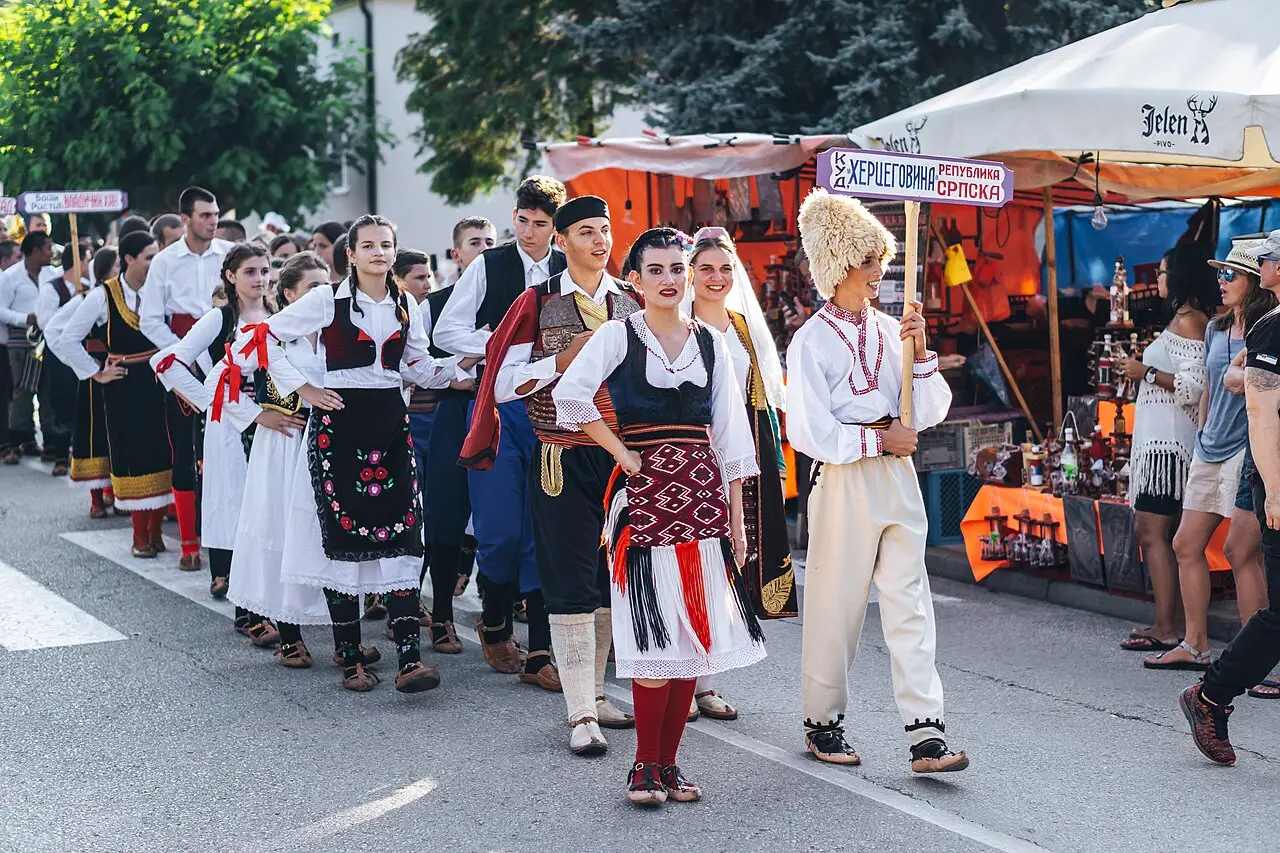
The competition isn’t really why most people come, though. The festival that matters happens out in the streets, where bands roam from table to table and play for tips, whole lambs and pigs turn on spits, and the rakija does not stop. This is the frenetic, brass-driven sound the world knows from Kusturica films, played live and deafening a few feet from your face, two rival orchestras sometimes trying to out-blast each other over the same table. What began in 1961 as a handful of local bands is now one of the biggest trumpet gatherings on earth, and it has kept the village at the centre of it. You don’t so much watch Guča as get swallowed by it.
Getting there: drive, or take the bus
Guča sits about 160 km by road south of Belgrade (roughly 116 km as the crow flies), and the honest answer to how you get there’s that you drive. By car it is roughly a two-hour run down the A2 “Miloš Veliki” motorway toward Čačak, then a turn south toward Užice with the Guča exit signed off it. A car also quietly solves the accommodation problem, because it lets you sleep in Čačak or a village further out and still get in and out.
There’s no train to Guča itself. The nearest railway is at Čačak, and from there it’s a local bus or taxi for the last 20-odd kilometres. If you would rather not drive, buses run from Belgrade toward Čačak and Lučani in around two hours for something like 12 to 20 euros, and in festival week some operators lay on direct Belgrade-Guča coaches; check the official site, guca.rs, for that year’s schedule. Our guide to getting around Serbia sets out the intercity bus and train network in full. Whichever way you come, expect the last stretch into the village to crawl on the Friday. A few hundred thousand people are trying to do exactly the same thing.
Where to sleep: camp, or base in Čačak
This is the part that catches people out, so decide early. There are two realistic plans.
Camp. Most of the crowd sleeps under canvas in the fields around the village, either at organised sites such as Panorama Camp near the centre or on rougher ground further out. It is cheap, on the order of 10 to 15 euros a night for a pitch, and it puts you in the thick of things, which is the whole idea. It is also loud, hot and basic, so bring a tent you don’t mind abusing and earplugs you actually intend to use.
Base in Čačak. If a field is not your idea of a good night, book a room in Čačak, the nearest proper town about 20 km away, and treat Guča as a day-and-night trip in and out. Rooms there start from roughly 45 euros for simple guesthouses and climb from there, and there are far more of them than the village will ever have. Private rooms in Guča and the surrounding hamlets exist too, at something like 30 to 60 euros, but they’re snapped up fast and priced for the weekend.
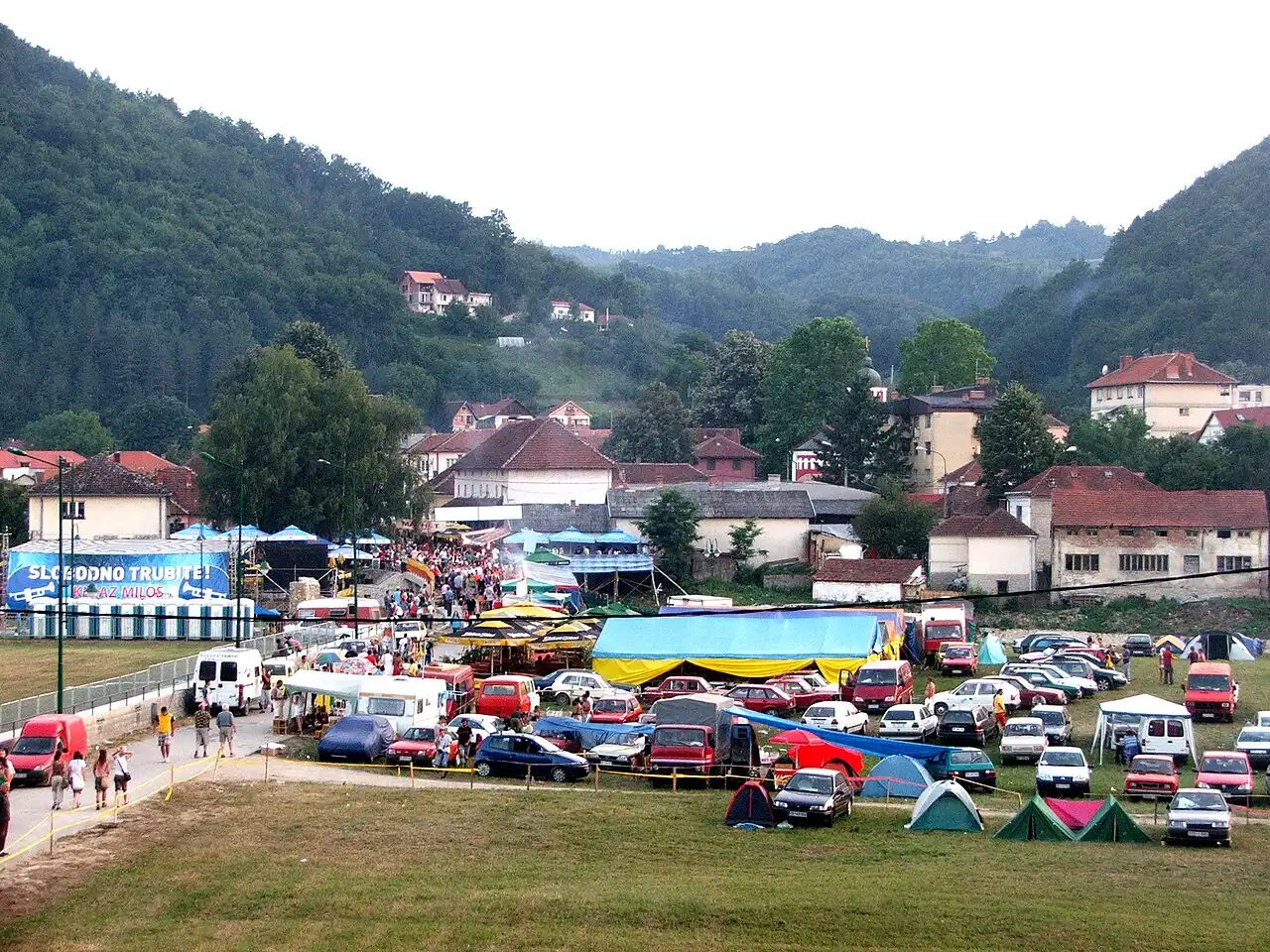
The one rule that matters: book the moment the dates are firm. Guča beds are a seller’s market for one weekend a year, and the close, affordable ones go first. Treat every figure here as an order-of-magnitude guide rather than a fixed quote, and confirm the current rate when you reserve.
Come hungry, and bring cash
Guča is as much an eating and drinking weekend as a musical one. The staples are spit-roast lamb and pork, pljeskavica the size of a dinner plate, and about as much grilled meat as a body can process in three days; our guide to Serbian food explains what’s coming off those spits. The drink is rakija, poured fast and often, frequently homemade and stronger than it tastes.
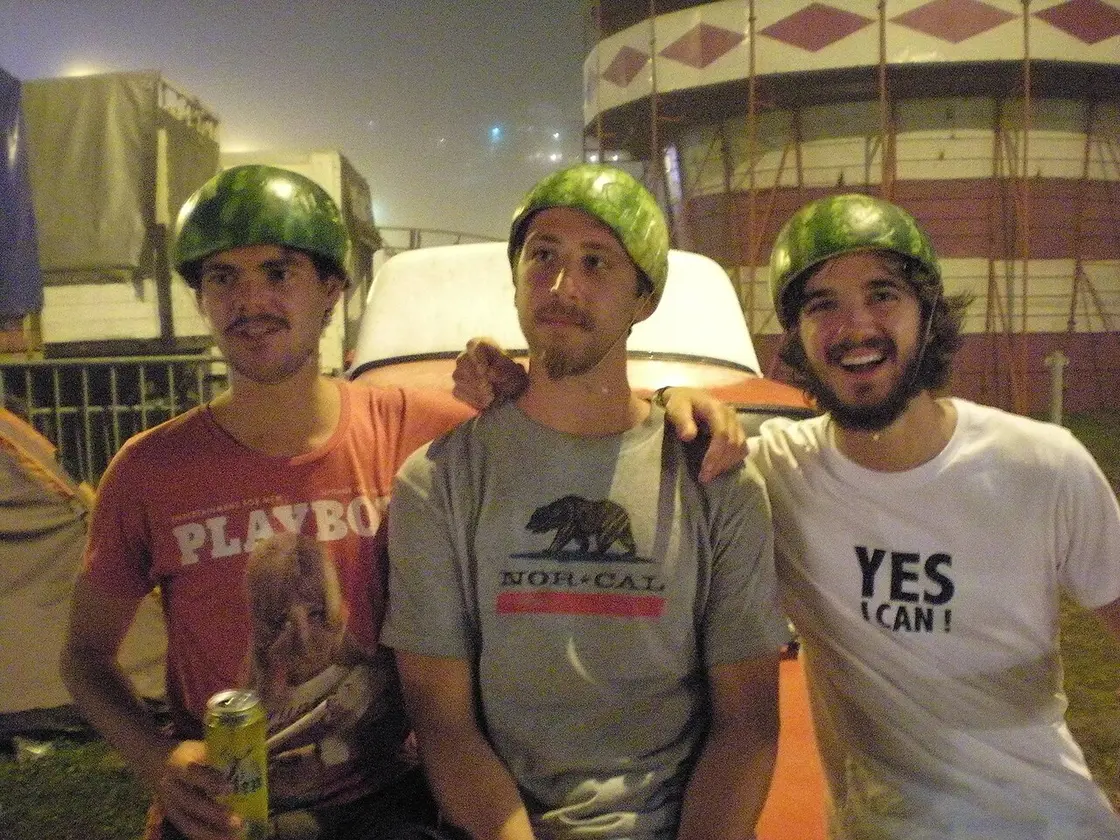
Two practical warnings will save your weekend. First, bring cash, and more than you think you need. The village trades in dinars, the handful of ATMs empty out fast, and most food and drink stalls do not take cards. Second, the noise genuinely doesn’t stop. Brass plays day and night for three days straight, so if you plan to sleep at all, earplugs aren’t a nicety. Pack sunblock and a hat too, because early August in the Dragačevo valley is hot and you’ll spend nearly all of it outdoors.
Fitting Guča into a trip
Guča works best as one loud chapter of a wider western Serbia trip rather than a brutal there-and-back in a day. The village lies within easy reach of Zlatibor, the Šargan Eight railway and the Drina, so it folds neatly into a western Serbia road trip: arrive on the Friday, give it everything for a night and a day, and roll on with a sore head. If you’re still weighing up when to come to Serbia at all, our guide to the best time to visit explains what early August feels like across the country, heat and festivals included. For the rest of the summer’s line-up around it, see our guide to music festivals in Serbia.
One last honest word. Guča isn’t a polished, wristband-and-app festival, and it’s not trying to be. It’s loud, chaotic, meat-heavy and gloriously old-fashioned, and that is exactly the appeal. Come for the trumpets, not the comfort, sort the bed and the cash in advance, and it turns into one of the great unrepeatable nights out in Europe.
Photos
On the map
The map loads on click - to keep the page lightweight.
The map didn’t load. Check your connection and refresh the page.
Read also

Entertainment · 11 min read
Danube River Cruises in Serbia: Options and Prices
Verified · September 17, 2026Belgrade river boats €22-29, Tekija speedboats 1,700 RSD, Iron Gate day tours from Belgrade €95-290 at the operators we checked in September 2026.

Entertainment · 11 min read
White Water Rafting in Serbia: Drina, Ibar, Lim
Verified · August 24, 2026Drina, Ibar and Lim rafting compared: real class ratings, 2026 season windows and RSD/EUR prices - plus where the Class III-IV water actually is.

Entertainment · 11 min read
Belgrade Beer Fest 2026: What's Confirmed and What Isn't
Verified · September 5, 2026Belgrade Beer Fest at Ušće: no 2026 dates from the organiser yet, why two recent editions ran in June, last published ticket prices and getting home.

Entertainment · 11 min read
Belgrade Stag Activities: Shooting, Boats, Prices
Verified · August 11, 2026Belgrade stag prices you can buy: shooting from €49, boat party from €39, weekend karting from 1,700 RSD. Book Saturday before the splav night.