
Travel Insurance for Serbia: What You Need
Travel insurance is not required to enter Serbia but strongly advised: private clinics charge foreigners upfront, so cover medical, evacuation and baggage.
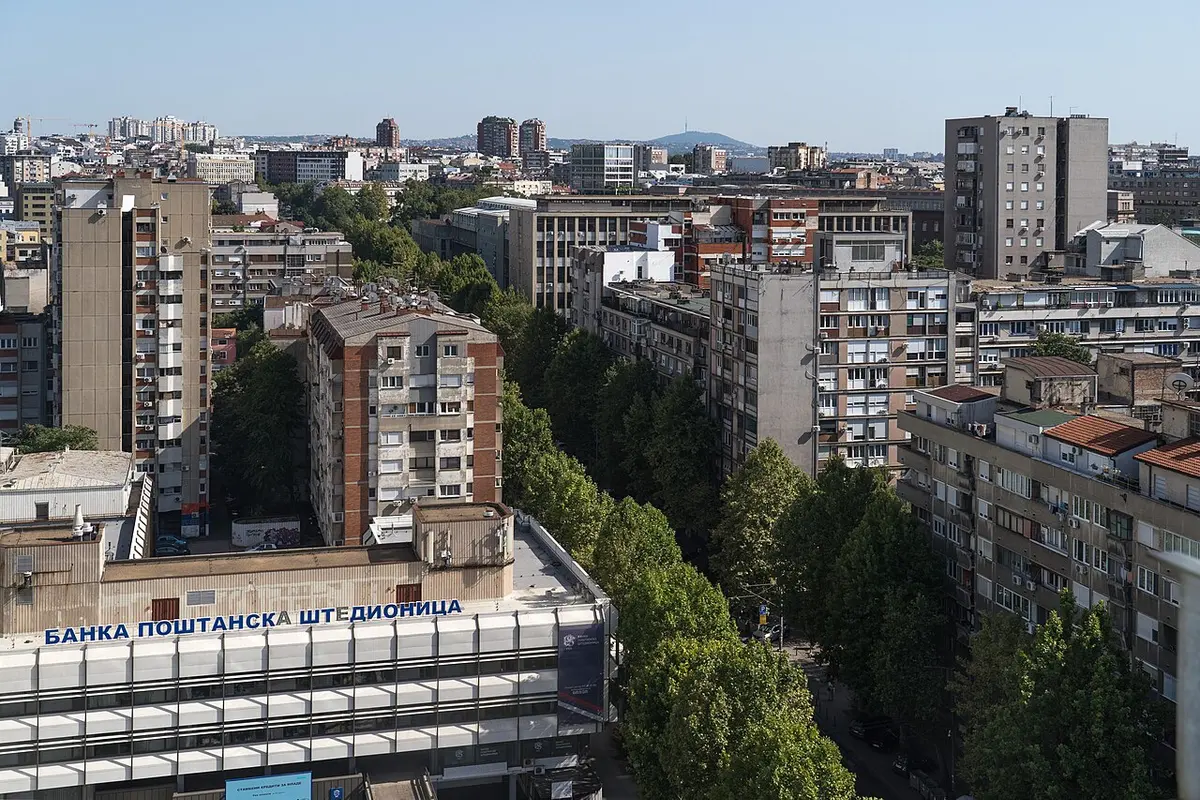
Travel insurance is not required to enter Serbia, and most Western visitors cross the border for a short stay without anyone asking to see a policy. It is still one of the smarter things you can arrange before you fly, because foreigners generally pay for private treatment in Serbia upfront and claim it back later, and the bill for anything serious climbs quickly. This guide sets out what a policy for Serbia should cover, the two things travellers routinely under-insure (the mountains and the rental car), the twist that catches stag groups, and how to think about cost. None of this is financial advice; treat it as a checklist and read your own policy wording before you rely on any single line of it.
The short version: for a standard Belgrade-and-Novi-Sad city trip, a normal travel medical policy with solid evacuation cover is plenty. Add a mountain, a ski week, a rafting day or a set of car keys, and the small print starts to matter, which is where a cheap policy can quietly leave you exposed.
Do you actually need it?
Legally, no. Practically, most experienced travellers and both the UK and US governments say yes, and the reason is money rather than paperwork. The US State Department “strongly recommend[s] supplemental insurance to cover medical evacuation” and reminds Americans that “U.S. Medicare/Medicaid does not apply overseas.” The UK Foreign Office advises “appropriate travel insurance for local treatment or unexpected medical evacuation.”
Serbia does hold one detail worth knowing, because it is unusual for the region. The UK has a reciprocal healthcare agreement with Serbia, so a British visitor is “entitled to free emergency treatment.” Read the limits before you count on it: it covers emergencies only, needs your passport plus accommodation or police registration and a UK Social Security certificate, and “you may need to pay cash for non-emergency treatment.” It does nothing for the expensive part, moving you to better care or flying you home, and it is UK-specific. Useful, narrow, and no substitute for a policy.
For everyone else, the order of payment is the thing to grasp: in Serbia you generally pay first and claim later. A private clinic expects payment at the time of treatment, usually by card, and you submit the receipts afterwards. That is fine for a fifty-euro consultation, and another matter when it is a broken leg in a canyon, a night in intensive care, or an air ambulance. Insurance is there for that high-cost tail, not the sniffle a pharmacy could handle.
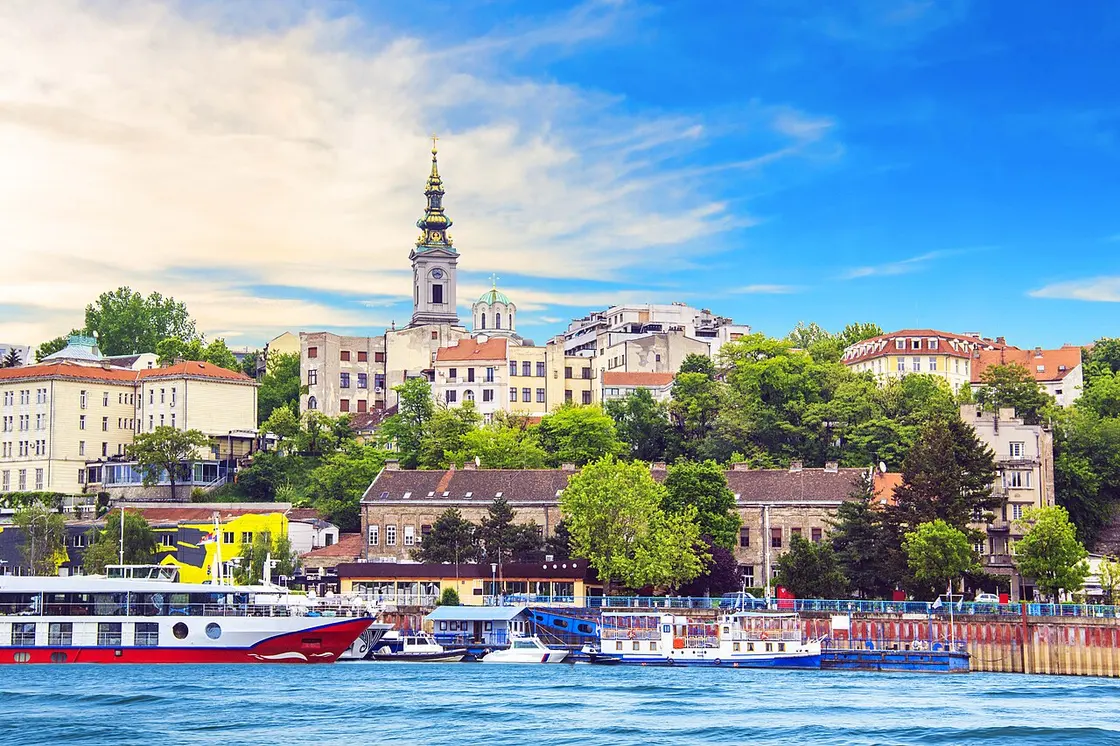
Healthcare in Serbia: what you are insuring against
Knowing how the system works tells you what your policy has to do. Serbia runs a mix of state and private hospitals, and both the gap between them and the gap between the capital and the countryside matter. The US State Department is even-handed about it: “Many doctors and other health care providers in Serbia are highly trained,” but “equipment and hygiene in hospitals, clinics, and ambulances are usually not up to U.S. standards.”
Belgrade holds the country’s strongest medical facilities, and its private clinics are where most foreign visitors end up for anything beyond a pharmacy. The point is not which door you walk through but that you walk through it as a paying patient. Private costs vary too much to quote as a price list: read them as an order of magnitude, from a modest consultation up to four figures a day for serious or intensive care, moving with the clinic and the exchange rate.
Outside the cities, medical help thins out fast: the State Department notes that “ambulance services are not widely available” and that “first responders are generally unable to access areas outside of major cities to provide urgent medical treatment.” Since Serbia’s mountains, canyons and rural drives are exactly where accidents happen, good evacuation cover, the ability to get you from a village, a slope or a river to a proper hospital or out of the country, is the strongest argument for insuring the trip.
What your policy should cover
A policy for Serbia comes down to a handful of things worth checking line by line.
Emergency medical and hospital treatment. The core of any travel policy. Because you pay upfront here, look at the limit and whether the insurer runs a 24/7 assistance line that can guarantee payment to a hospital directly, sparing you a five-figure bill on a card.
Medical repatriation and evacuation. The expensive, trip-defining cover, and the one both governments single out. This pays to move you to adequate care or fly you home, and an air-ambulance repatriation can run from tens of thousands into the low hundreds of thousands of dollars. Some cheaper plans cap evacuation low, which sounds generous until you price an actual medical flight, so aim high and check whether the limit is per trip or a lifetime cap.
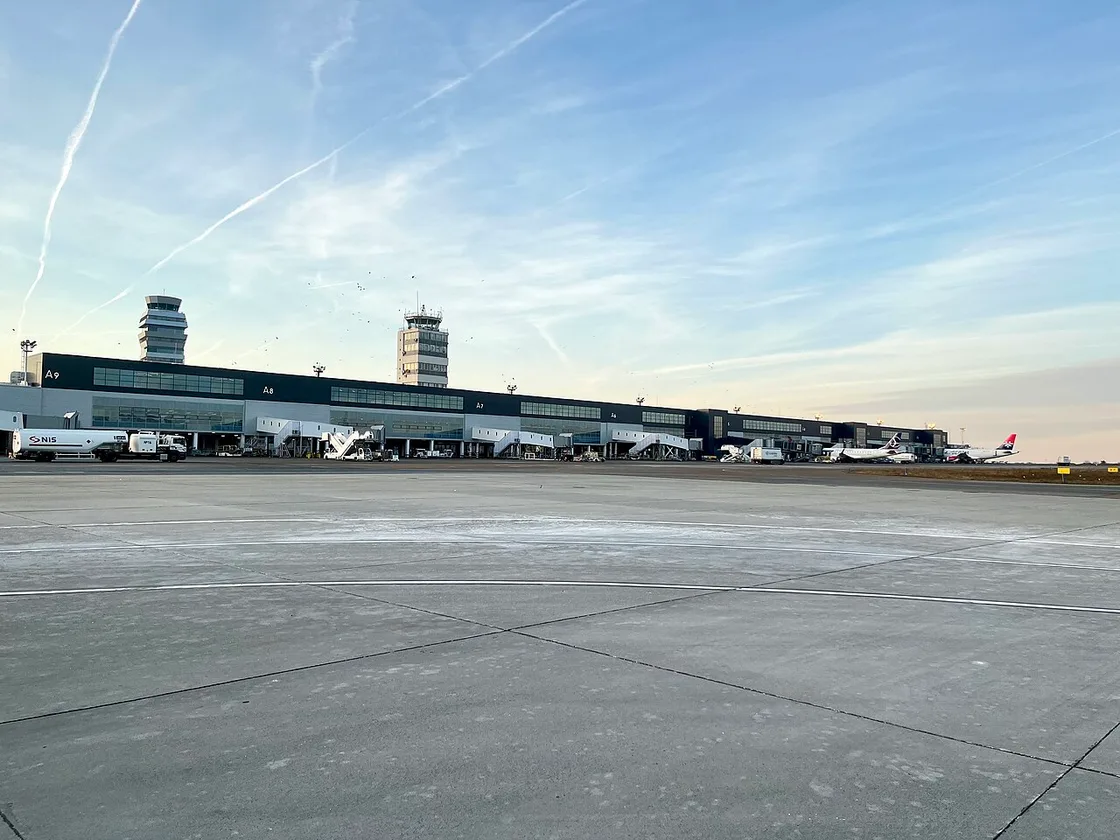
Baggage and trip delay. Useful in Serbia because many travellers arrive on a connecting flight through Nikola Tesla Airport, and every extra connection is another chance for a bag to go missing or a flight to slip. Cover that reimburses a delayed suitcase or a missed night earns its place.
Personal liability and 24/7 assistance. Liability covers you if you injure someone or damage property; the assistance line is the number you actually call at 3am when you do not speak Serbian.
To reach that assistance line or send photos of receipts from a clinic, you want data on your phone rather than a hunt for cafe wifi. A local Serbia eSIM keeps you connected the moment you land, which matters when you are trying to get an insurer on the line from a regional hospital.
The bit people under-insure: hiking, skiing and rafting
This is where a standard policy can leave you exposed. If your plans run beyond sightseeing, read the activities schedule of your policy closely, because “adventure” activities are frequently excluded or need a paid add-on.
Altitude is the usual trigger, and here Serbia is reassuring. Many policies draw a line at an elevation above which ordinary cover stops. SafetyWing’s popular nomad plan, for example, states that “any sport or activity at elevations of 4,500 meters altitude or higher is not covered” unless you buy its adventure-sports add-on, which extends mountaineering cover up to 6,000 metres. The upshot is comfortable: every mountain in Serbia sits far below that line. Midžor on Stara Planina, the highest peak in the country, tops out at 2,169 metres; Pančić’s Peak on Kopaonik reaches 2,017 metres; and Tornik above Zlatibor is 1,496 metres. So the altitude exclusion is unlikely to bite here, but that assumes your policy covers hiking at all, and some define even a marked-trail walk as an adventure activity, so check the wording. One catch applies at any height: cover like SafetyWing’s holds only on “certified, official paths” and drops the moment you go off-trail. Our roundup of the best hikes in Serbia sorts the gentle walks from the demanding high-country days.
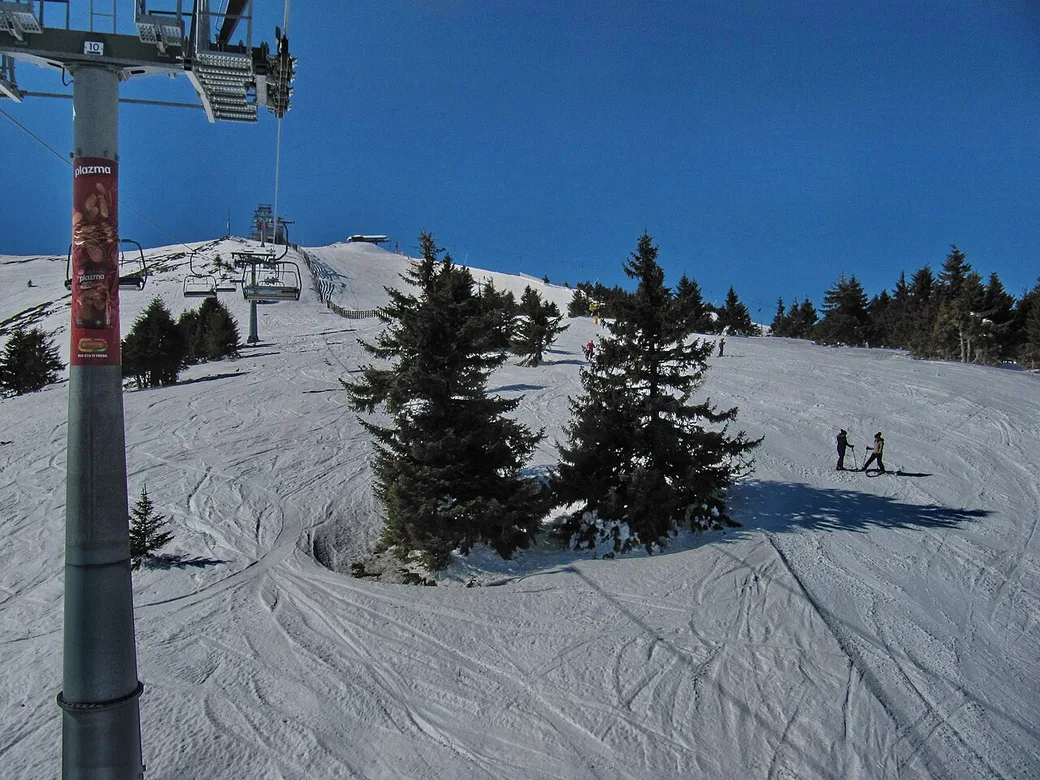
Skiing is the next gap. If you are heading to Kopaonik or Tornik, confirm that snow sports are included; many policies cover on-piste skiing on the base plan but exclude off-piste and skiing against the ski school’s advice, and some treat winter sports as a rider you have to add. A day on the slopes without the right cover is a classic, avoidable hole in a policy, so sort it before you buy a lift pass. Our guide to the best time to visit Serbia covers when the ski season actually opens.
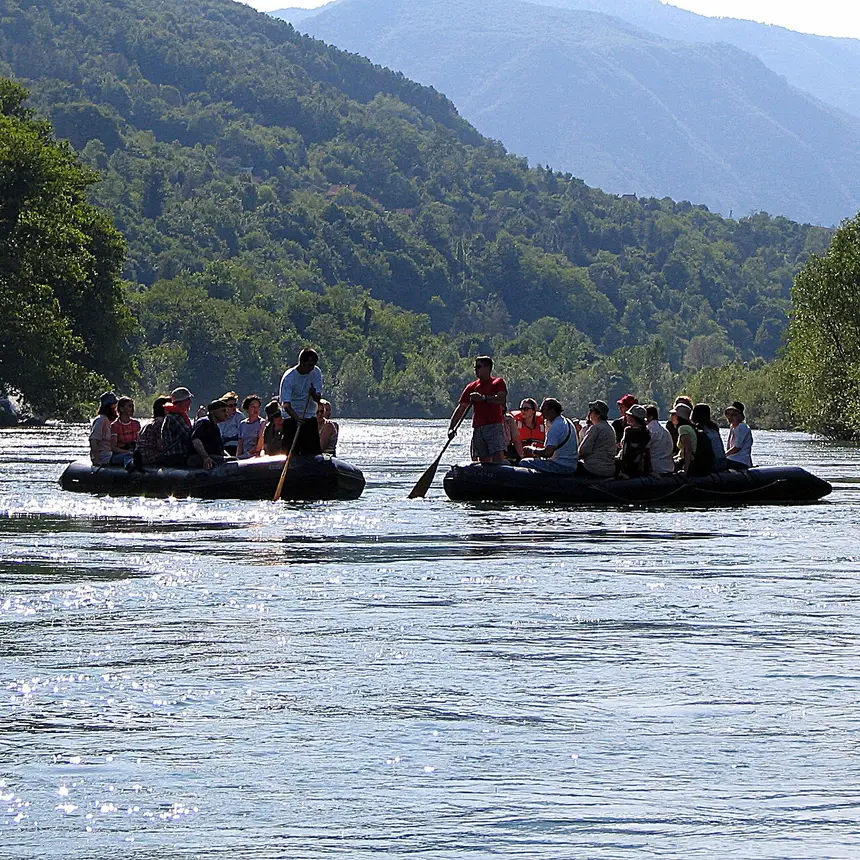
Water is the one people forget. Rafting on the Drina, the Tara or the Uvac is one of Serbia’s signature days out, and whitewater rafting is a textbook adventure activity that base plans often exclude, along with canyoning and ziplining. If a rafting trip is anywhere in the plan, confirm it is covered or add the adventure tier before you get on the water.
Stag weekends and the alcohol exclusion
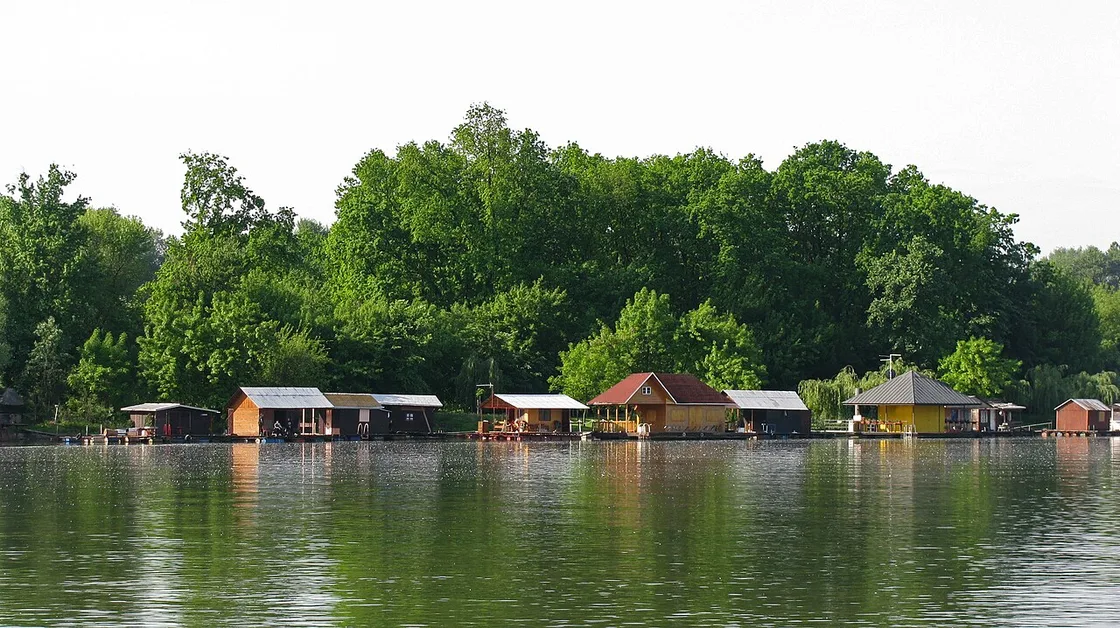
Belgrade is a genuine stag and party destination, built around the floating river clubs known as splavovi, and that brings a wrinkle worth spelling out. Most travel policies carry an exclusion for anything that happens “while under the influence of alcohol.” Insurers do not void every claim the moment you have had a drink, and they generally have to show both that you were intoxicated and that the drink caused the incident, so an unrelated loss like a stolen phone is usually still paid. But a fall, a fight or an injury on a heavy night out is precisely the scenario an insurer will scrutinise, and it can be declined.
That does not mean skip insurance for a party trip; it means the opposite. Boat clubs and rafting hangovers are why a stag group is more exposed than a museum crowd, so cover the group and know that the policy protects the accident far better than the bad decision. Our Belgrade stag and bachelor party guide covers the practical side of organising the weekend.
The rental car: travel insurance is not car insurance
One point trips up almost everyone who drives here, so it is worth stating plainly: your travel policy does not insure the rental car. Damage to the vehicle is handled by the rental company’s own collision damage waiver (CDW) and third-party cover, which come with the car, not by your travel medical plan. What a travel policy might cover is you, the driver and passengers, if you are injured.
The gap that costs money is the excess (the deductible you still owe on the CDW if the car is damaged), which can run to a four-figure sum and is not covered by a standard travel policy. To cover it you either buy the rental company’s excess-reduction product at the desk or a separate car-hire-excess policy, which is often cheaper. Either way it is a distinct decision from your health cover. Our guide to renting a car in Serbia walks through the CDW, the excess and the deposit before you sign anything at the counter.
How much does it cost?
There is no single number worth quoting, because the premium depends on you and the trip. The big levers are your age, the length of the trip, the coverage limits you choose, and any add-ons for adventure or winter sports. A short trip for a young, healthy traveller on a standard plan is genuinely cheap, often a small fraction of the airfare; older travellers, longer stays, higher limits and any pre-existing conditions push it up, sometimes sharply.
Rather than chase a headline price, get a quote for your exact dates and compare a couple of providers. A monthly, renewable option such as SafetyWing’s Nomad Insurance suits open-ended or long trips and remote workers, while a fixed-dates single-trip policy often works out better value for a defined two-week holiday. Whichever you choose, weigh it on the evacuation limit and the exclusions, not the sticker price alone, since the cheapest plan is usually the one with the lowest ceiling exactly where you would need it most.
The one thing to get right
If you take a single decision away from all this, make it the evacuation cover, then read the exclusions for whatever you plan to do. A basic medical policy is fine for a city break around Belgrade and Novi Sad; the risk changes the moment you add a summit, a chairlift, a raft or a set of car keys. Buy for the trip you are really taking, save the insurer’s assistance number offline before you fly, and keep every receipt, because in Serbia the paper in your pocket is what gets reimbursed. For the ground logistics behind the rest of your planning, our guide to getting around Serbia covers how you will actually move between these places.
Photos
Read also
How Much Does a Serbia Trip Cost?
Verified · July 4, 2026A realistic Serbia travel budget for 2026: daily costs for backpacker, mid-range and comfortable trips, plus a sample week, in dinars and euros.
Serbia Weather by Month
Verified · July 4, 2026Serbia weather month by month: average highs, lows and rainfall for Belgrade, how cold the mountains get, when it snows, and what to pack across the year.
Where to Stay in Novi Sad: Best Areas
Verified · July 4, 2026The best areas to stay in Novi Sad: the walkable old-town centre, the Danube riverside and Liman, or quiet Petrovaradin under the fortress.
Best Time to Visit Serbia (Month by Month)
Verified · July 3, 2026When to visit Serbia: spring and autumn are the sweet spot, summer is hot festival season, winter is for skiing, and Belgrade works all year round.